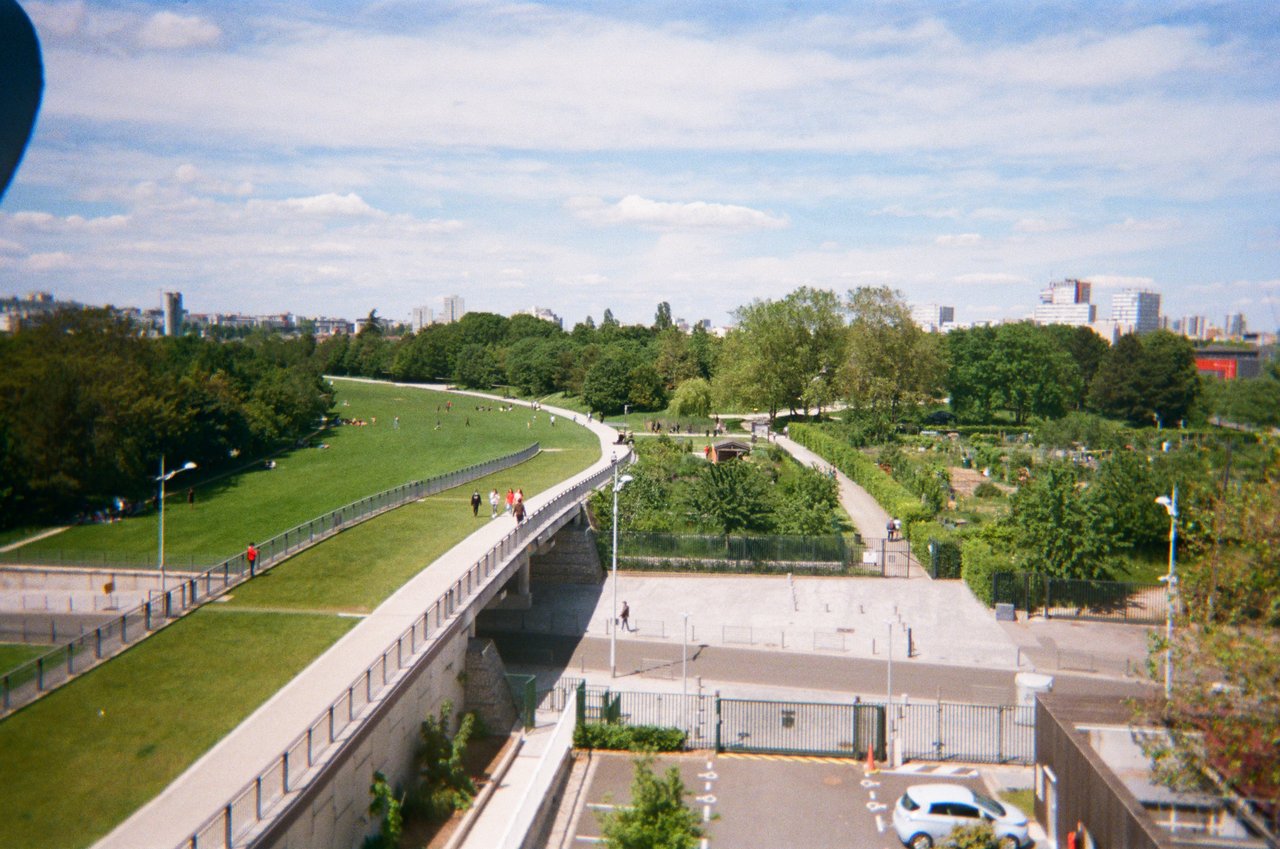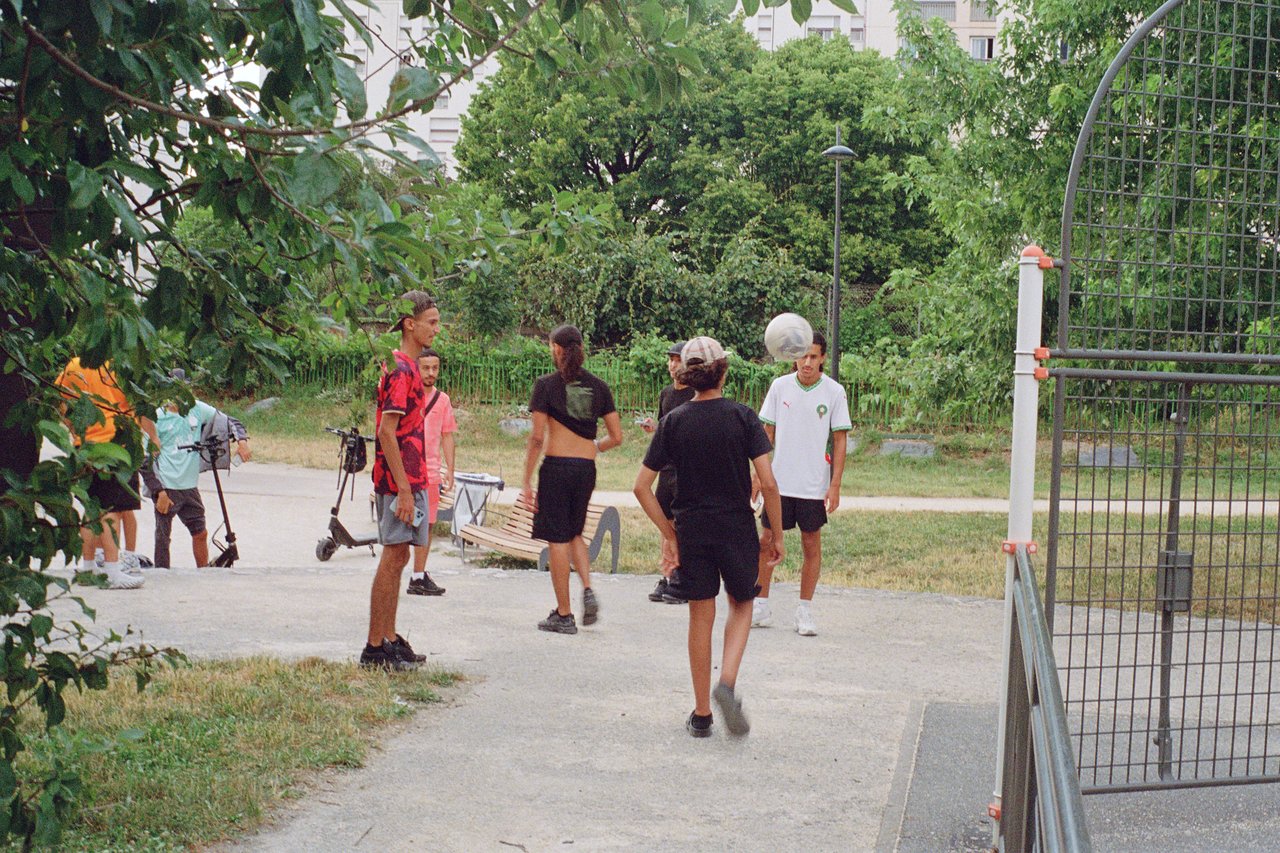
Point of View is our most complete investigative workshop format. It brings together arts education, media literacy, and a sensory reading of the neighborhood. Photography, sound, video, writing, mapping, and drawing can all be combined so that a group can look closely at its surroundings, produce original material, and build a collective story.
This format is often a way into the mOst method. It lets an organization and a group try out several tools within the same time frame, without reducing the project to a technical introduction. The common thread is always a grounded question: What is life like here? Which places matter? What is changing? Which images of the neighborhood do we want to shift, add to, or push back against?
The project begins with time for getting to know each other and for mapping. Participants identify their routes, their landmarks, and the places they love, avoid, have seen change, or imagine. These first maps are not about geographic accuracy. They make experiences, uses, and symbolic boundaries visible, and then help choose walking routes and subjects to investigate.
Out in the neighborhood, each medium opens up a different way of observing. Photography sharpens the eye: framing, composing, choosing a distance. Sound makes it possible to gather voices, atmospheres, and memories. Video links gestures, spaces, and moments in time. Writing adds context and nuance. Drawing makes visible the absences, memories, or futures that a camera cannot record.
A big part of the work goes into editing and curating. The group goes back over the images and sounds it has made, discusses what they say, then selects, captions, and organizes them. Participants learn that a story is not made only at the moment a picture is taken: it is also built through choices, editing, sequencing, titles, and the relationships between the different materials.
The public presentation is planned from the very start of the series. Depending on the project, it can take the form of a light exhibition, a multi-site trail, an installation in public space, a short film, a booklet, or a web page. Participants take part in hanging the show and in guiding visitors, so they can present their choices and turn the exhibition into a space for conversation with the neighborhood.
Point of View can be adapted for children, teenagers, adults, families, seniors, or intergenerational groups. It can run over four to six sessions for a first series, or stretch over several months when it brings together several groups and several places. Its strength is its flexibility: it lets you begin with an open exploration and bring out, from the ground up, the questions that deserve a closer look.
For partners, the format produces skills, a residents’ reading of the neighborhood, and a public outcome all at once. It can open the way to an arts residency, a documentary, a living archives project, or a neighborhood-of-the-future project. Above all, it leaves a first trace built by the people who live there.
in pictures
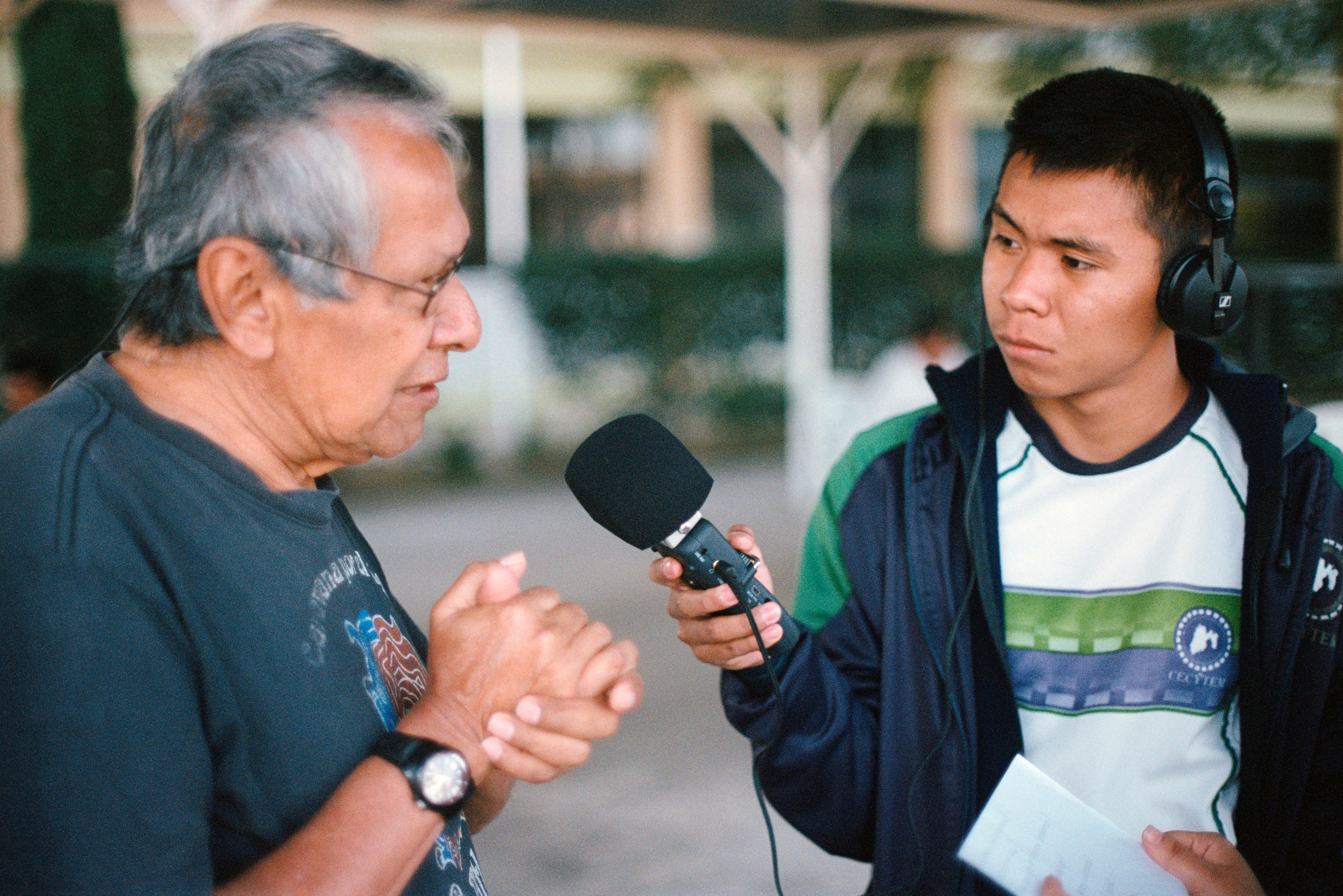
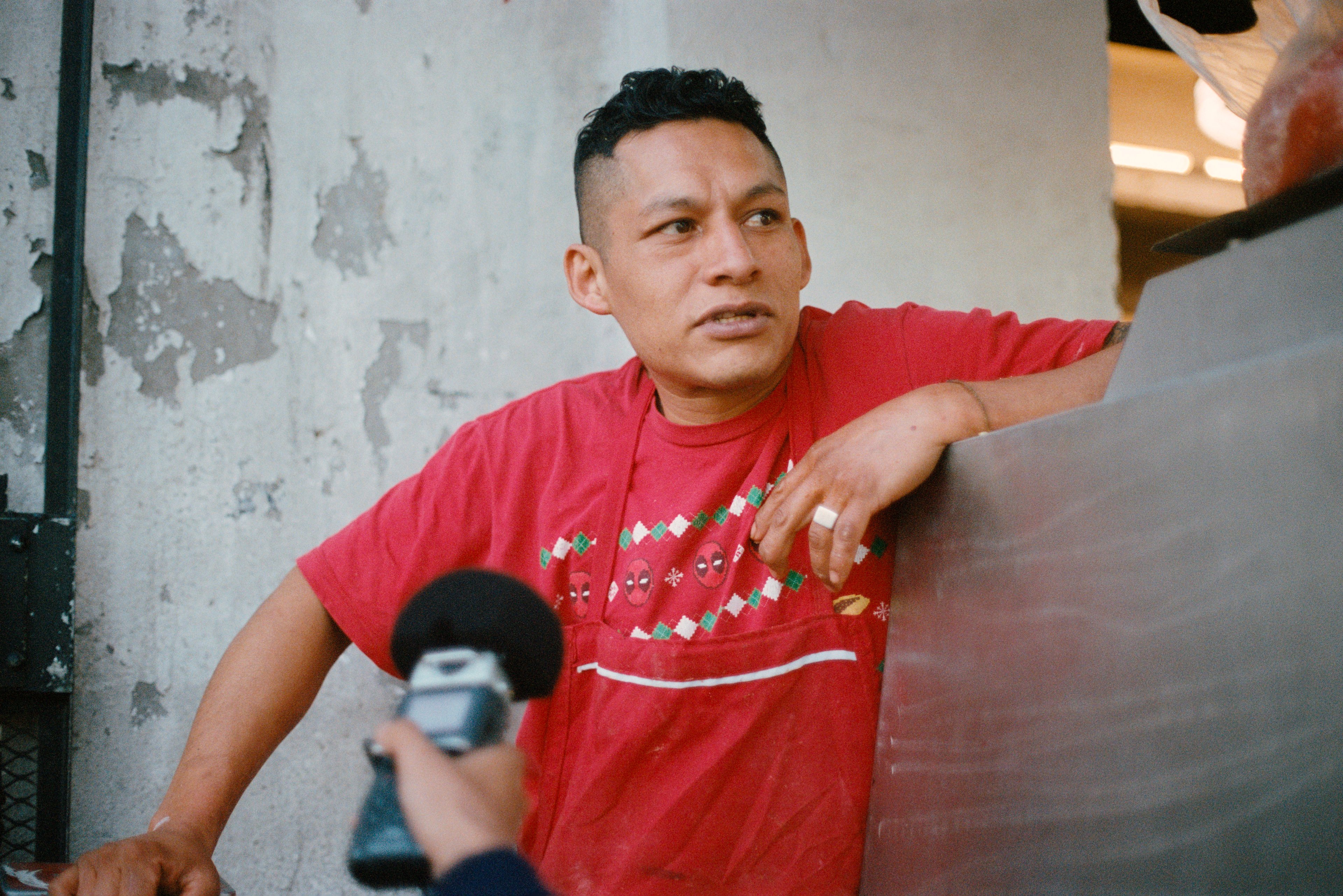
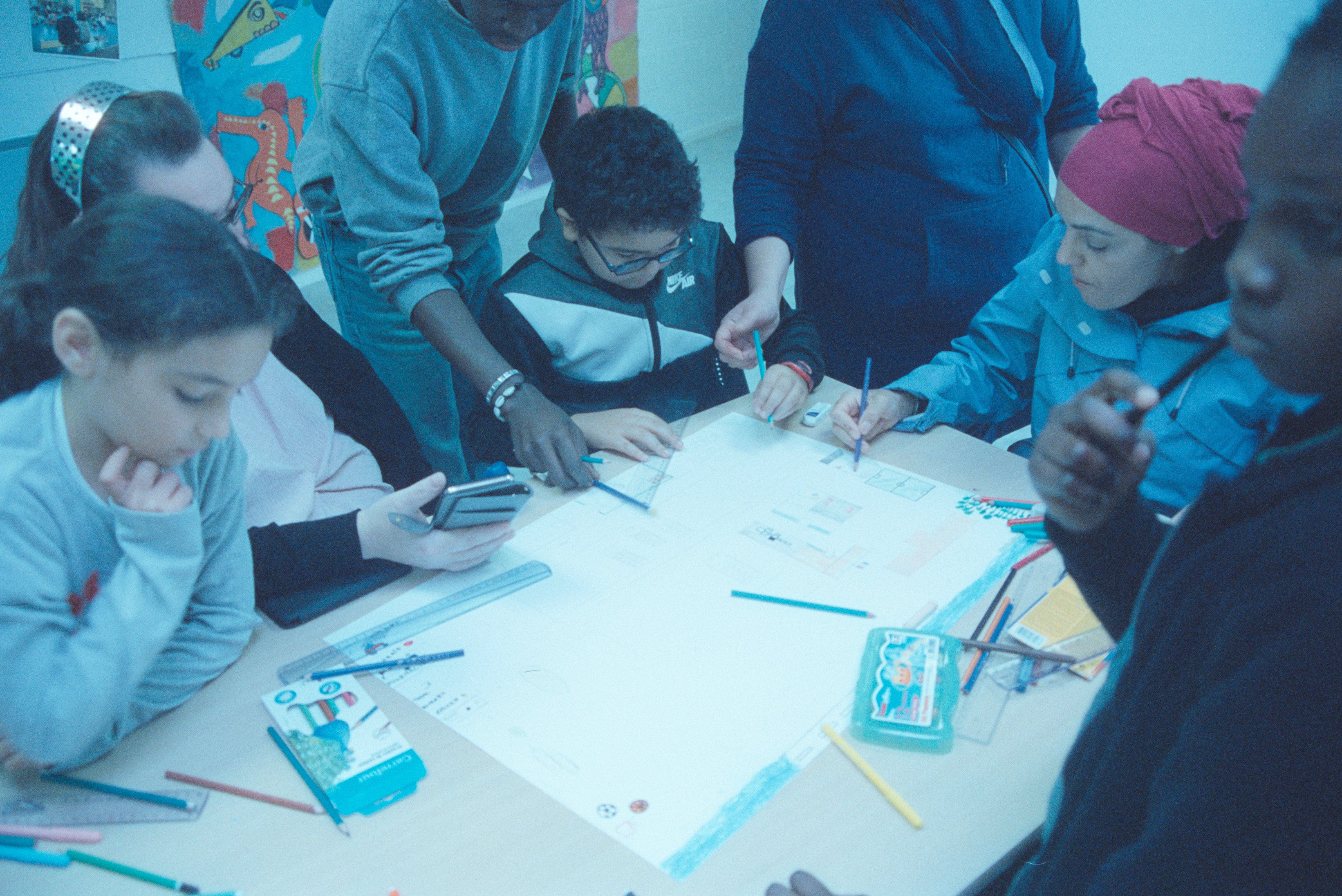
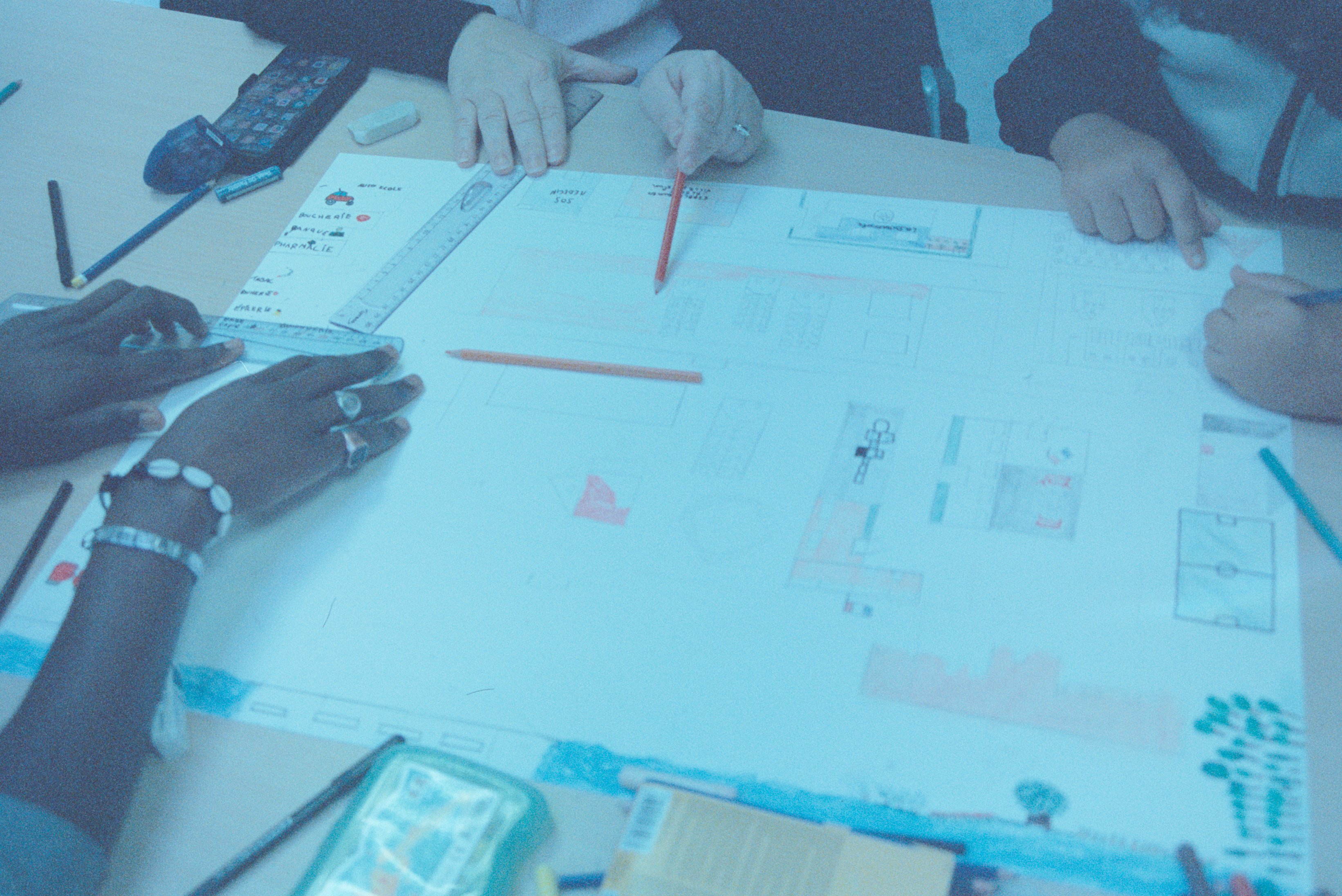
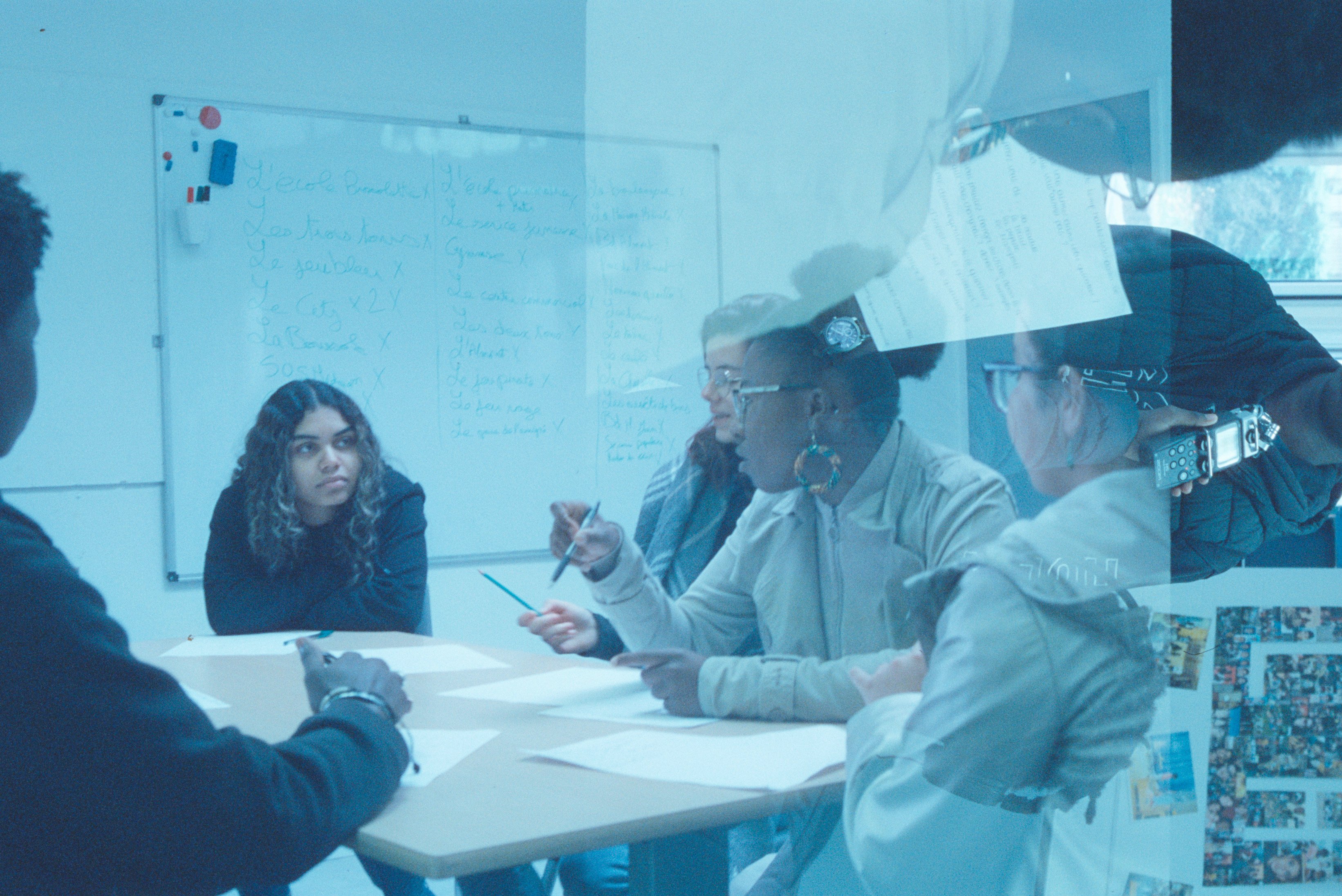
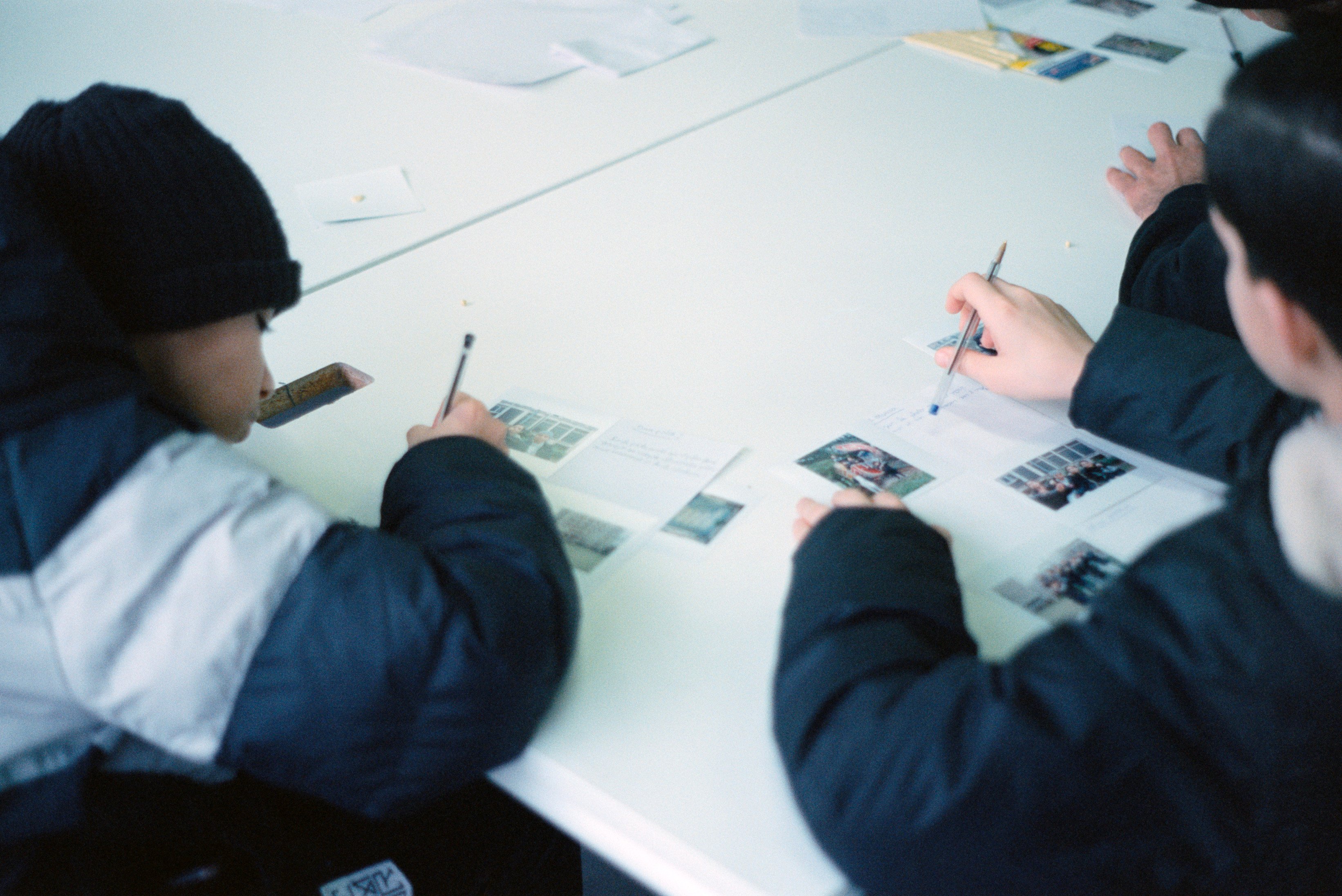
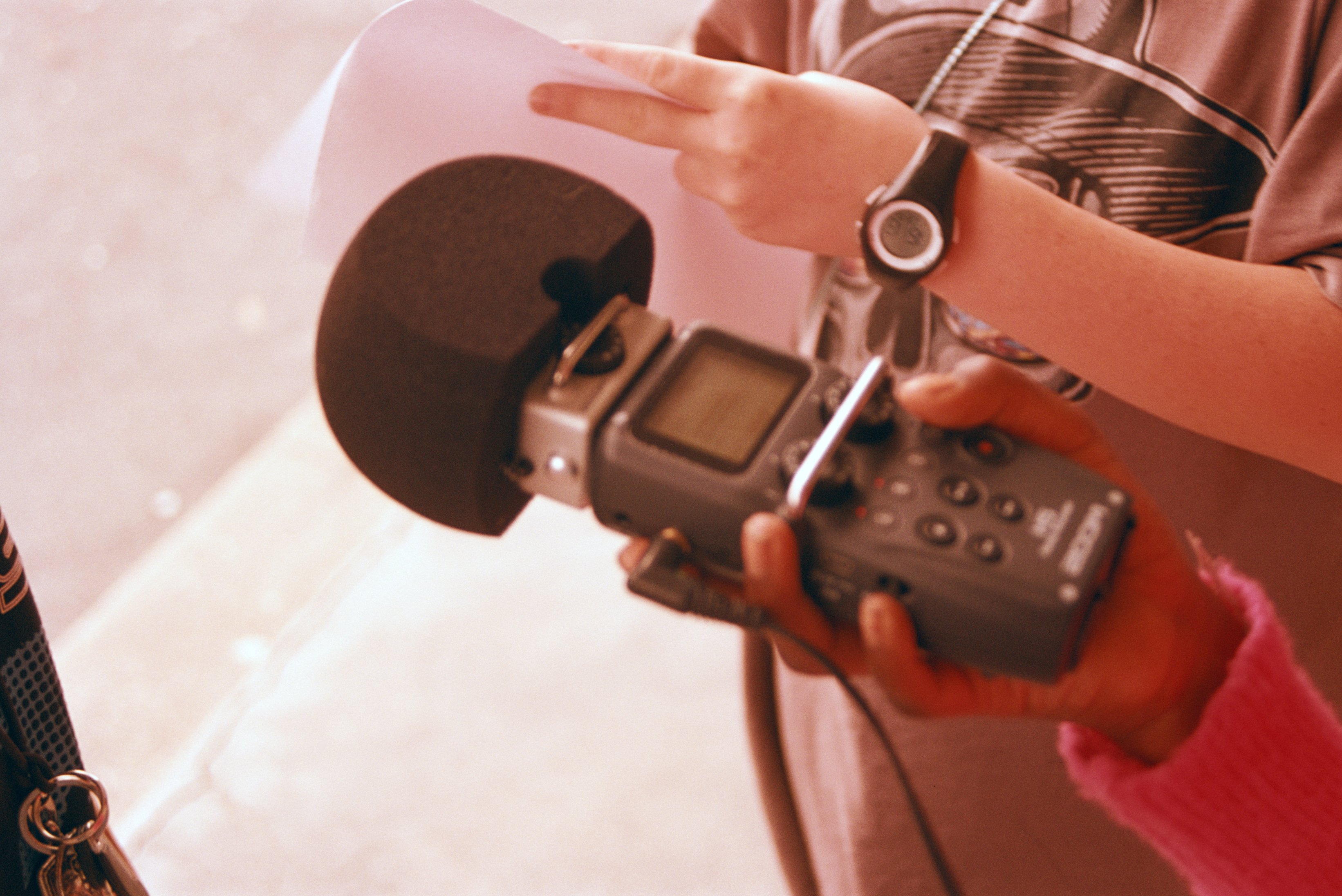
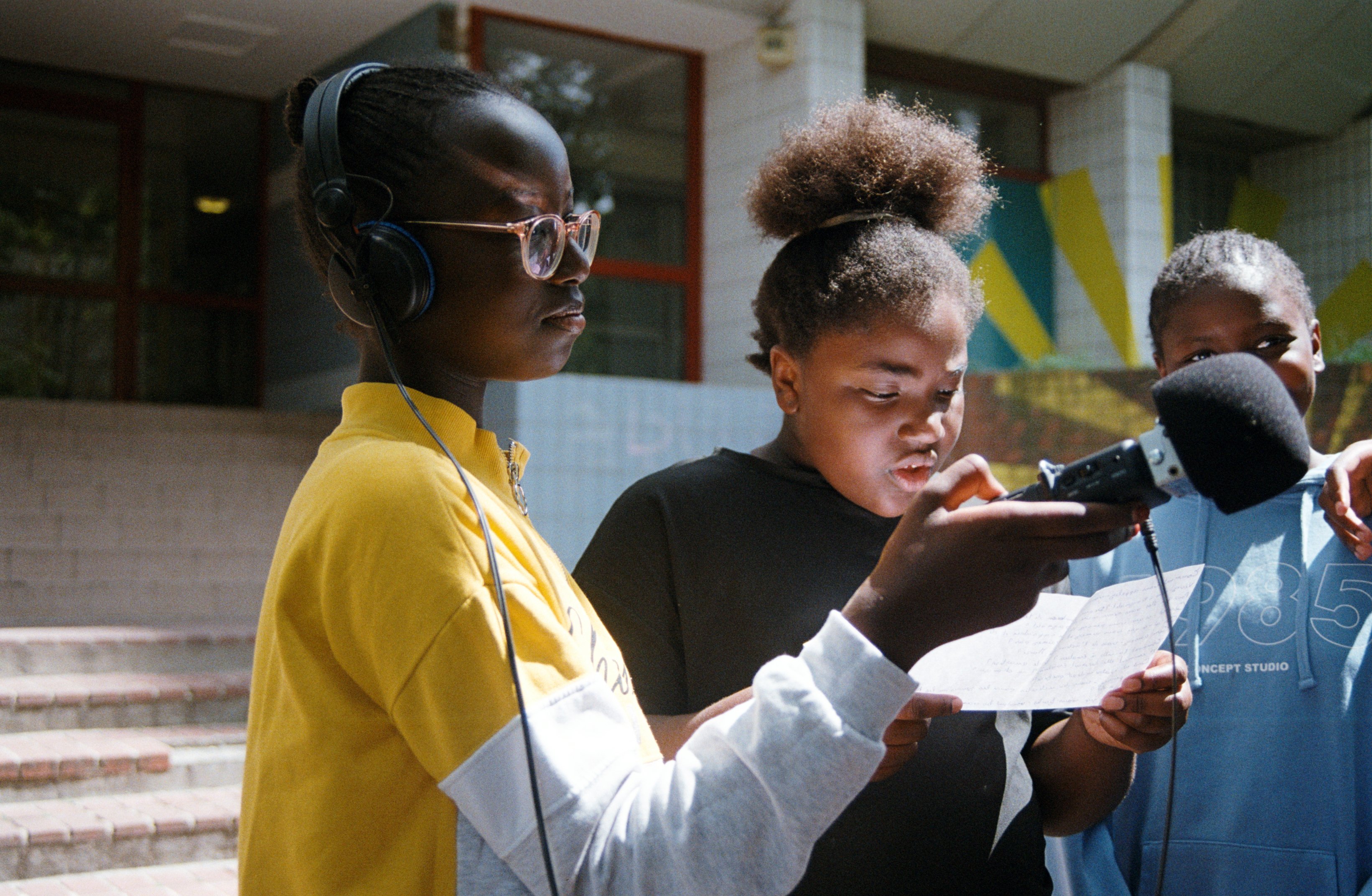
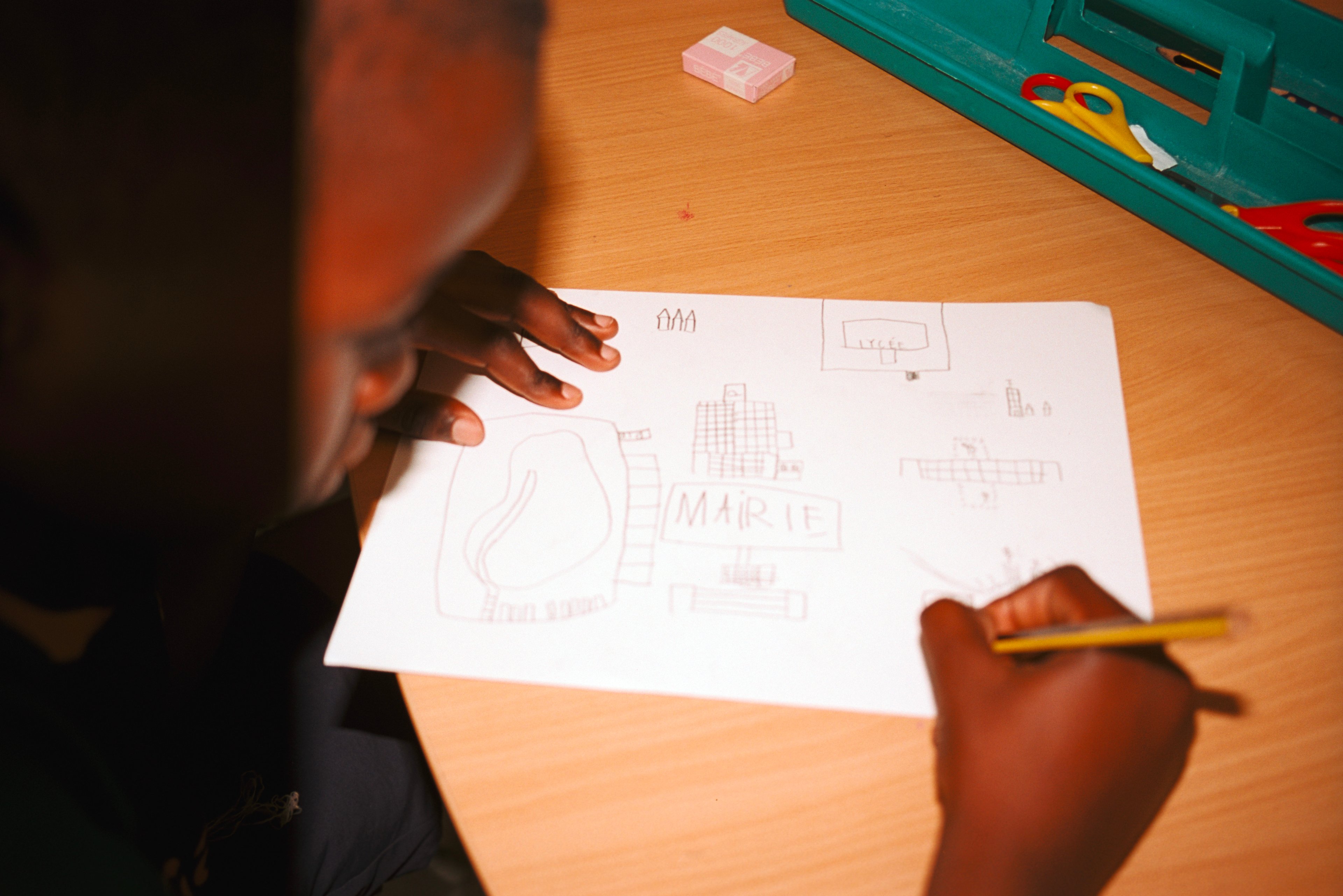
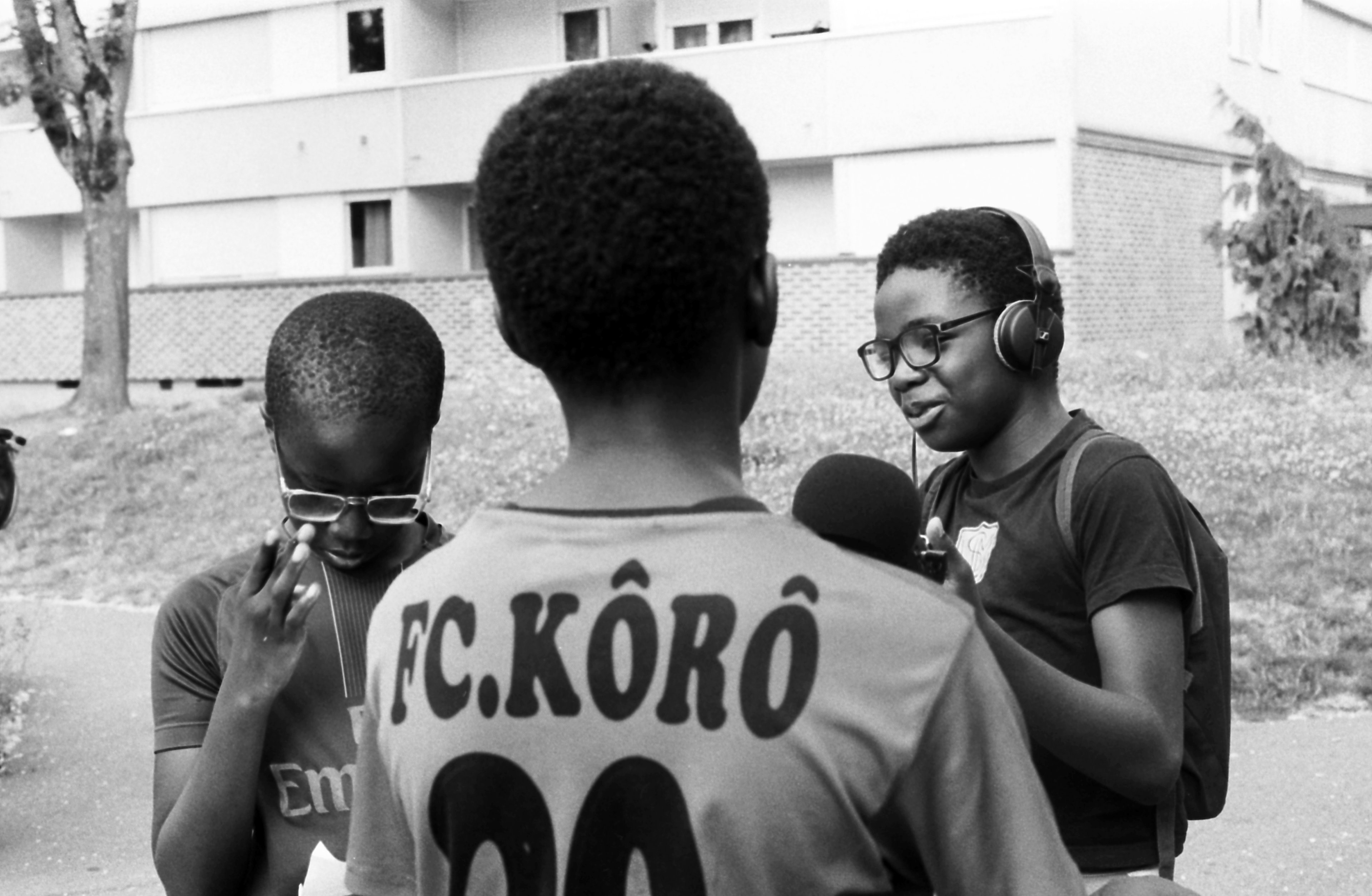
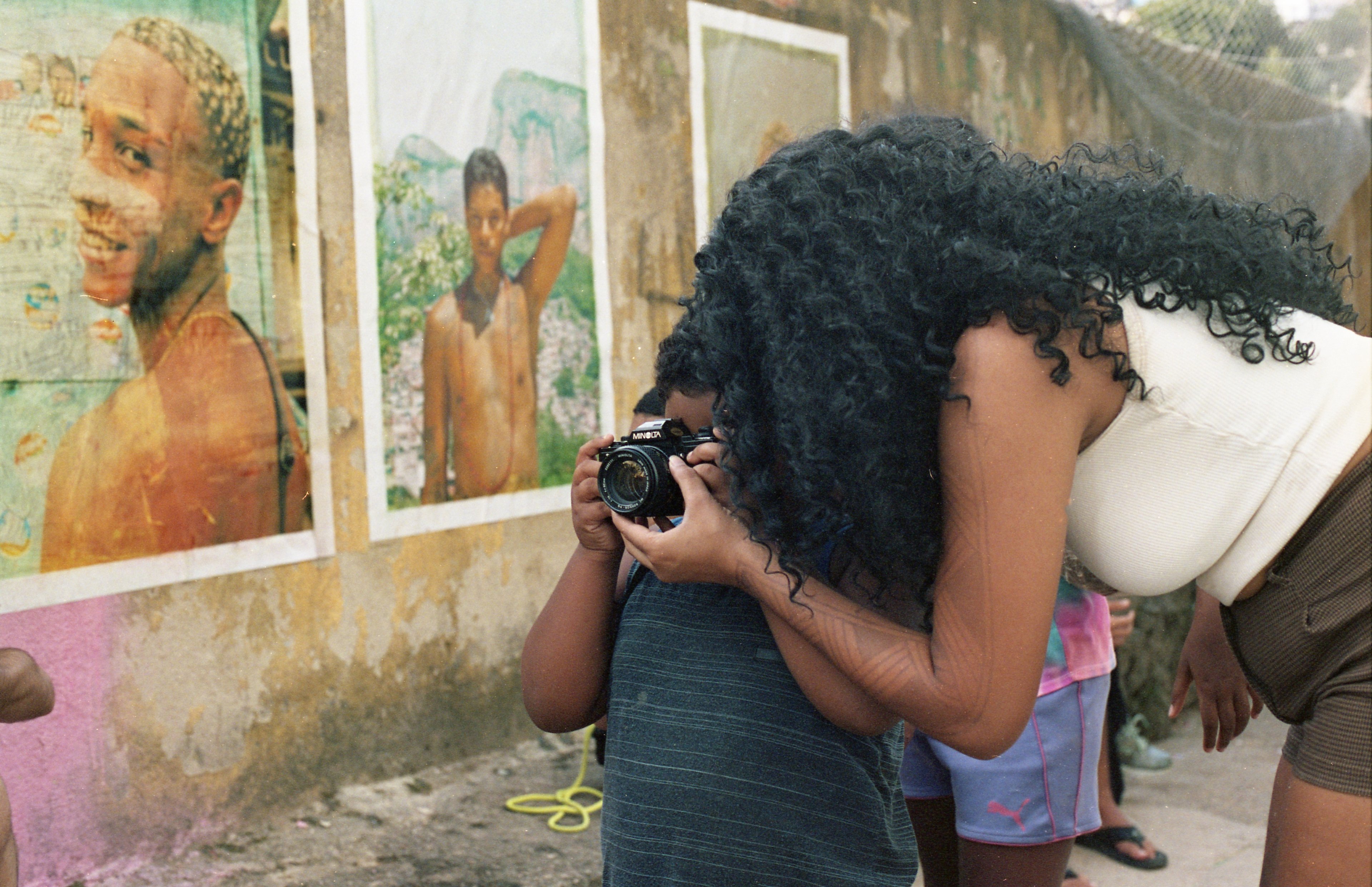
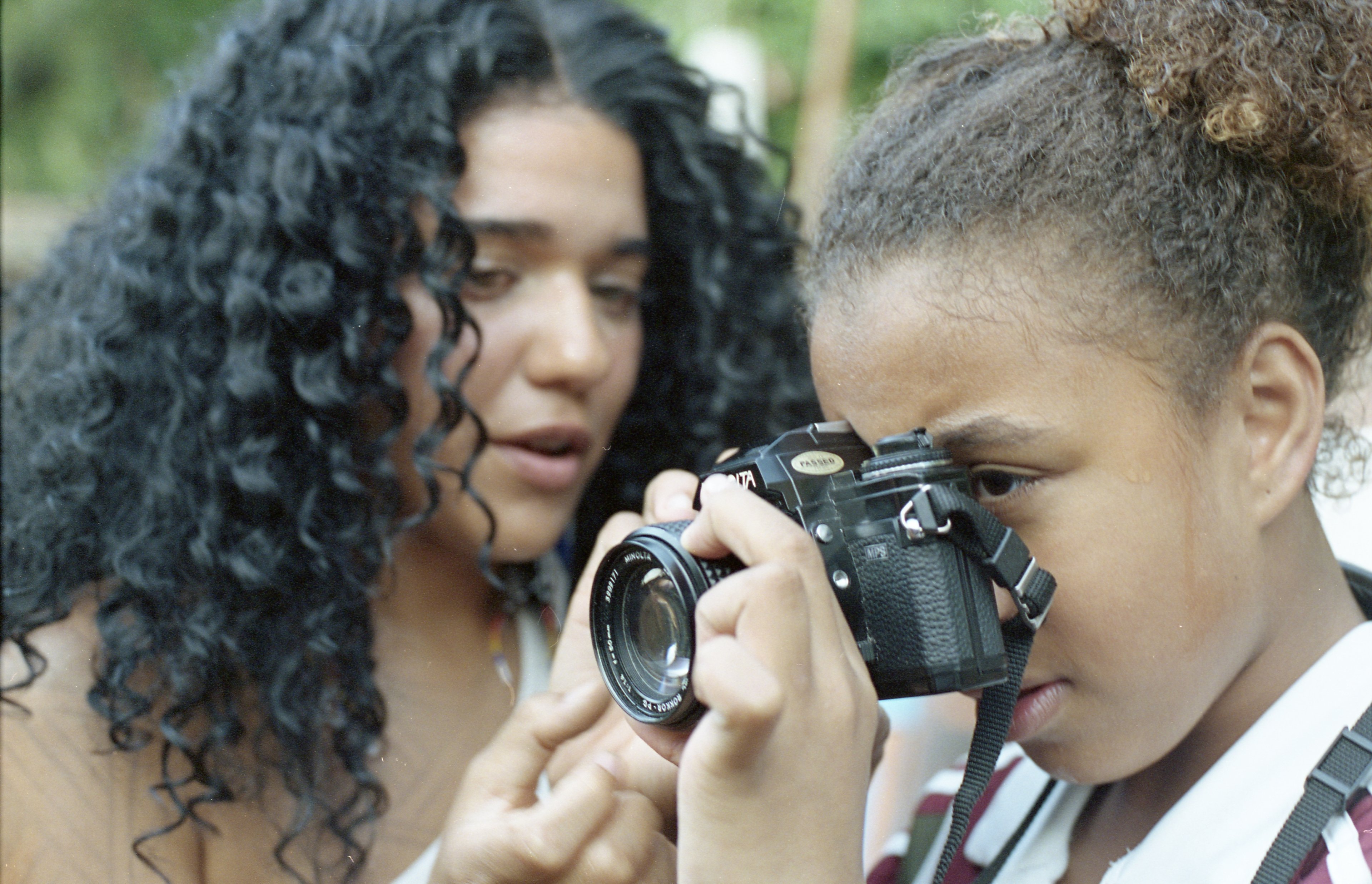
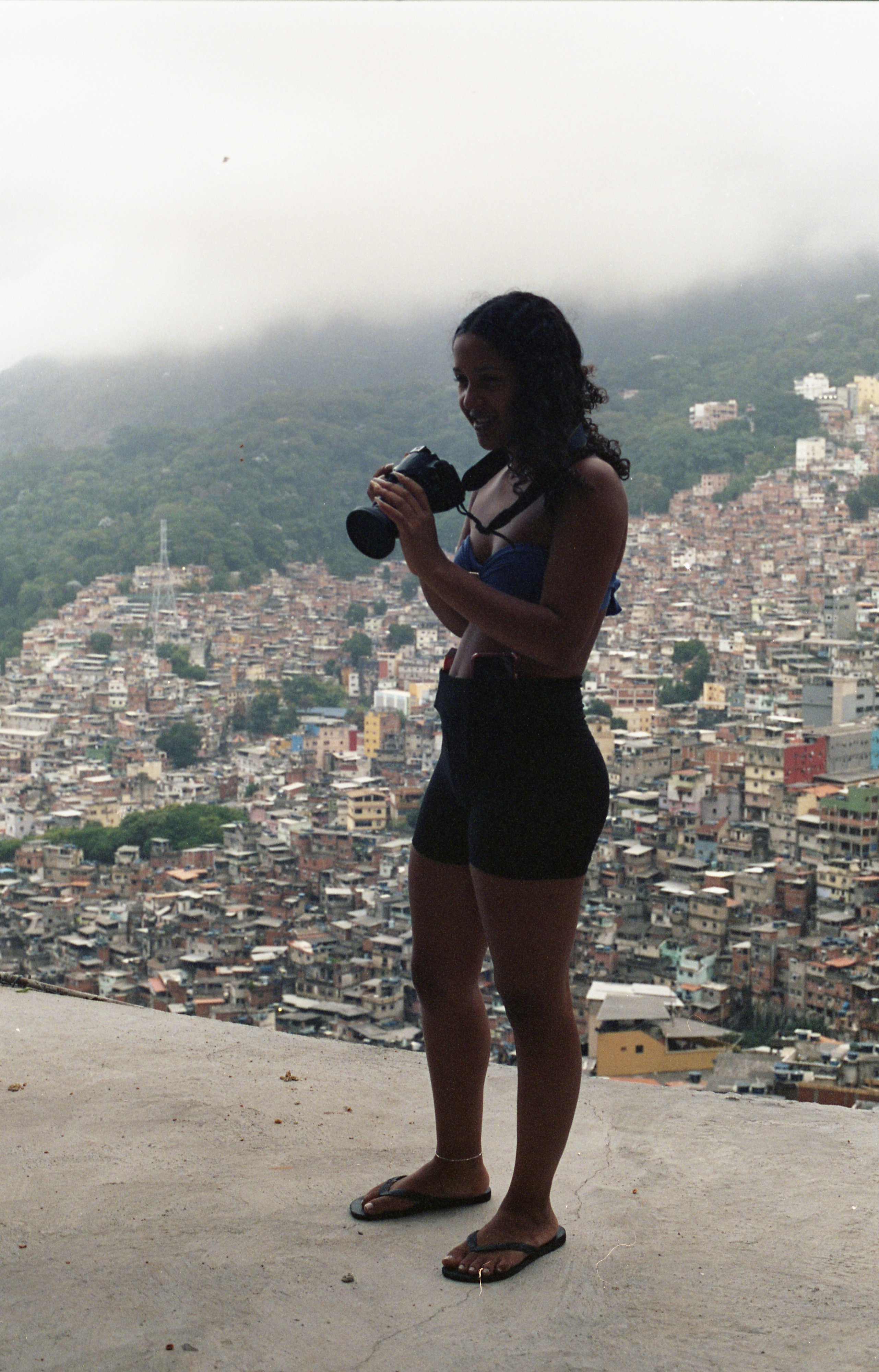
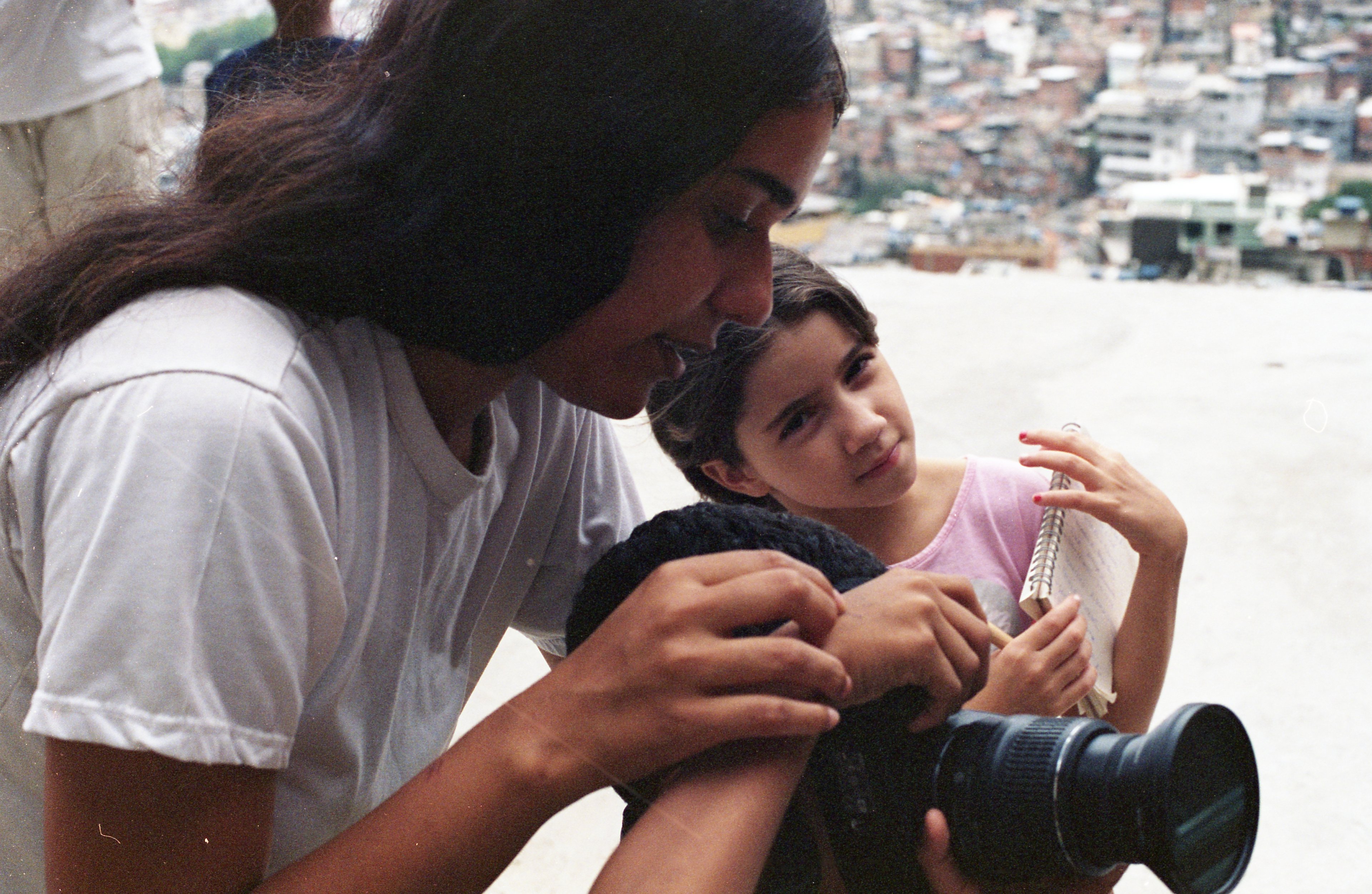
photos: the workshop participants and the mOst team
the albums
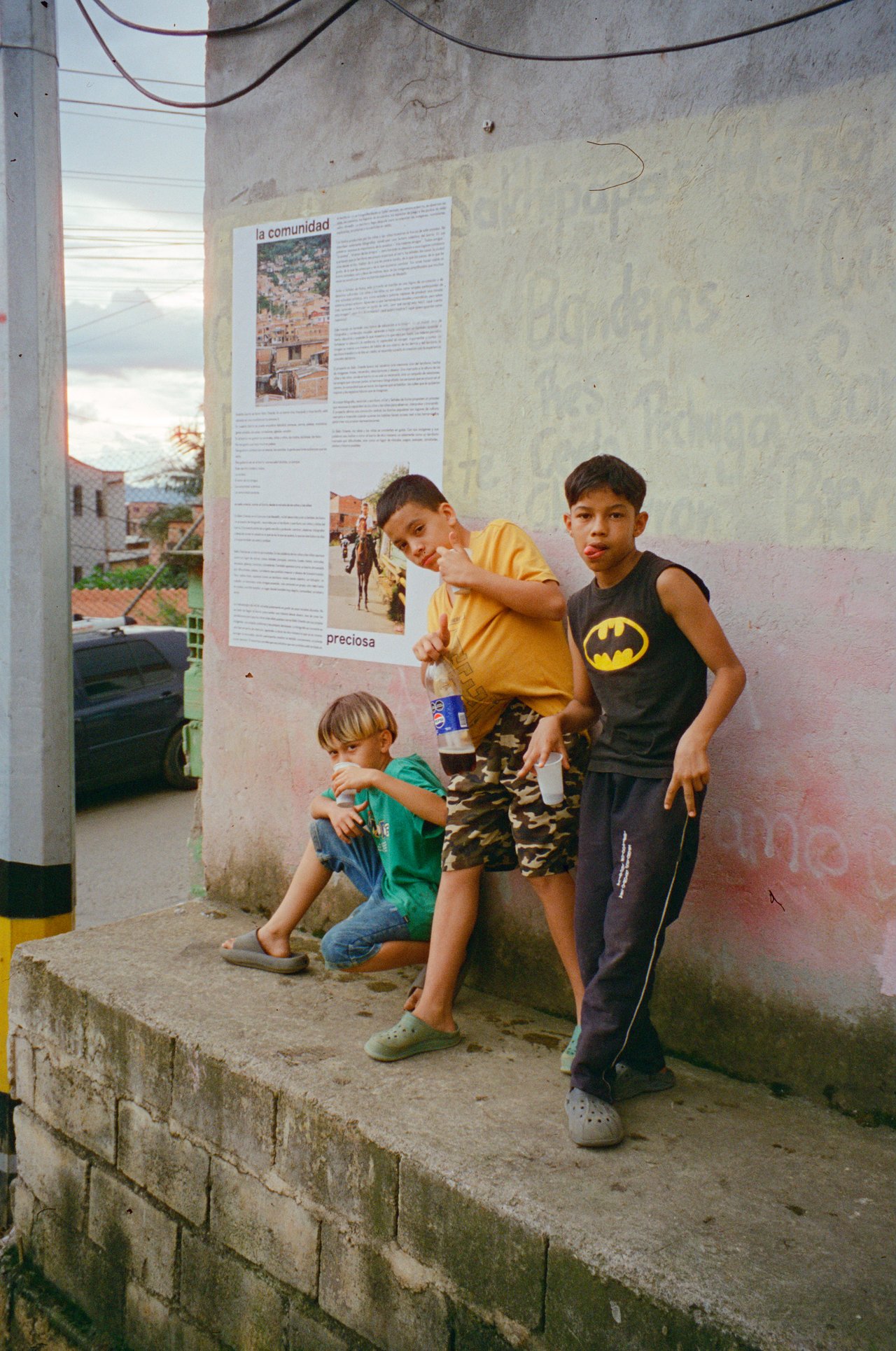
la comunidad preciosa
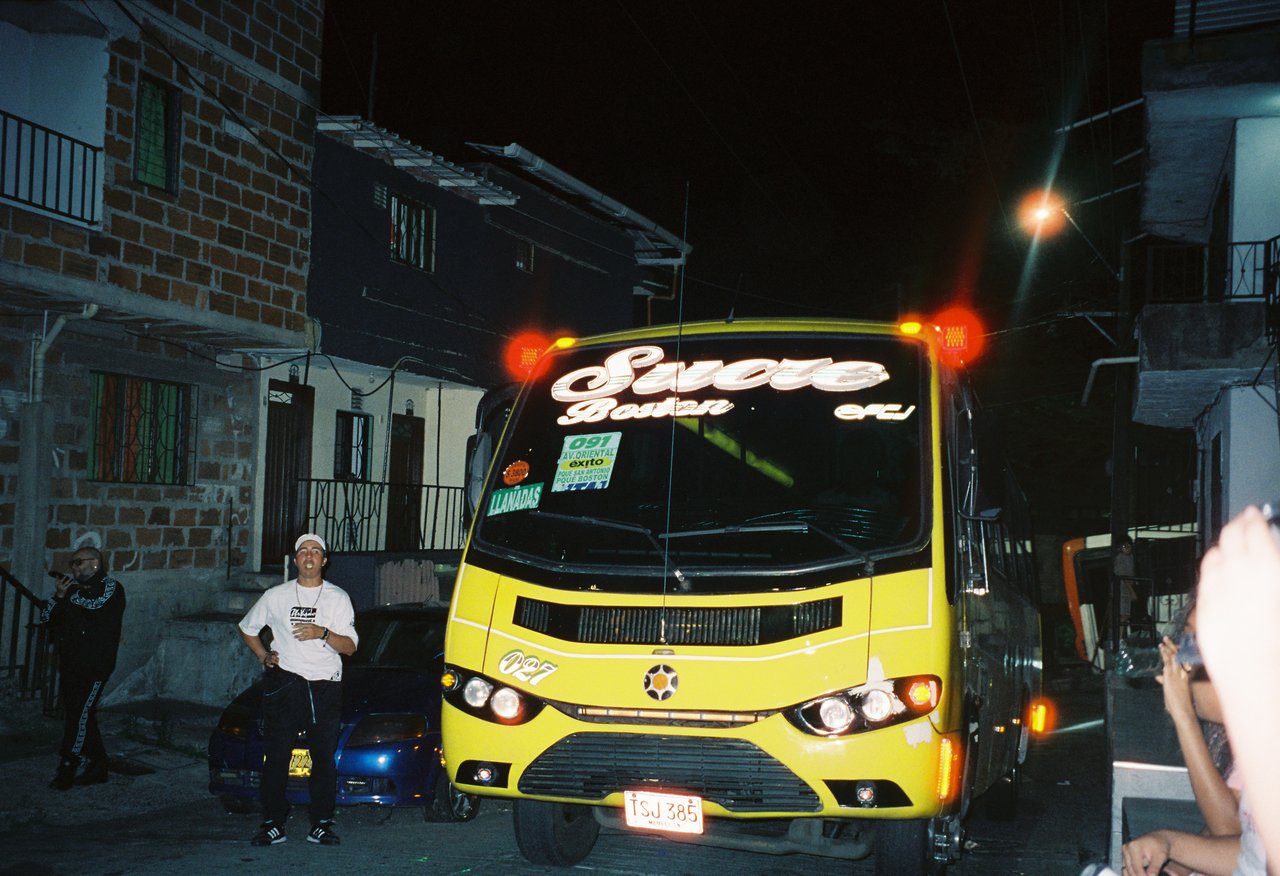
favela ocho
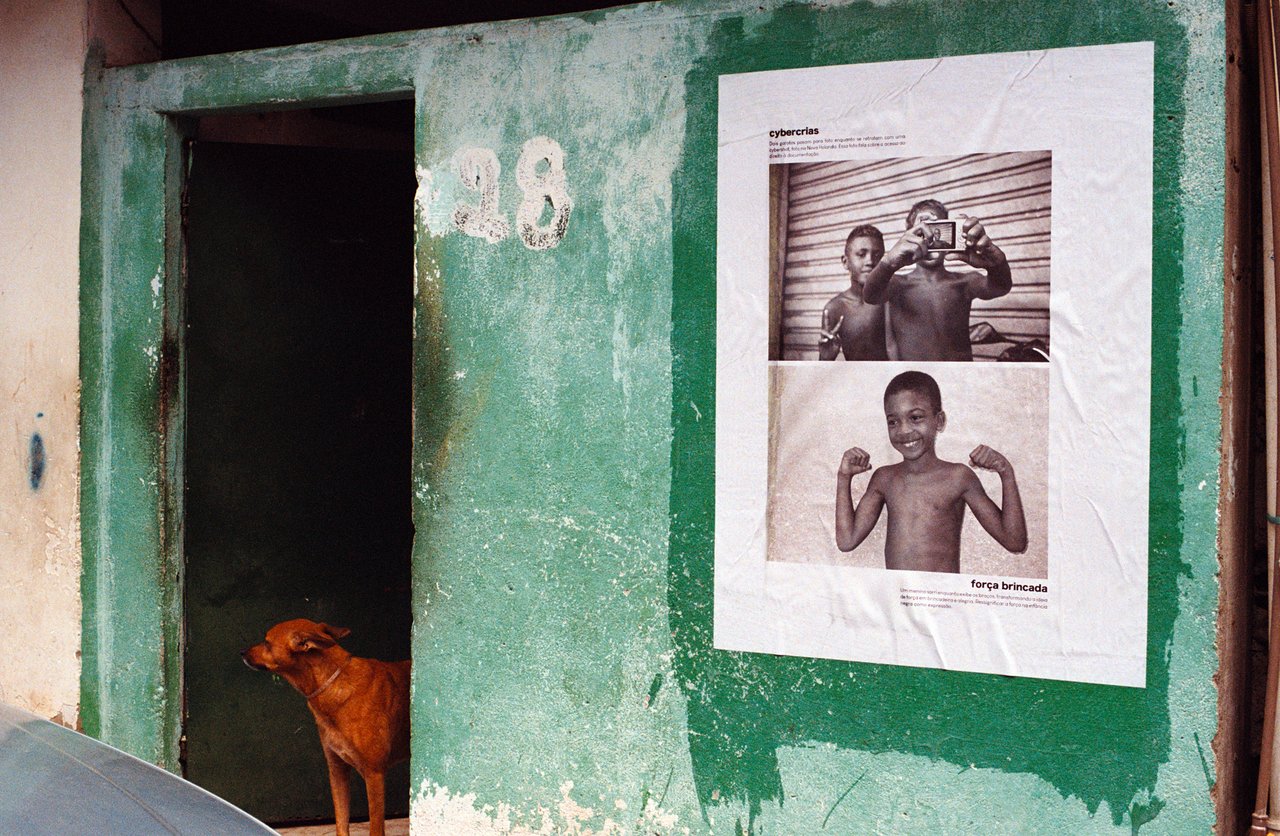
maré analógica
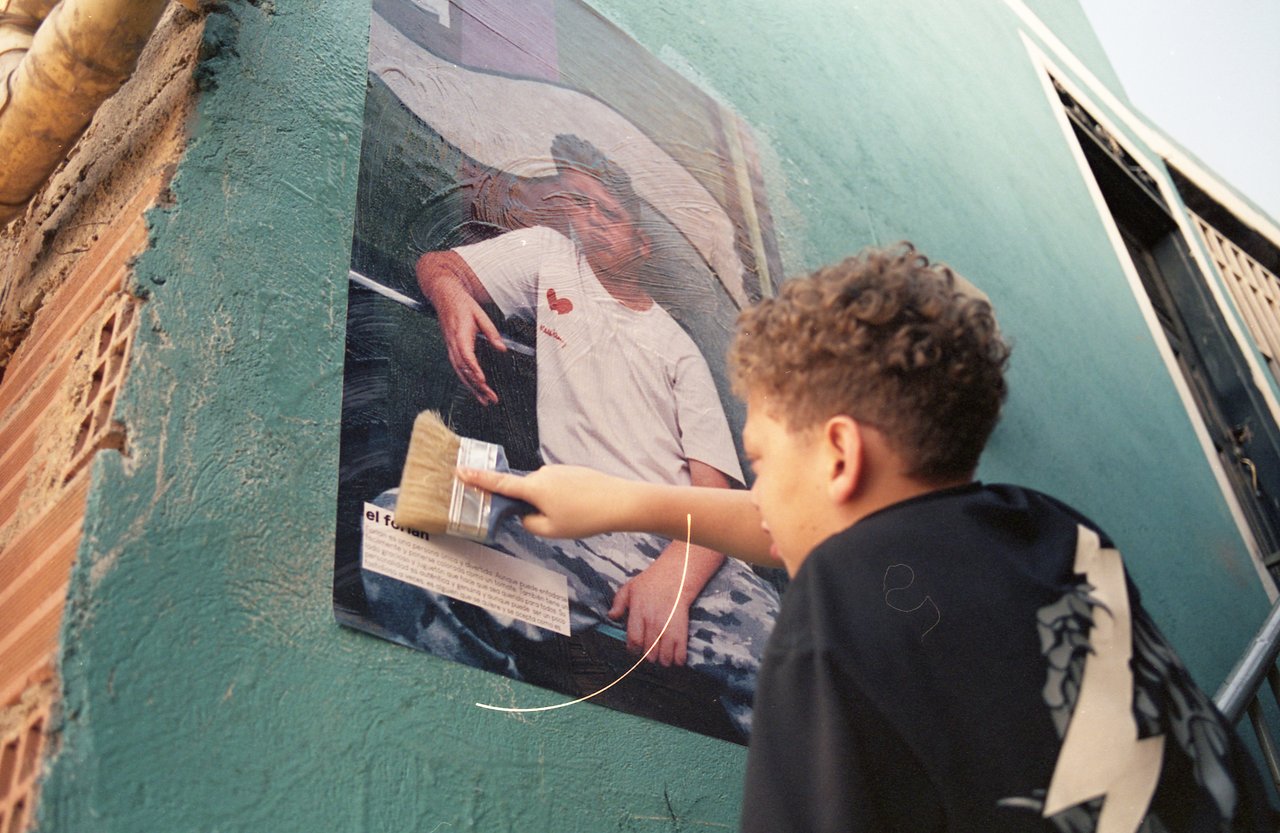
el parchecito de medellín 2
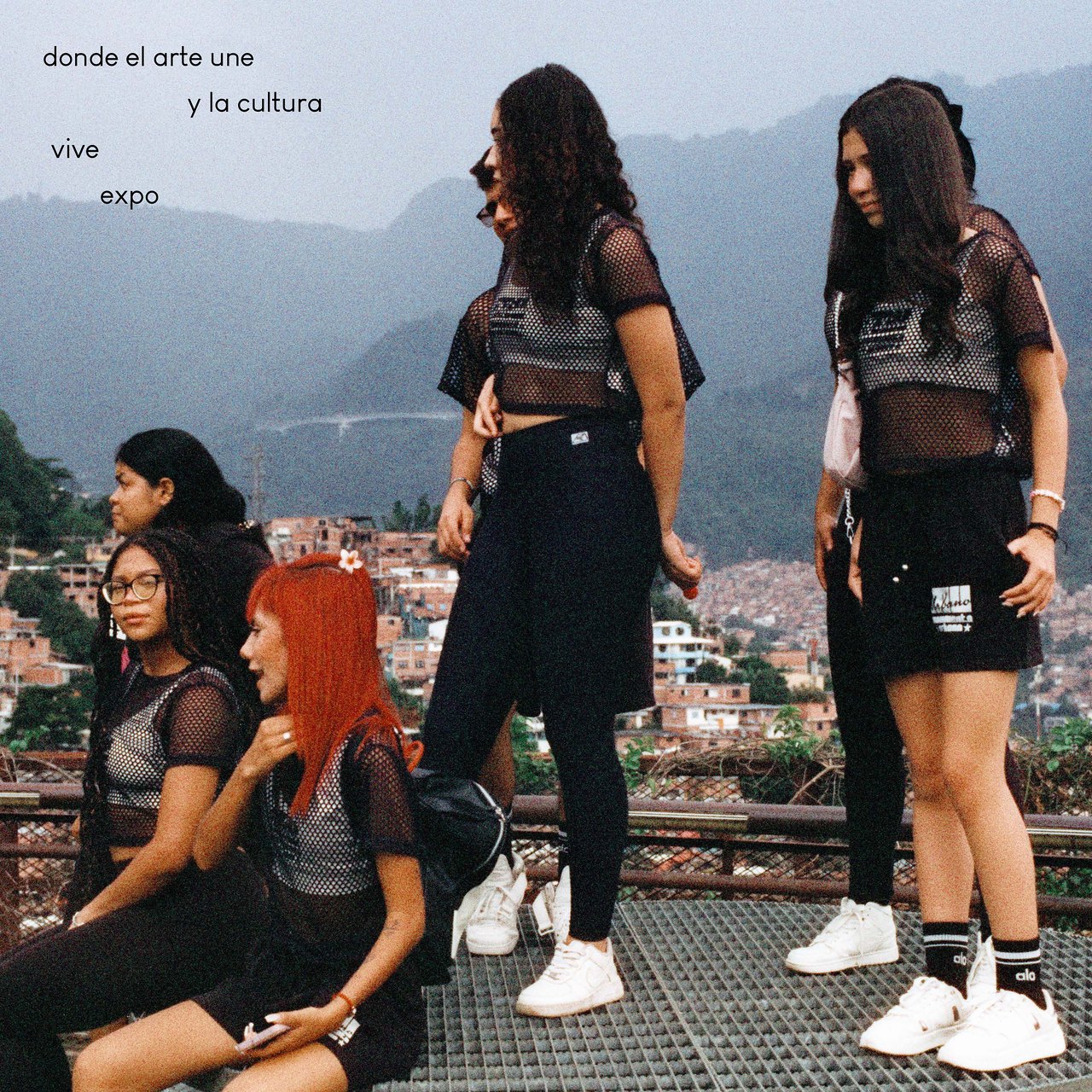
donde el arte une y la cultura vive
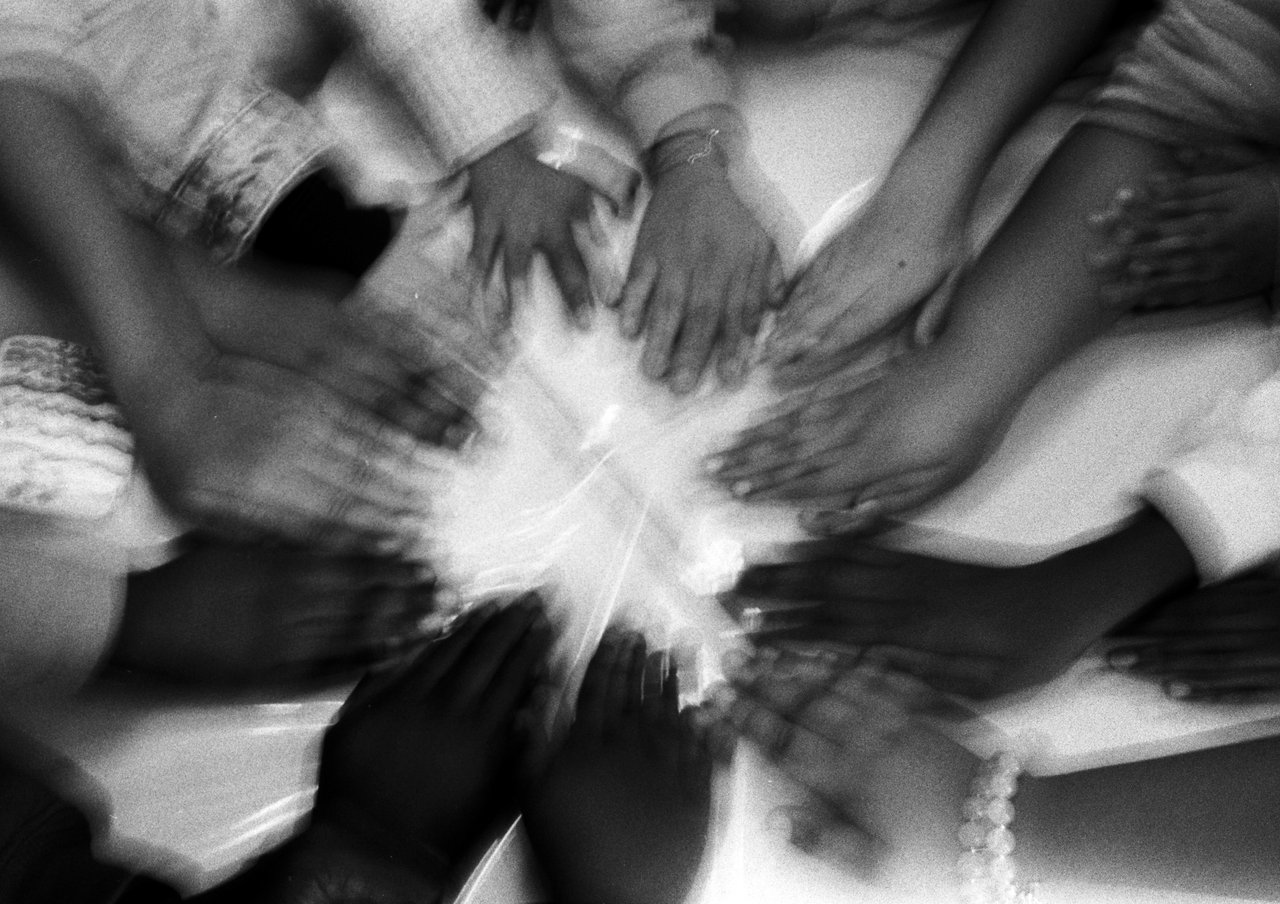
les couleurs du quartier
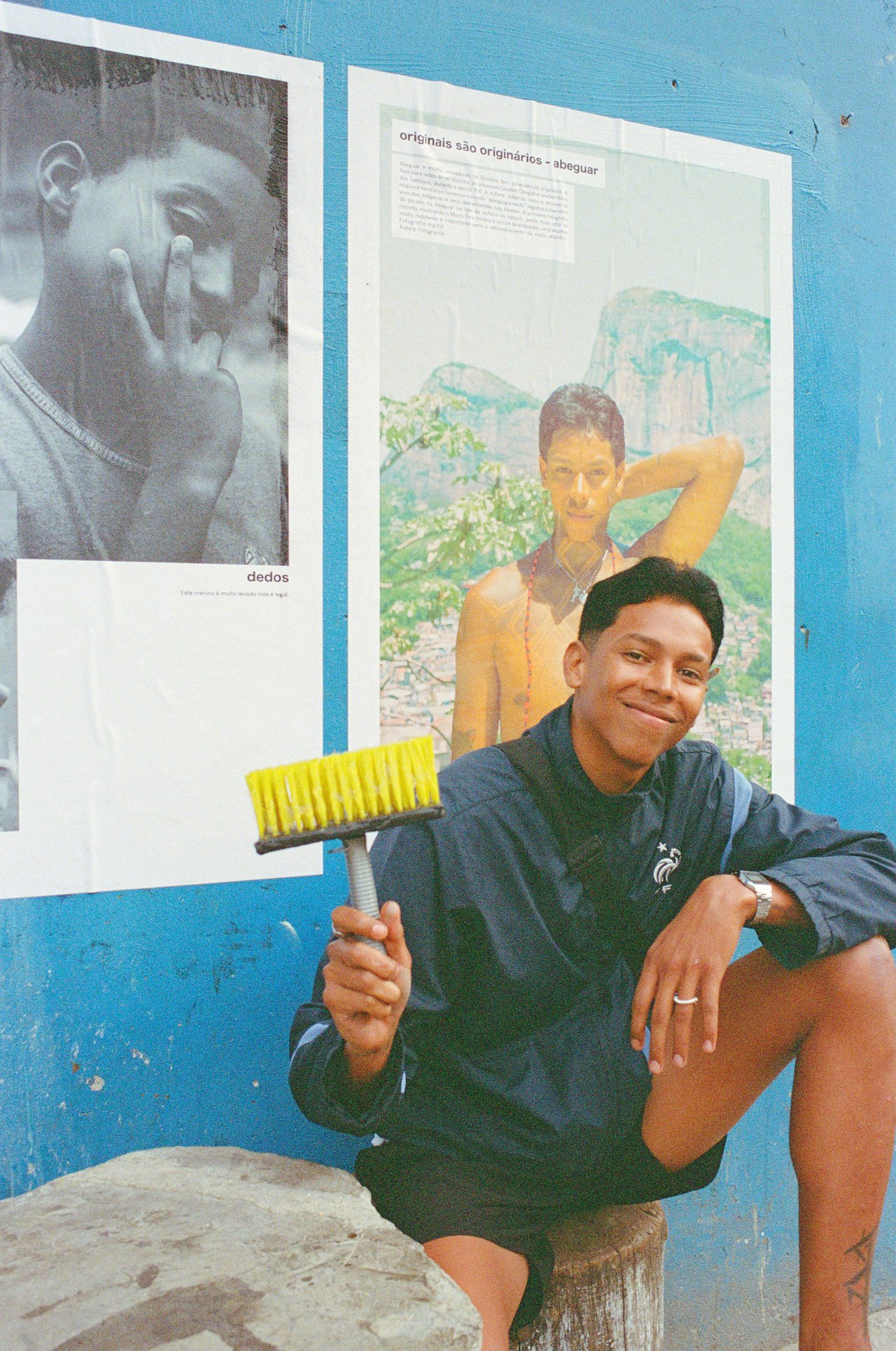
viver é um luxo · os crias da tl
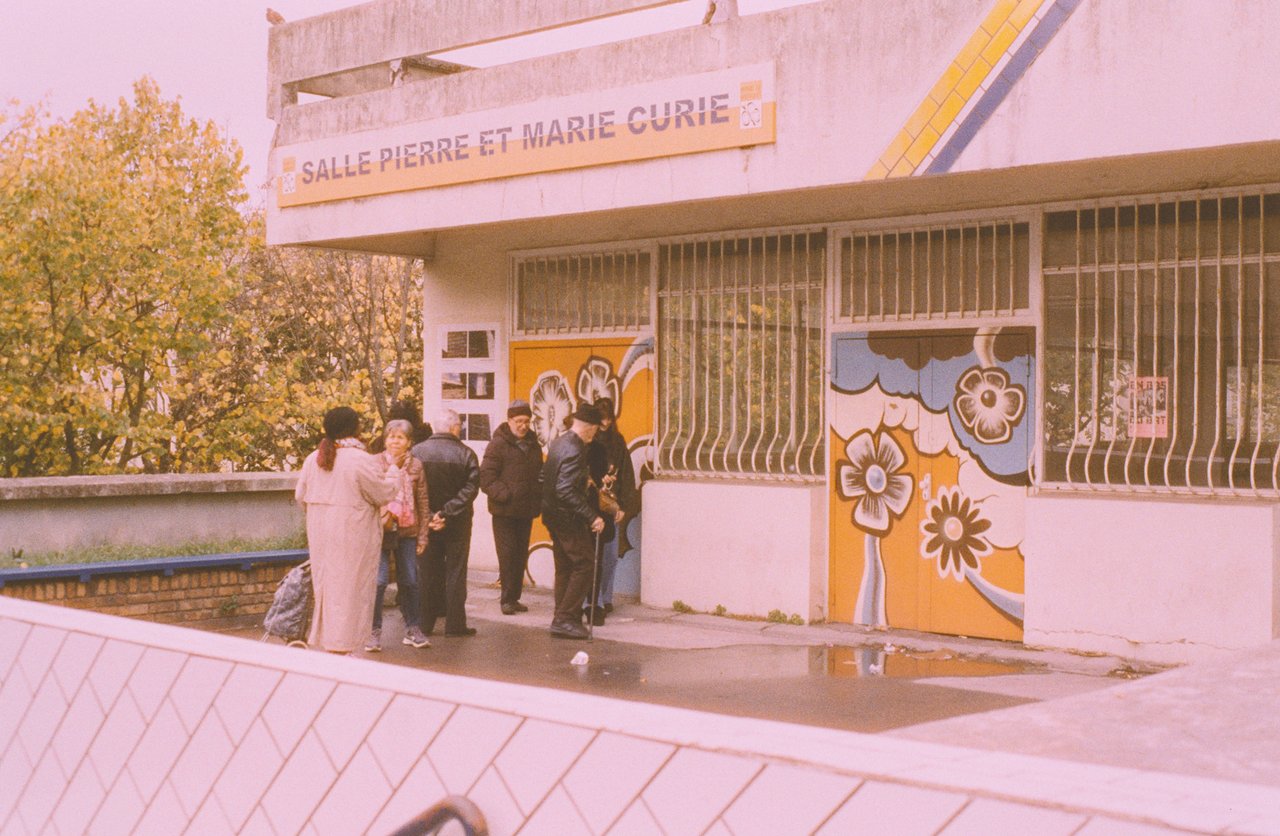
disco malassis
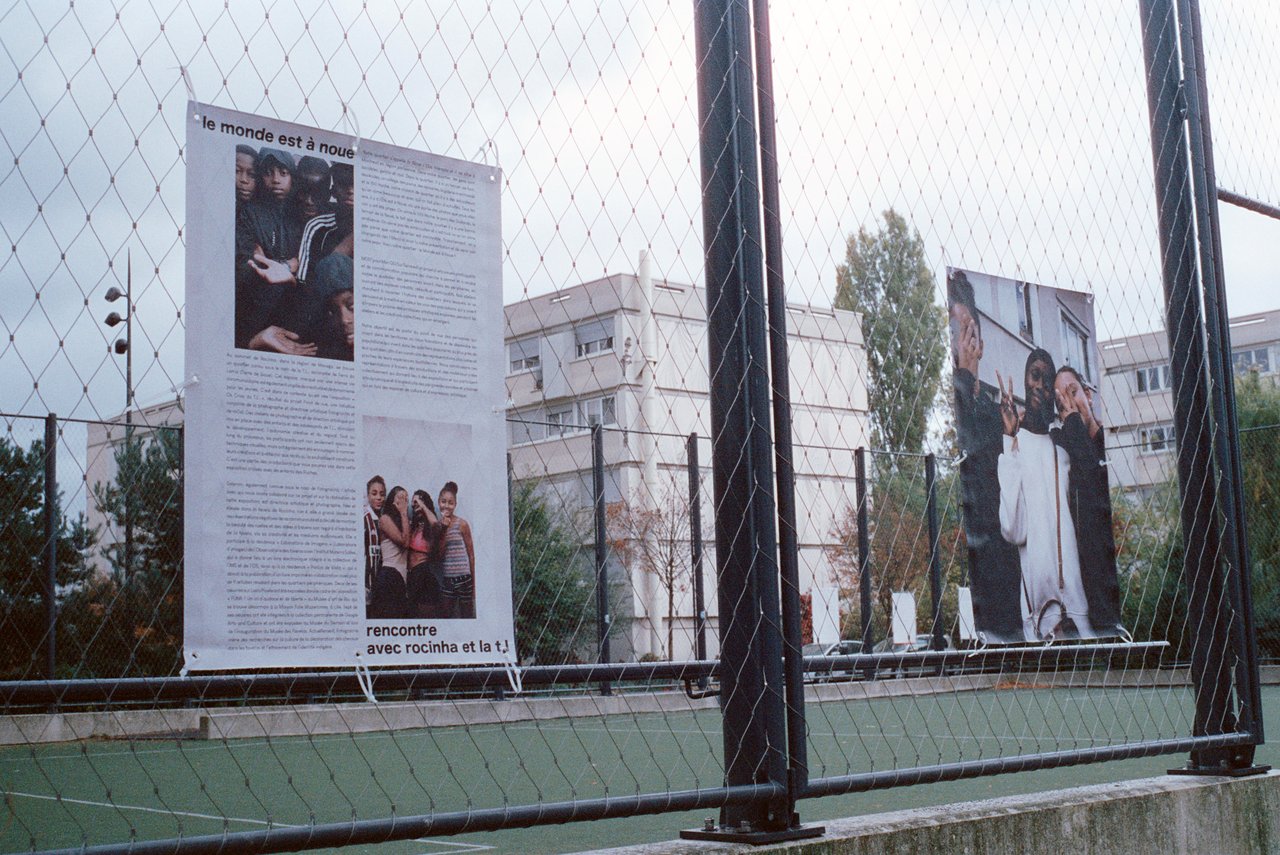
le monde est à noue: rencontre rocinha
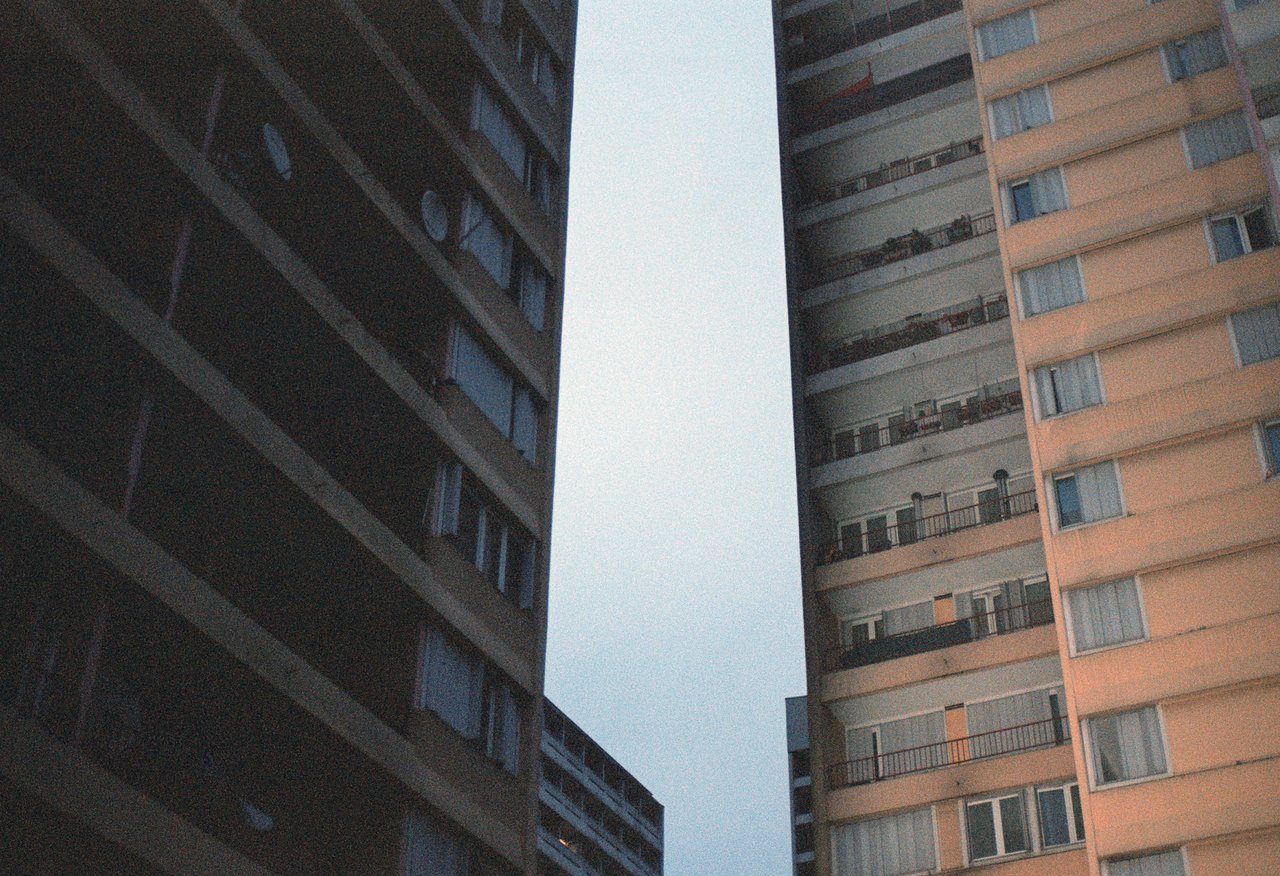
la caps, une passion
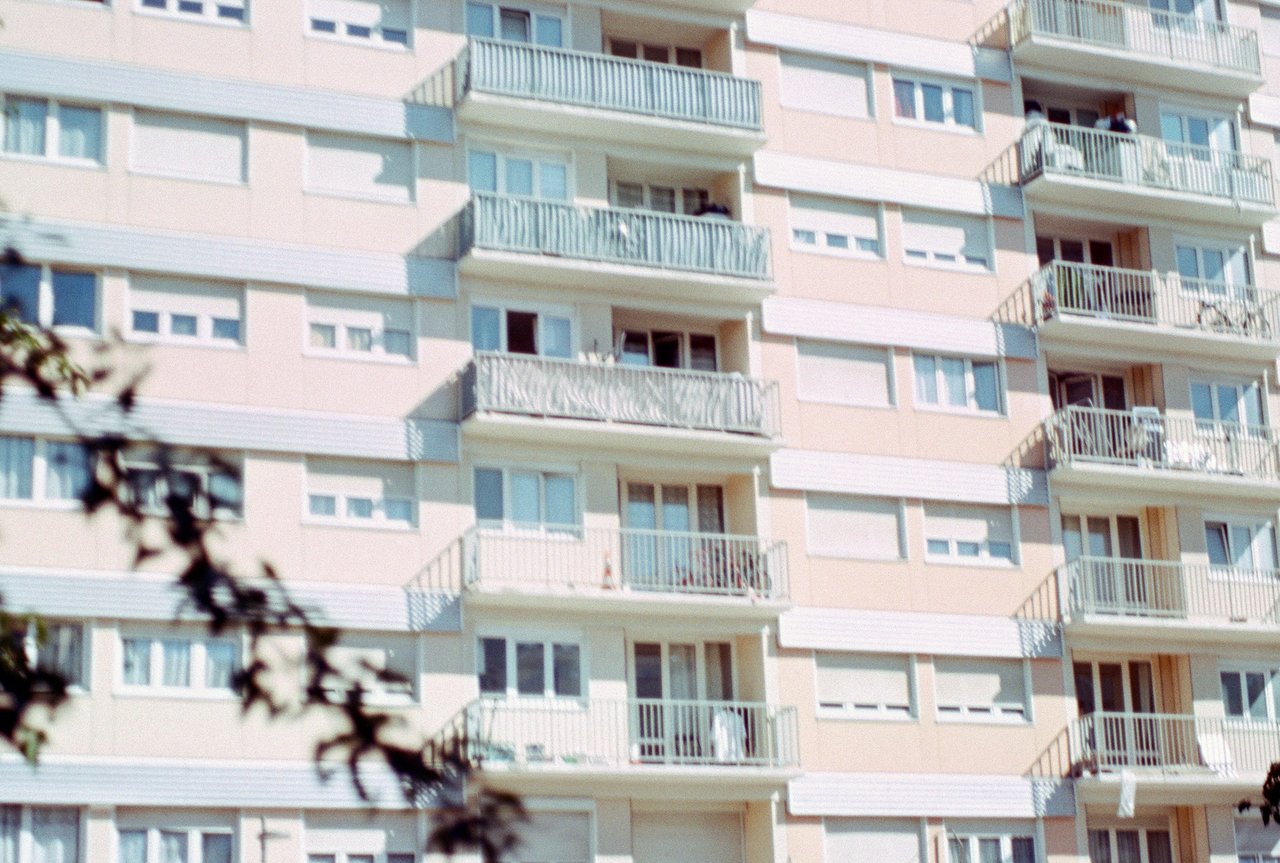
nous, le petit nanterre
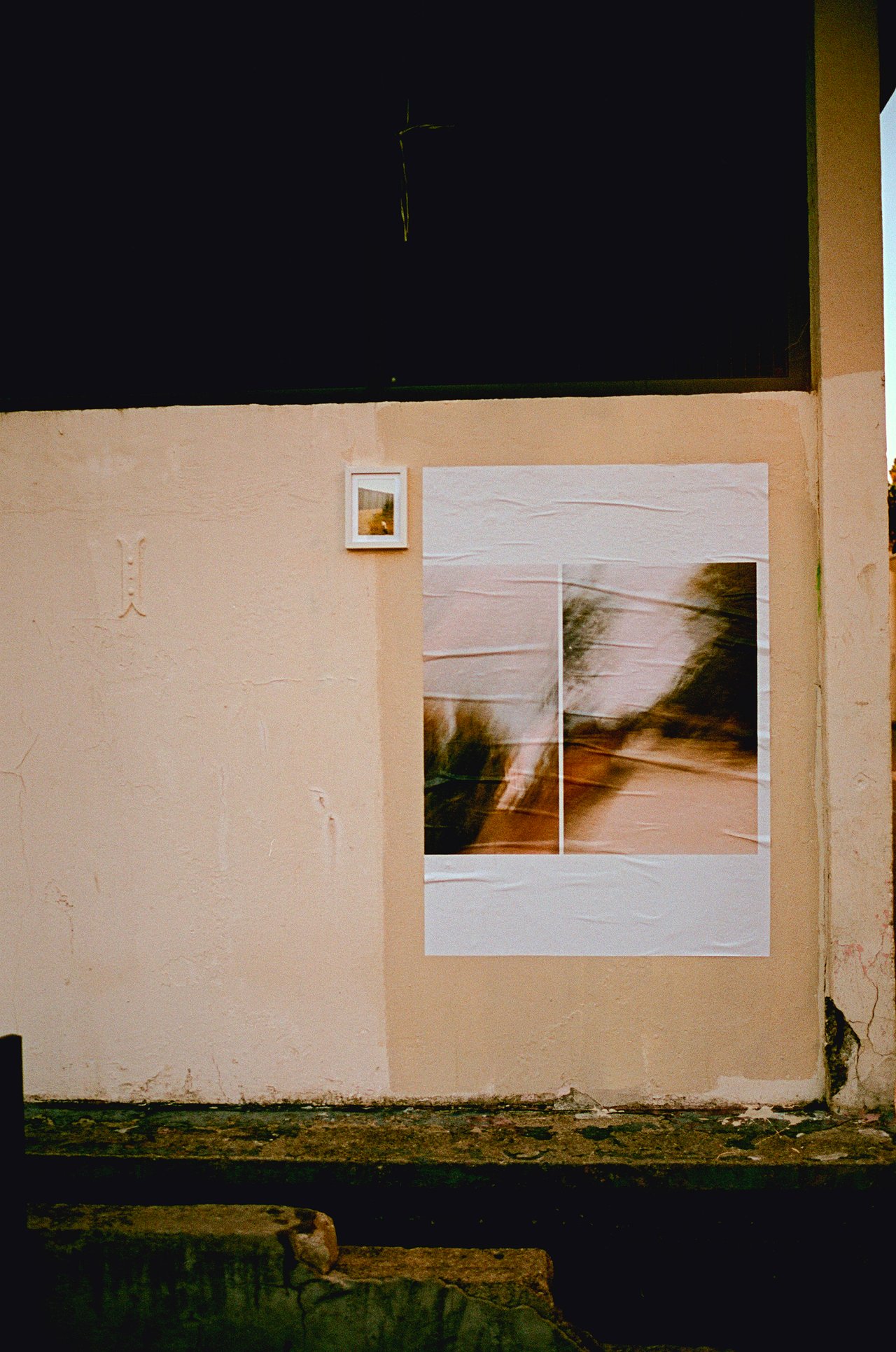
vision(s) du centre
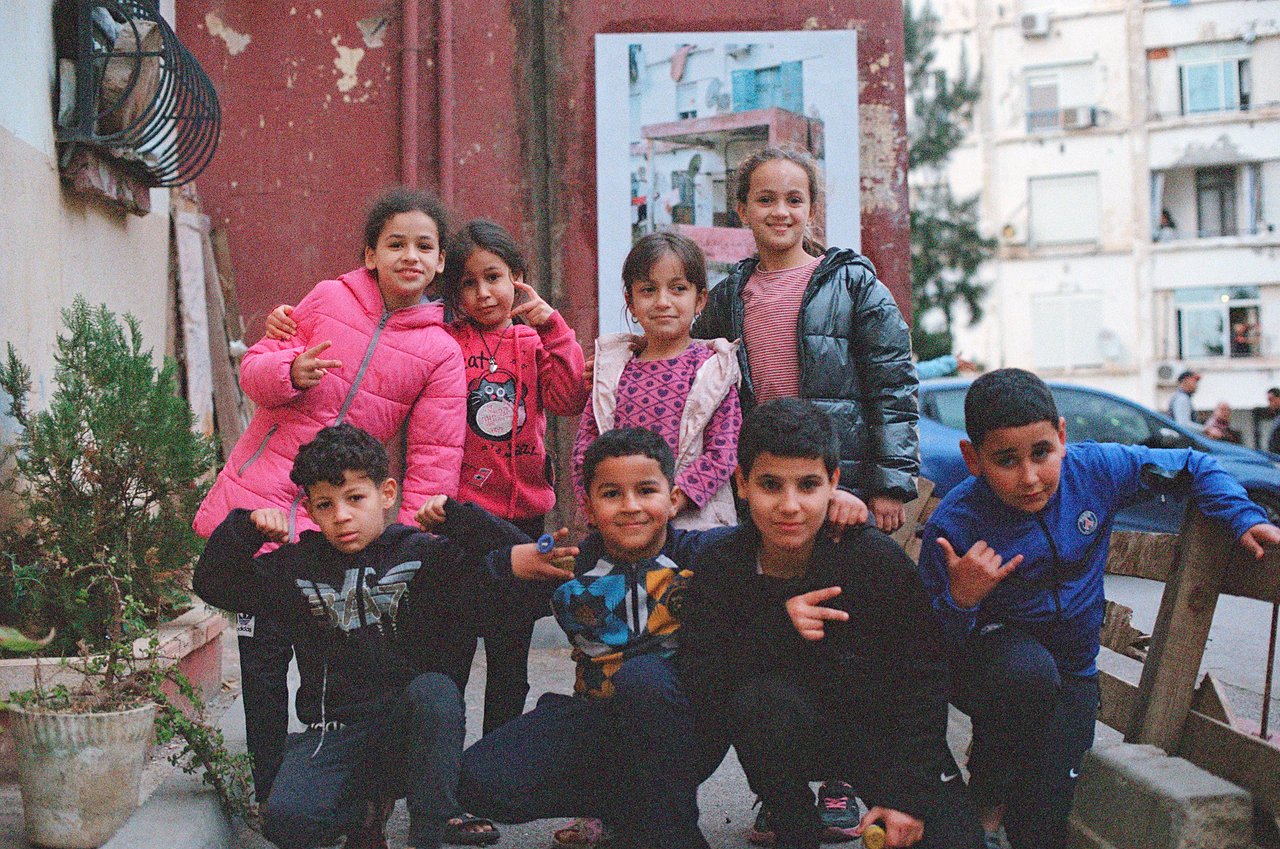
rampe vallée
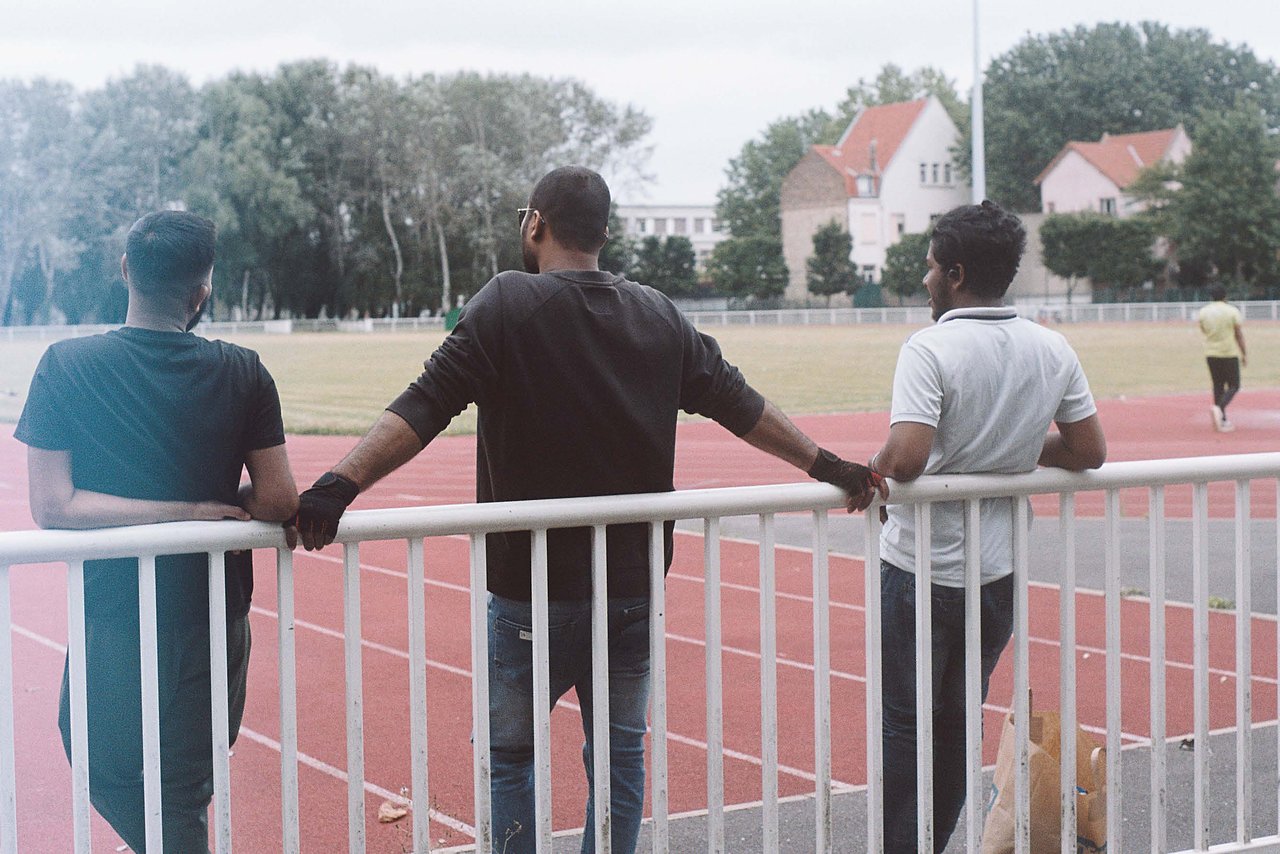
premières rencontres entre montreuil et rio
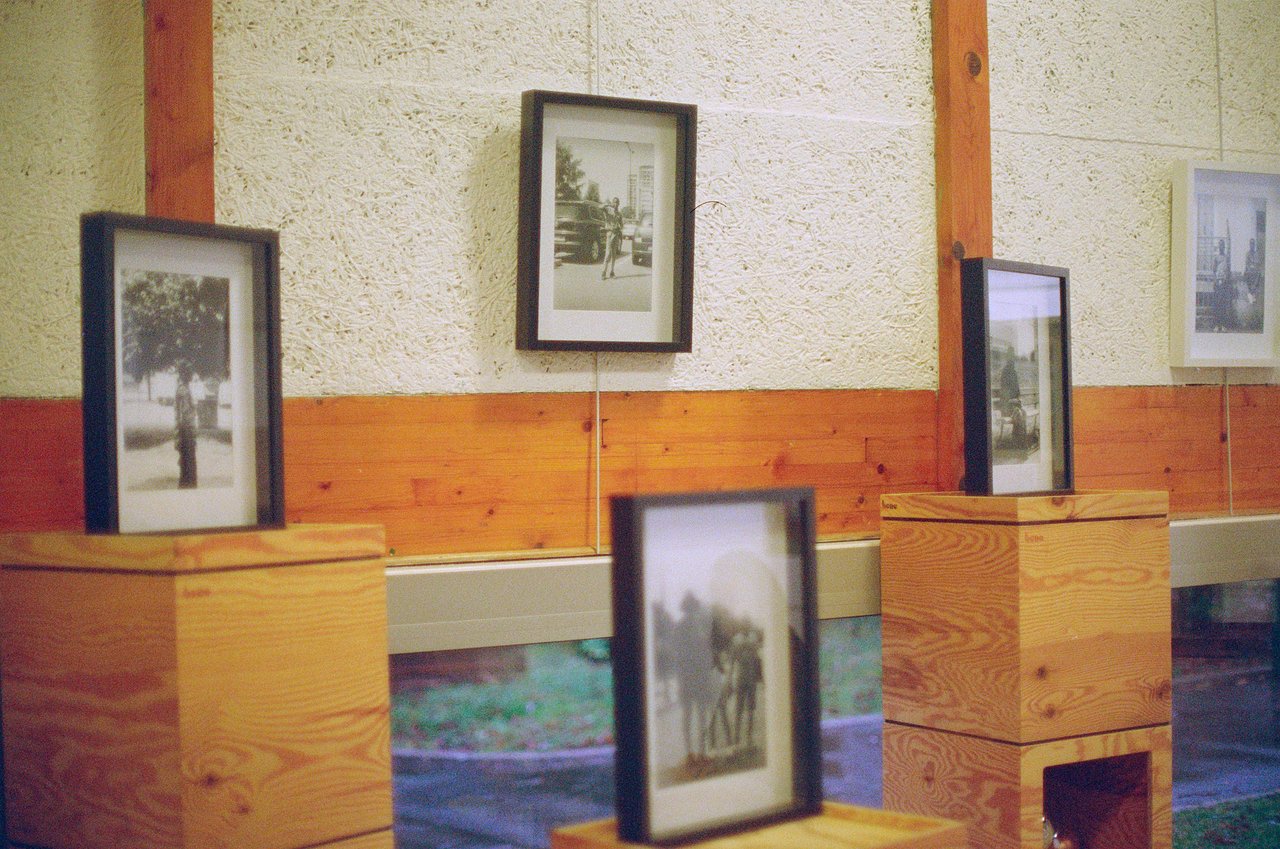
les échos de l’almont
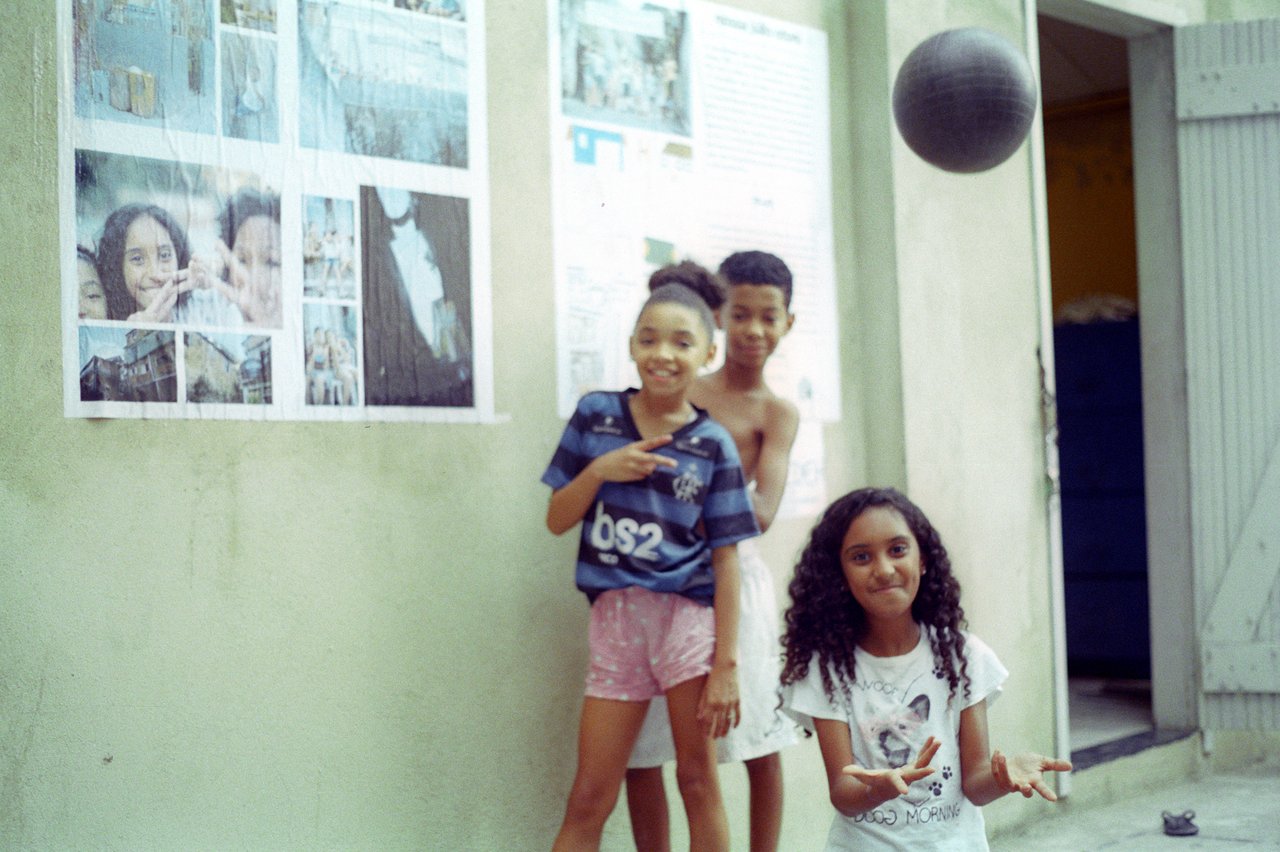
nossa júlio otoni
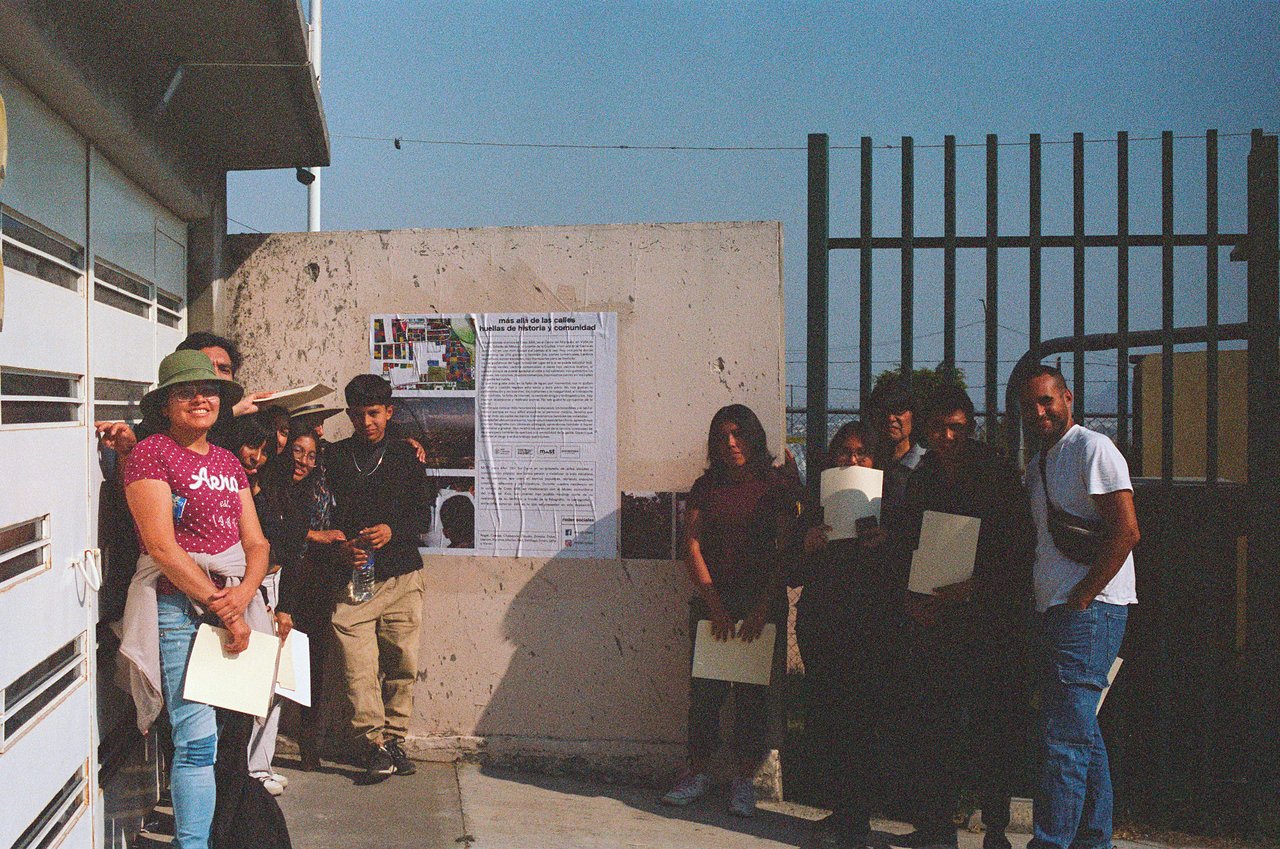
más allá de las calles, vol. 1
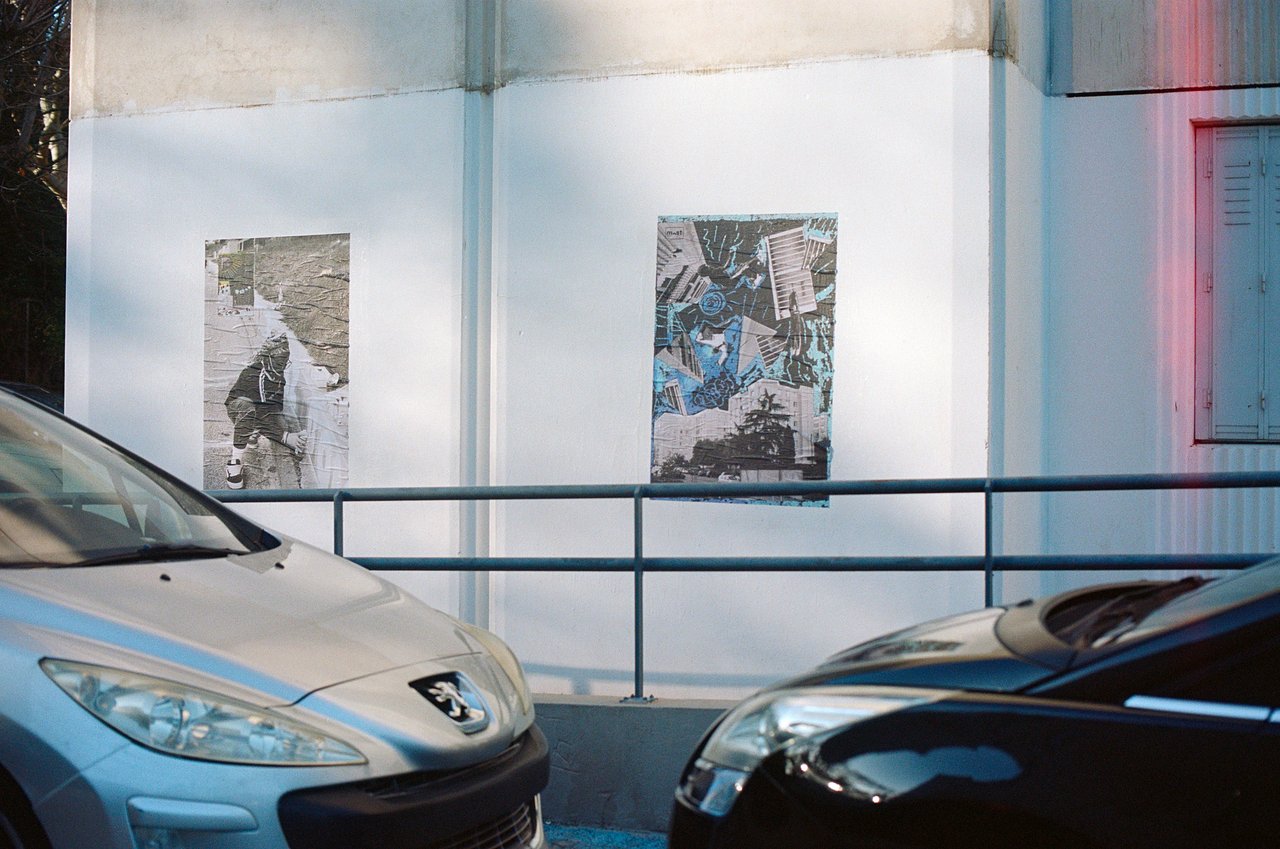
les fleurs des oliviers
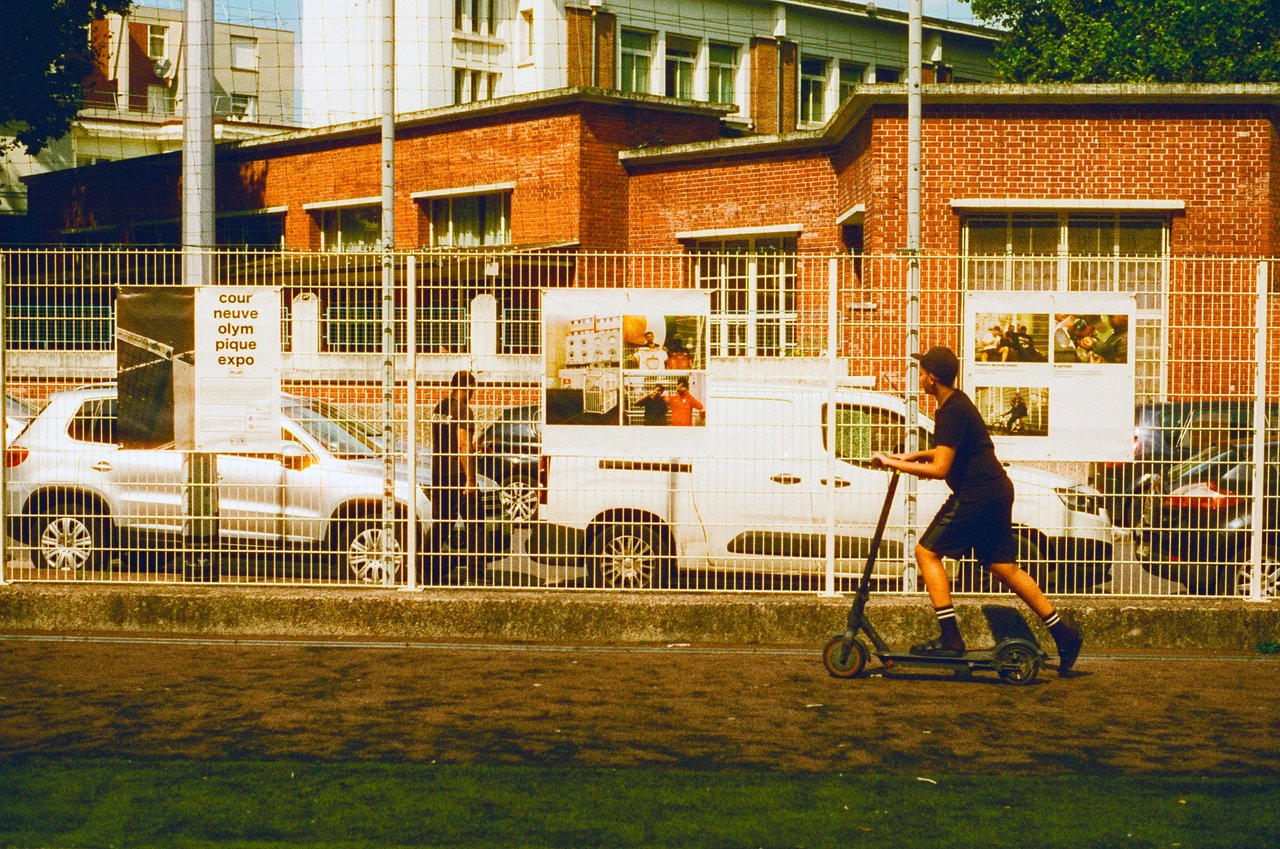
courneuve olympique
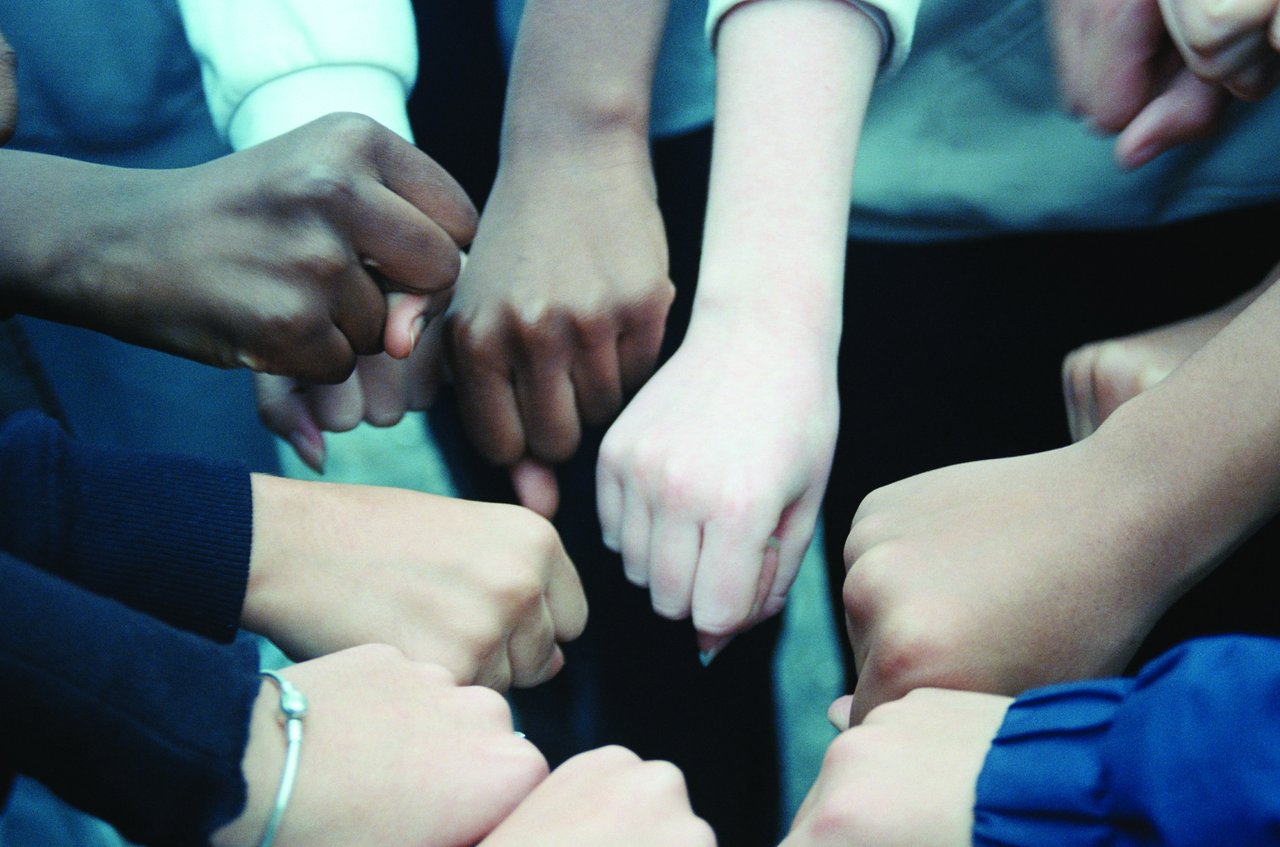
at school, against discrimination
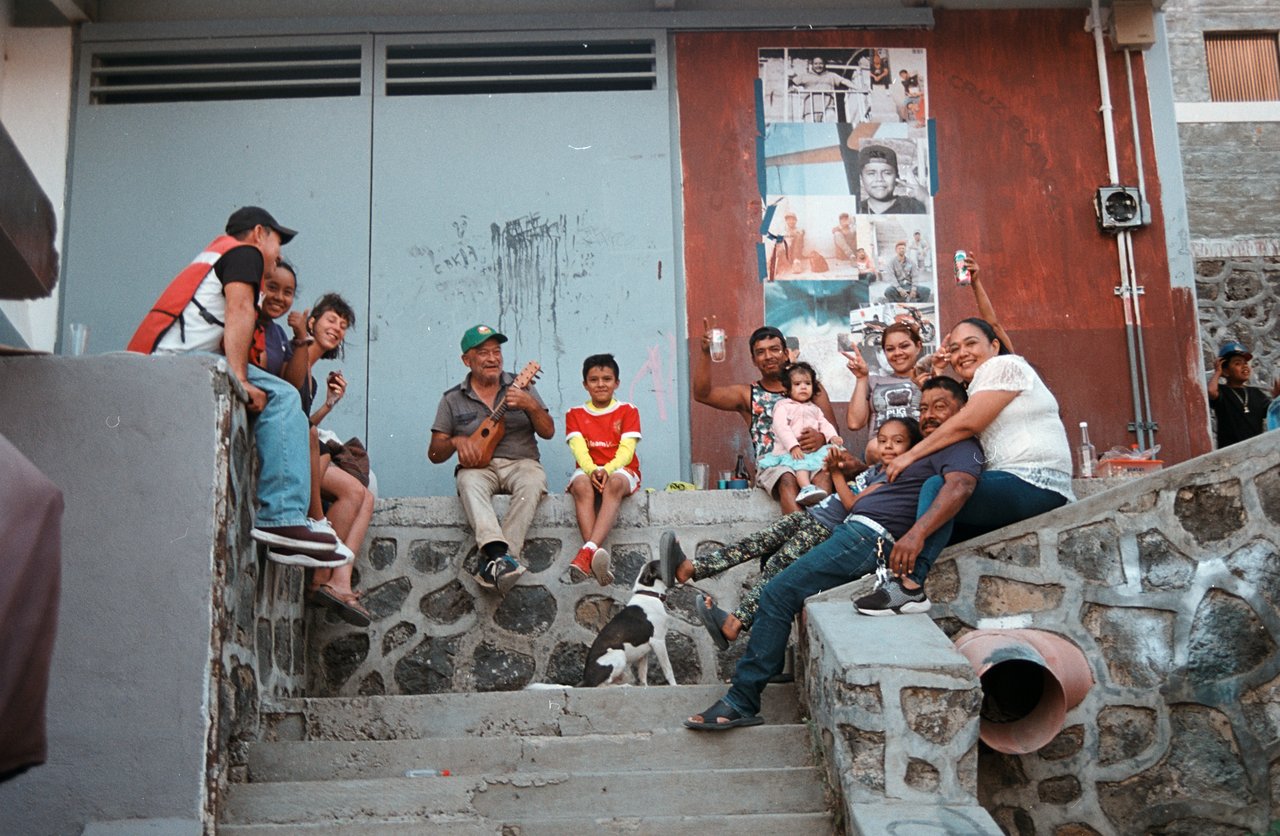
la calle más chingona de jalisco
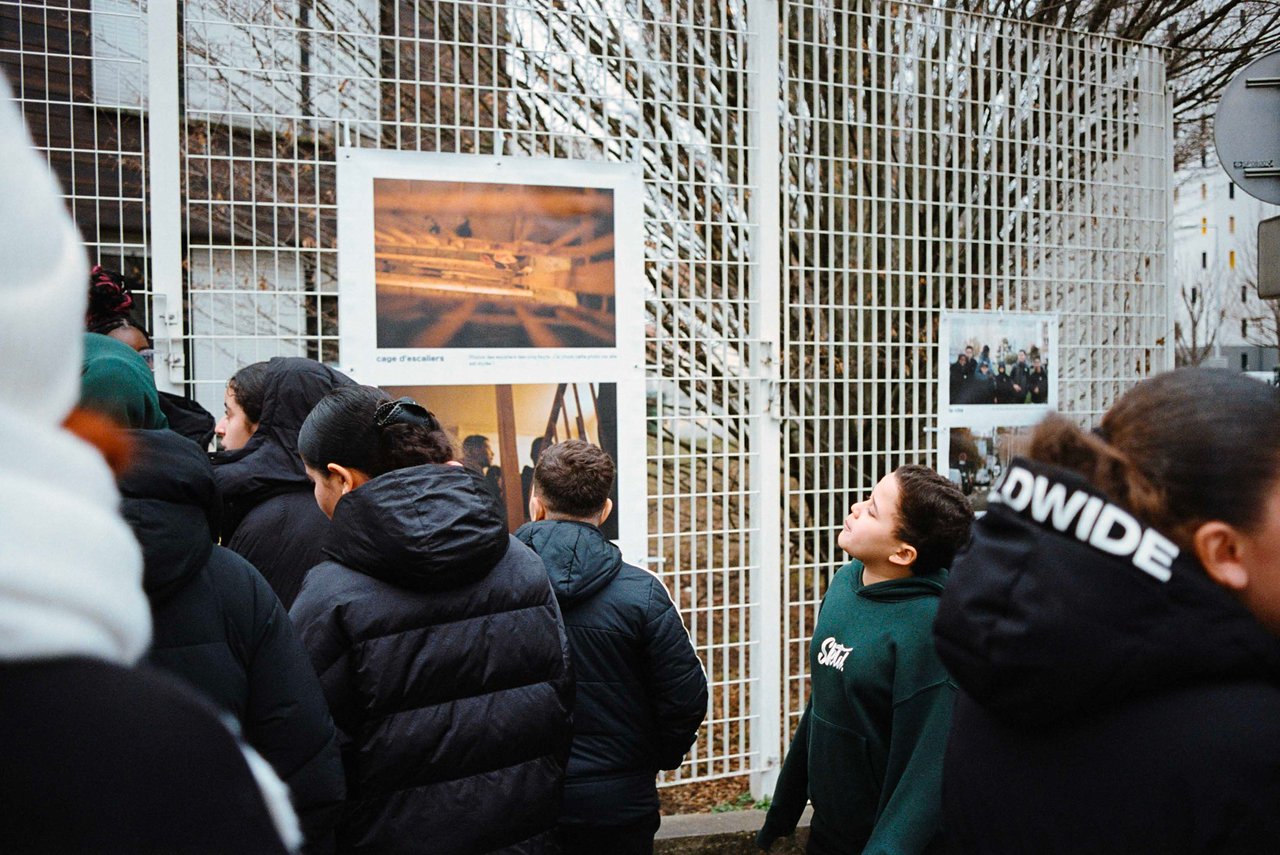
nt vrai
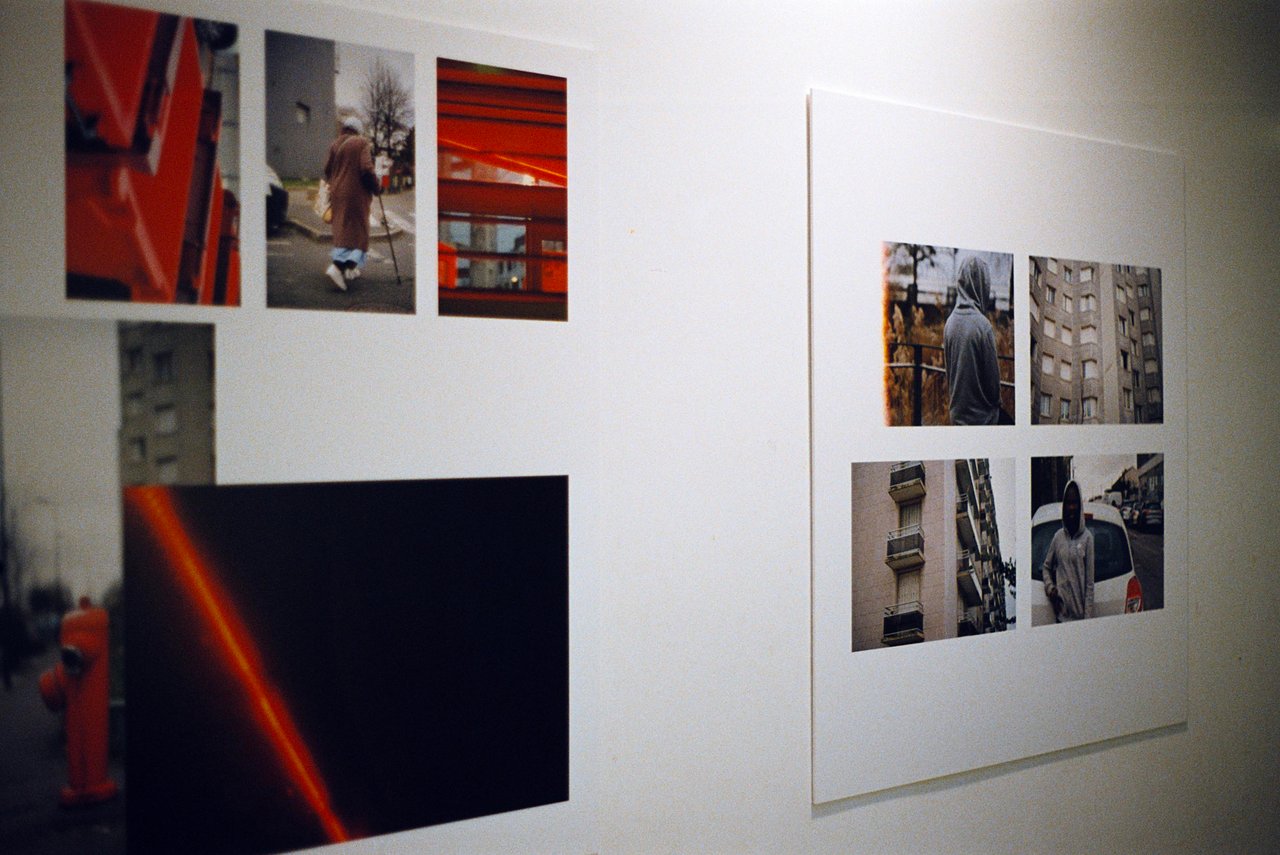
gp blr
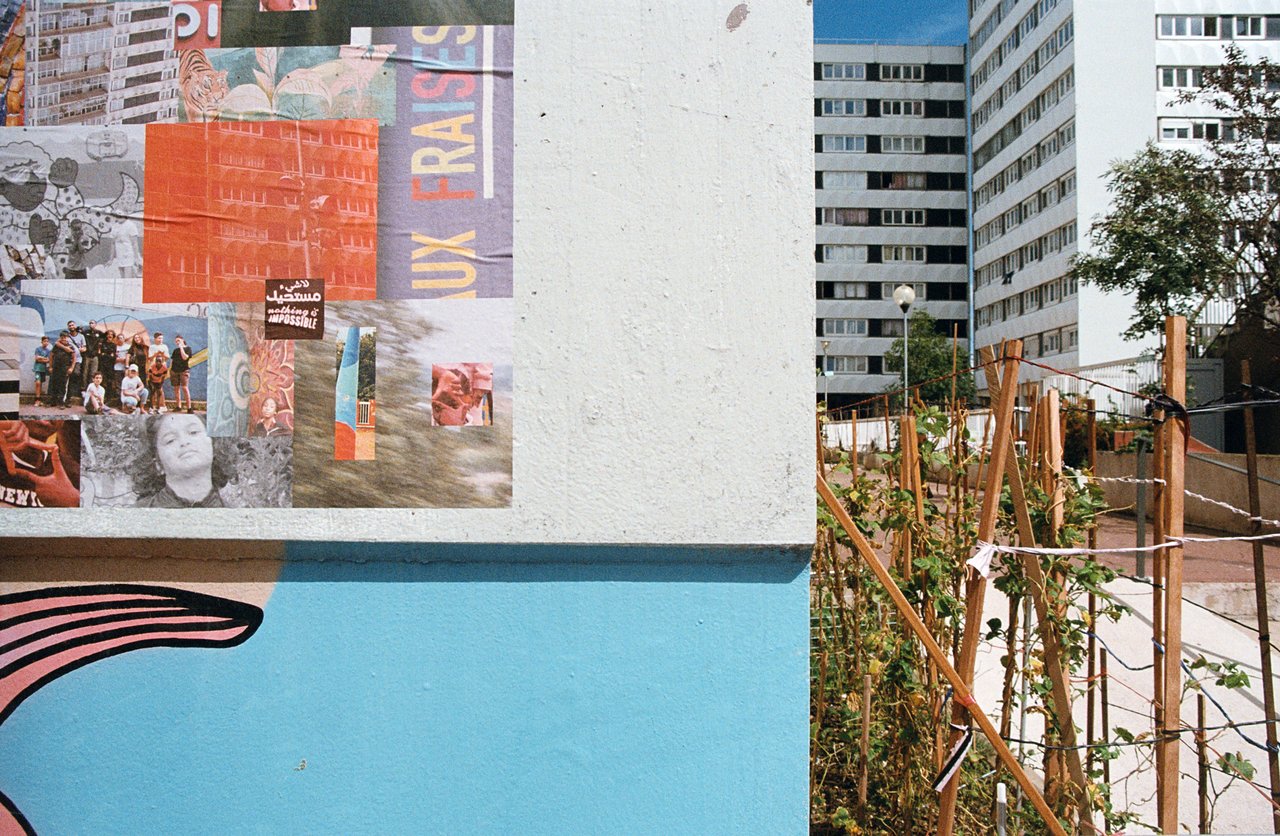
la capsulerie × la noue
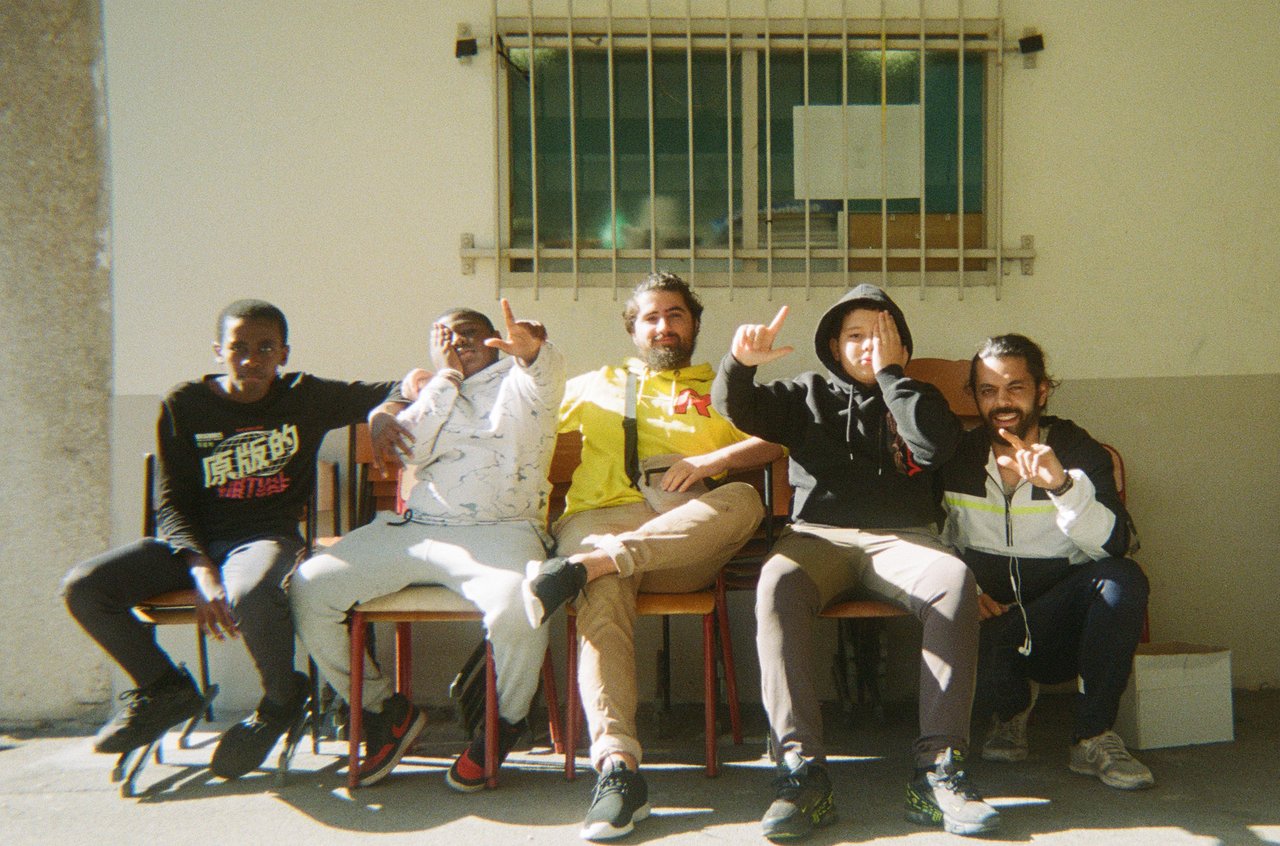
la galerie des ruches
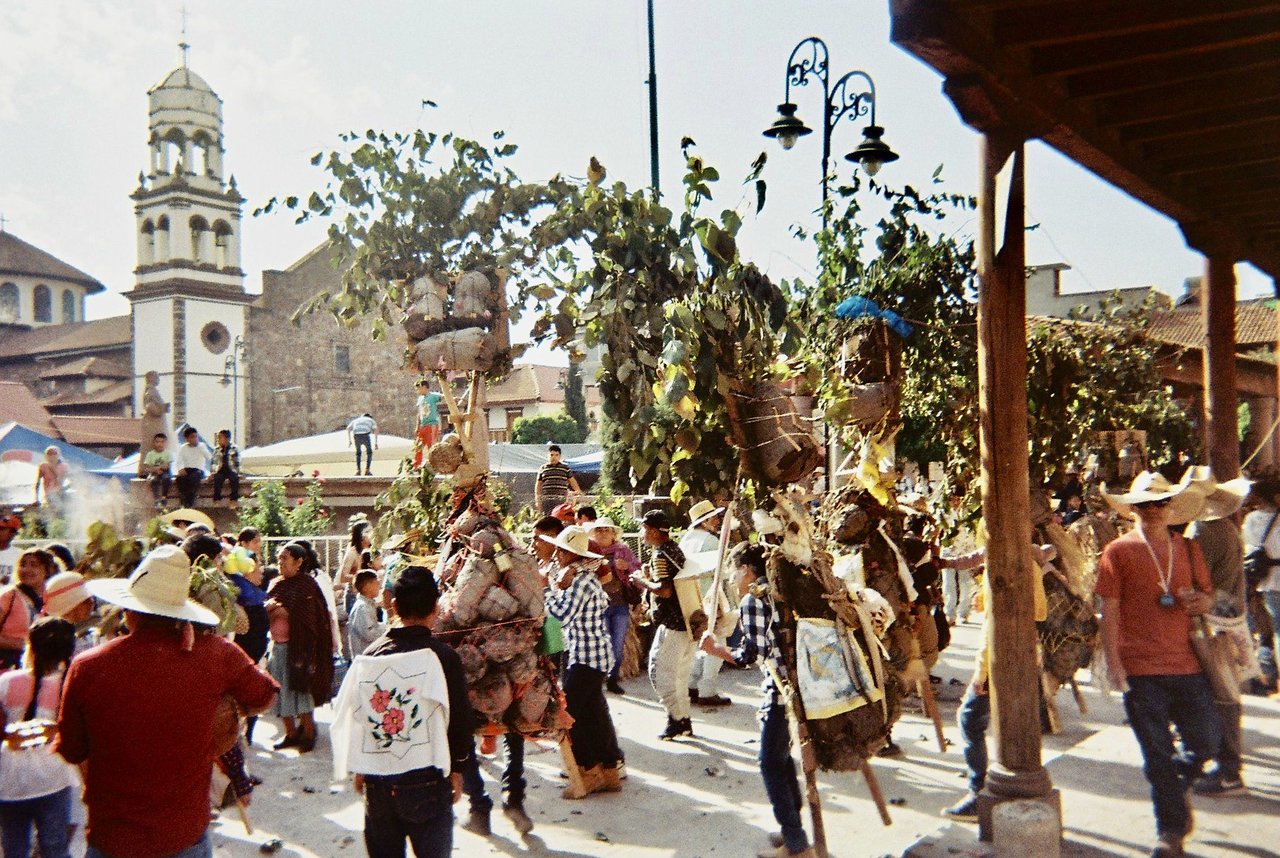
cherán
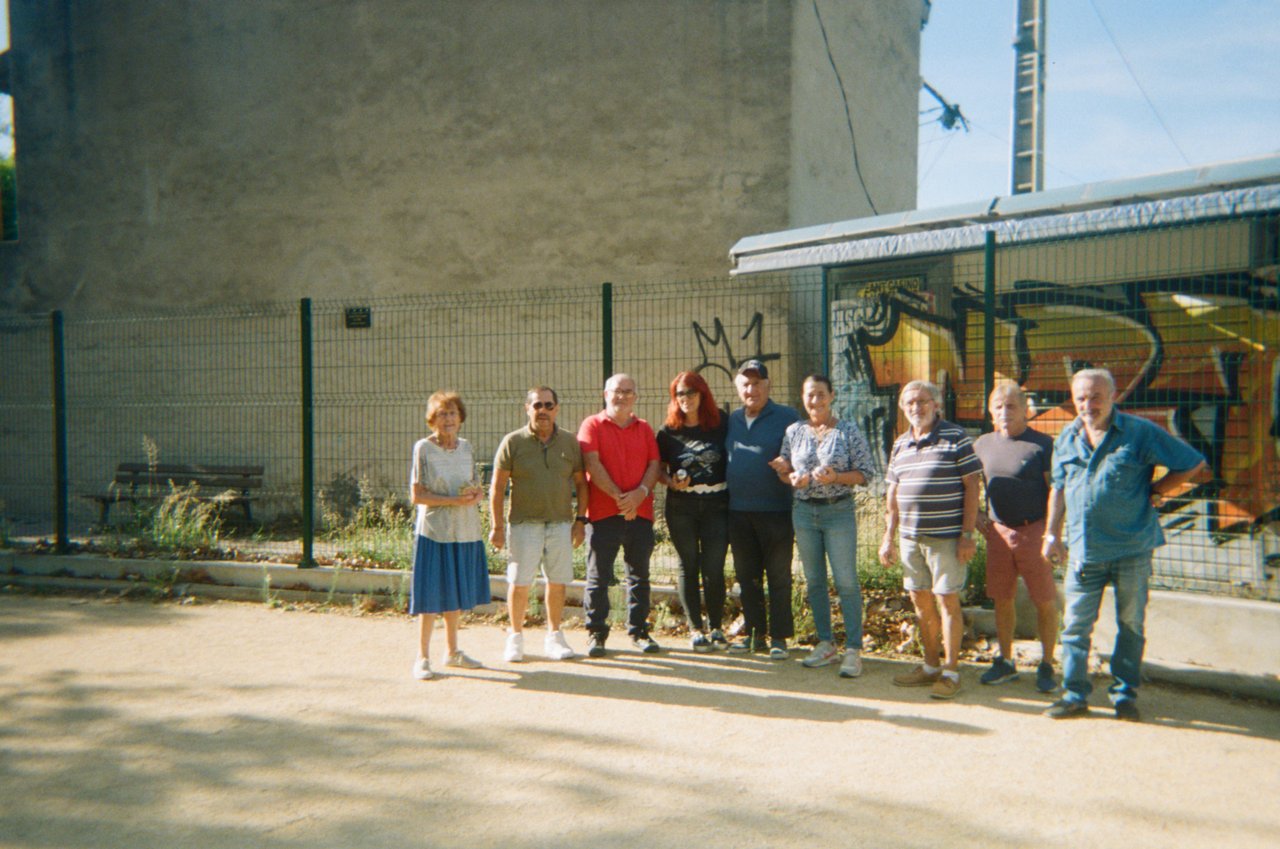
la cité aux fleurs
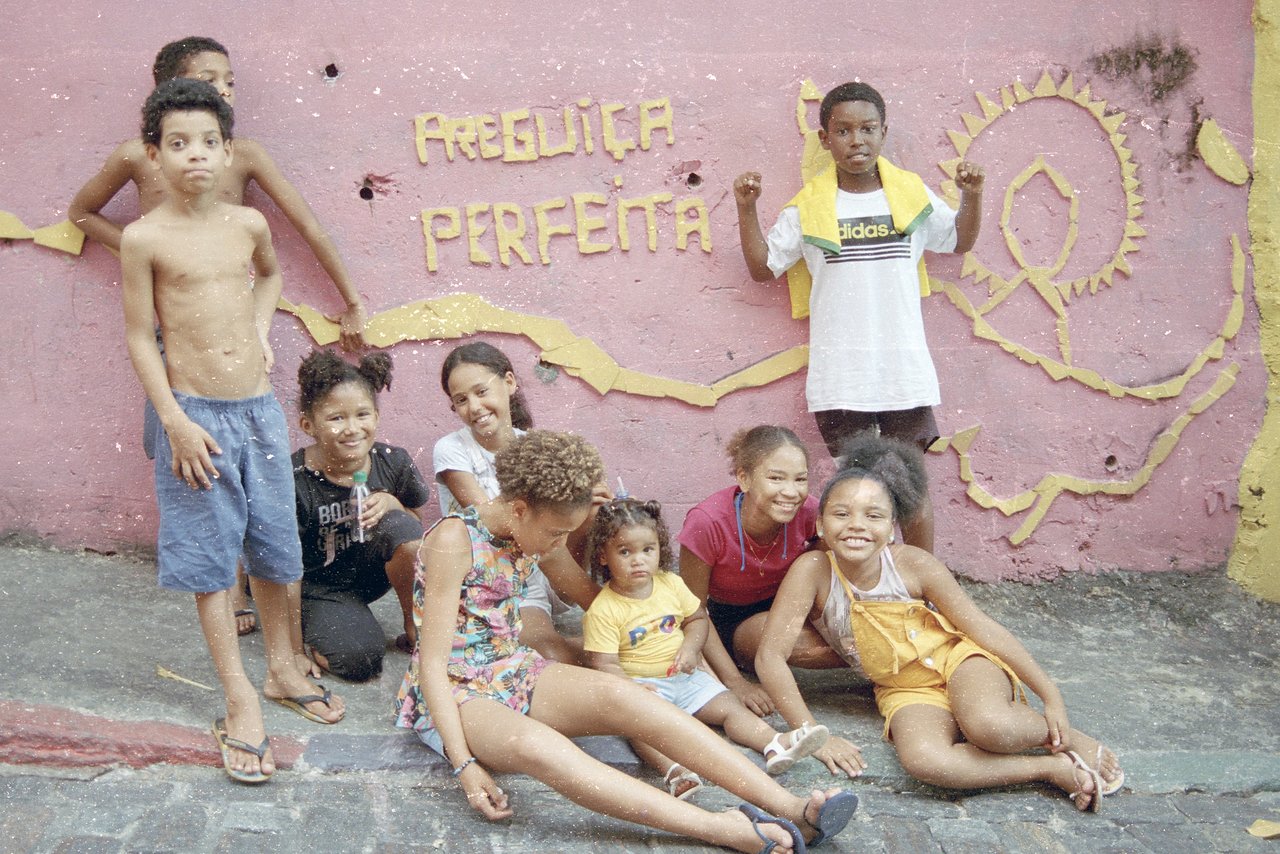
que fotos são essas
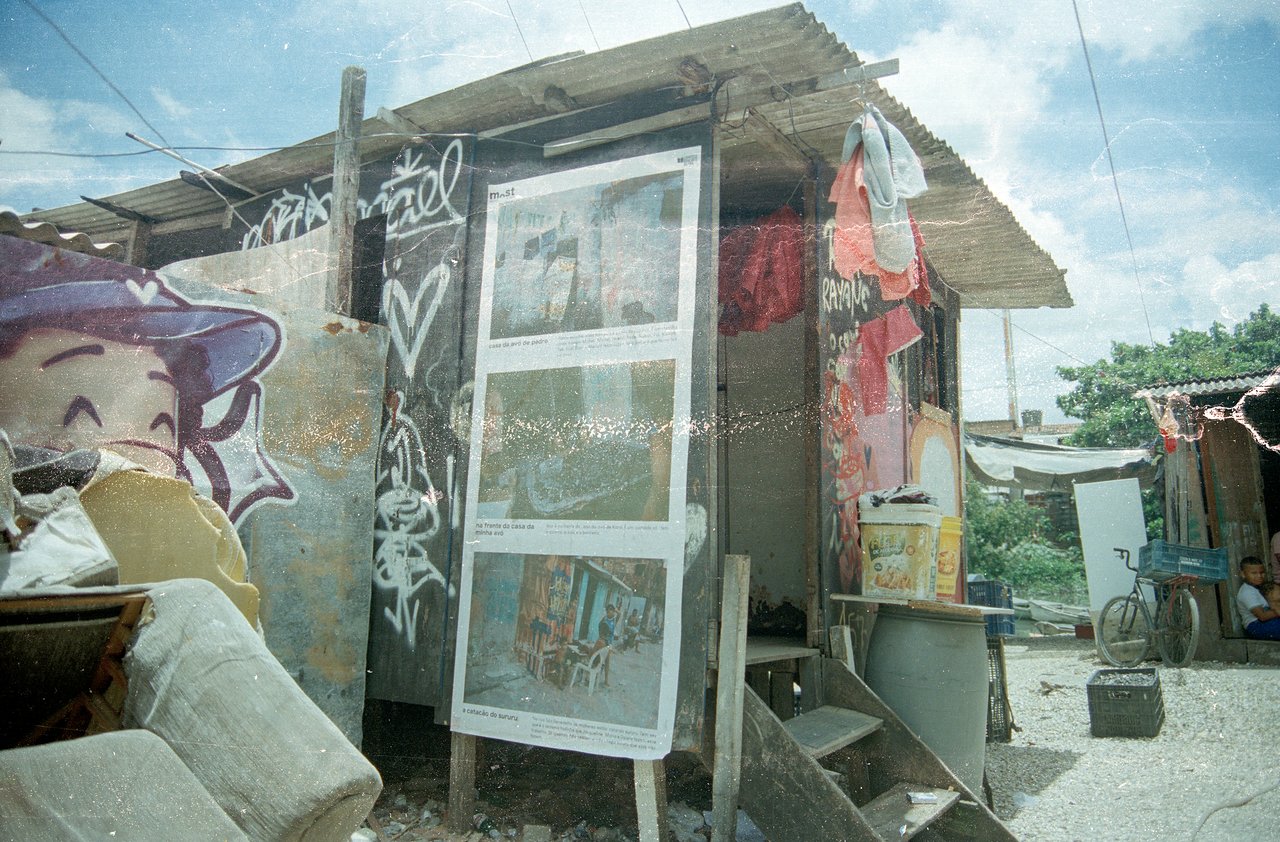
pontos de vista do pina
planète courtille
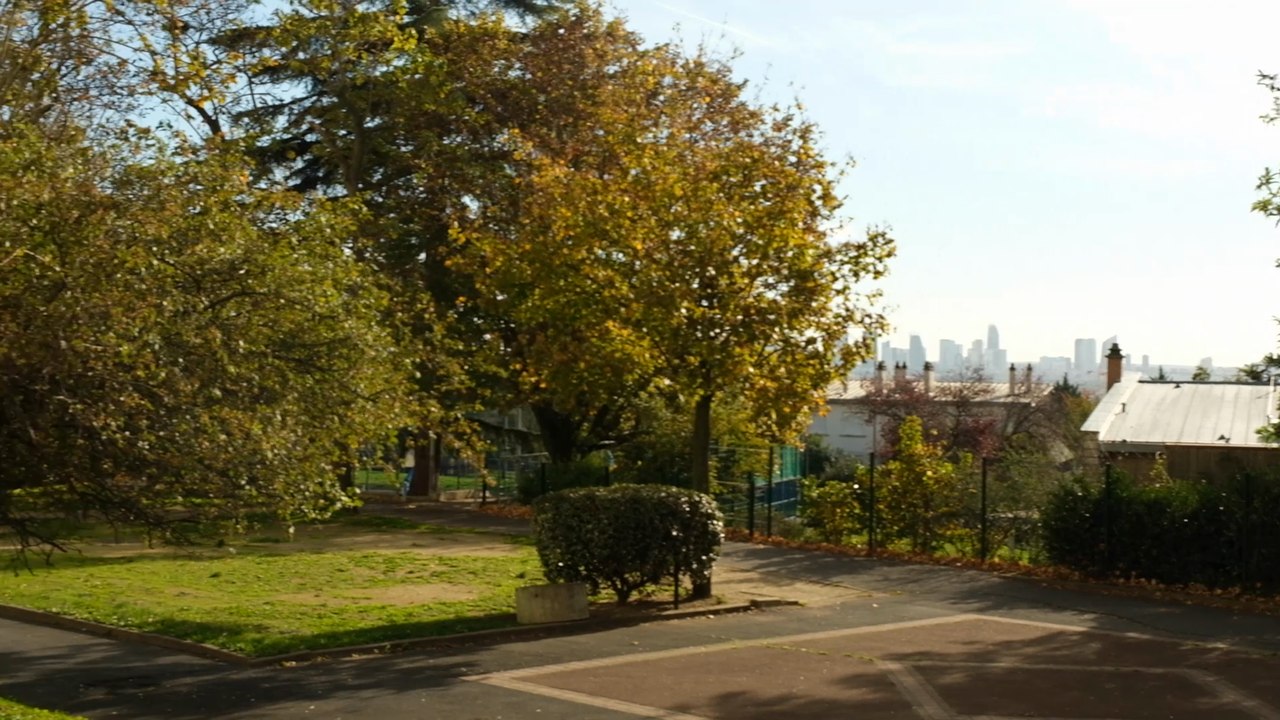
la cité des bulles