2023marseilleLa Mariefrance
la cité aux fleurs
For six weeks, families from the Maison pour tous tell the story of La Marie through maps, photography, street interviews and writing, then draw the neighborhood of tomorrow.
- formats
- mediums
- place
- marseille · La Marie
- partners
- Maison pour tous des Olives et de La Marie (community center)
- public presentation
- Exhibition at the foot of building 16 and inside the Maison pour tous.
with
Amir, Bilel, Erwan, Eve, Hannane, Jade, Jibril, Leonart, Louisa, Mahault, Maïssa, Mordem, Nils, Rania, Rose, Sabrinel, Tom, Yacine, Zorah
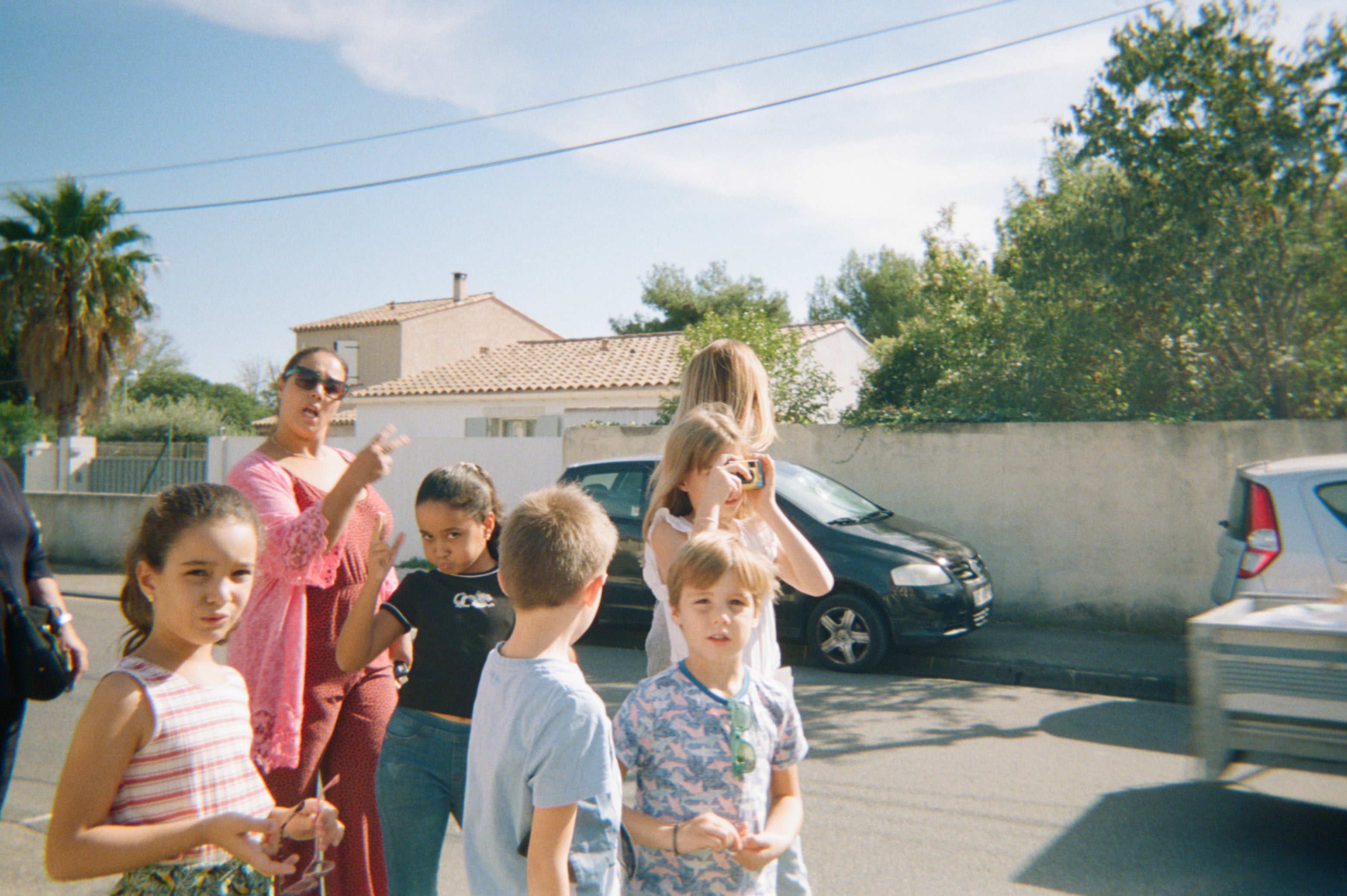
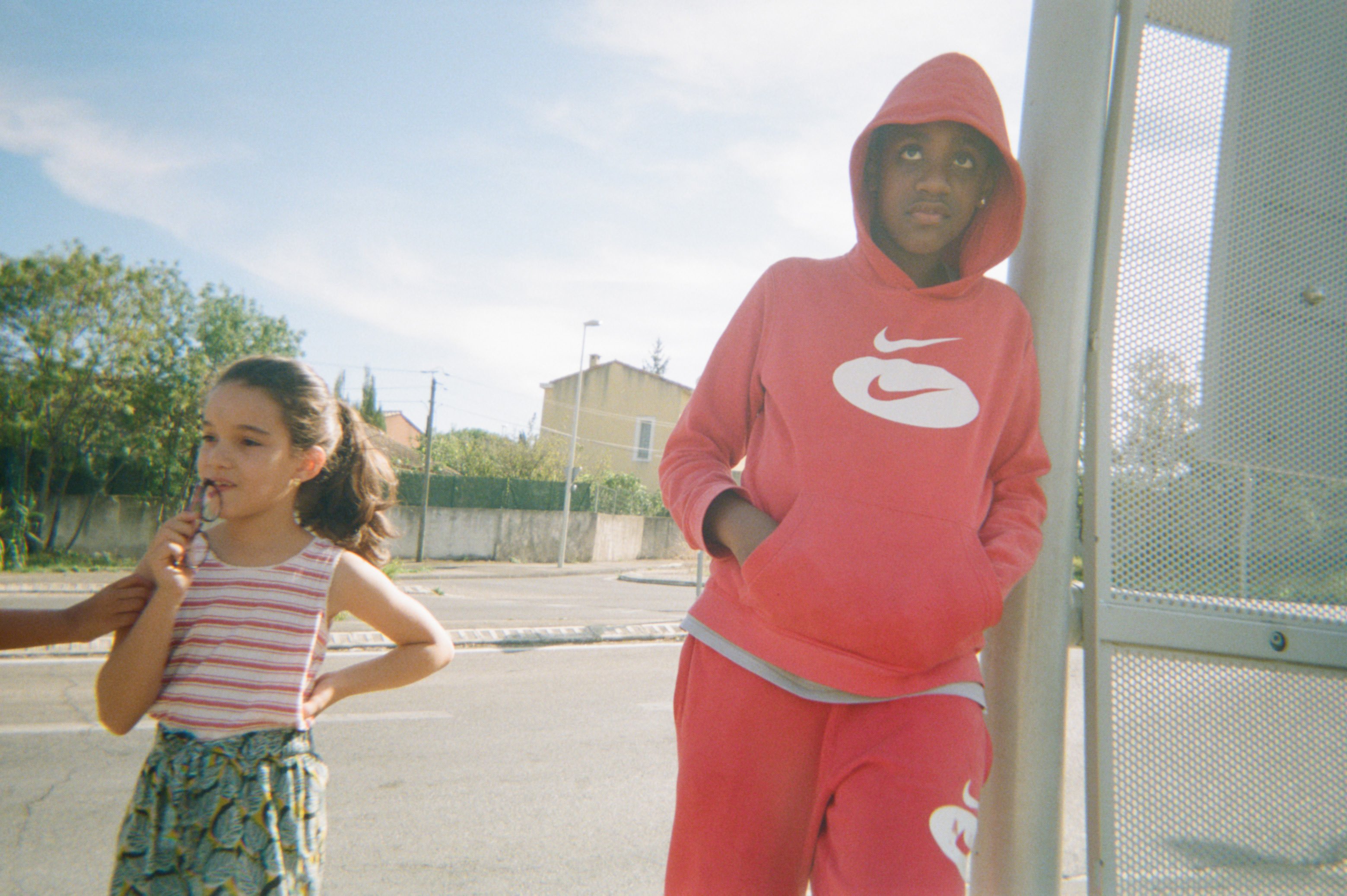
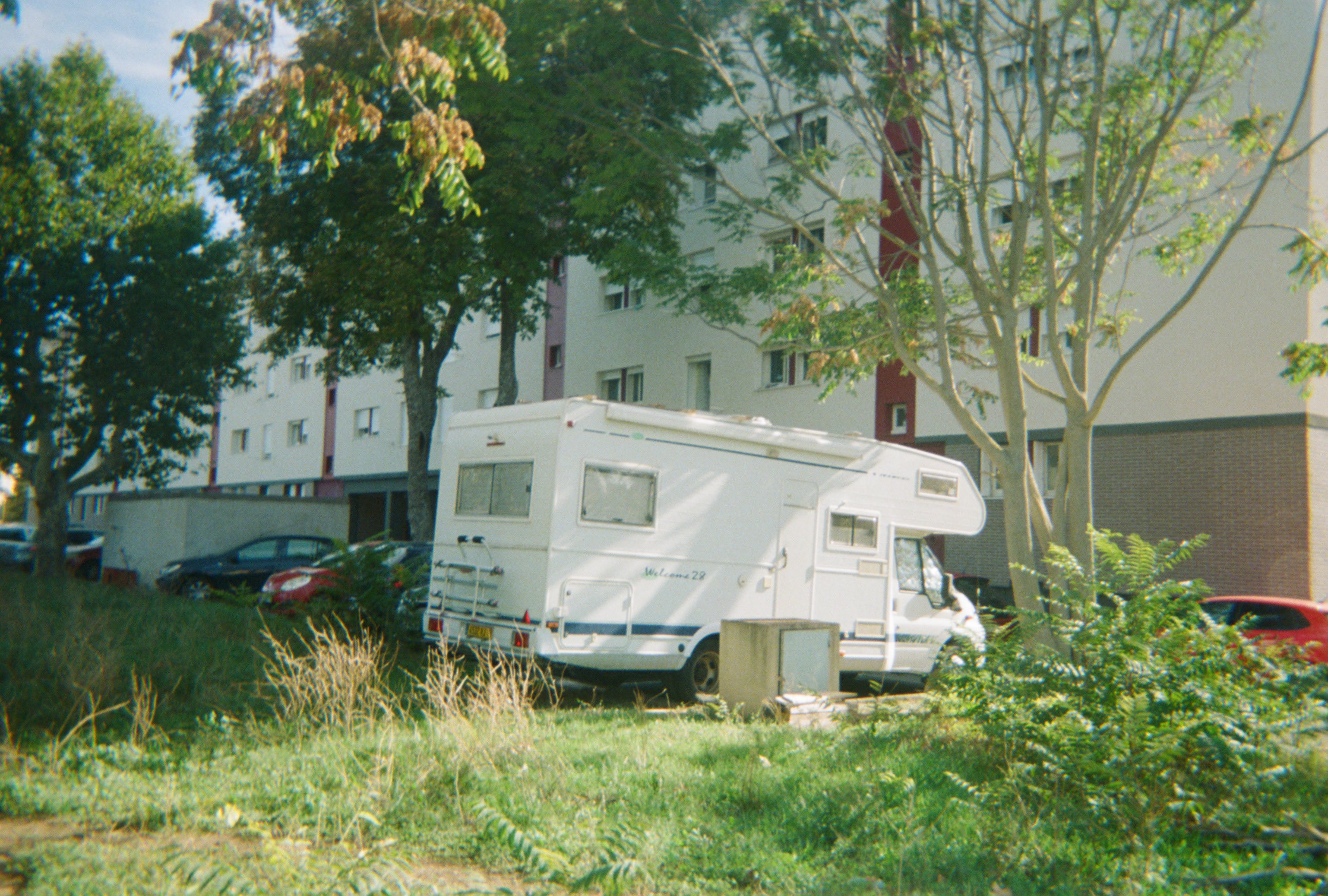
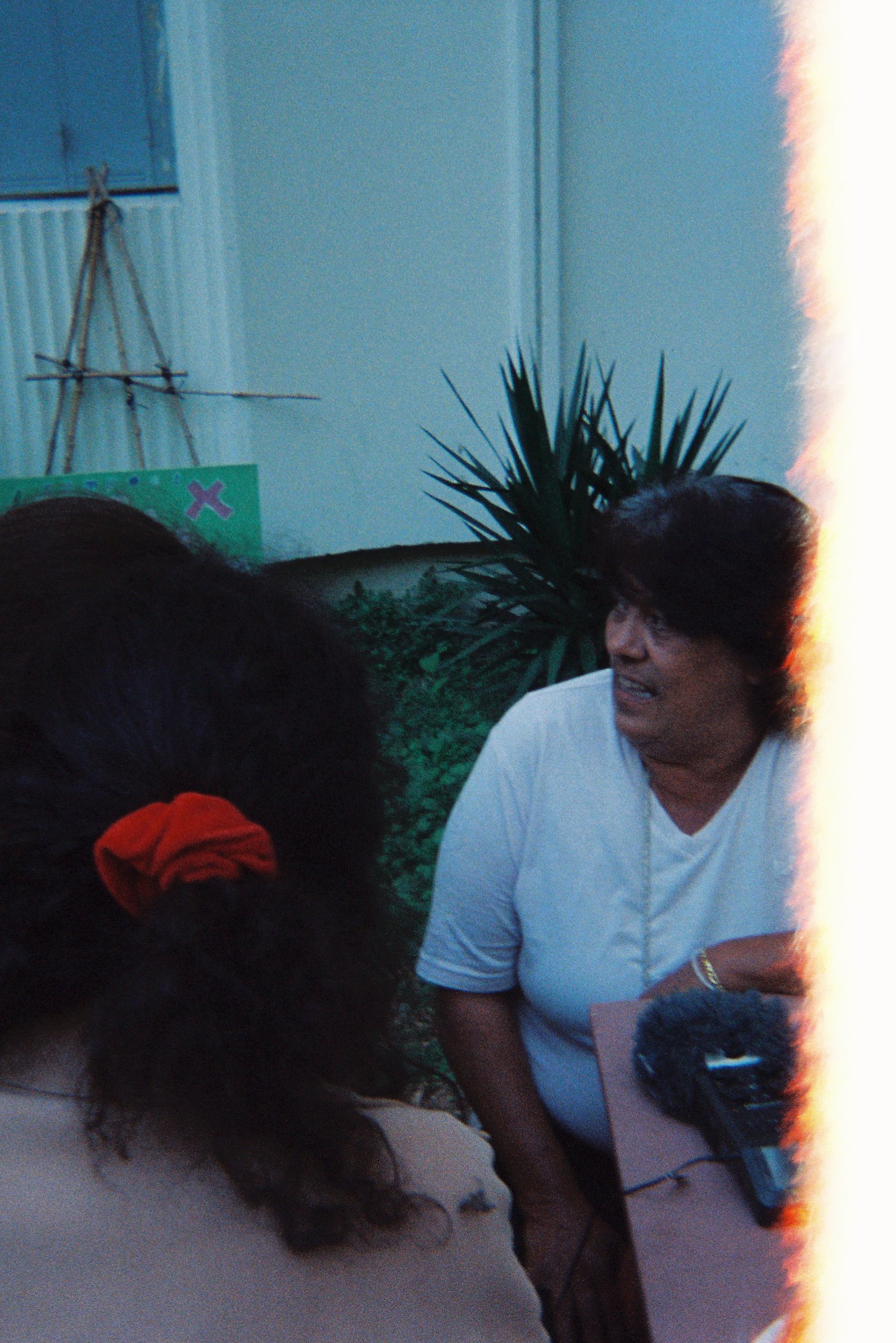
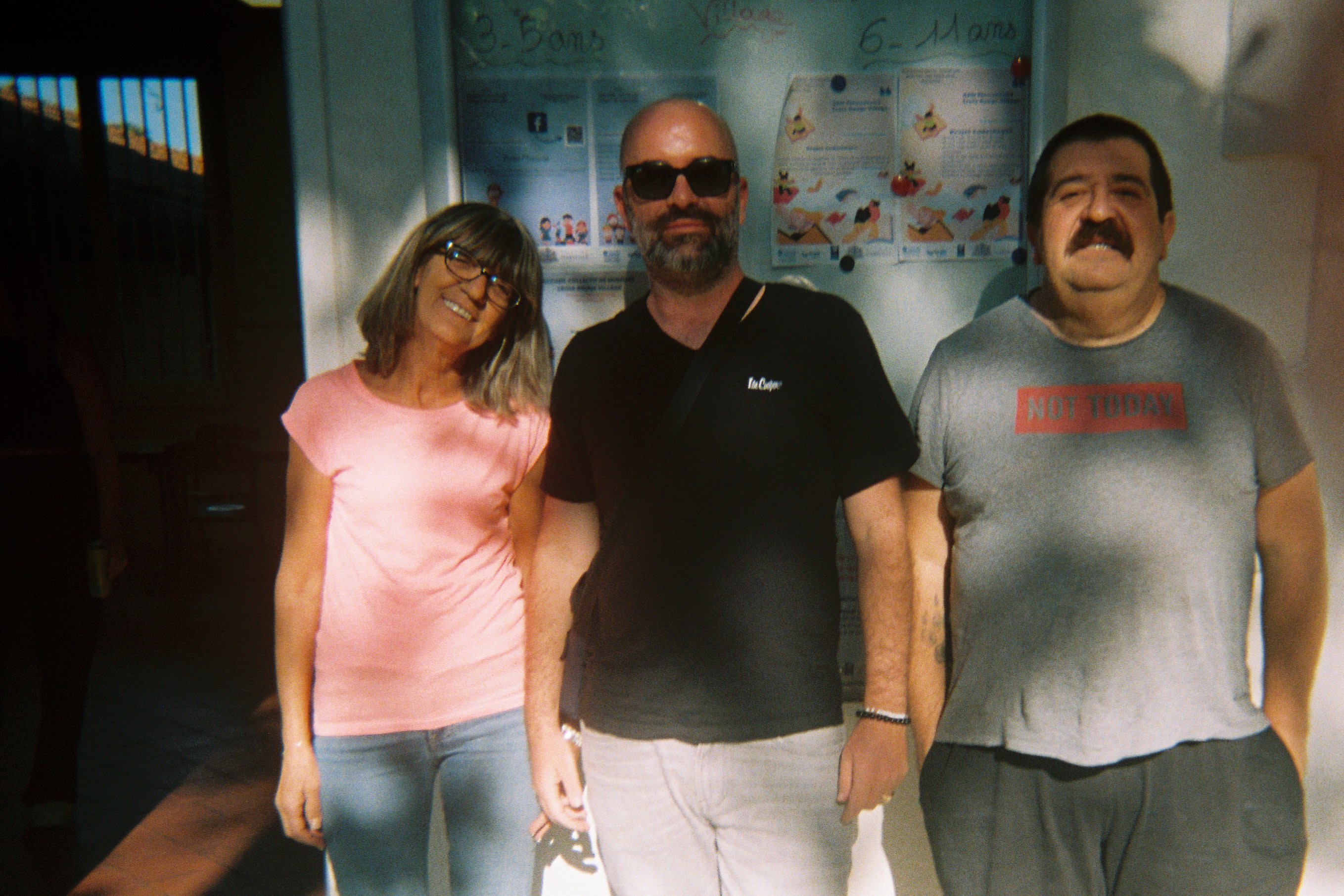
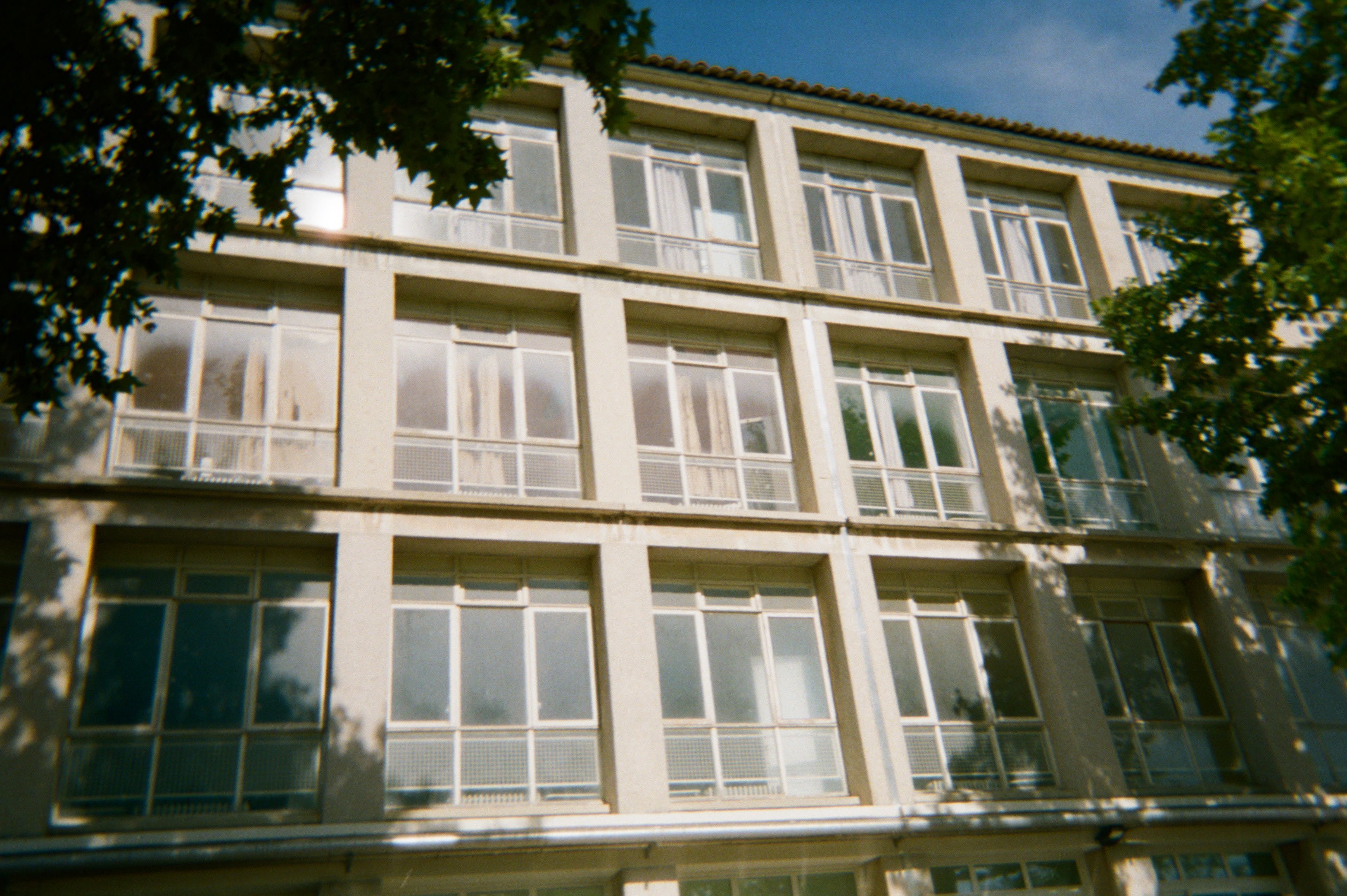
“La Marie is a housing estate in Marseille, in the 13th arrondissement. It has its ups and downs, it’s noisy and restless, especially at night, but also full of life, of children playing and of creativity.” So begins the text written by the families of the Maison pour tous des Olives et de La Marie. In September and October 2023, they walked their neighborhood and went to meet its residents: mapping, photography, street interviews and writing on photographs.
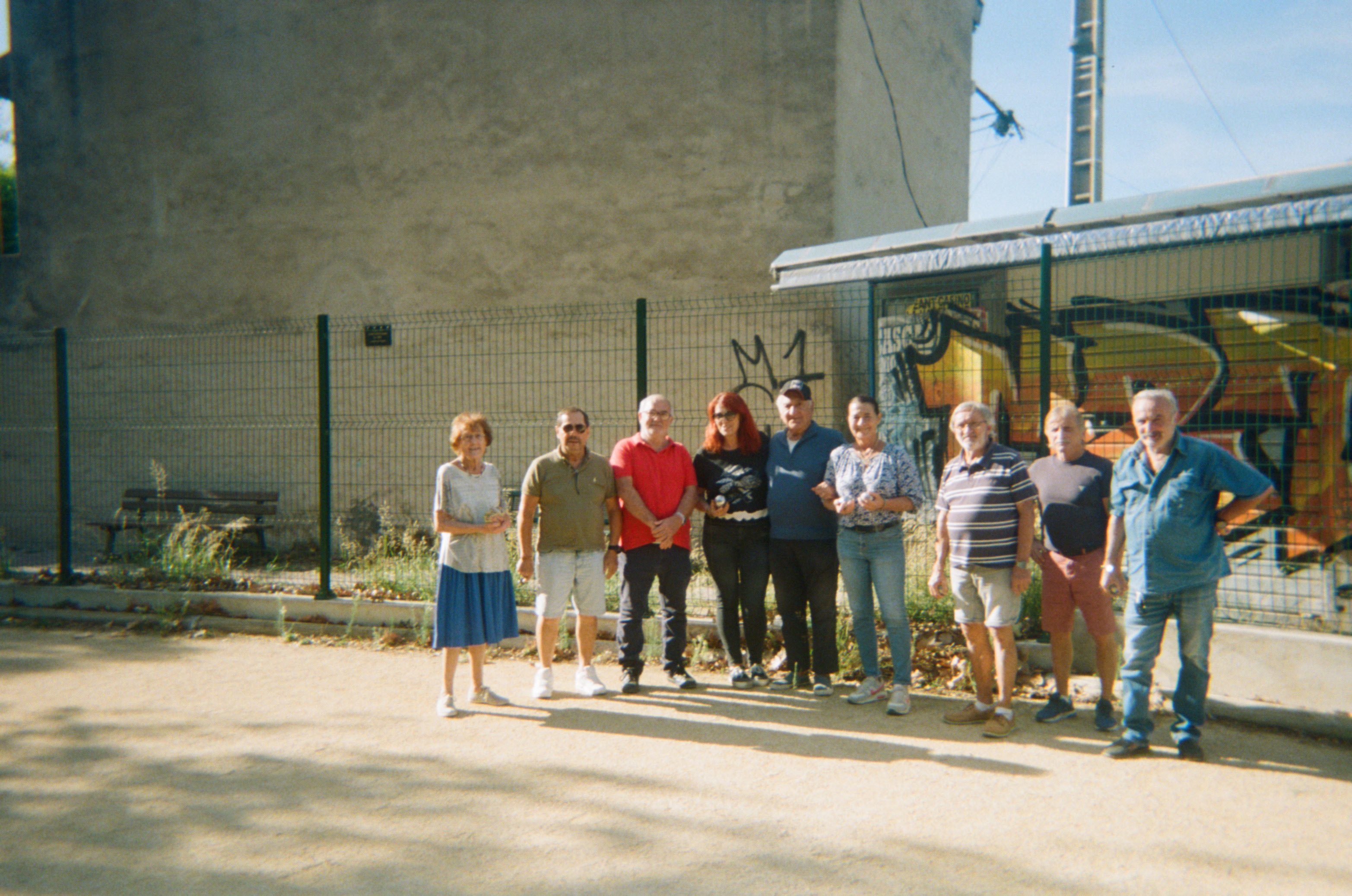
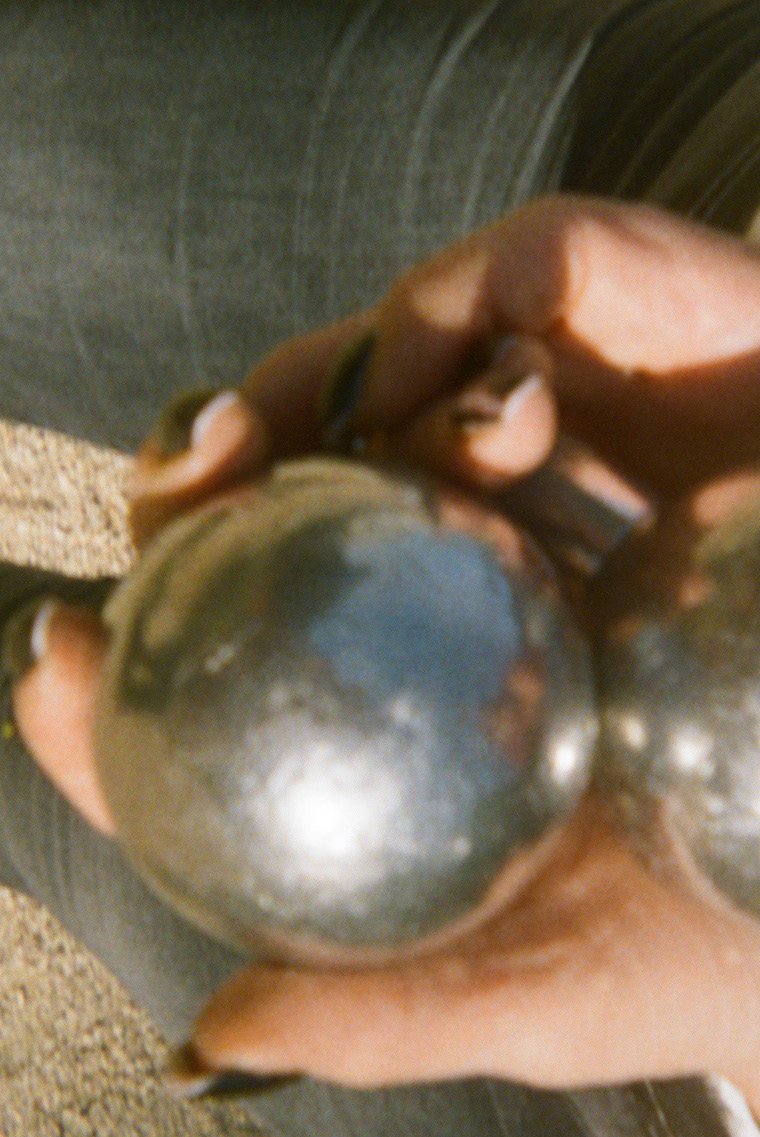
The photographs tell of the people who make the neighborhood: the pharmacist, the mail carrier, the school canteen ladies, Louis and his rotisserie, the pétanque players, Peggy and her garden, the shared Wednesday meal. Each image was given its own title and words.
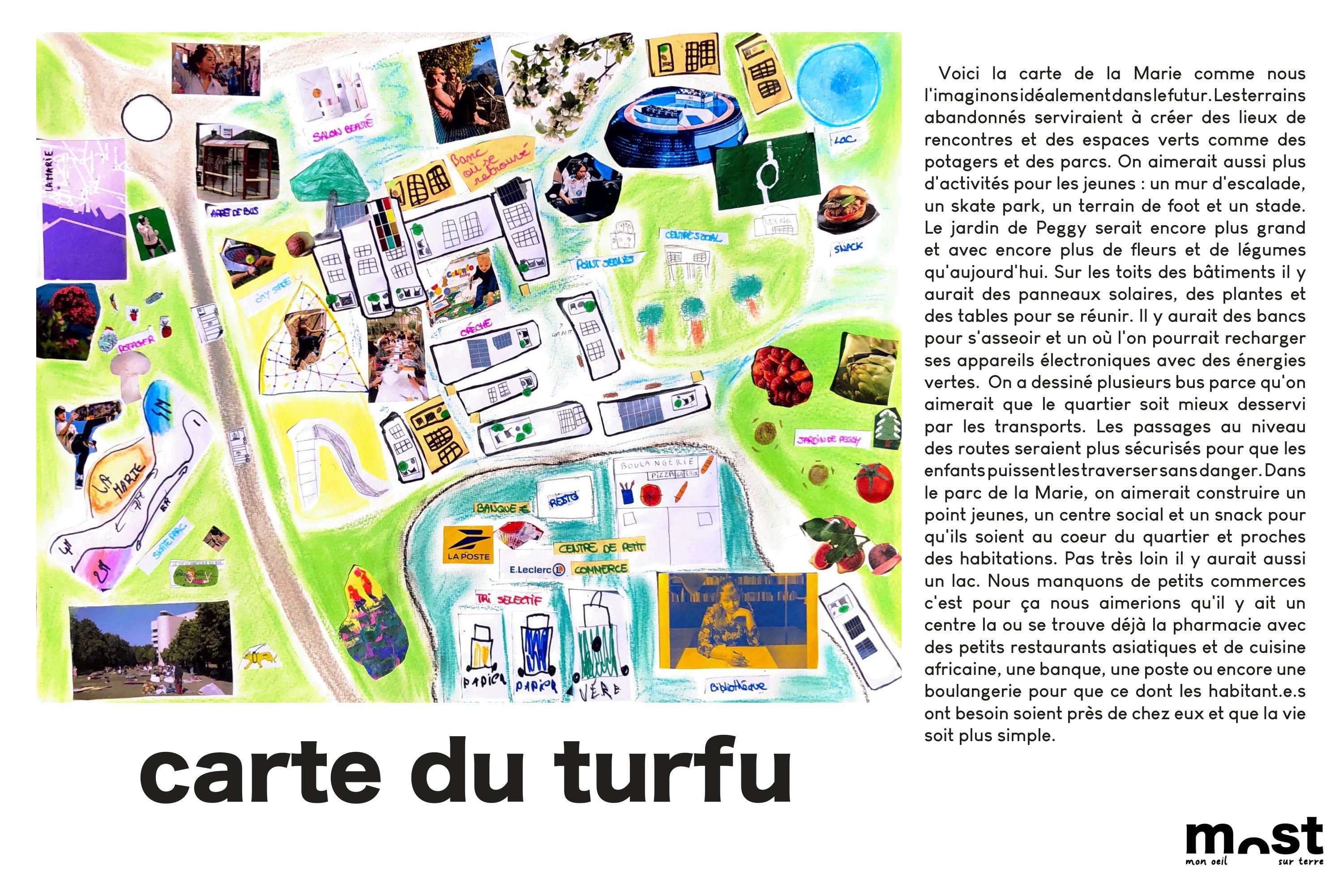
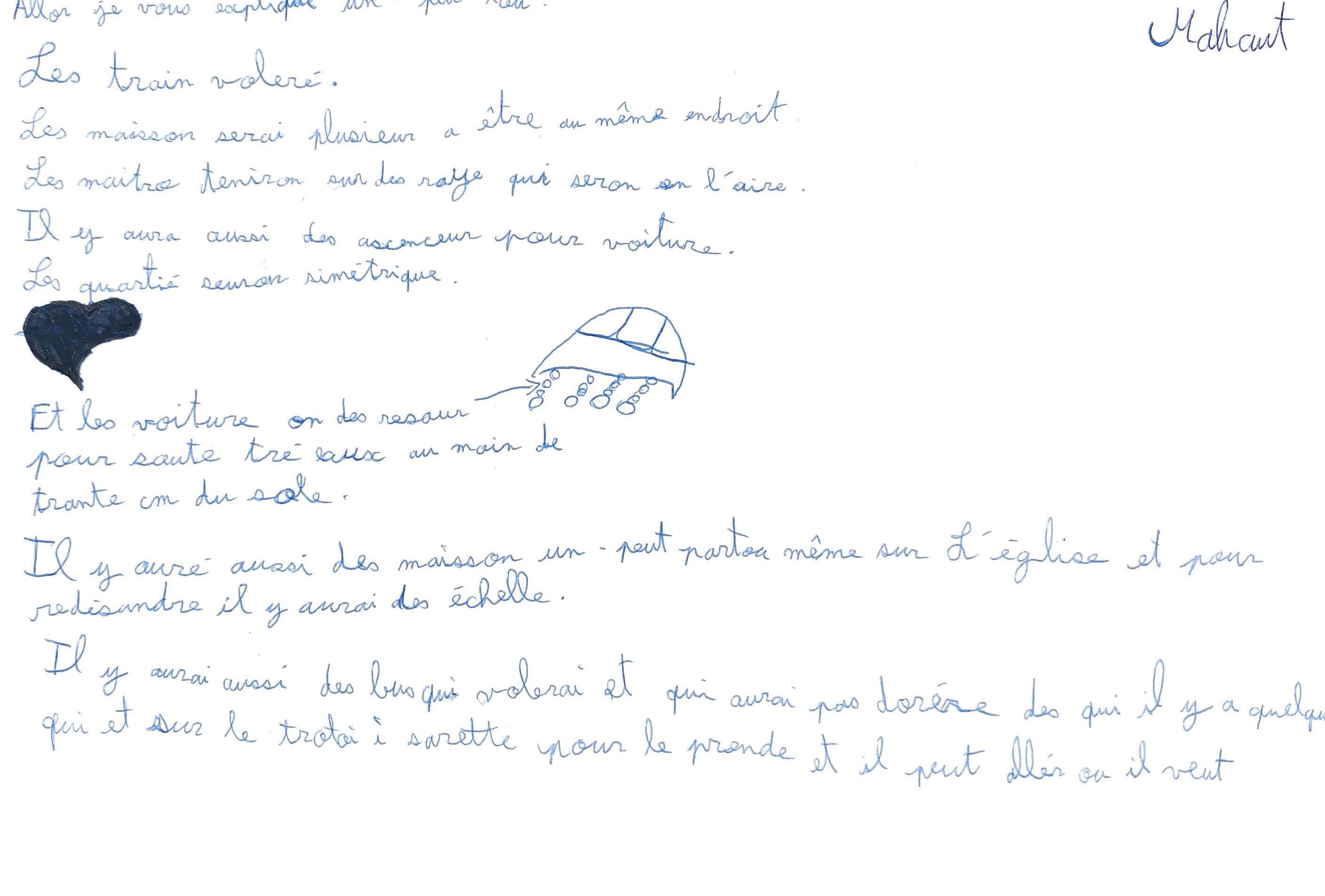
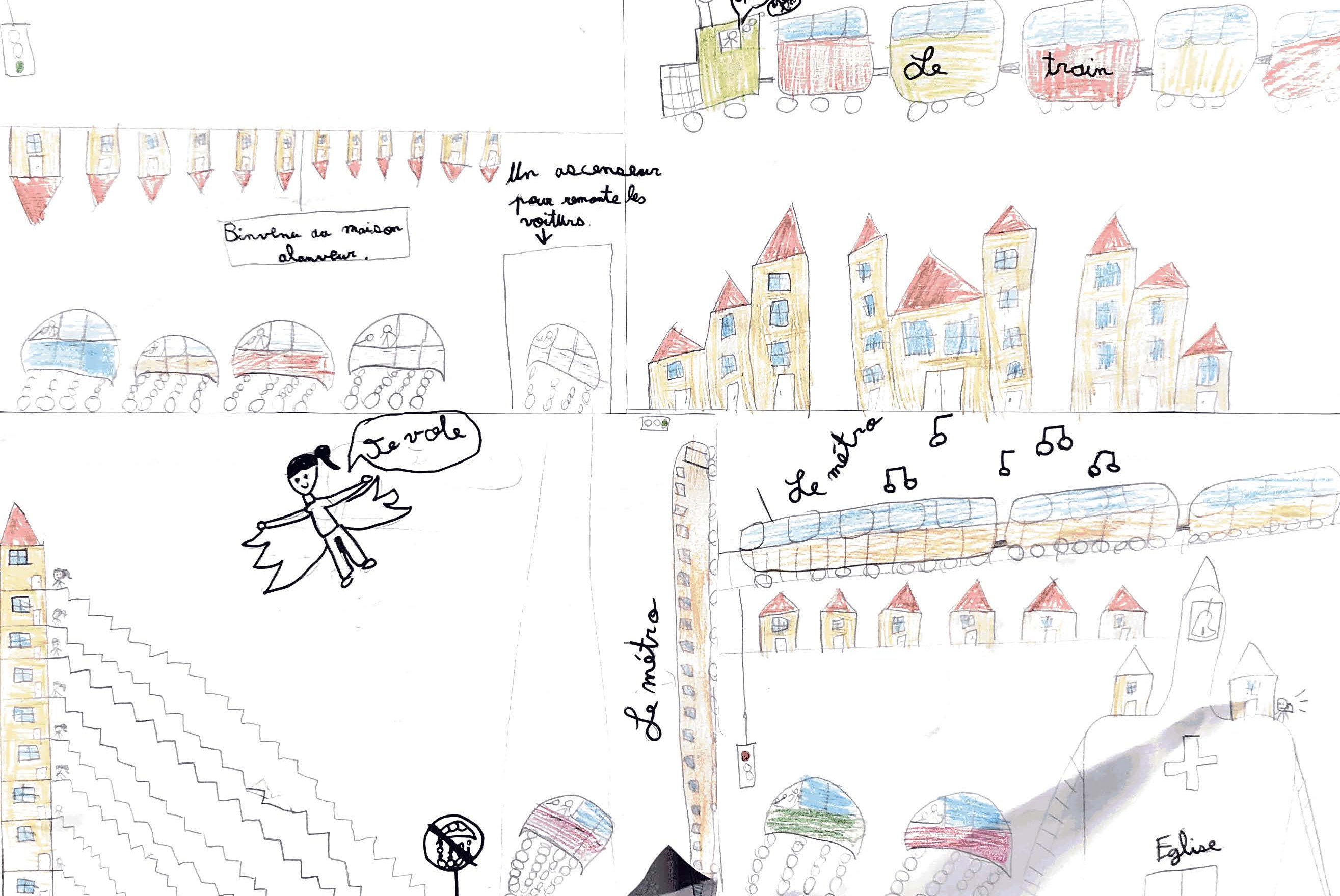
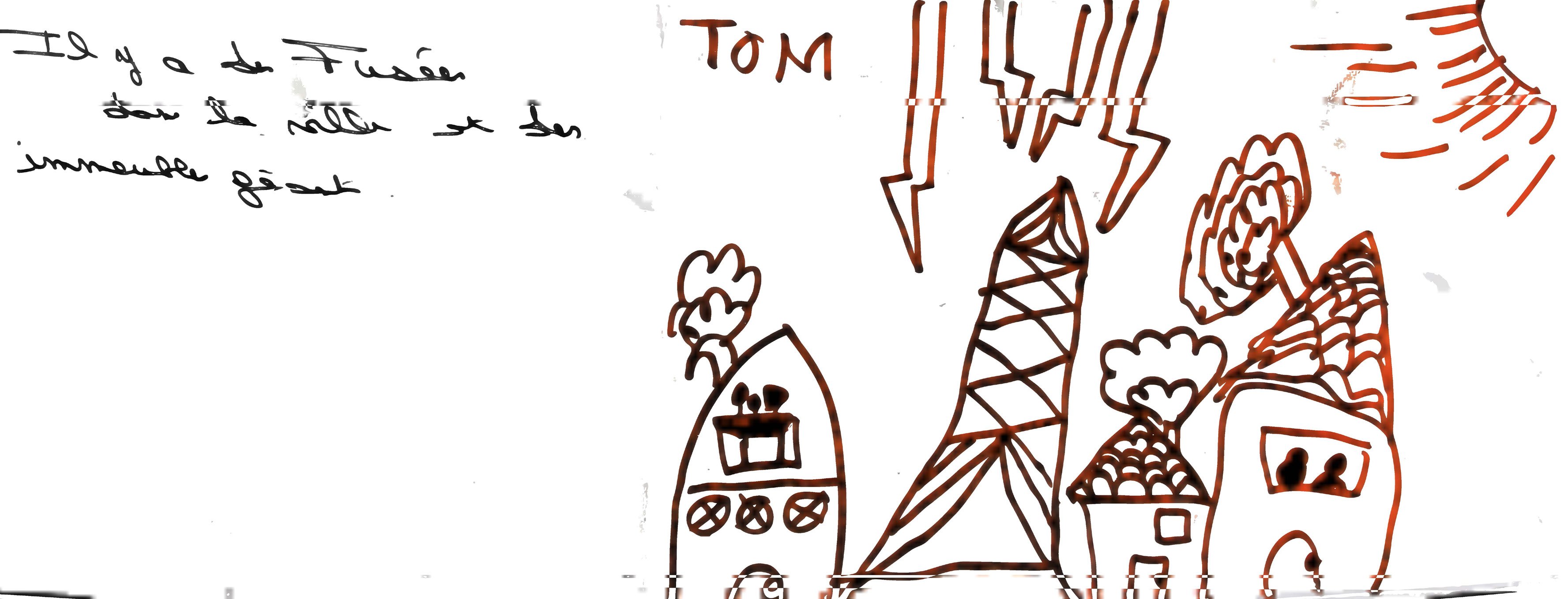
The “turfu” map (slang for the future) imagines what comes next: vegetable gardens and parks on the abandoned lots, a climbing wall, a skatepark, solar panels on the roofs, more buses and safe crossings so children can get across without danger. The exhibition could also be heard, in sound capsules.
mapping
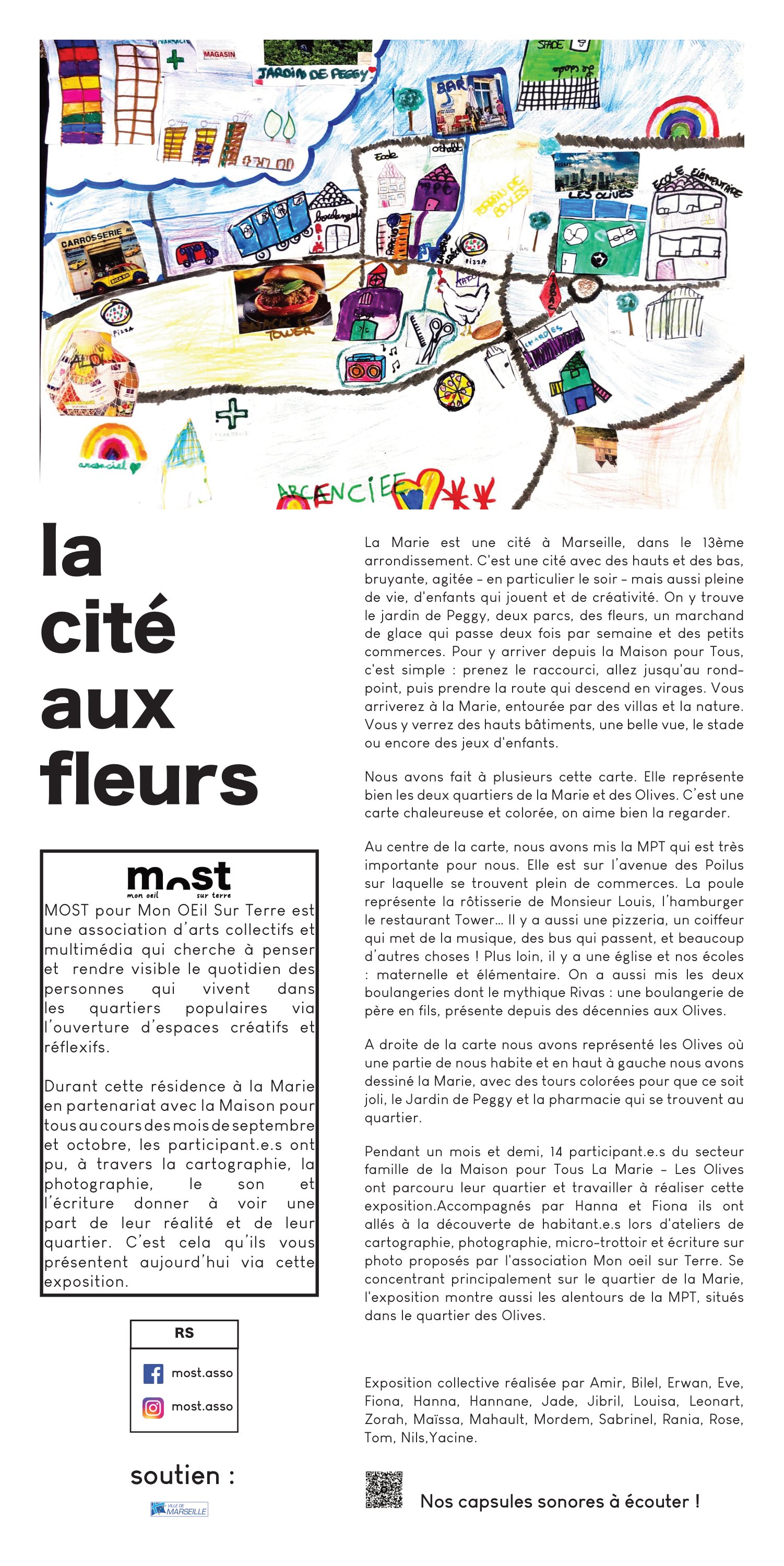
the neighborhood map
In the middle, the Maison pour tous, on the avenue des Poilus and its shops; on the right, Les Olives; at the top left, La Marie, with colorful towers “to make it pretty,” Peggy’s garden and the pharmacy.
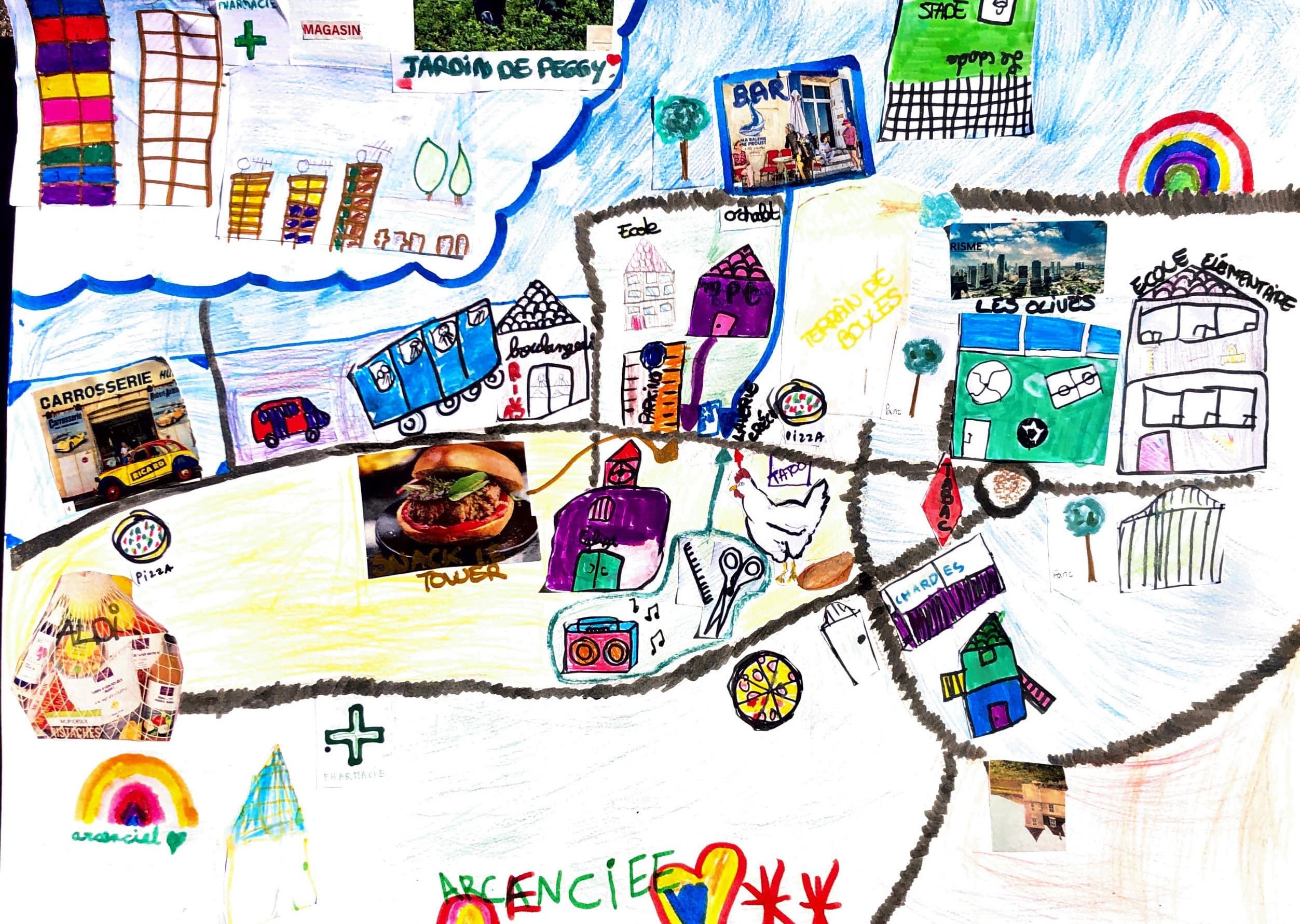
“It’s a warm and colorful map, we like looking at it.”
“The chicken stands for Monsieur Louis’s rotisserie.”
“We also put in the two bakeries, including the legendary Rivas: a bakery passed down from father to son.”
excerpts from the text written together for the exhibition
collective map: the families of the Maison pour tous des Olives et de La Marie
the exhibition
la cité aux fleurs, wall by wall
Six panels of photographs titled and described by the participants, the “turfu” map, then the exhibition’s large prints.
wall 01
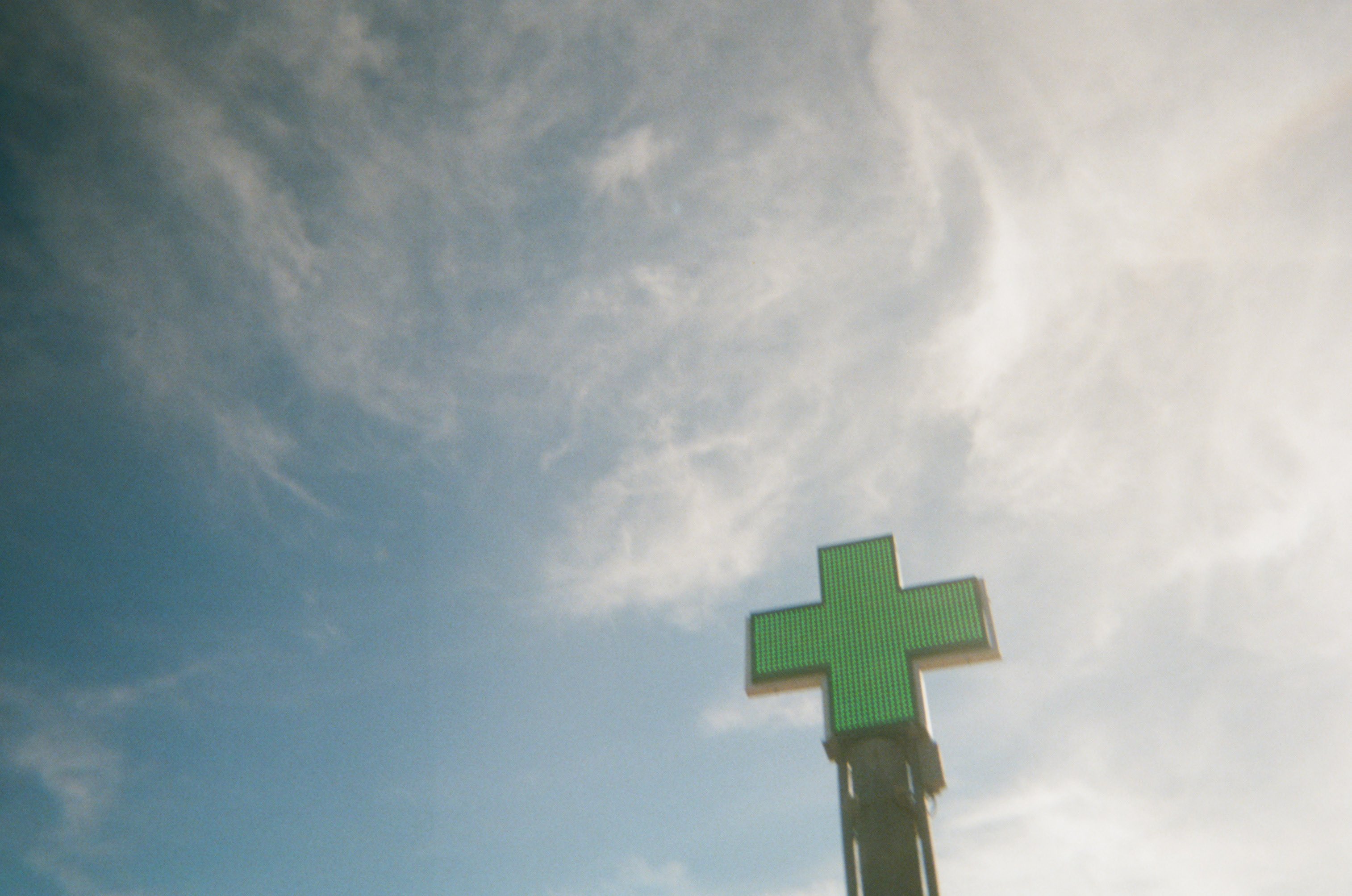
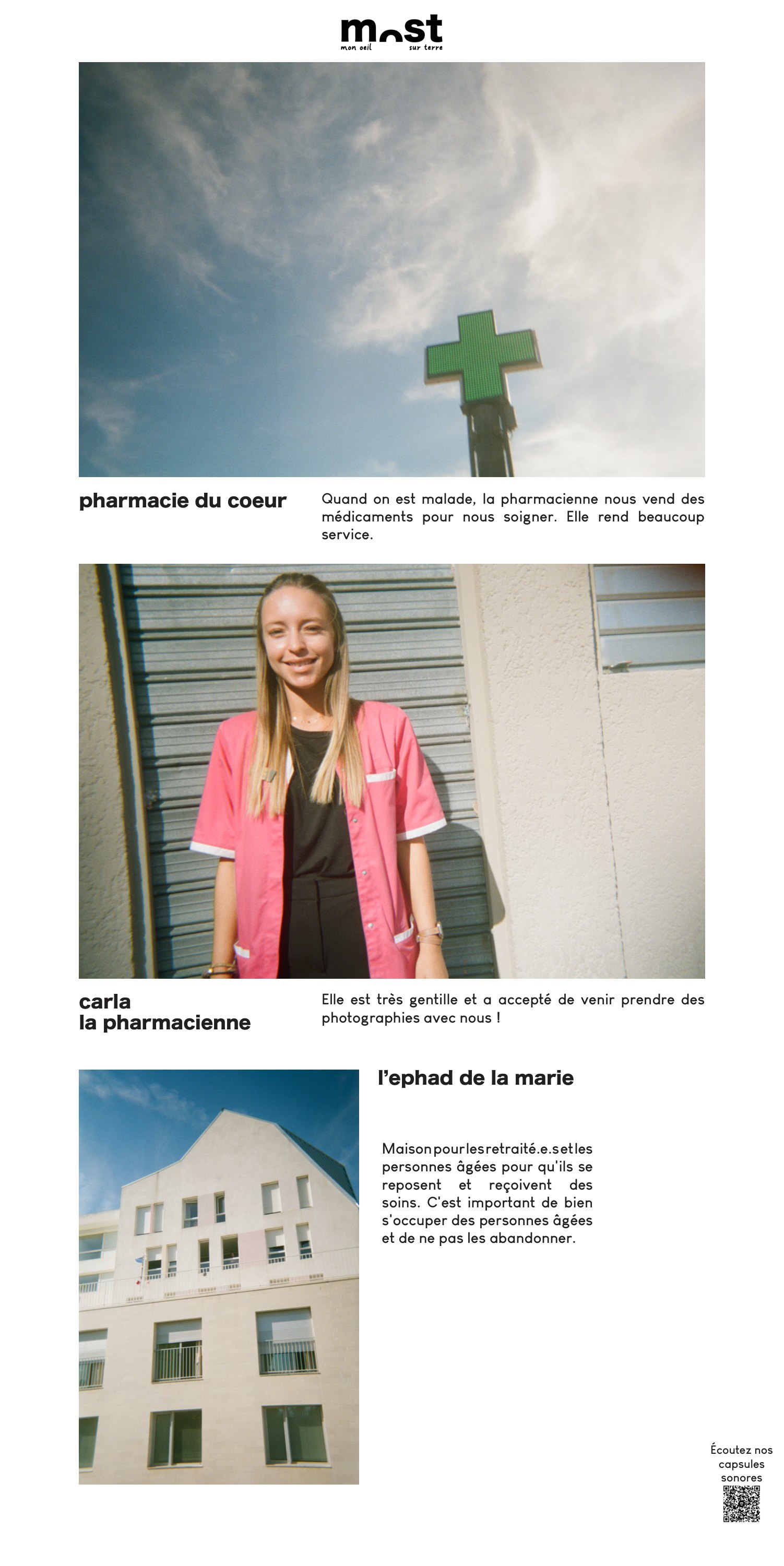
pharmacie du coeur
When we’re sick, the pharmacist sells us medicine to get better. She’s a big help.
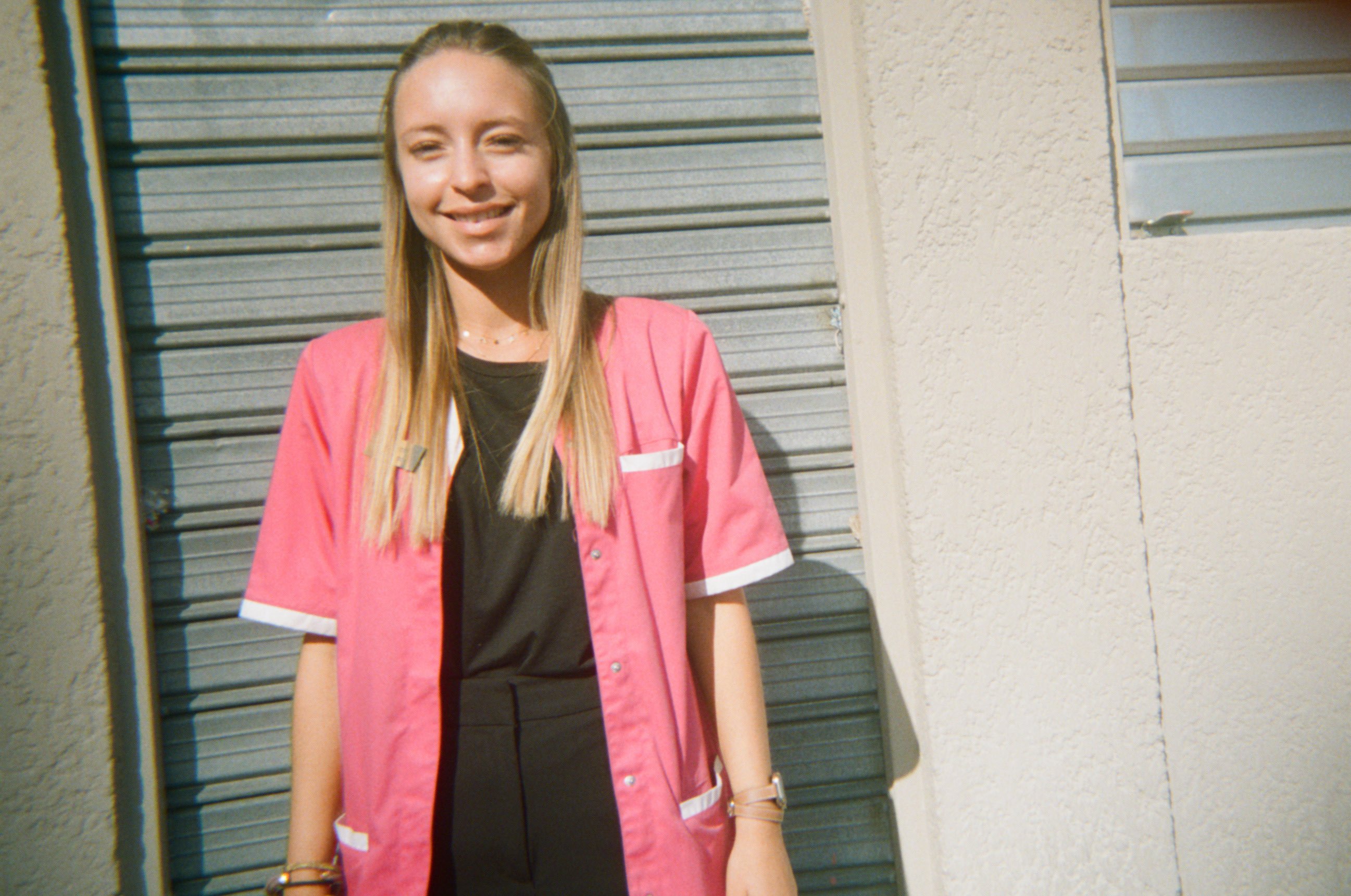
carla
She’s very kind and agreed to come and take photographs with us!
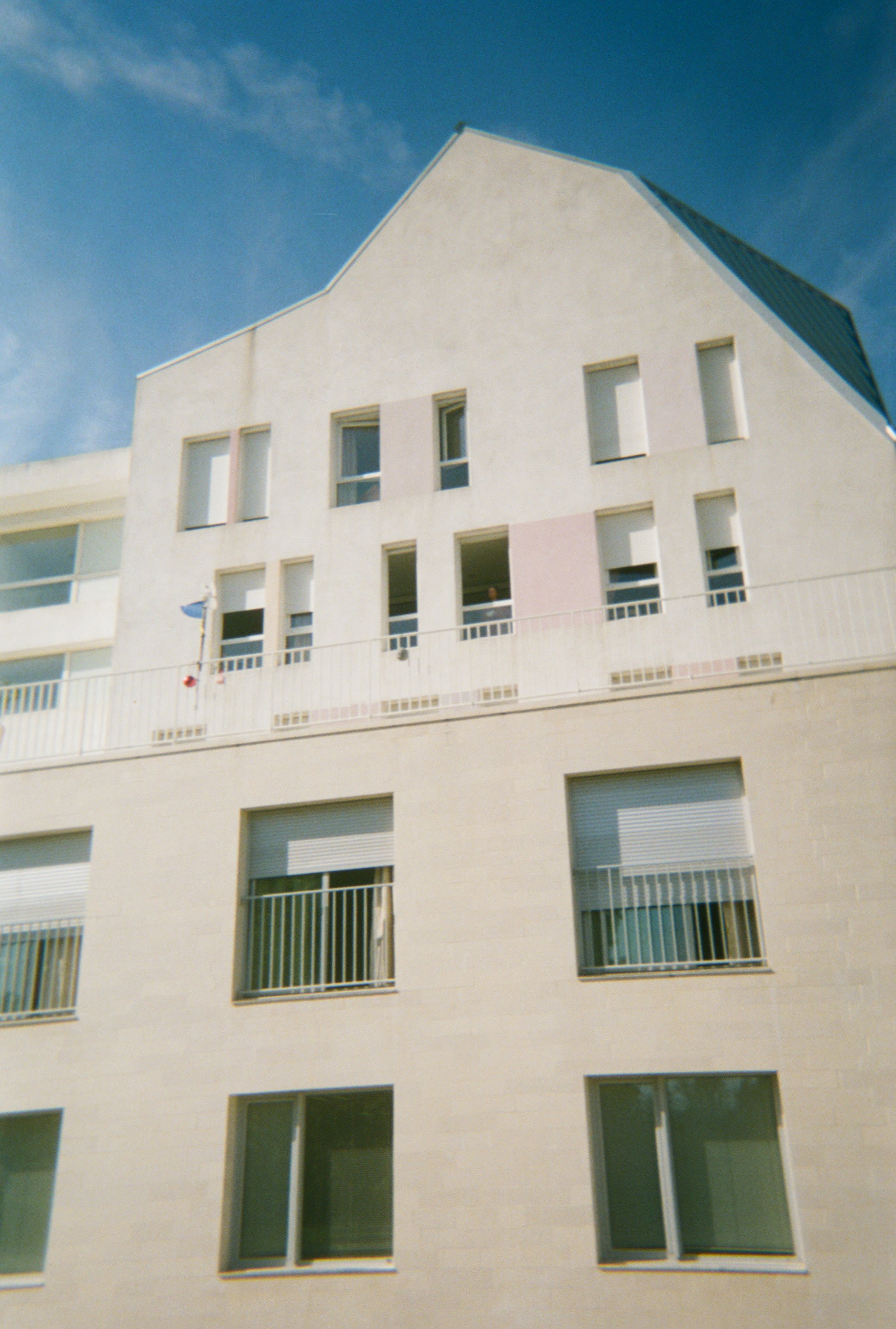
l’ehpad de la marie
A home for retired and elderly people, where they can rest and be cared for. It’s important to look after older people and not abandon them.
wall 02
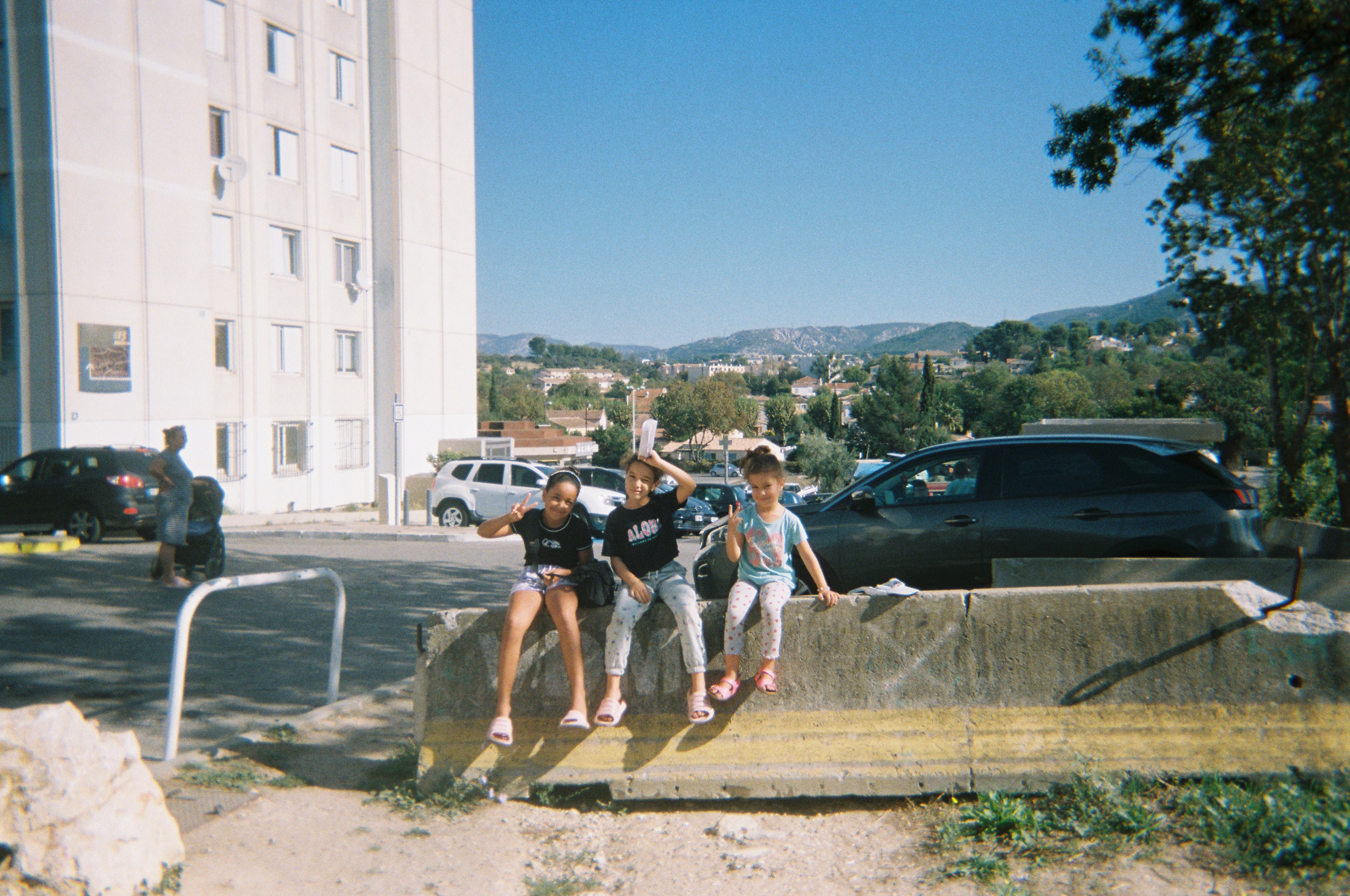
mes soeurs et moi à la marie
Me and my sisters outside our building. We live in La Marie with Mom.
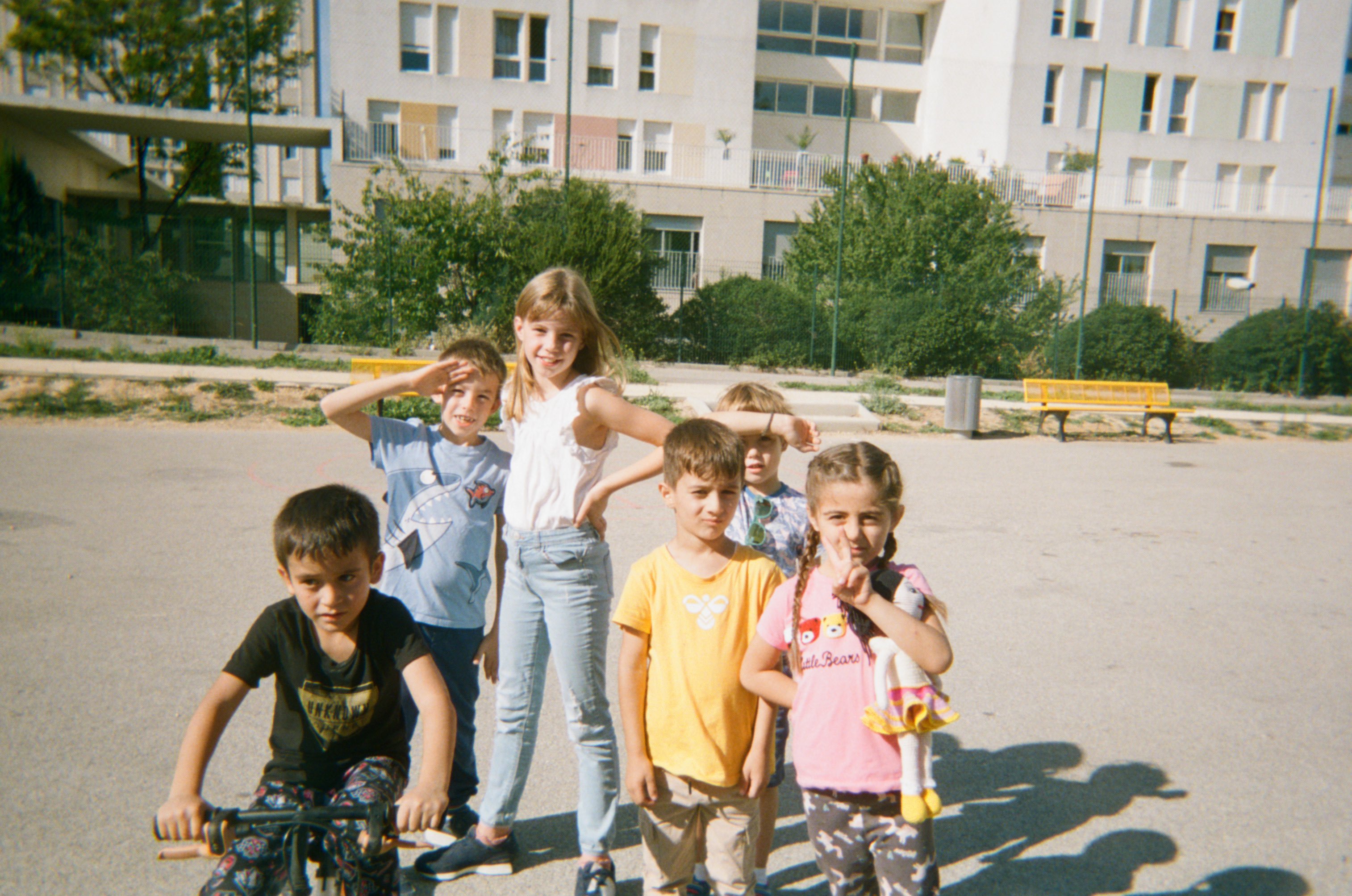
le terrain de jeu de la marie
Mao, Anne, Tom, Niels and other kids at the La Marie playground. Here, it’s for everyone. We even get visits from kids from nearby neighborhoods. We can even become friends with them.
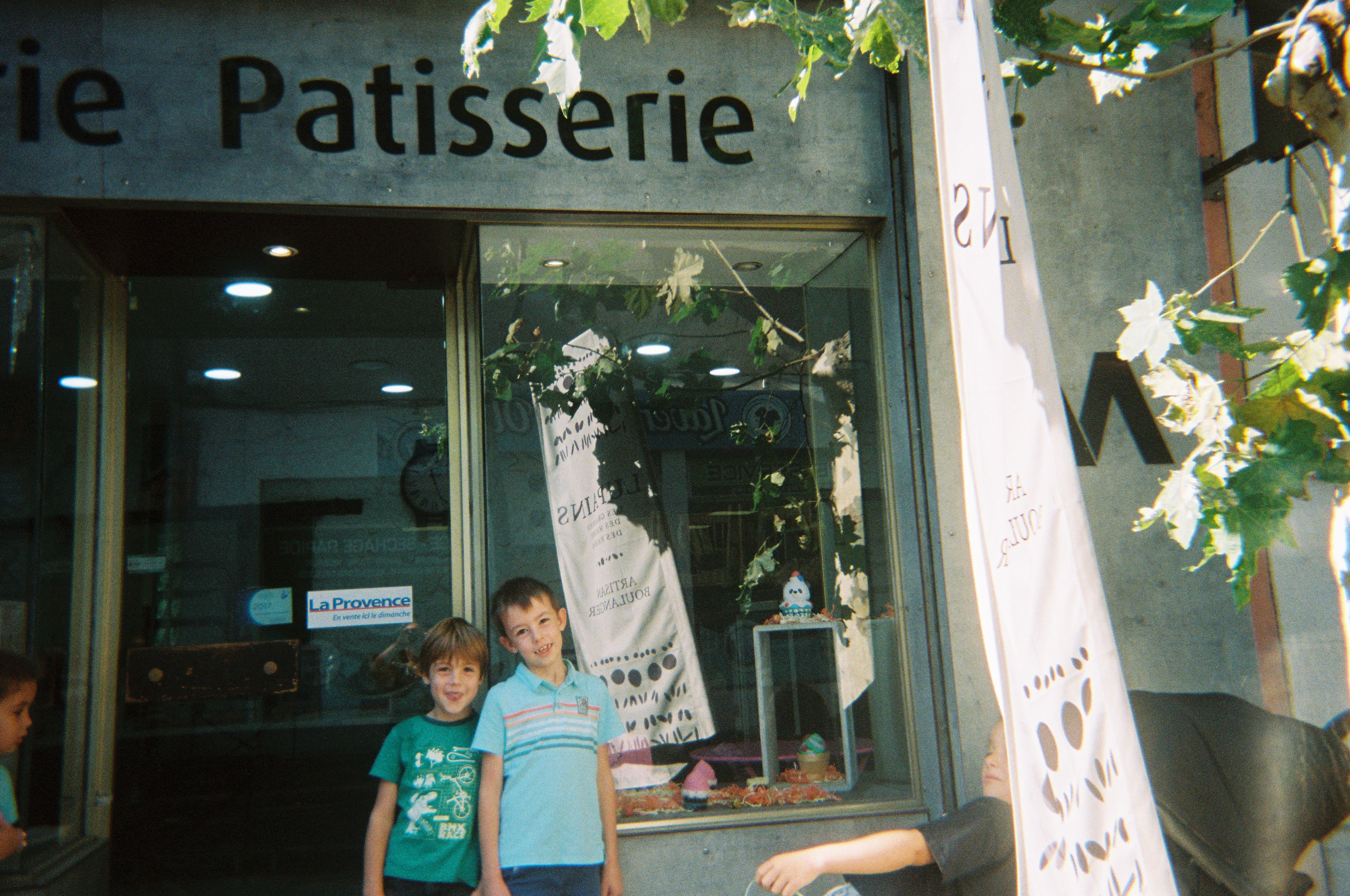
à côté de chez louis
My little brother and I took a photo of ourselves in Les Olives, in front of the bakery.
wall 03
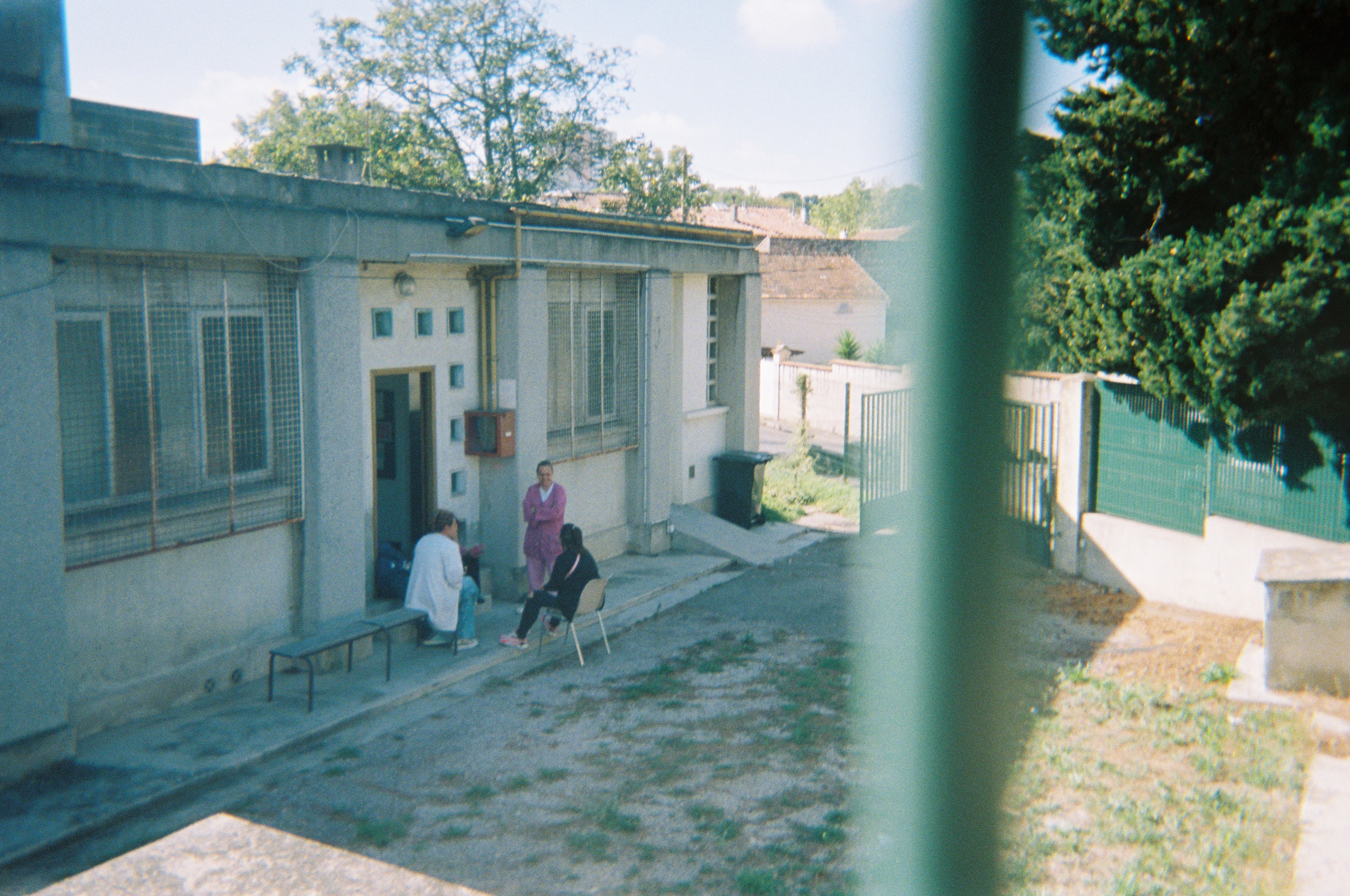
les cantinières
The canteen ladies on their break.
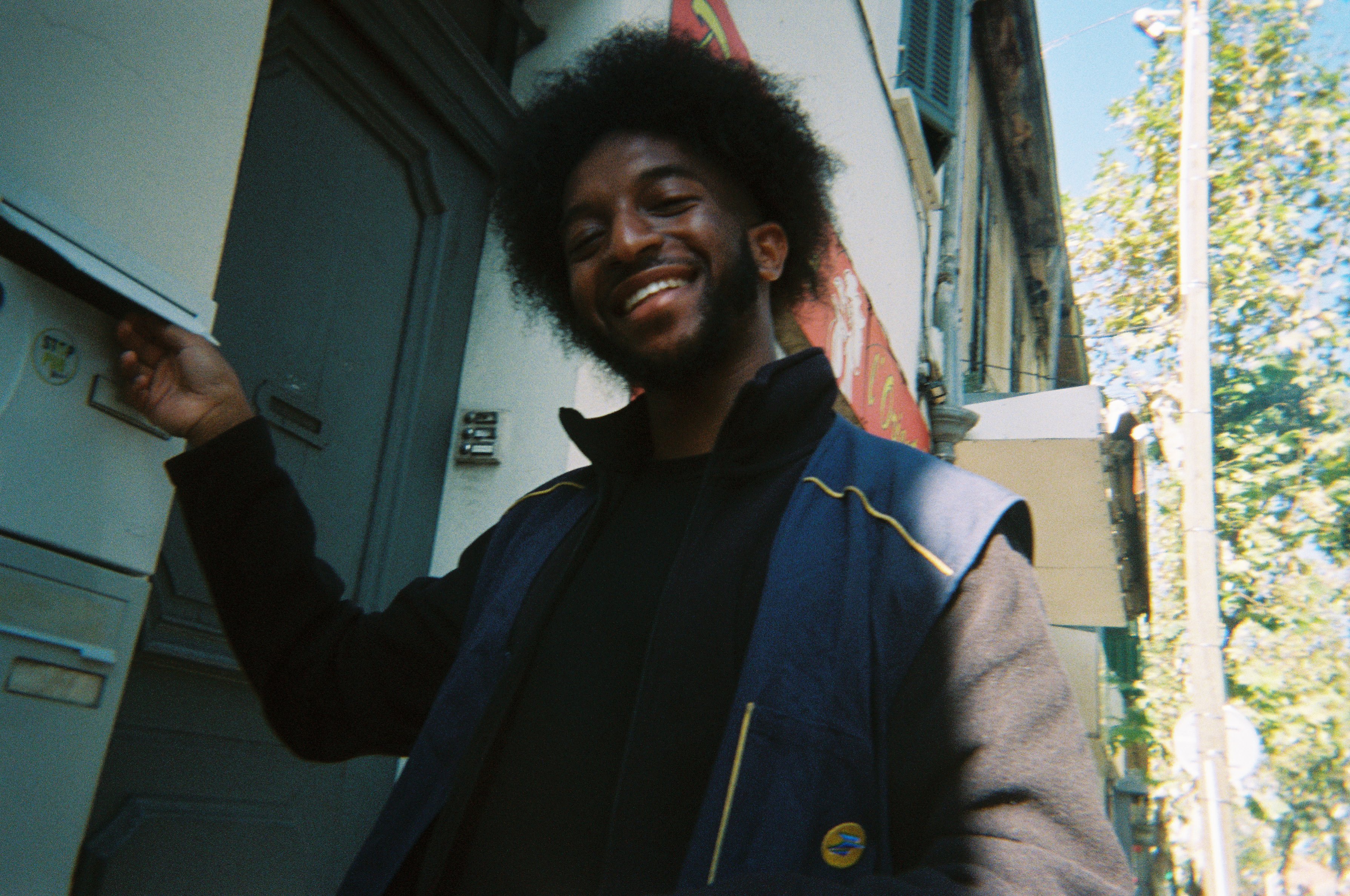
le facteur
This mail carrier is very important because he delivers the most important letters.
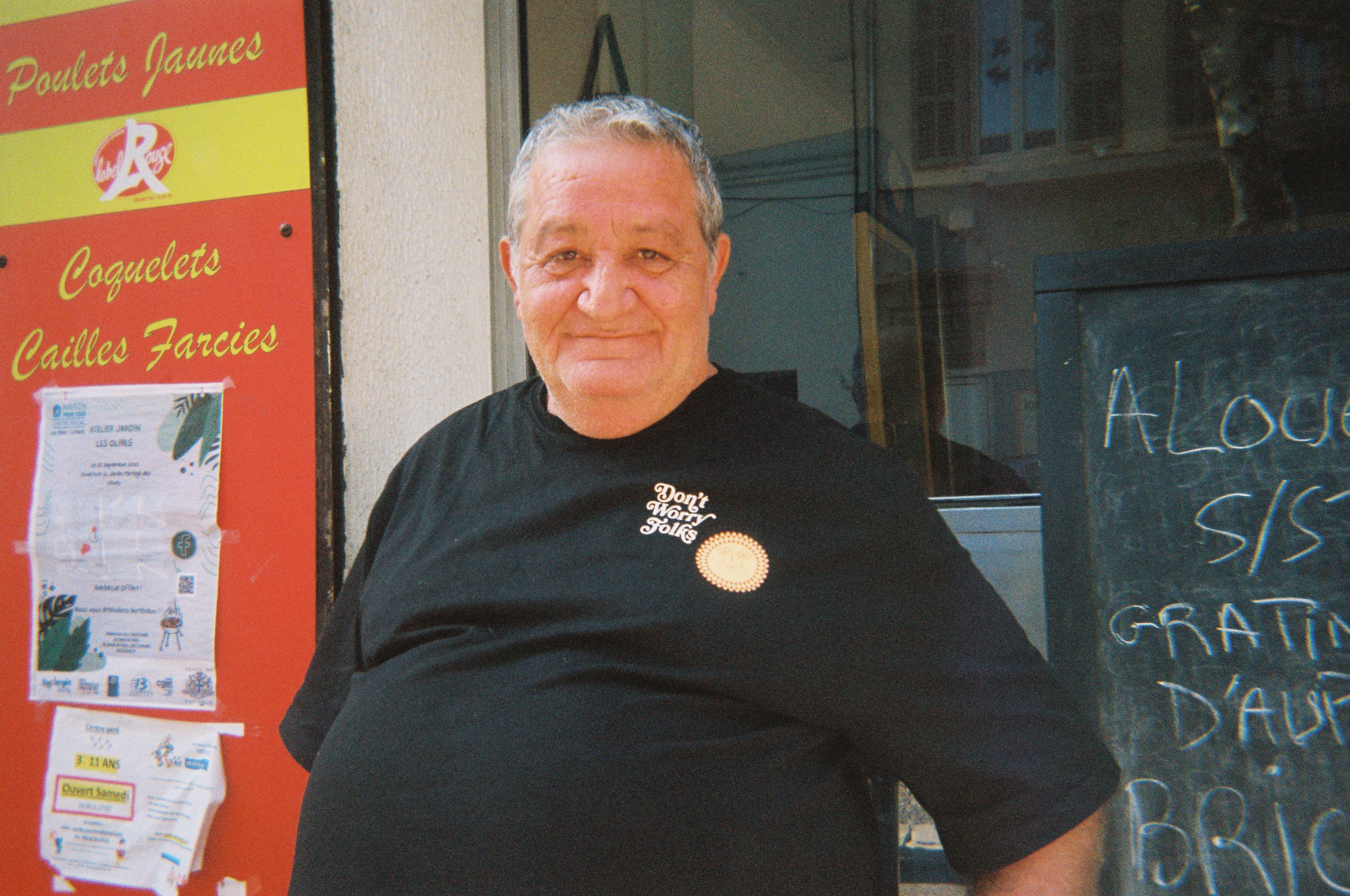
le petit commerçant
This shopkeeper is called Louis, and if you ever see his shop, buy a chicken from him, because they’re the best I know.
wall 04
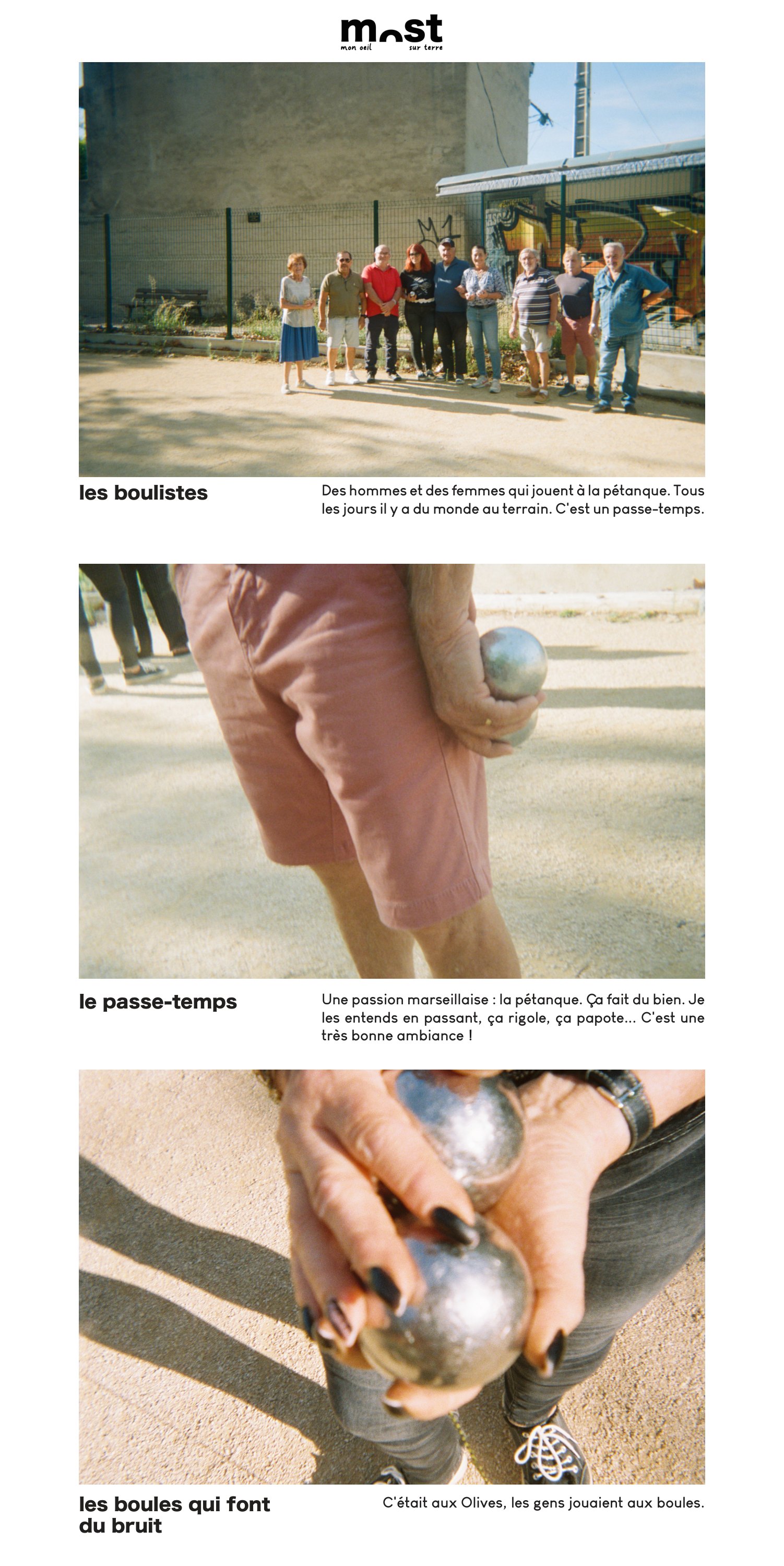
les boulistes
Men and women playing pétanque. Every day there are people at the court. It’s a pastime.
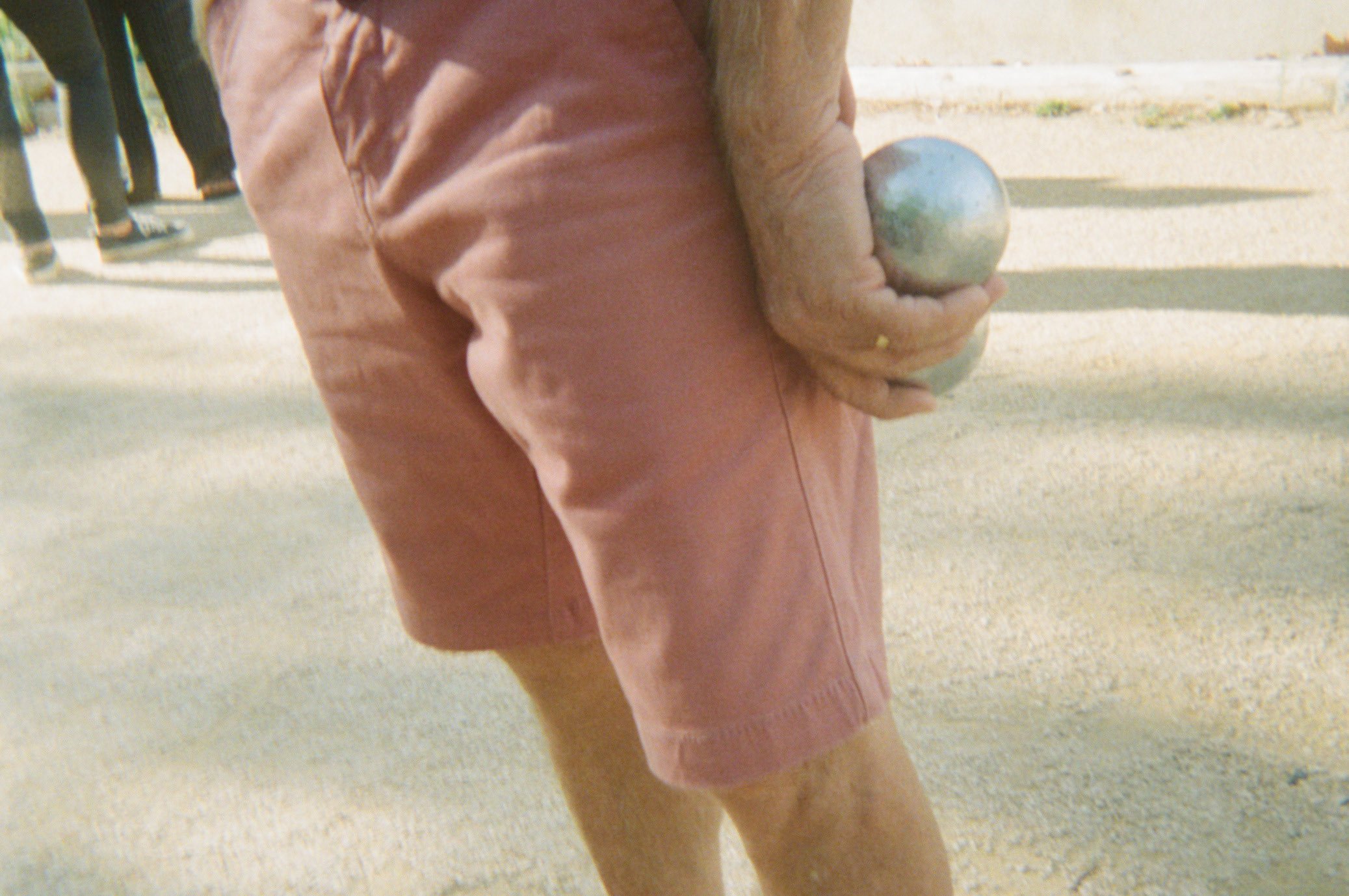
le passe-temps
A Marseille passion: pétanque. It does you good. I hear them as I go by, laughing, chatting... It’s a really good vibe!
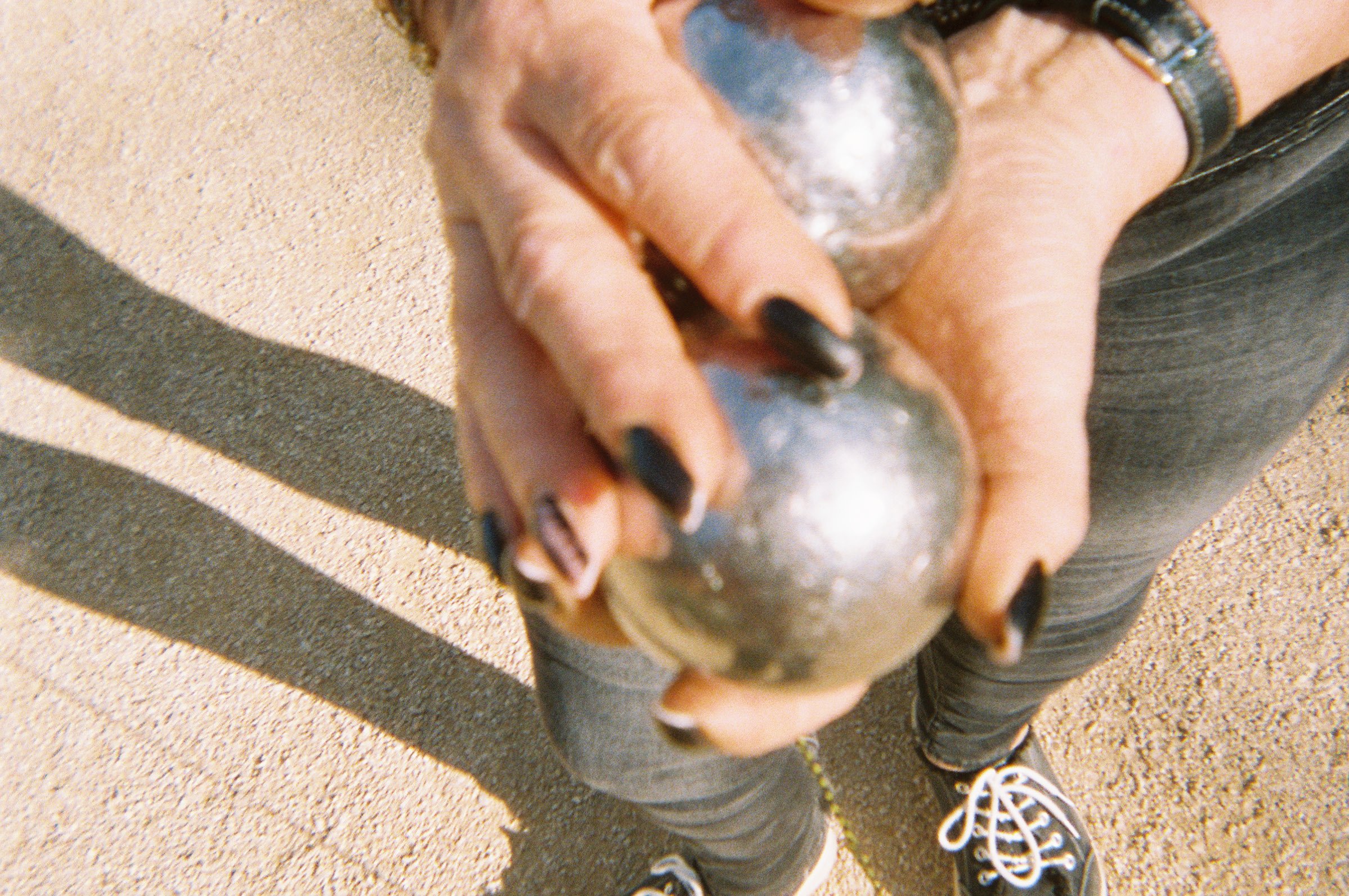
les boules qui font du bruit
It was in Les Olives, people were playing boules.
wall 05
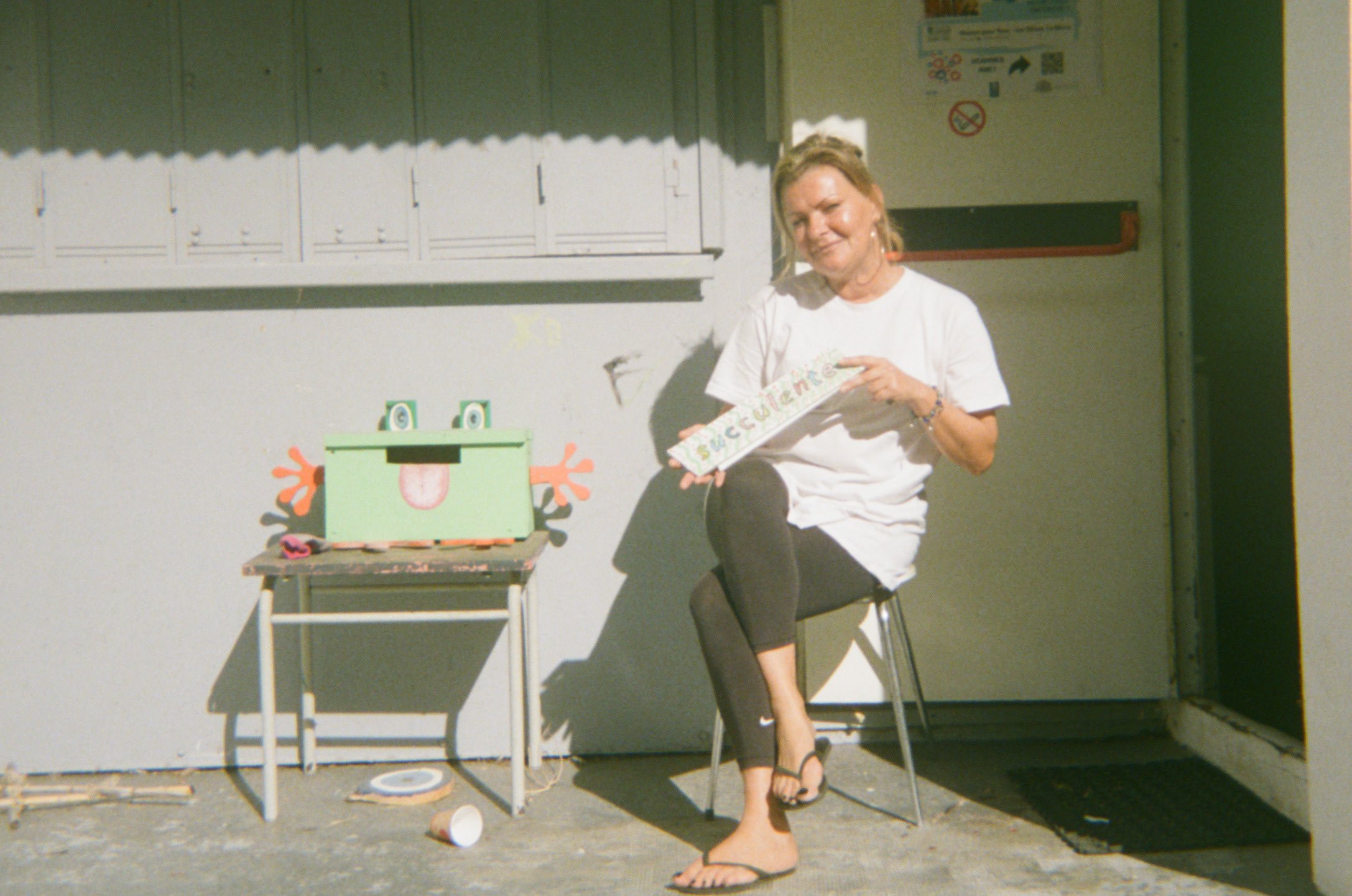
peggy
With her good mood and her smile, she brings a big sun and gardens in bloom.
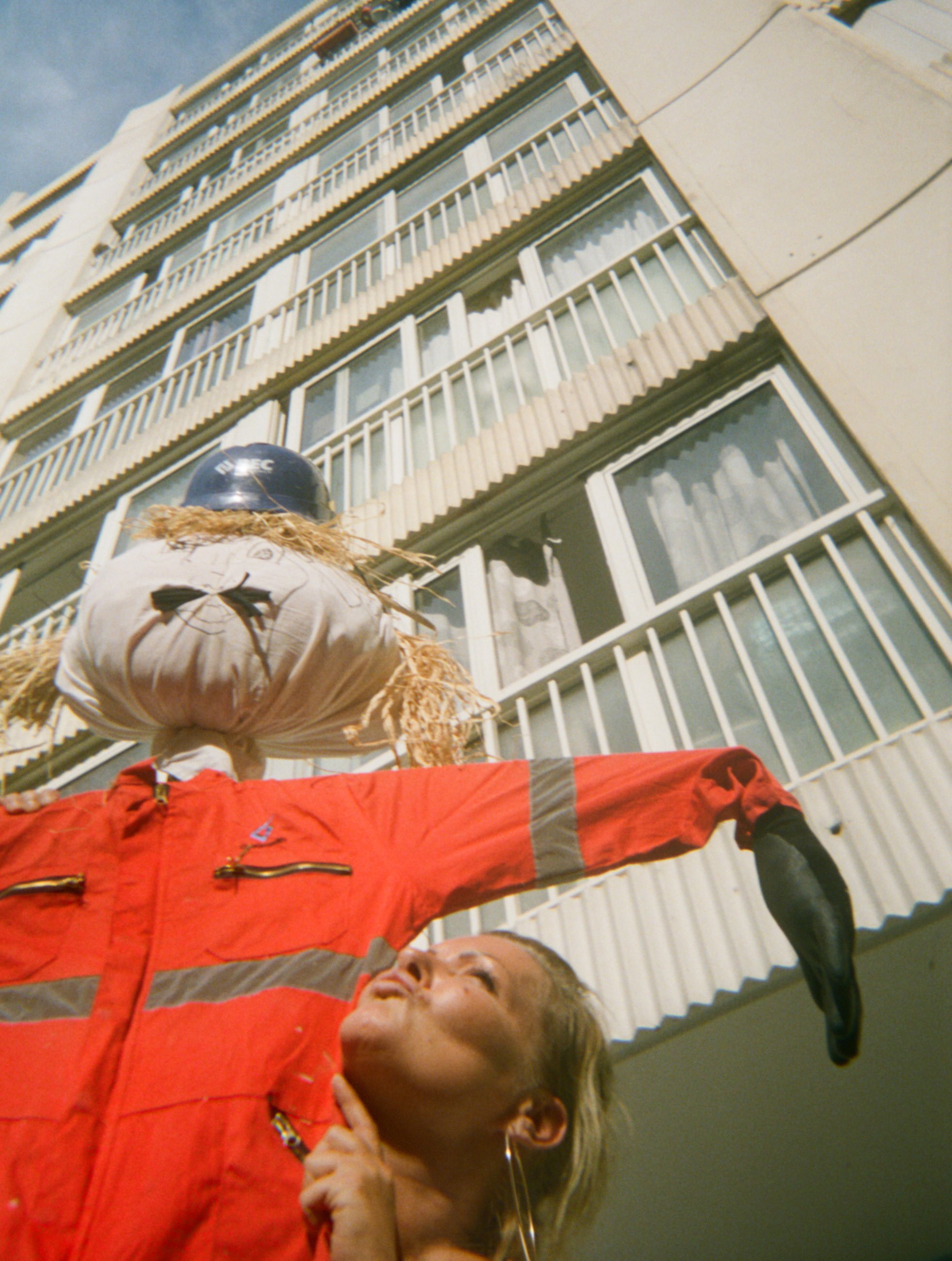
l’amant de peggy
The scarecrow wears Peggy’s clothes; she made it to protect the seeds in her magic garden. Every now and then, she comforts it.
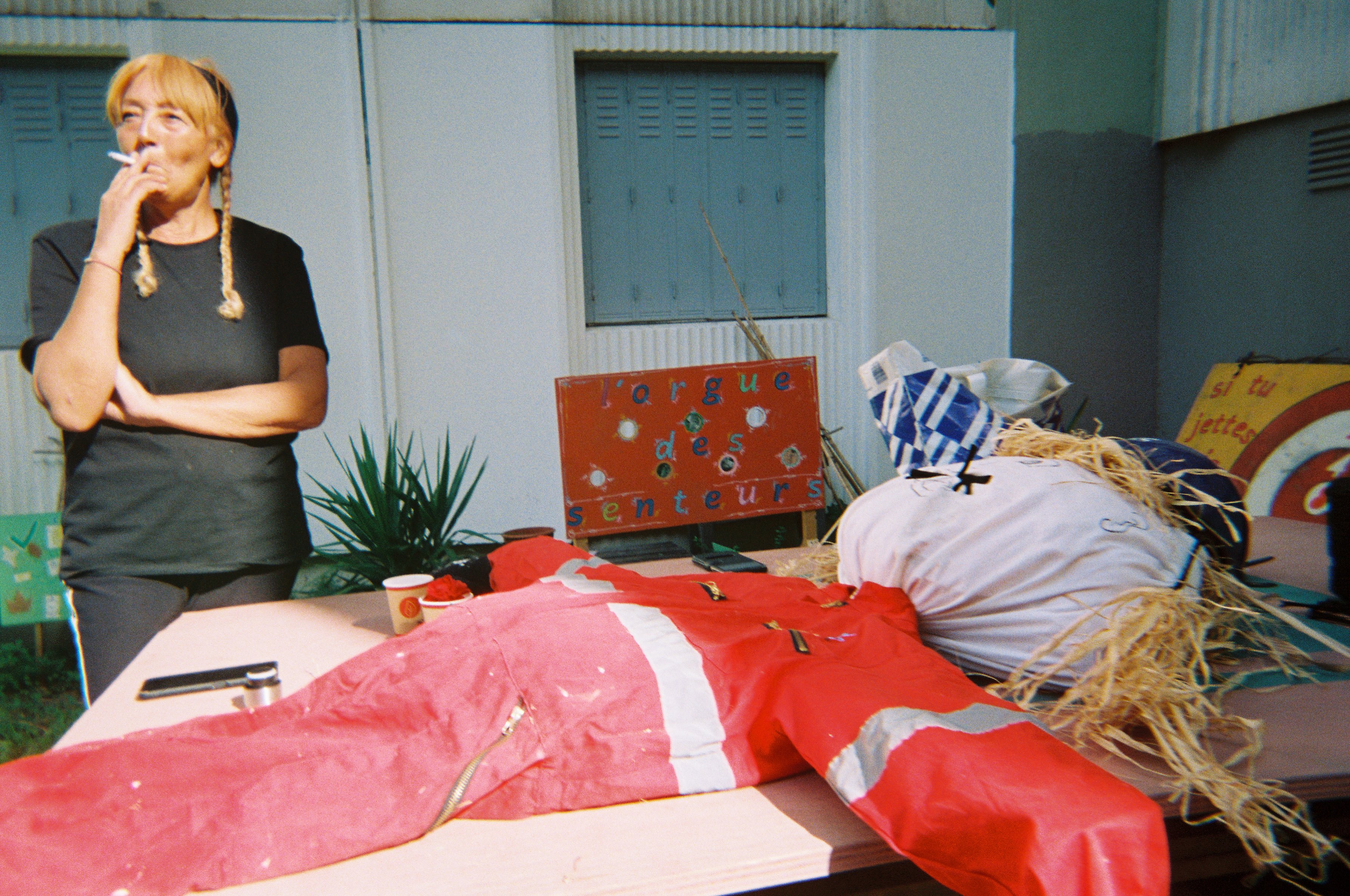
dalila
This is Dalila, who lives in La Marie. She works in the garden with Peggy.
wall 06
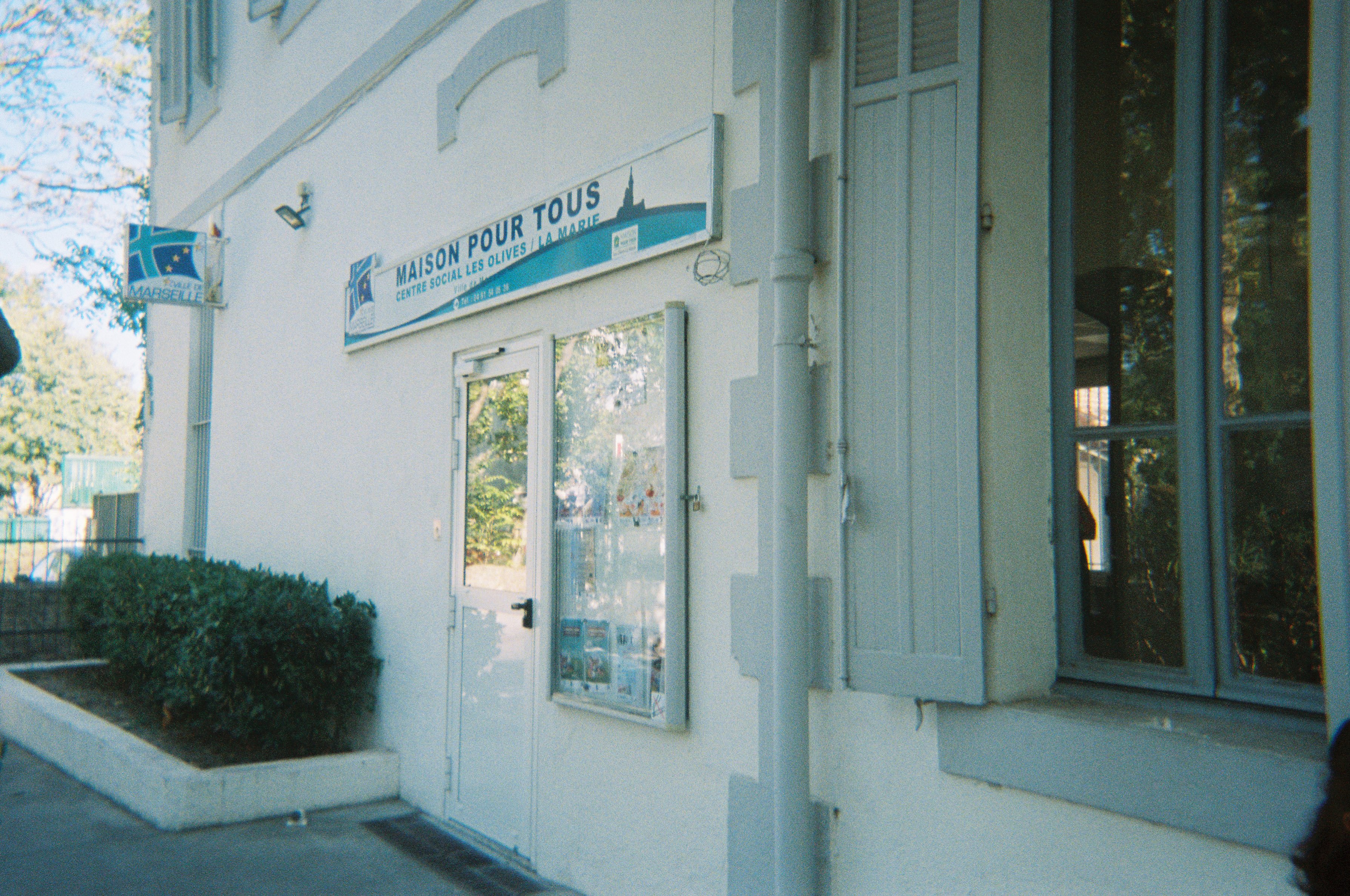
la mpt du coeur
I discovered the MPT thanks to Hanna. I think she’s a wonderful woman with a big heart. The MPT (“house for all”) lives up to its name. Thanks to her, we find lots of solutions.
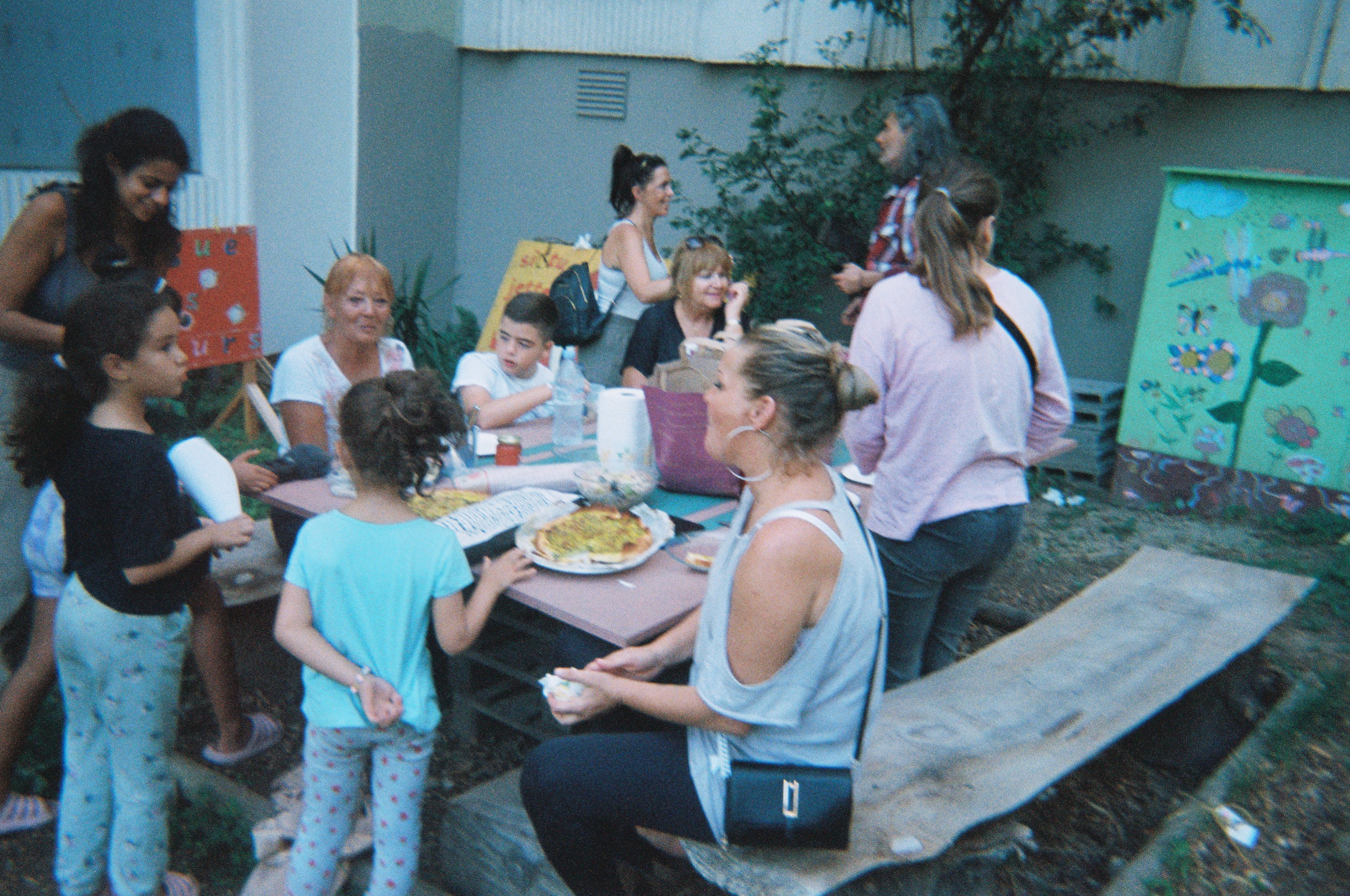
repas partagé
On Wednesdays, Peggy, Dalila, Babeth and Thérèse organize the shared meal together before gardening with the Paysan Urbain.
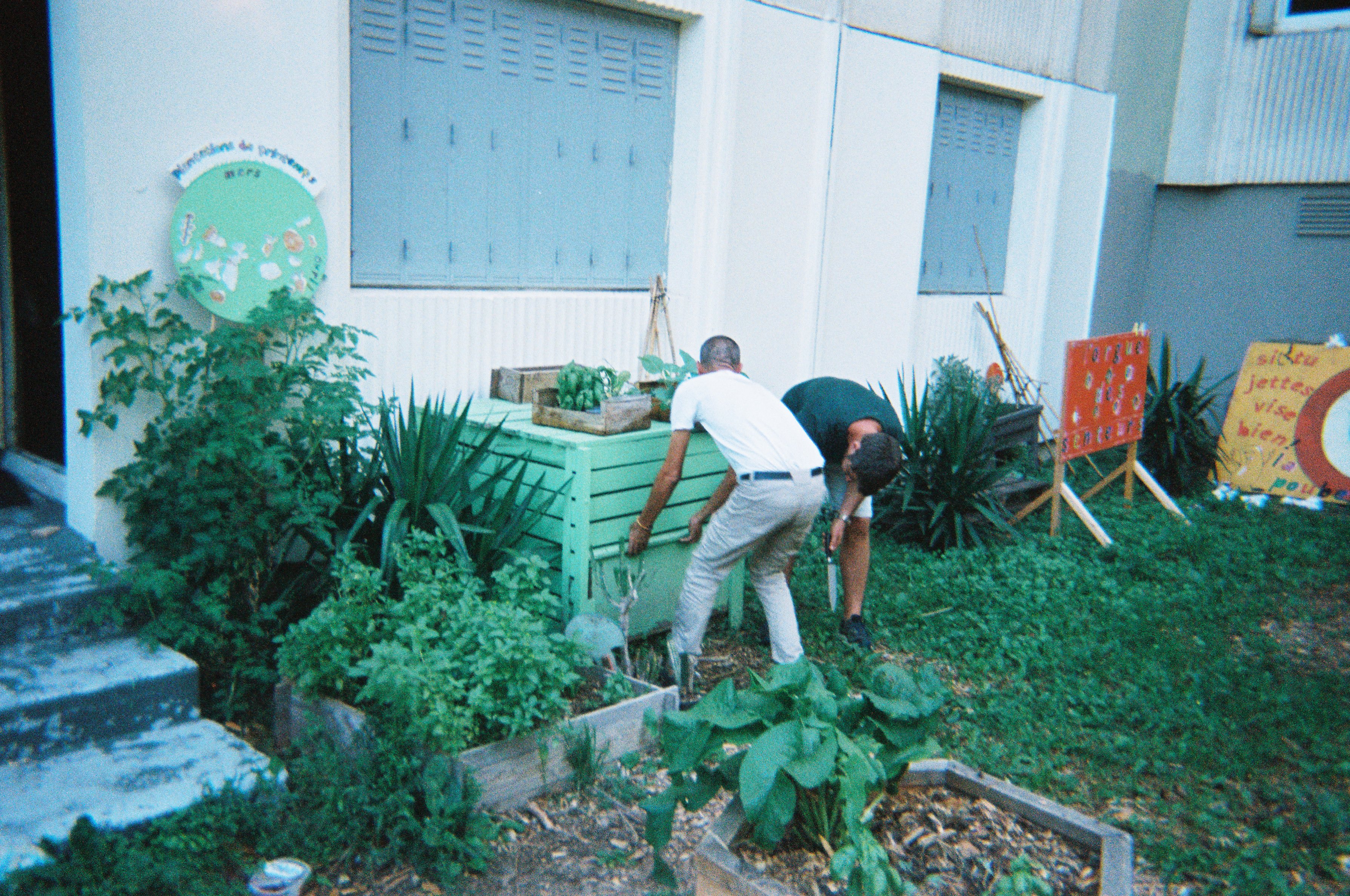
le paysan urbain
The Paysan Urbain (an urban farming group) works with Peggy to lay out the garden. Loïc teaches us lots about plants, flowers and the environment.
wall 07
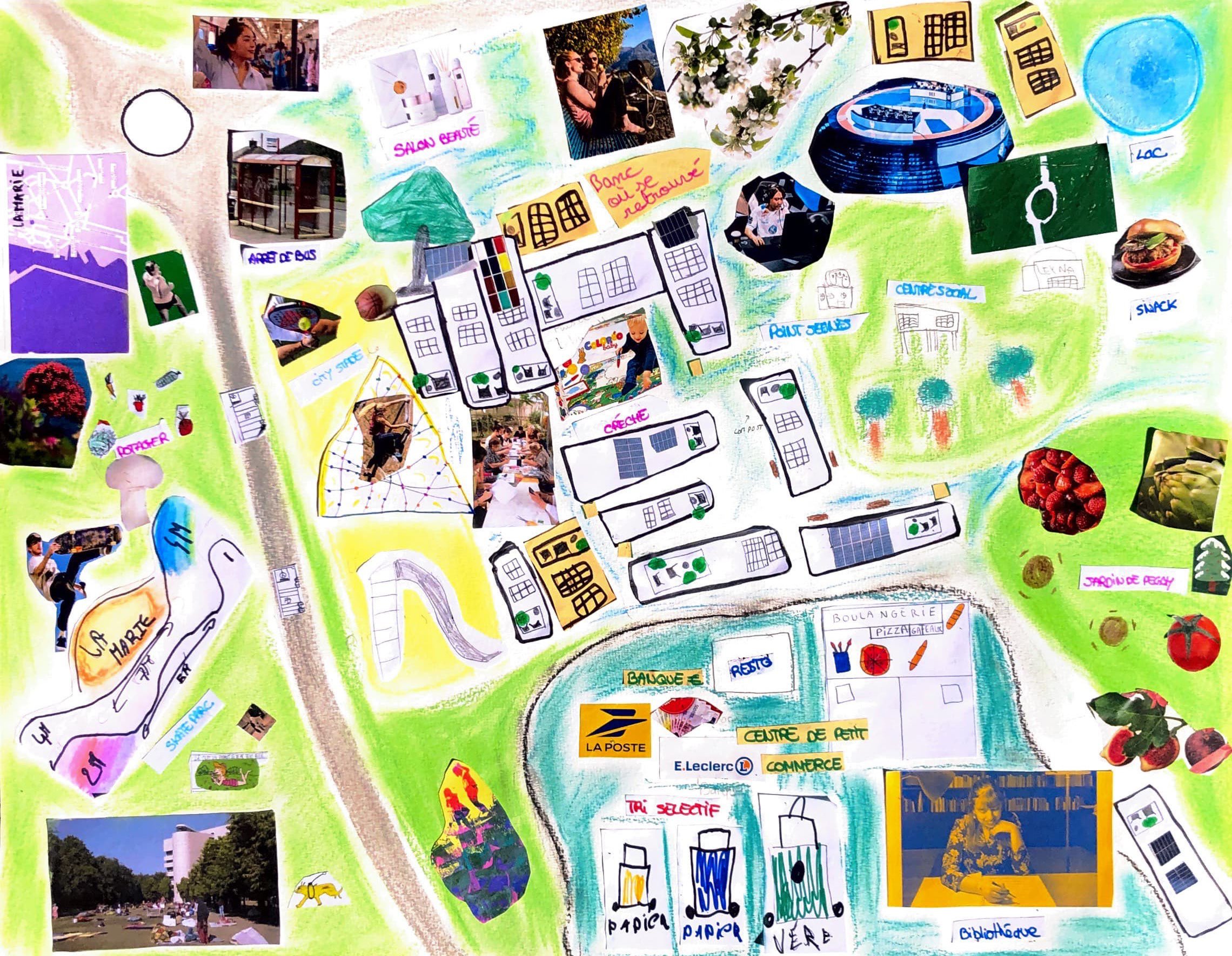
carte du turfu
Here is the map of La Marie as we ideally imagine it in the future. The abandoned lots would become meeting places and green spaces, like vegetable gardens and parks. We’d also like more activities for young people: a climbing wall, a skate park, a soccer field and a stadium. Peggy’s garden would be even bigger, with even more flowers and vegetables than today. On the roofs of the buildings there would be solar panels, plants and tables to get together. We drew several buses because we’d like the neighborhood to be better served by public transport. The road crossings would be safer so children can cross without danger. In the La Marie park, we’d like to build a youth center, a community center and a snack bar, right in the heart of the neighborhood and close to the homes.
wall 08the prints
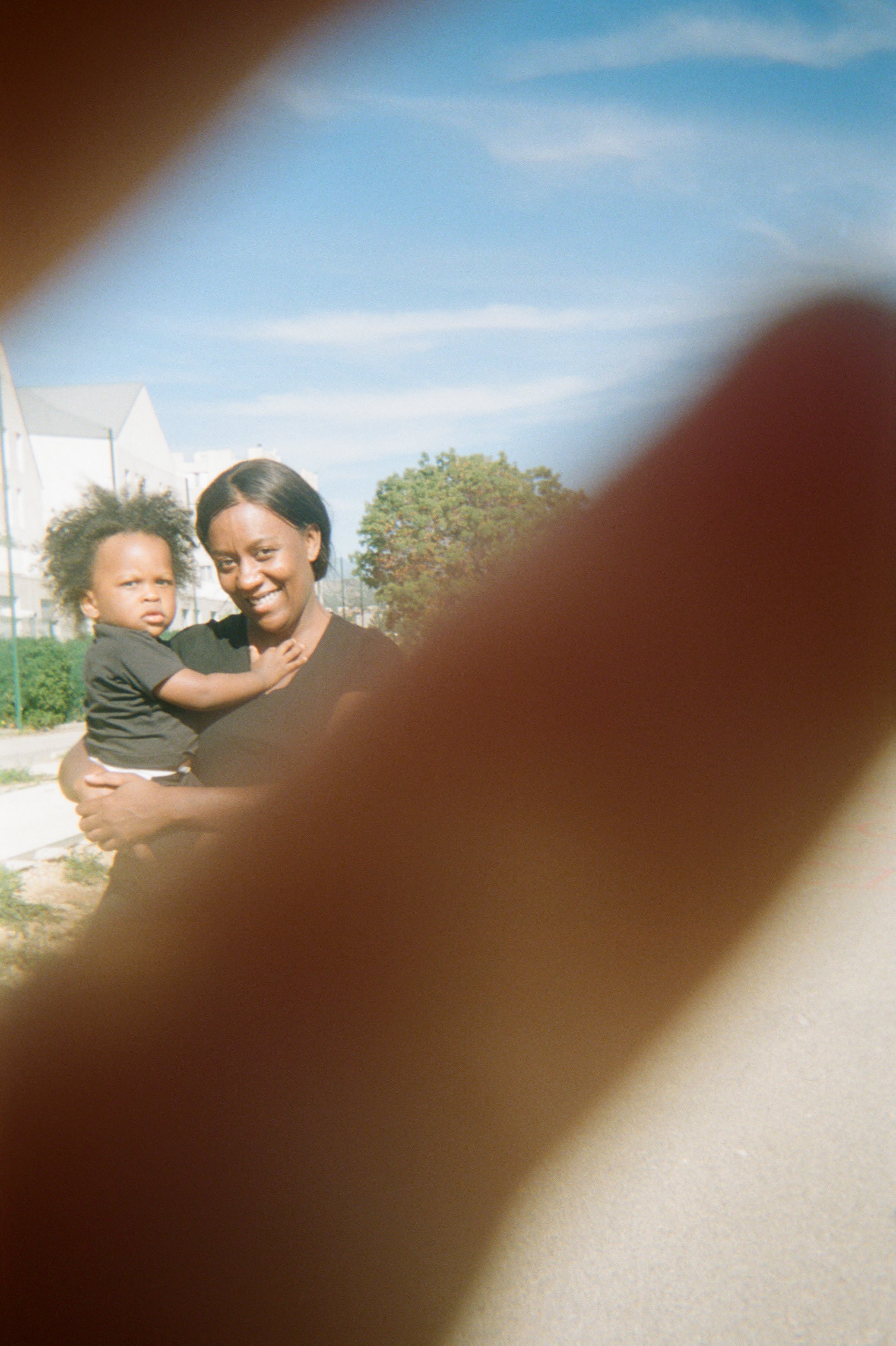
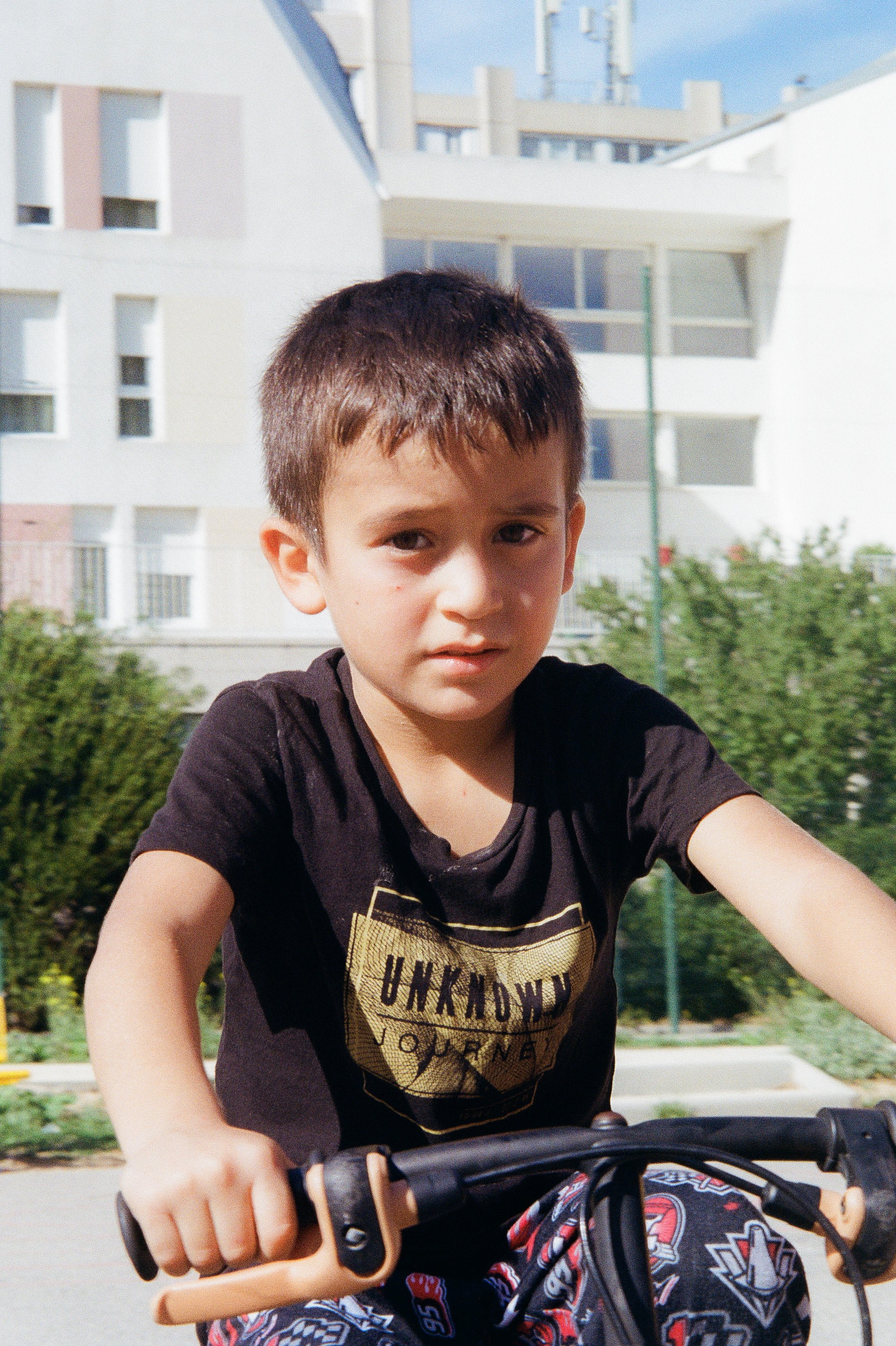
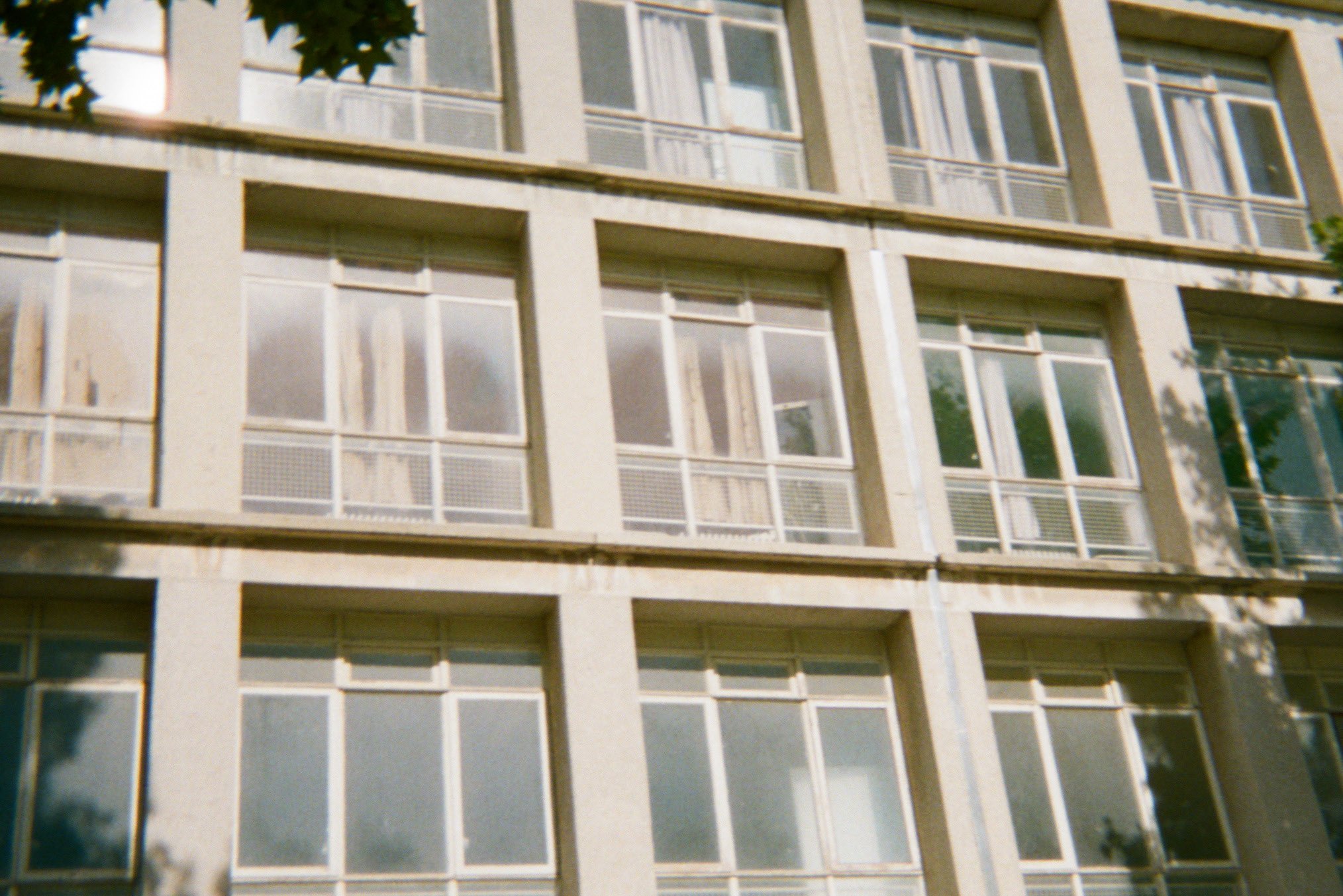
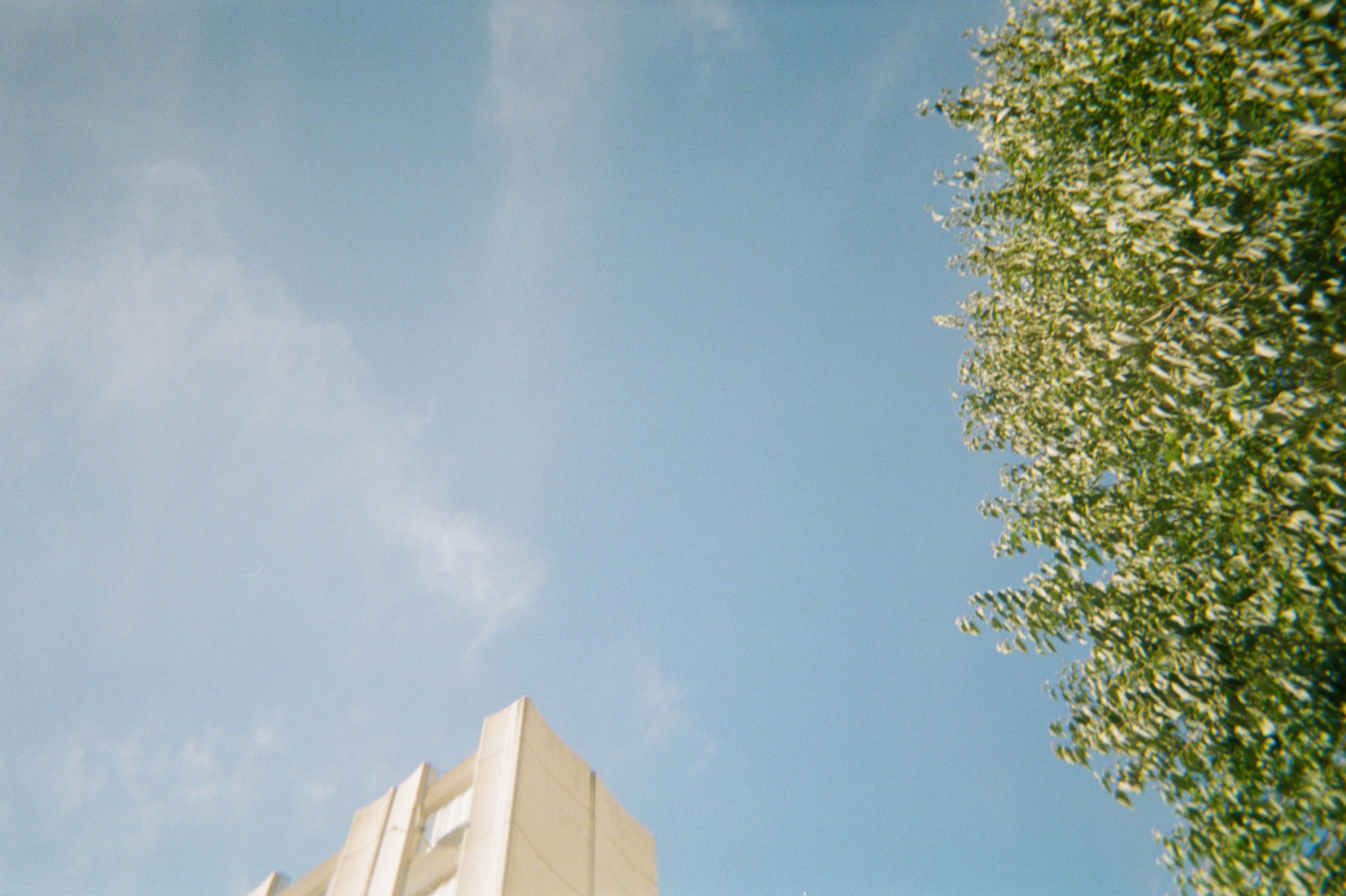
photographs and captions: the families of the Maison pour tous des Olives et de La Marie
in pictures
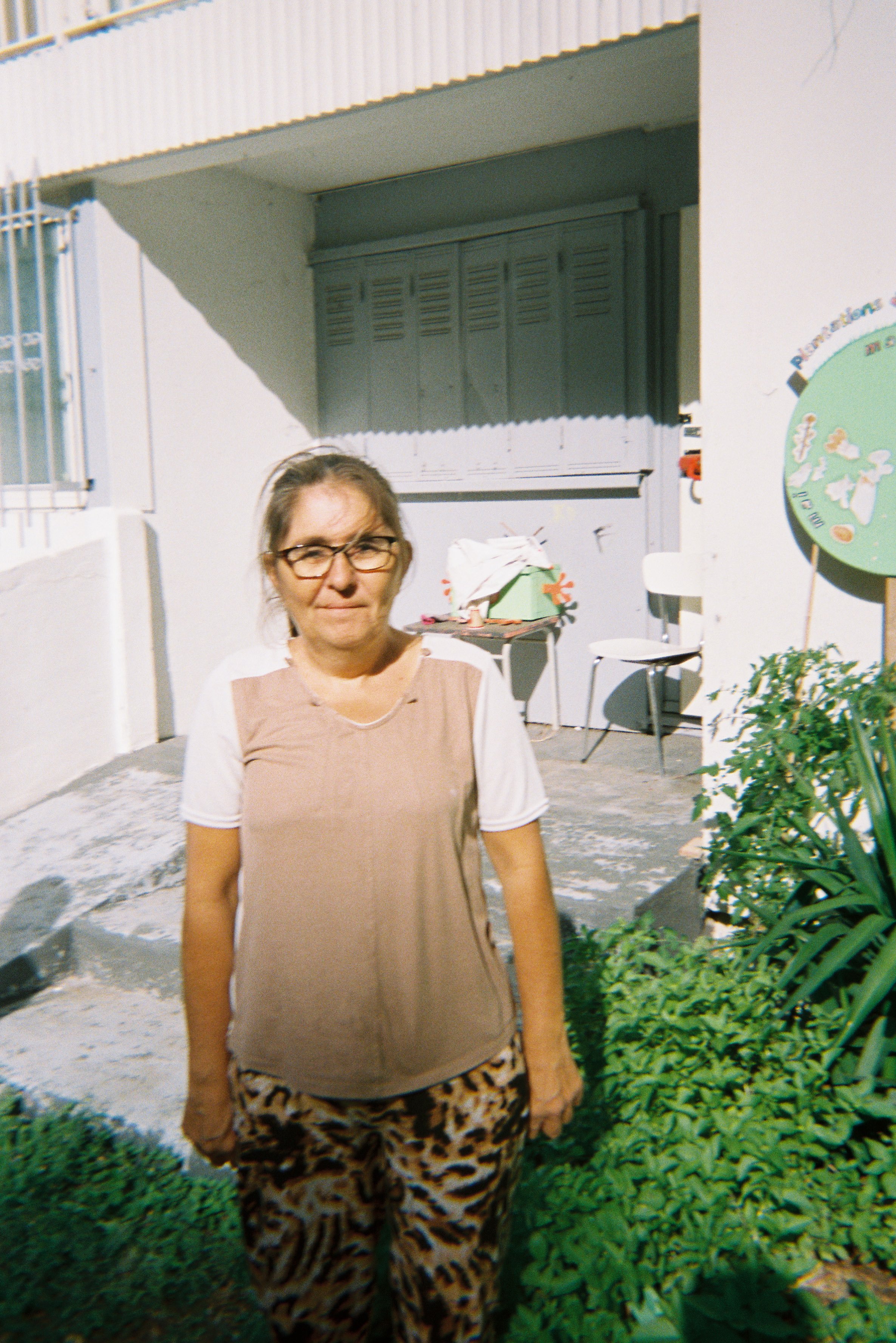
photographs and captions: the families of the Maison pour tous des Olives et de La Marie
the exhibition
Thirteen panels: the collective map, the photographs titled and described by the participants, the “turfu” map and the large prints.