Writing is our way of saying what an image cannot hold on its own. It can situate a place, name a person, let a memory be heard, clarify an intention, open up the imagination or put a question to the audience. It is not there to explain every piece of work, but to enrich how the work is read and to build connections between pieces.
We offer accessible ways in, including for people who have a difficult relationship with writing. You can start with a few words, a list, a dictated sentence, a dialogue, a spoken memory that someone writes down, or a group text. The goal is not school-style correctness, but precision, individuality and the ability to make a voice heard.
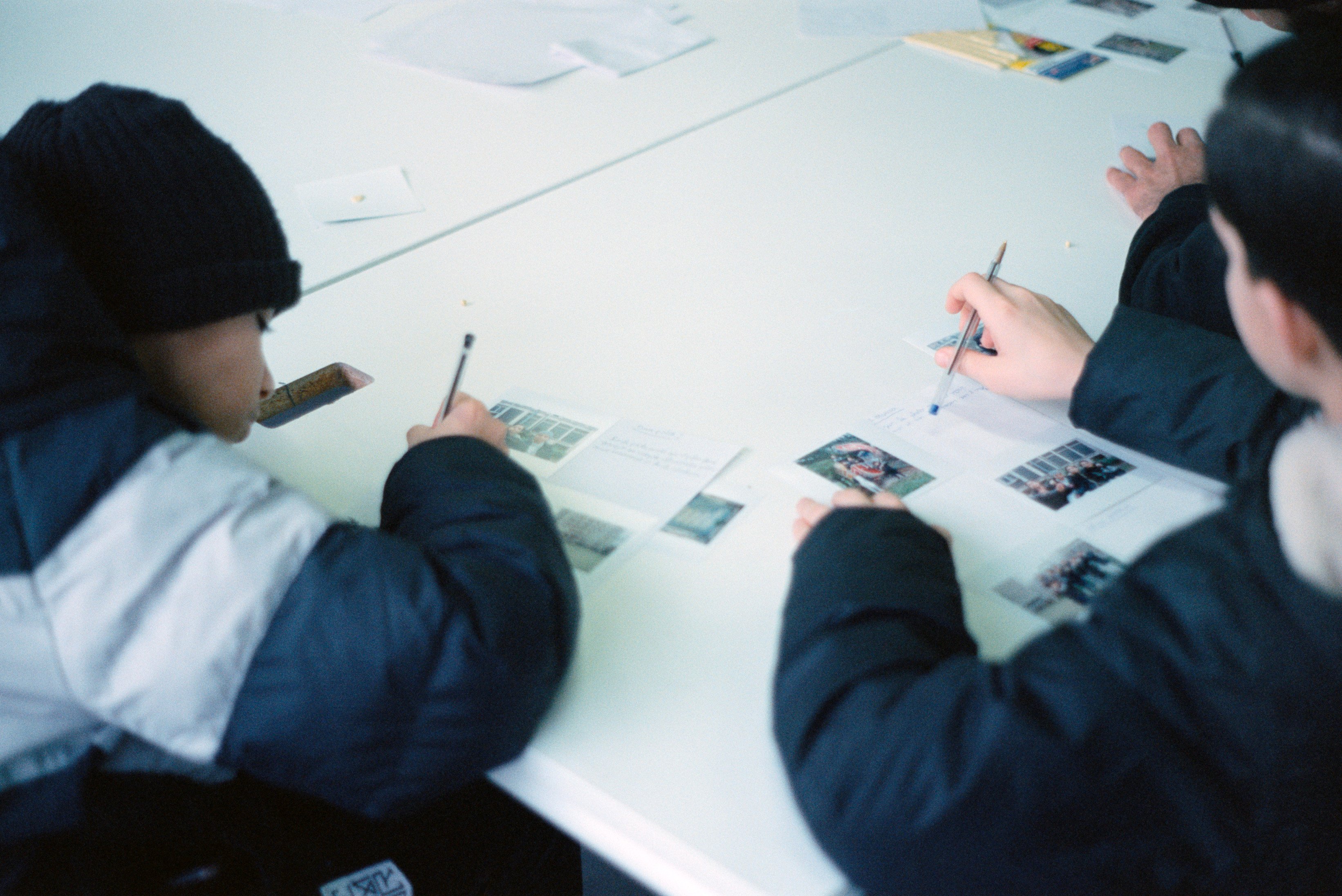
Captioning is a central exercise. A caption can inform, shift the way we look, tell what came before the image or leave something open. Participants try out different forms and discover how a few words can change the way a photograph or an archive document is read.
Writing also plays a part in video and sound projects: questionnaires, synopses, voice-overs, transition texts, titles and subtitles. It helps the group structure its thinking, define an angle and make a story easy to follow without smoothing over the differences between people.
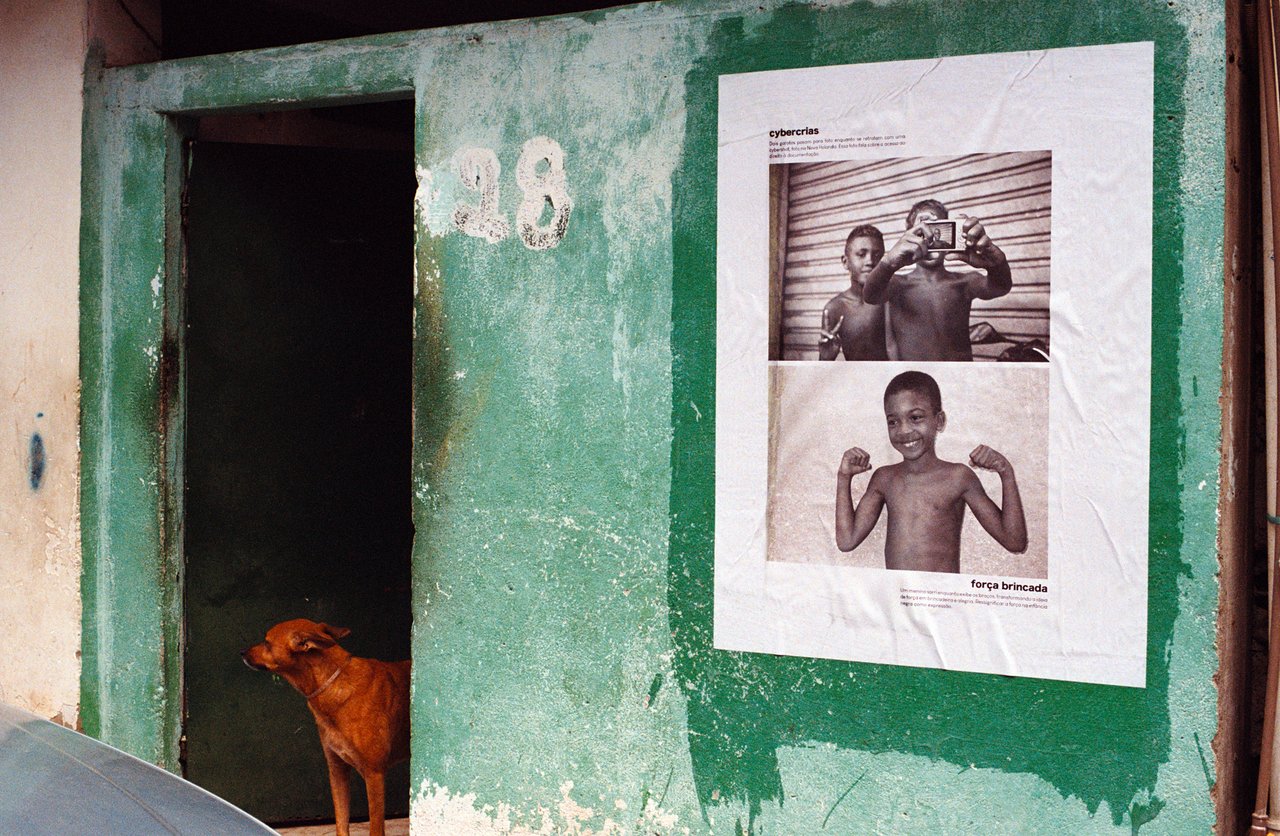
When preparing an exhibition, participants write the title, the introductory text, the wall labels, the presentation of the neighborhood and the materials that guide visitors. This step puts them in the role of authors and bridge-builders. They don’t only make works; they also learn to present them, stand by their choices and build a relationship with the public.
Finally, writing can look ahead or be literary. Telling the story of a day in the future, writing a letter to a place, imagining the voice of a building or composing a story from a photograph makes it possible to explore what cannot be directly documented. The real and the imagined answer each other, as long as each is clearly identified in the public presentation.
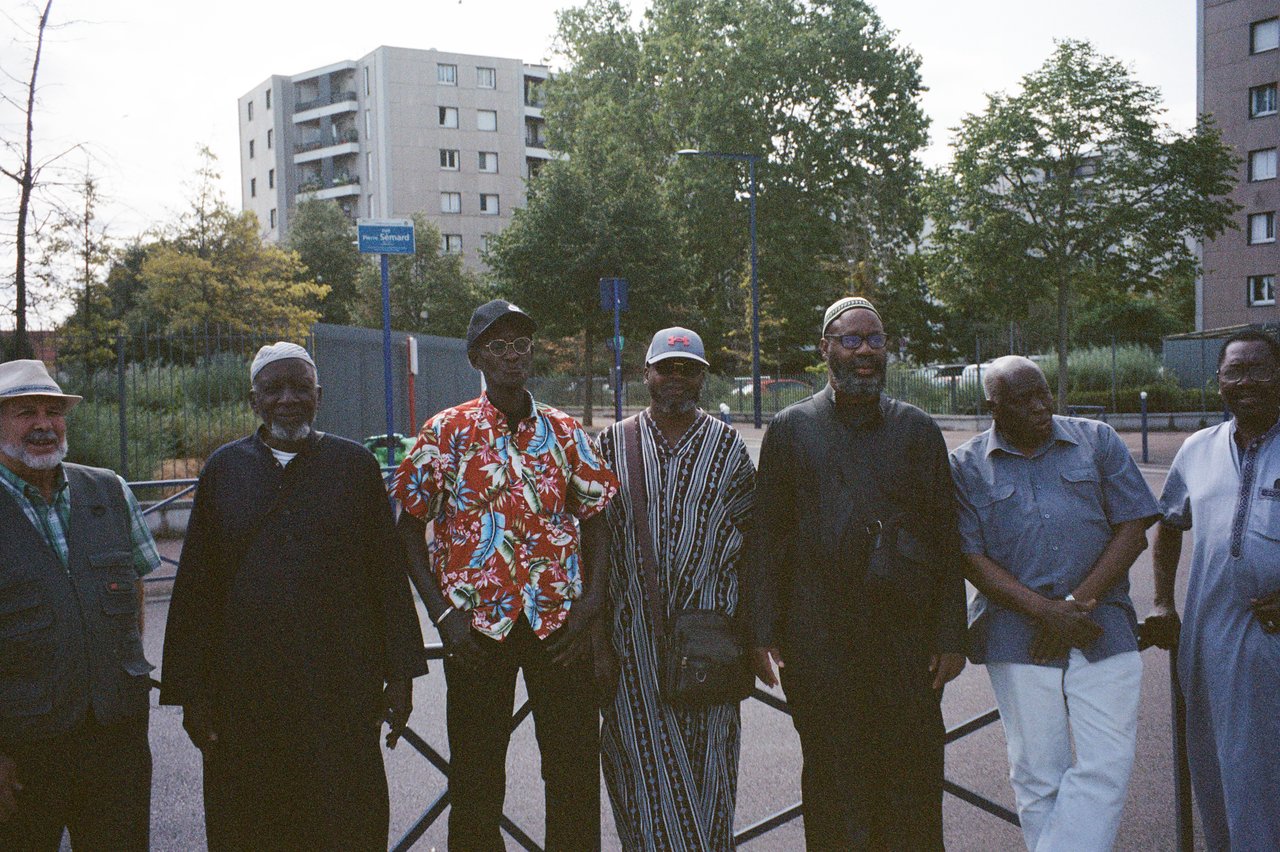
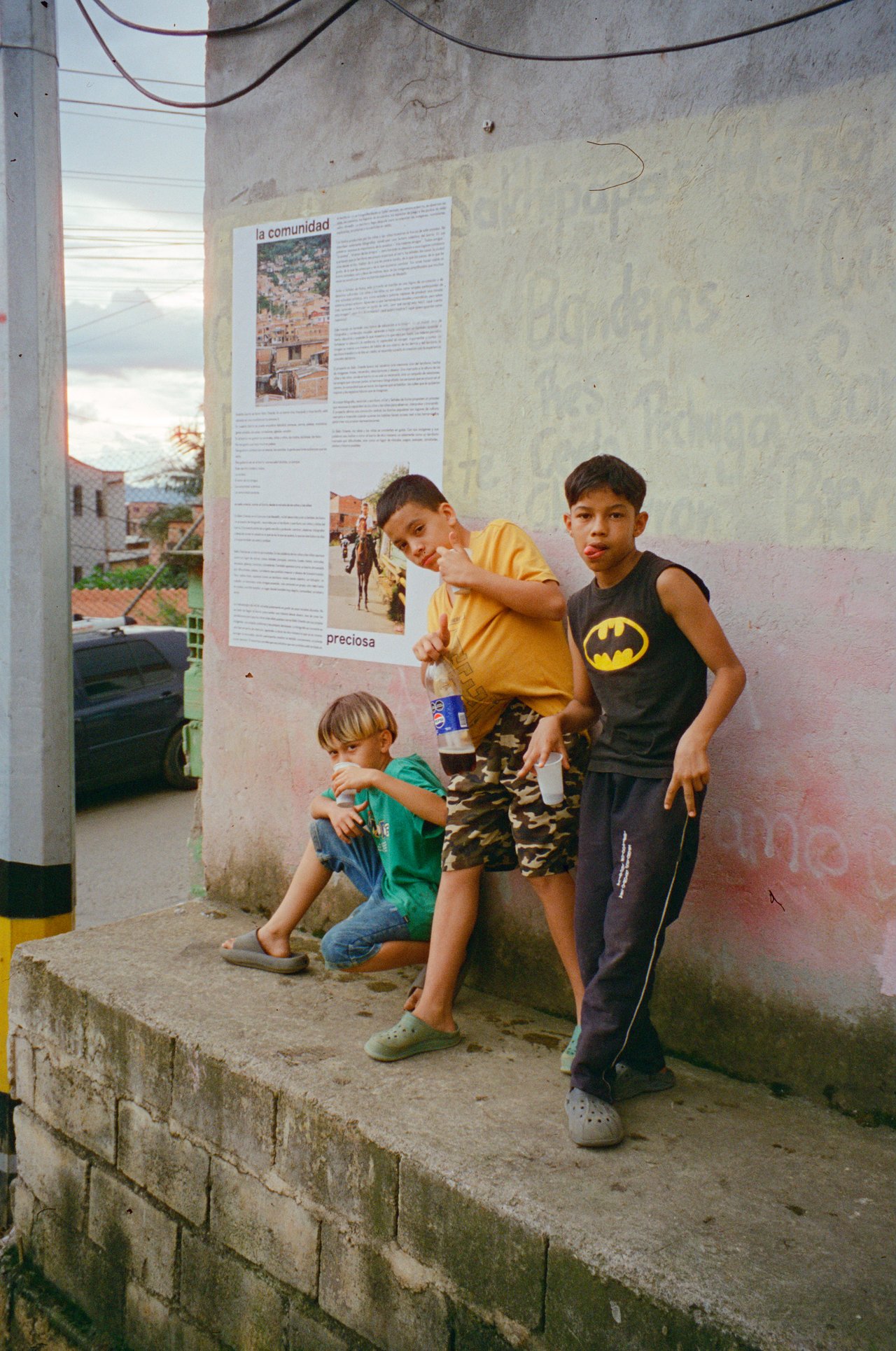
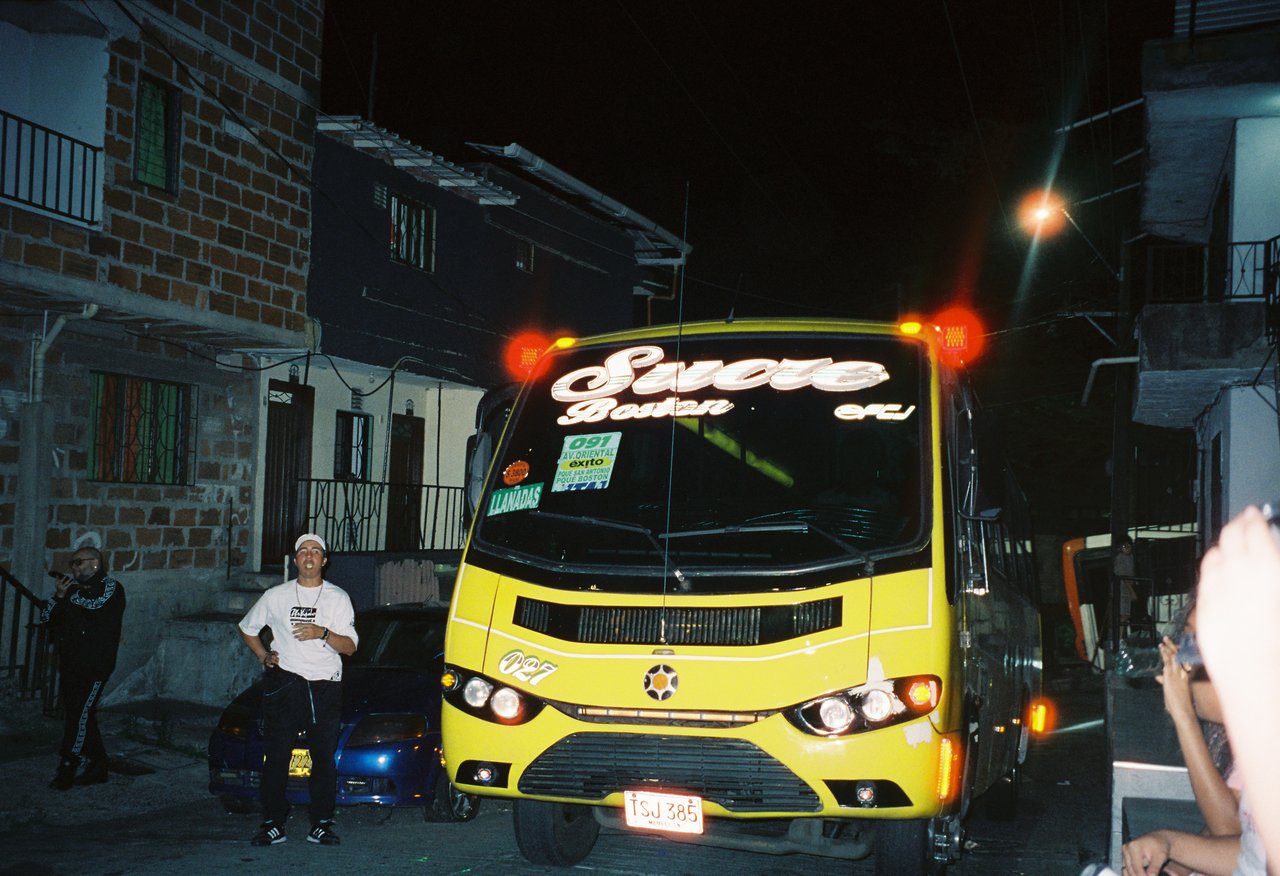
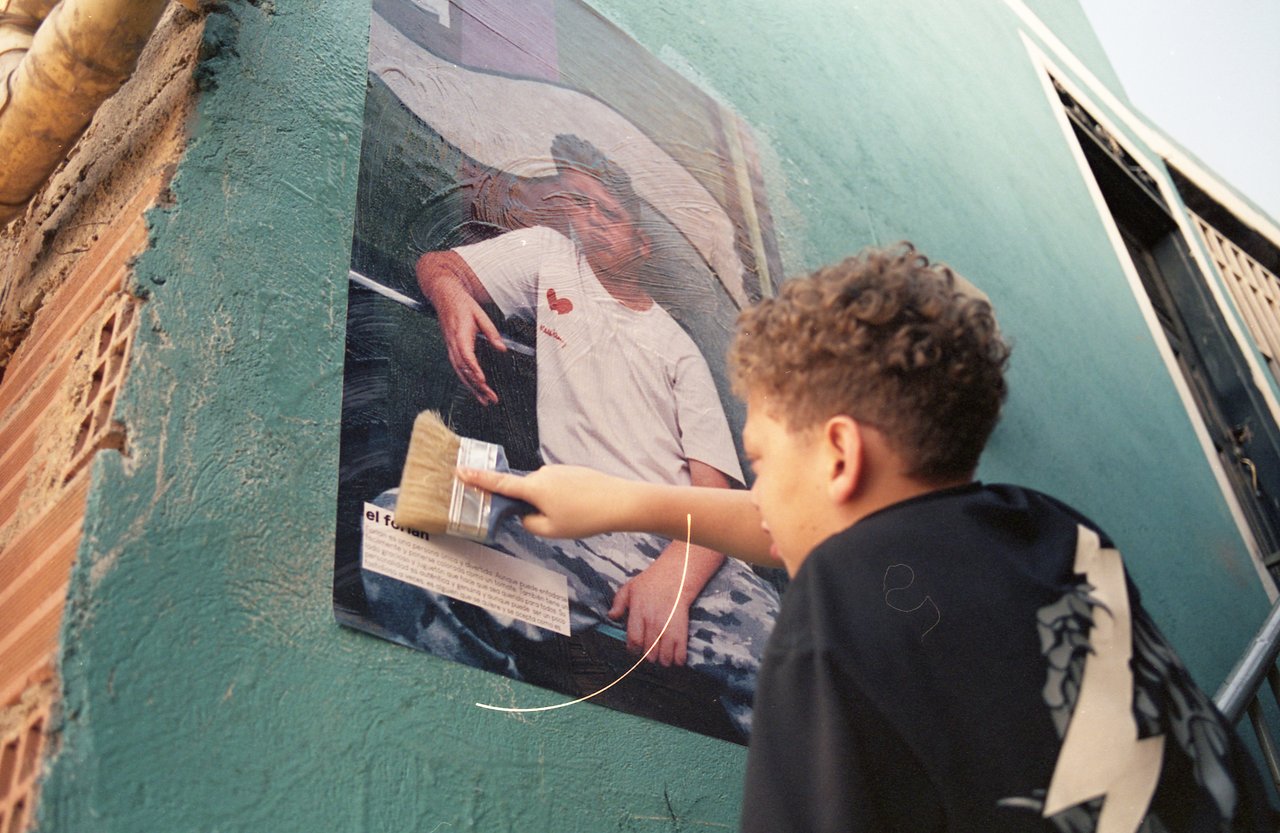
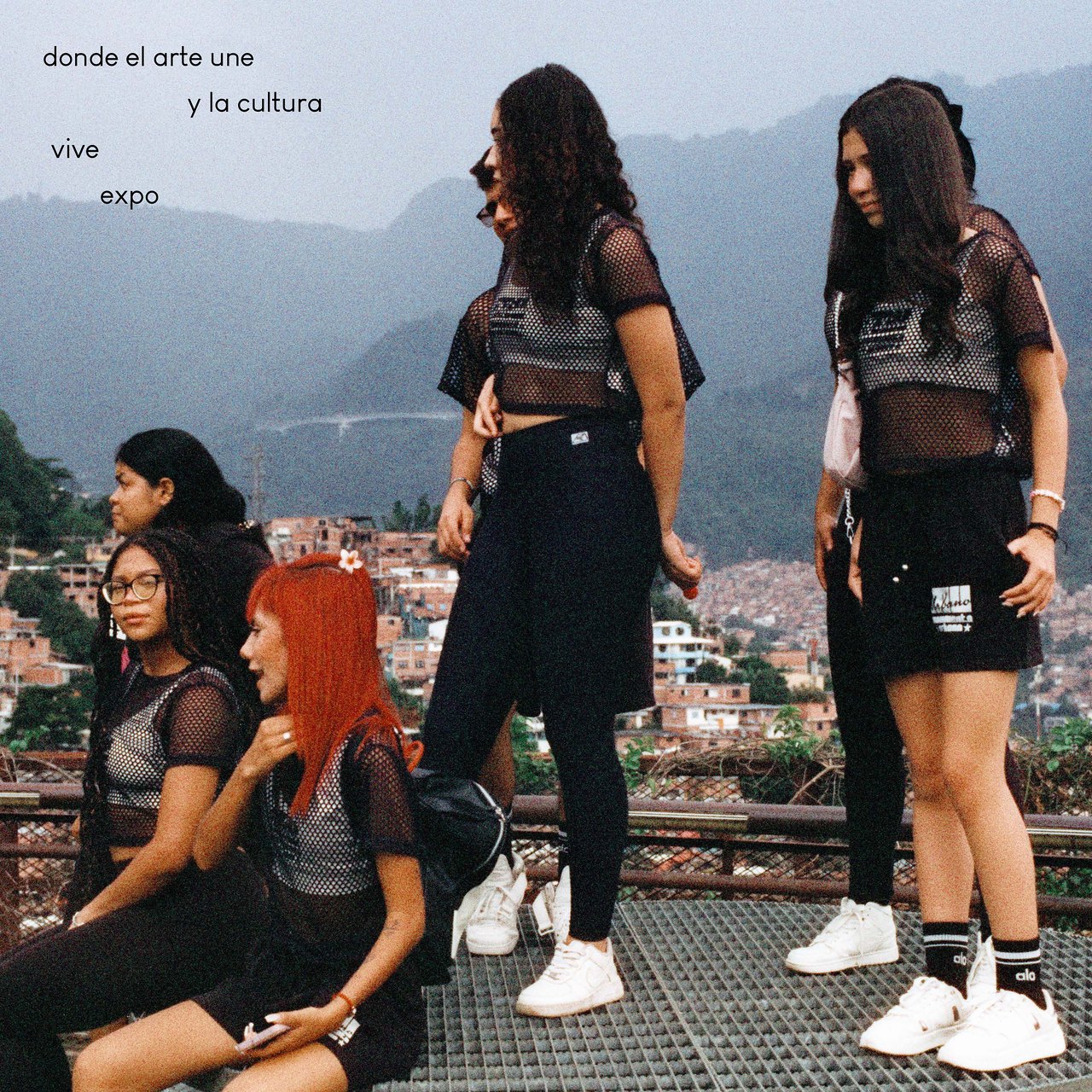
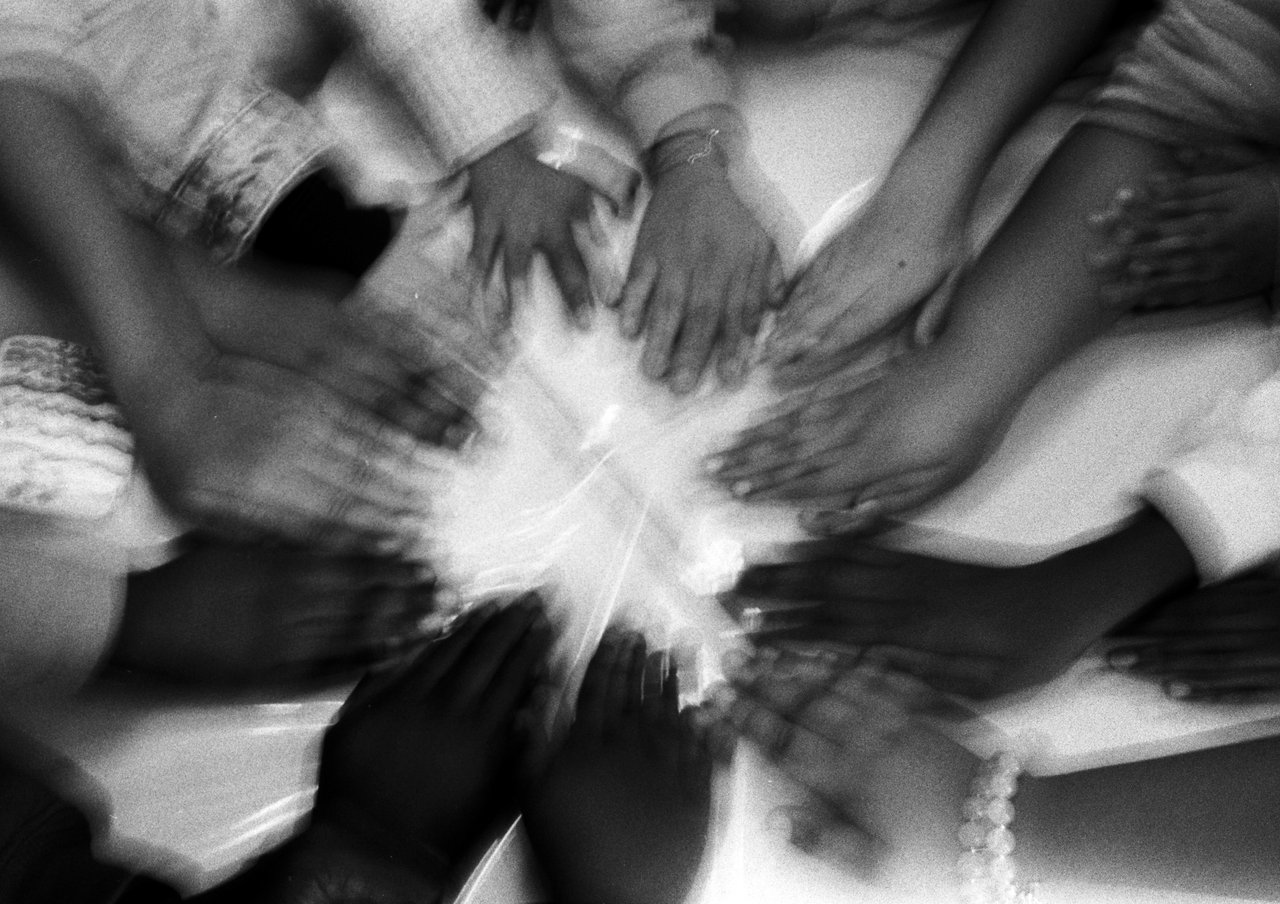
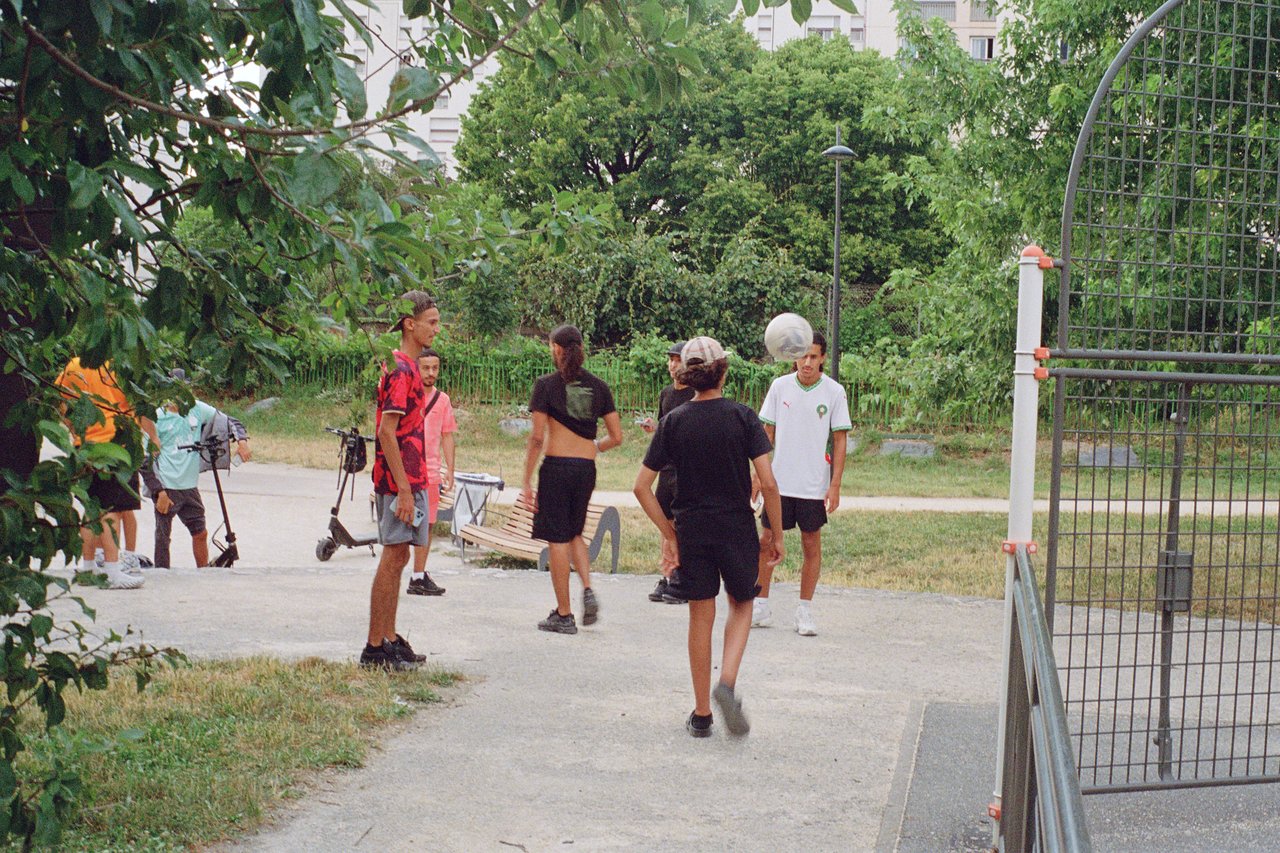
the workshop in pictures
photos: the workshop participants and the mOst team