 cinema
mon oeil sur terre presents
cinema
Three complete films, with sound and subtitles in four languages, and Super 8 reels: images made with the people who live them.
now showing ↓now showing
Each film was shot with the people who call the neighborhood home: their questions, their neighbors, their places. Choose a screening, dim the lights.
- 01la calle más chingona de jalisco2023 · Ciudad Guzmán, Mexico
20 min · original language: Spanish (Mexico) · subtitles fr · pt · en · es - 02la vie aux ruches2024 · Marseille
14 min · original language: French · subtitles fr · pt · en · es - 03la cité des bulles2022 · Argenteuil
12 min · original language: French · subtitles fr · pt · en · es
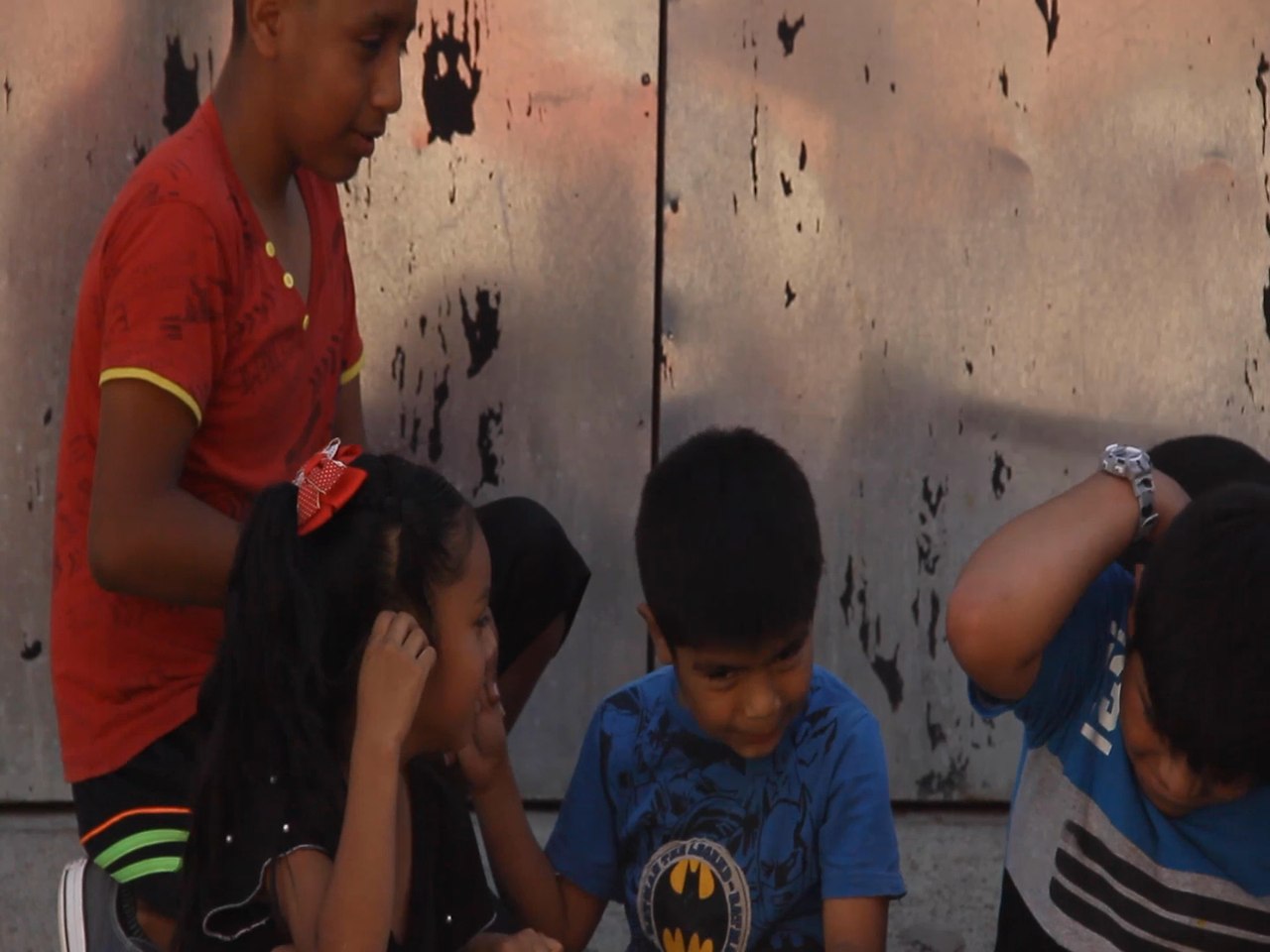 screening 01 · 20 minla calle más chingona de jaliscoCiudad Guzmán, Mexico, 2023
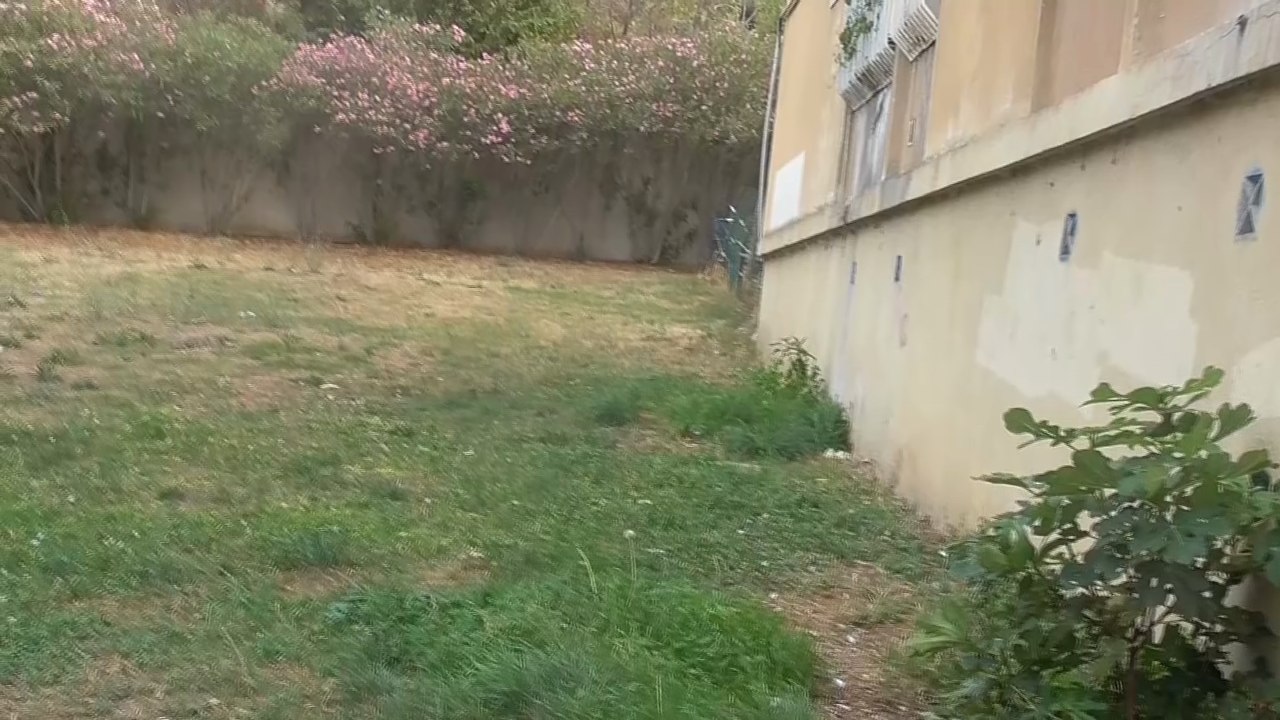 screening 02 · 14 minla vie aux ruchesMarseille, 2024
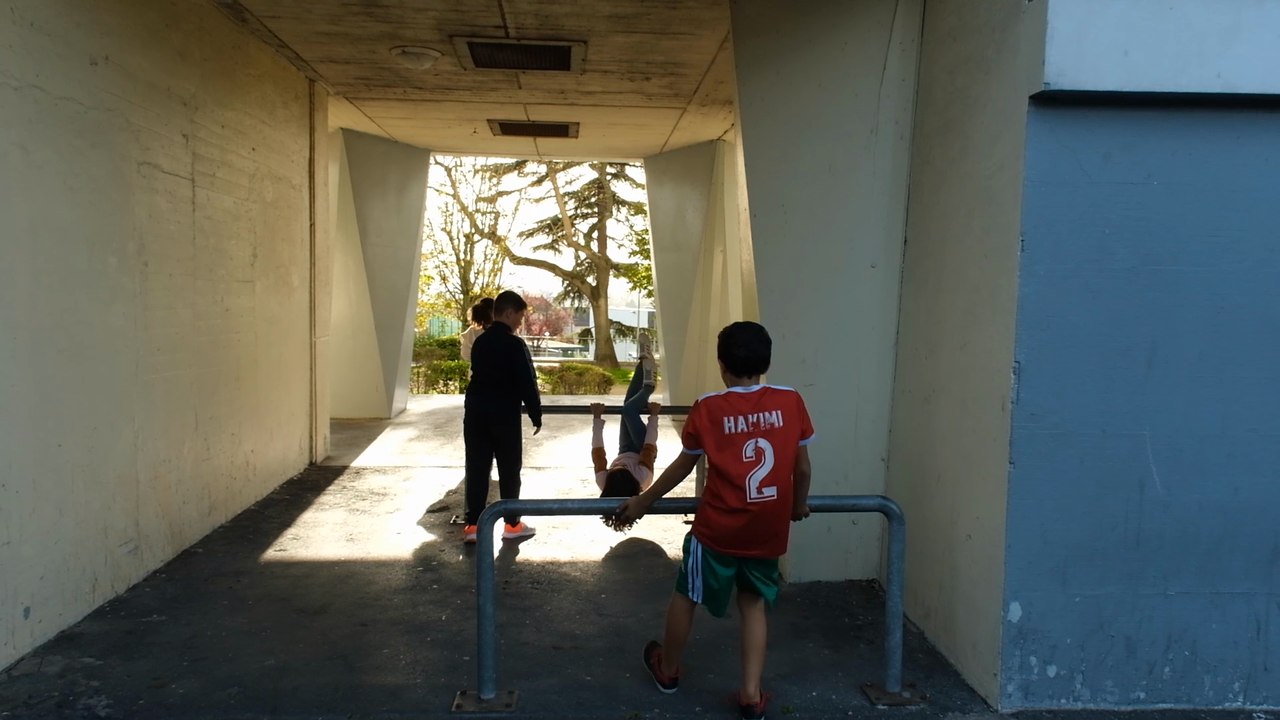 screening 03 · 12 minla cité des bullesArgenteuil, 2022
the reels
Four Super 8 reels shot in Argenteuil, Medellín, Bagnolet, and Montreuil in 2025 and 2026, then scanned frame by frame.
watch the reels on the big screen →champagne and val nord, argenteuil2025
golondrinas, medellínjune 2026
les malassis and la noue, bagnoletaugust 2026
la noue, montreuil and bagnolet · facades, mosaics, reliefsaugust 2026
a form for passing on voices, gestures, and transformations
Films extend some projects when the moving image can carry a question more truthfully. A film can be the heart of a video documentary project, a work that grows out of a residency, a correspondence between places, or a short piece within an exhibition.
Each film is conceived as a work with its own point of view. Subject, protagonists, locations, rhythm, structure, voice-over, archival material, and any music are chosen according to what the group wants to convey. We avoid edits that reduce participants to a series of side-by-side testimonies or that use their words to confirm a story written elsewhere.
Participants are involved in making the film as much as possible: preparation, shooting, watching the raw footage, selection, discussing the edit, and deciding where it will be shown. When post-production is handled by a professional, editorial decisions are still shared, and the people filmed are clearly informed about how the film will be used.
The screening is organized as a moment of encounter. Showing the film in the neighborhood brings together the people who appear in it, their families, local organizations, and audiences. The discussion afterward can bring up new memories, disagreements, next steps, or requests to show the film elsewhere.
Putting a film online is never automatic. Some works are meant to circulate widely; others should stay in a local or educational setting. Together with participants, we decide on the platforms, how long the film stays accessible, any subtitles, and how it is presented, so that its meaning and everyone’s consent are respected.
Films can then become tools for dialogue, memory, or advocacy. They always remain connected to the process that produced them and to the people who are their authors. When they are shown beyond the place where they were made, a context sheet goes with them.
more films
- 2023 · les visages du petit nanterre · NanterreA video documentary shot over the summer: portraits of today’s residents, reaching back to the history of Nanterre’s shantytowns.
- 2024 · les nuages de pablo · NanterreMemories of sports at Cité Pablo Picasso, at the foot of the Tours Nuages, the “cloud towers”: photographs, sounds, stories, and a documentary, conceived as a collective archive.
- 2022 · les solidarités de la noue · BagnoletFifteen young people aged 15 to 18 put together a report on mutual support in their neighborhood, pushing back against the negative image others paint of it: questionnaires, street interviews, sit-down interviews, voice-over.
- 2025 · au chemin de l’île · NanterreTwo years after “nt vrai,” back at Chemin de l’Île: with 4 Chemins, young people from the neighborhood make a video documentary about how they relate to the neighborhood and to the future.