
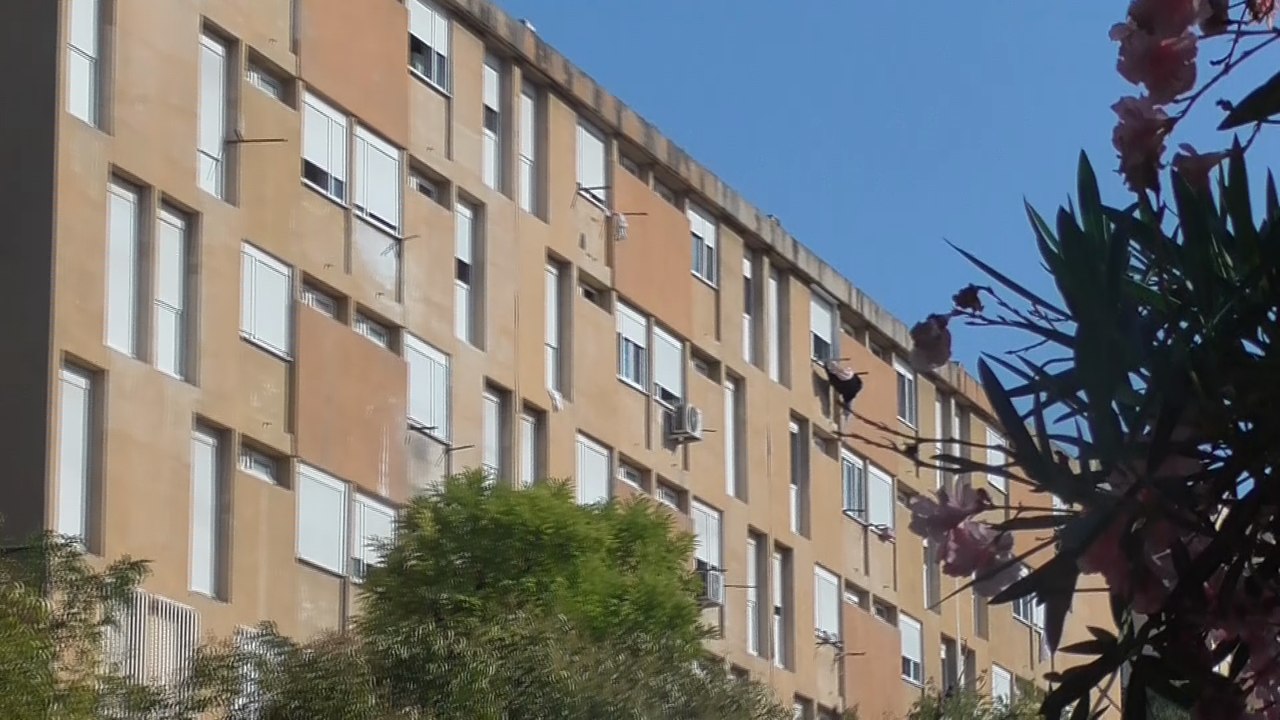
The video documentary is a format in its own right. We turn to it when a situation calls for more than a series of images: an imminent transformation, a memory to pass on, a collective question, life paths that deserve to be heard, or a moment in a neighborhood’s life that urgently needs telling. Film makes it possible to weave people, places, voices, and different moments in time into a shared narrative.
This is not about filming a workshop, nor about producing a promotional video. The documentary has its own subject, its own point of view, its own storytelling, and its own rhythm. Participants are its co-authors: they help frame the starting question, choose who to meet, prepare the interviews, shoot the scenes, watch the raw footage, and decide on the final form.
The first step is to narrow down the subject. A neighborhood always holds more stories than a single film can carry. So we work with the group to identify an angle, a tension, or a narrative thread. This step teaches how to move from a very broad idea, such as “talk about our neighborhood,” to a question that can be filmed, rooted in a specific place, and precise enough to guide the inquiry.
The workshops then pass on the basics of filmmaking: framing, keeping the image steady, light, building a shot, continuity between scenes, sound recording, conducting an interview, and where to place the camera. Technique always serves the relationship. Filming someone means creating a space of trust, explaining how the images will be used, listening without forcing anyone to speak, and respecting the limits people set during or after the shoot.
Shooting usually happens in small crews. Roles rotate between camera, sound, interviewing, location scouting, and keeping track of production. This setup lets participants discover several trades and understand that a film comes out of collective attention. It also builds independence: the group learns to prepare a scene, check the equipment, plan ahead for permissions, and adapt to whatever happens on location.
Going through the footage is a major learning moment. Watching the images together helps separate what was experienced from what is actually visible or audible on screen. We look at framing choices, silences, repetitions, contradictions, and sensitive passages. Editing, voice-over, titles, and archival material are then discussed as storytelling choices, not as a simple technical operation left to the workshop leader.
The public screening takes the film further. It can take place in the neighborhood, at a partner organization, outdoors, or in a cultural venue. Participants present the process and open a conversation with the audience. The documentary thus becomes a work that passes something on, and also a tool for discussing memory, representation, and the changes the neighborhood is going through.
How long the project runs depends on the film’s ambitions. A short series of workshops can produce a short piece or a portrait; a workshop residency over several months allows for a more structured collective documentary. Either way, we match our ambitions to the resources for shooting, editing, post-production, subtitling, and distribution, to protect the quality of both the process and the finished work.
in pictures
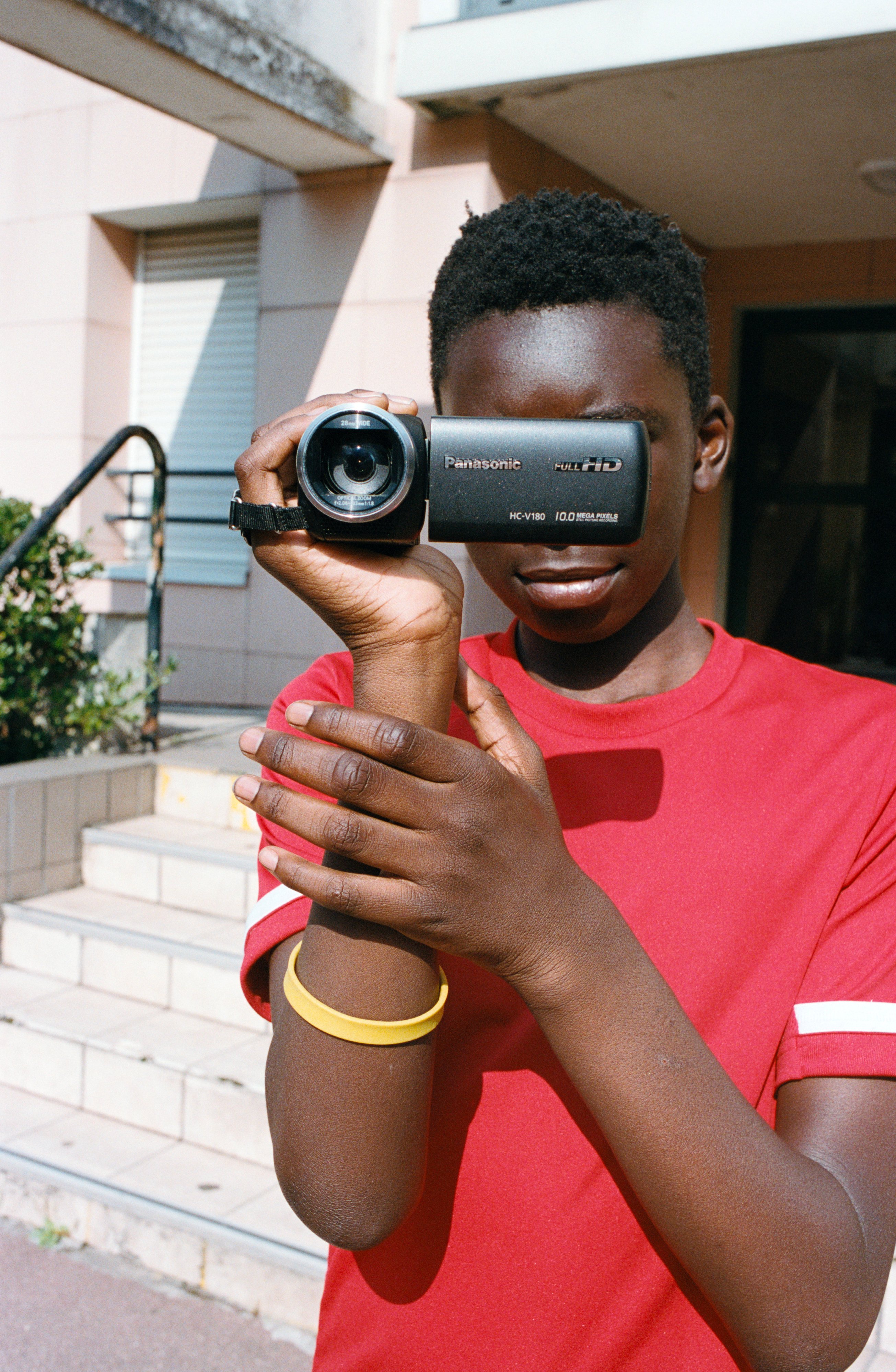
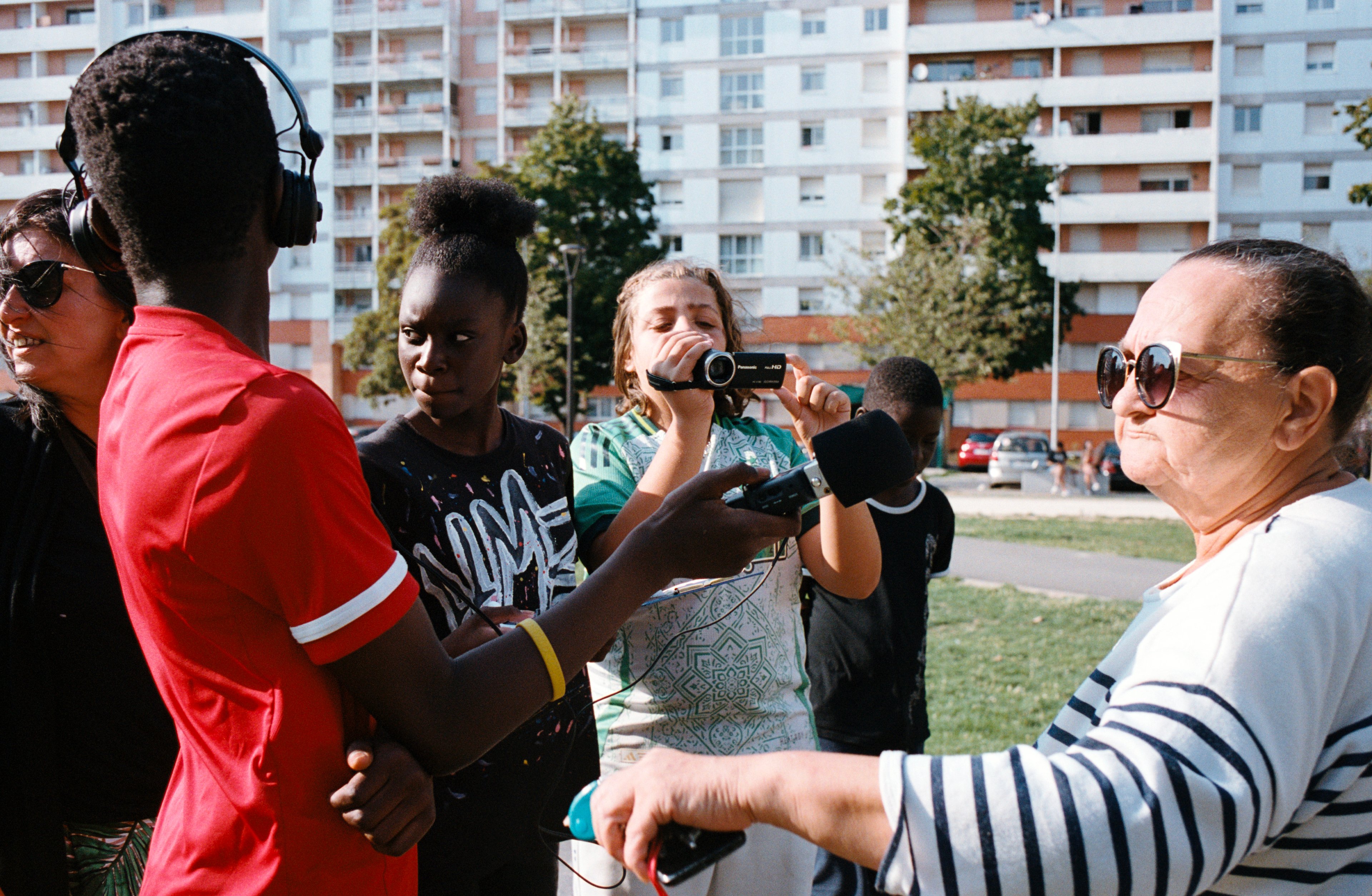
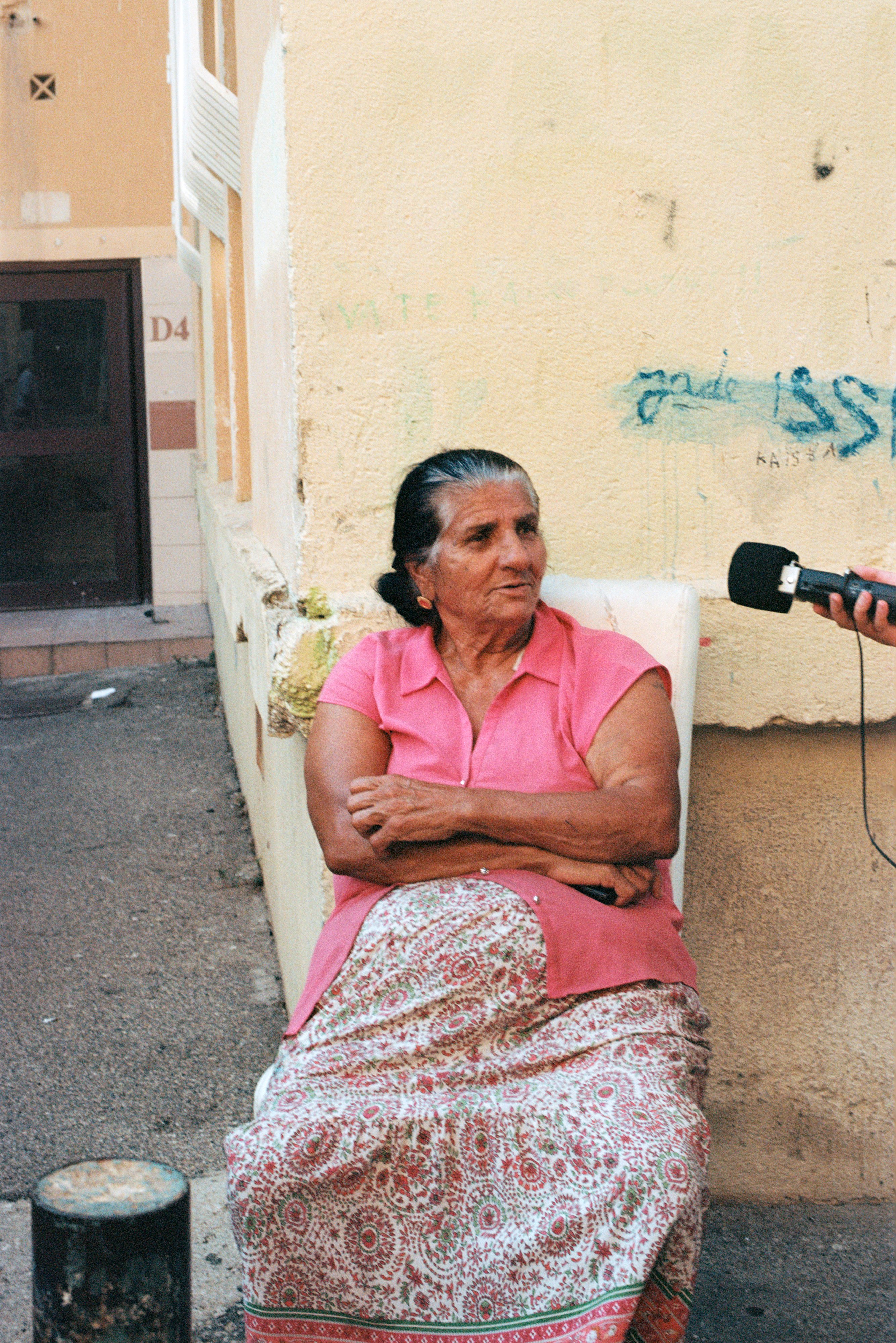
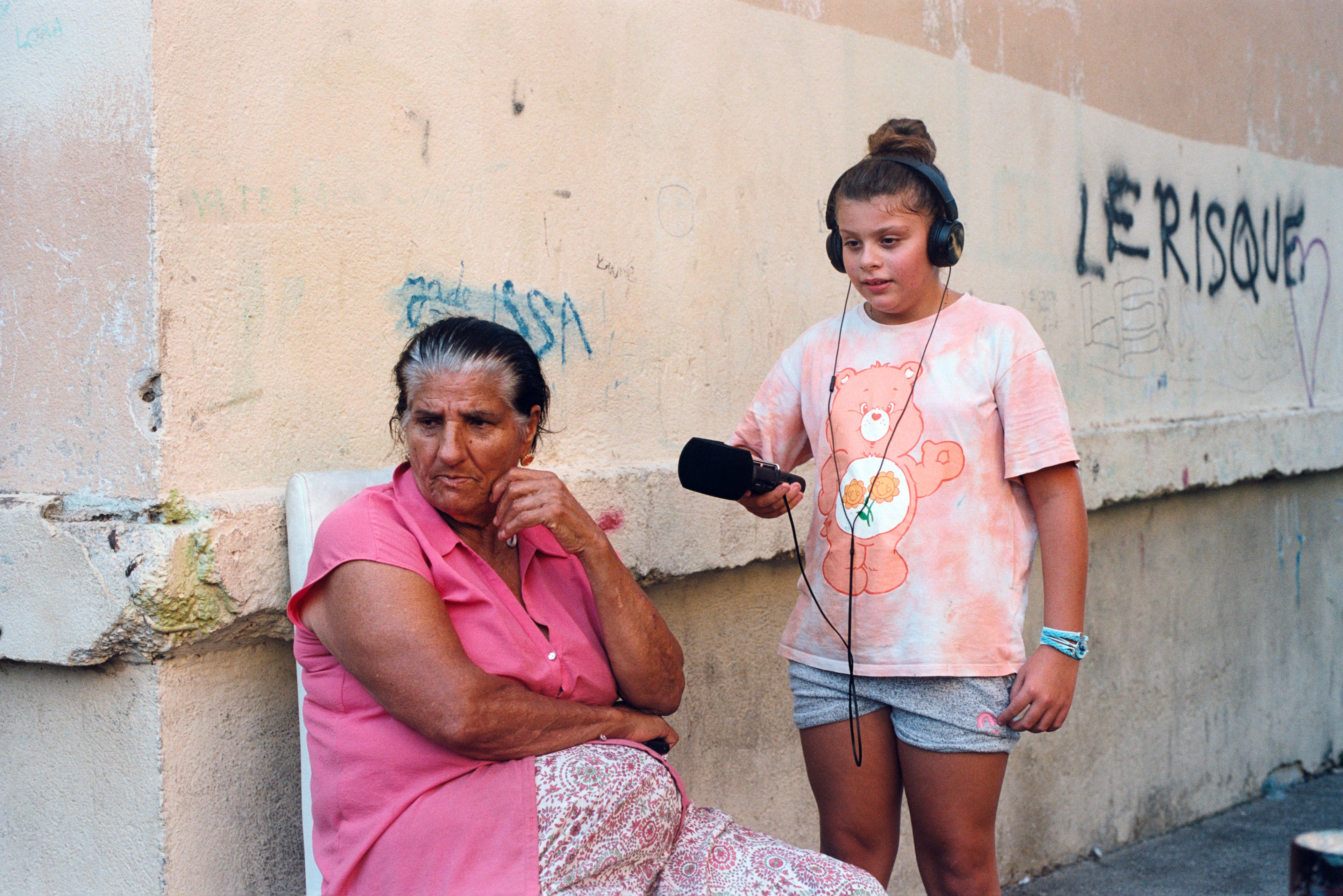
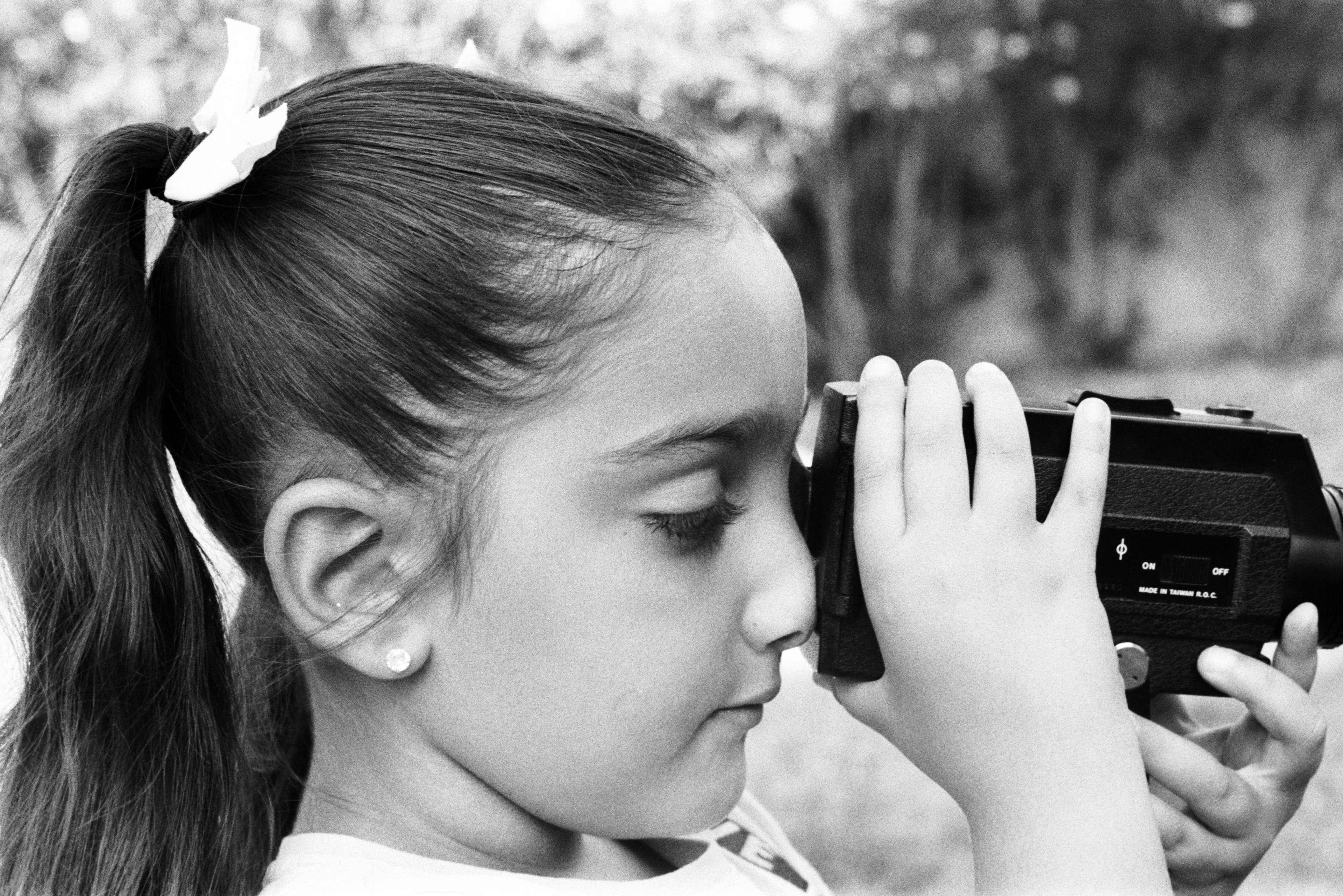
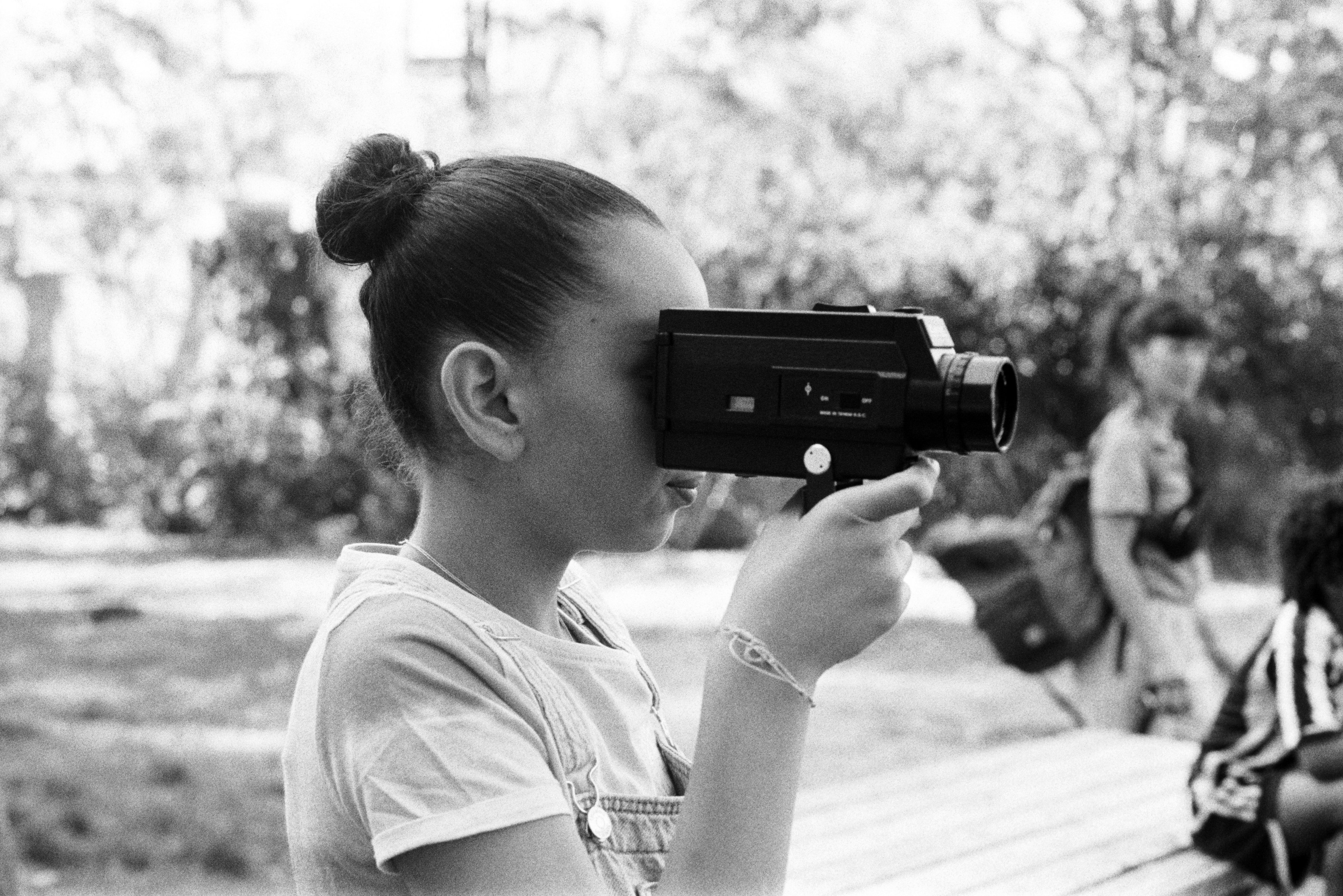
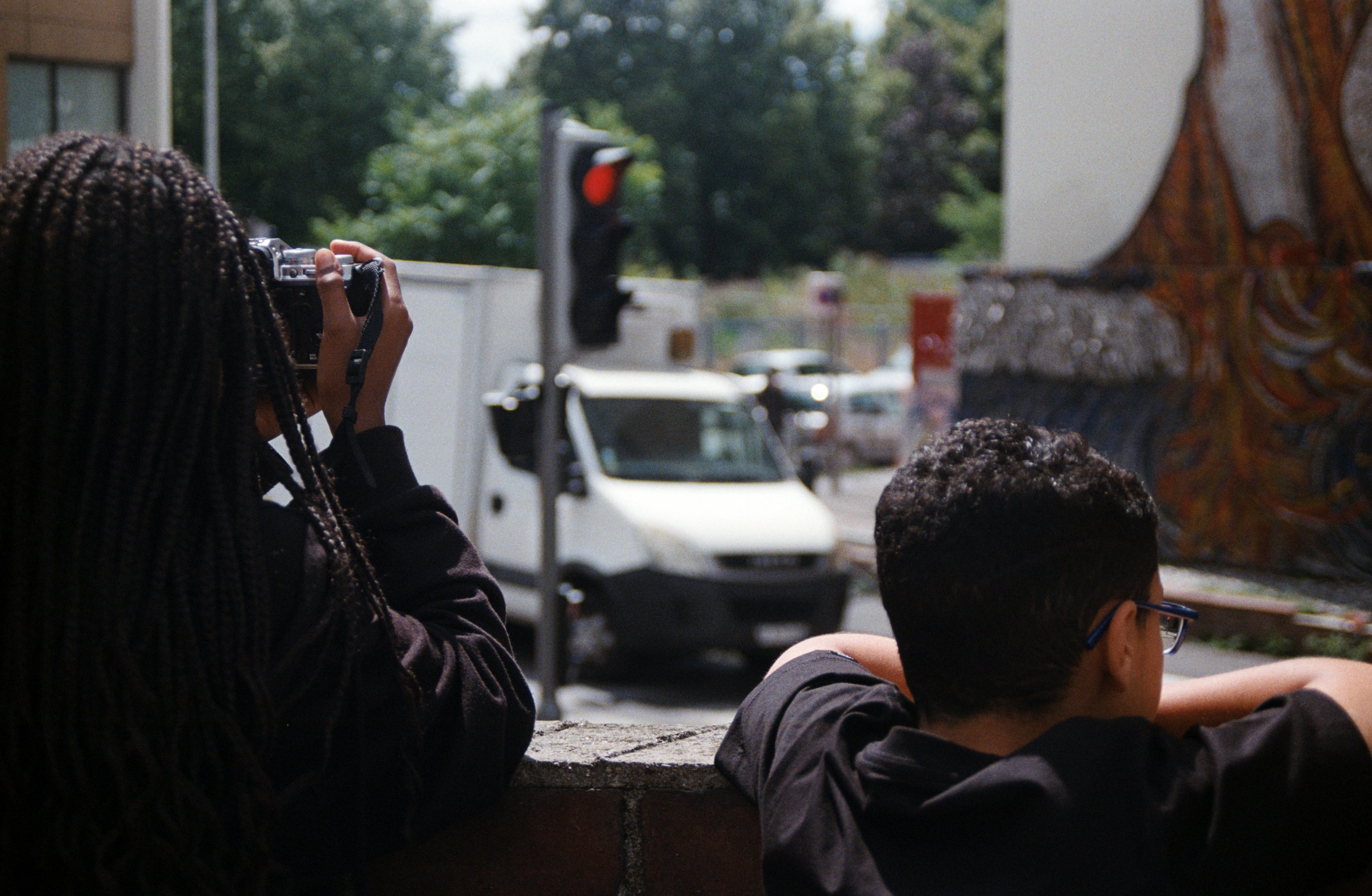
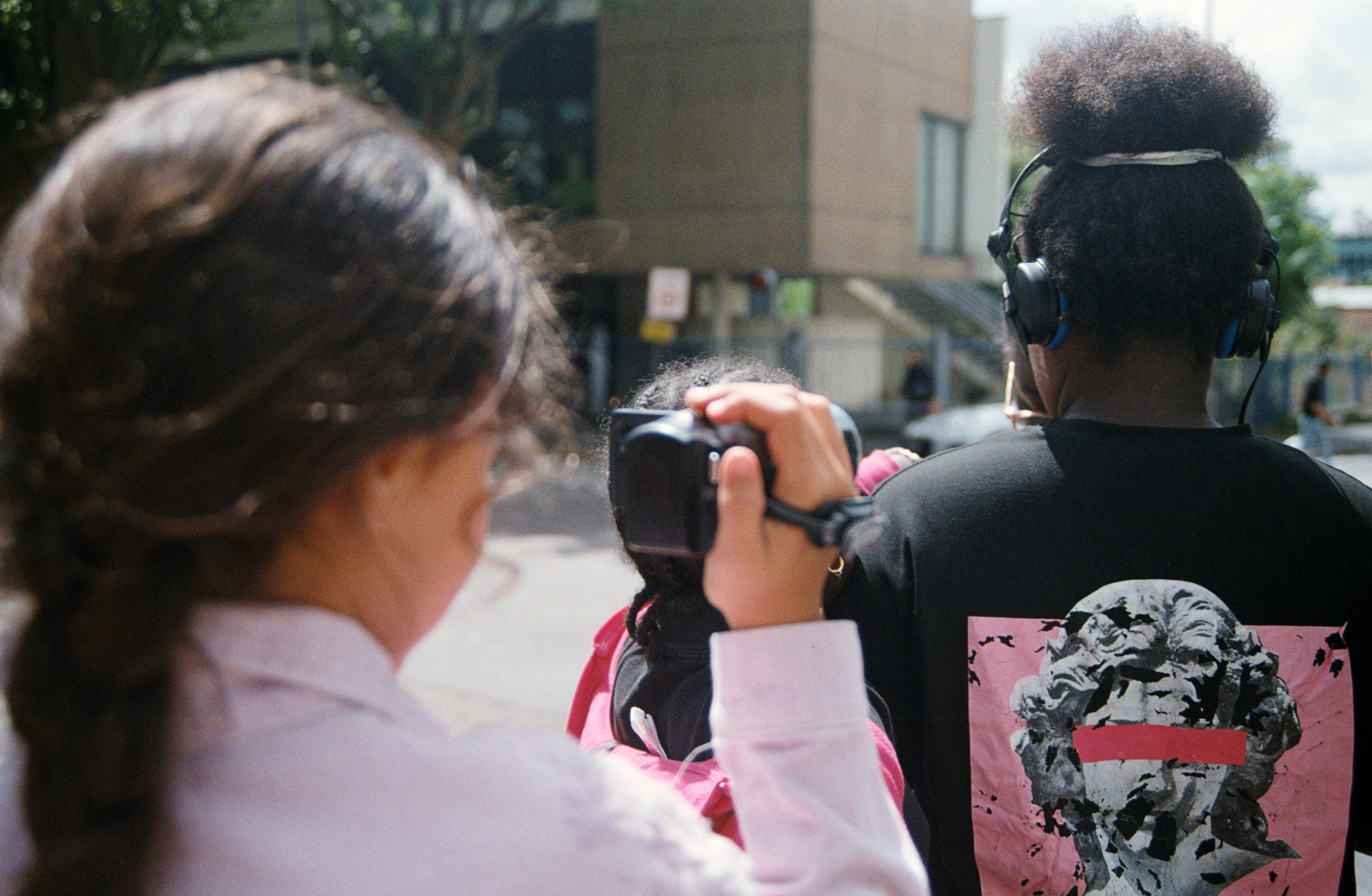
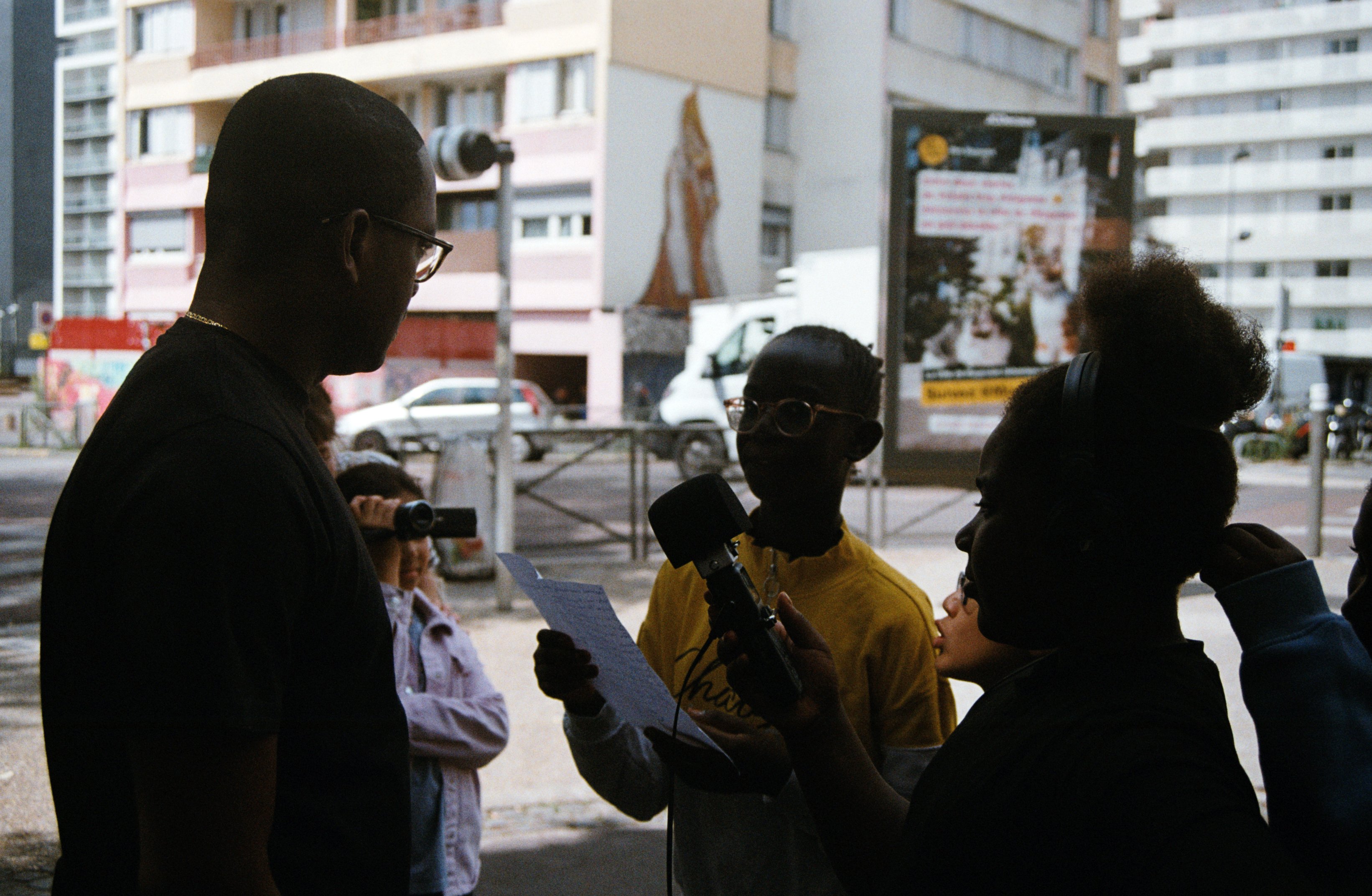
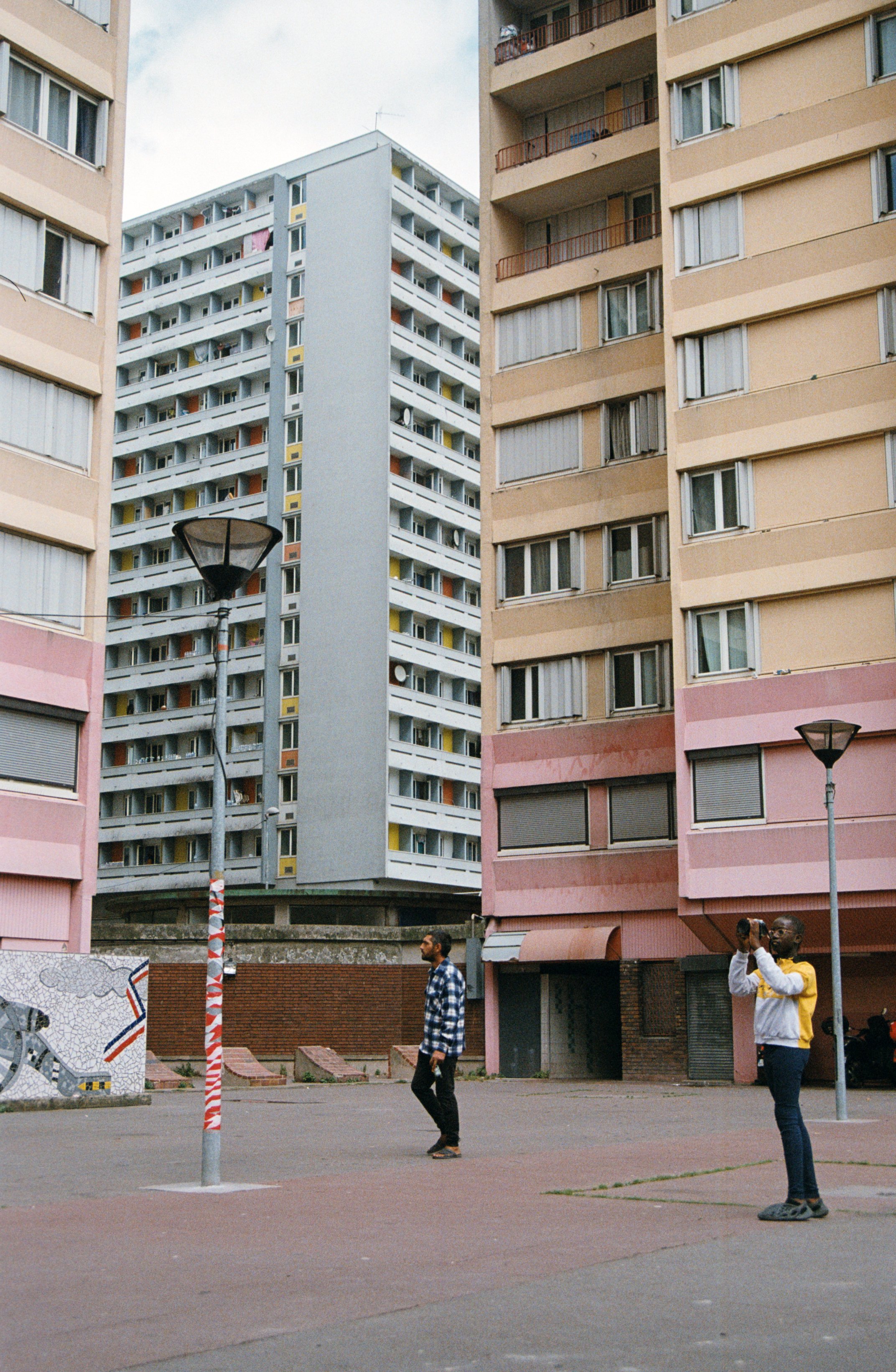
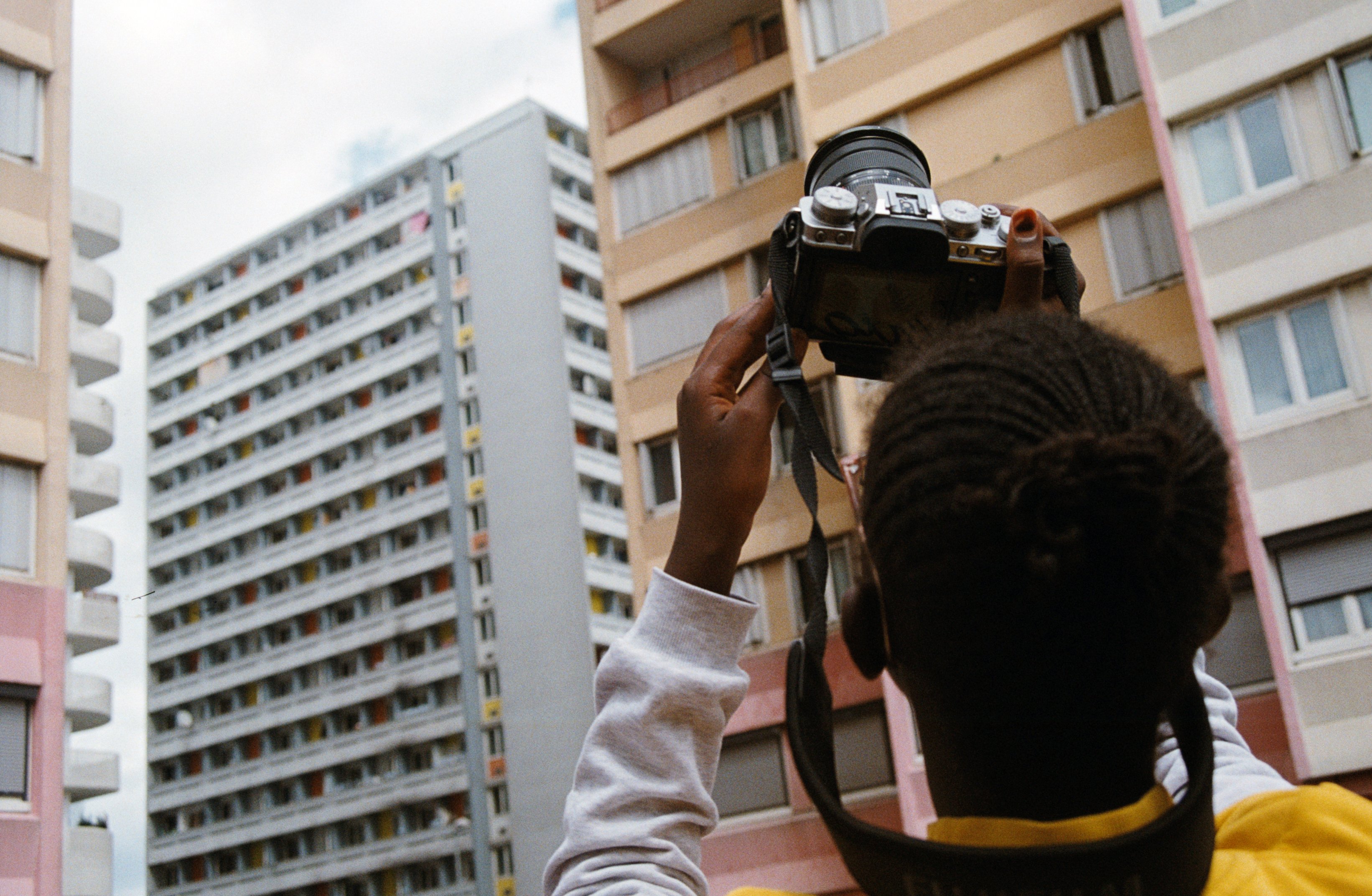
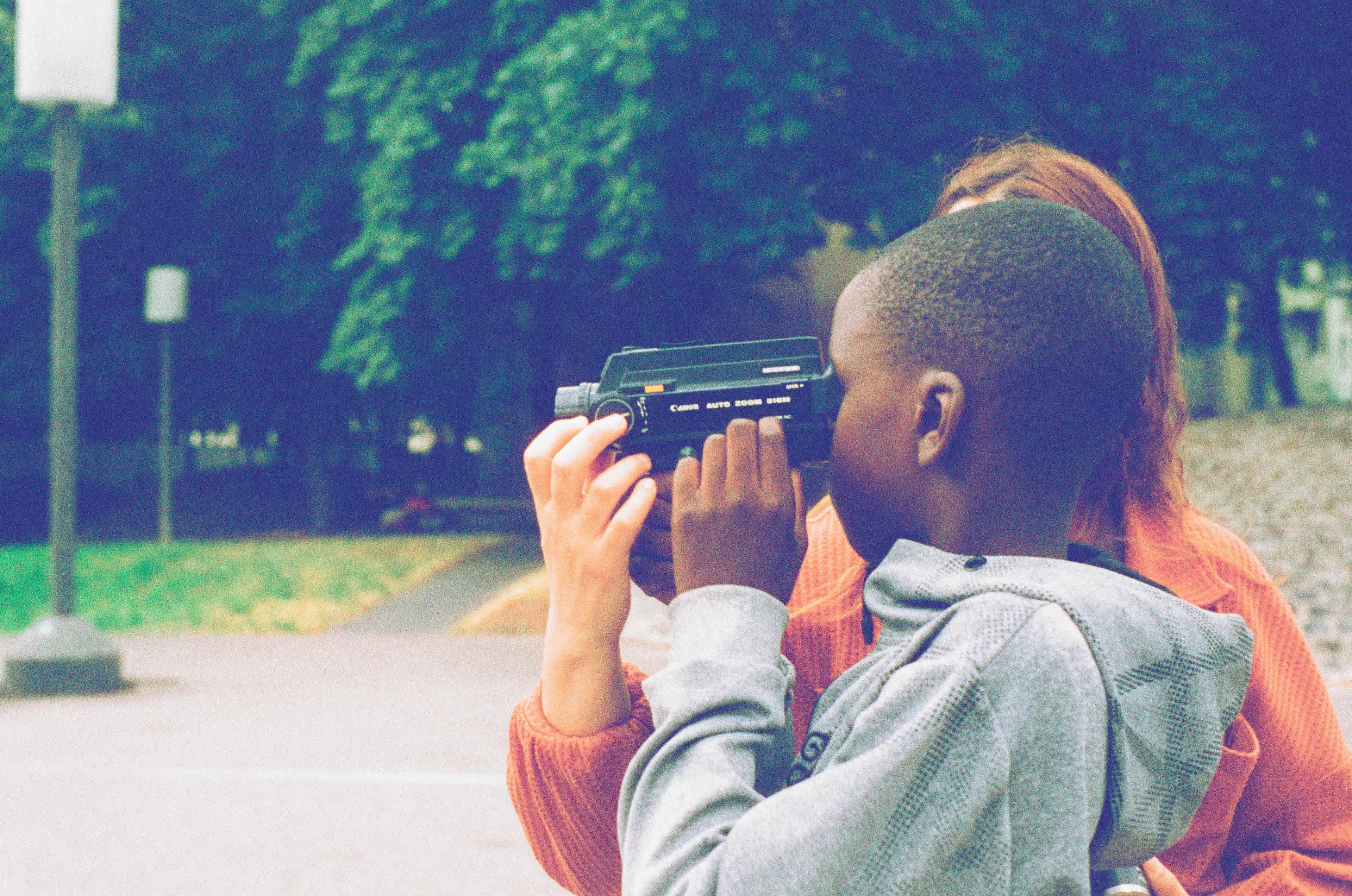
photos: the workshop participants and the mOst team
the albums
all video documentary projects
| year | project | place | formats |
|---|---|---|---|
| 2026 | dalle, mon futur · vol. 2 | melun l’Almont | |
| 2025 | au chemin de l’île | nanterre Chemin de l’Île | |
| 2024 | la vie aux ruches | marseille Les Ruches | |
| 2024 | les nuages de pablo | nanterre Cité Pablo Picasso | |
| 2023 | la calle más chingona de jalisco | ciudad guzmán Cruz Blanca | |
| 2023 | les visages du petit nanterre | nanterre Petit Nanterre | |
| 2022 | les solidarités de la noue | bagnolet La Noue | |
| 2022 | la cité des bulles | argenteuil Cité Champagne |