
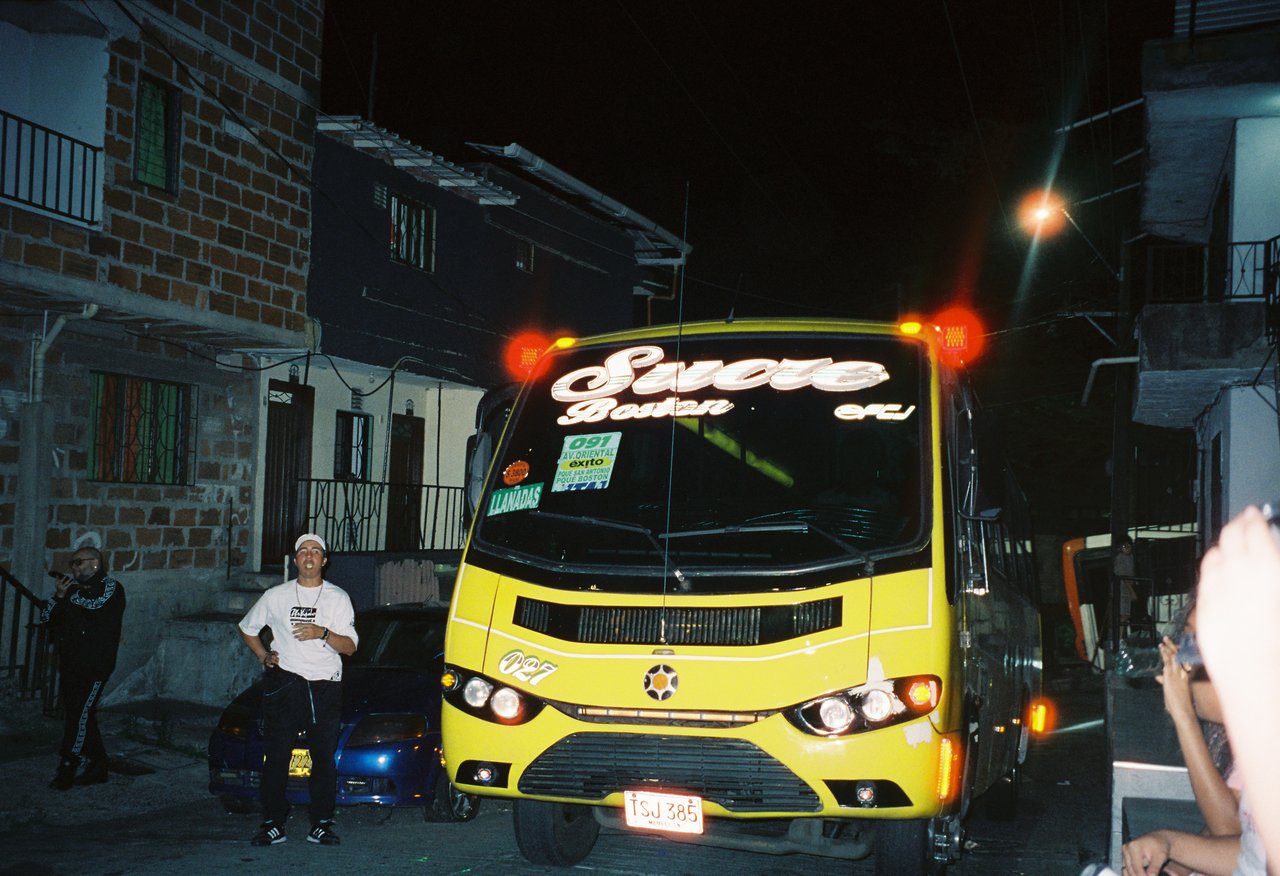
Crossed Perspectives connects two working-class neighborhoods, in France or abroad. The project builds a correspondence through images, sounds, texts, maps, and sometimes travel. It lets groups who would probably never have met share their ways of living in a place, their landmarks, their memories, and their questions.
The idea is not to compare two neighborhoods as if they could be measured on the same scale. Each place has its own history, languages, social relations, and ways of organizing. Instead, we look for resonance: starting from shared questions while letting the gaps, singularities, and misunderstandings that make the encounter real come through.
Each side of the project is run with a local partner who knows the area and has built trust with the participants. The groups first work from their own context: they walk their neighborhood, take photos, record, write, and choose what they want to send to the other group. So the correspondence doesn’t replace local roots; it deepens them, because it makes you put into words what you want to pass on.
The exchanges can take many forms: photo series responding to the same prompt, audio letters, annotated maps, portraits, recorded questions, objects, archival fragments, video calls, notebooks, or short films. The different languages are treated as an asset to the project. Translation is not just functional: it becomes a space of mediation where references are explained, equivalents are sought, and everyone accepts that an experience never fully translates.
Editing the work together, across both groups, is an essential step. Each group discovers what the other has made, asks questions, spots echoes, and discusses what could be shown together. The point is not to merge the stories, but to build an arrangement that makes the connections visible: similar gestures, contrasts of scale, different ways of occupying public space, memories of change, or visions of the future.
The public presentation is meant to happen in both neighborhoods. An exhibition, a publication, or a screening should let each group see its own work come back home while also welcoming the other group’s perspective. When conditions allow, the work can travel or be reinterpreted locally, so that the project is not just a long-distance exchange but a concrete presence in the places where people live.
Crossed Perspectives builds solidarity between places that doesn’t rely on exoticism or superficial discovery. Participants learn to see where they stand, to listen to distant experiences, to identify shared issues, and to recognize forms of grassroots inventiveness. The project asserts that peripheries can connect directly, without always going through the centers that speak on their behalf.
Over time, each correspondence adds to a translocal archive. The images and stories produced in Bagnolet, Montreuil, Marseille, Rio de Janeiro, Medellín, or Valle de Chalco can circulate again in new contexts, as long as the rights, captions, and intentions of the people who created them are respected.
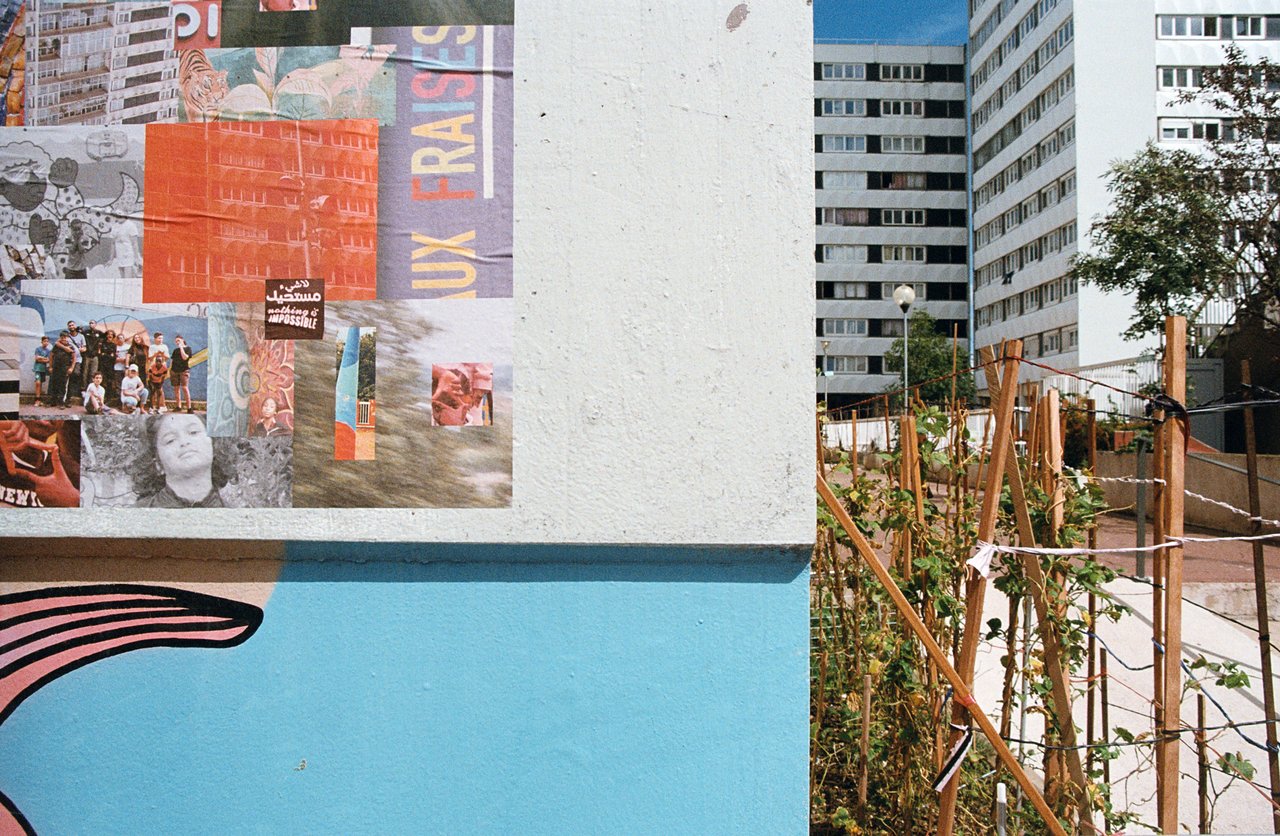
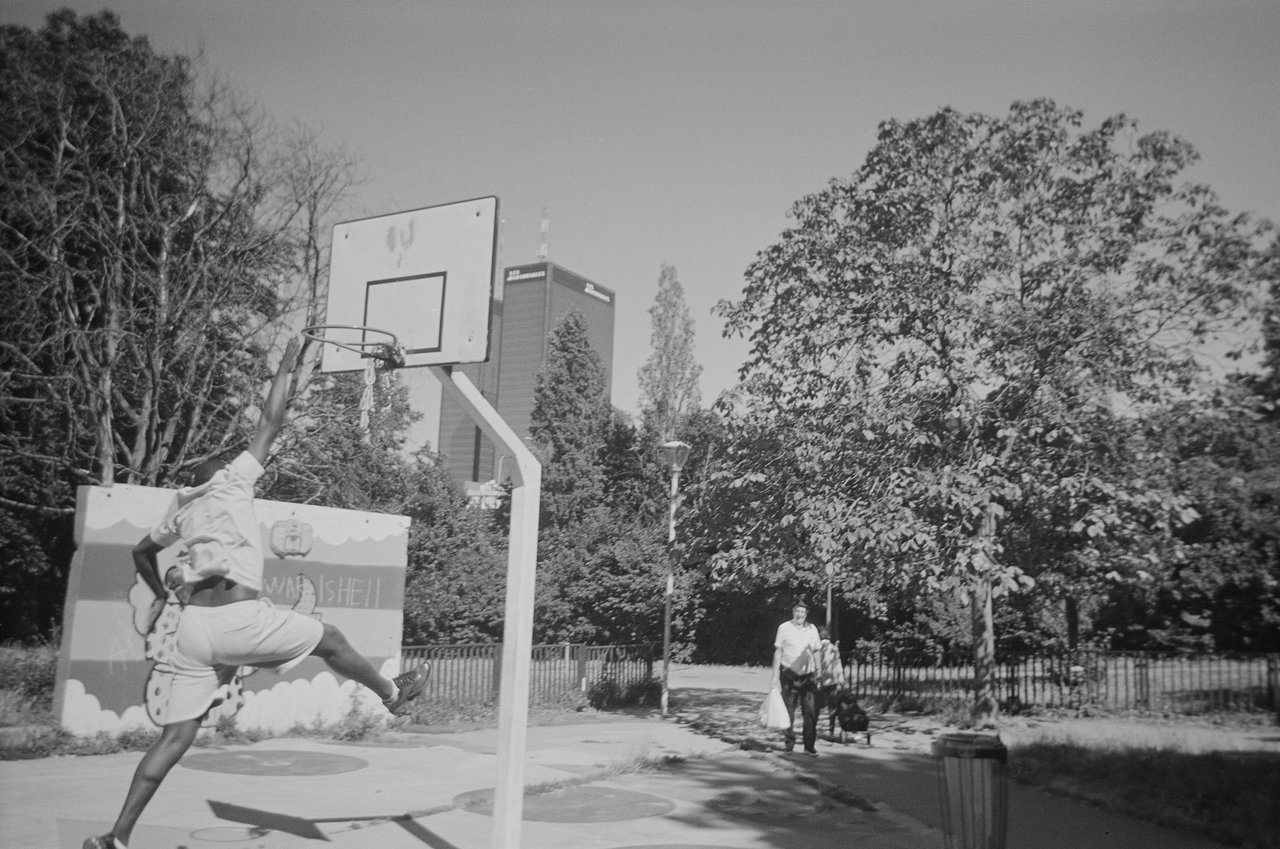
in pictures
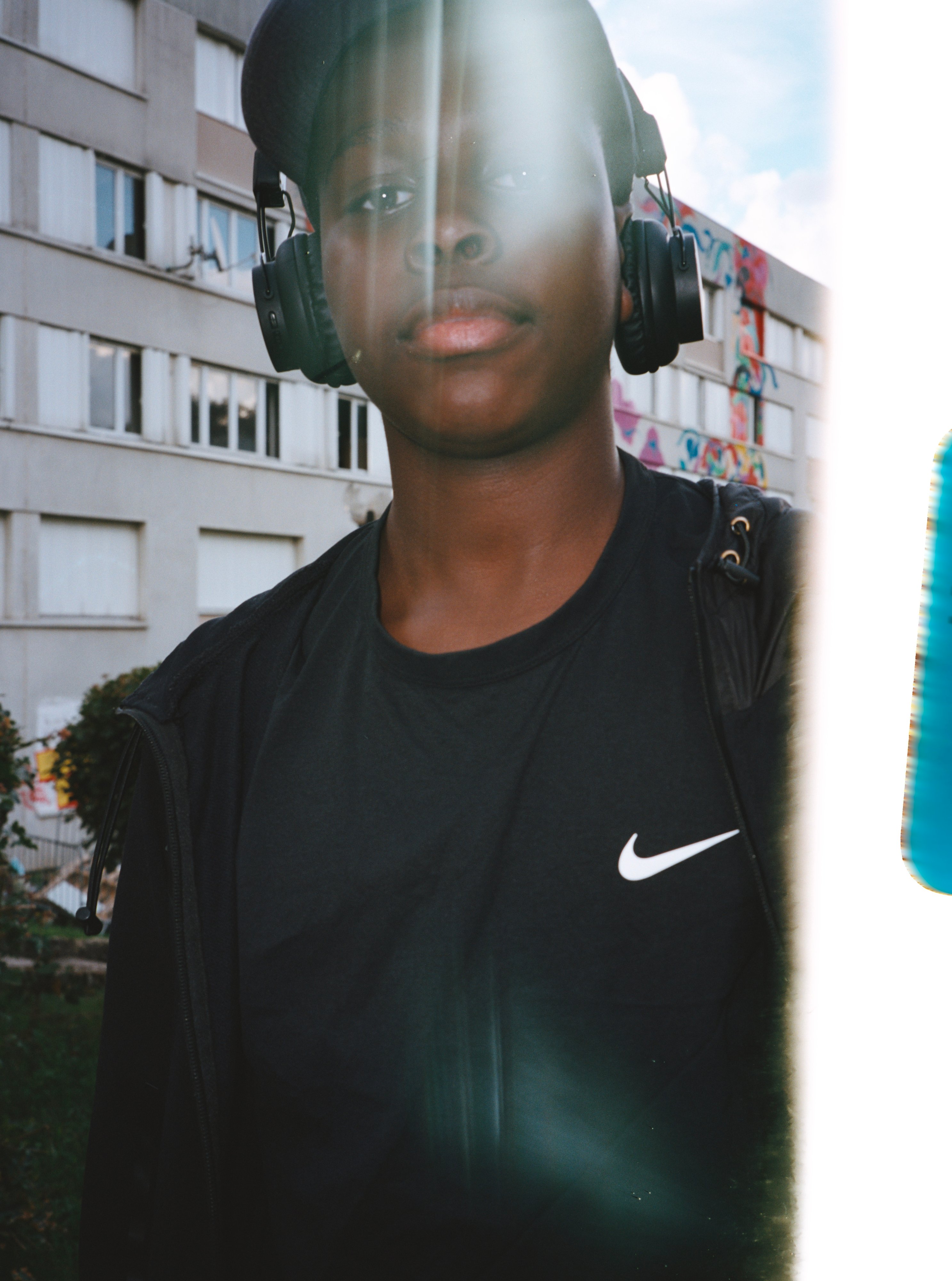
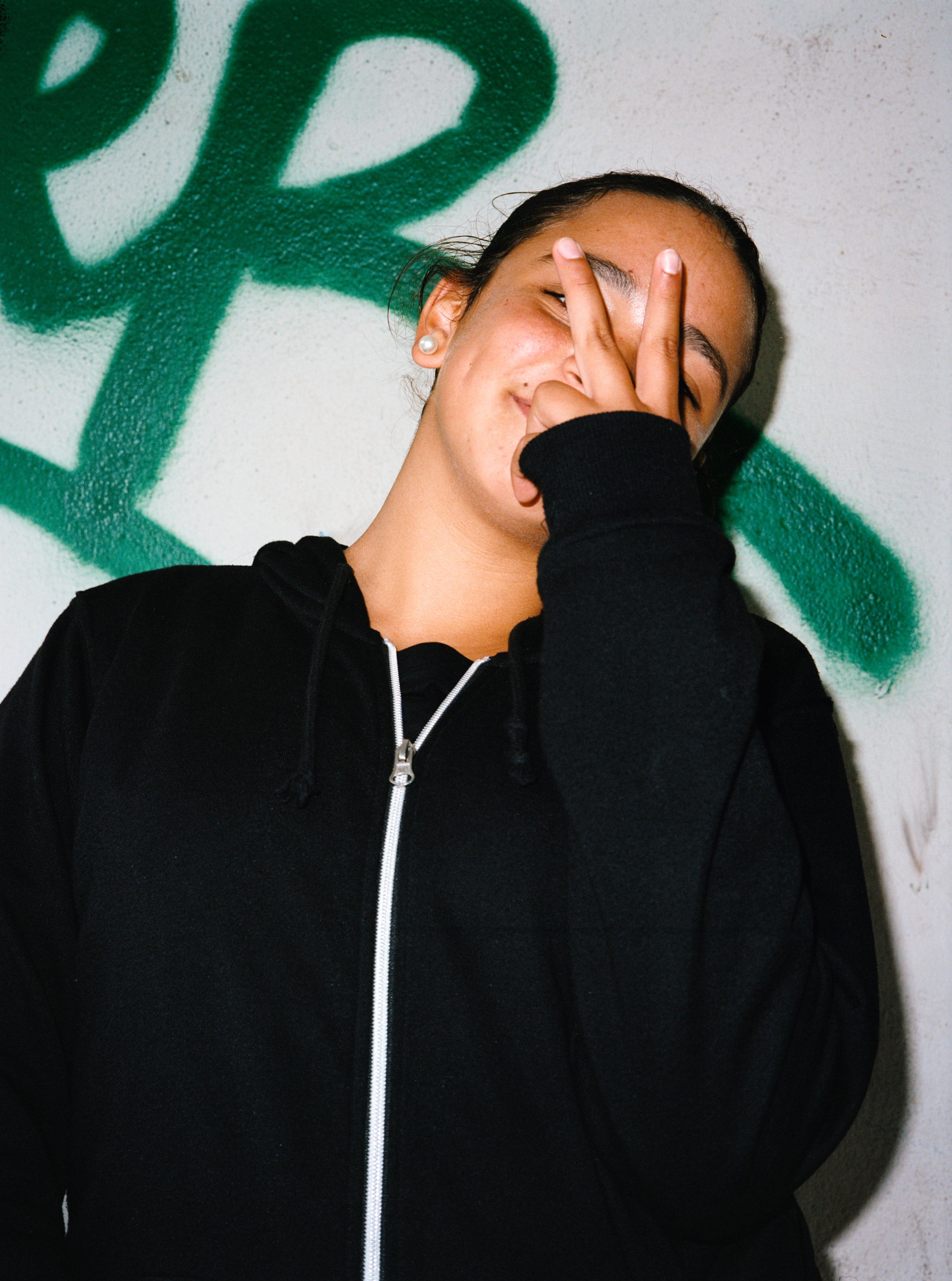
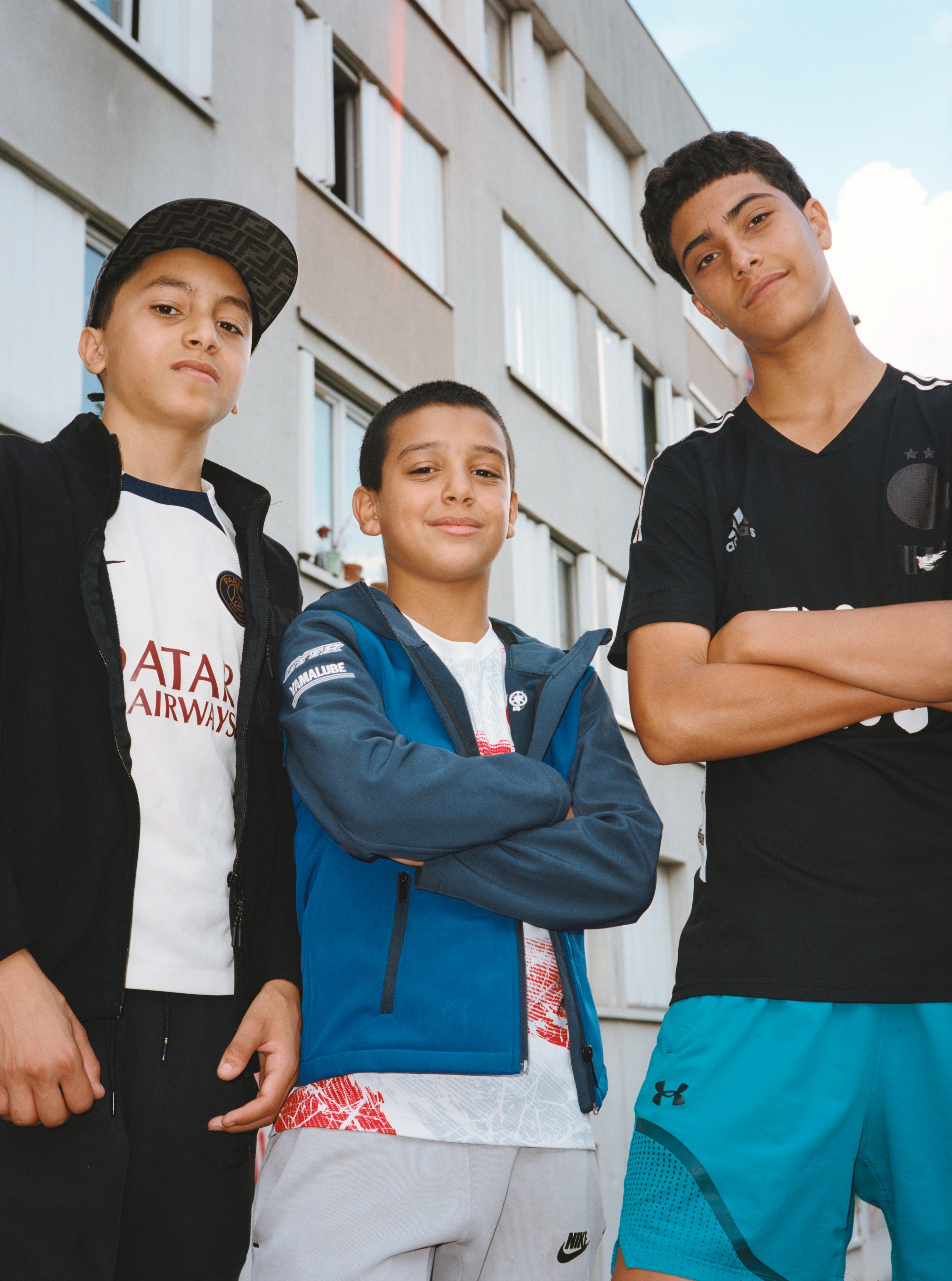
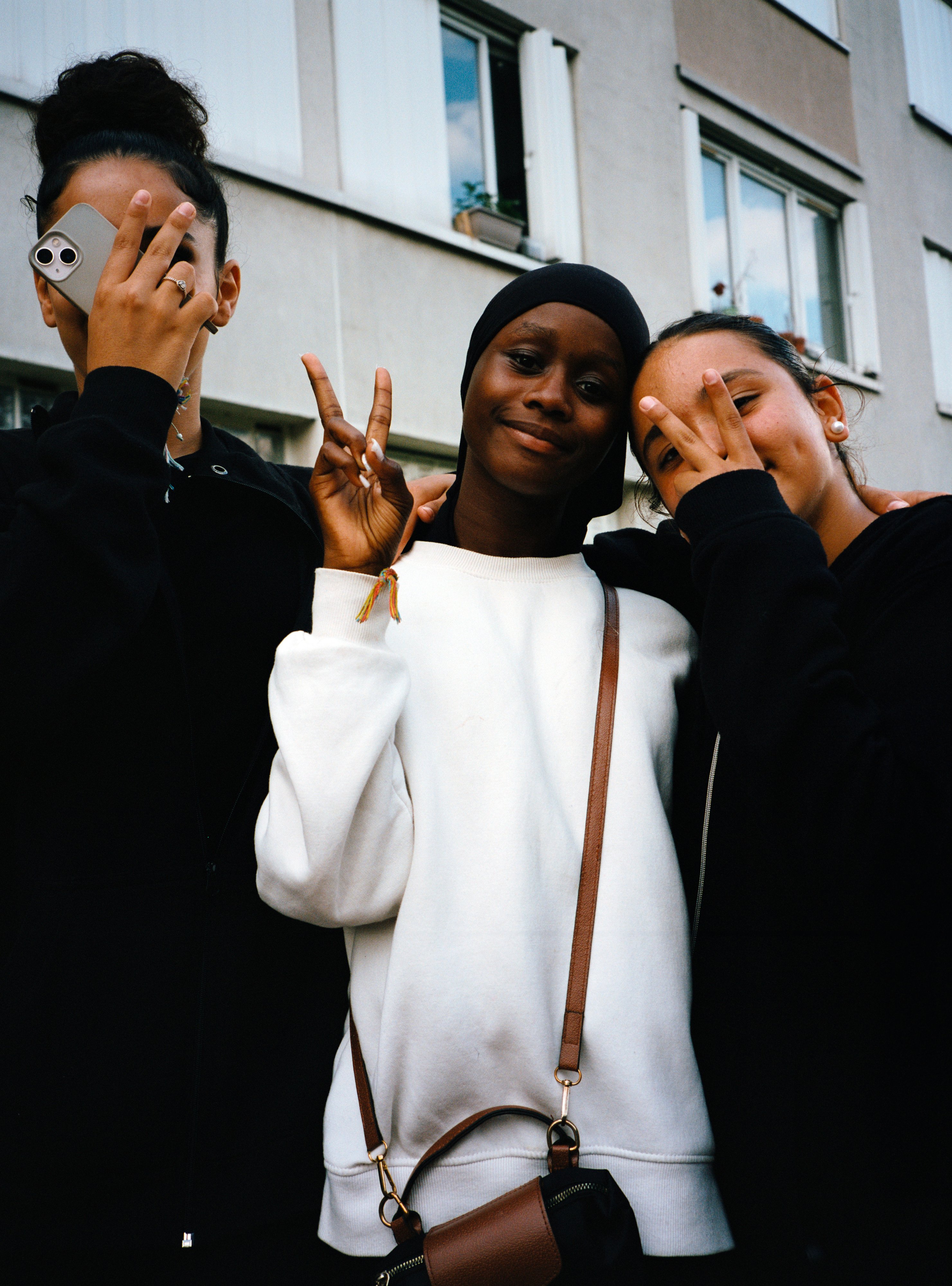
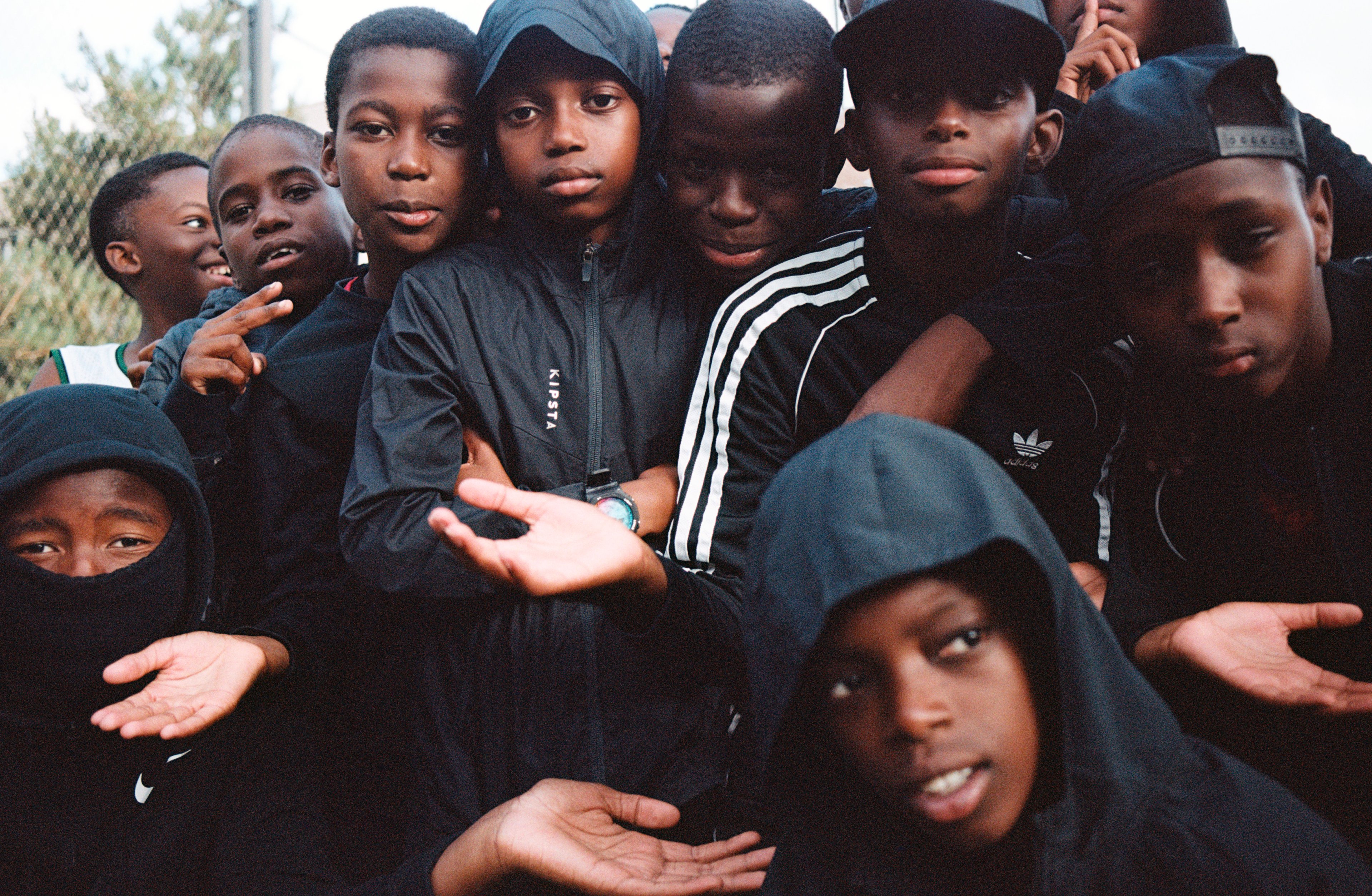
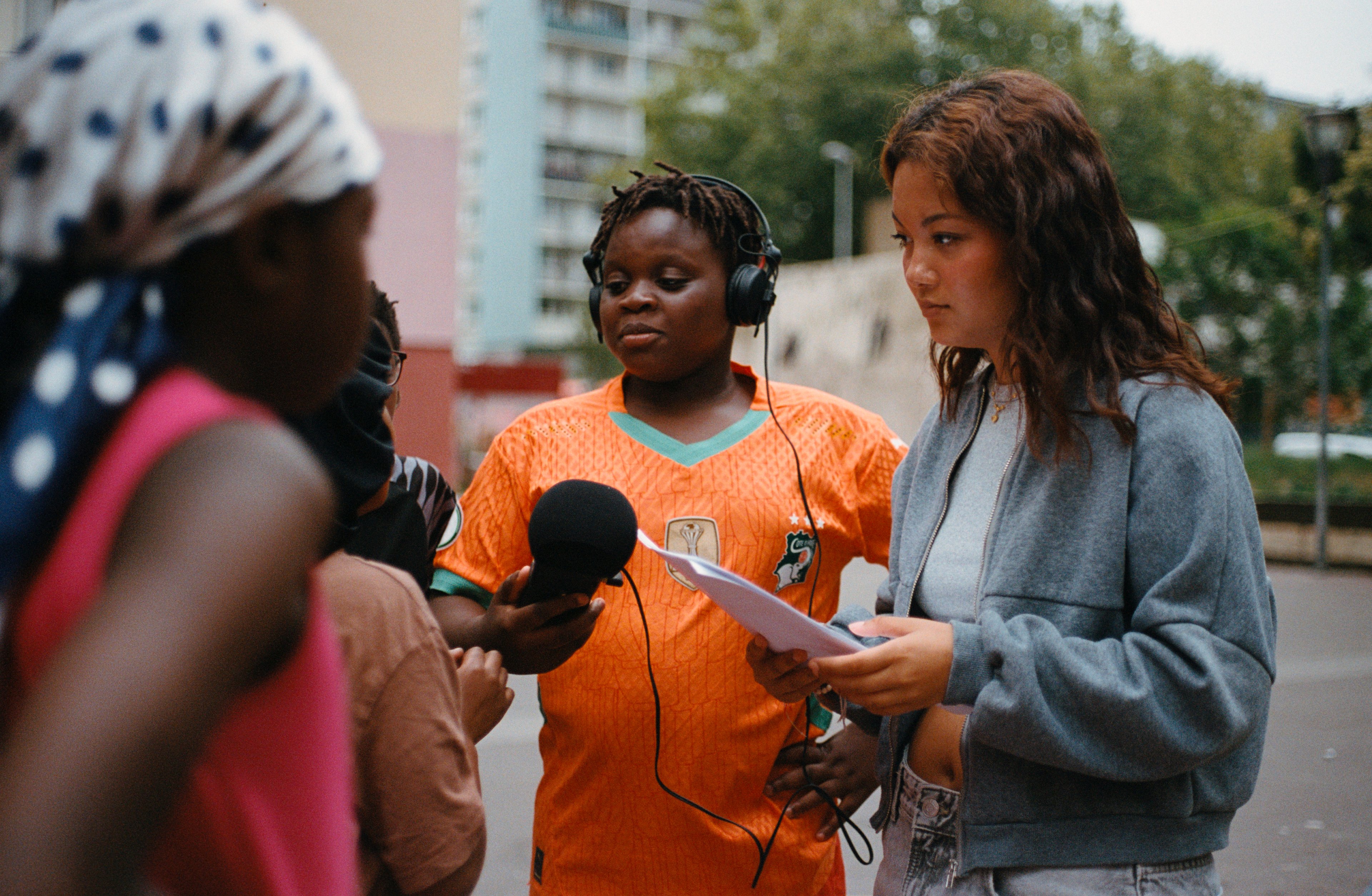
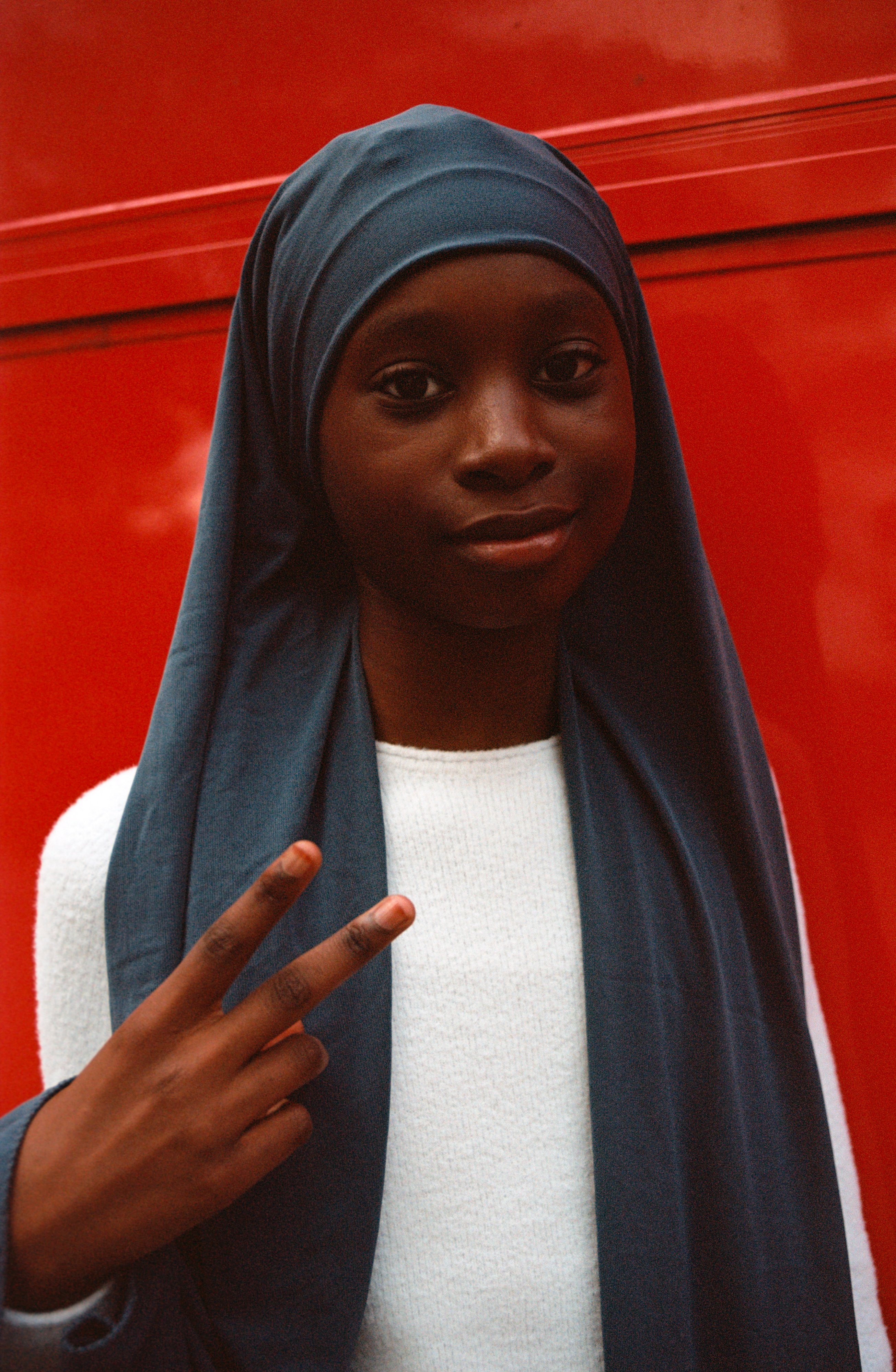
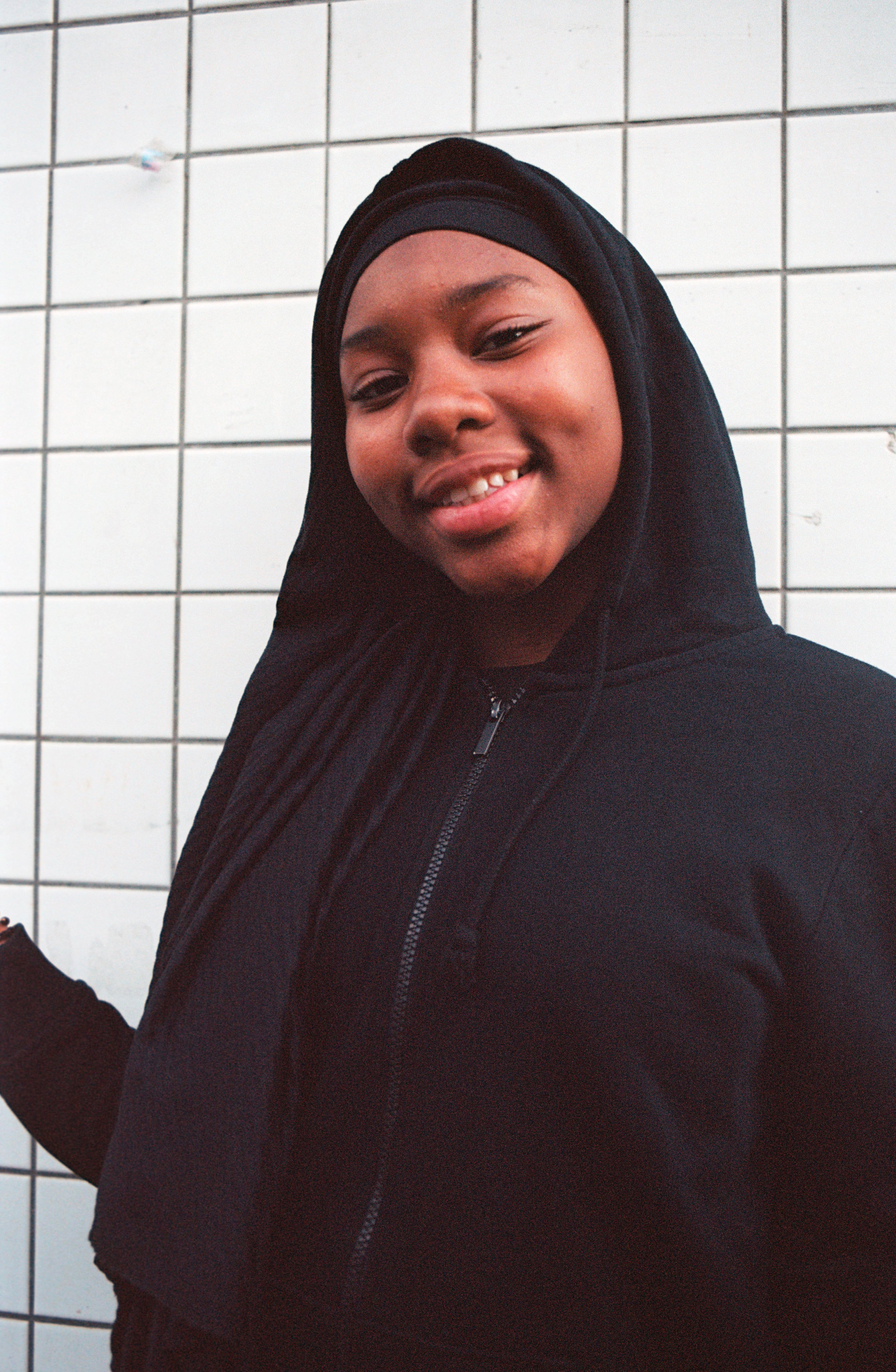
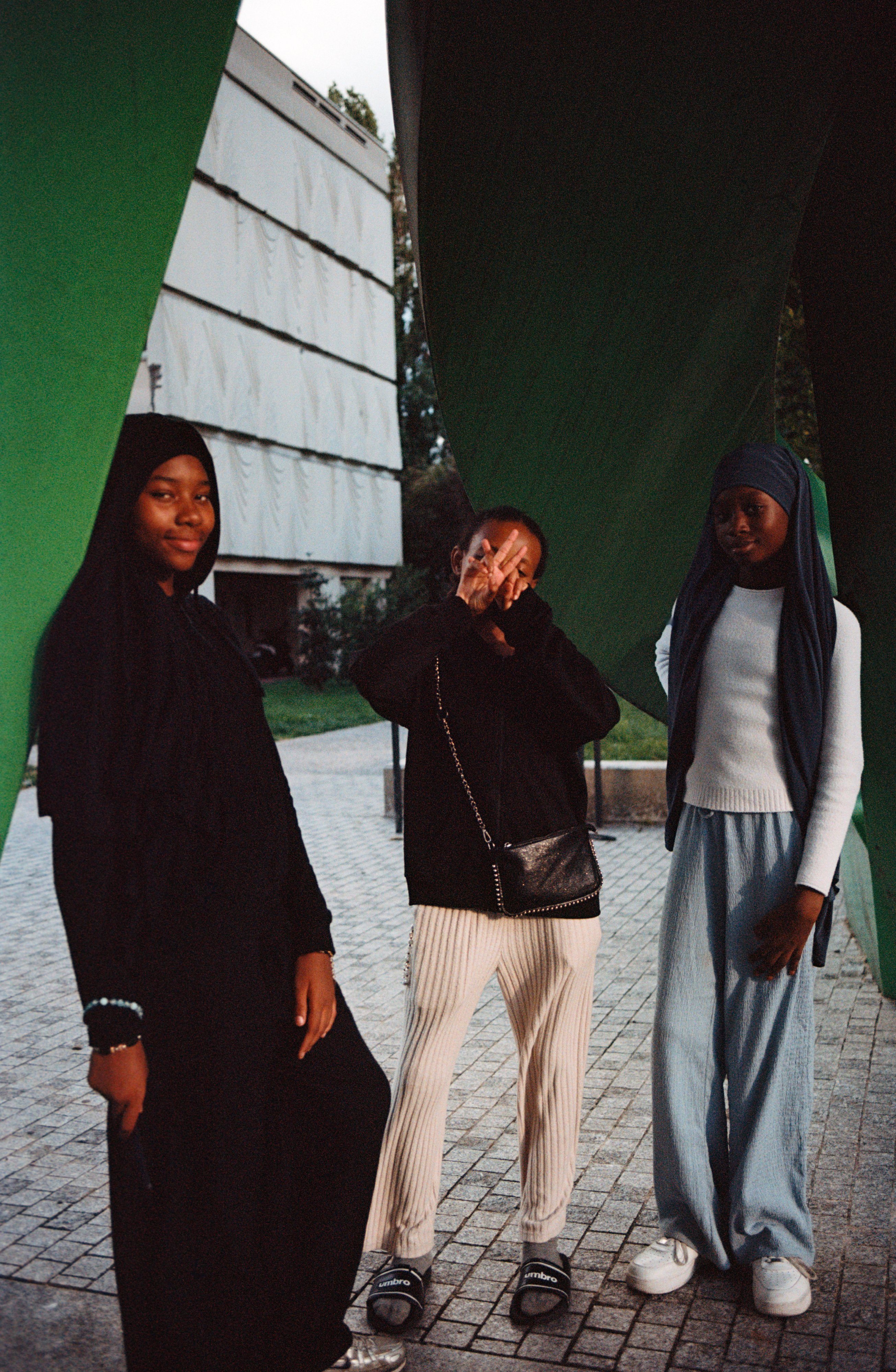
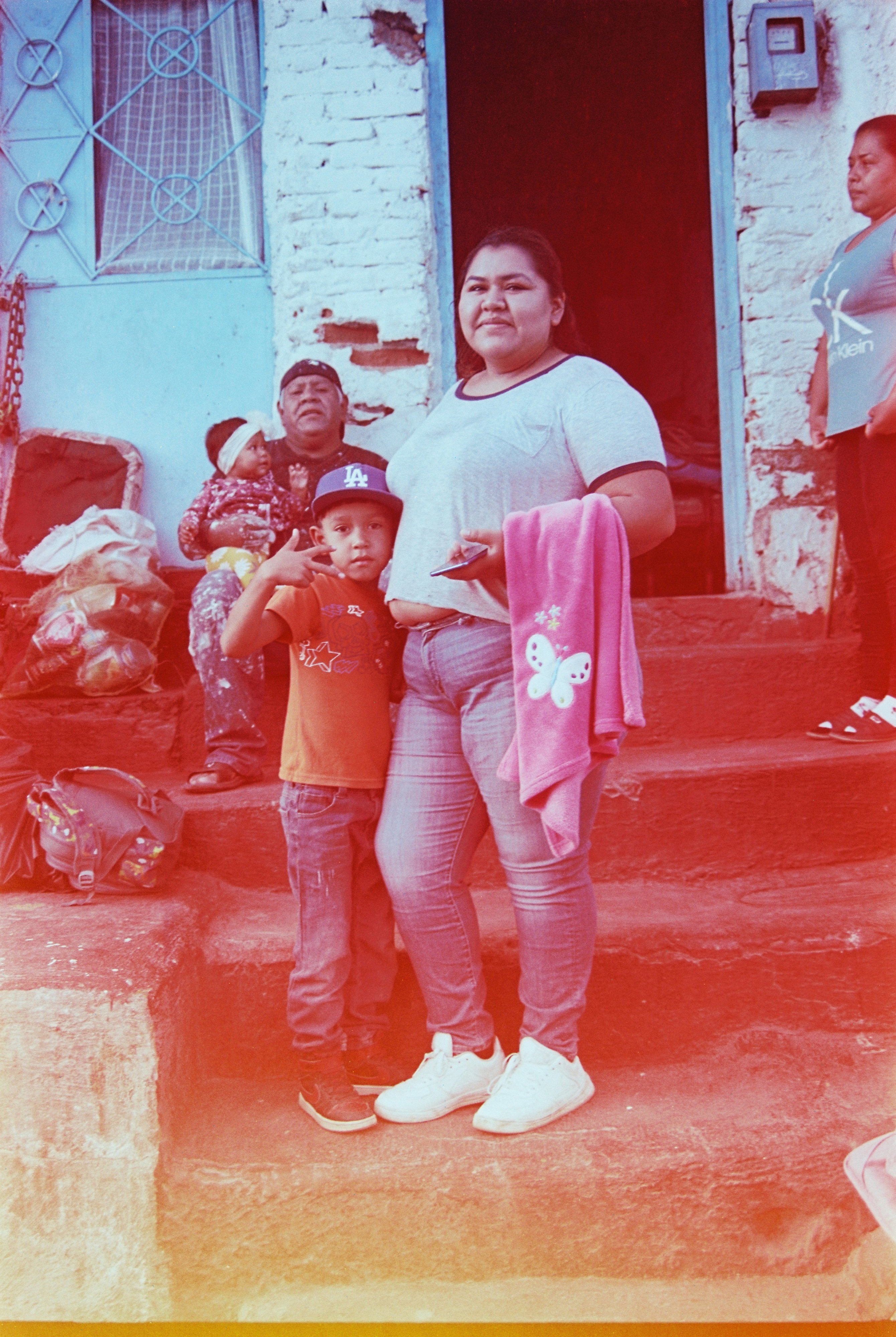
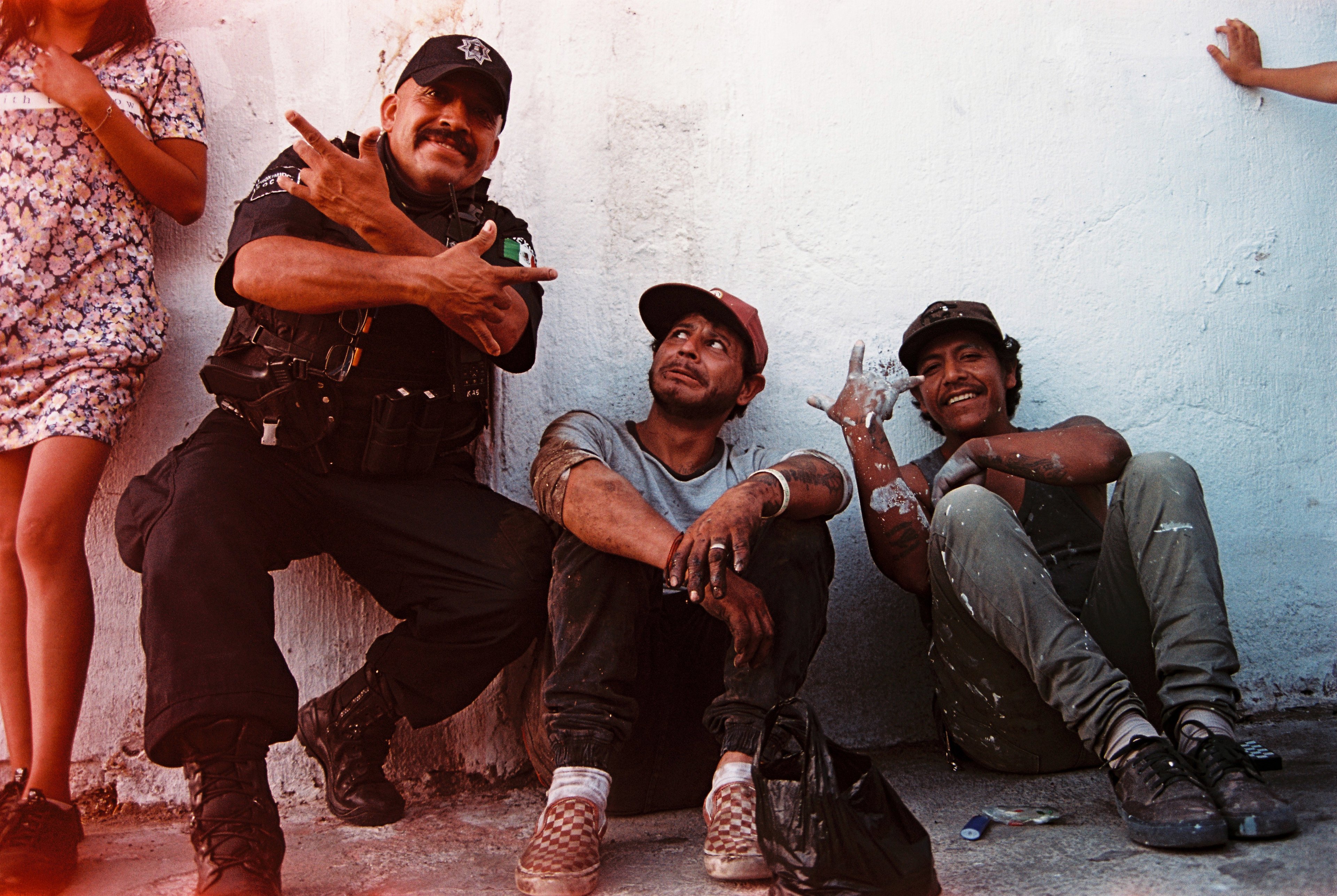
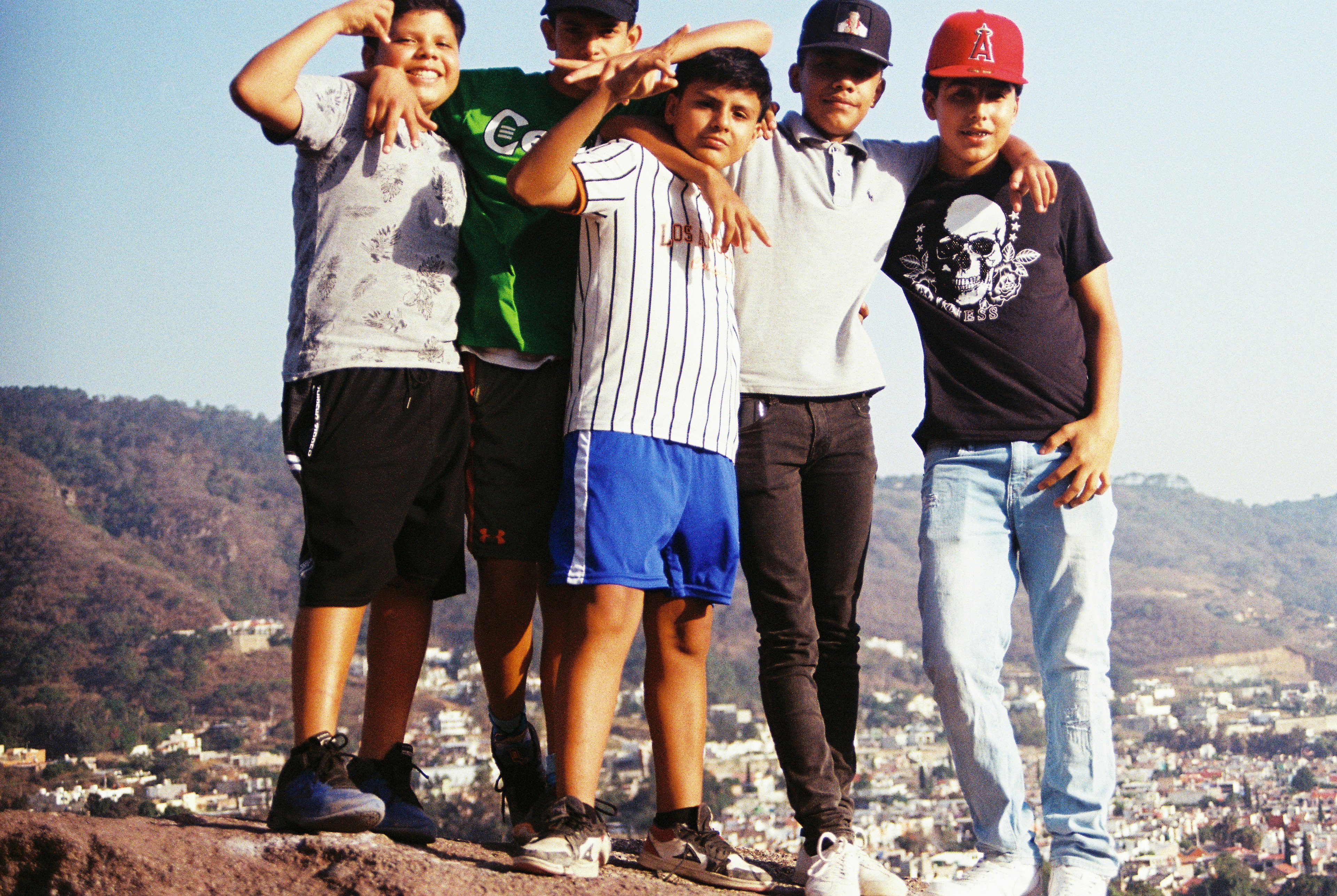
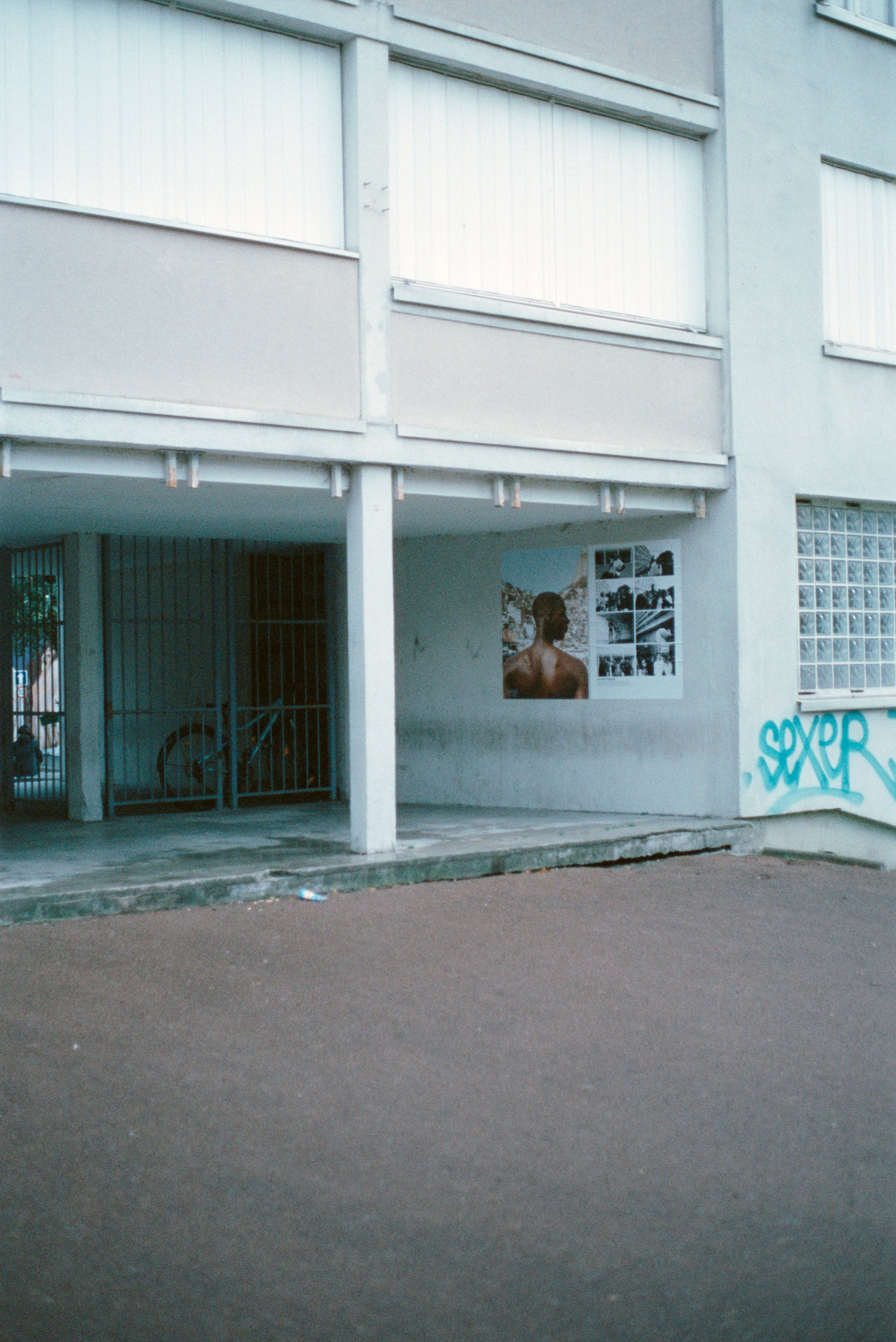
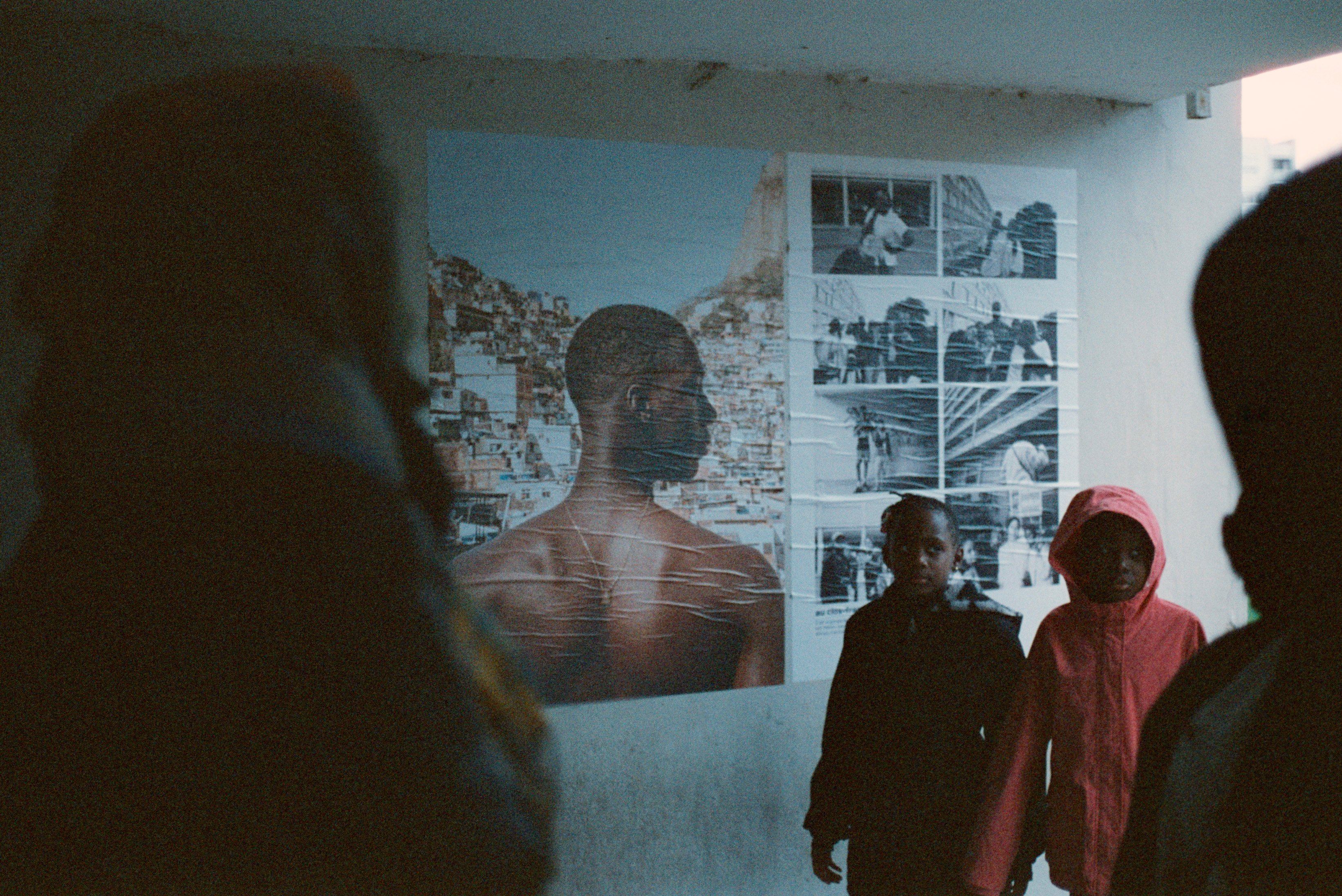
photos: the workshop participants and the mOst team
the albums
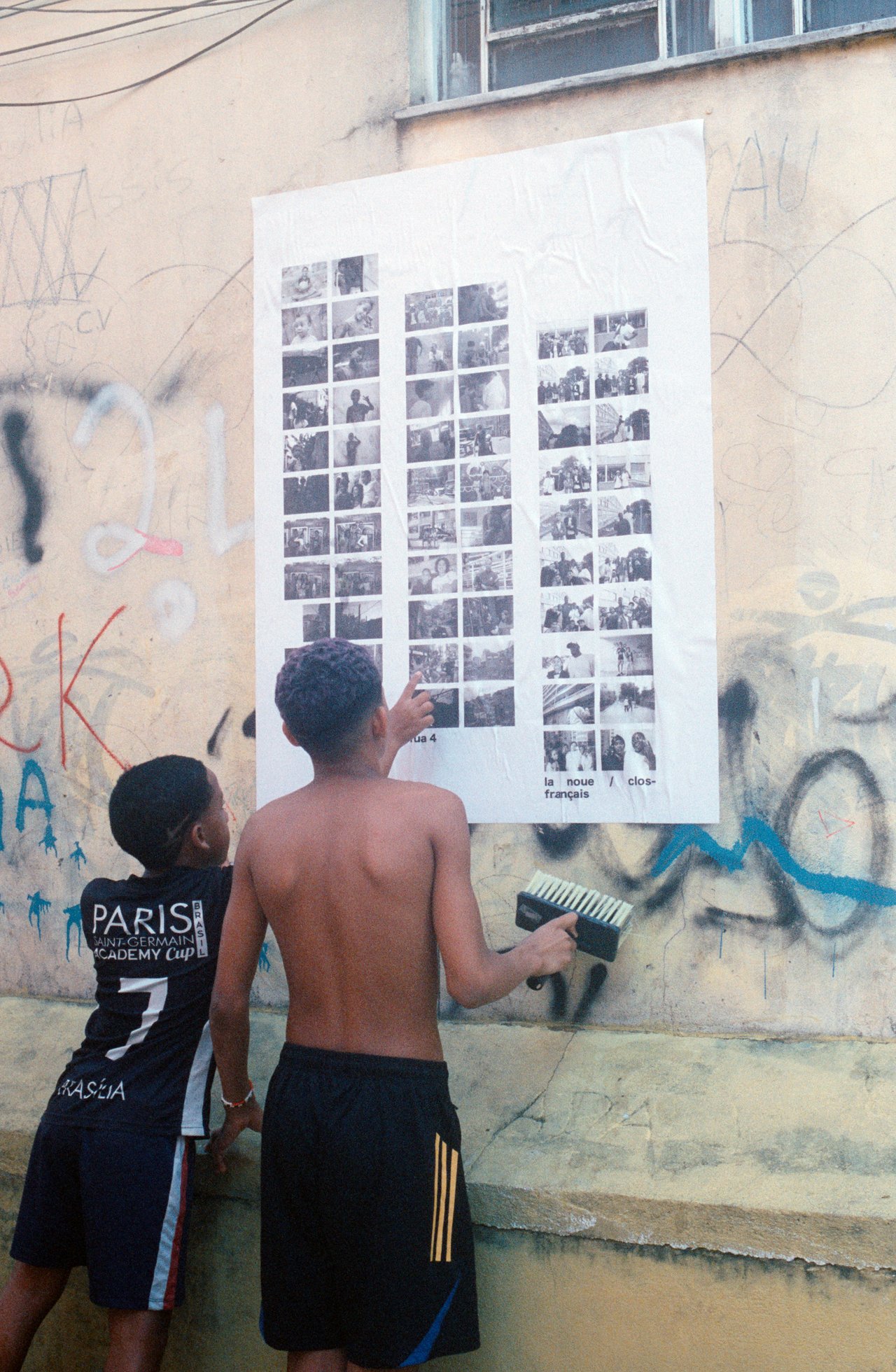
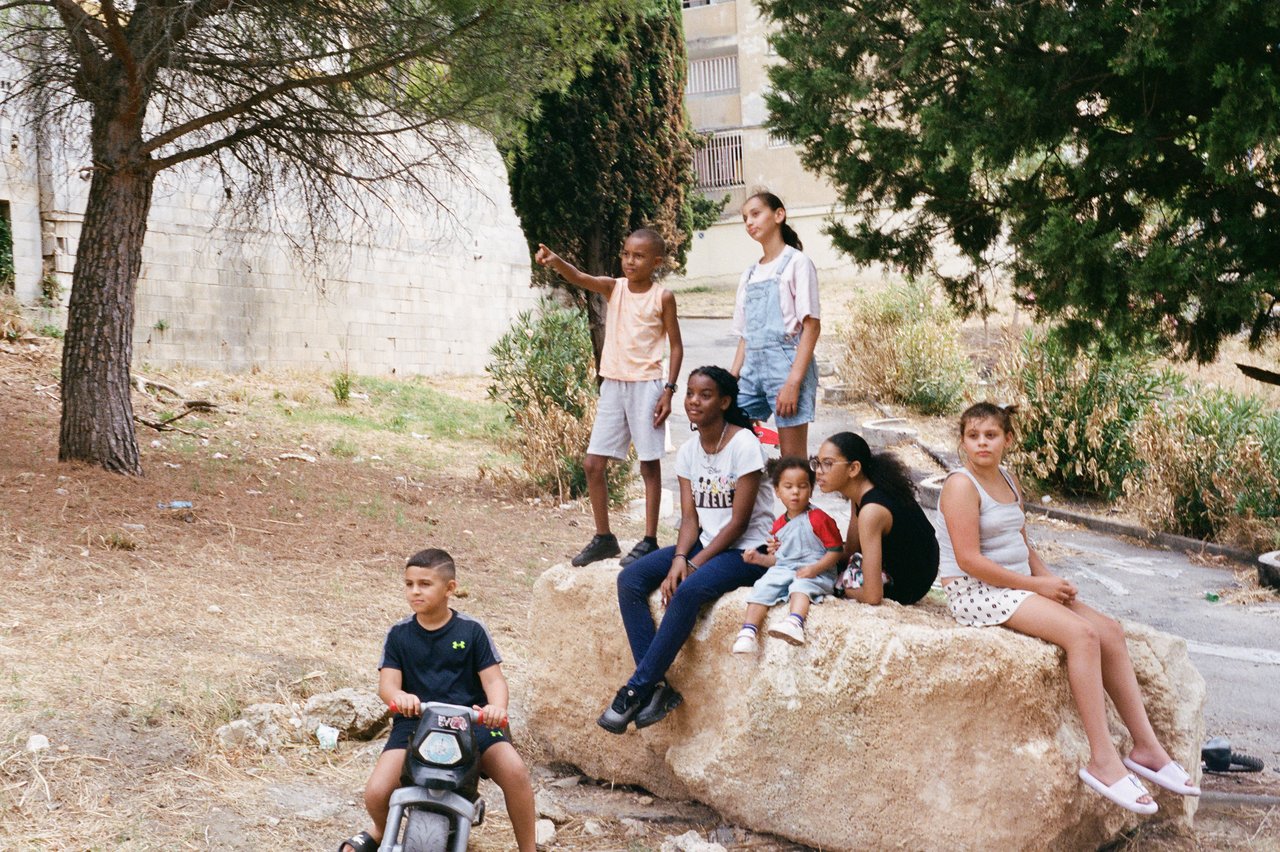
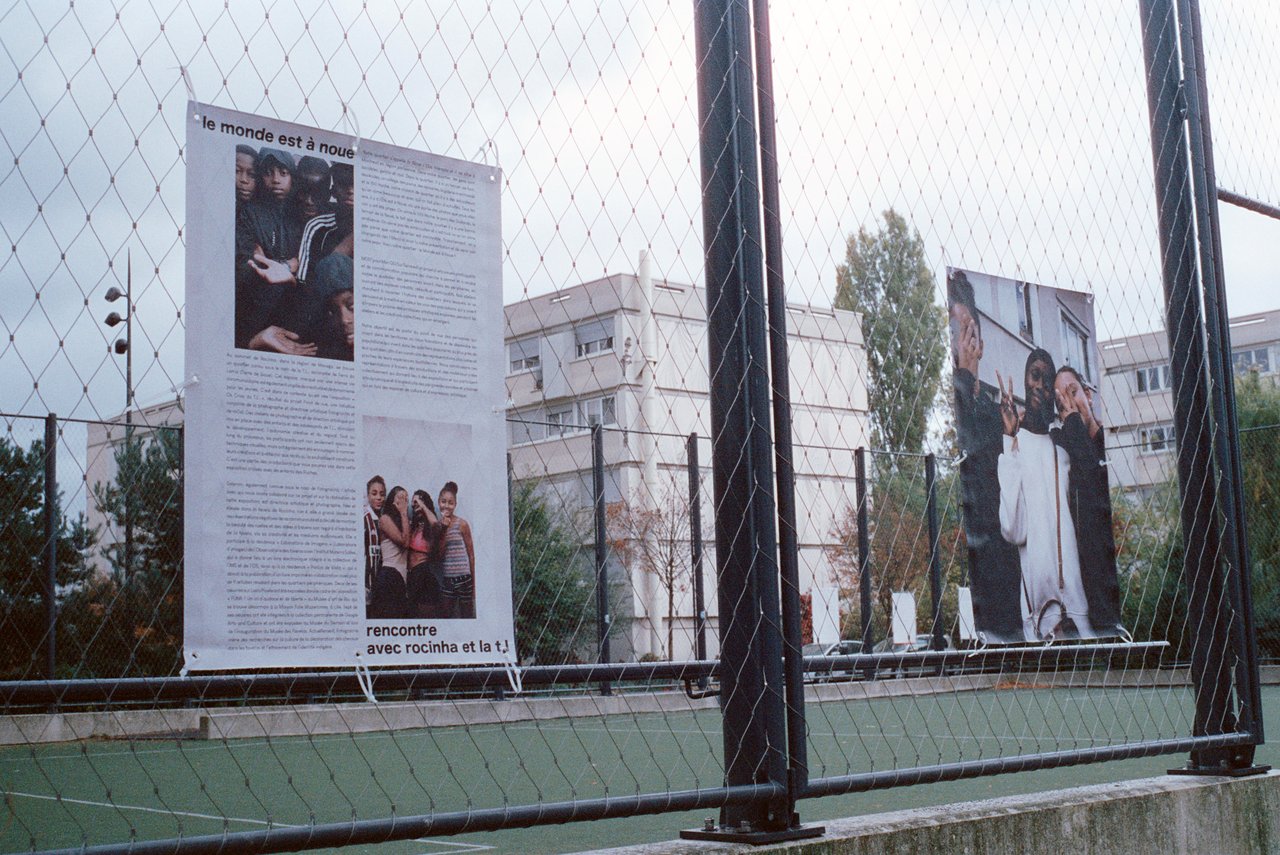
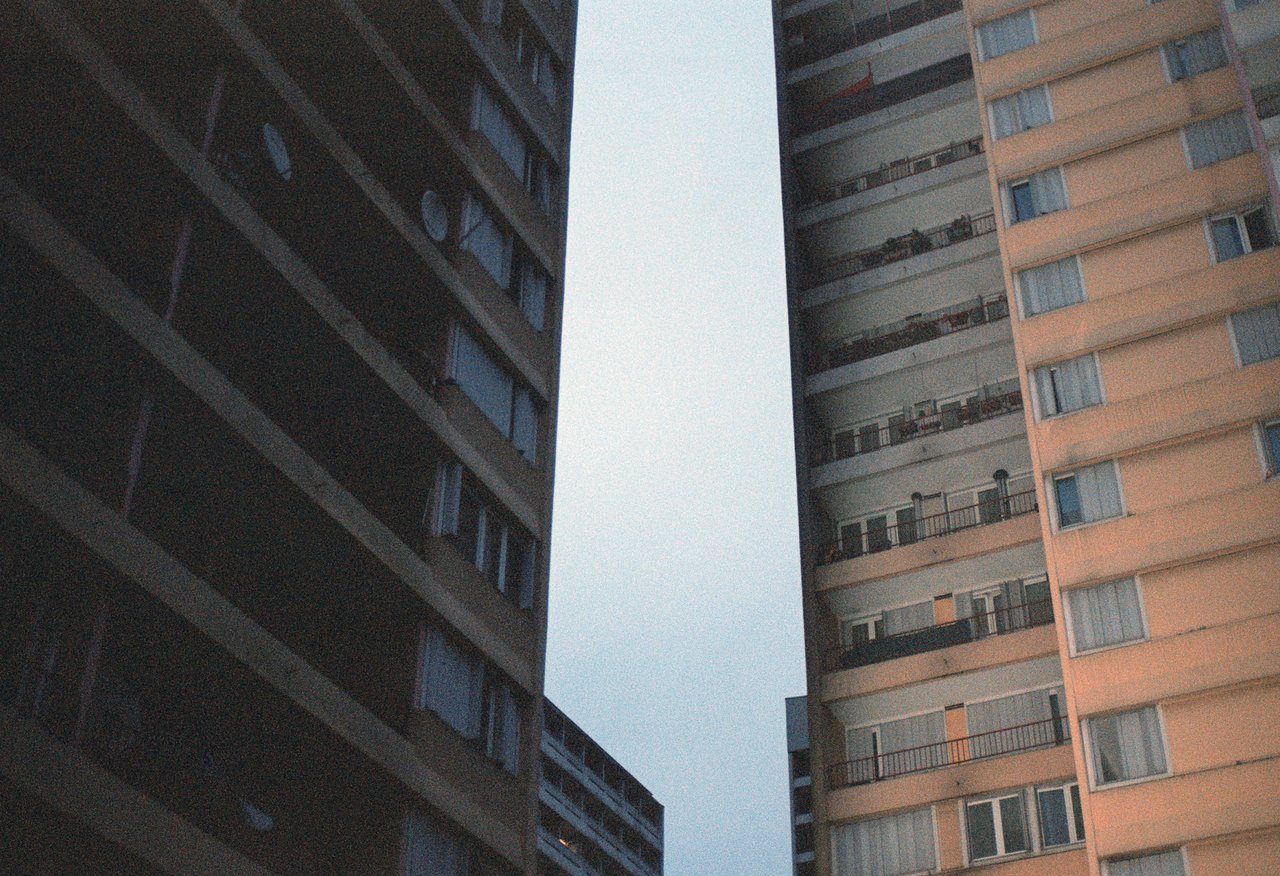
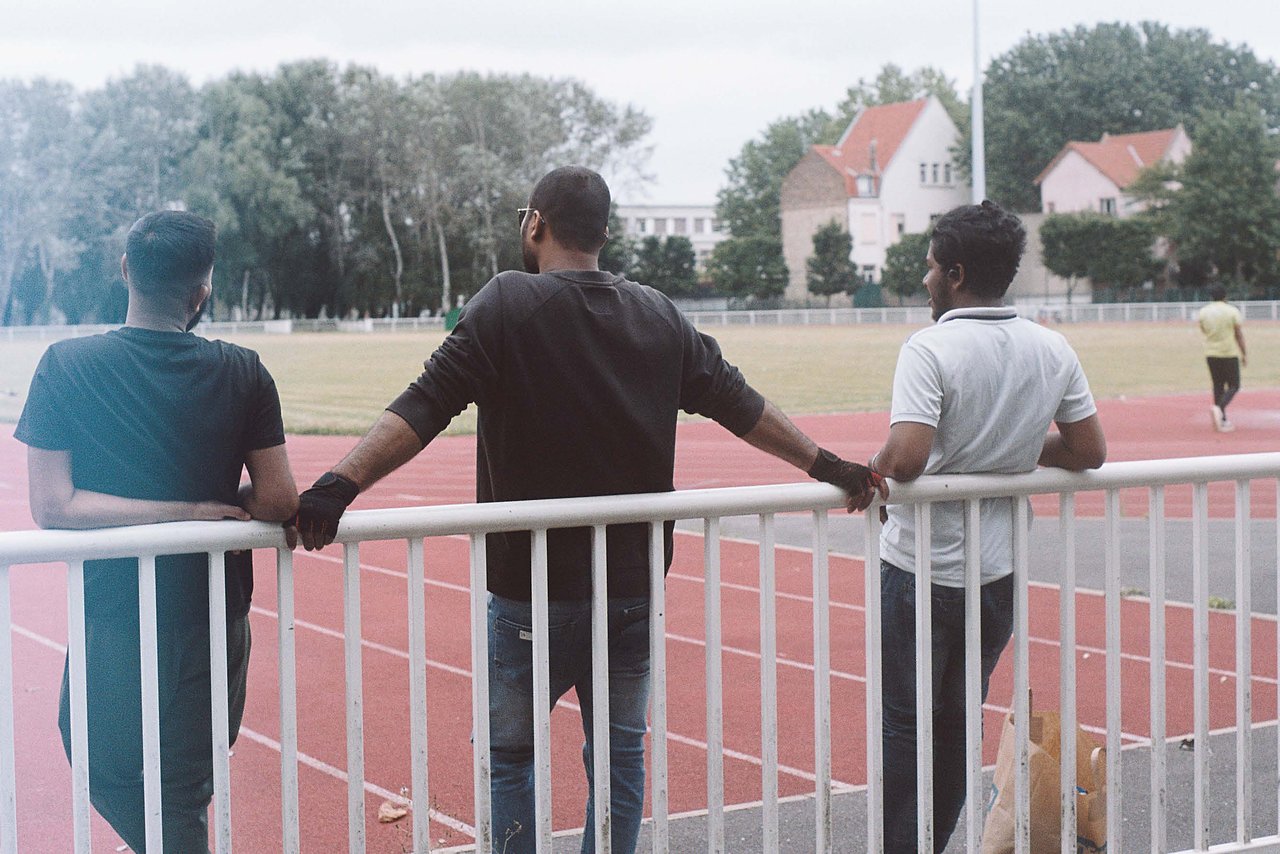
all crossed perspectives projects
| year | project | place | formats |
|---|---|---|---|
| 2026 | favela ocho | medellín Llanaditas (Comuna 8) | |
| 2025 → 2026 | os menor da rua 4 · encontros populares | rio de janeiro Rocinha · Rua 4 | |
| 2025 | la galerie des ruches · rencontres la tl | marseille Les Ruches | |
| 2025 | le monde est à noue: rencontre rocinha | montreuil La Noue-Clos Français | |
| 2025 | la caps, une passion | bagnolet La Capsulerie · Casas ARA, Cerro del Marqués · Cruz Blanca | |
| 2024 | premières rencontres entre montreuil et rio | montreuil Bel Air, Grands-Pêchers · Rocinha, Júlio Otoni | |
| 2023 | la capsulerie × la noue | bagnolet La Capsulerie, La Noue | |
| 2022 | xpo olympique de bagnolet | bagnolet La Noue, La Capsulerie |