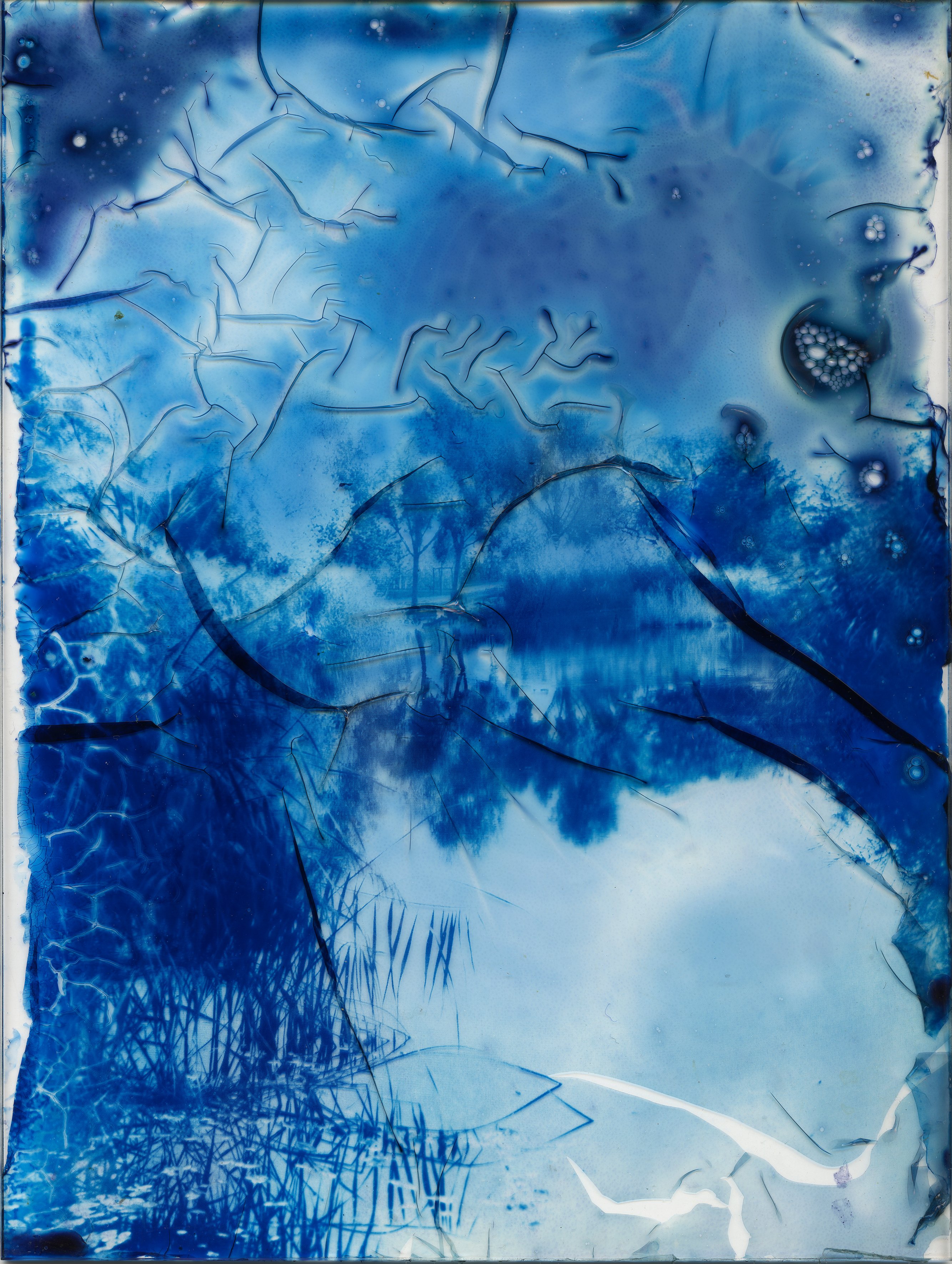
Drawing, collage and working directly on images open up a special kind of freedom. They make it possible to show what the camera cannot record: an incomplete memory, a place that has disappeared, a feeling, a transformation people dream of, or a proposal for tomorrow. Art-making becomes a tool for telling stories and imagining the future.
The workshop can start from observation. Participants translate a building, a detail, the way people move through a space, or a landscape into lines, shapes and colors. The goal is not a perfect likeness, but learning to choose what matters and to build a personal representation.
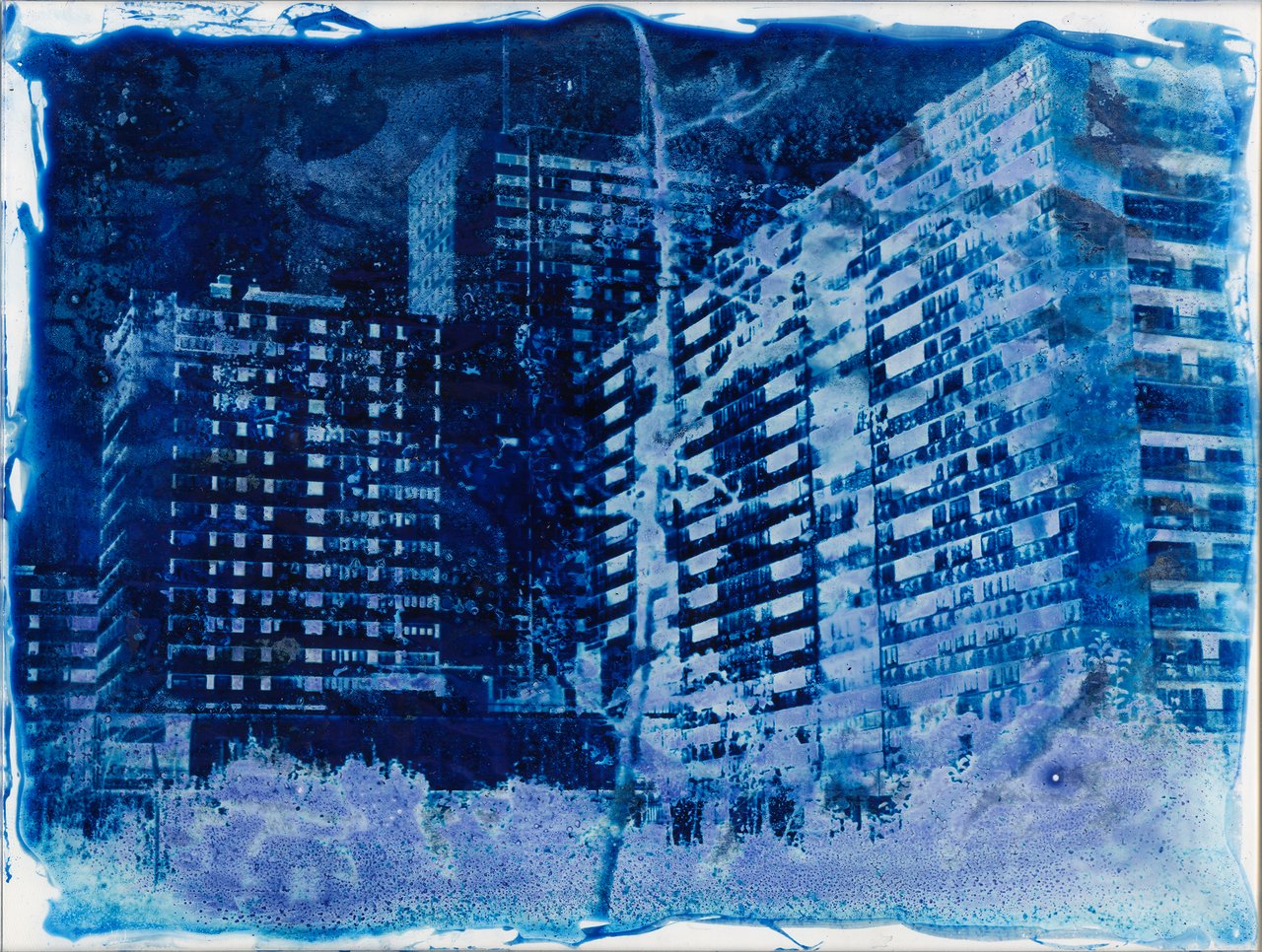
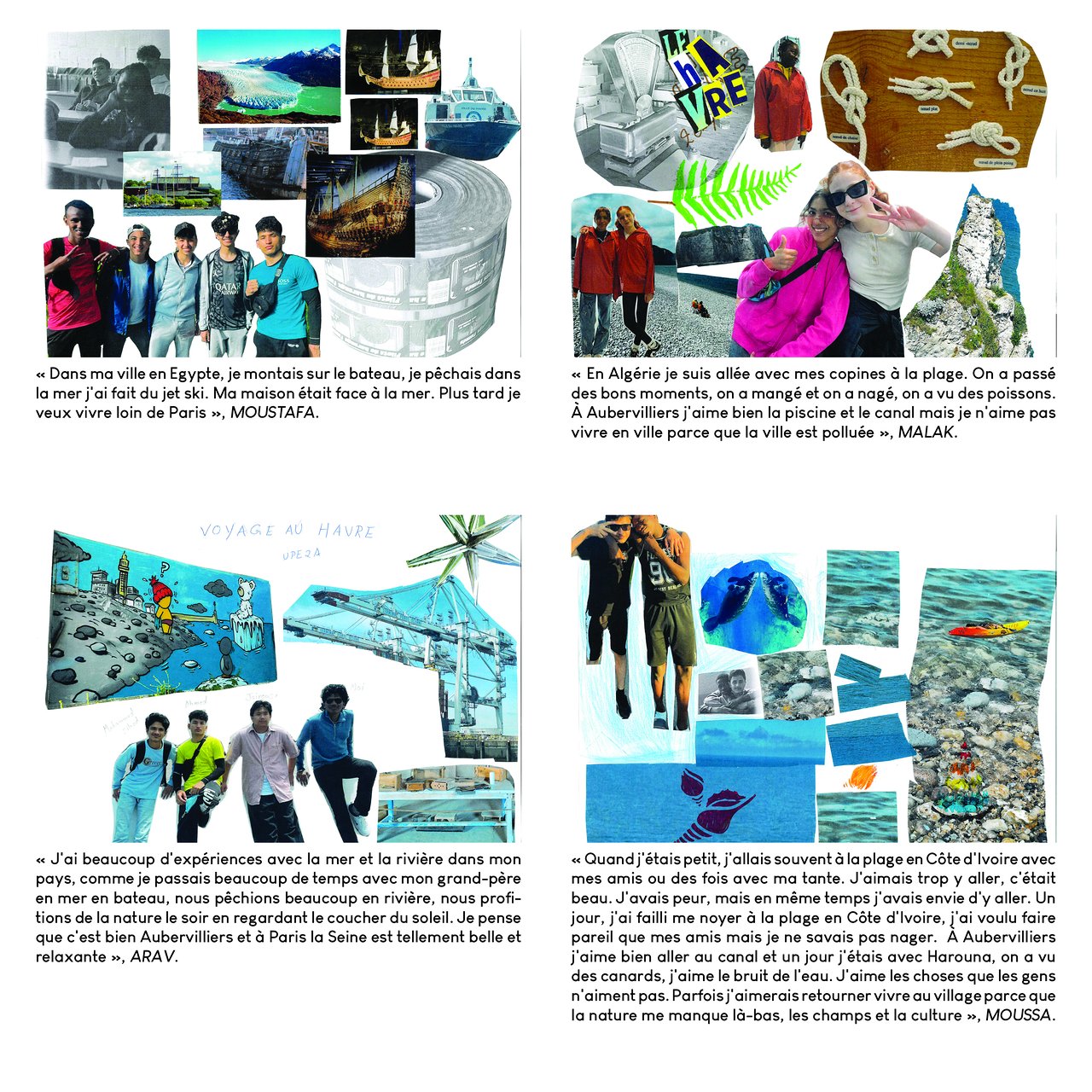
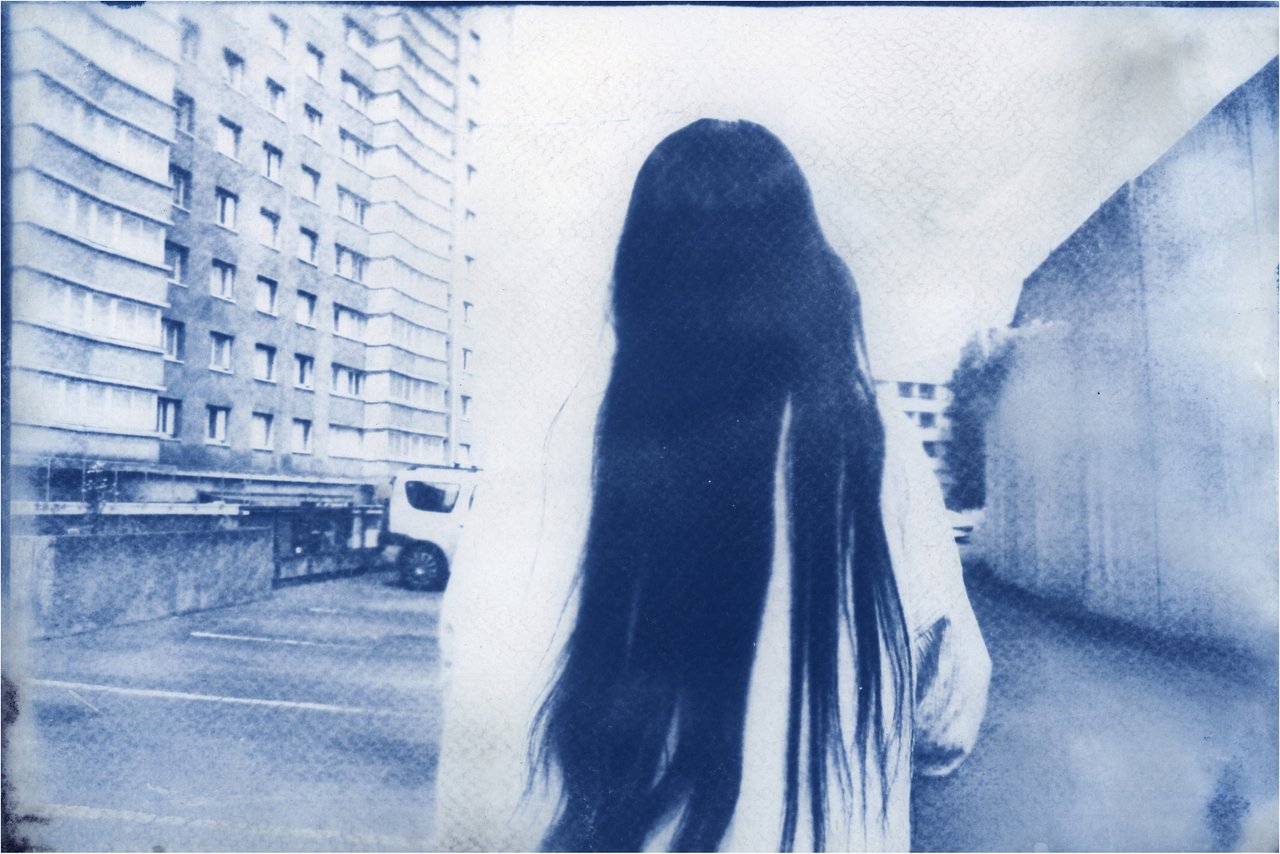
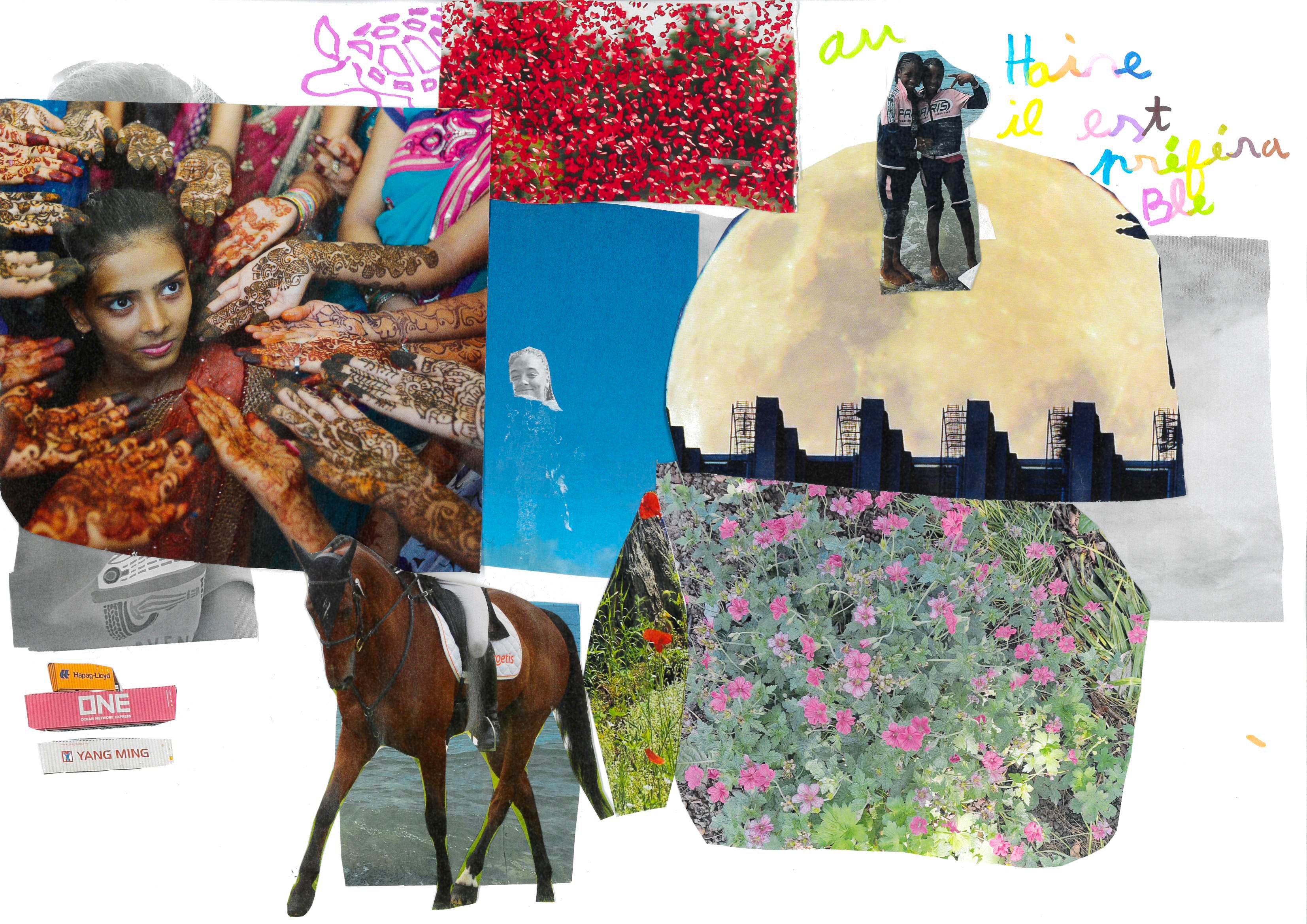
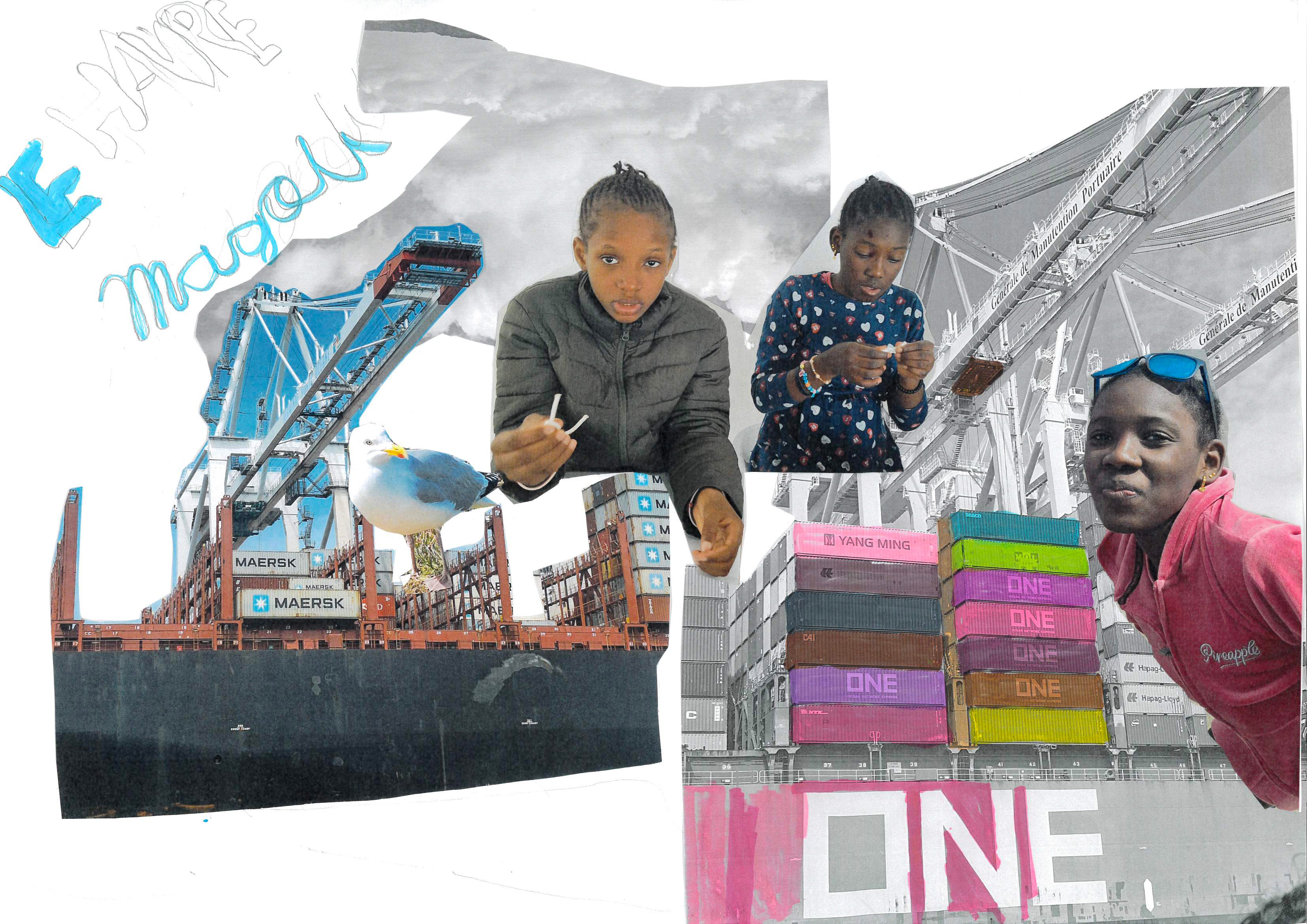
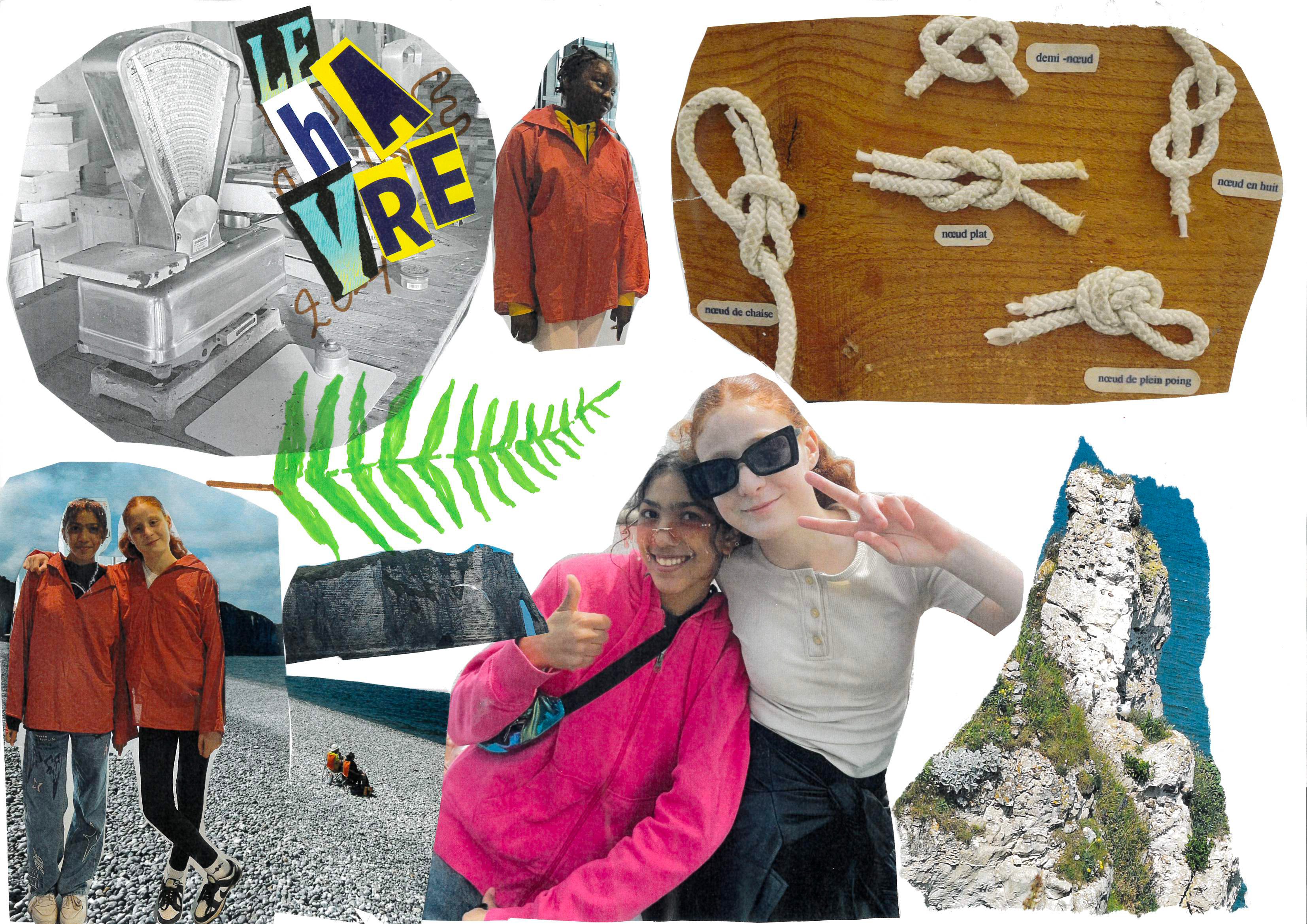
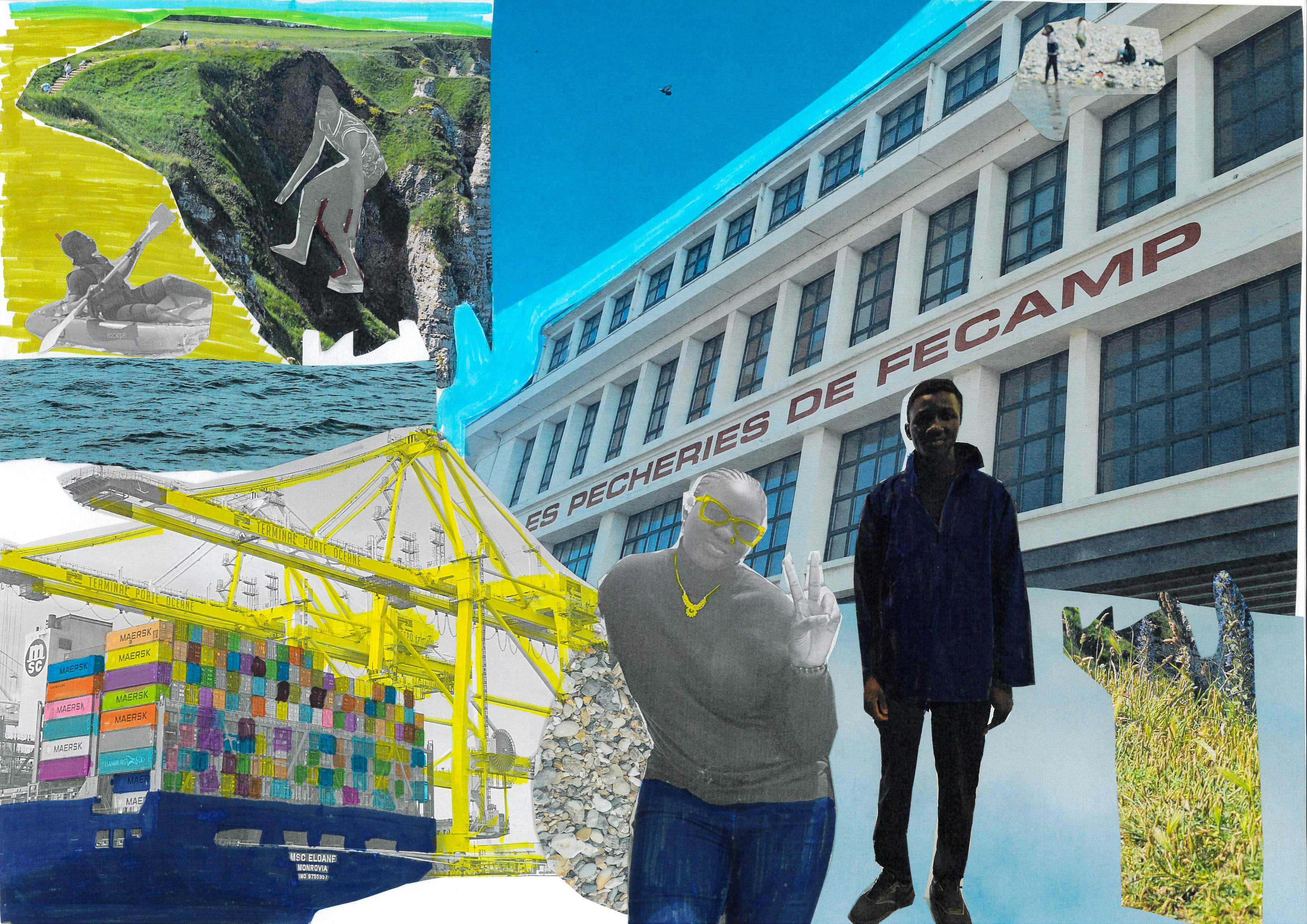
We also work on photographs and maps. Drawing over an image can extend a space, bring back what has disappeared, or add what people would like to see exist. Collage brings together distant scales, times and references, and makes possible futures visible without claiming they are already a redevelopment plan.
In memory projects, drawing accompanies people’s stories when archives are missing. Someone can piece together a home, a playground, a shop or a path from memory. Creative work does not replace the historical record; it clearly affirms the place of memory, emotion and imagination in the living archive.
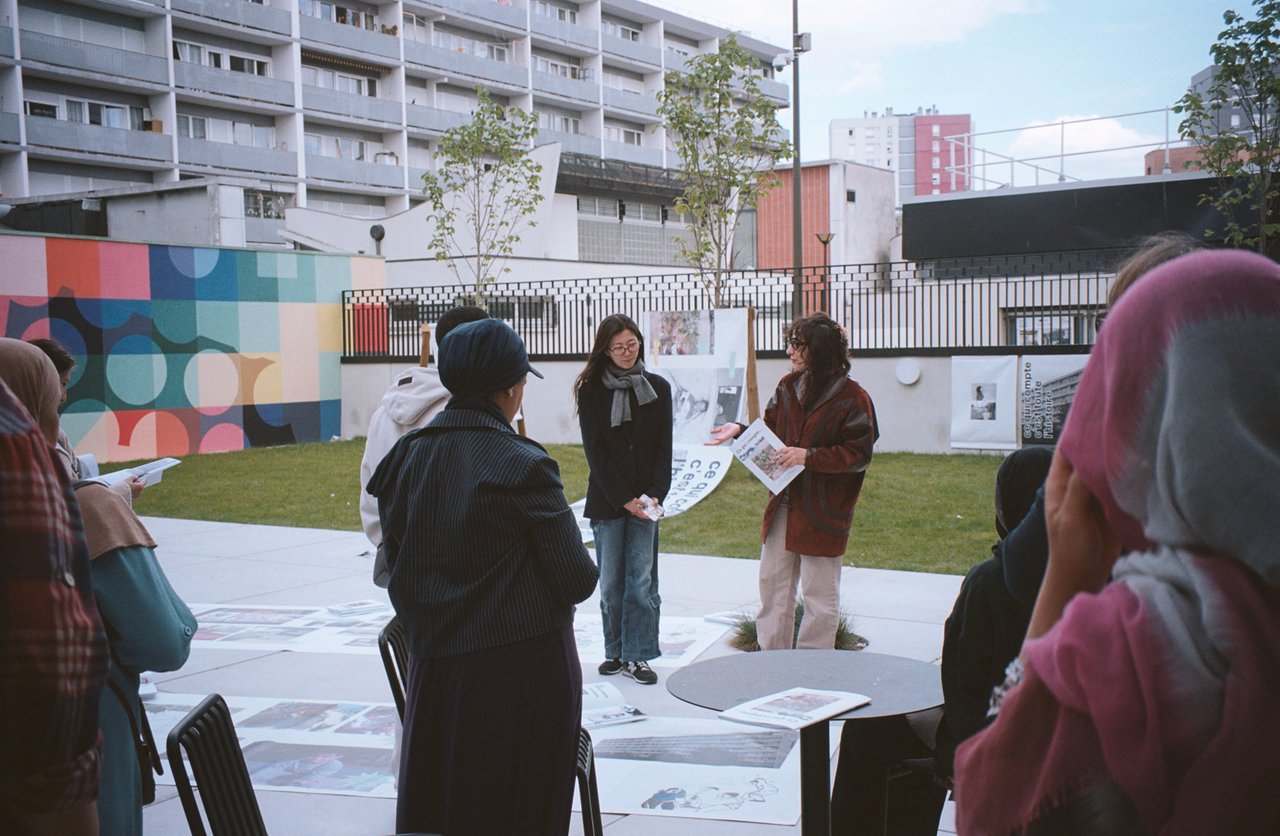
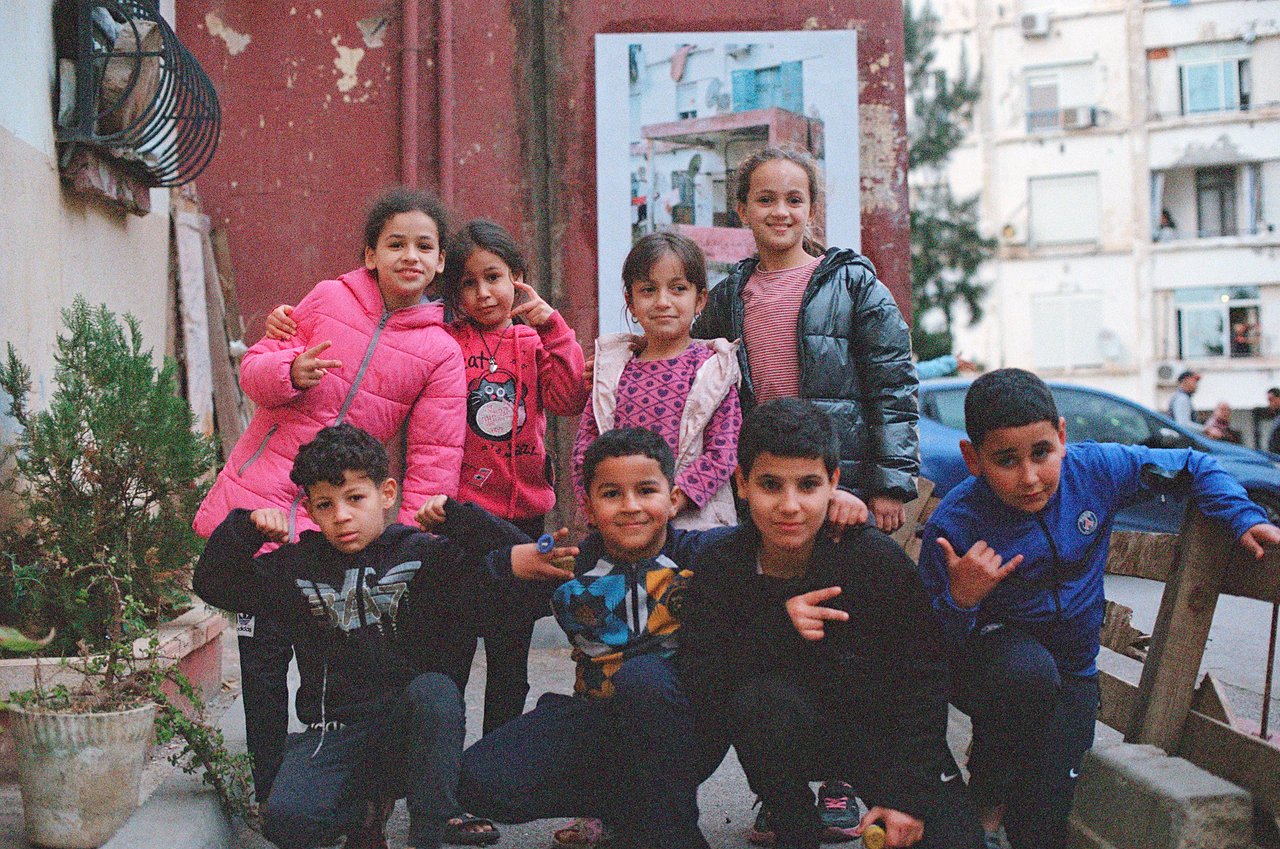
In neighborhood-of-the-future projects, the fine arts make it easier to express needs and desires. Children and adults can work on a photograph, move elements around, imagine new uses or compose a future scene. These proposals are then discussed alongside the other materials: what people said, maps, observations and photographs of the present.
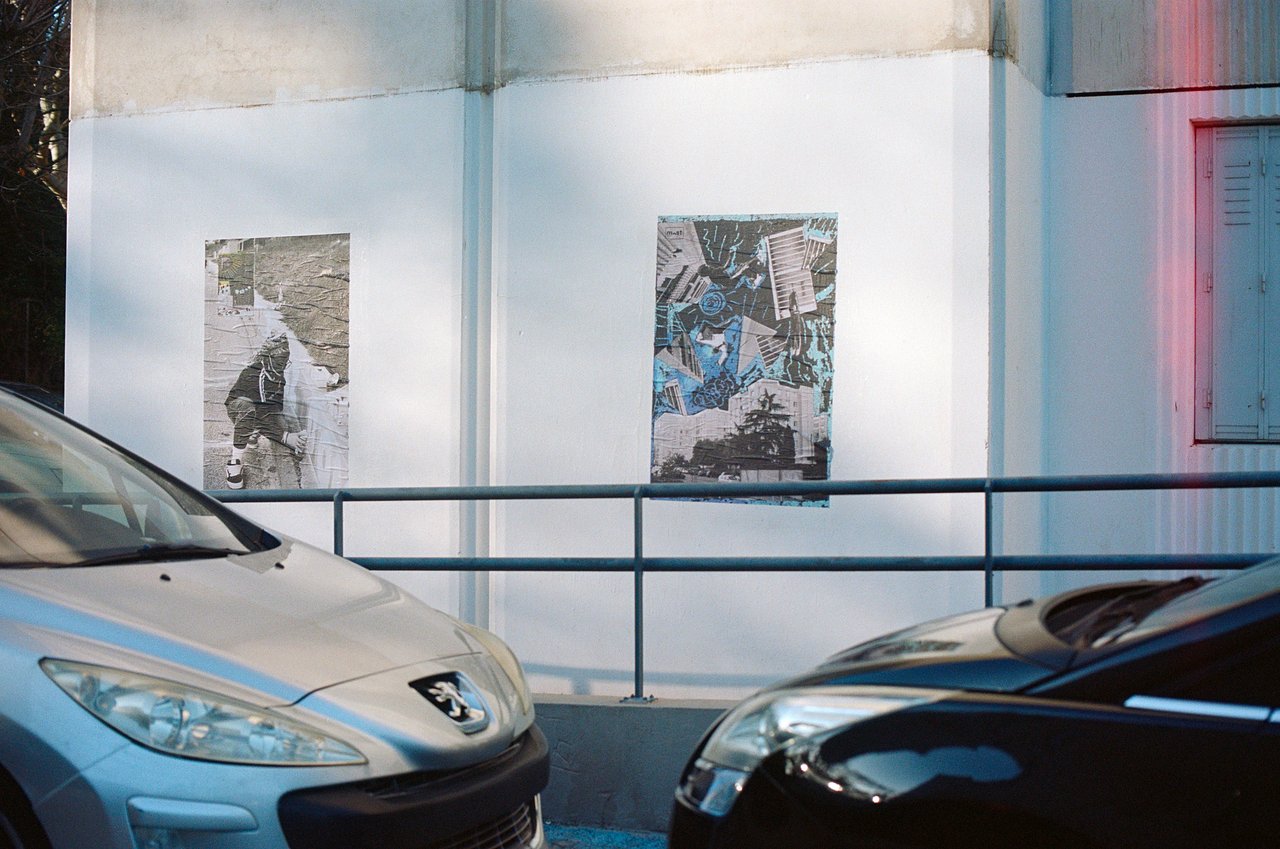
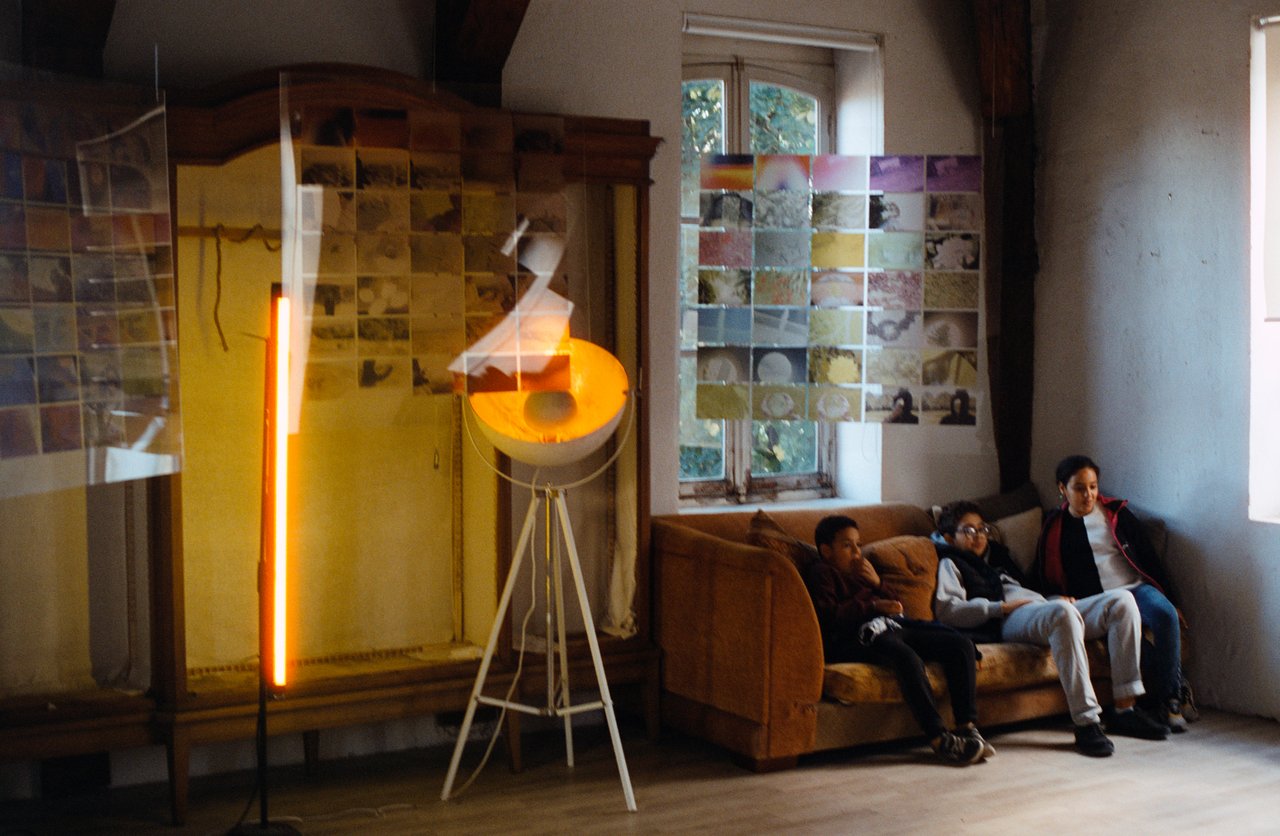
The work can become posters, temporary murals, boards, annotated maps, parts of an installation or pages in a publication. The way it is displayed highlights the variety of gestures and shows how the fine arts are in dialogue with photography, sound, video and writing.
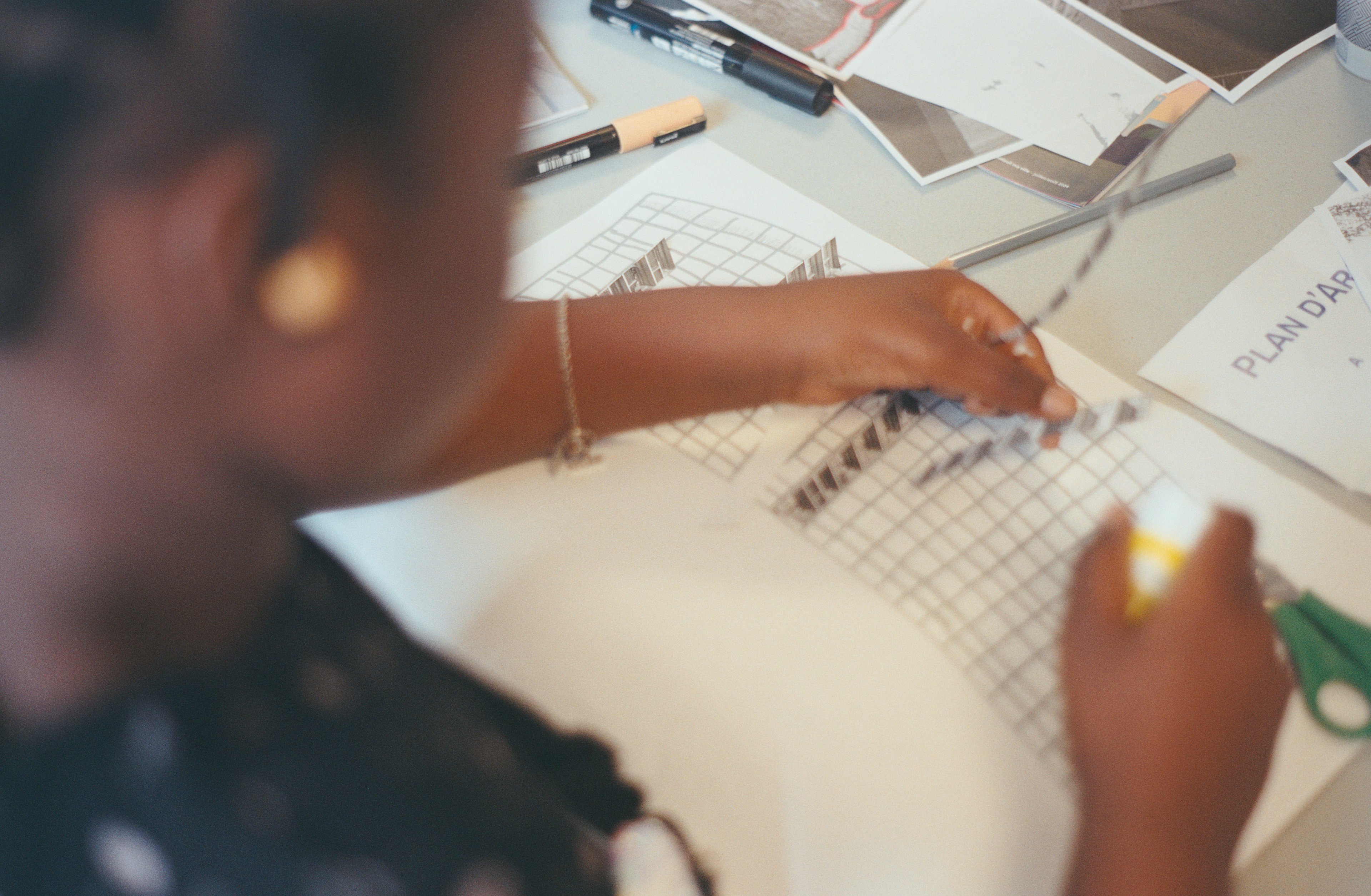
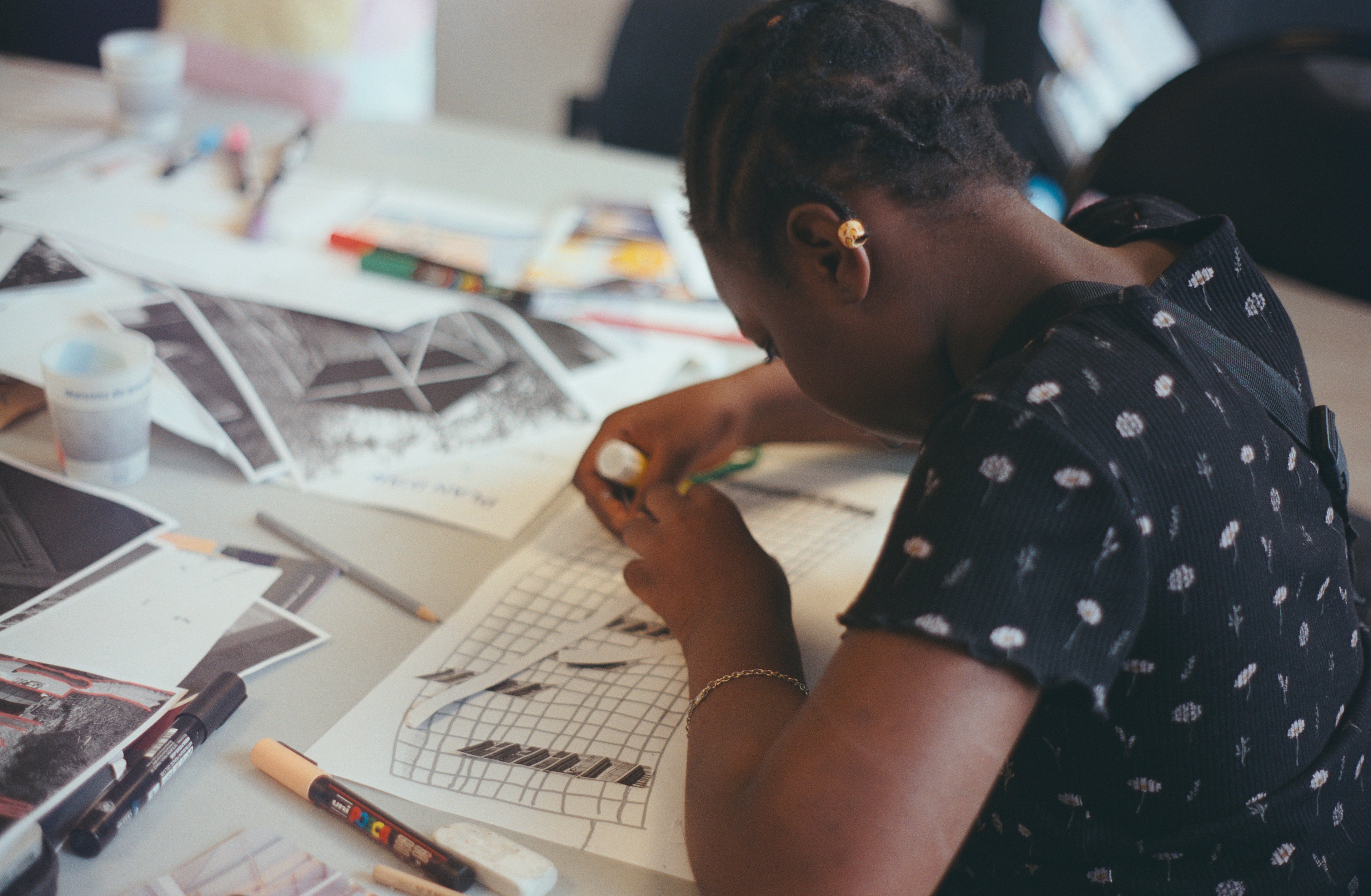
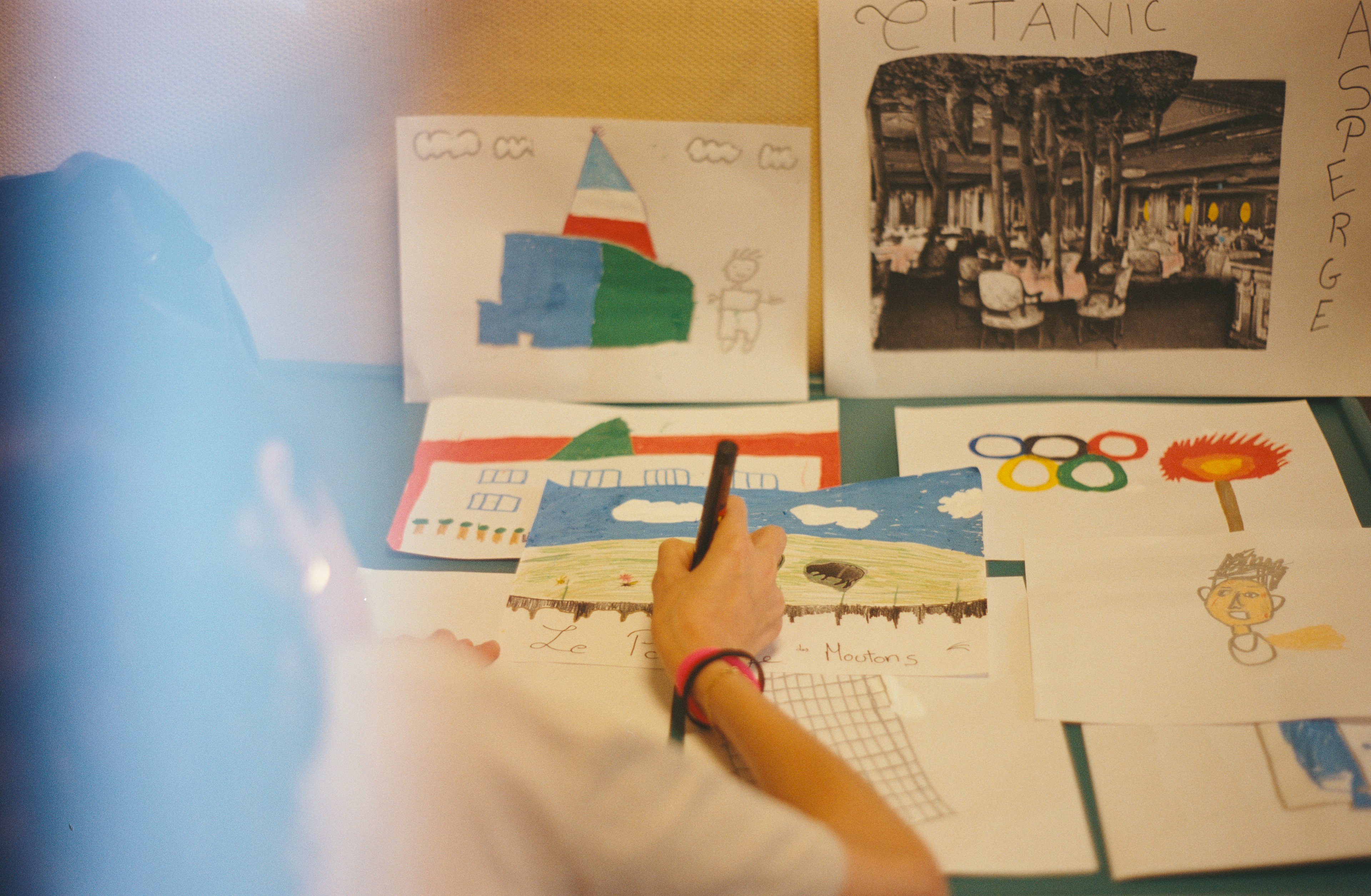
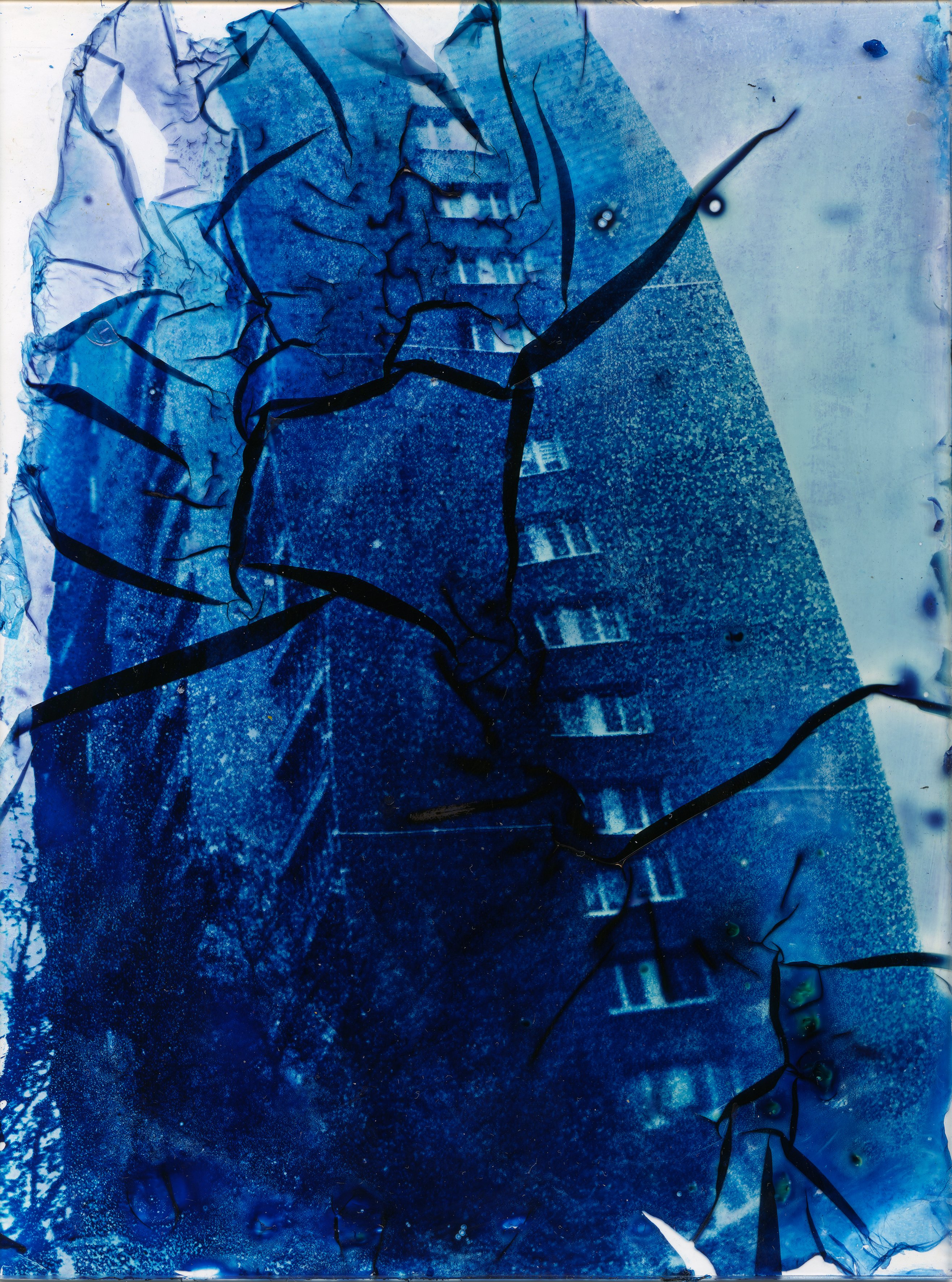
the workshop in pictures
photos: the workshop participants and the mOst team