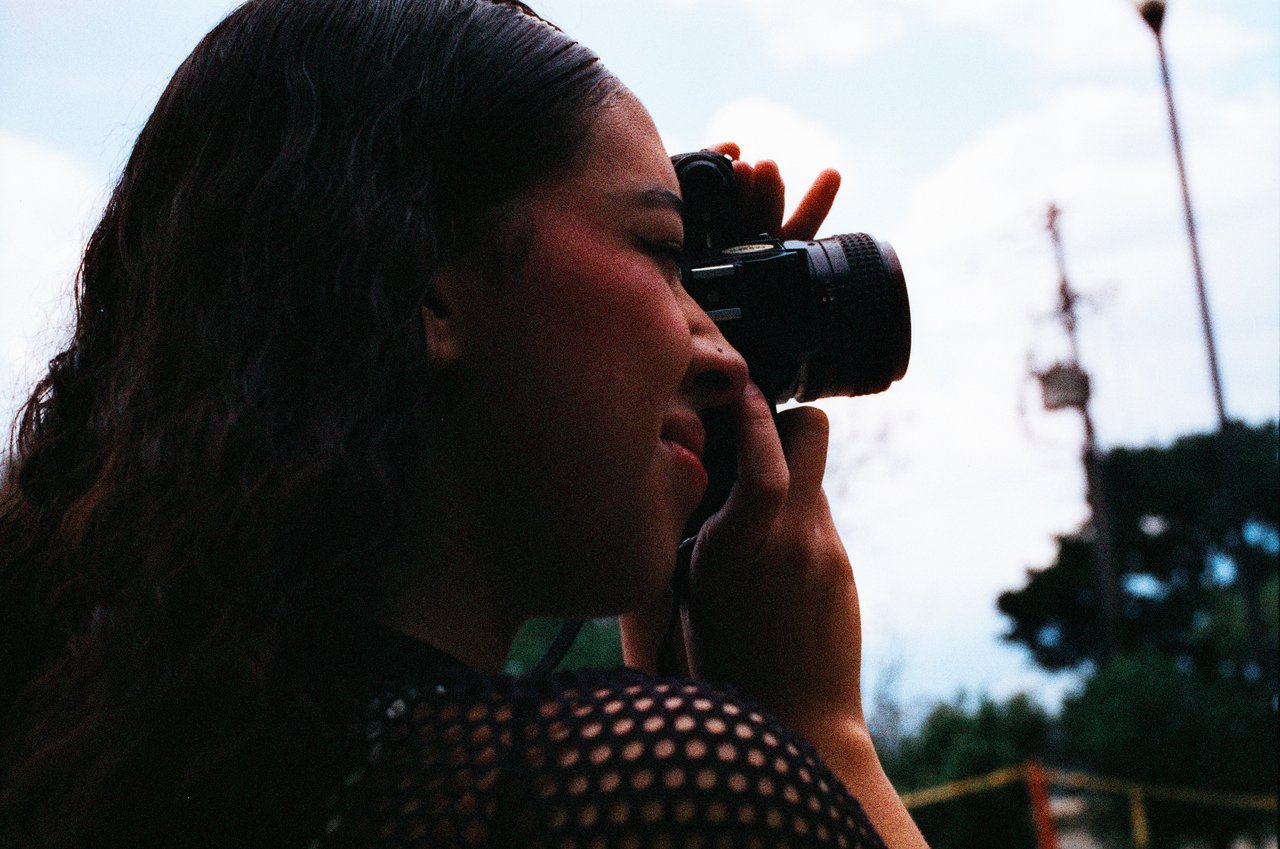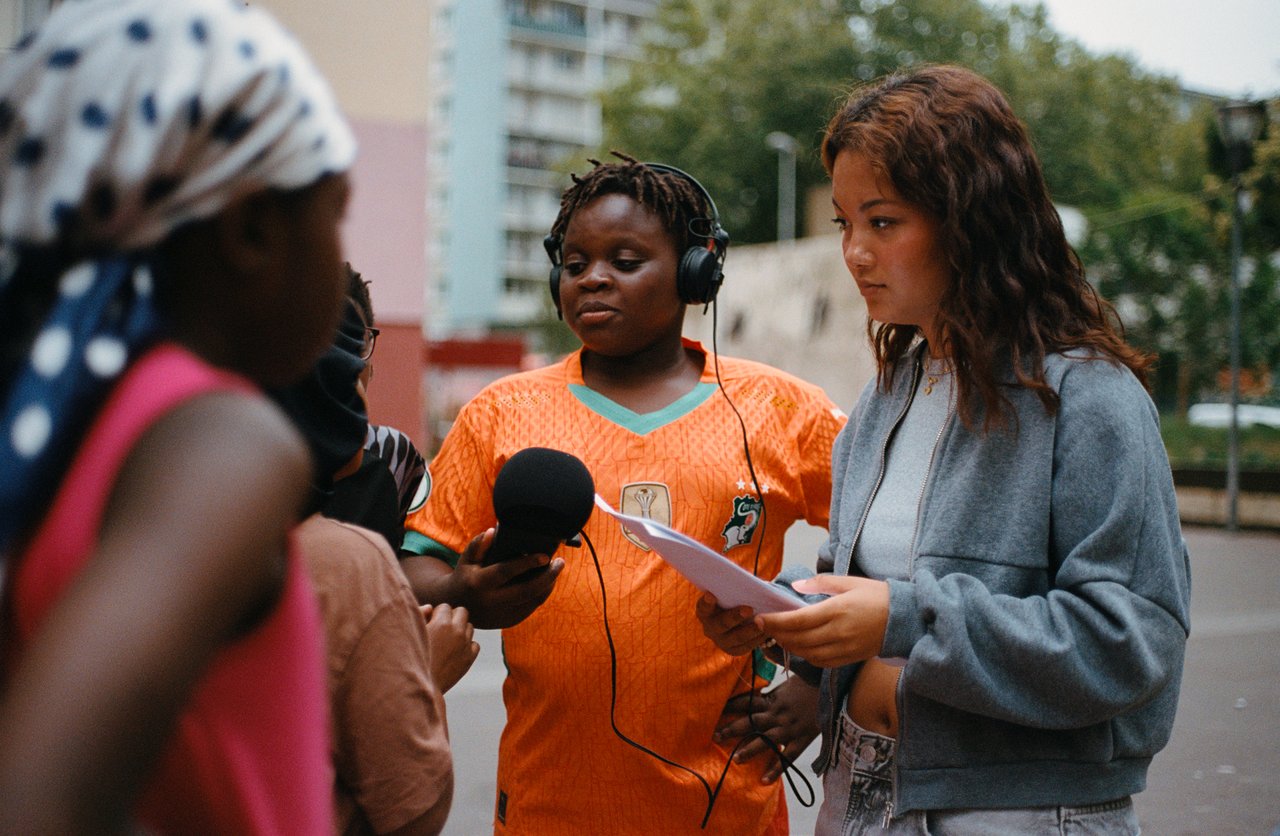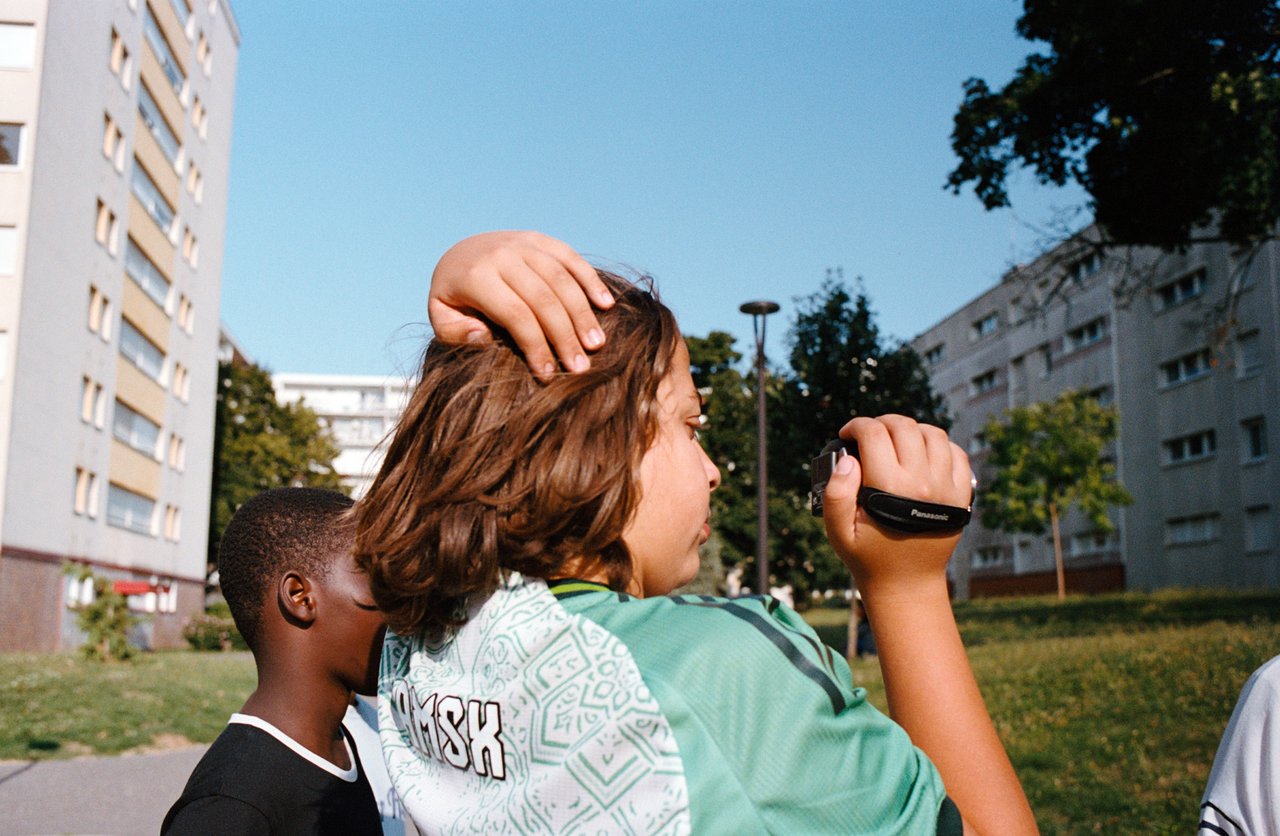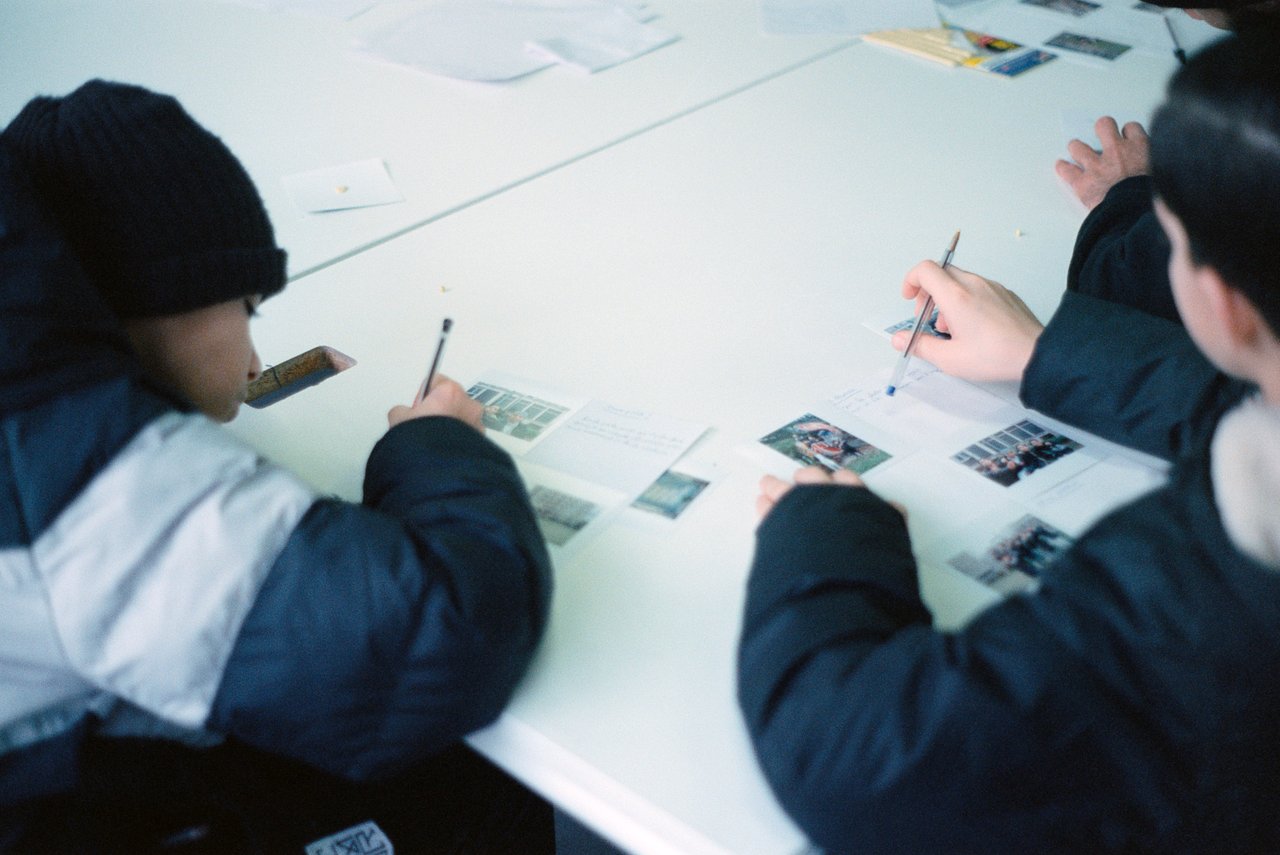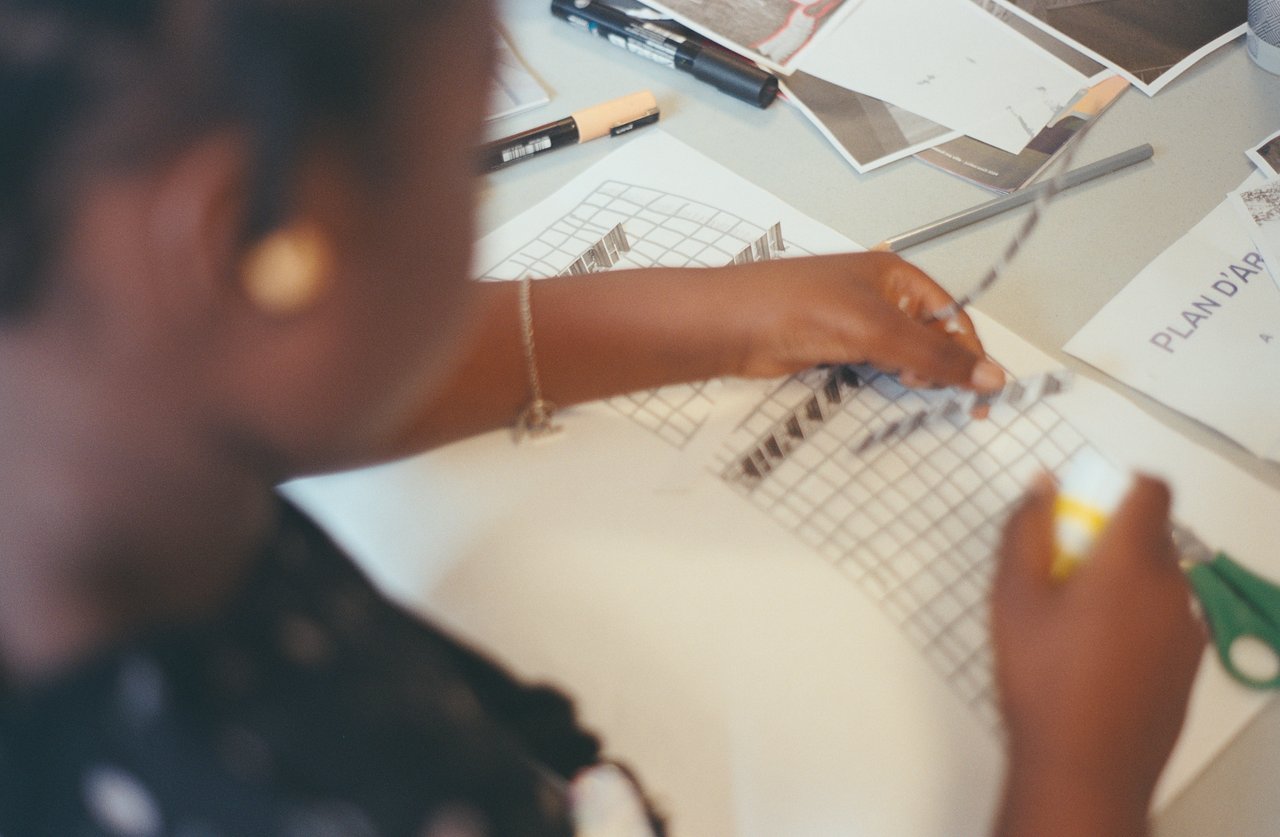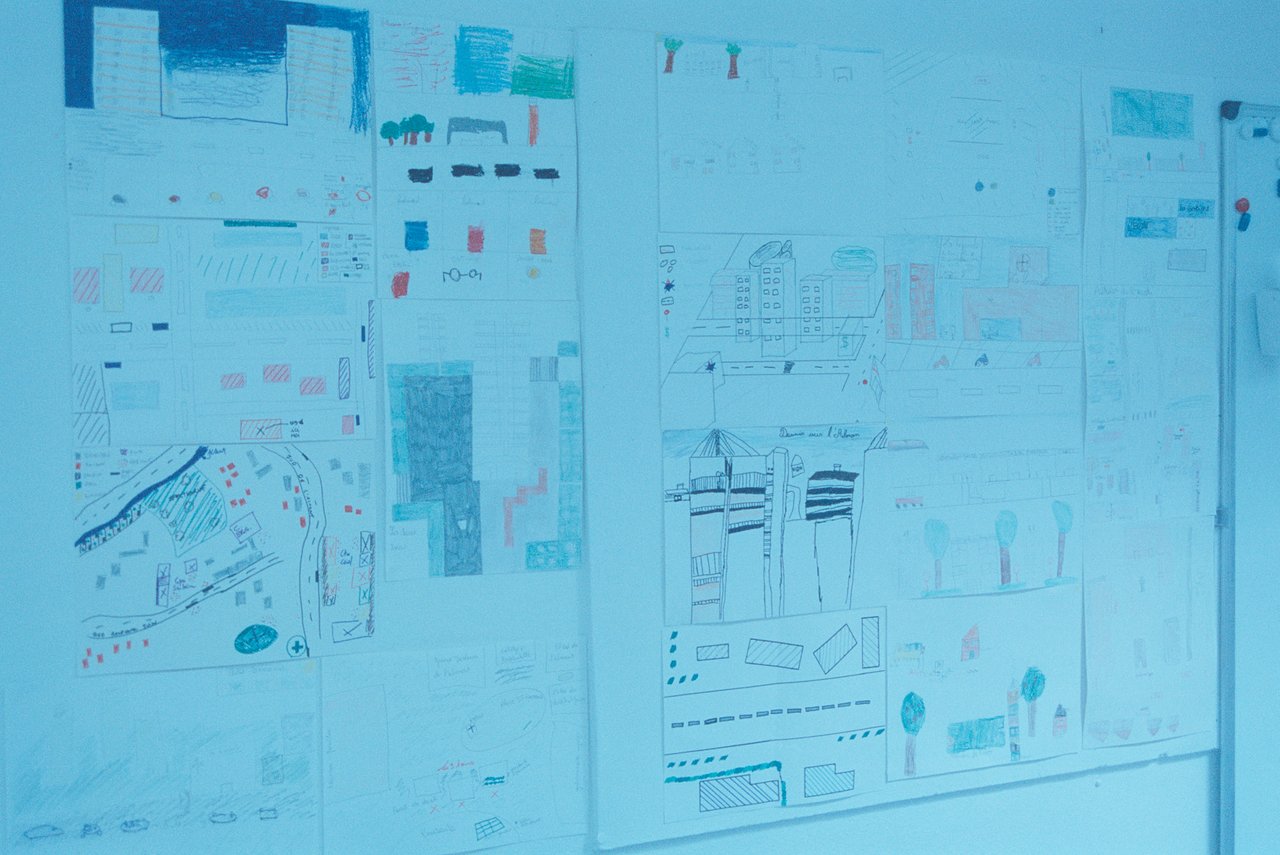
Photography, sound, video, writing, sensory mapping and fine arts: six practices, one conviction. The tools of the visual arts and media can be shared with no prerequisites, as long as passing on technical skills goes hand in hand with experimentation and reflection on representation.
Our workshops are not stand-alone classes. They take on meaning within a collective creative process and a relationship with the neighborhood. You learn a technique by using it to observe a place, meet someone, share a memory, question a change or prepare a public presentation.
Each practice offers a different way in. The map reveals routes and uses. Photography fixes a point of view. Sound gathers voices and atmospheres. Video connects spaces, gestures and time. Writing gives context and speaks to an audience. Drawing shows what is no longer there, or what could exist.
A workshop can be used on its own as an introduction, but workshops are usually combined. A map prepares a photo walk; the images spark interviews; what people say becomes a voice-over; writing builds the captions; drawing opens a window onto the future; the whole becomes an exhibition, a film, a publication or an archive.
The pace and sequence are adapted to age, languages, the number of participants, how regularly the group meets and the conditions of the venue. We work with children, teenagers, adults, families, seniors and intergenerational groups. Outreach also lets us offer short introductions in public space, which can grow into more in-depth projects.
Every workshop includes a discussion of rights and consent. Taking a photograph, recording a voice, collecting a story or publishing a text comes with responsibility. Participants learn to ask, to explain, to listen to people’s limits, and to tell the difference between material that is collected and material meant to be shared publicly.