Video connects bodies, spaces, gestures, words and time. It can follow a journey, observe a situation, build a portrait or bring several voices into a single story. Our workshops approach it as a tool for inquiry and creation, not as mere illustration.
Participants discover framing, shot sizes, camera movement, lighting, sound recording and how to build a sequence. They learn to film with intention: plan a beginning and an end, vary the shots, let an action play out and capture the footage the edit will need.
Preparing the shoot is part of the learning. Location scouting, choosing a subject, the synopsis, the scene list, interview questions, permissions and dividing up roles all show how collective filmmaking is. A small crew can take turns on camera, sound, interviews and keeping track of production.
Investigating on camera calls for an ethical stance. A camera can intimidate, expose or change a situation. We take the time to explain the project, check consent and discuss how each person wants to appear. The right not to be filmed, or to review a scene, is built into the process.
Reviewing the footage and editing make storytelling choices visible. The group learns to look at the images with some distance, spot the useful scenes, build a progression and bring together voices, ambient sound, archives, texts and, where relevant, music. Depending on how long the project runs, the edit can be done collectively or prepared by mOst based on decisions made together.
The workshop can produce a news report, a portrait, a short video, an informational film, a video correspondence or a documentary. The screening gives the work an audience and lets participants explain their approach, answer questions and open the film up for discussion.
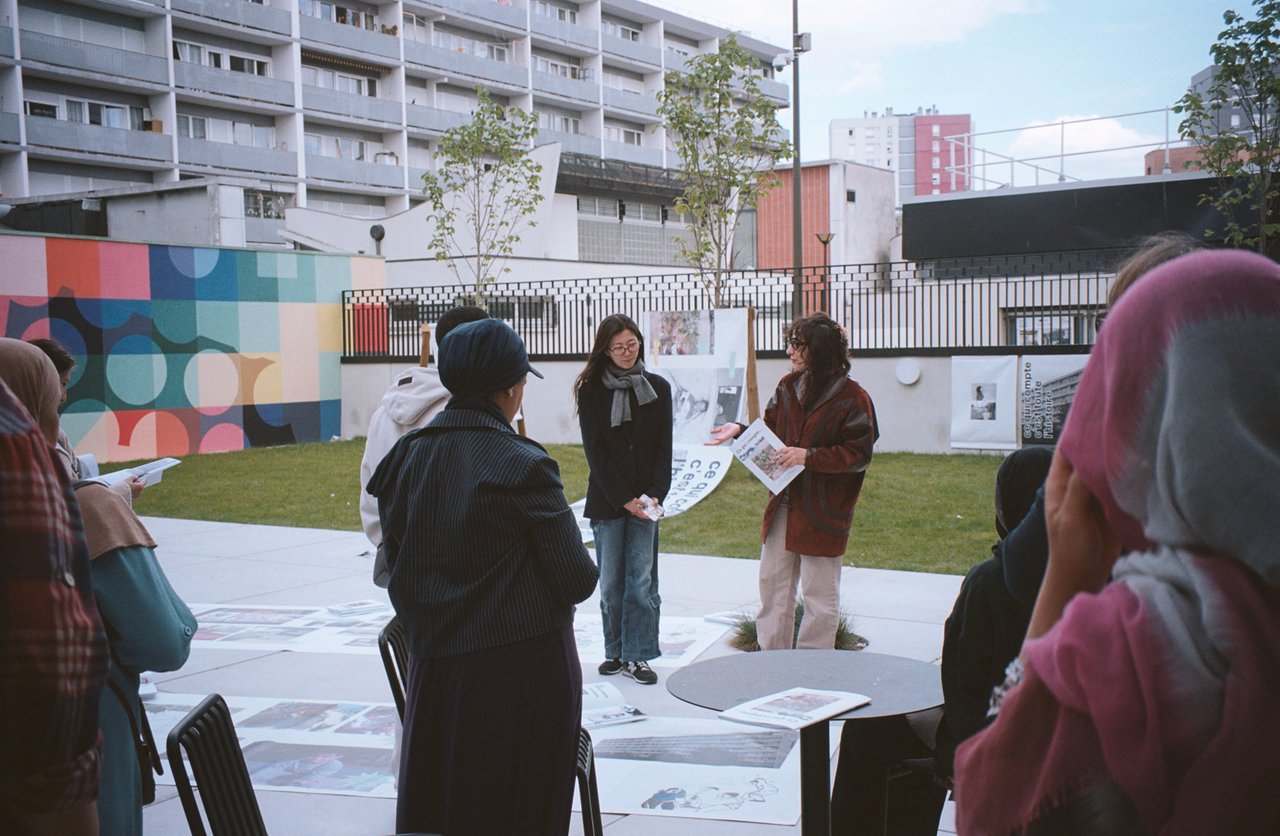
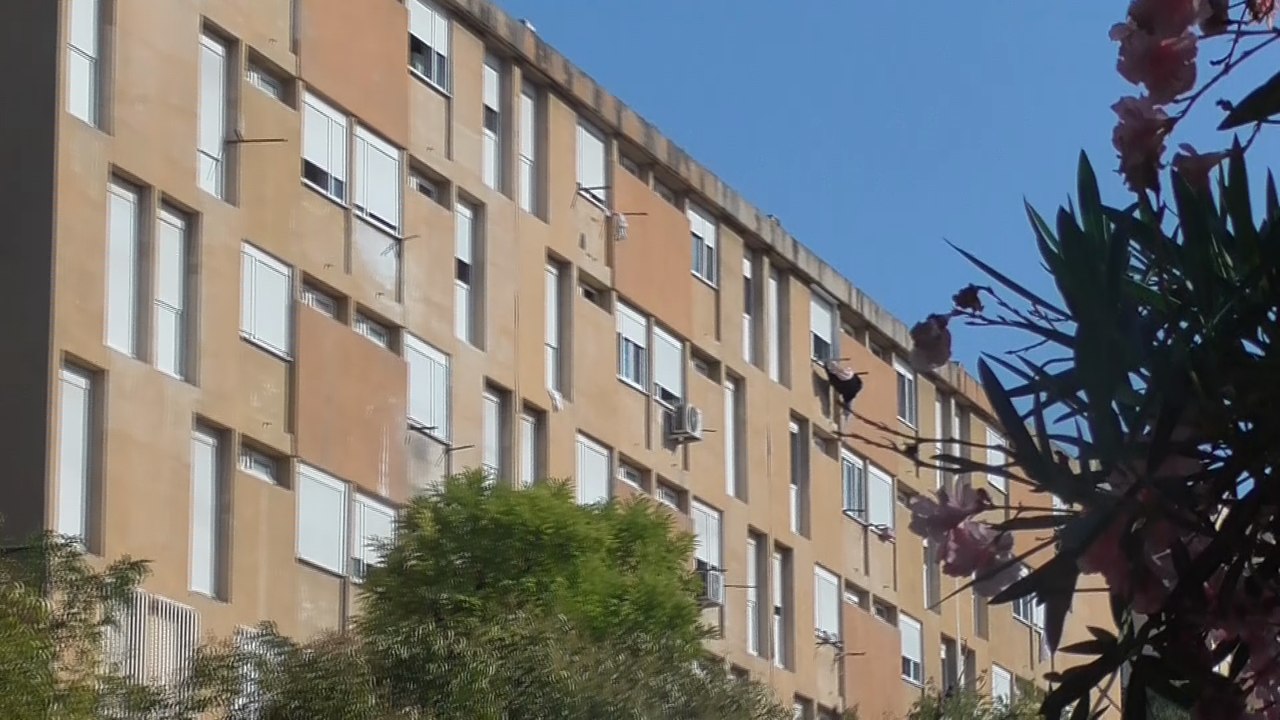
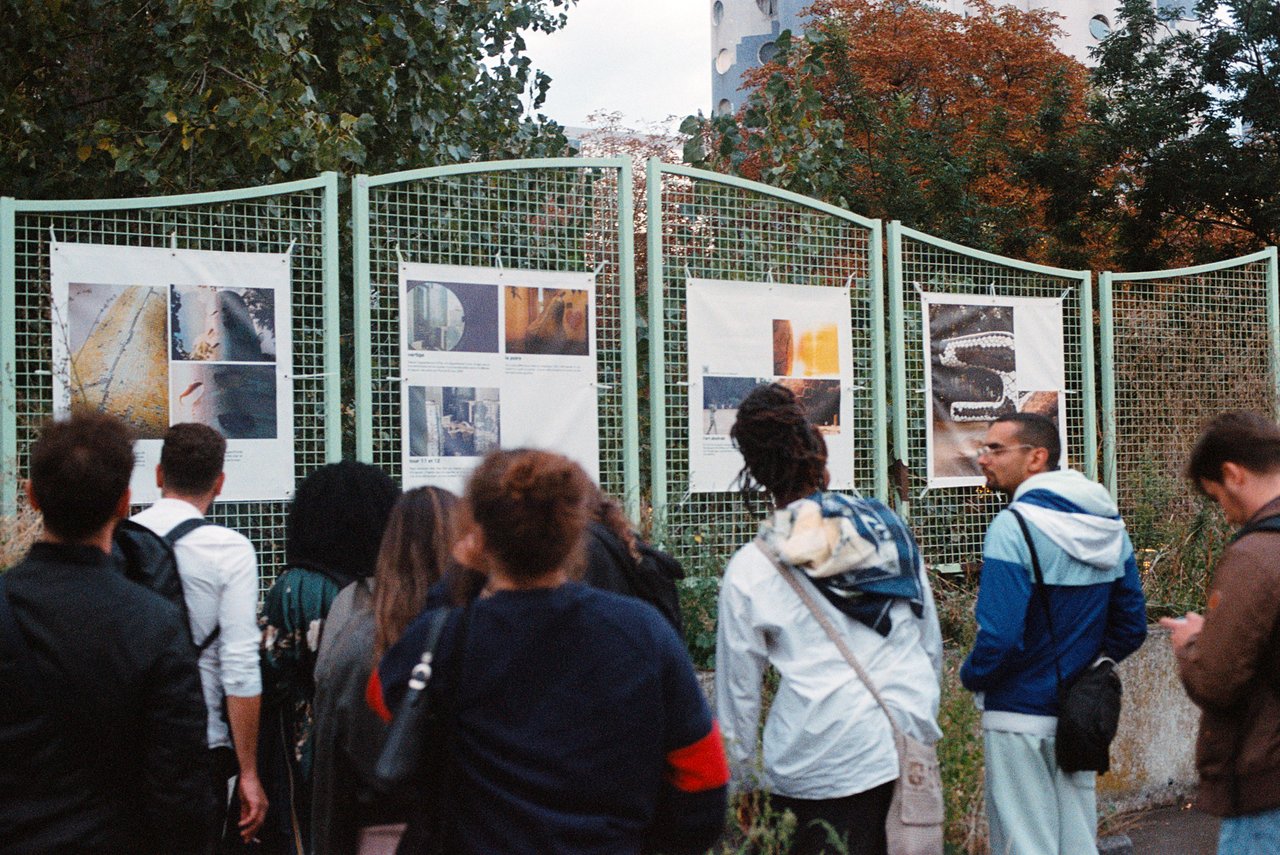
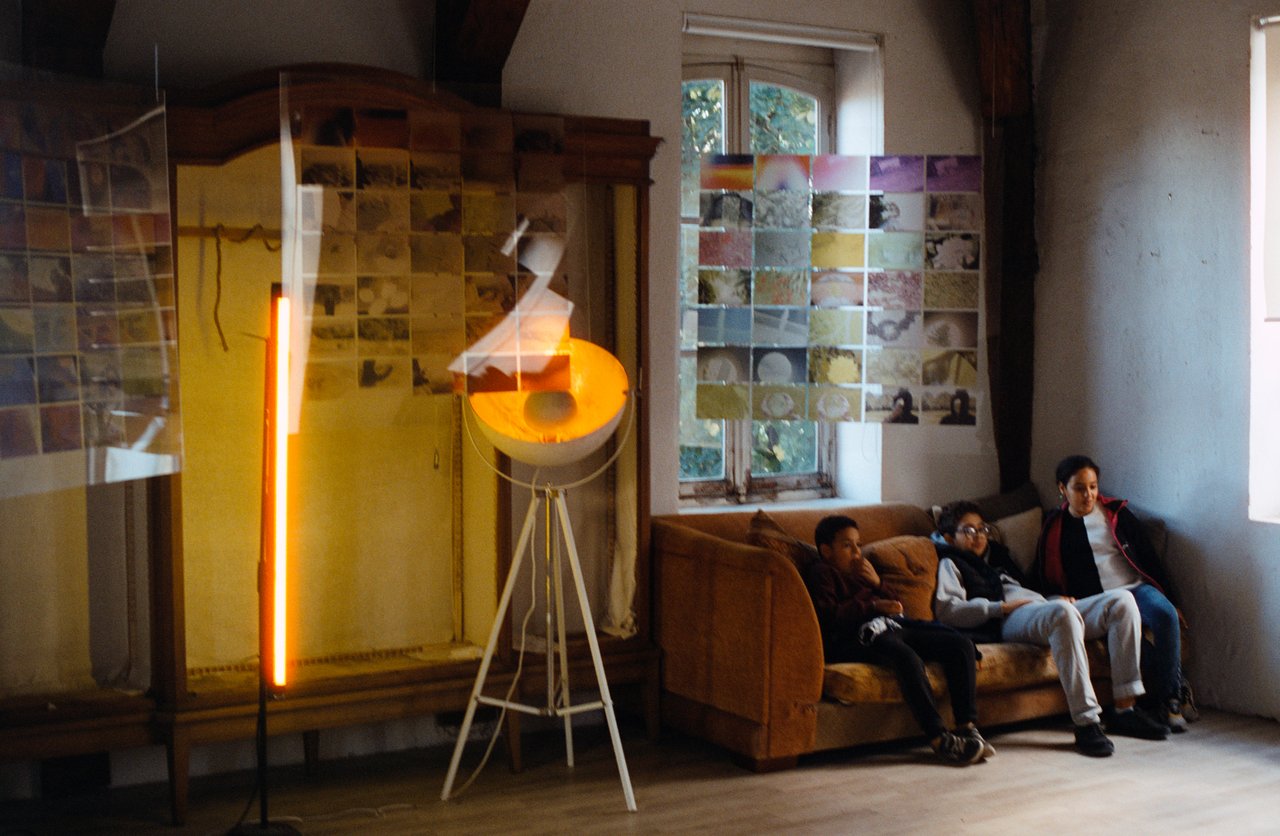
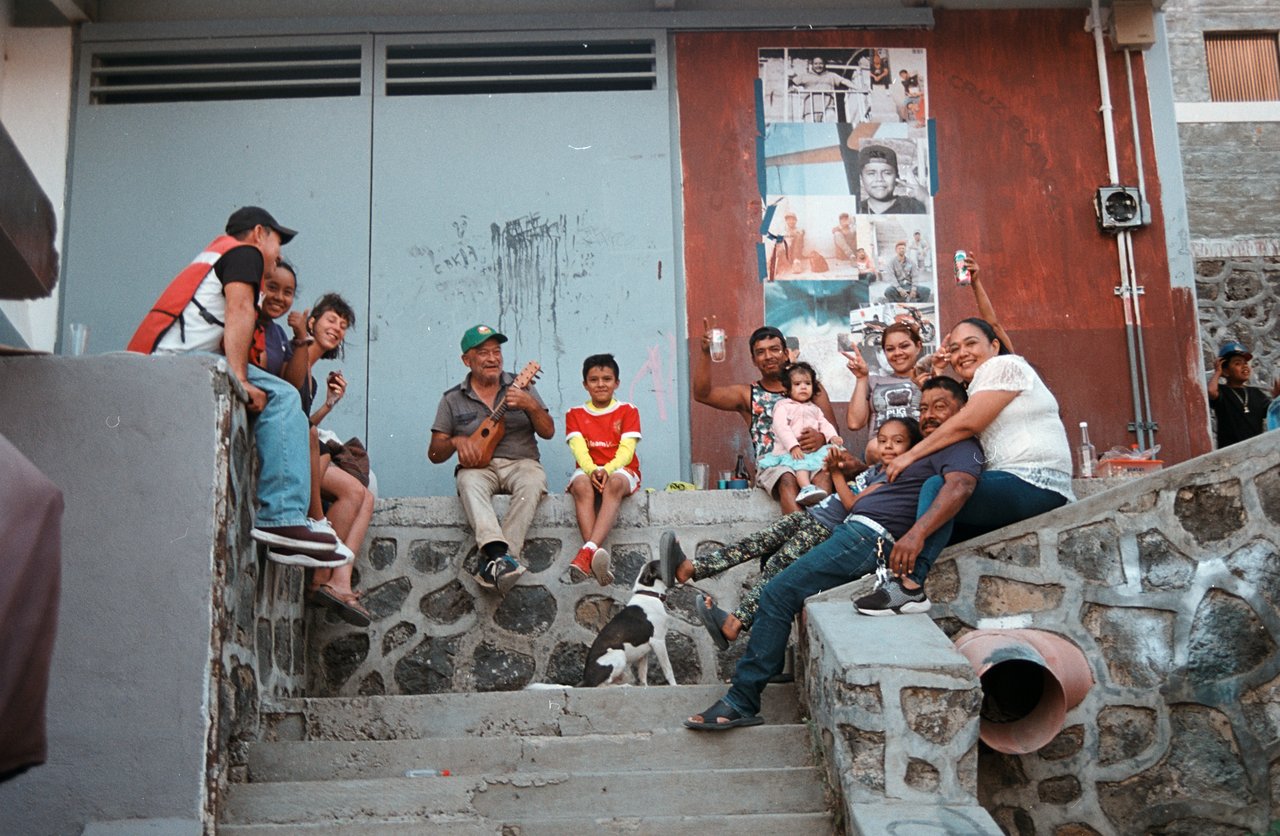
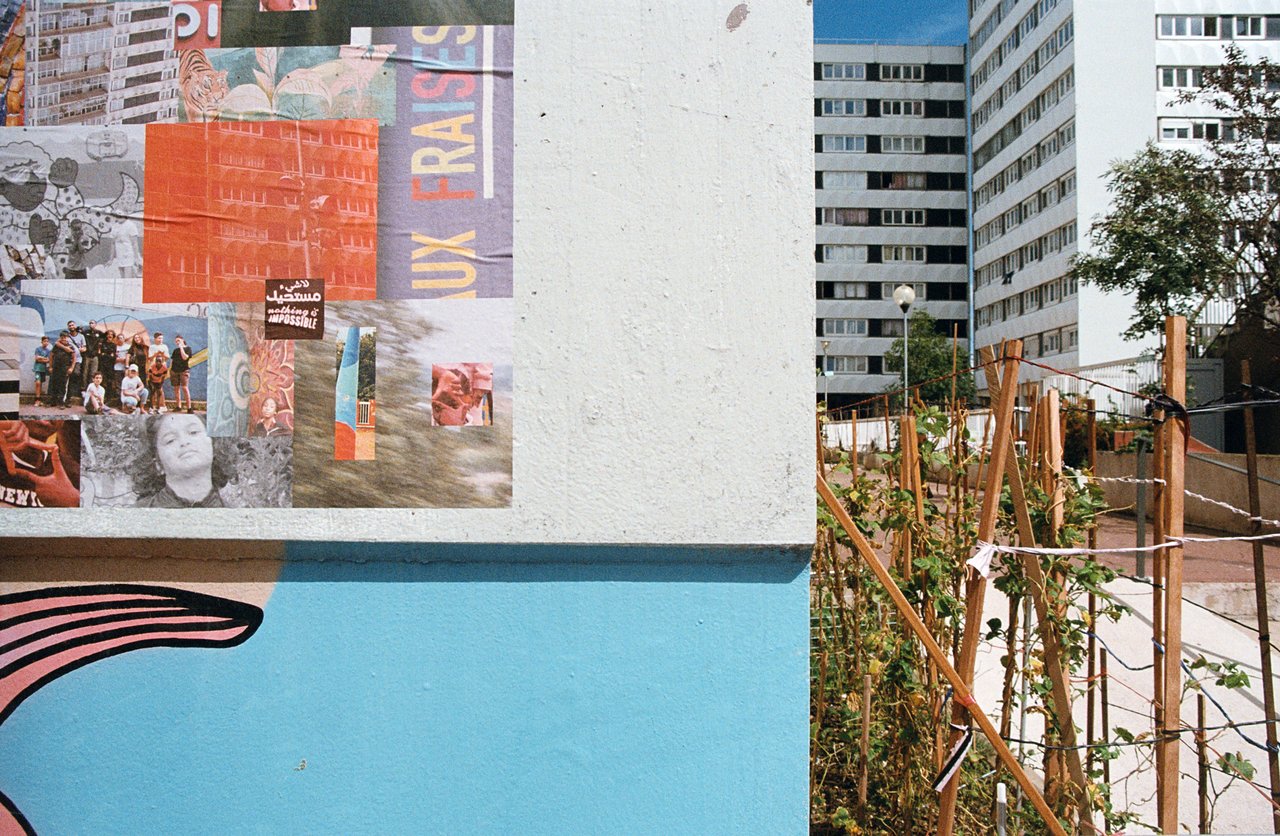
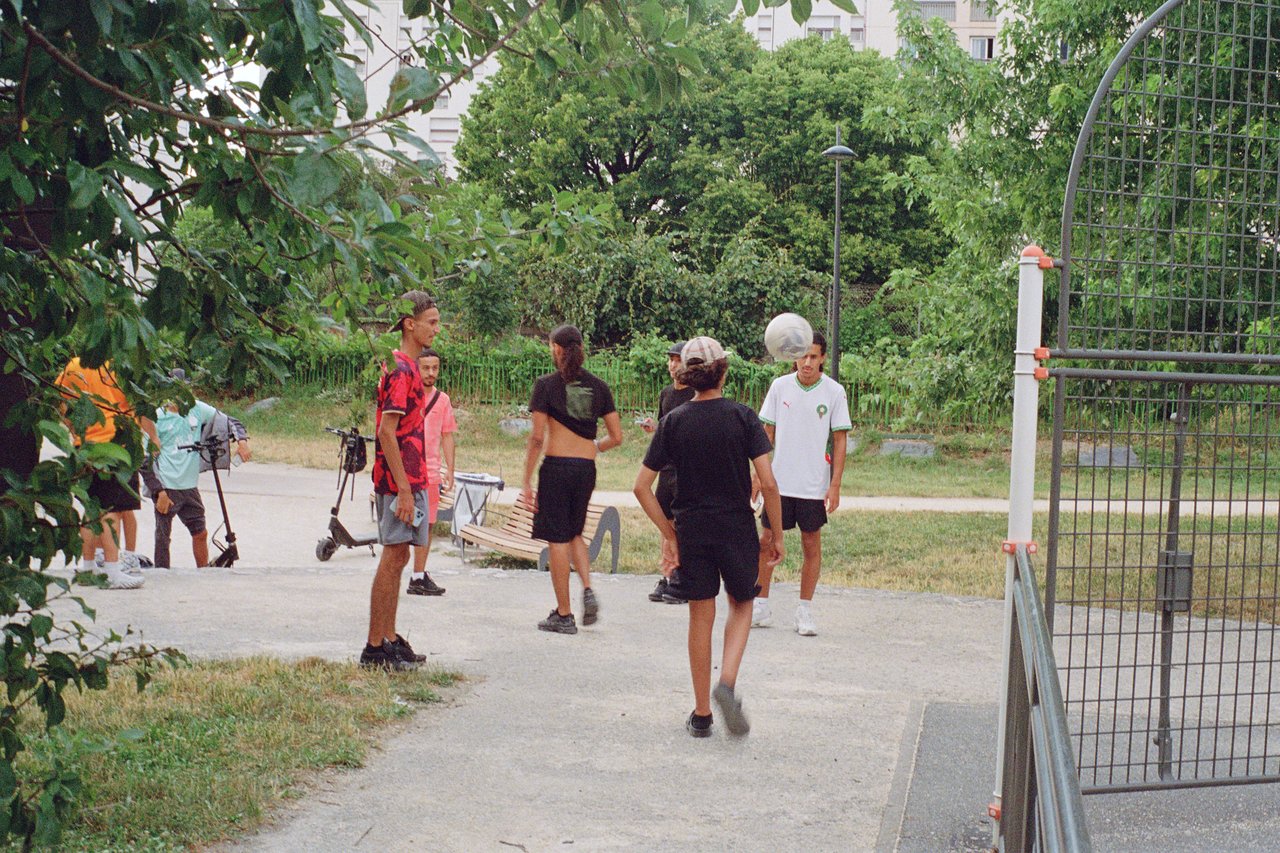
the workshop in pictures
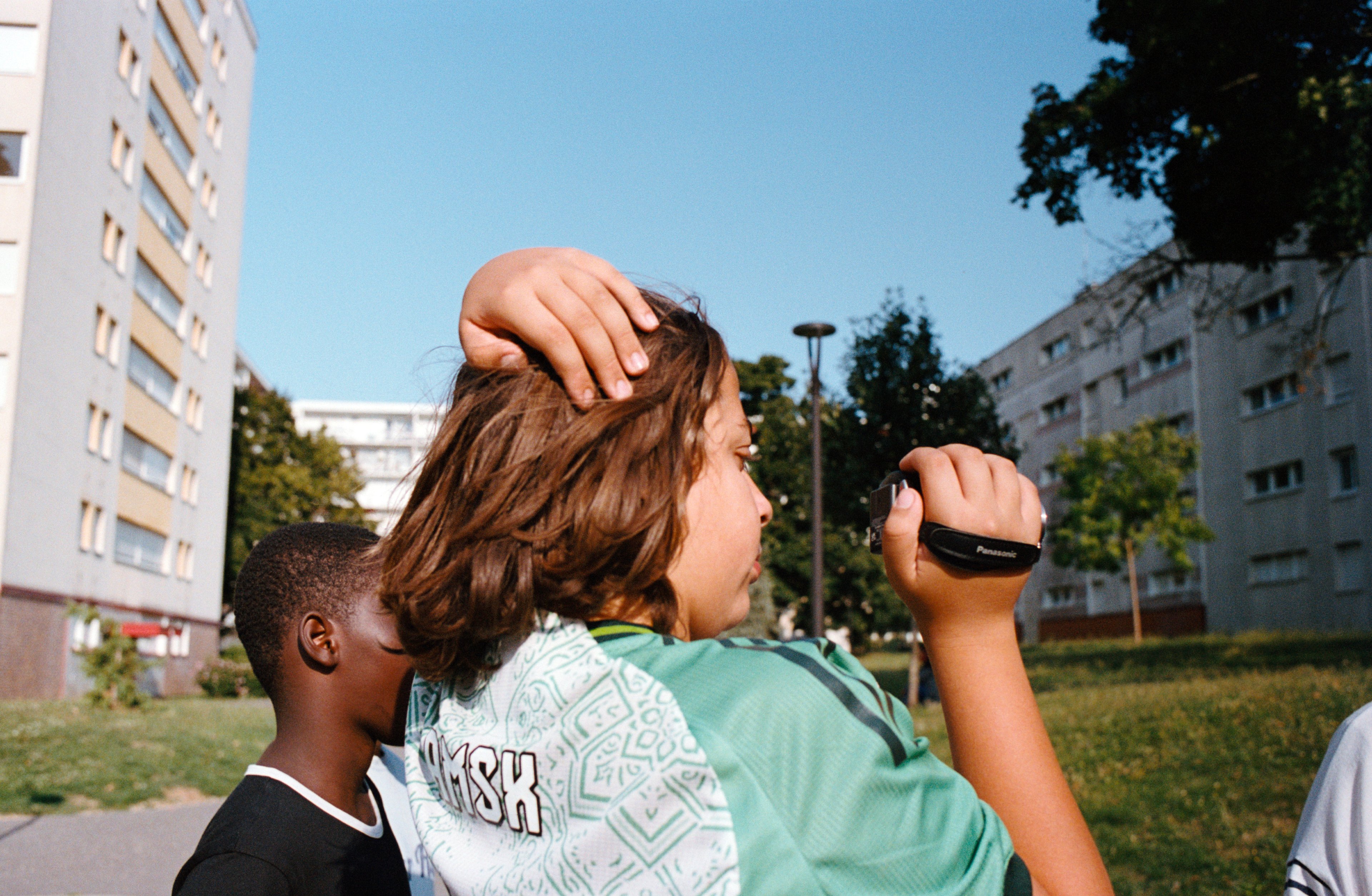
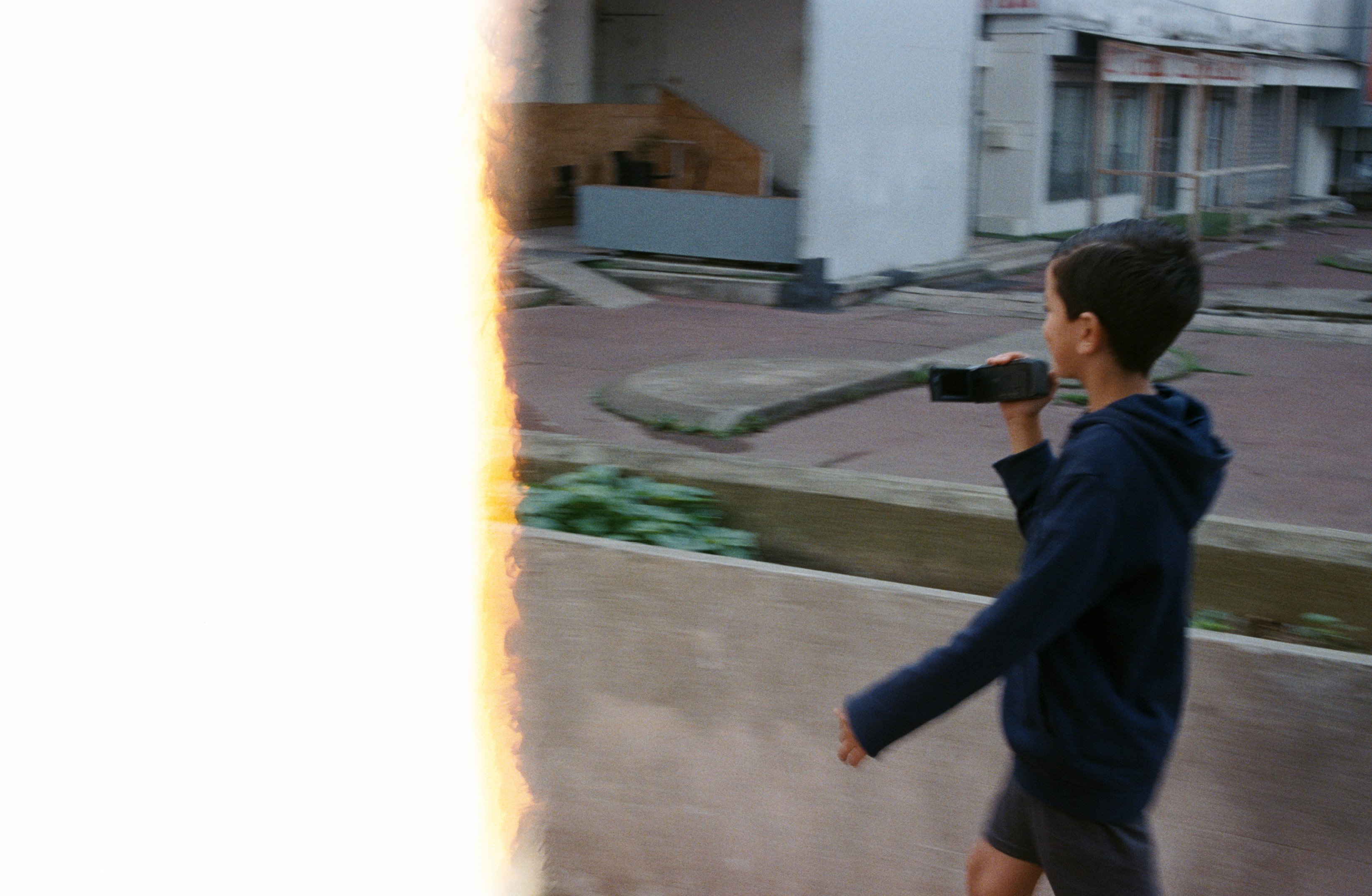
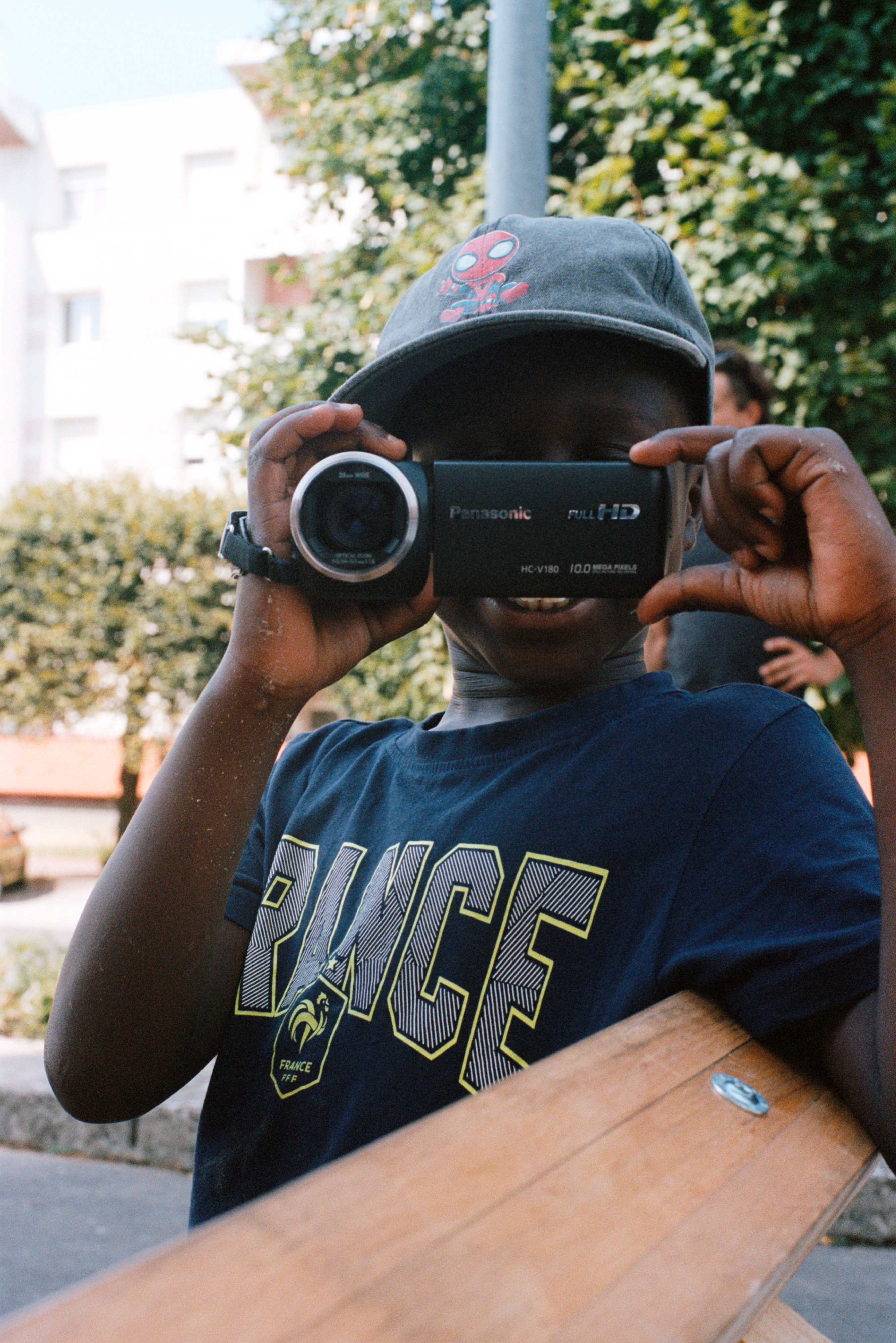
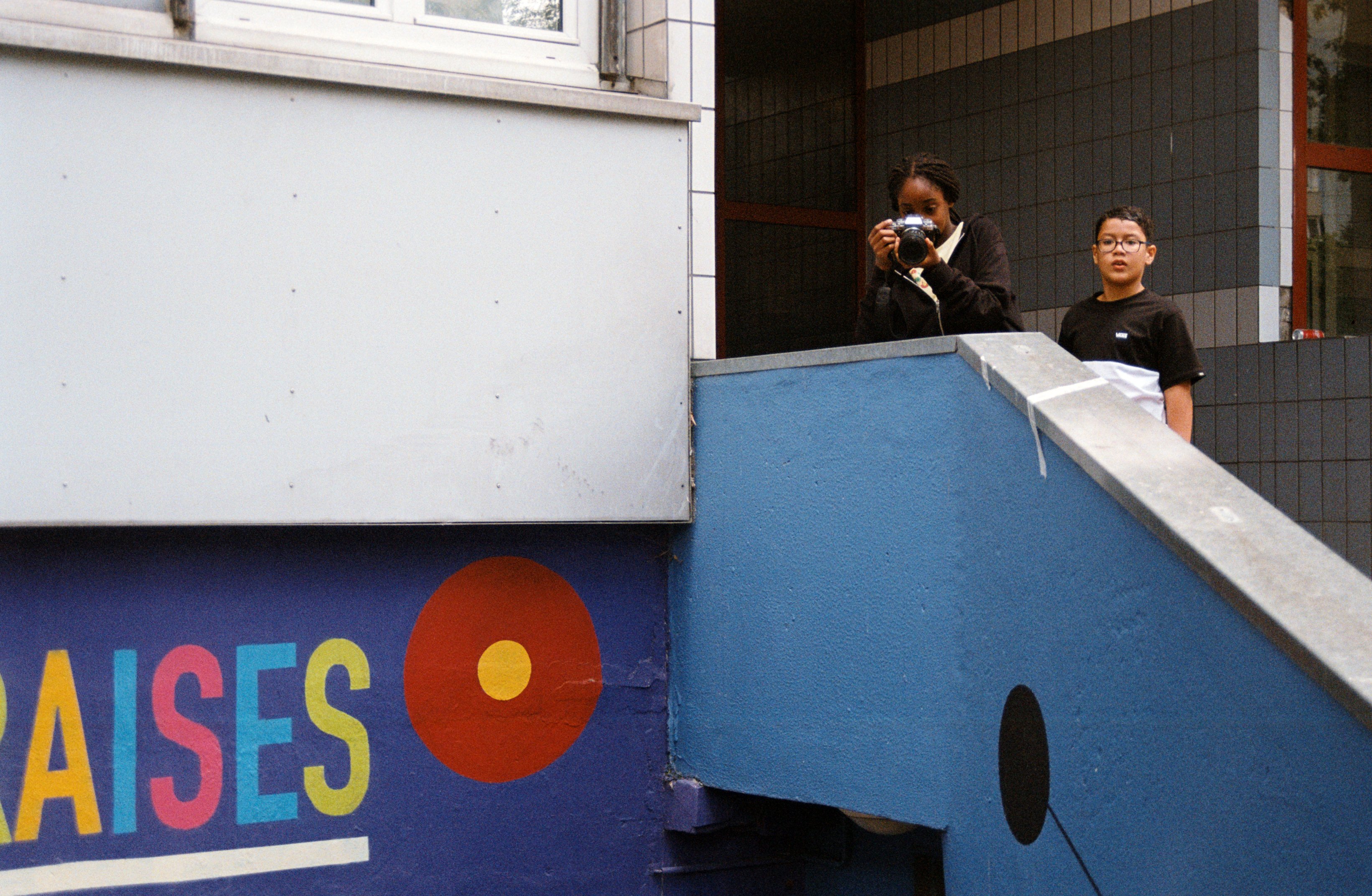
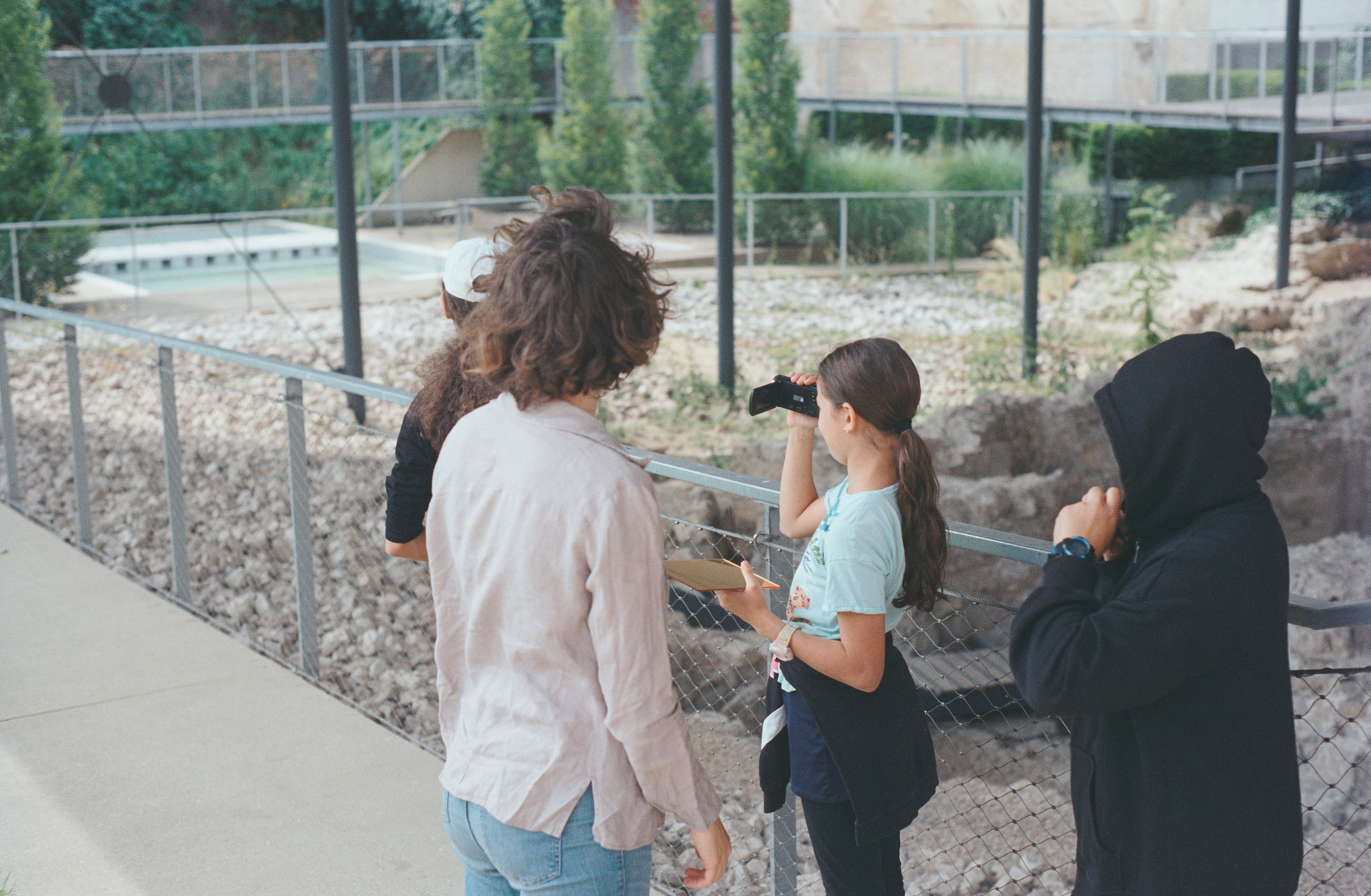
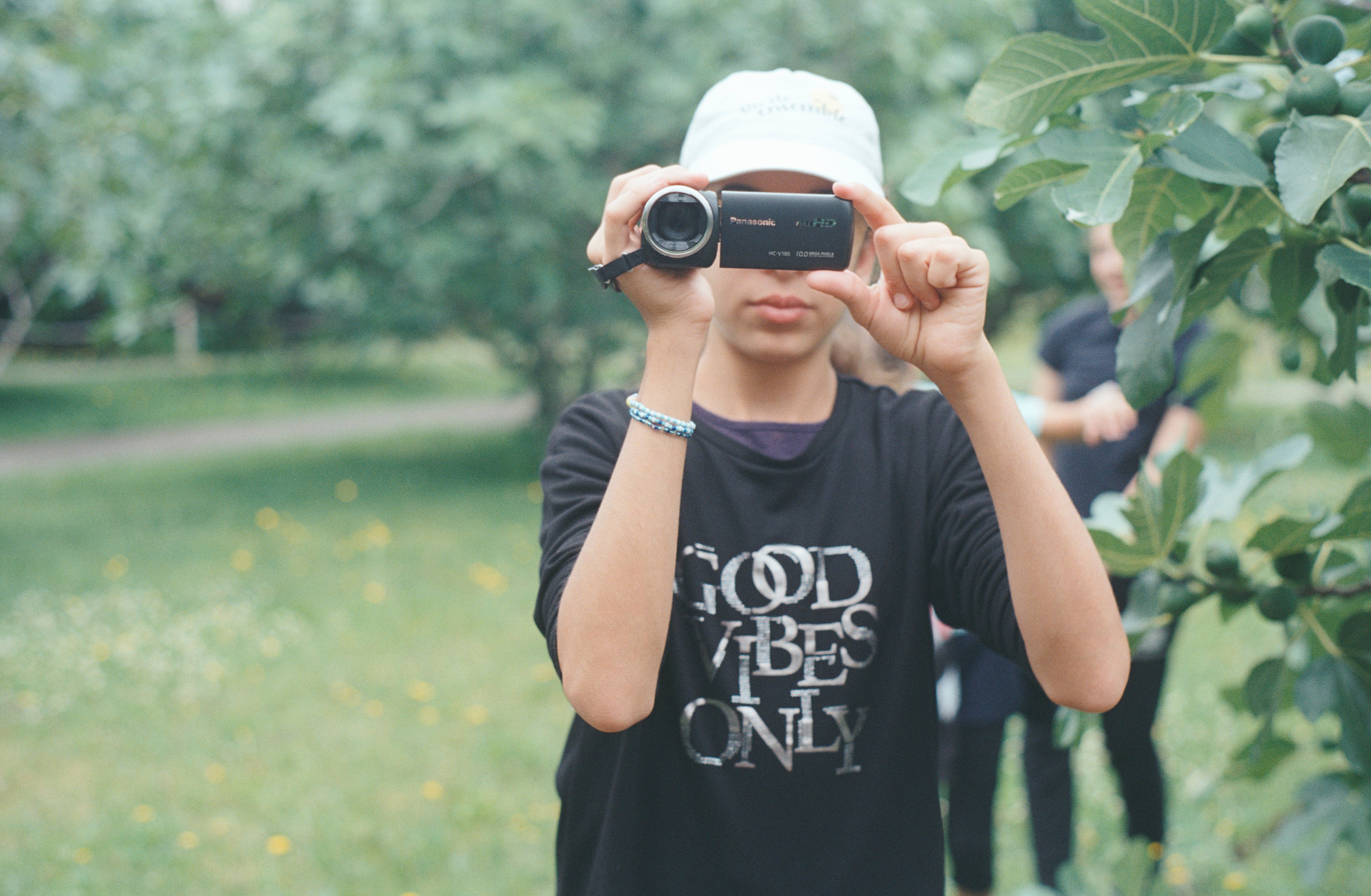
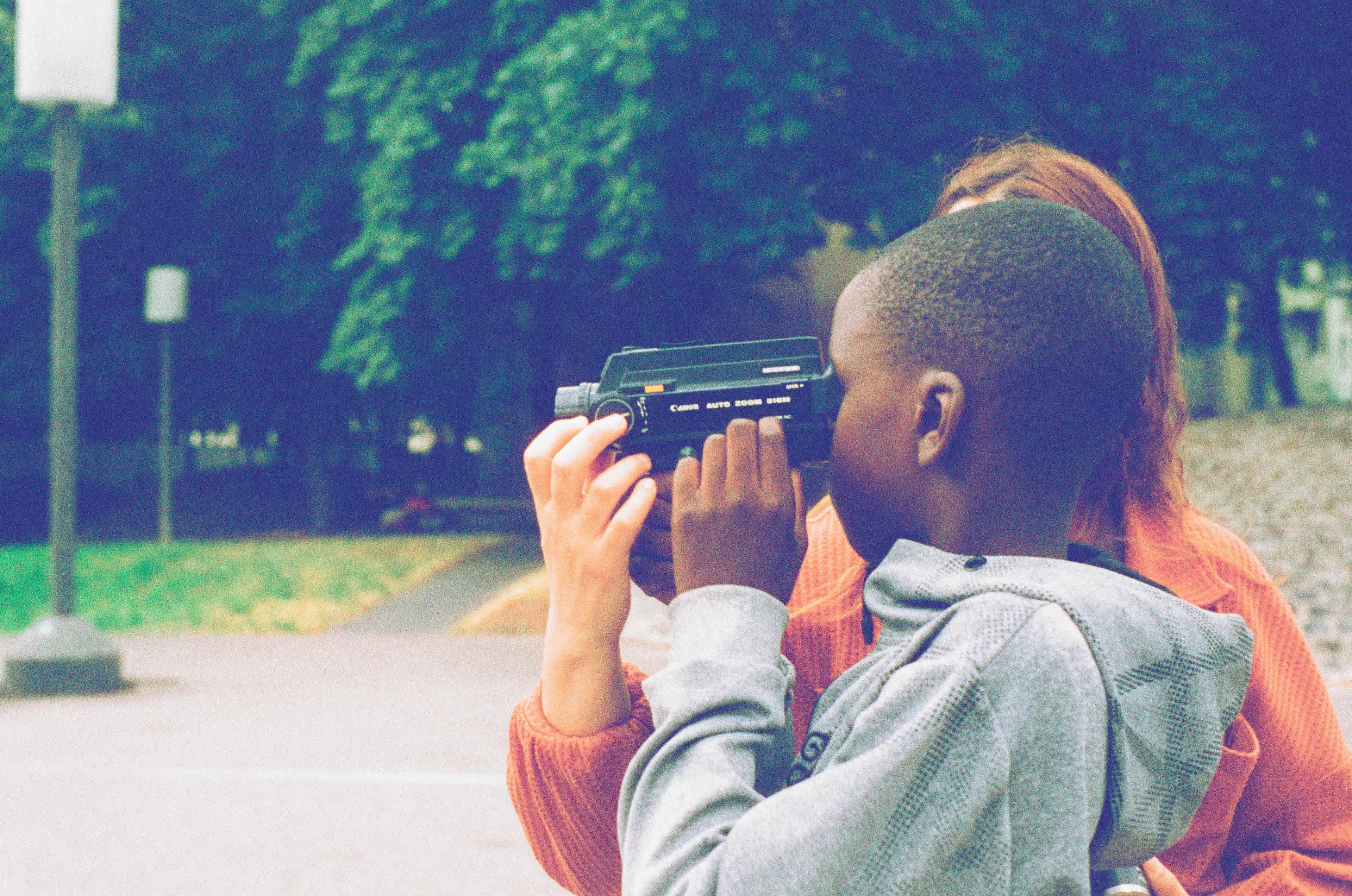
photos: the workshop participants and the mOst team