
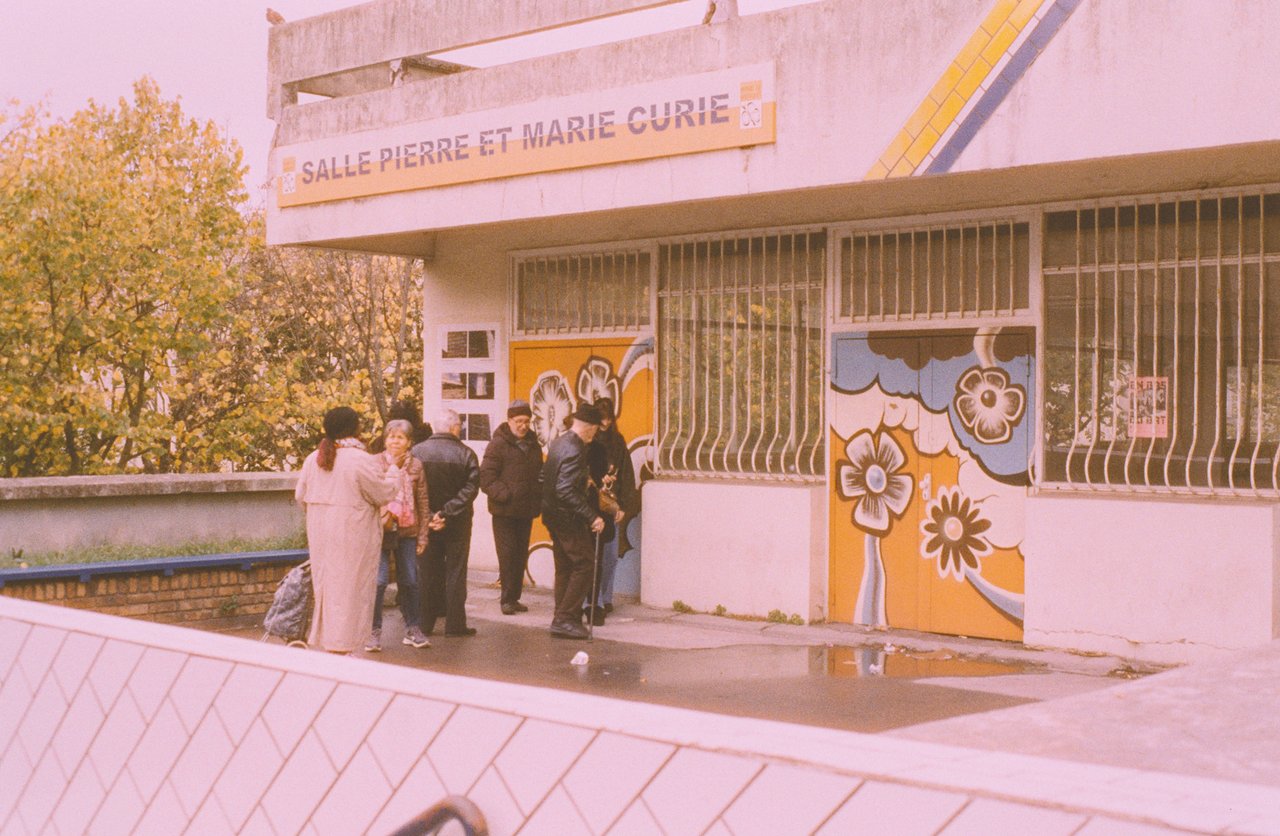
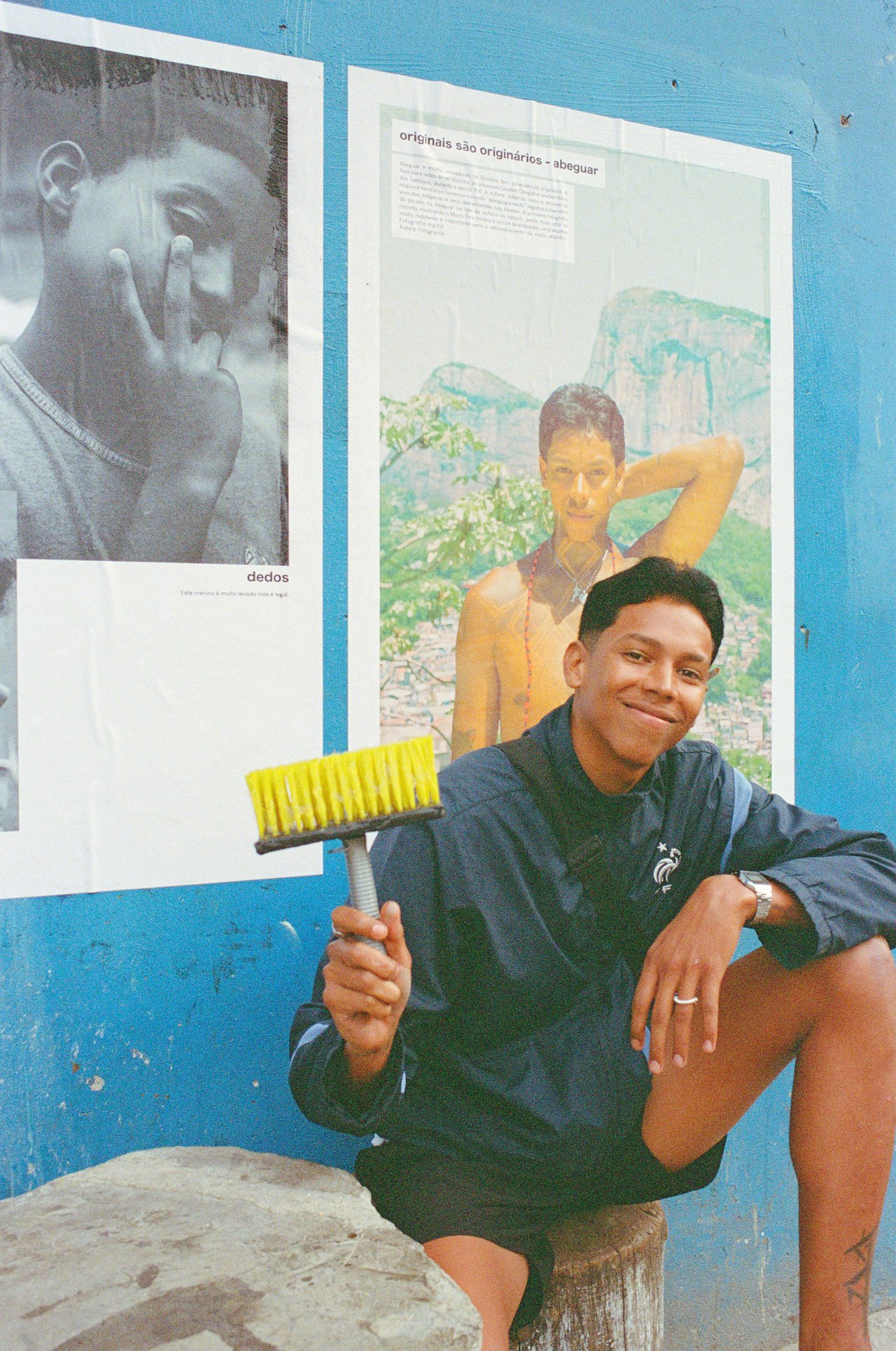
exhibitions
the cinema
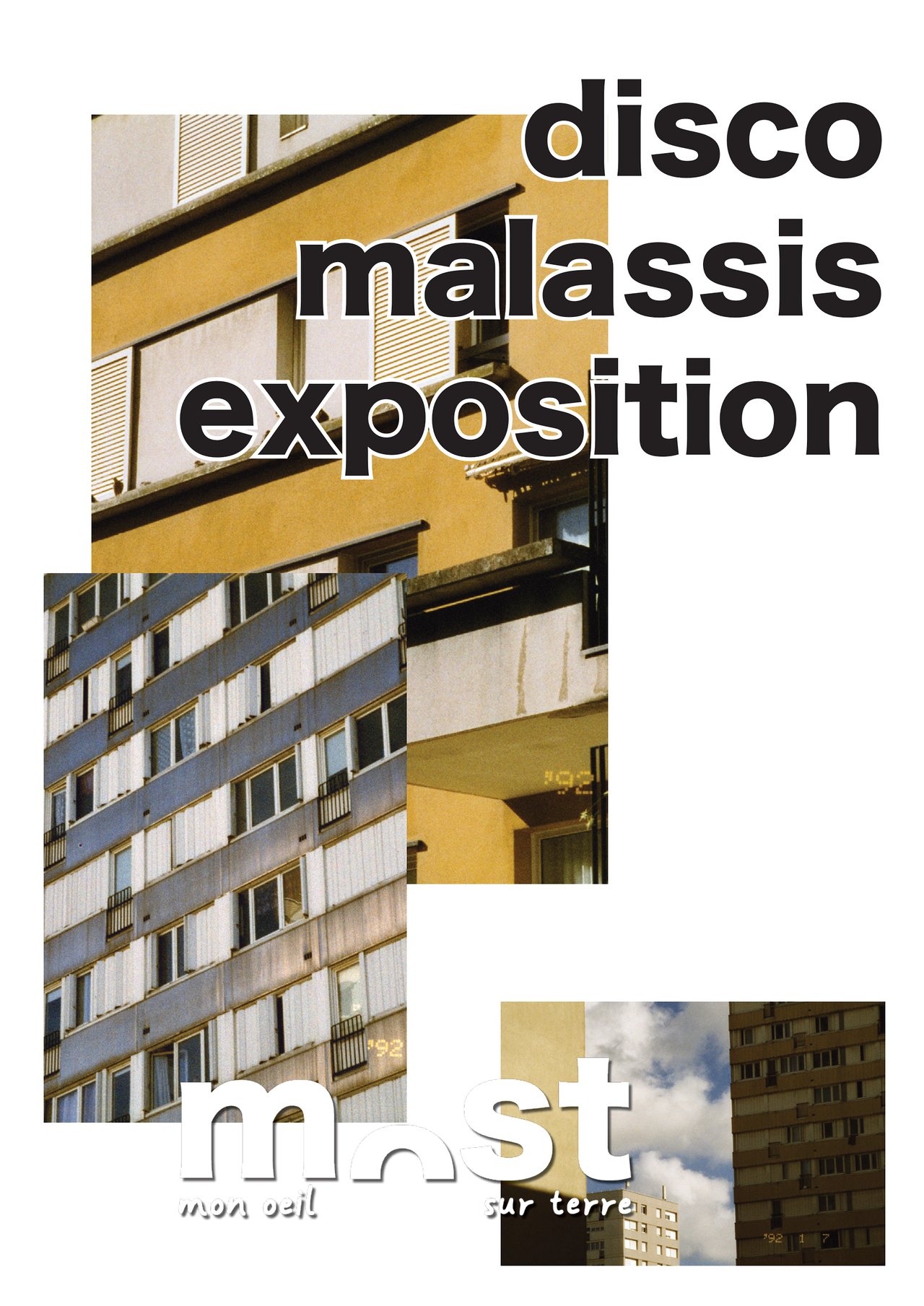
booklets and publications
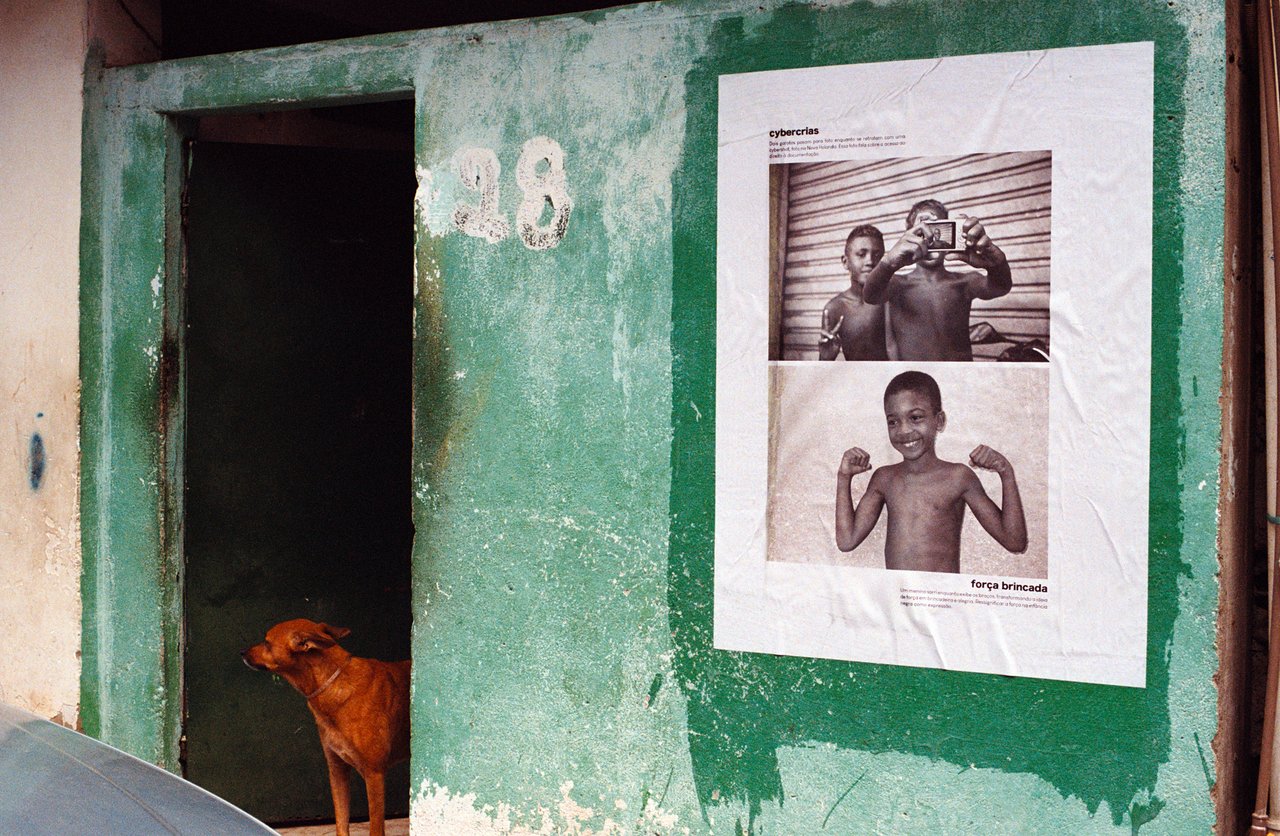
gallery
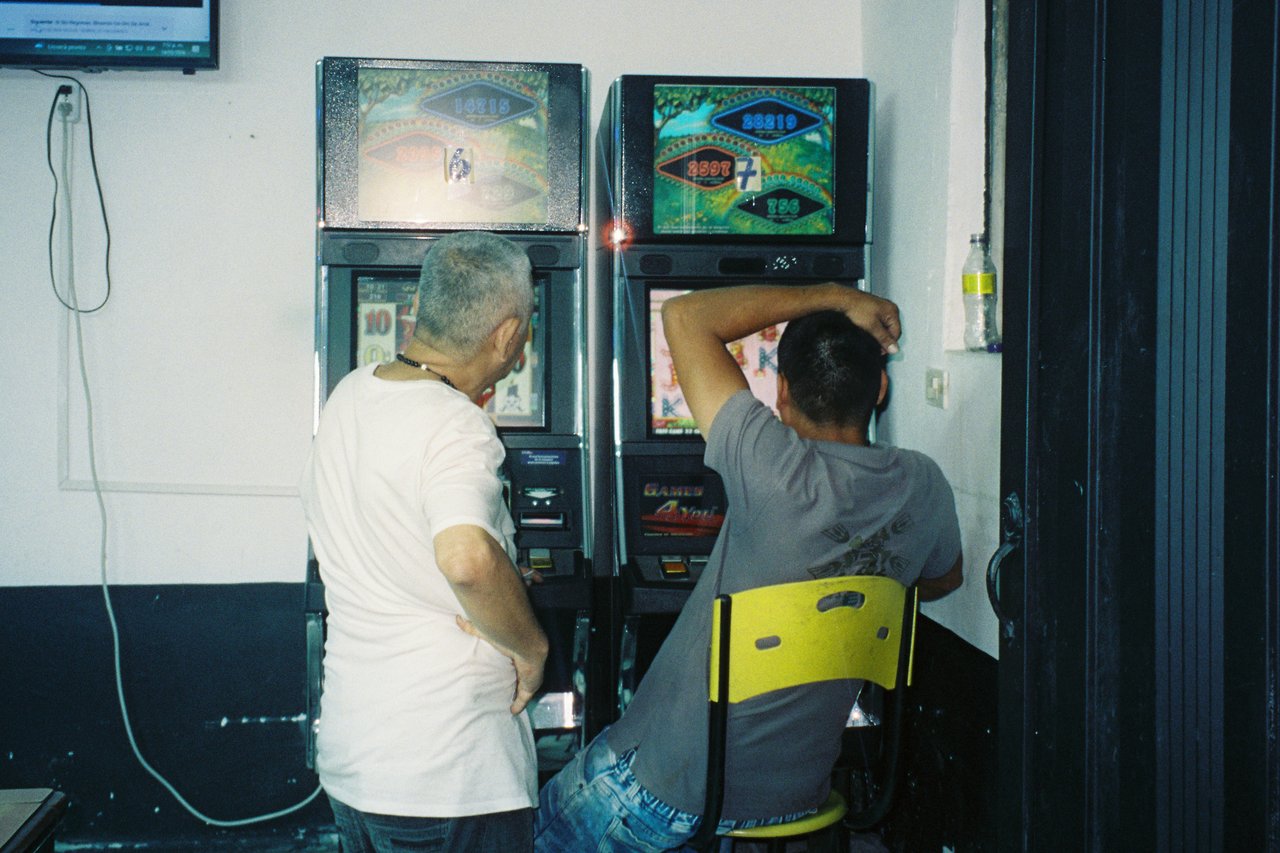
the lexicon of the peripheries

projection mode
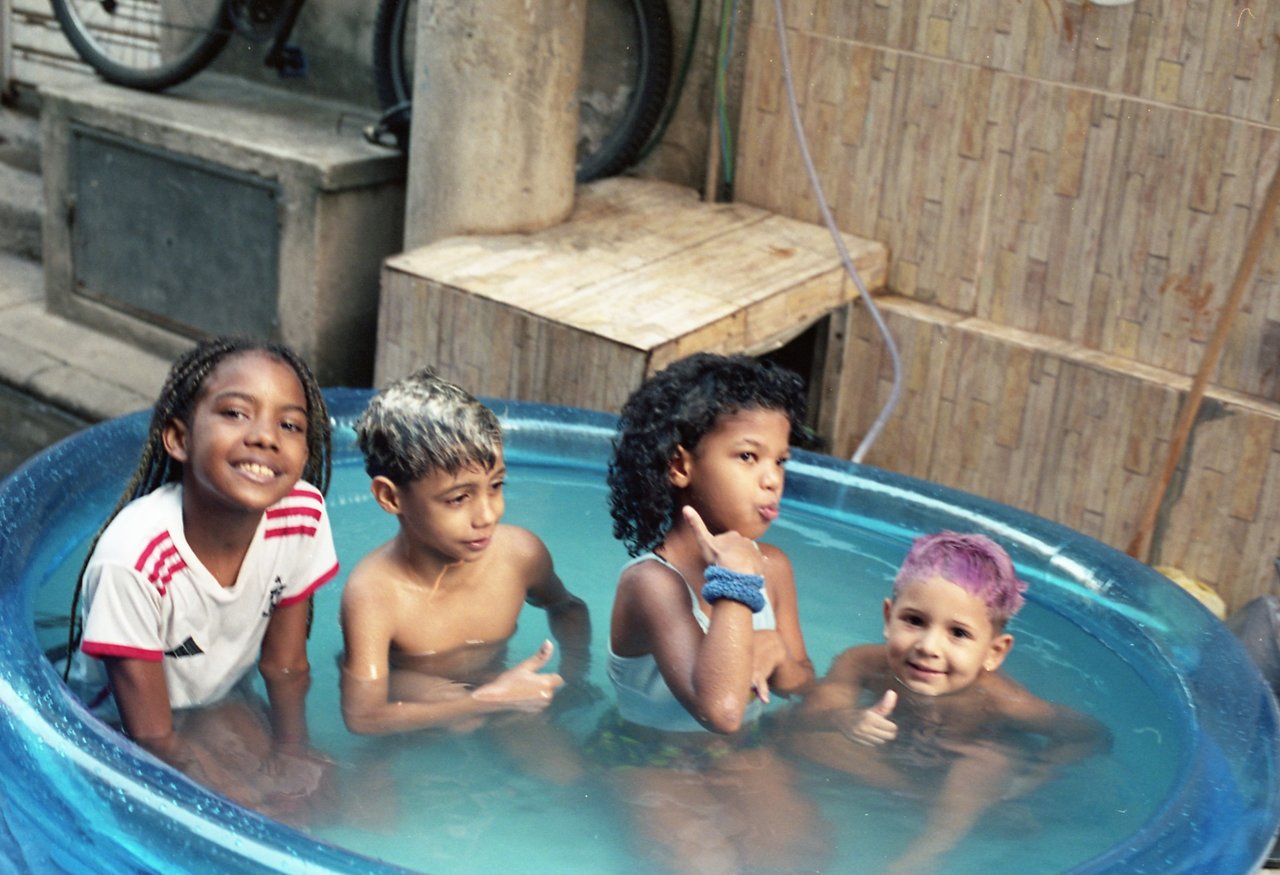
the conversation
At mOst, sharing the work back with the public is not a decoration added at the end of a project. It is part of the method from the very start. Knowing that an image will be exhibited, a voice broadcast, or a film screened means thinking about who we are addressing, about rights, about selection, and about the responsibility that comes with showing.
Public presentations take different forms depending on the place and the materials: a simple exhibition in a local organization, a multi-site trail, an installation in public space, a screening, a film online, a booklet, a publication, a map, a sound walk, or a digital gallery. We choose the form that best serves the story and stays realistic in terms of time, permits, and production resources.
Selection is collective. Participants look back over the work and discuss its strengths, its limits, and how the pieces complement each other. They choose what can be made public, what needs context, and what will stay protected. This step makes it clear that visibility is not an obligation: taking part in the project also means having the right to set limits.
Exhibition design and visitor engagement are worked out with the group. Image formats, order, the relationship between texts and sounds, hanging height, how visitors move through the space, accessibility, and presence in everyday surroundings all become creative questions. Participants can welcome visitors, guide them, tell the story of the process, and respond to reactions.
We favor presentations that go back to the neighborhood first. A banner on a concrete deck, a portrait on a street, a screening in a community center, or a map in a library can reach people who don’t usually go to cultural venues. When the work travels elsewhere, we make sure the captions, the context, and the authors’ place are kept.
Every public presentation leaves a trace: photo documentation, exhibition files, a film, a booklet, a digital archive, texts, or a protocol for restaging it. These traces allow the project to be passed on, shown again, or connected with other places, without reducing the experience to a one-off event.