2026drancyCité du Nordfrance
trains de vie
In the Cité du Nord, built at the end of the 19th century to house the rail yard workers, a photo and sound exhibition written by the people who live there, from the first arrivals to the grandchildren.
- formats
- mediums
- place
- drancy · Cité du Nord
- partners
- Centre social municipal de Drancy
- artists
- Myriam Rabah-Konaté
- public presentation
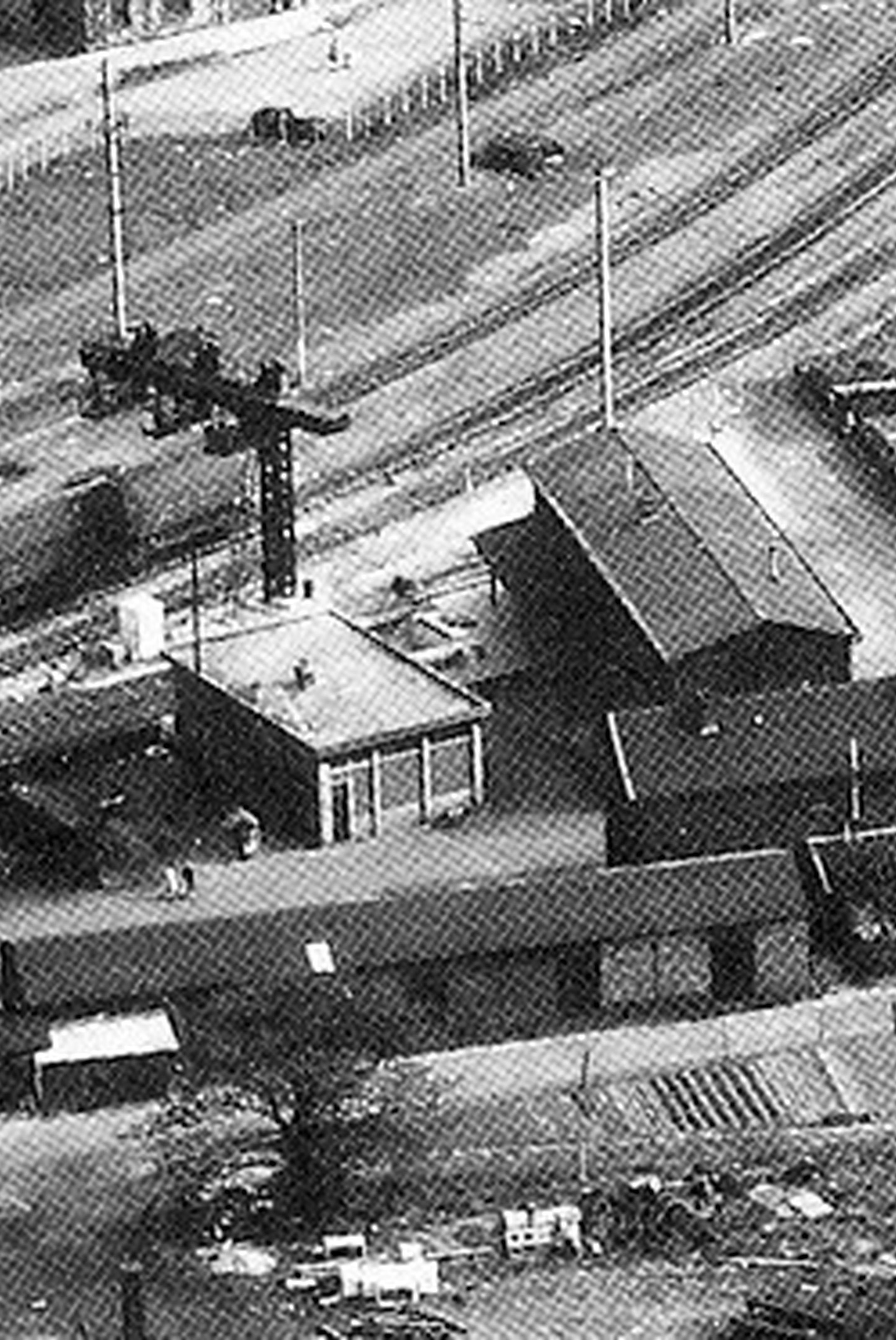
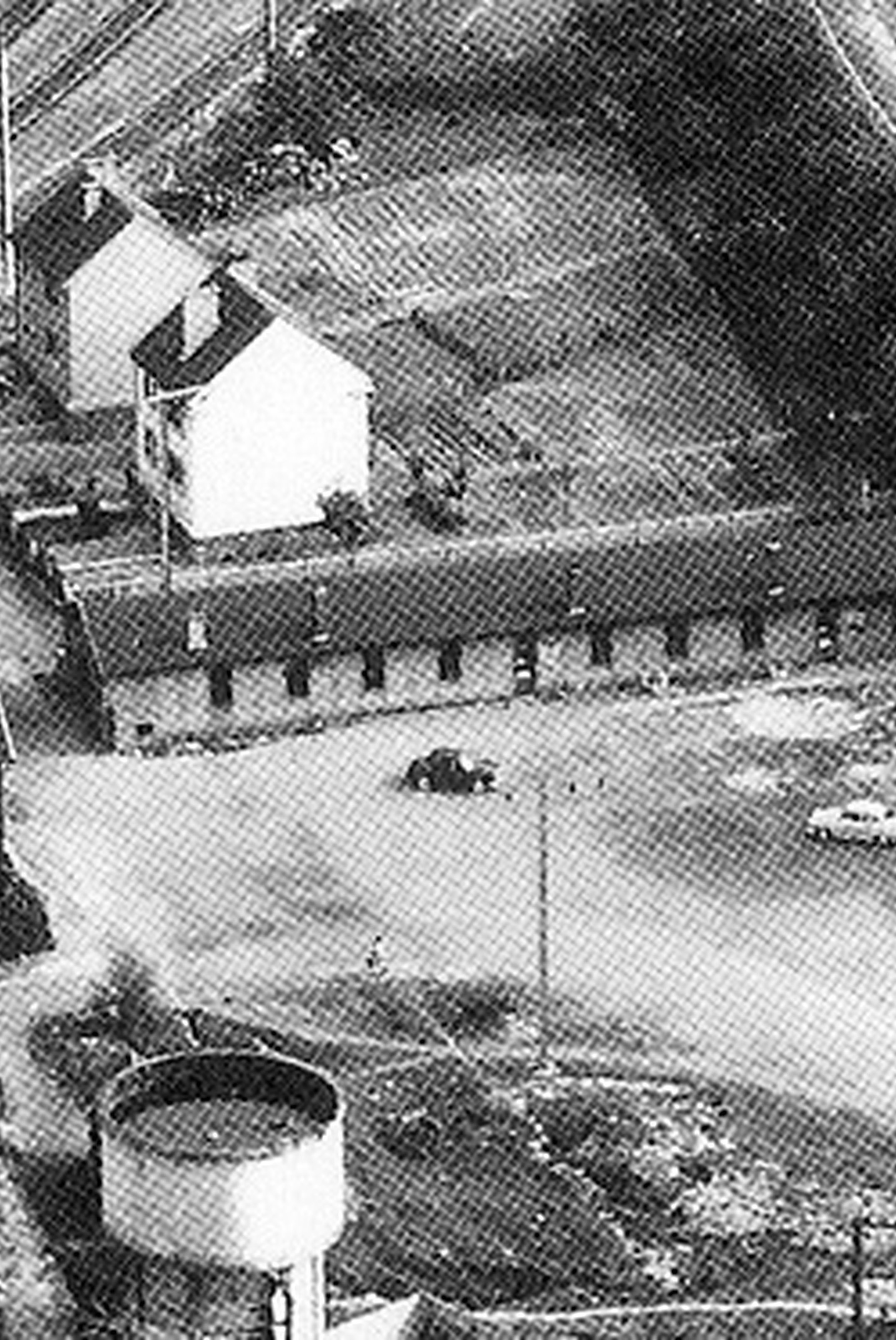
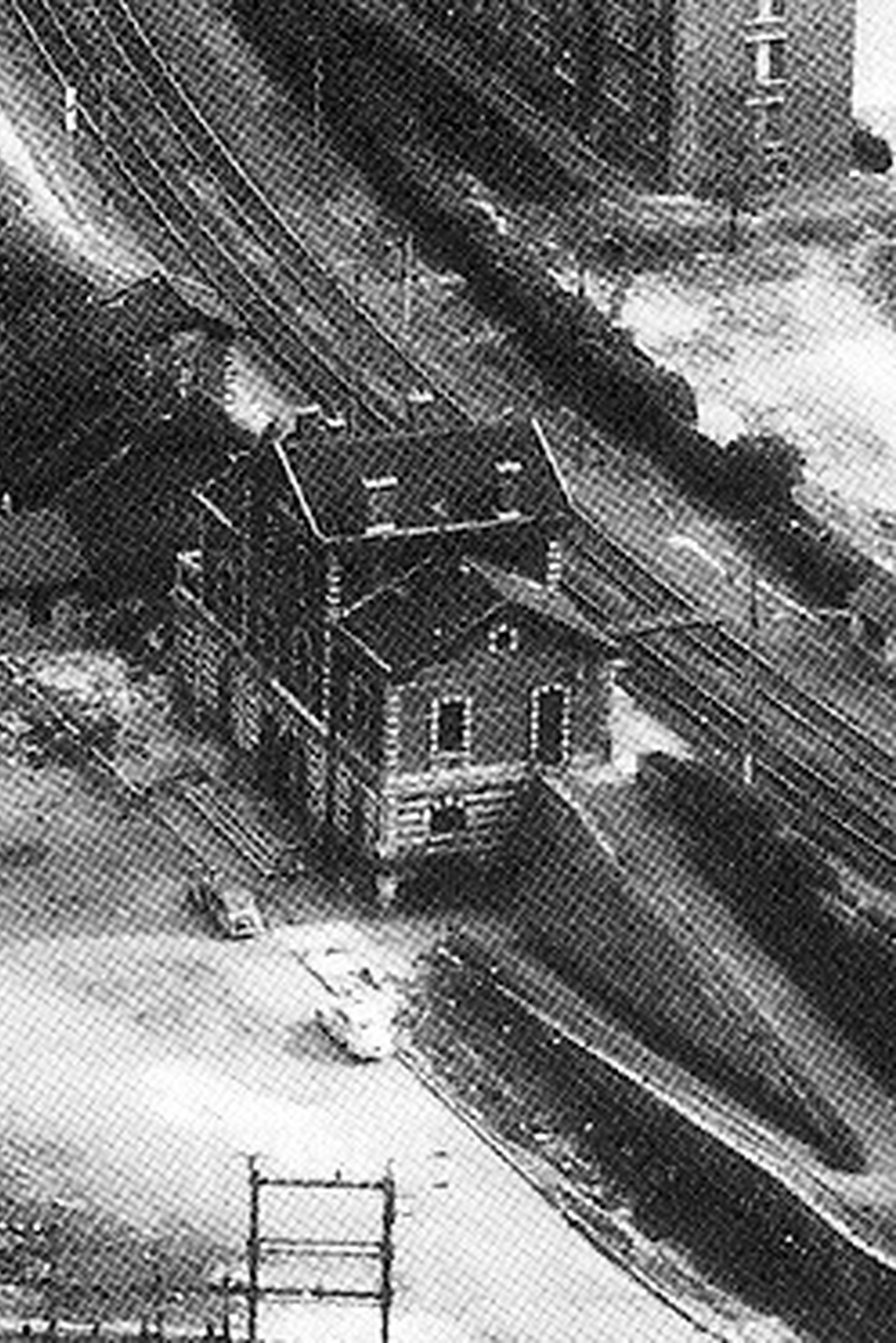
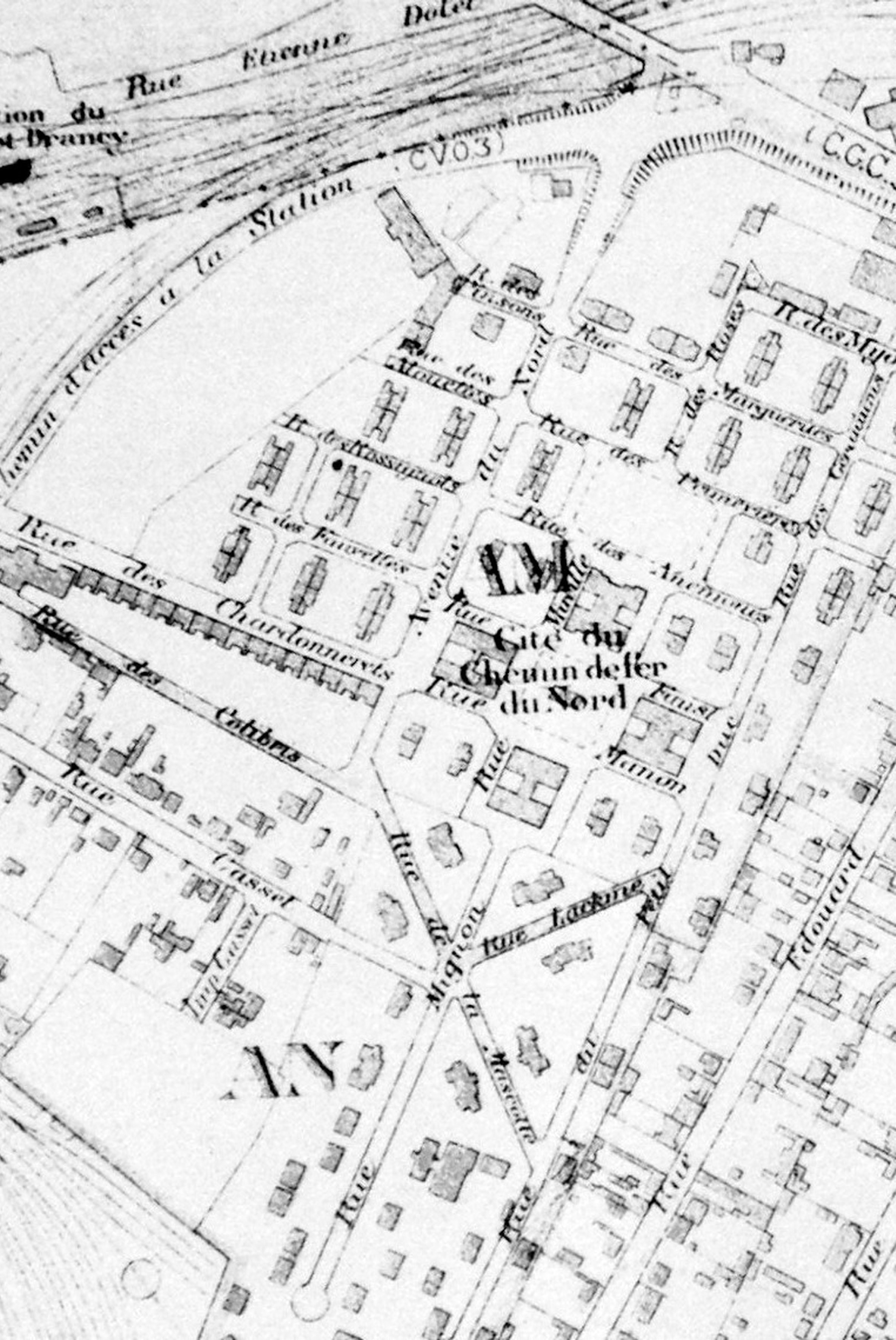
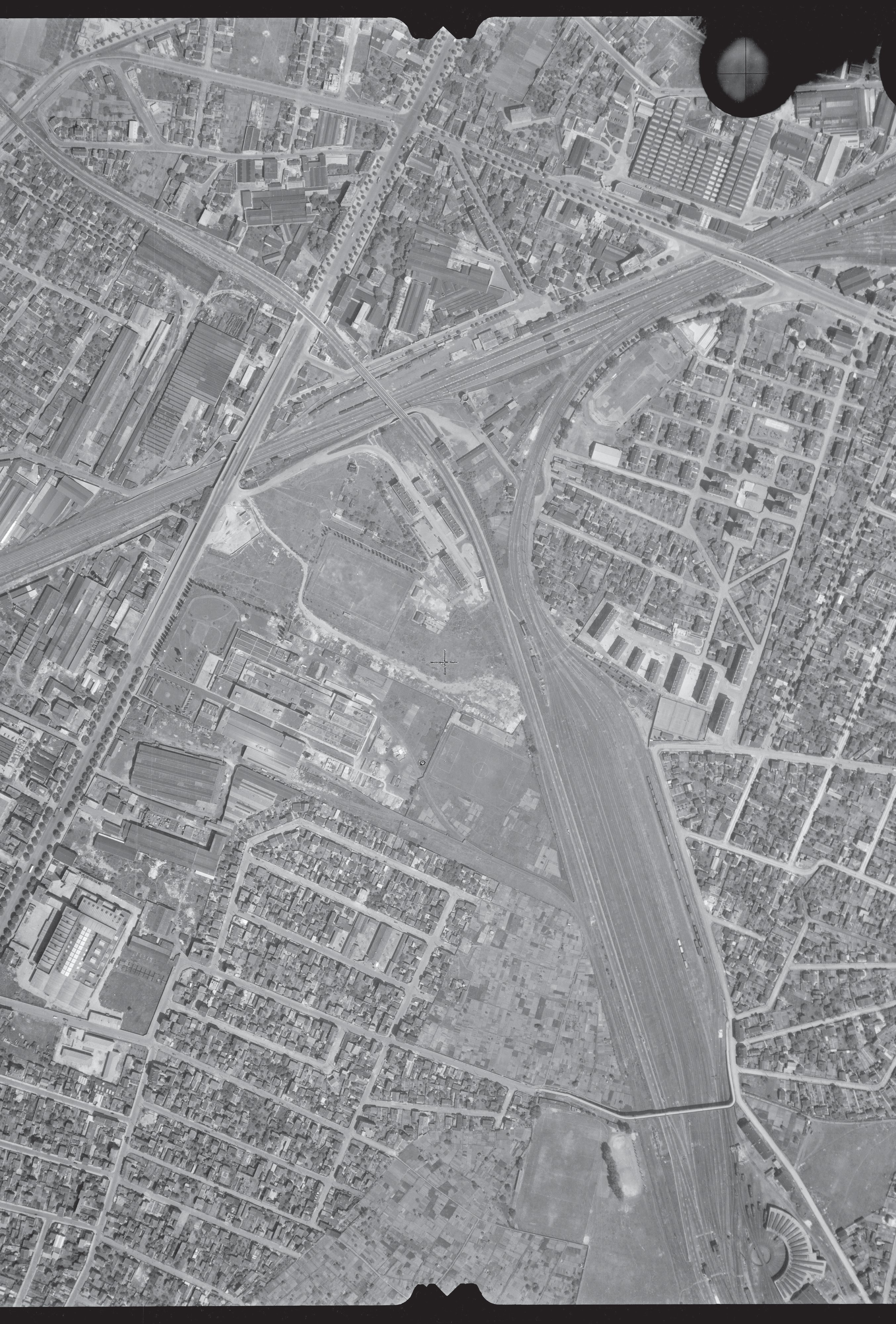
- “trains de vie,” a photo exhibition and sound piece: twelve banners and three panels, with archives, including an aerial view from 1931.
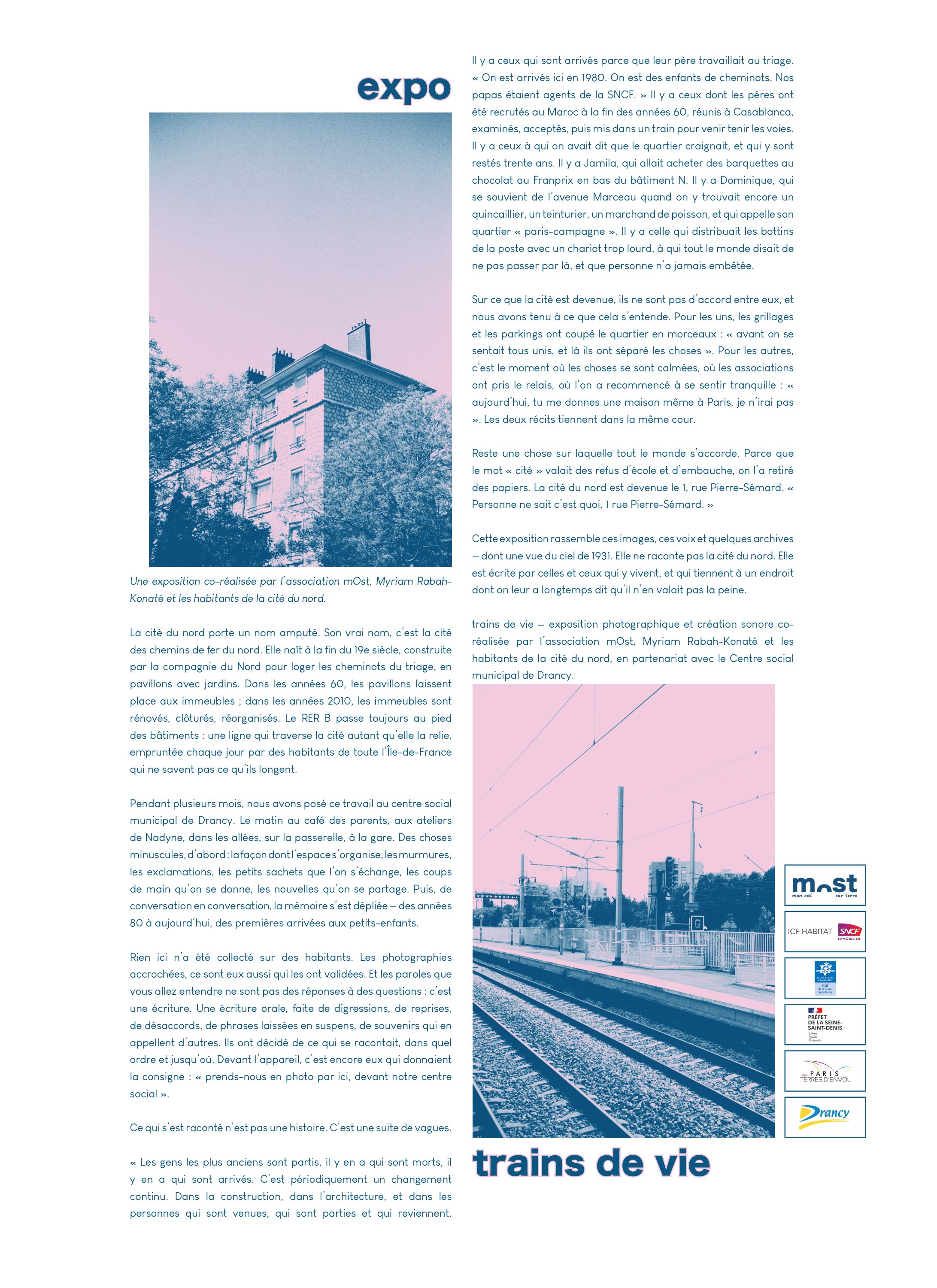
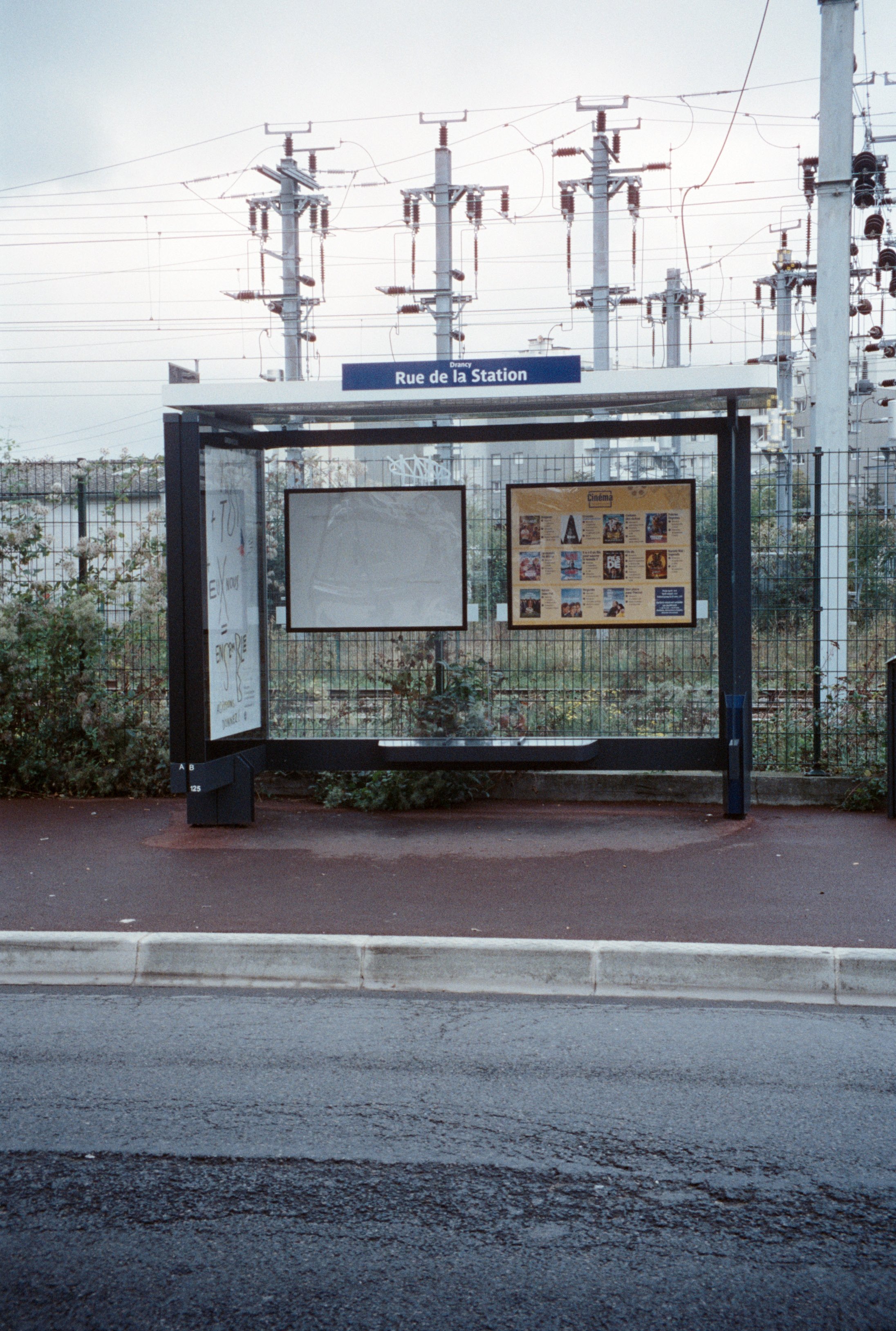
For several months, the work settled into the Drancy municipal community center: mornings at the parents’ café, in Nadyne’s activities, along the paths, on the footbridge, at the station. Conversation after conversation, memory unfolded: the railway workers’ children who arrived in 1980, the fathers recruited in Morocco at the end of the 1960s to keep the tracks running, the avenue Marceau and its shops, the RER B line that cuts through the estate as much as it connects it.
The residents approved the photographs and decided what would be told, in what order and how far. On what the estate has become, they do not agree with one another, and the exhibition lets that be heard. One thing is unanimous: because the word “cité” meant being turned down by schools and employers, it was taken off the paperwork, and the cité du nord became 1, rue Pierre-Sémard.
the exhibition
trains de vie, wall by wall
Twelve banners, then three panels: portraits of the residents, their words, archives from the Papyrus drancéen and an aerial view from 1931. The titles and captions are those of the exhibition.
wall 01
wall 02
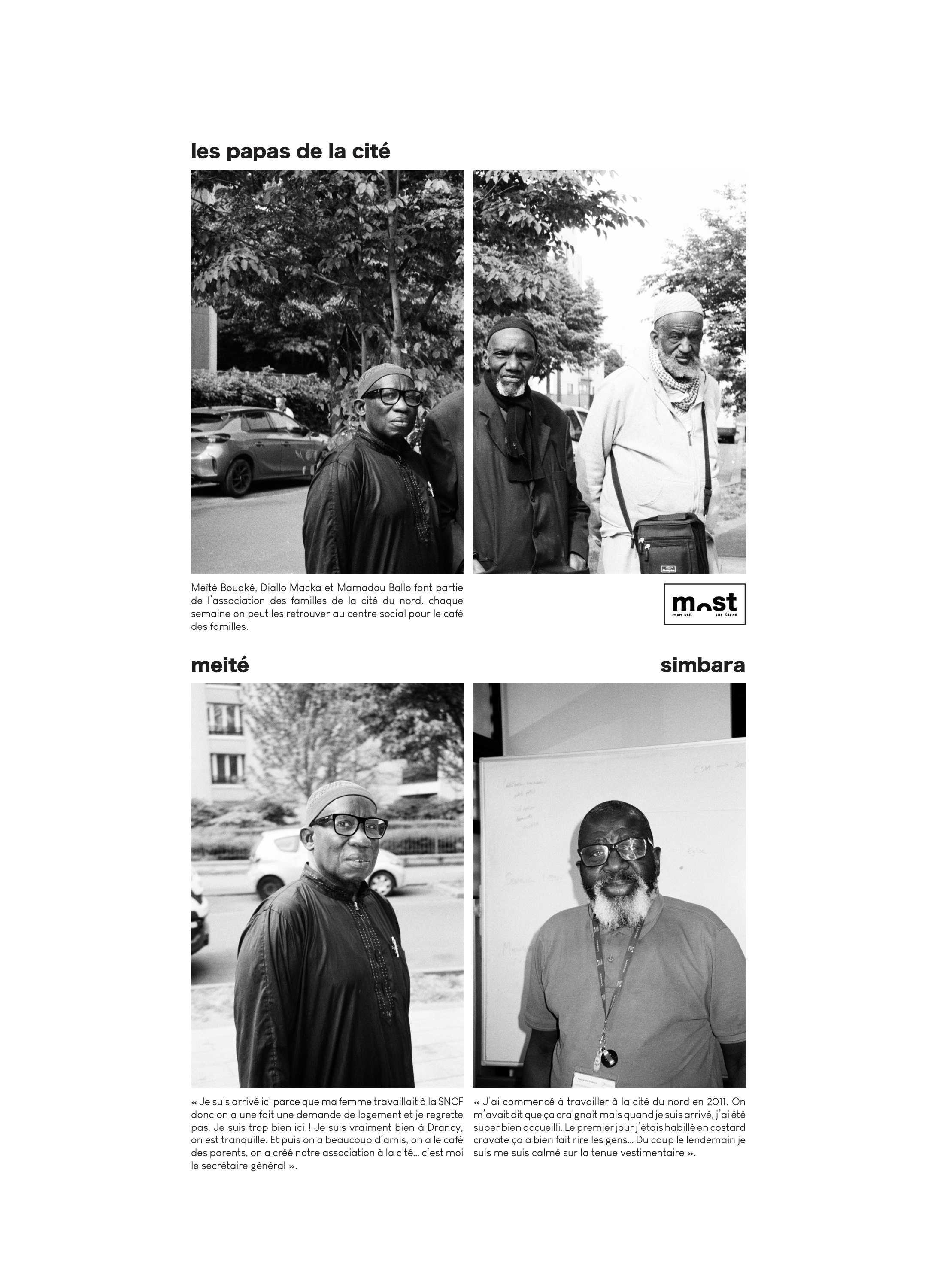
les papas de la cité
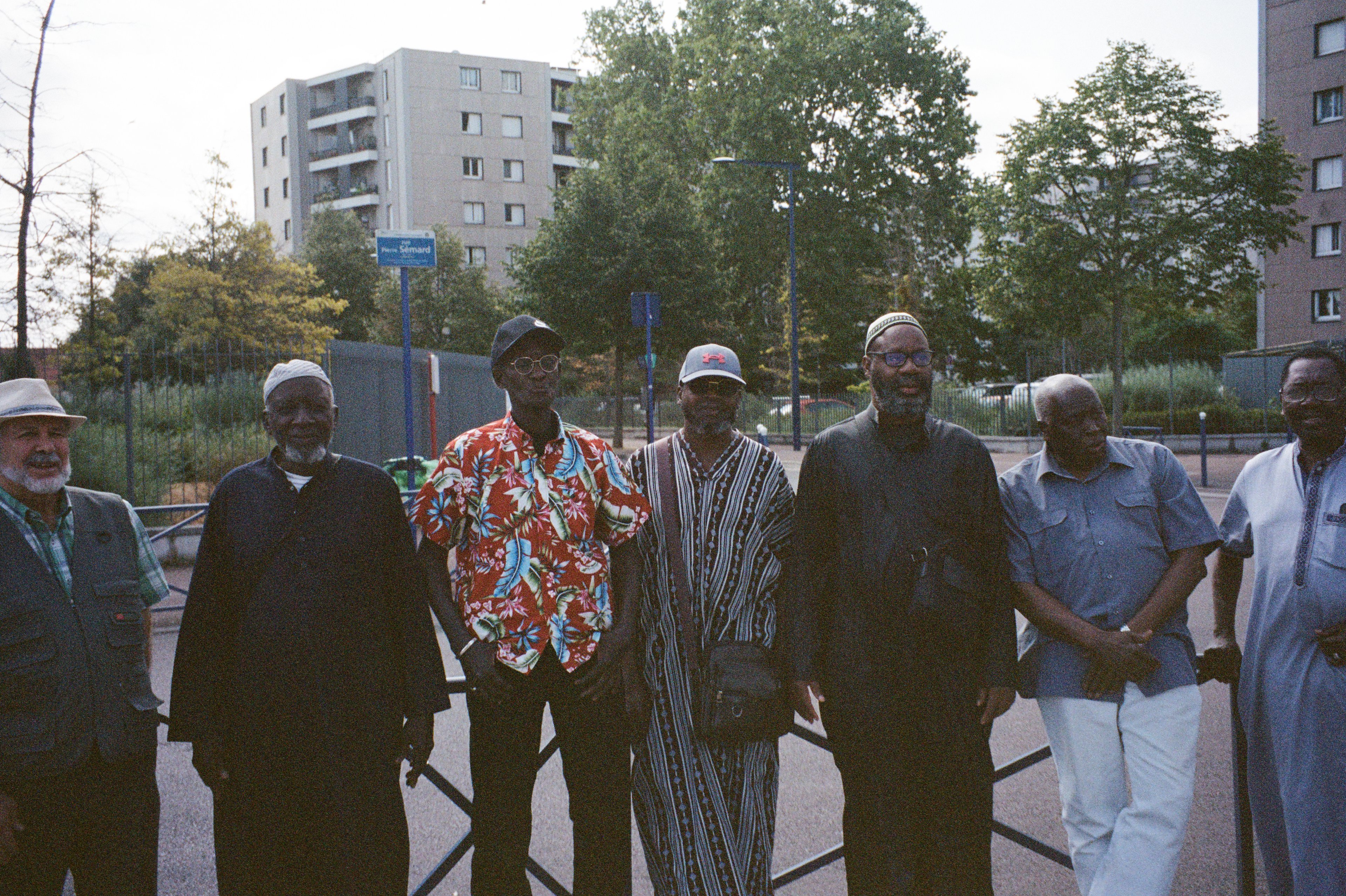
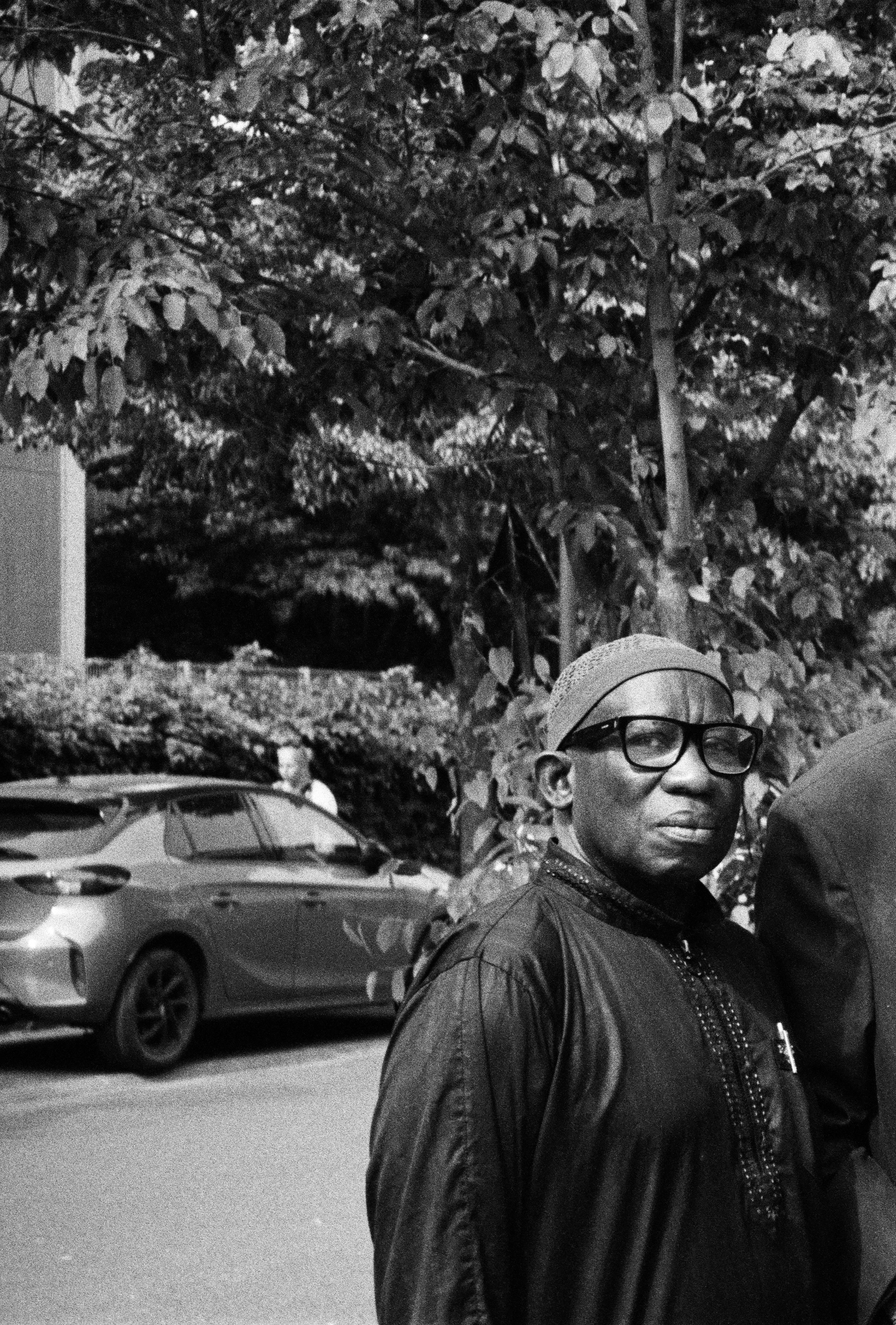
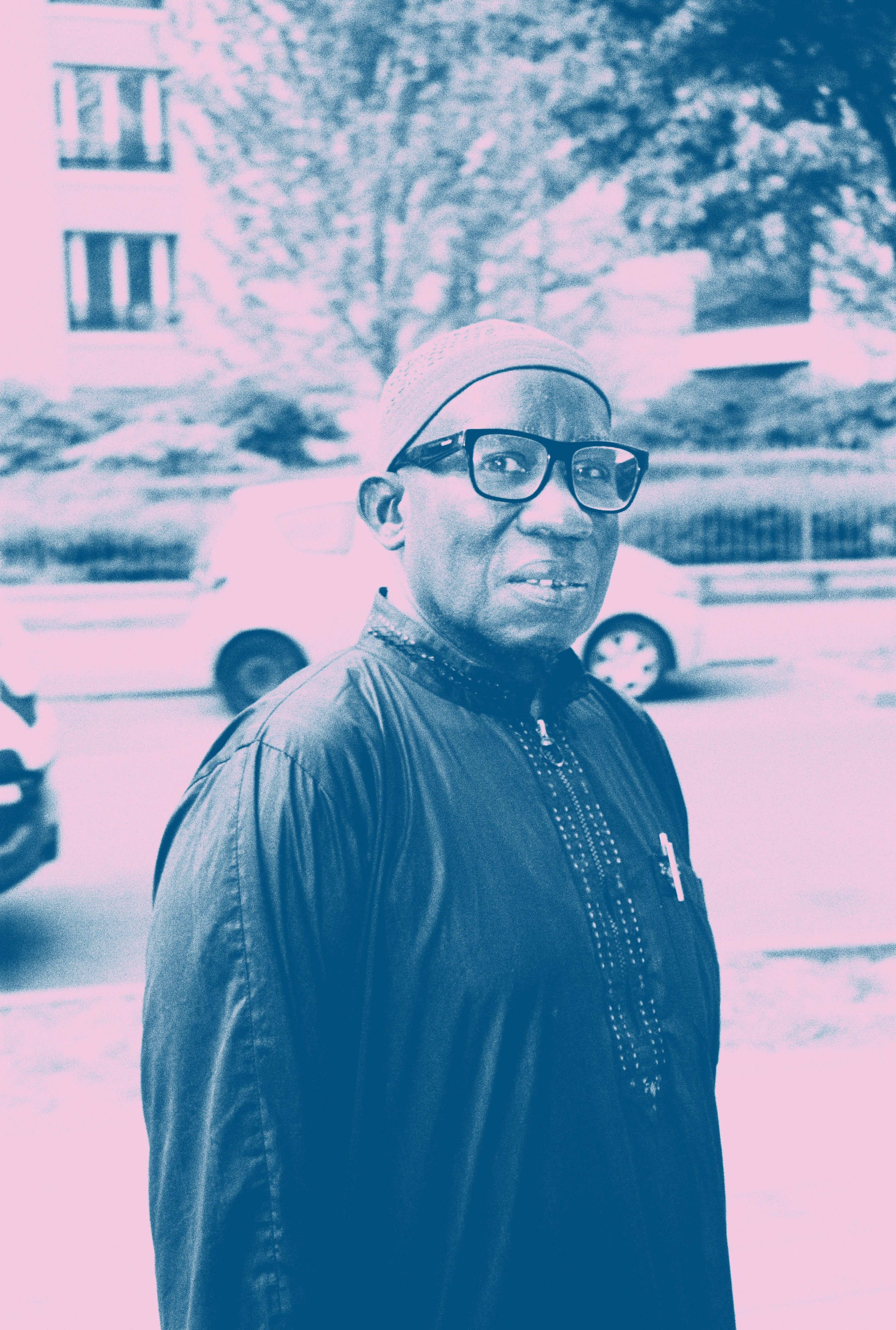
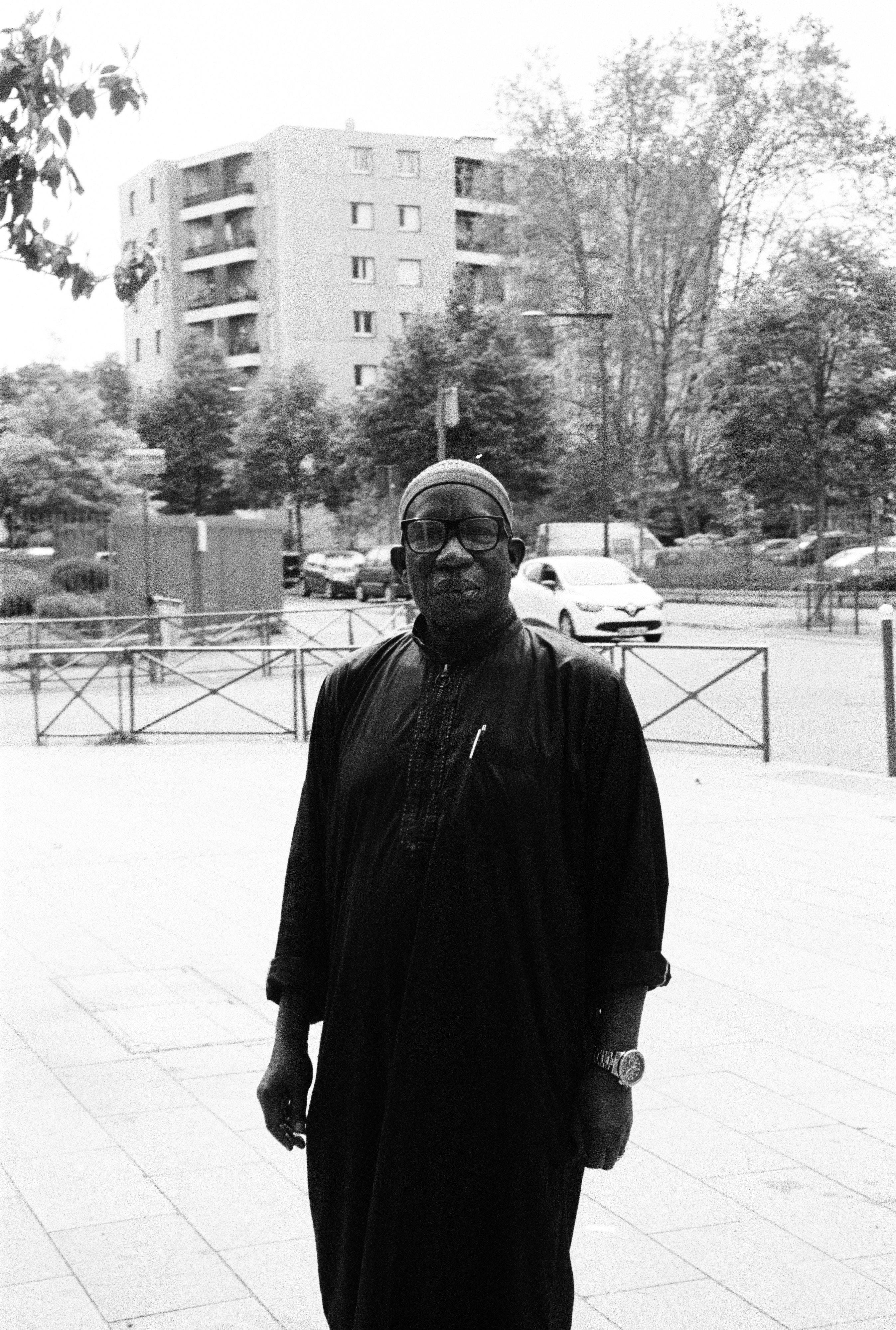
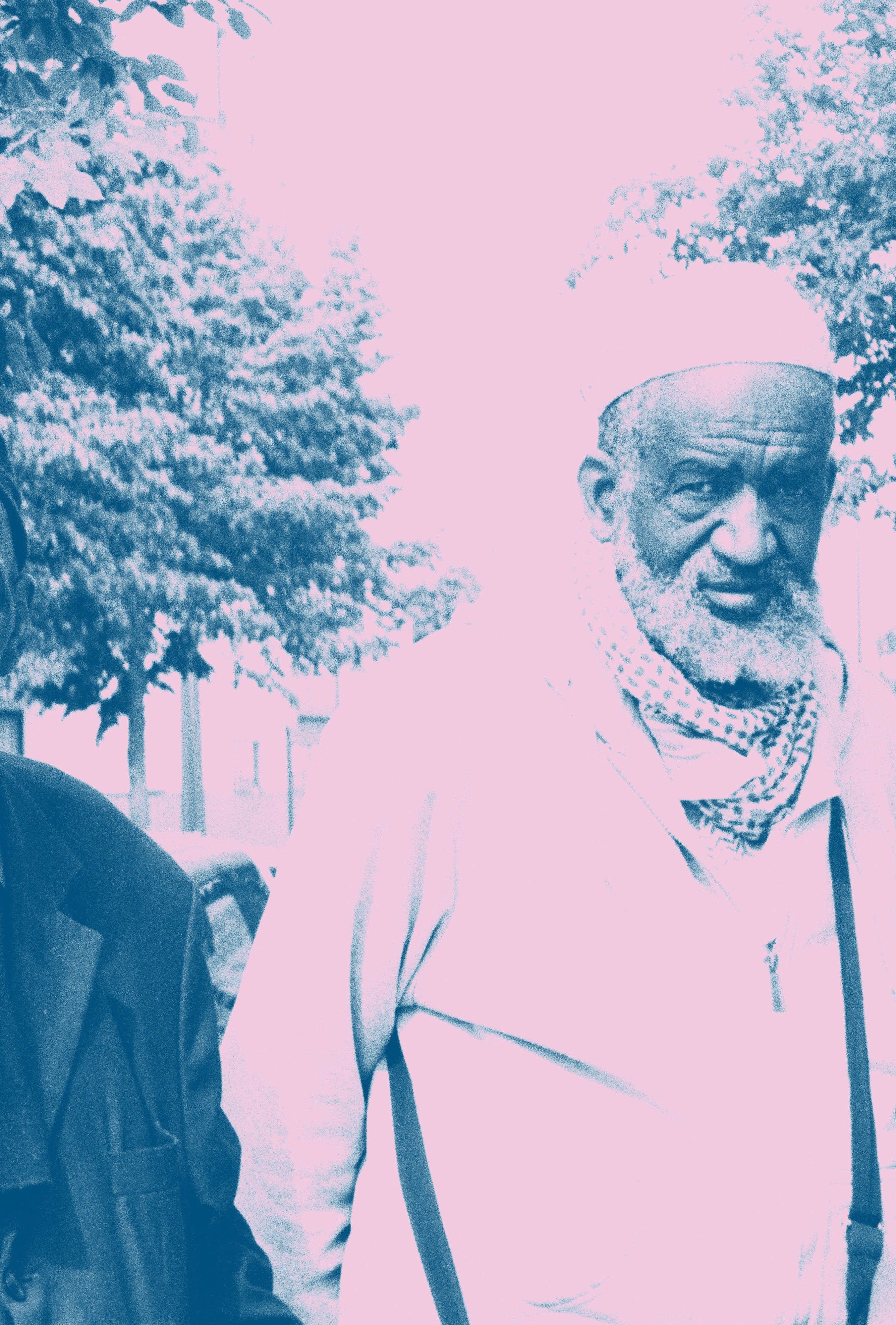
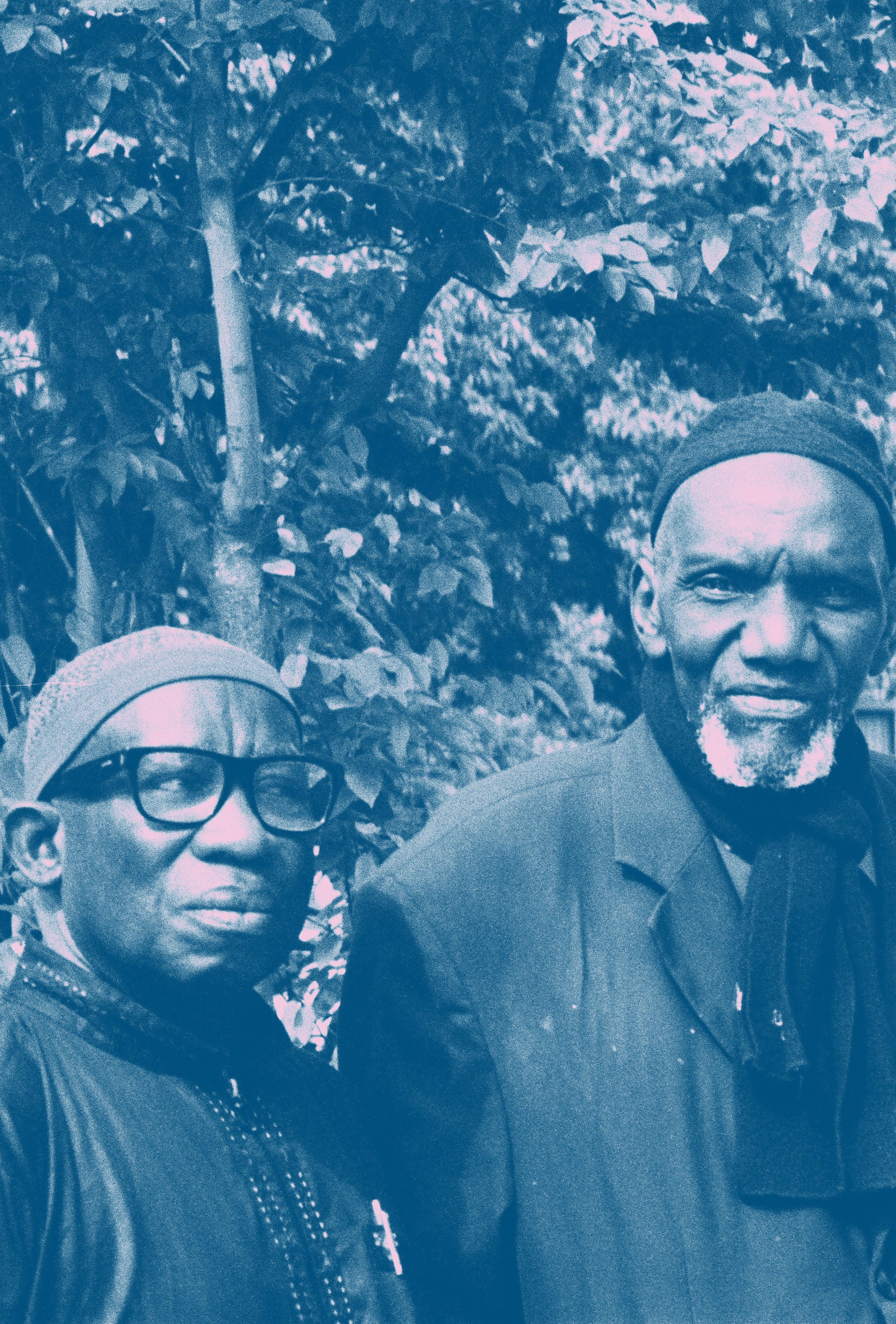
Meïté Bouaké, Diallo Macka and Mamadou Ballo are members of the Cité du Nord families' association. Every week, you can find them at the community center for the families' coffee morning.
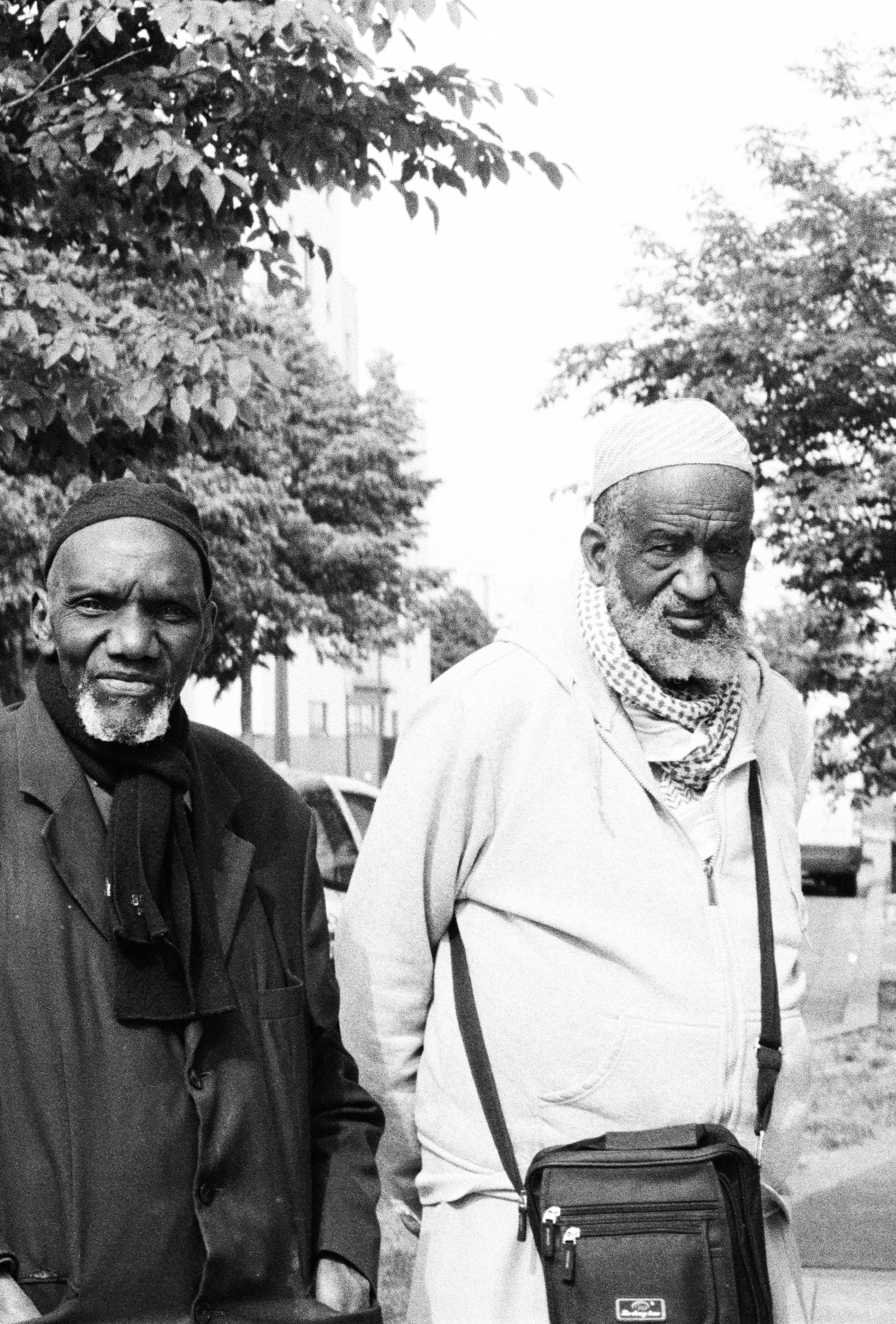
les papas de la cité
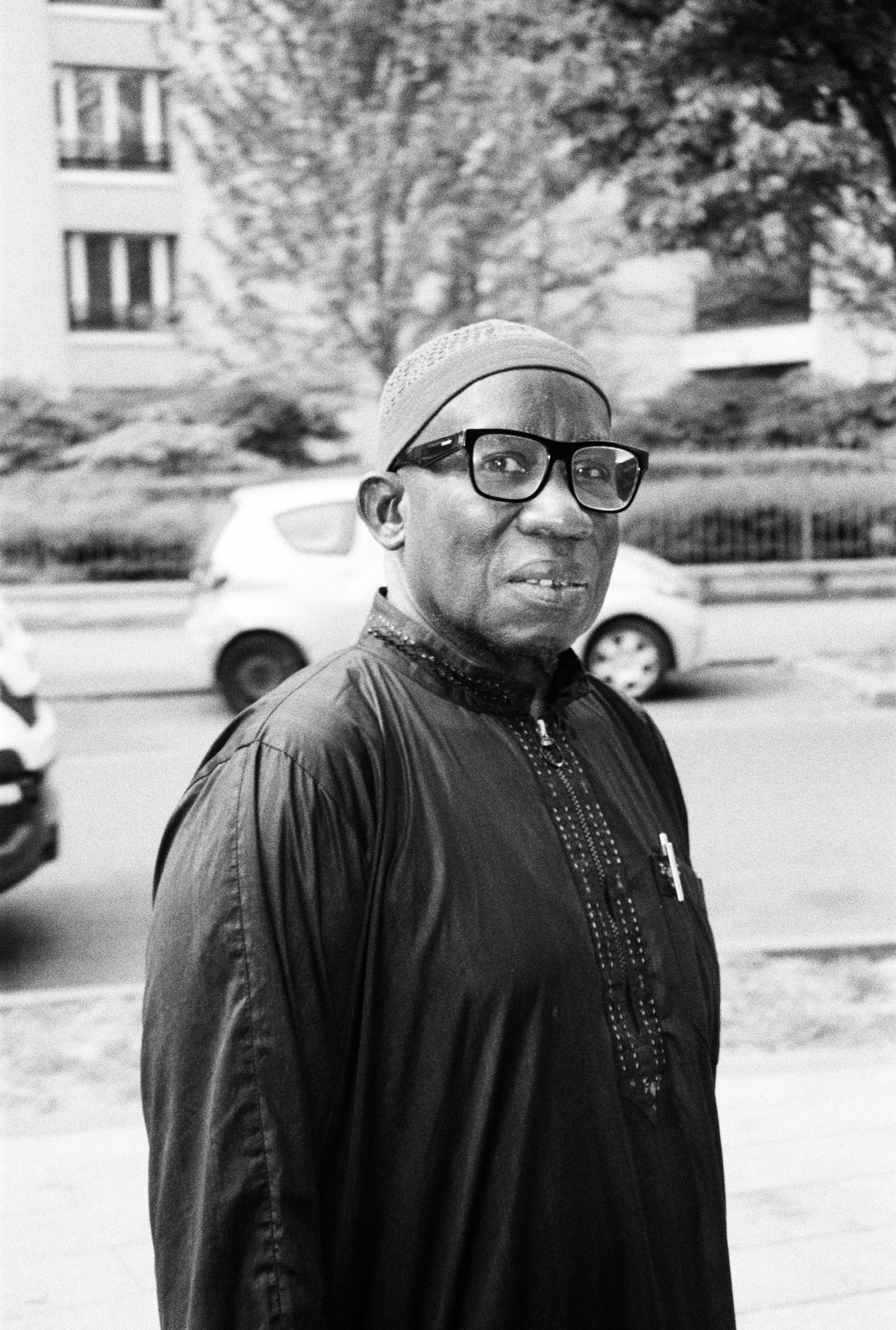
meïté
“I came here because my wife worked for the SNCF, so we applied for housing, and I don't regret it. I'm so happy here! I'm really good in Drancy, it's peaceful. And we have lots of friends, we have the parents' coffee morning, we set up our association in the cité… I'm the general secretary.”
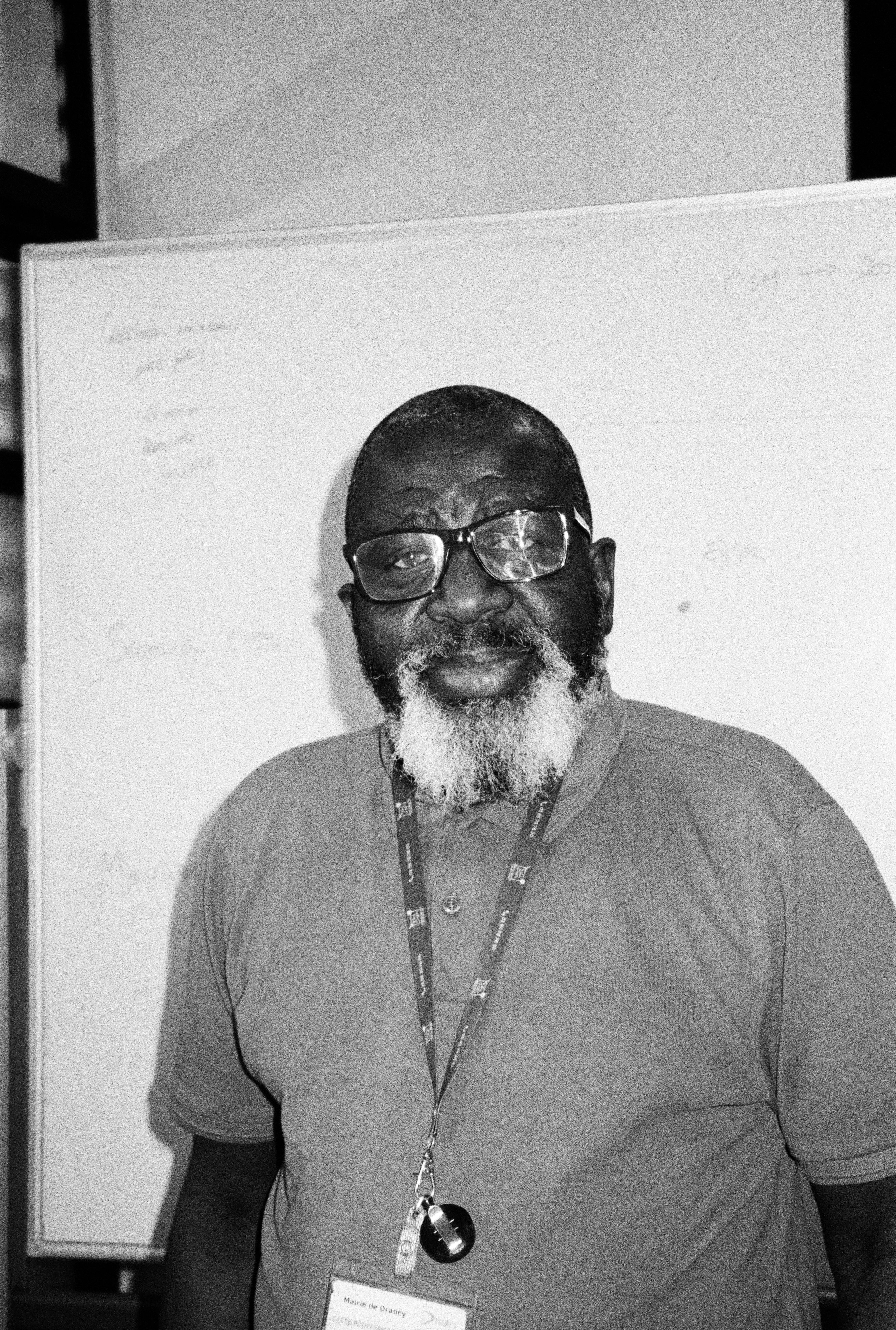
simbara
“I started working at the Cité du Nord in 2011. People had told me it was a rough place, but when I arrived I got a really warm welcome. On the first day I was wearing a suit and tie, which made people laugh a lot… So the next day I toned down the outfit.”
wall 03
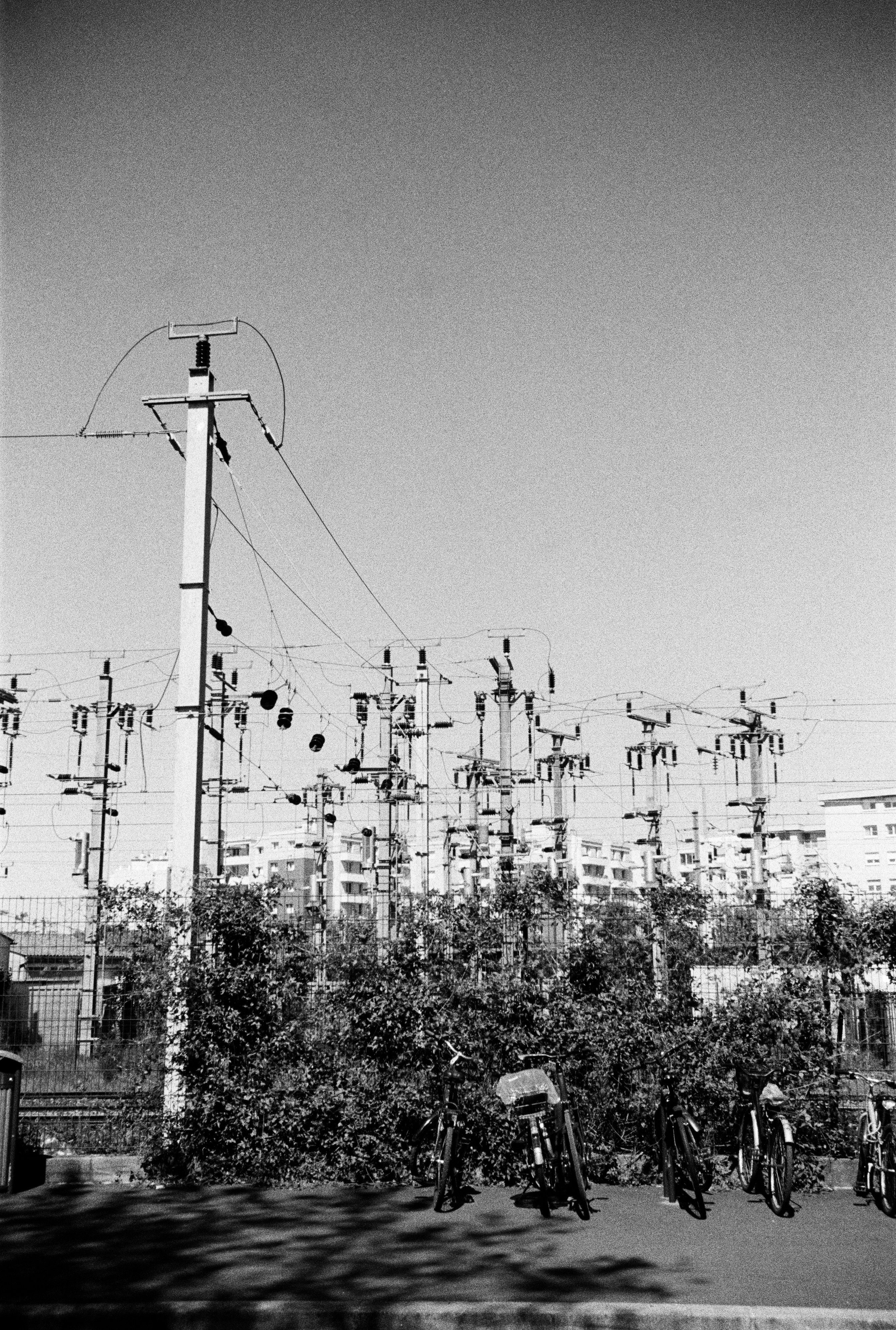
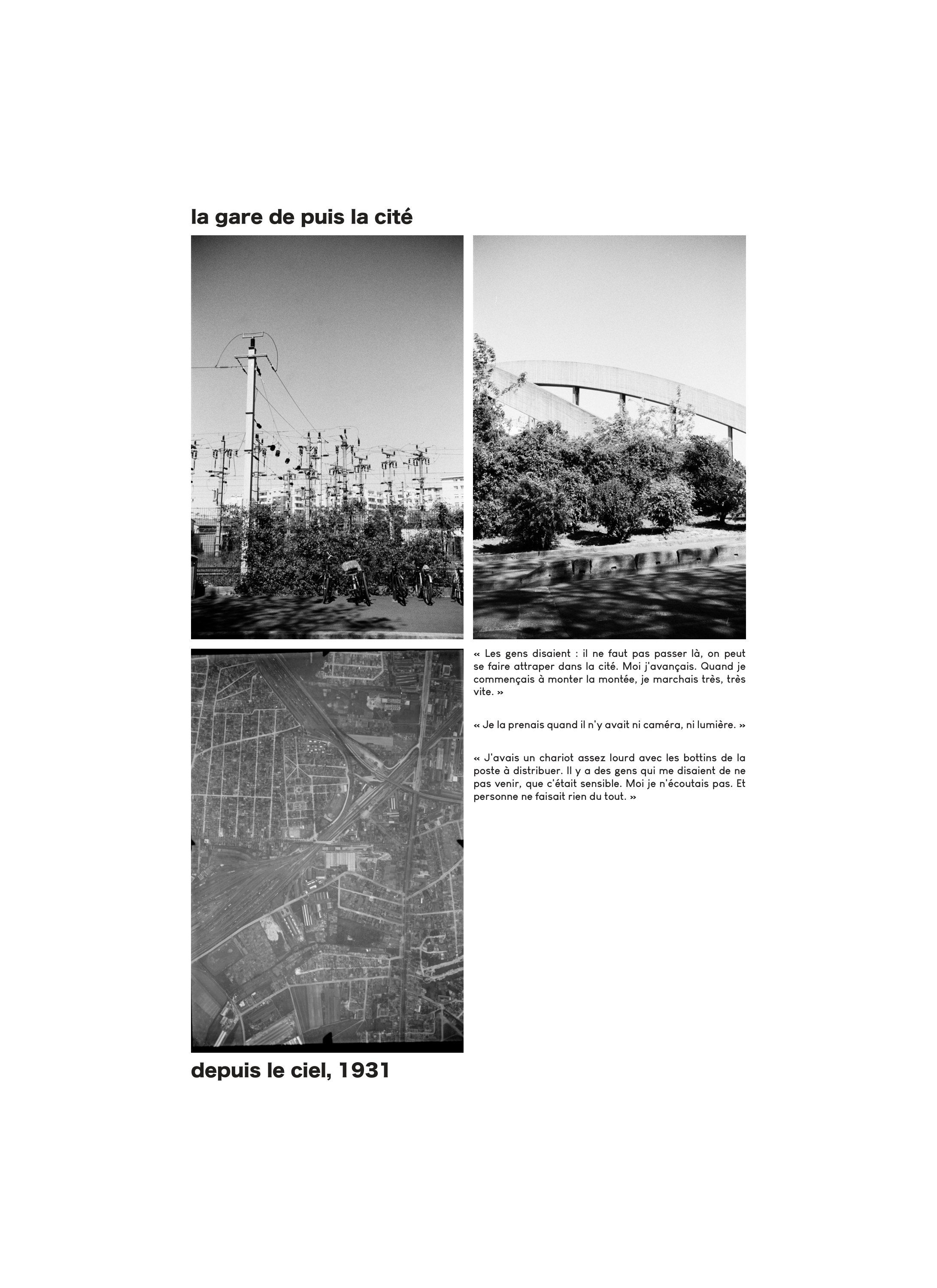
la gare depuis la cité
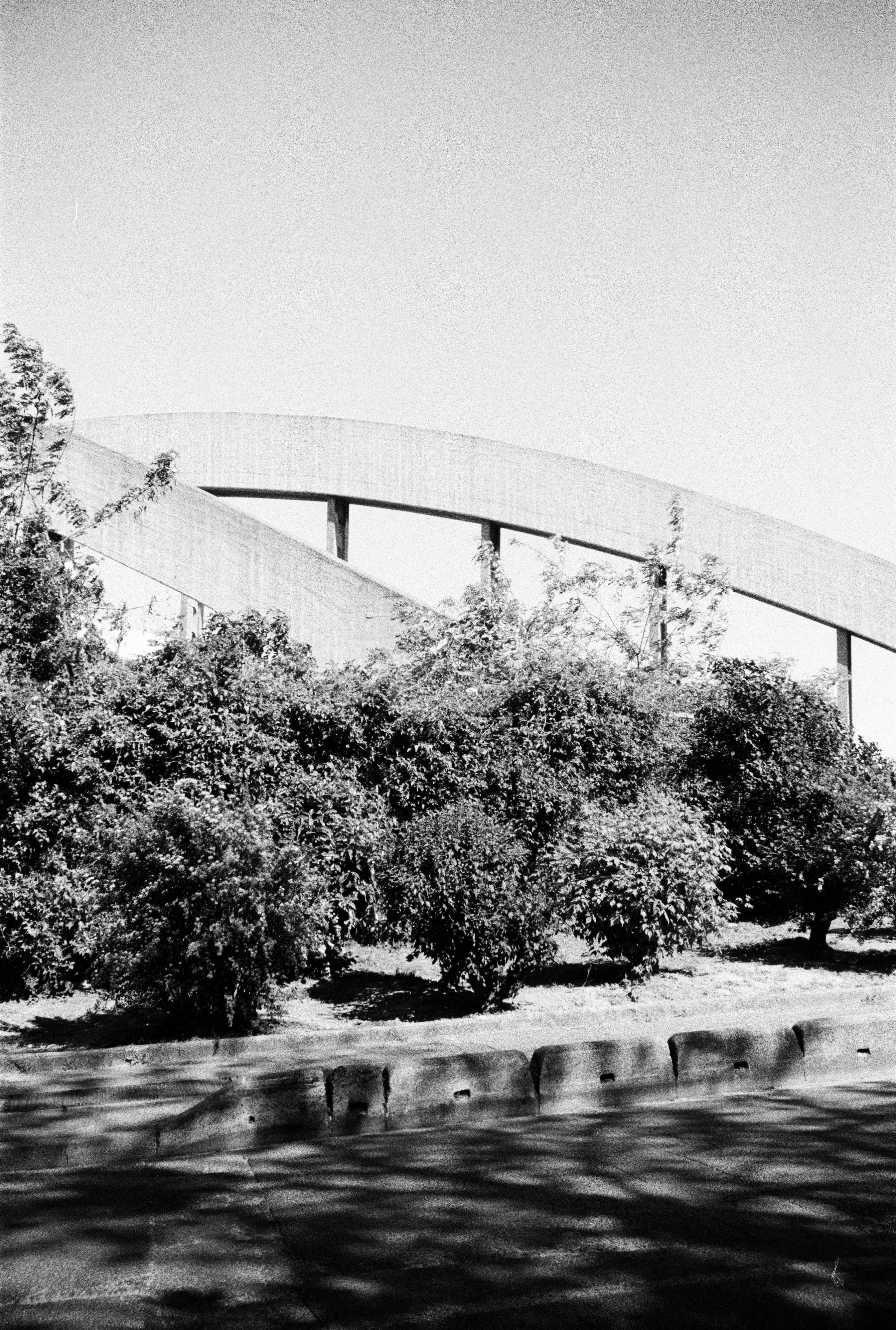
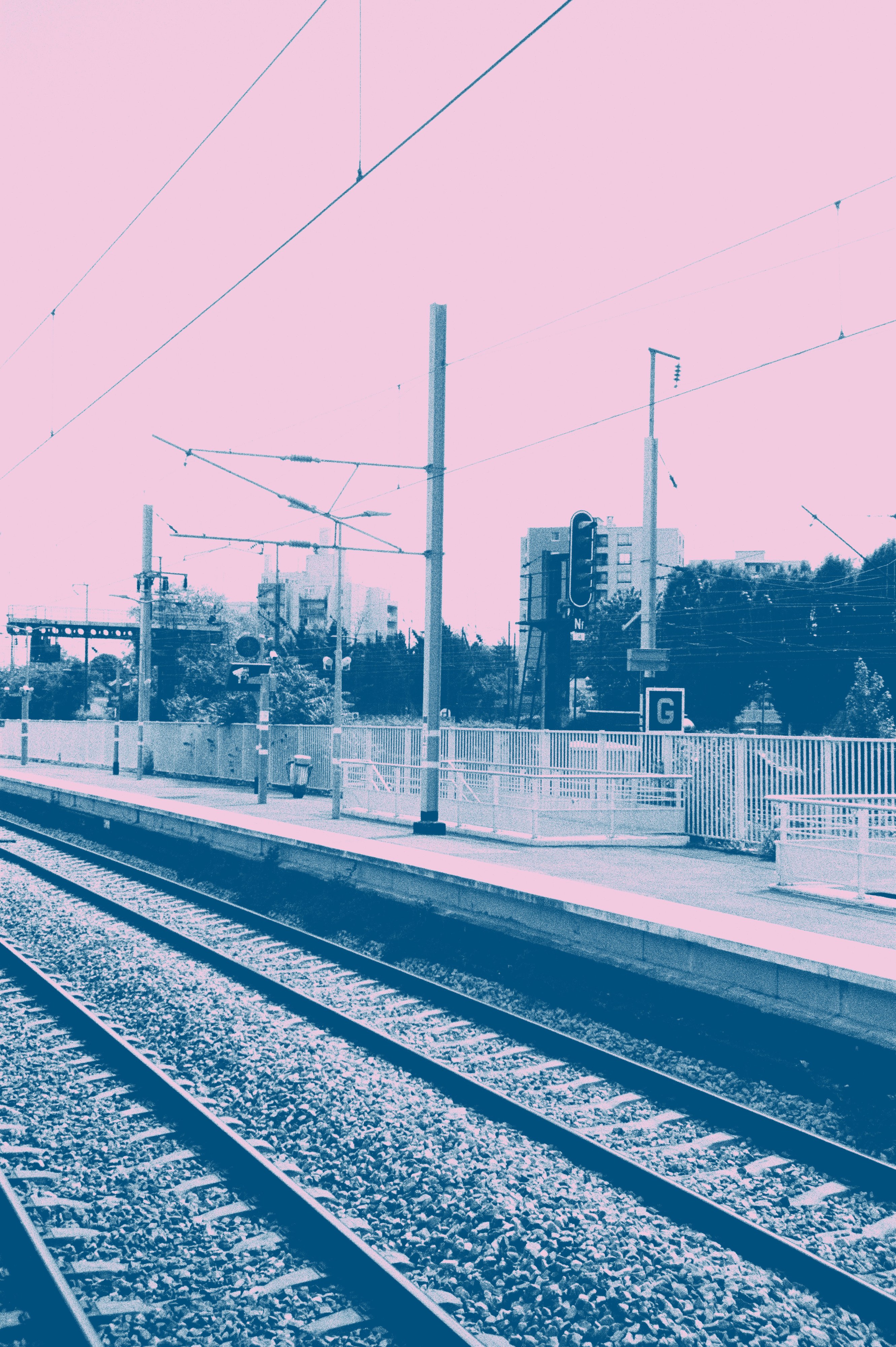
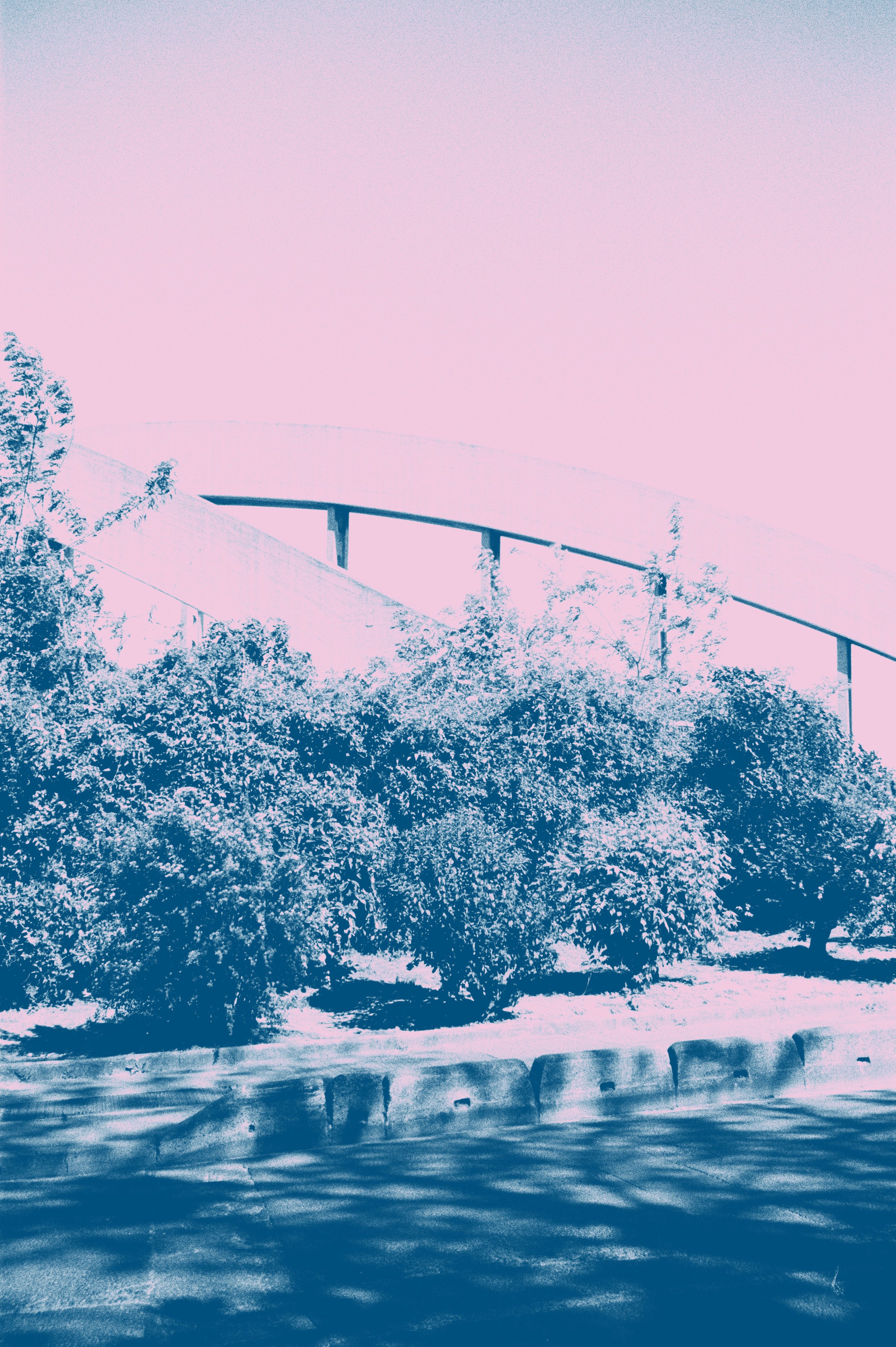
“People used to say: don't go through there, you could get caught in the cité. I kept going. When I started up the slope, I walked very, very fast.” “I'd take it when there were no cameras and no lights.” “I had a rather heavy trolley with the post office phone books to deliver. Some people told me not to go, that it was a sensitive area. I didn't listen. And nobody did anything at all.”
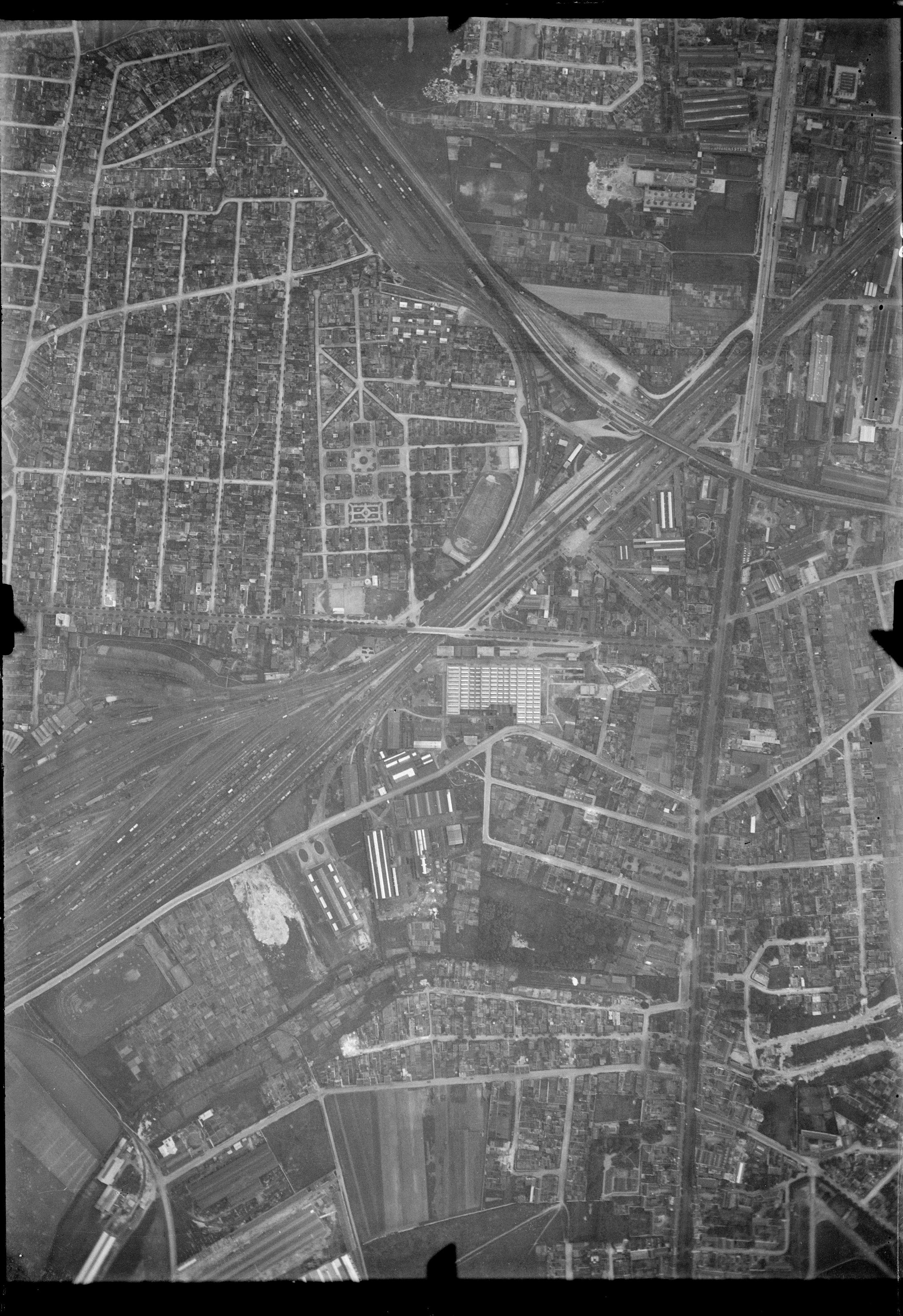
depuis le ciel, 1931
wall 04
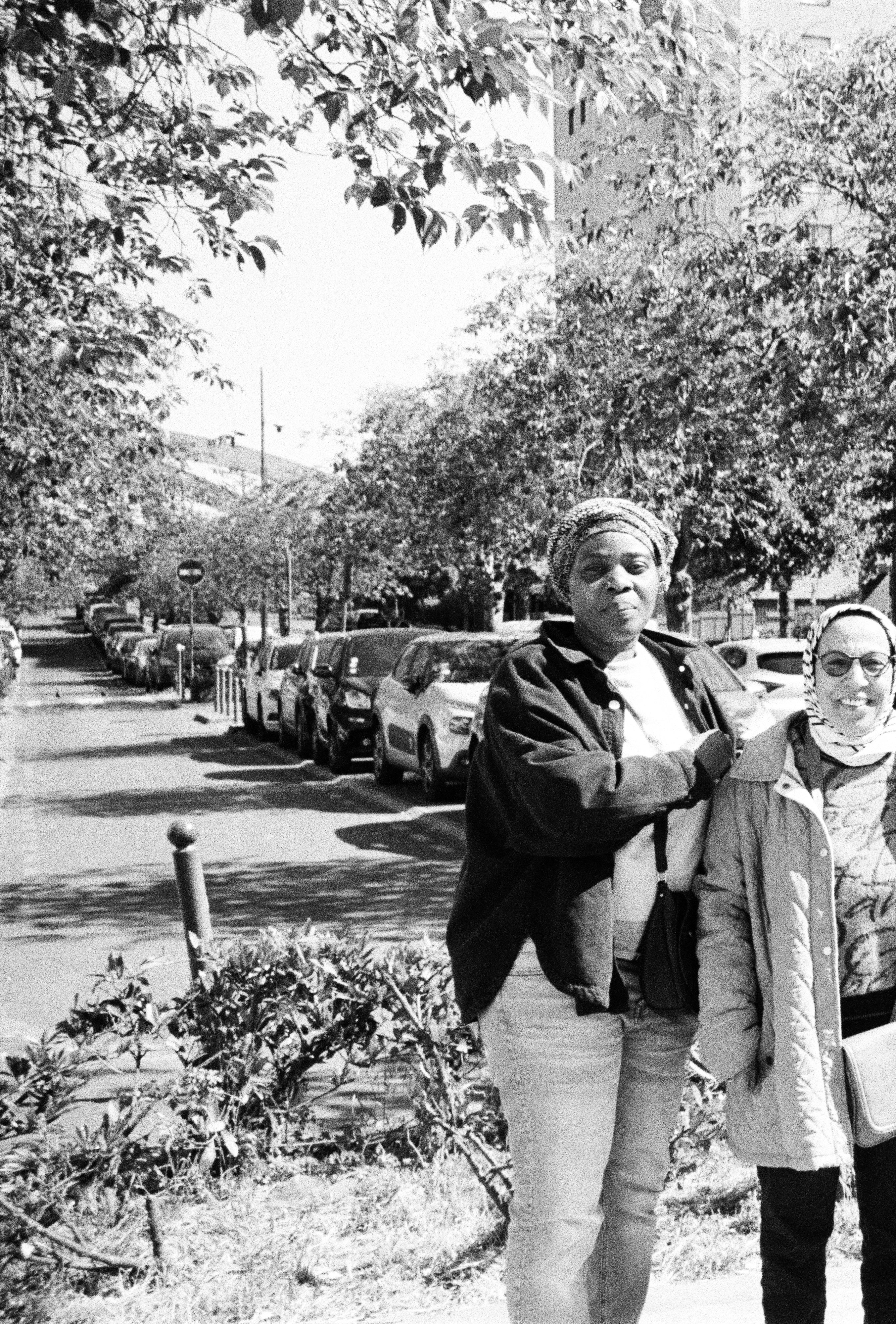
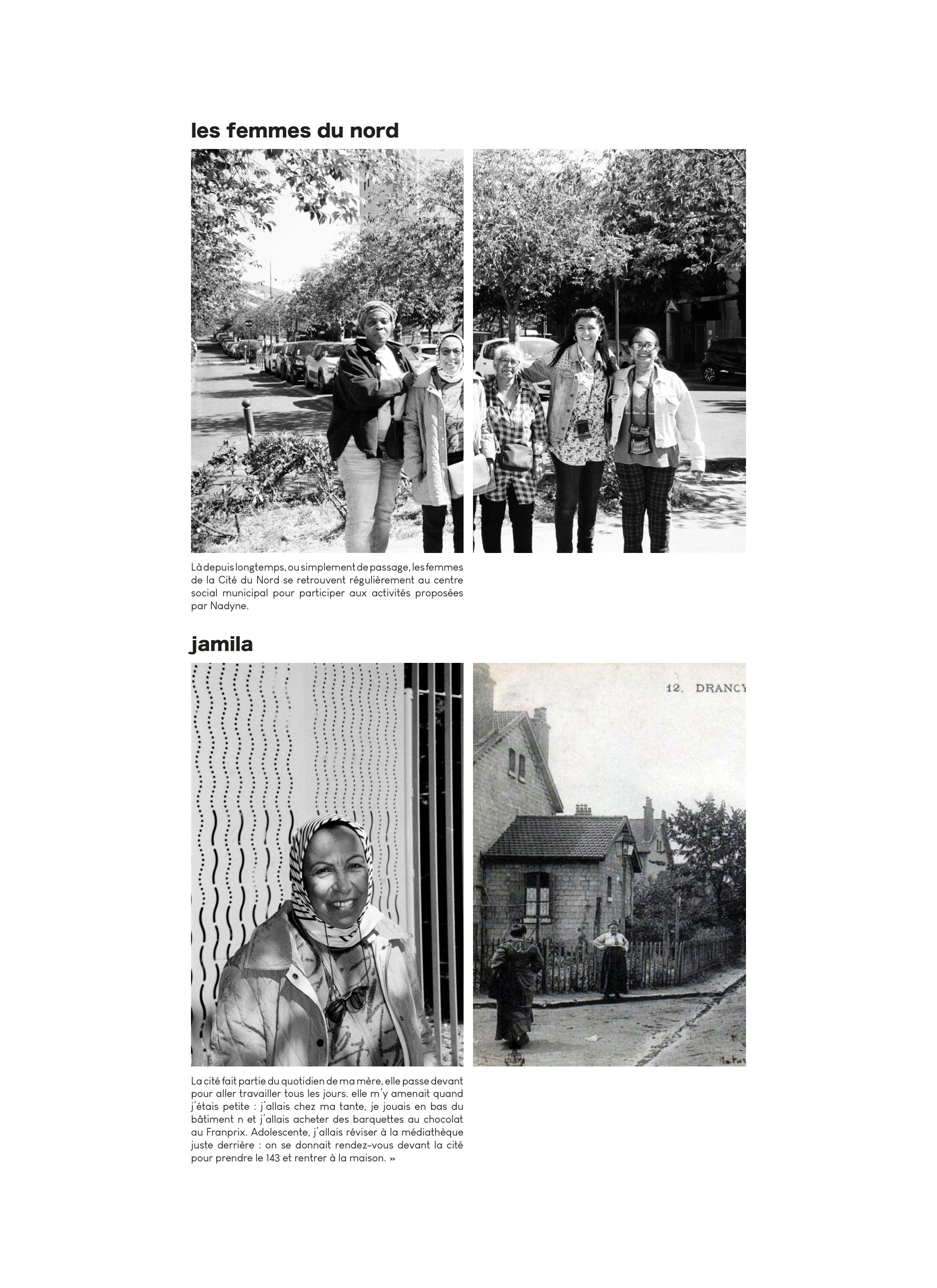
les femmes du nord
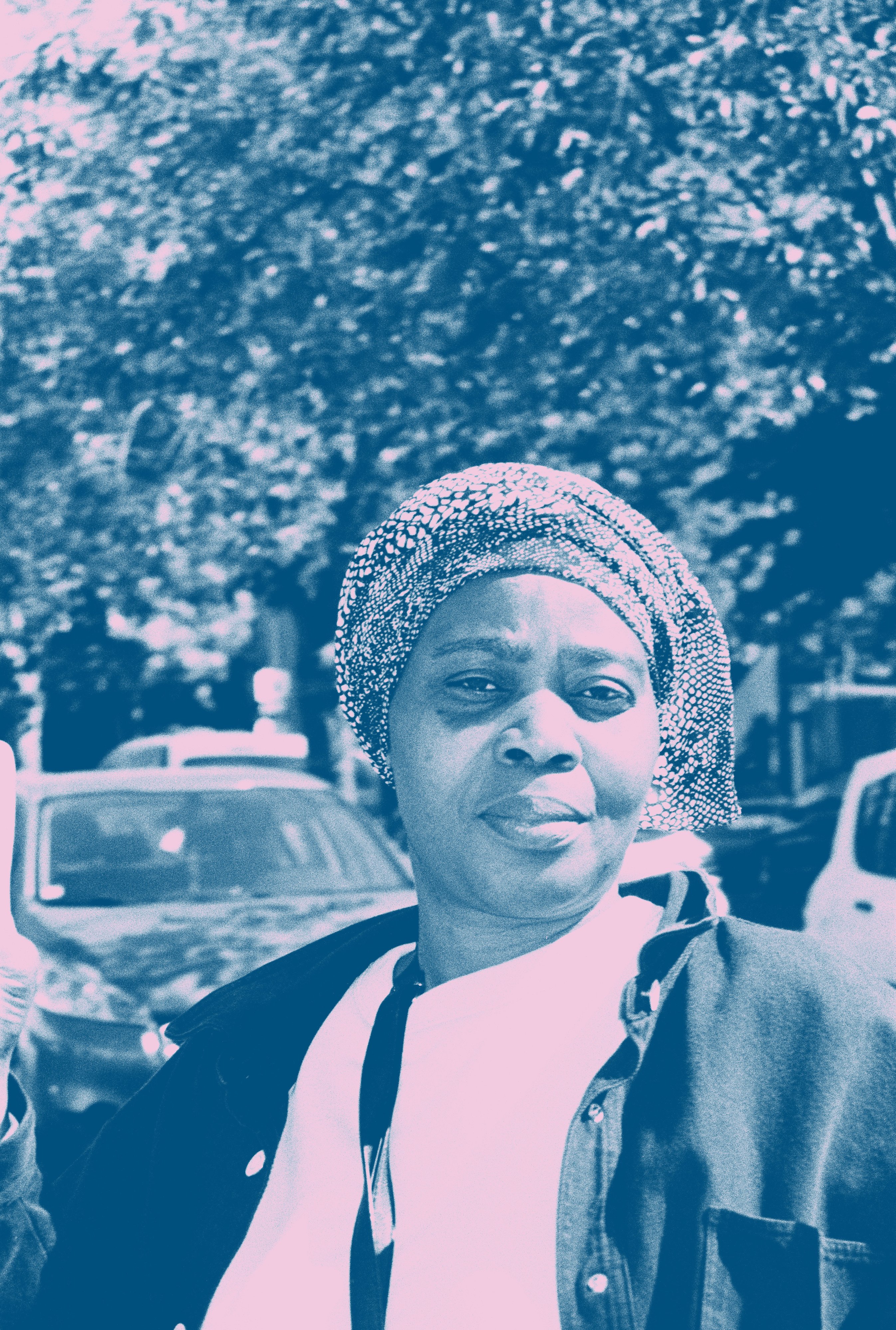
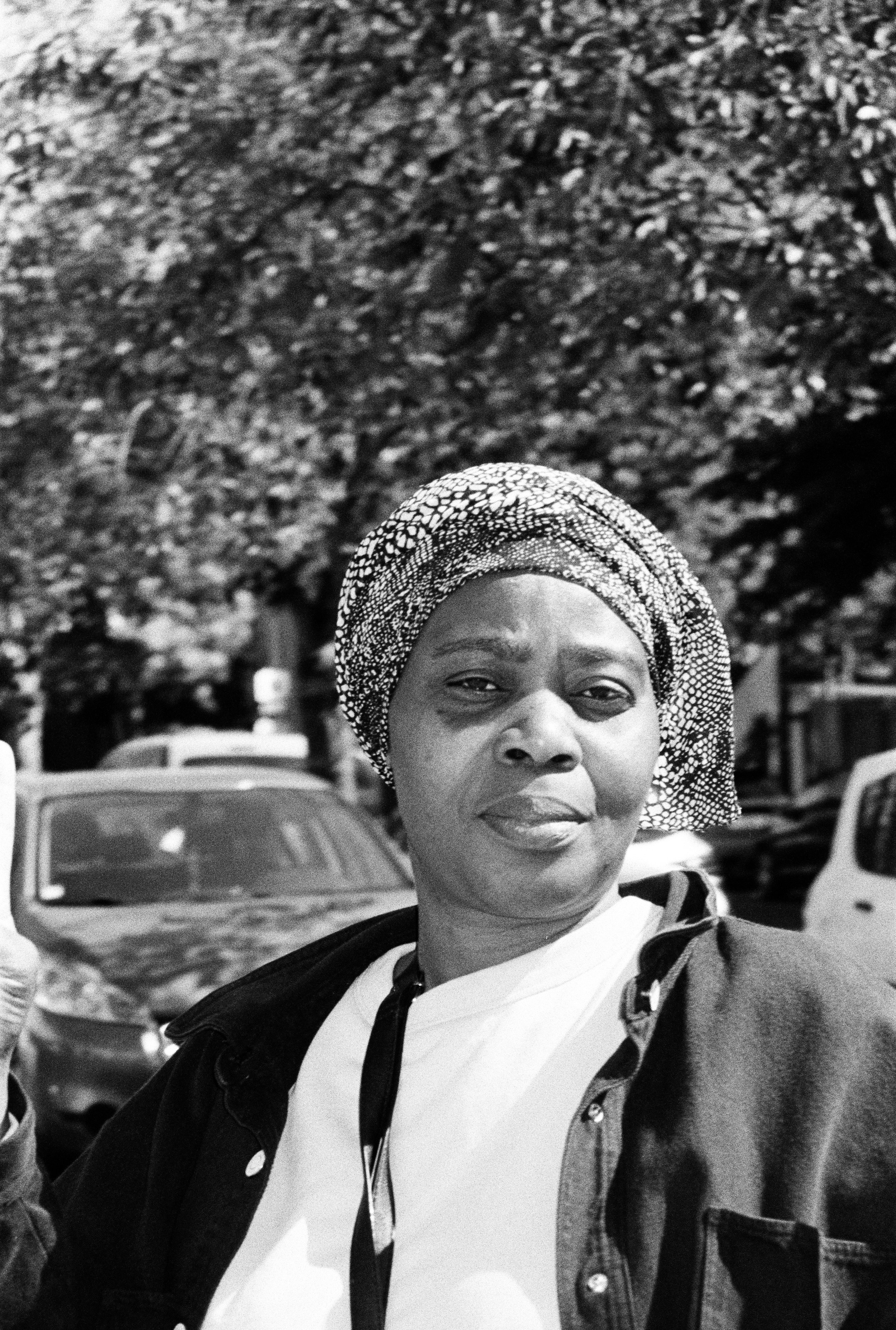
Here for a long time or just passing through, the women of the Cité du Nord meet regularly at the municipal community center to take part in the activities run by Nadyne.
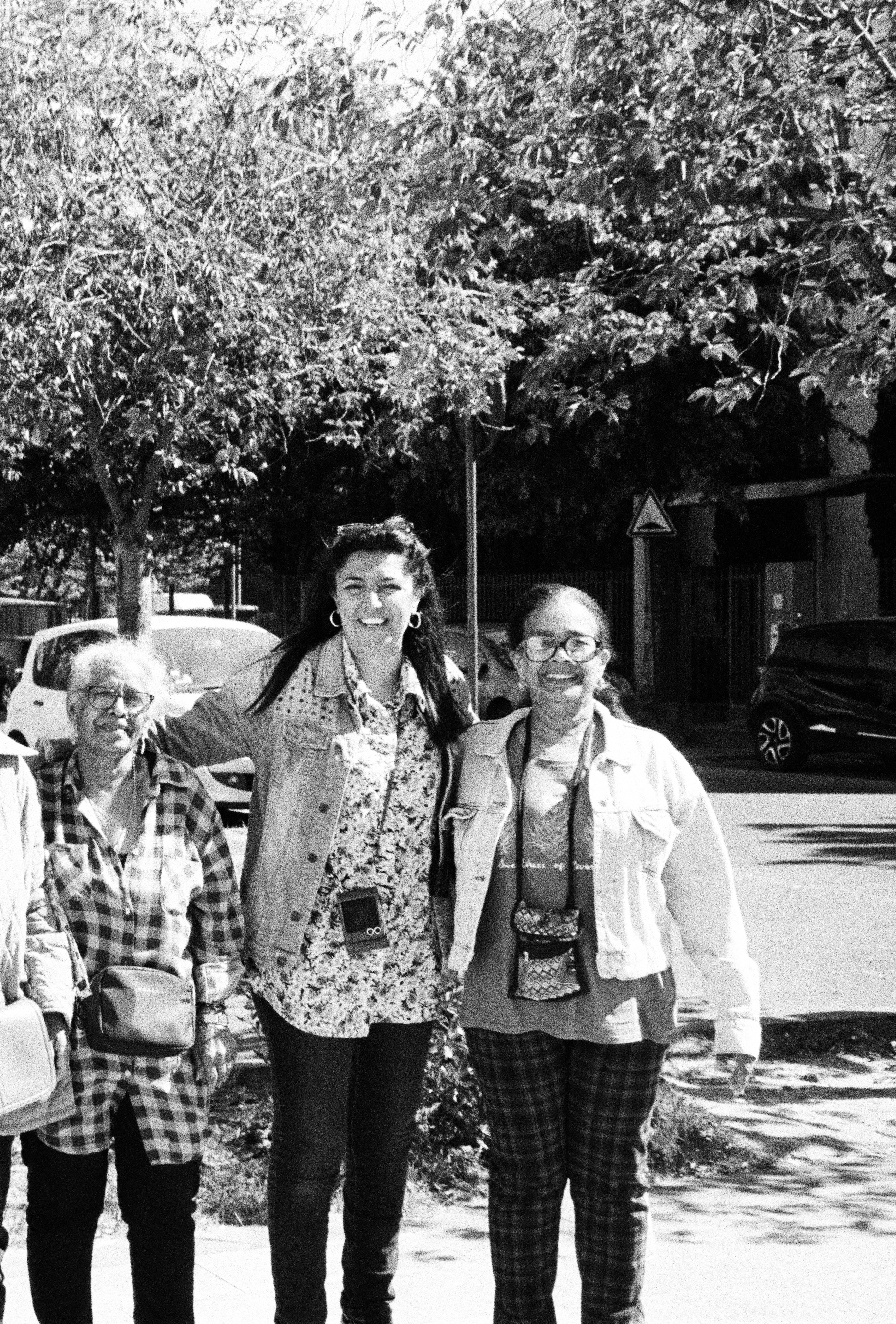
les femmes du nord
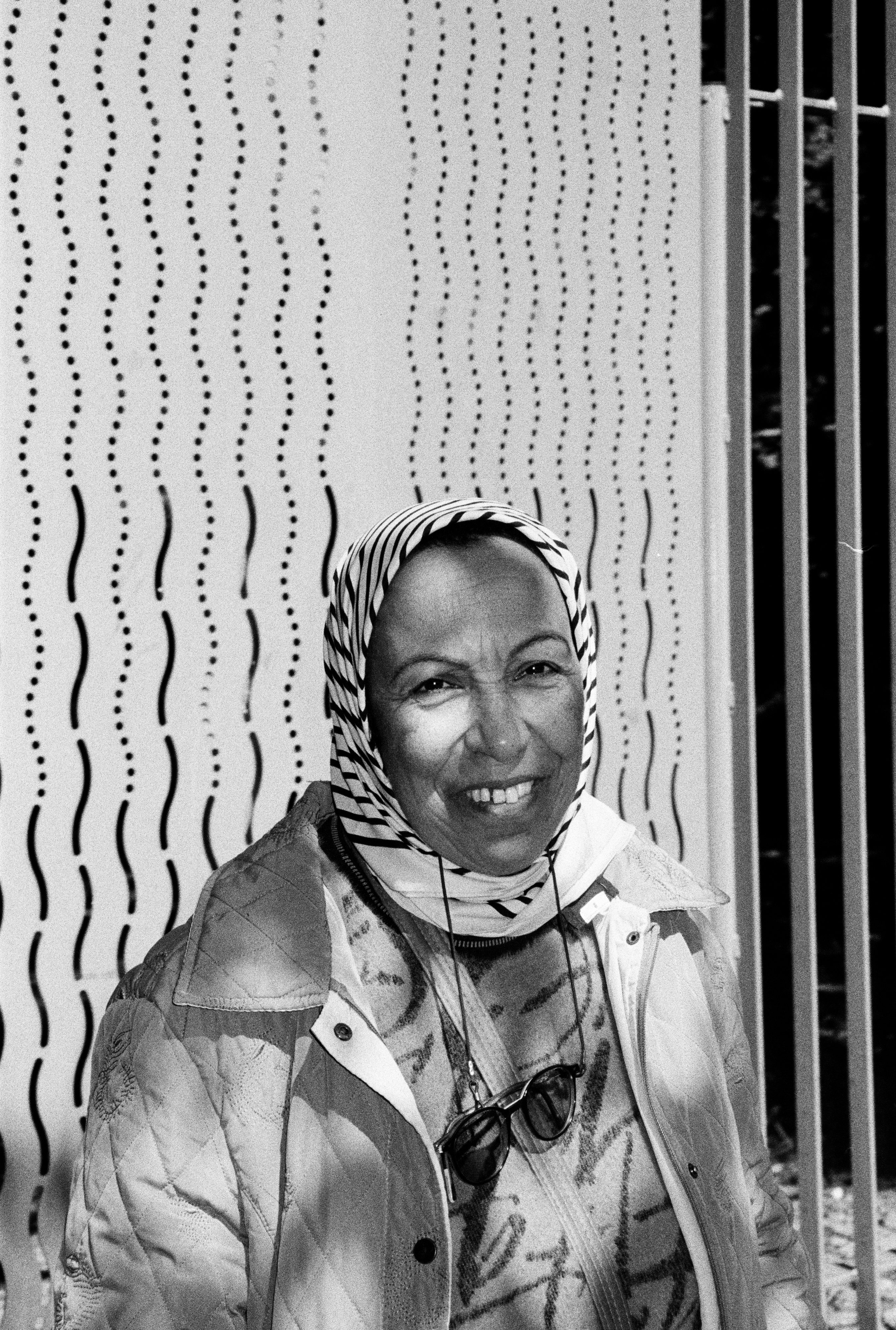
jamila
“The cité is part of my mother's daily life; she walks past it every day on her way to work. She used to take me there when I was little: I'd go to my aunt's, play at the foot of building N and go and buy chocolate barquettes at the Franprix. As a teenager, I'd go and revise at the media library just behind: we'd meet in front of the cité to catch the 143 home.”
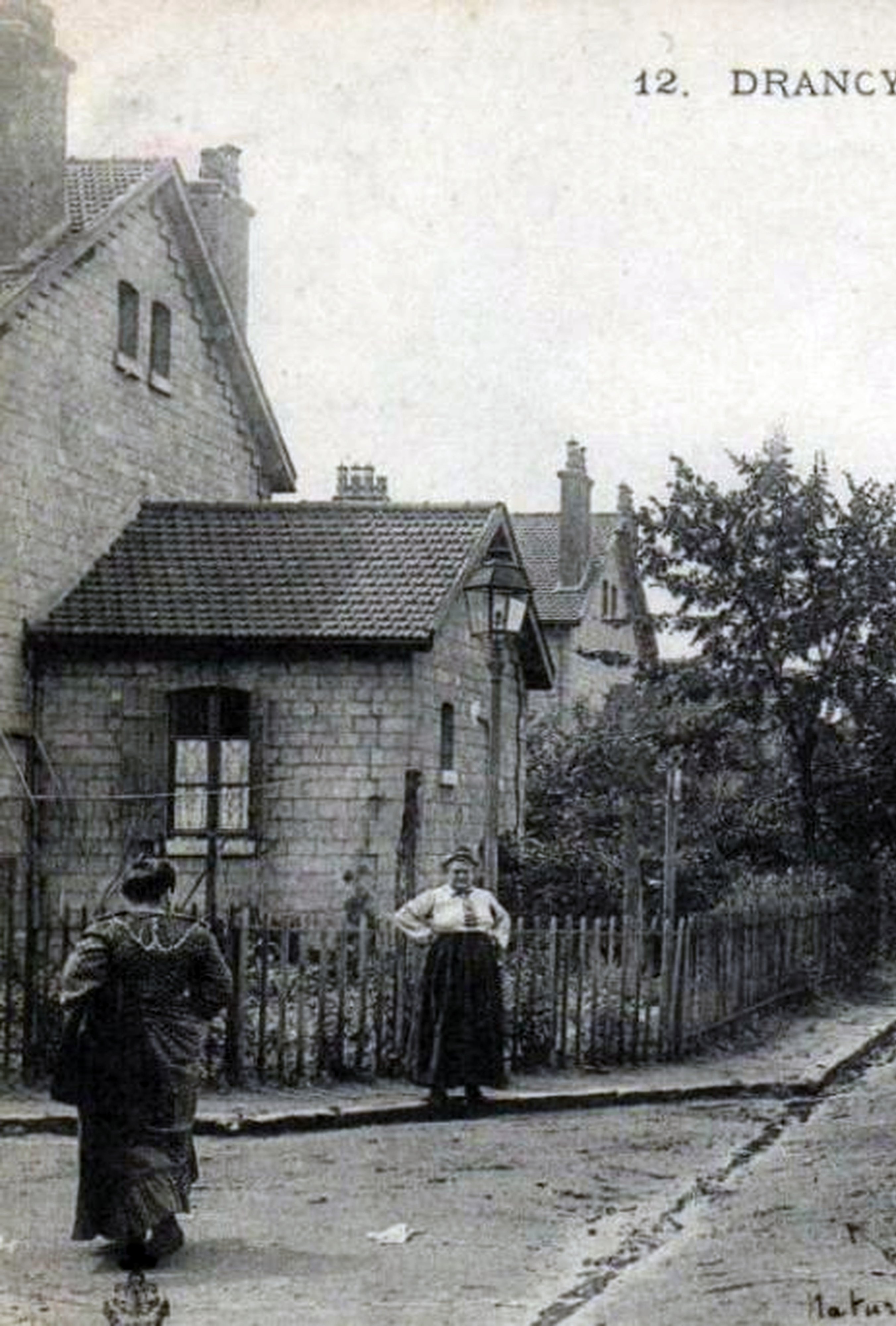
archive
wall 05
l’été des papas
“Take our picture over here, in front of our community center”
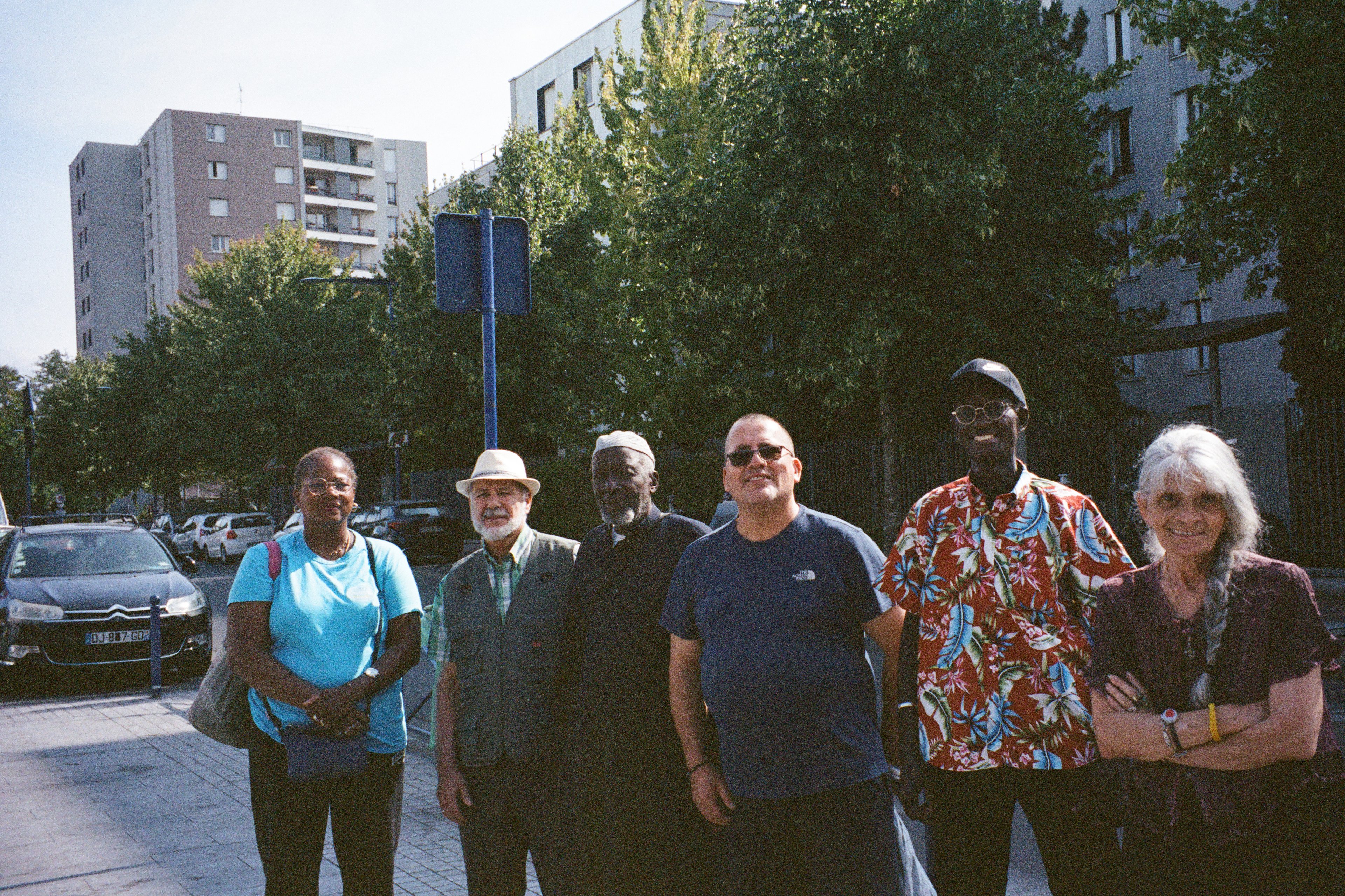
le café des parents
Every week, residents get together one morning over coffee. They come and go through the municipal community center, talking about the neighborhood, their daily lives, everything and nothing. All sorts of insignificant things happen there that fascinate me: the way the space organizes itself, the murmurs, the exclamations, the little bags people swap, the helping hands, the news people share. In our conversations, I felt memory unfold little by little: from the 1980s to today, from their arrival to their grandchildren, we shared what ties us to Drancy, to the Cité du Nord and to this place.
wall 06
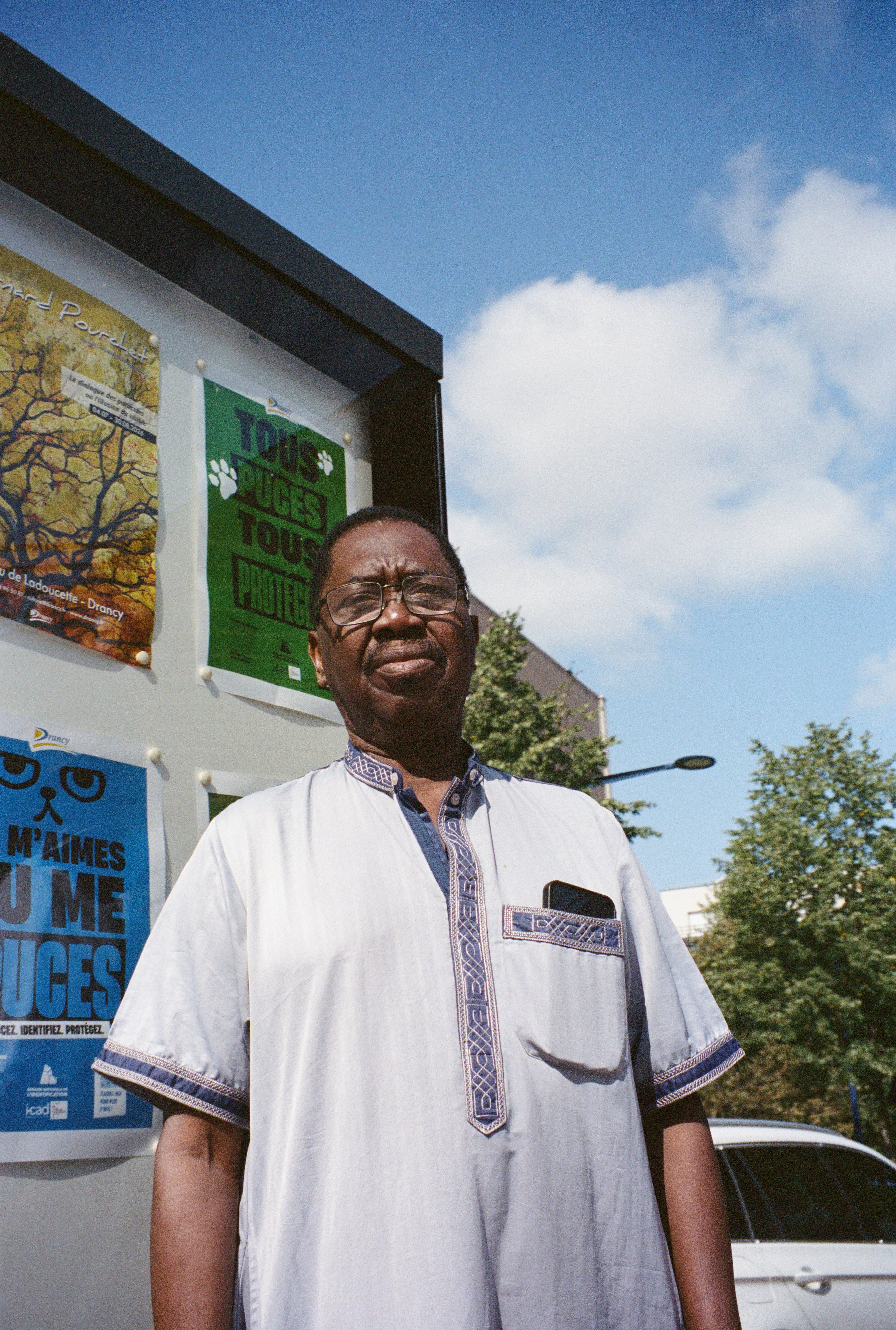
qamis d’été
Meïté Bouaké, Diallo Macka and Mamadou Ballo are members of the Cité du Nord families' association. Every week, you can find them at the community center for the families' coffee morning.
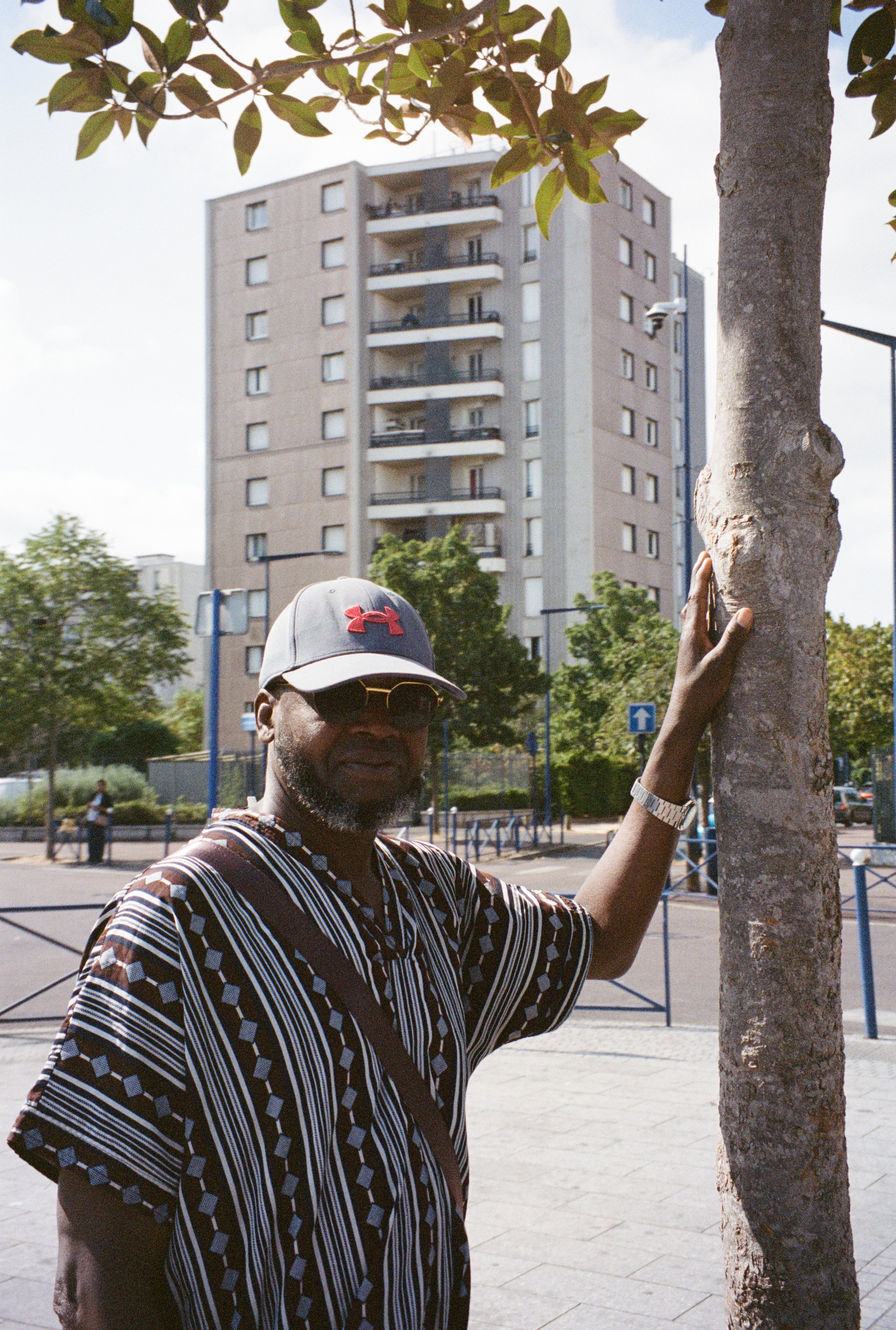
“We arrived here in 1980. We're the children of railway workers. Our dads worked for the SNCF.” “There was a big Moroccan community, like us. They were the contract workers brought over from Morocco. The SNCF, among other companies, needed labor. At the end of the 60s and the start of the 70s, they went to Morocco to recruit workers, and that's where most of our parents come from.” “They gathered almost all of them in Casablanca. They had to pass medical checks. And once they were accepted, they were brought over here.”
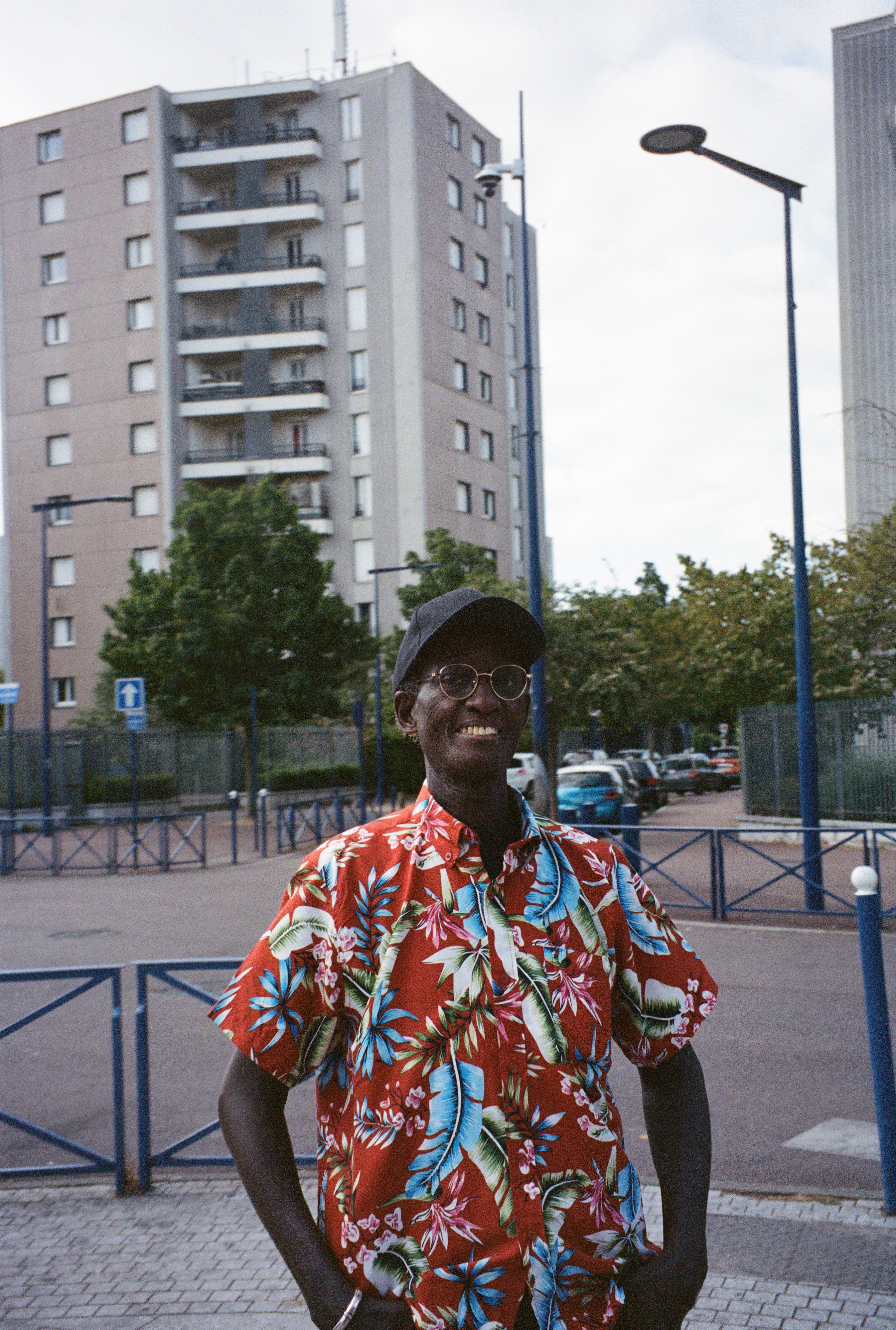
abdoulaye
Abdoulaye often turns up late to the parents' coffee morning. But he often brings biscuits, so everyone's happy. Sometimes he has a book in his hand too. Last time it was “La mafia des cités. Économie souterraine et crime organisé dans les banlieues” by Jérôme Pierrat.
wall 07
archive
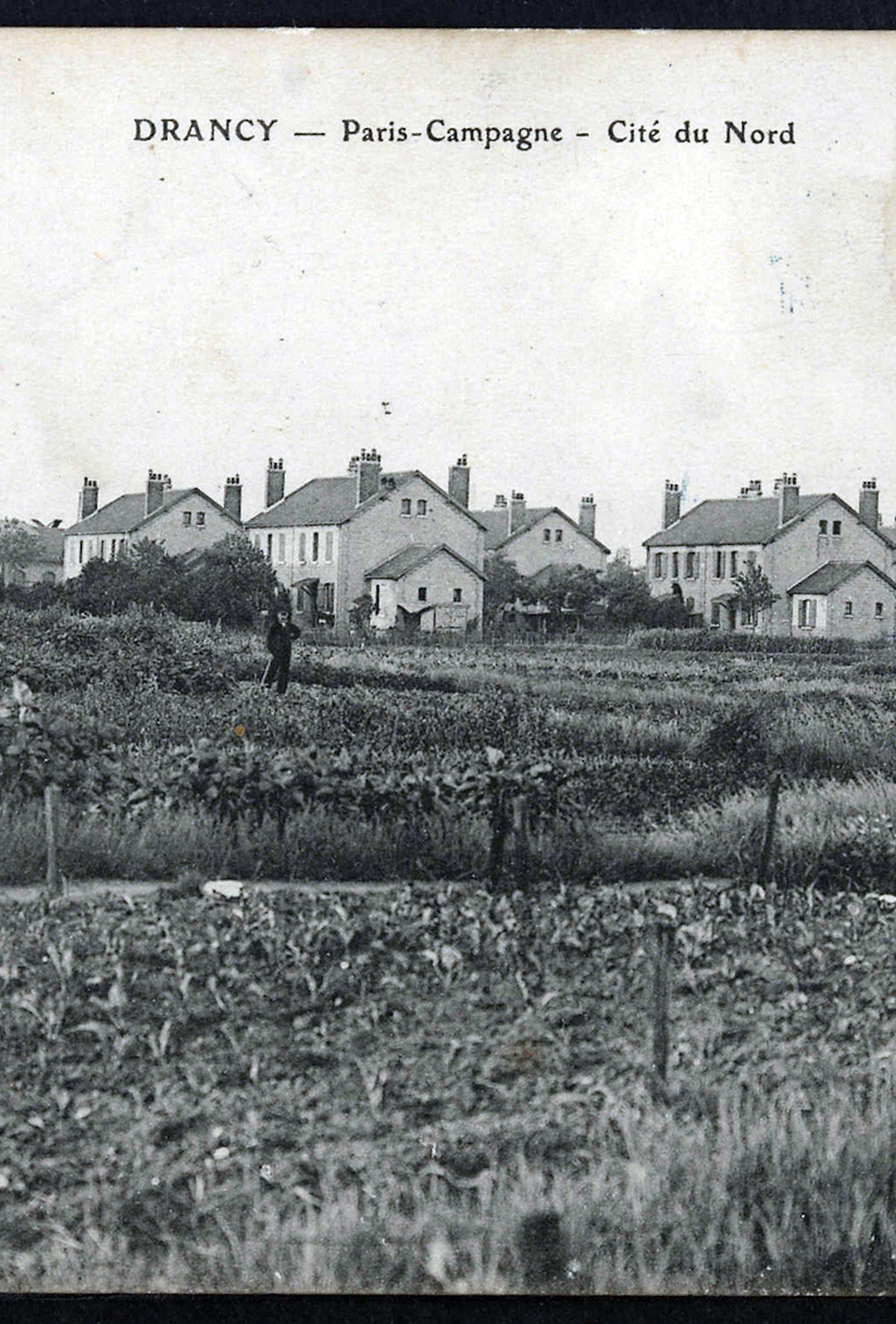
archive
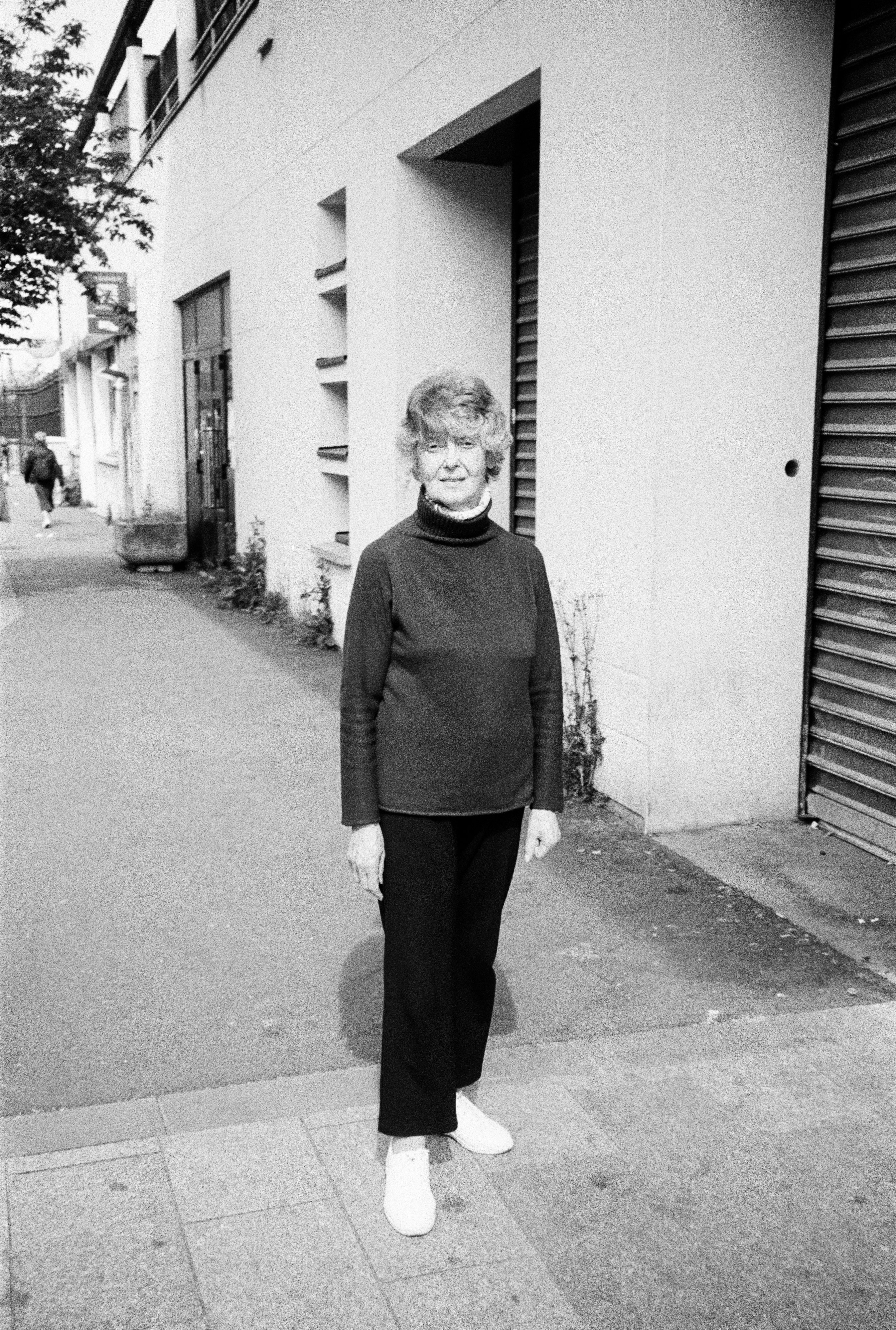
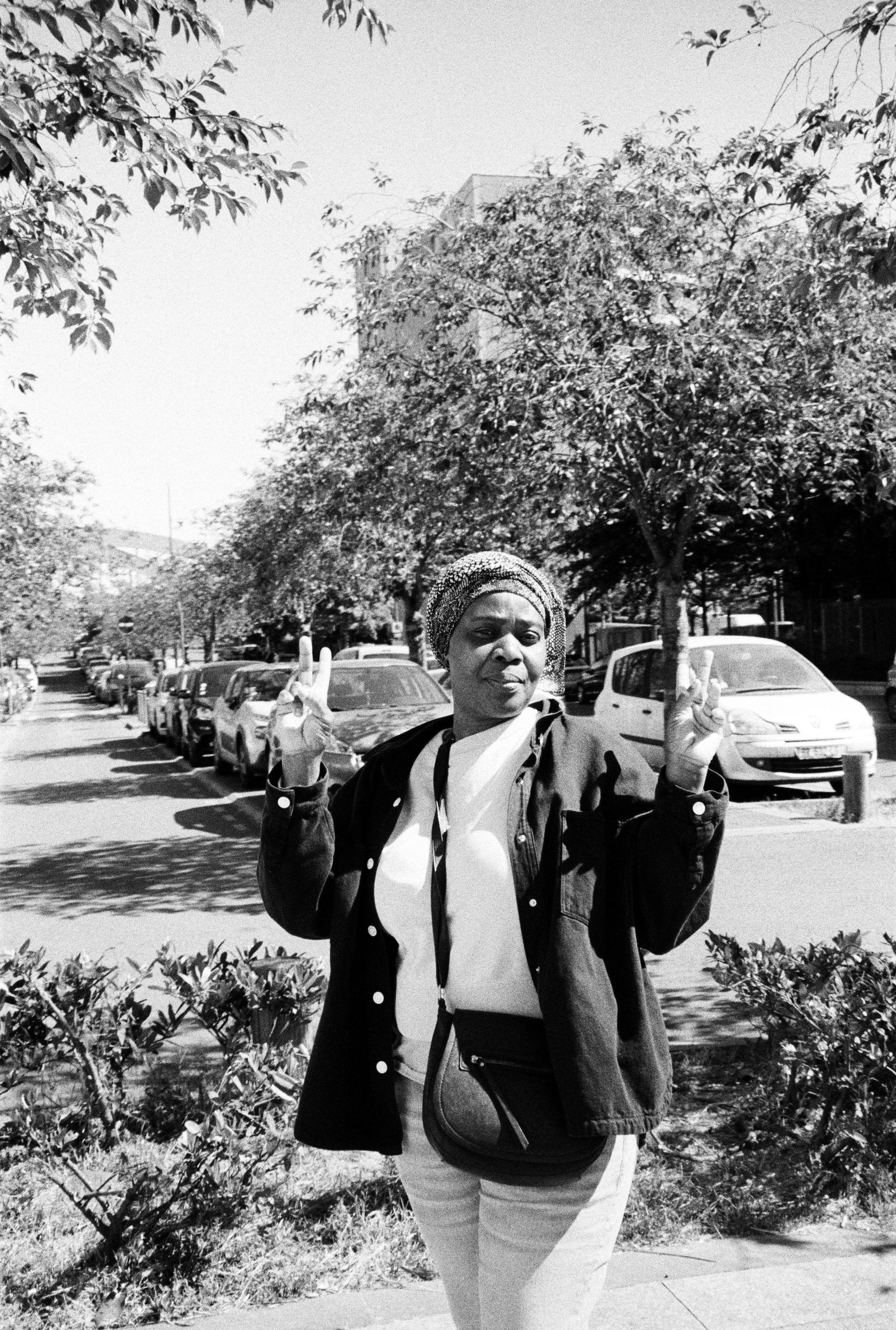
dominique
“Before, on the avenue Marceau, just next door, we had everything close at hand: shops, bakers, shoe shops, hardware stores, dry cleaners, fishmongers… it was huge, but now there's a lot less”; “Drancy is changing a lot: and when they knock down the old millstone houses, it always makes me sad. You know, here it's the paris-campagne neighborhood, and it really is like a village.”
wall 08
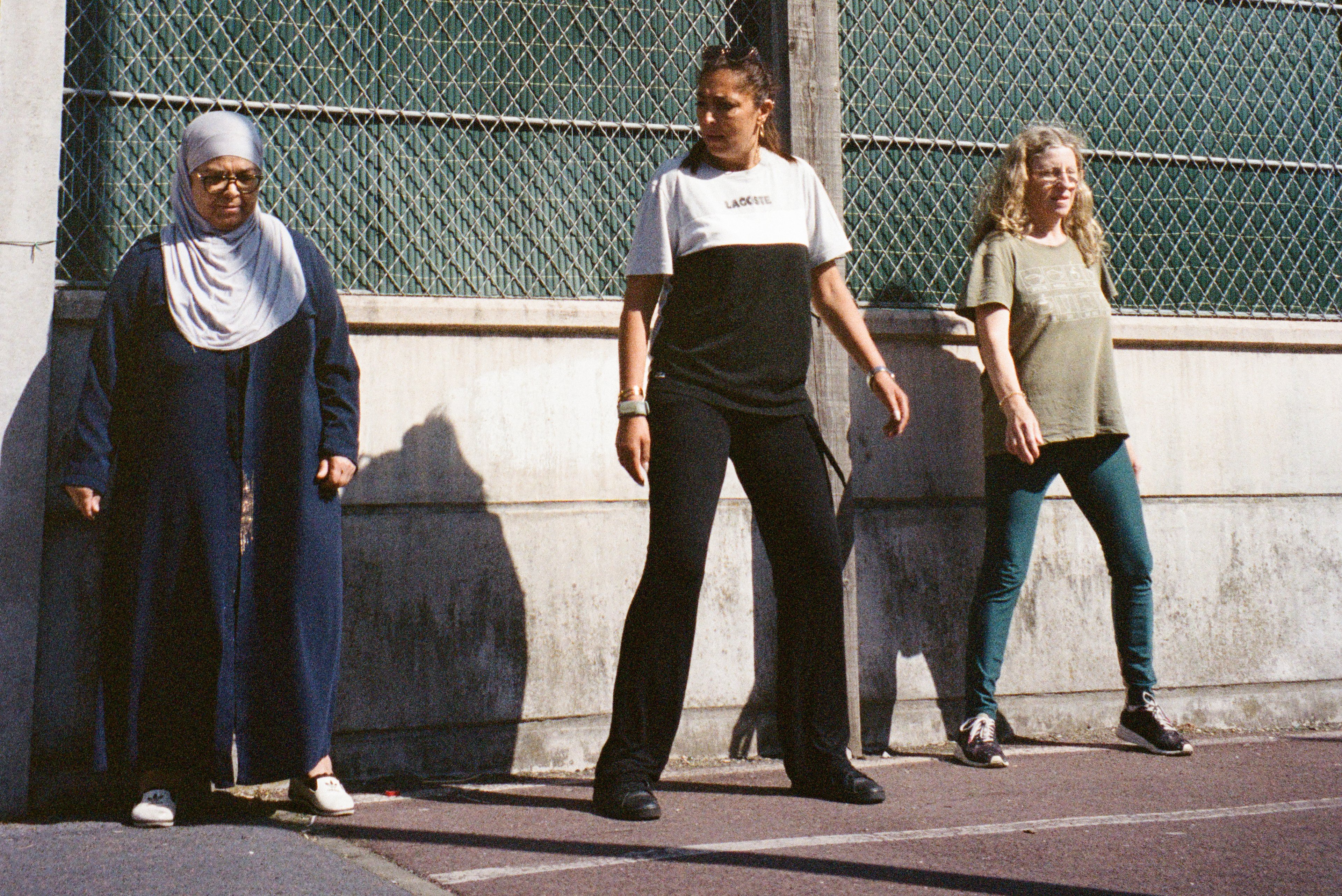
manger · bouger
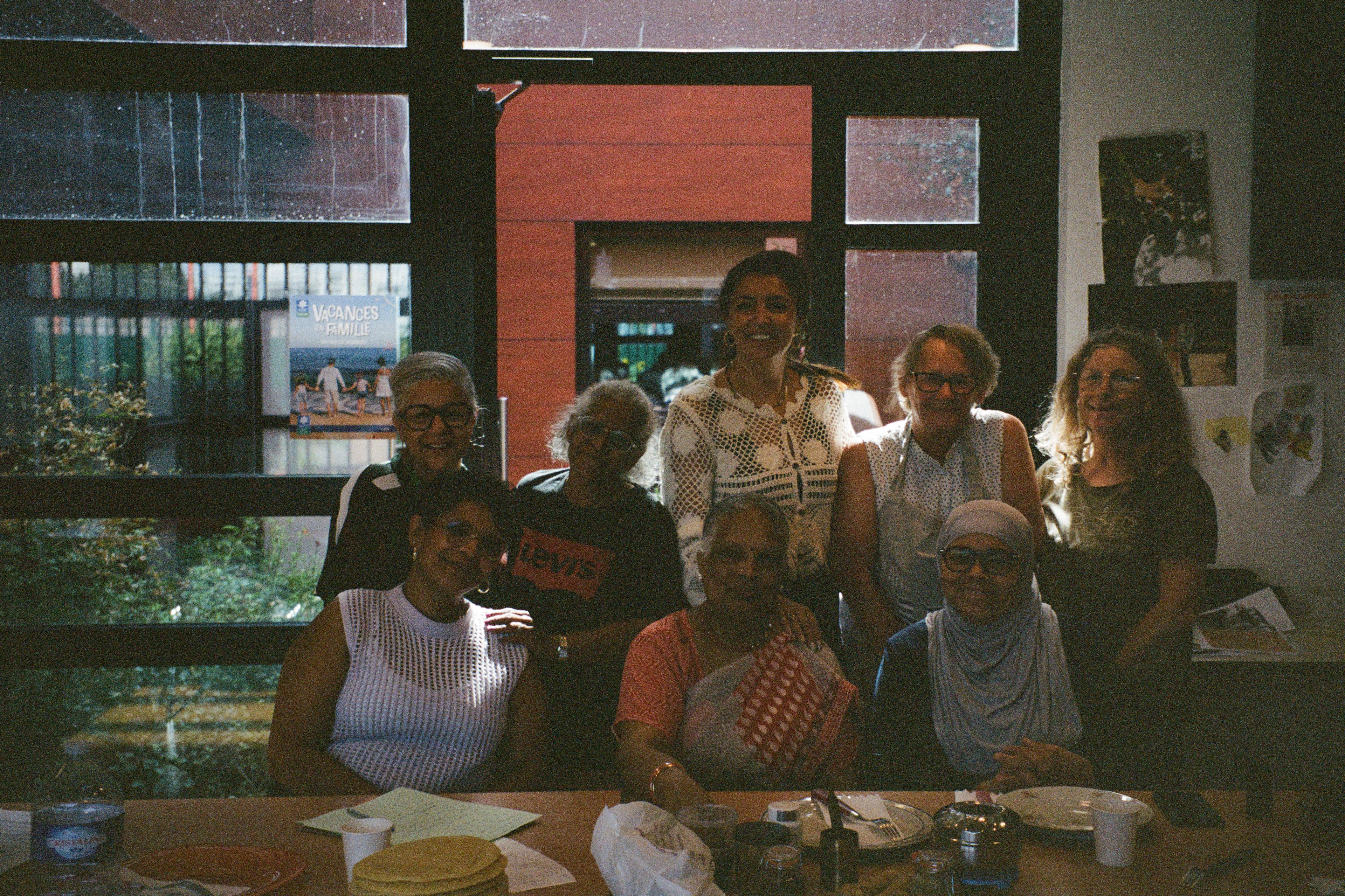
manger · bouger
It's 9:45 and Nadyne says: “come on, come on, let's get moving, follow me!”. She puts on some music, cheers each woman on, demonstrates a move, helps a participant. She's bursting with energy. An hour later, I find her at the center making lunch with the women of the neighborhood. They share a recipe, laugh, chat.
wall 09
archive
archive
archive
archive
wall 10
archive
archive
archive
wall 11
archive
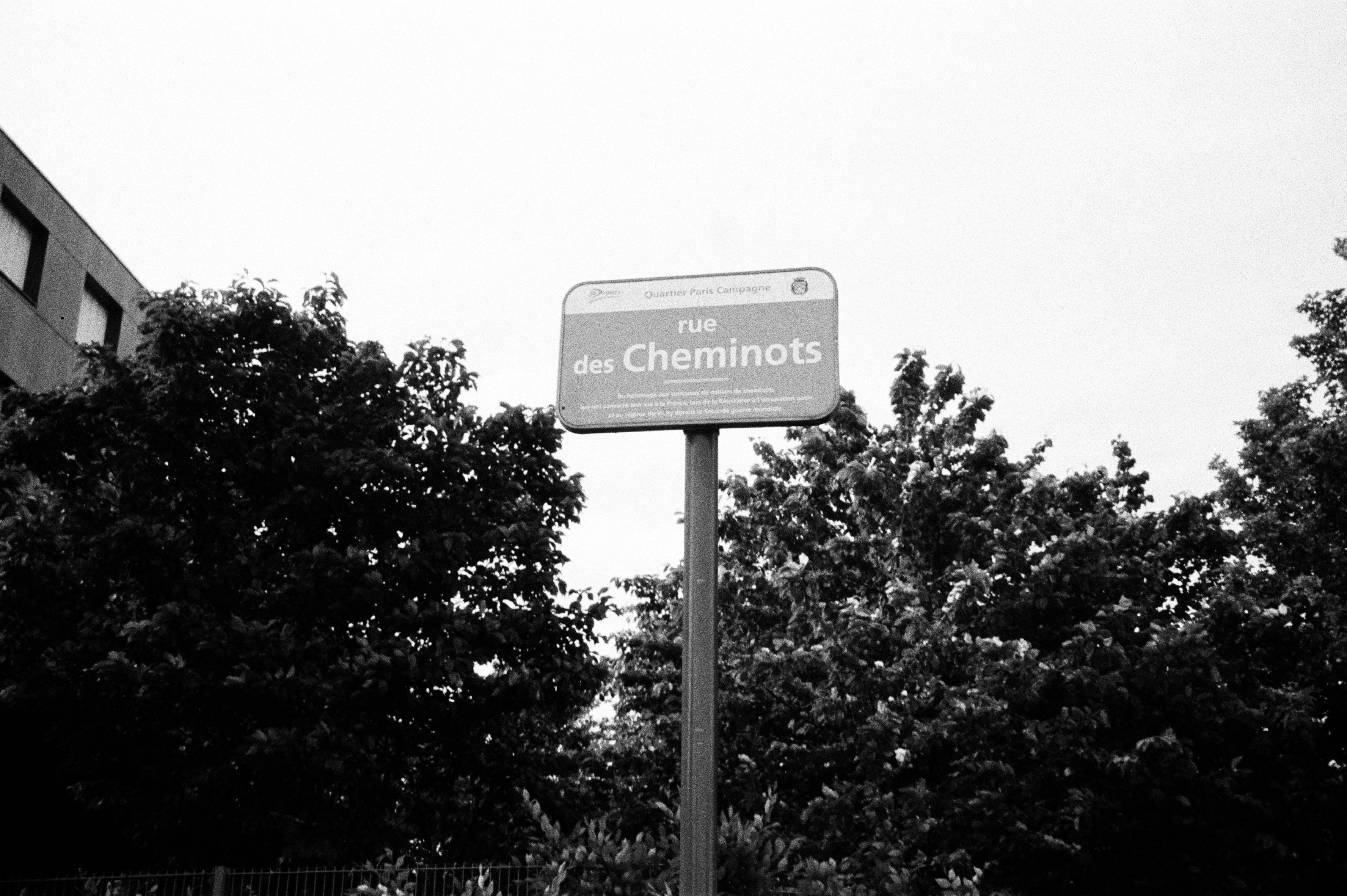
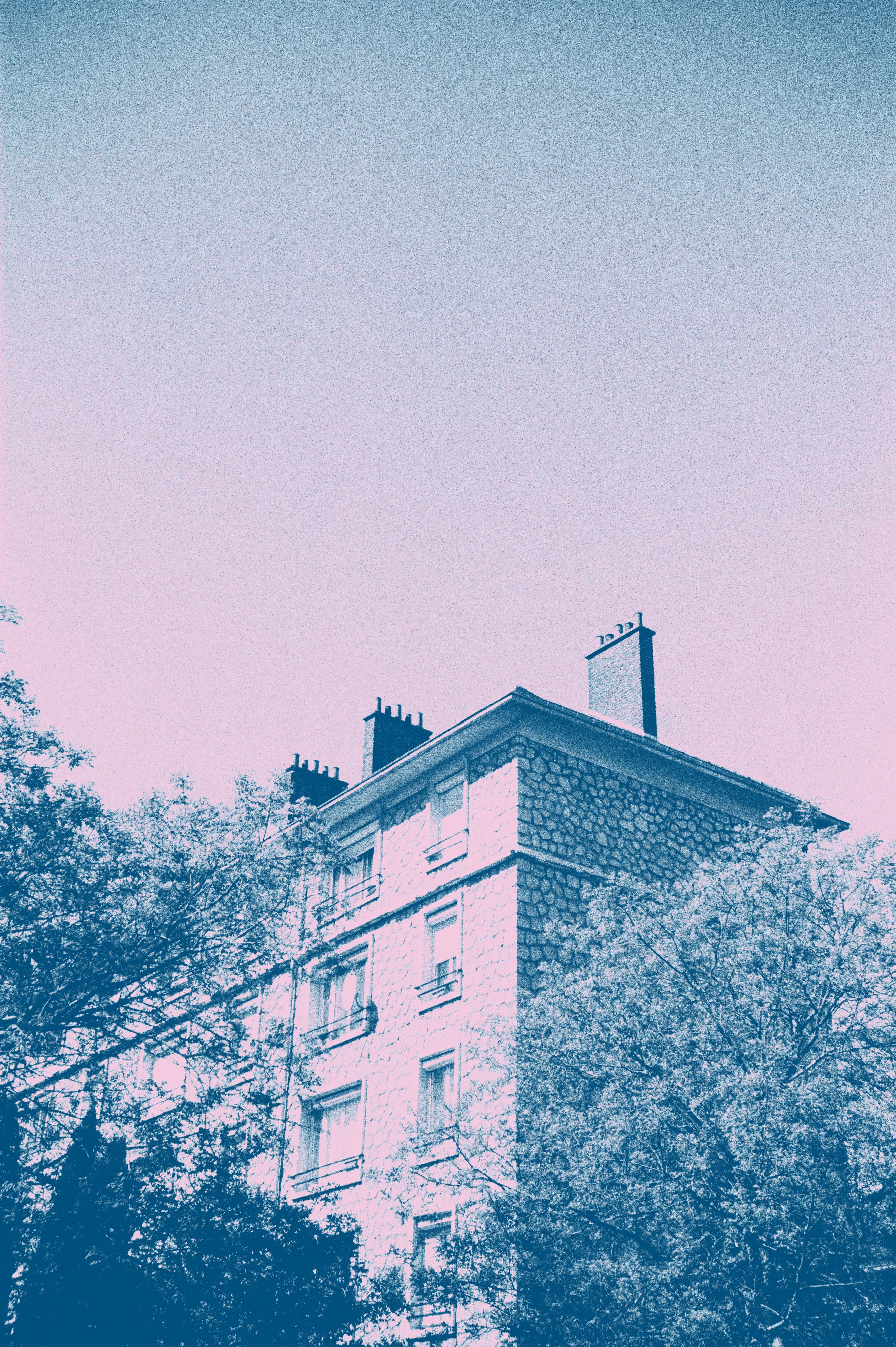
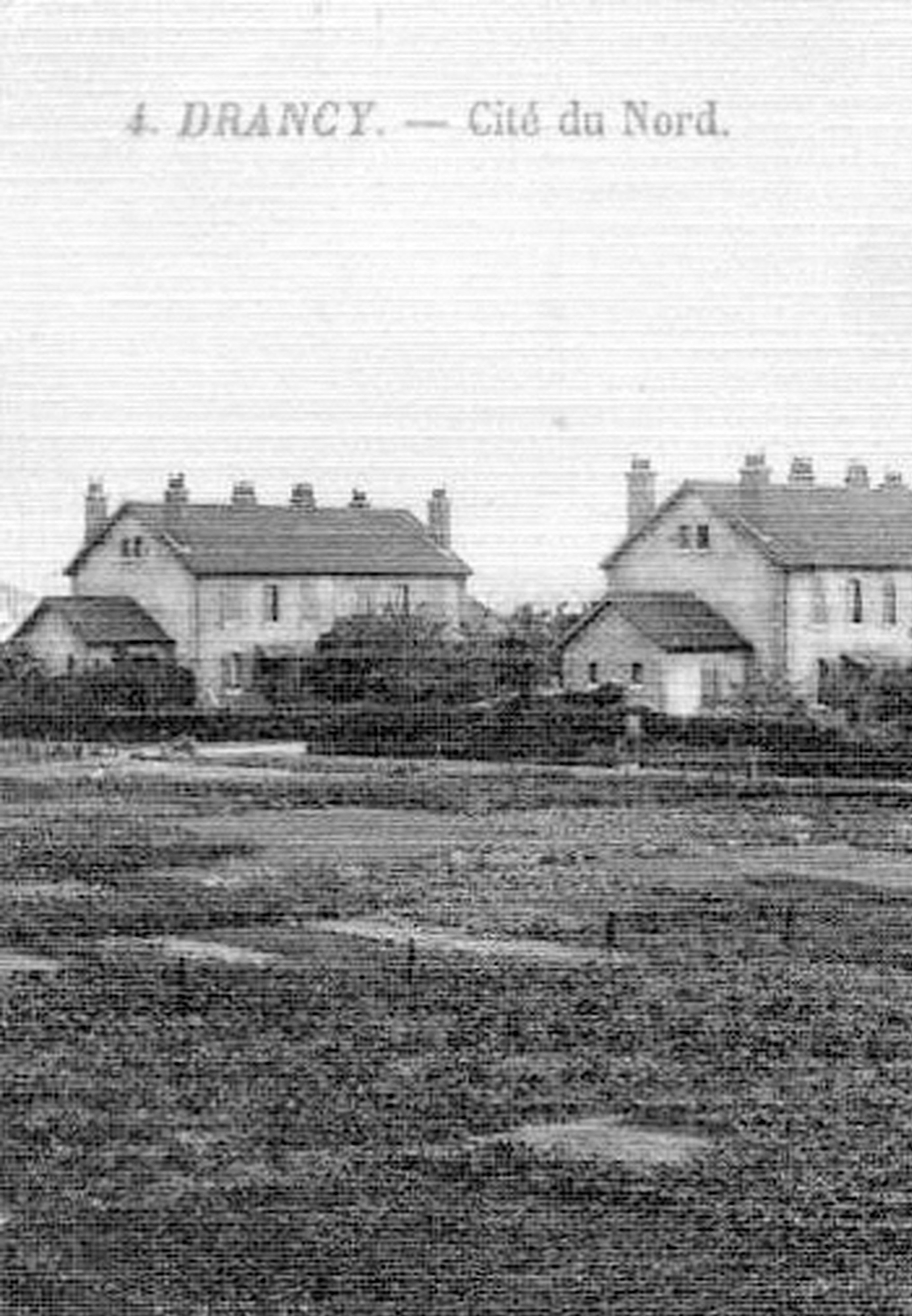
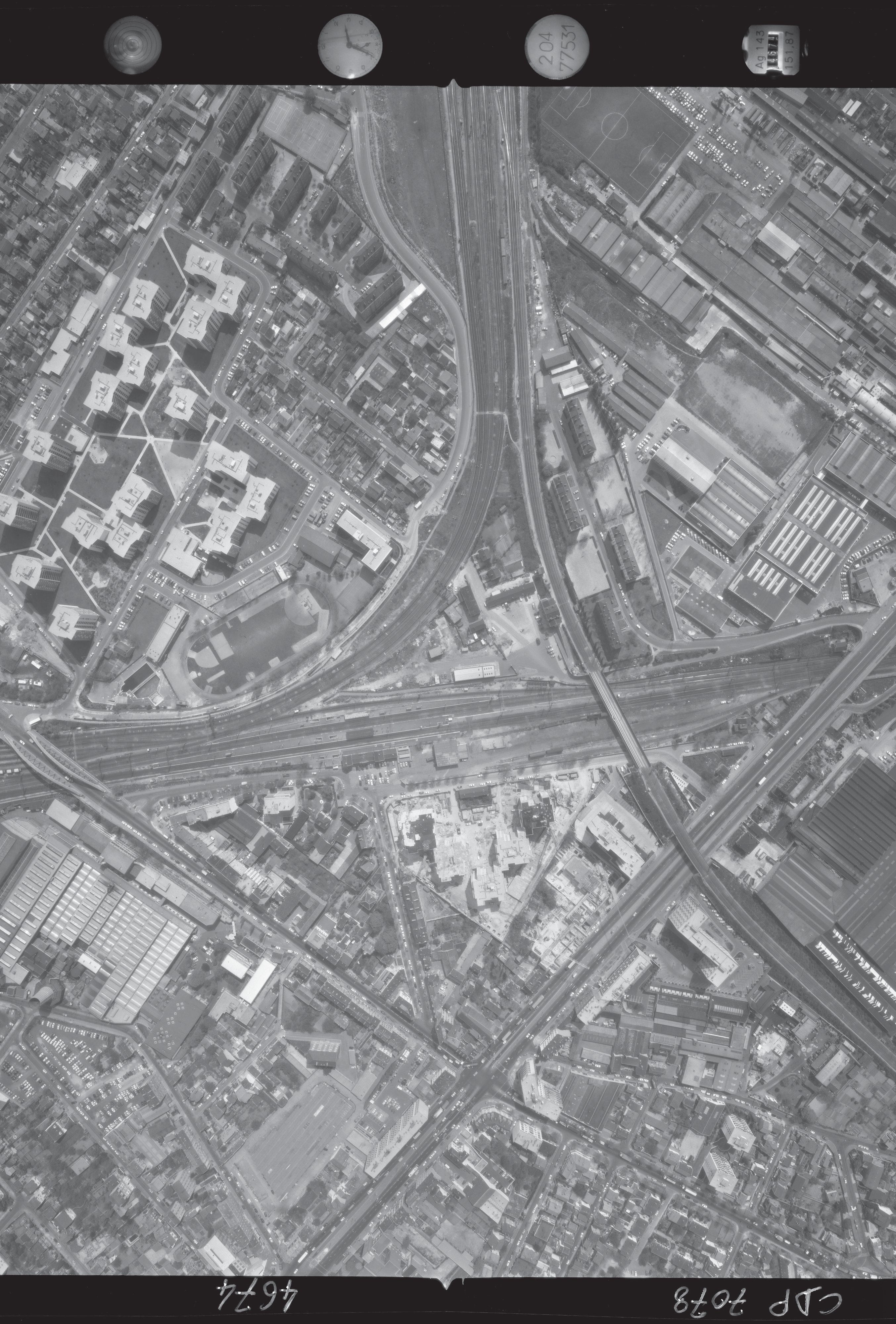
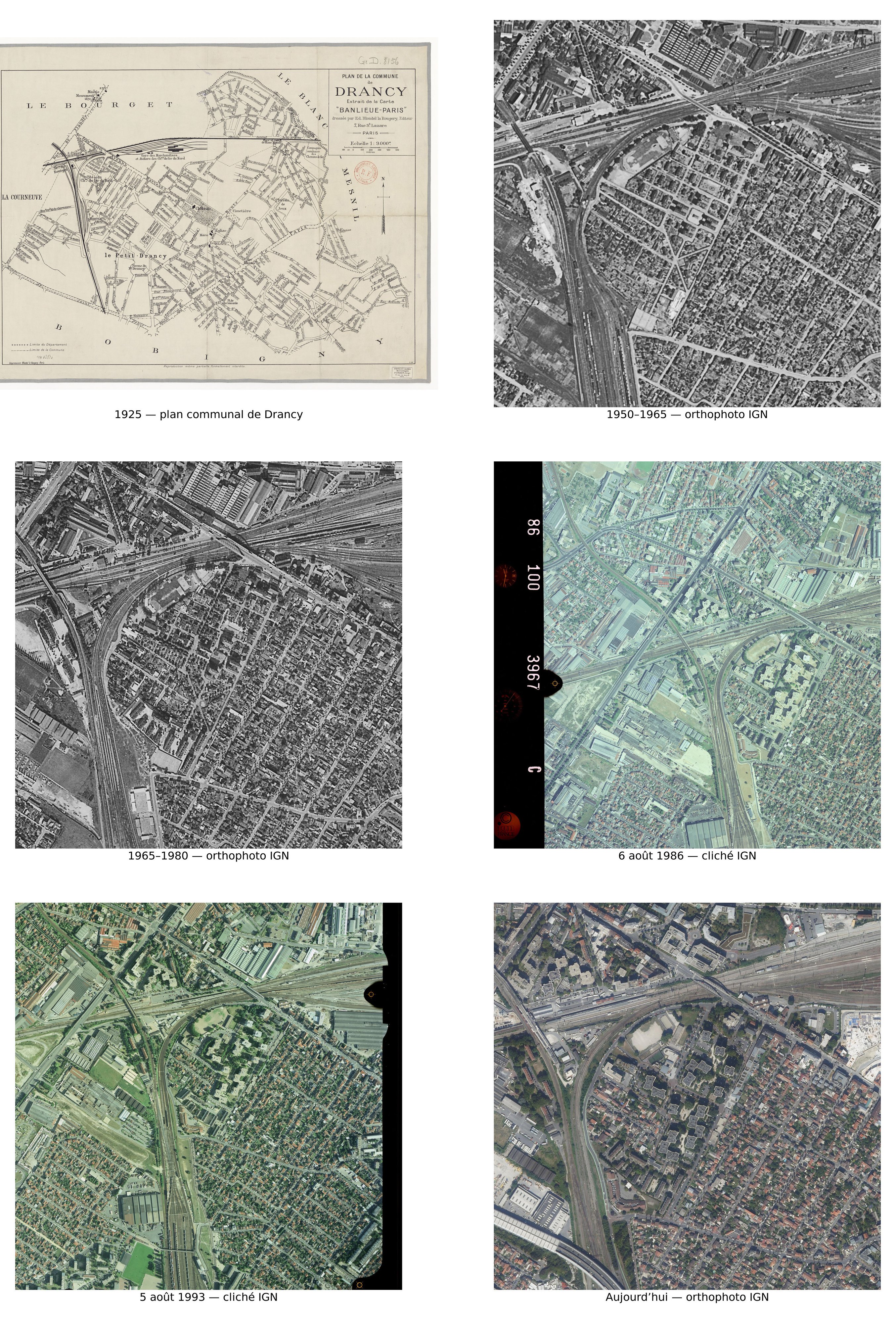
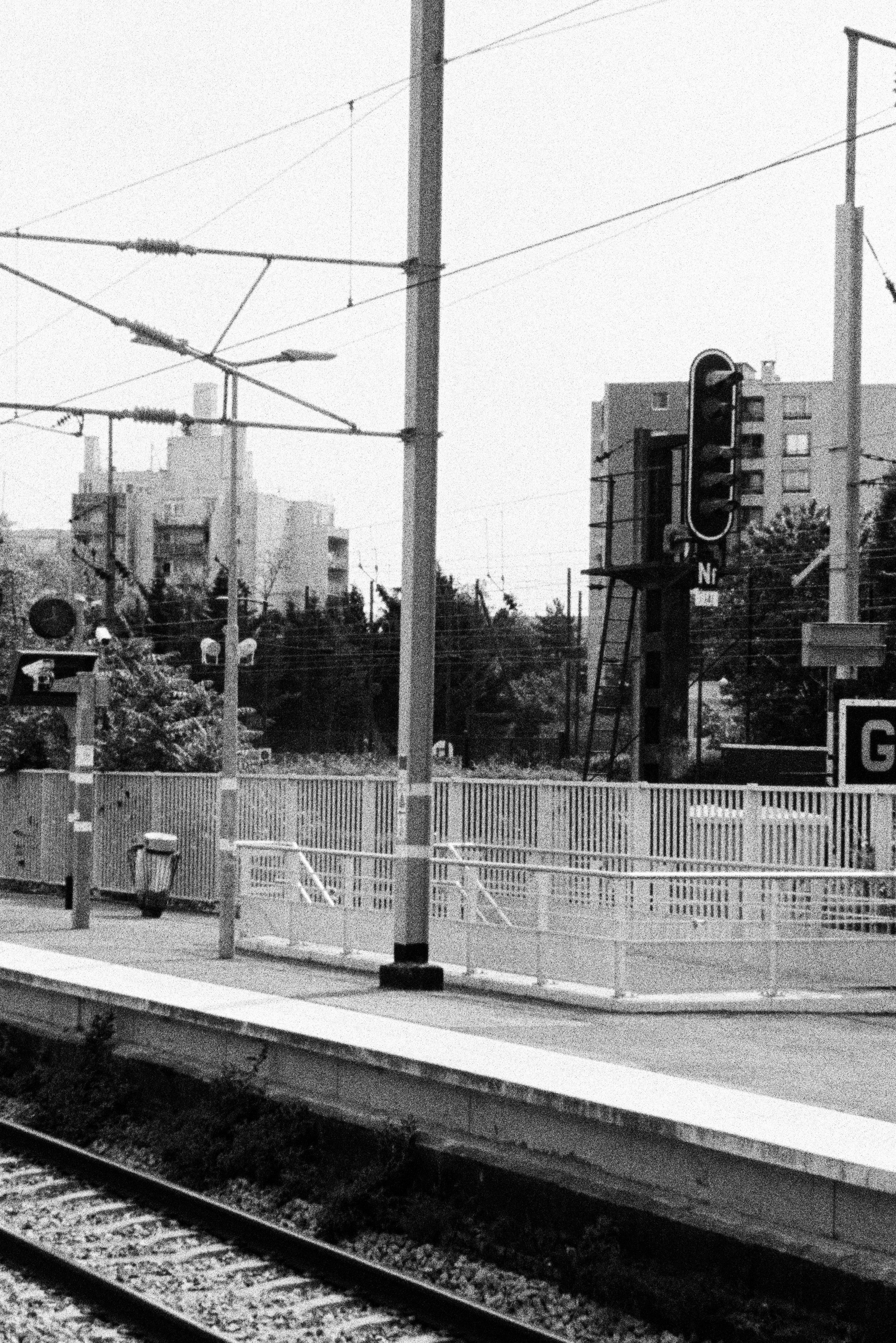
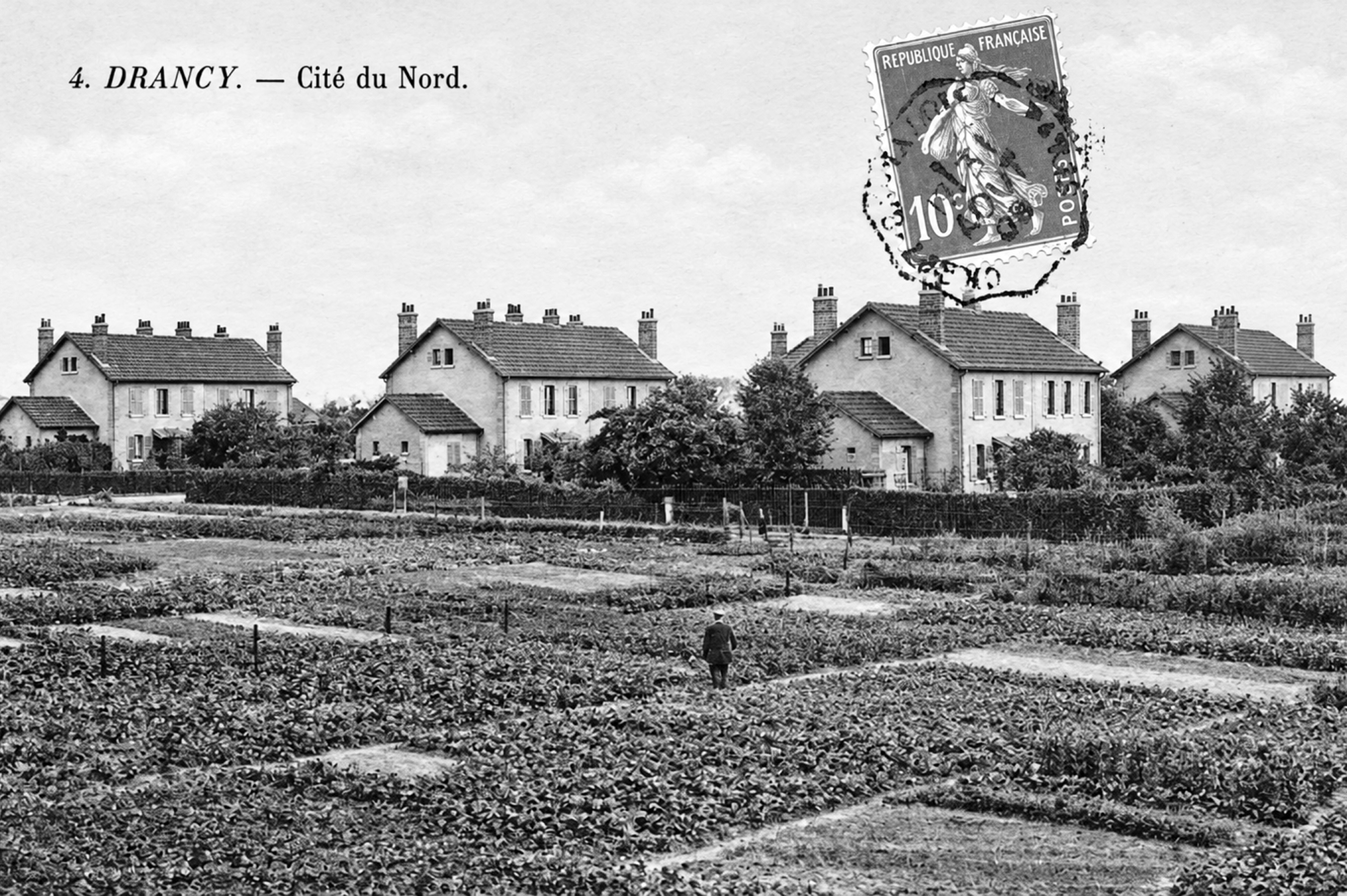
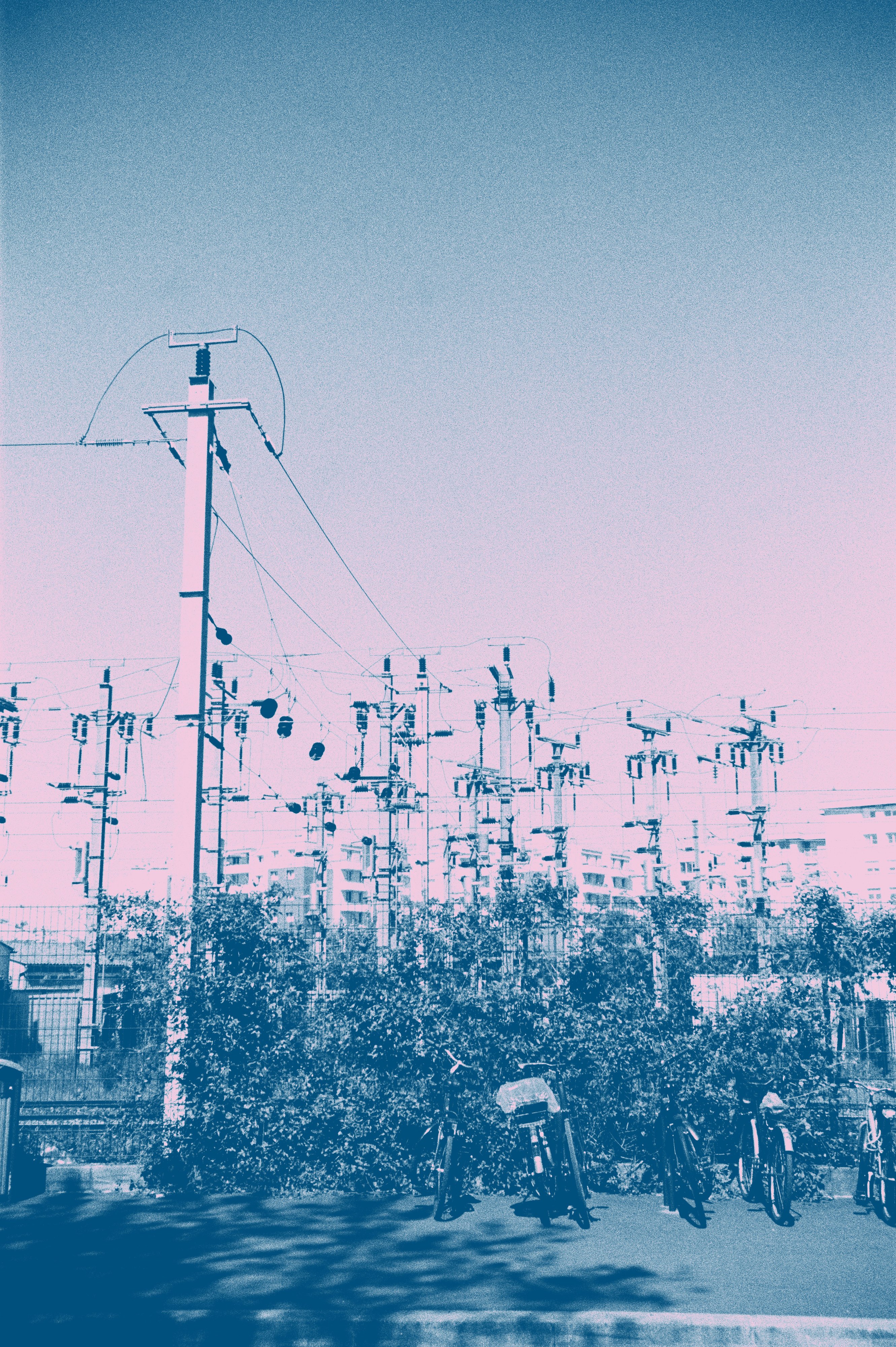
The Cité du Nord was born with the growth of the railway in Drancy. Built at the end of the 19th century by the Compagnie des chemins de fer du Nord, it housed railway workers near the marshalling yard, in small houses with gardens. From the 1960s, these houses were gradually replaced by apartment blocks, which were renovated in the 2010s. A short walk from the cité, the Le Bourget RER B station carries this railway history on. The line crosses the cité as much as it connects it: a line people pass along, used every day by residents from all over the Île-de-France.
wall 12
wall 13
wall 14
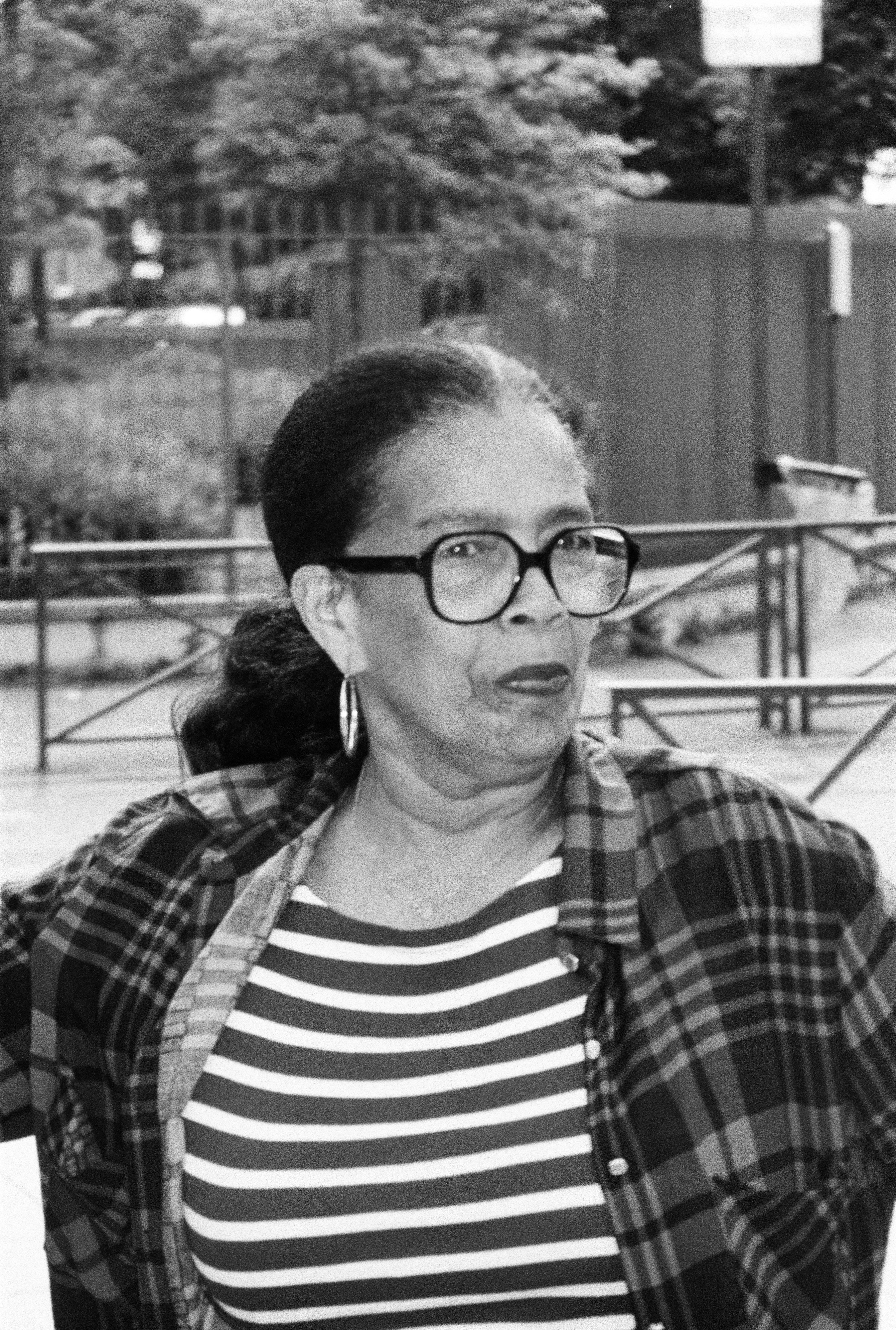
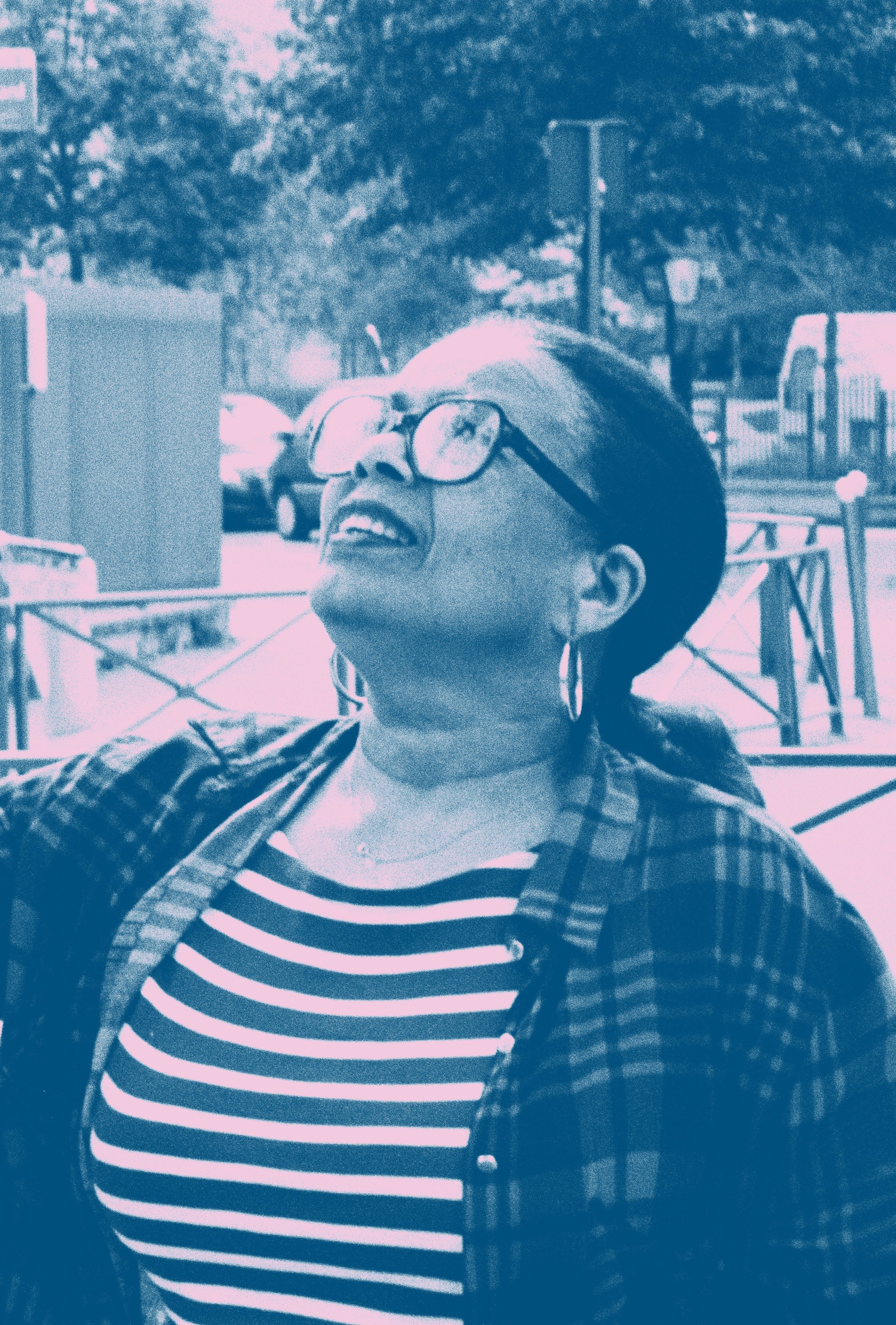
“Today, even if you gave me a house in Paris, I wouldn't go. Because I'm used to it here. We're together, we have associations, we help each other, we see each other all the time.” “People here are like a family. That's what I love. When you step out of here, you feel really good.”
wall 15
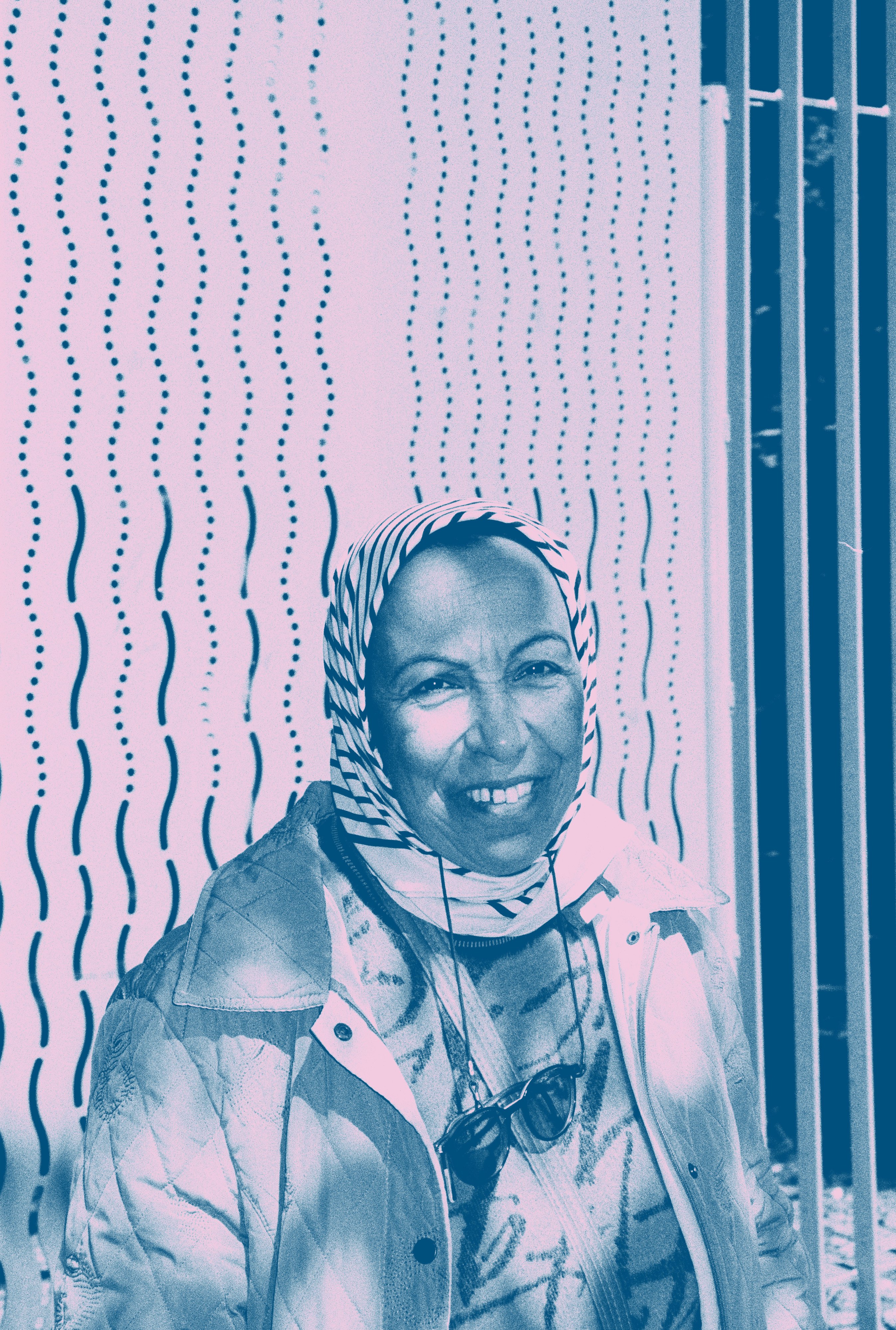
photographs: Myriam Rabah-Konaté and the mOst team, with the residents of the cité du nord · archives: the Papyrus drancéen association
the exhibition
Twelve banners and three panels: the portraits, the residents’ words, and archives, including an aerial view from 1931.