2026le pont-de-claixÎles de Mars · Olympiadesfrance
sans mur
In Îles de Mars and Olympiades, in Le Pont-de-Claix, young people photograph their neighborhood, give each image a title and a caption, then go and interview their elders in front of a camera.
- formats
- mediums
- place
- le pont-de-claix · Îles de Mars · Olympiades
- partners
- APASE 38
- public presentation
- The exhibition “sans mur” at the Îles de Mars sports court, opening on September 12, 2026: banners of titled and captioned photographs, collages on plexiglass and filmed excerpts from the interviews.
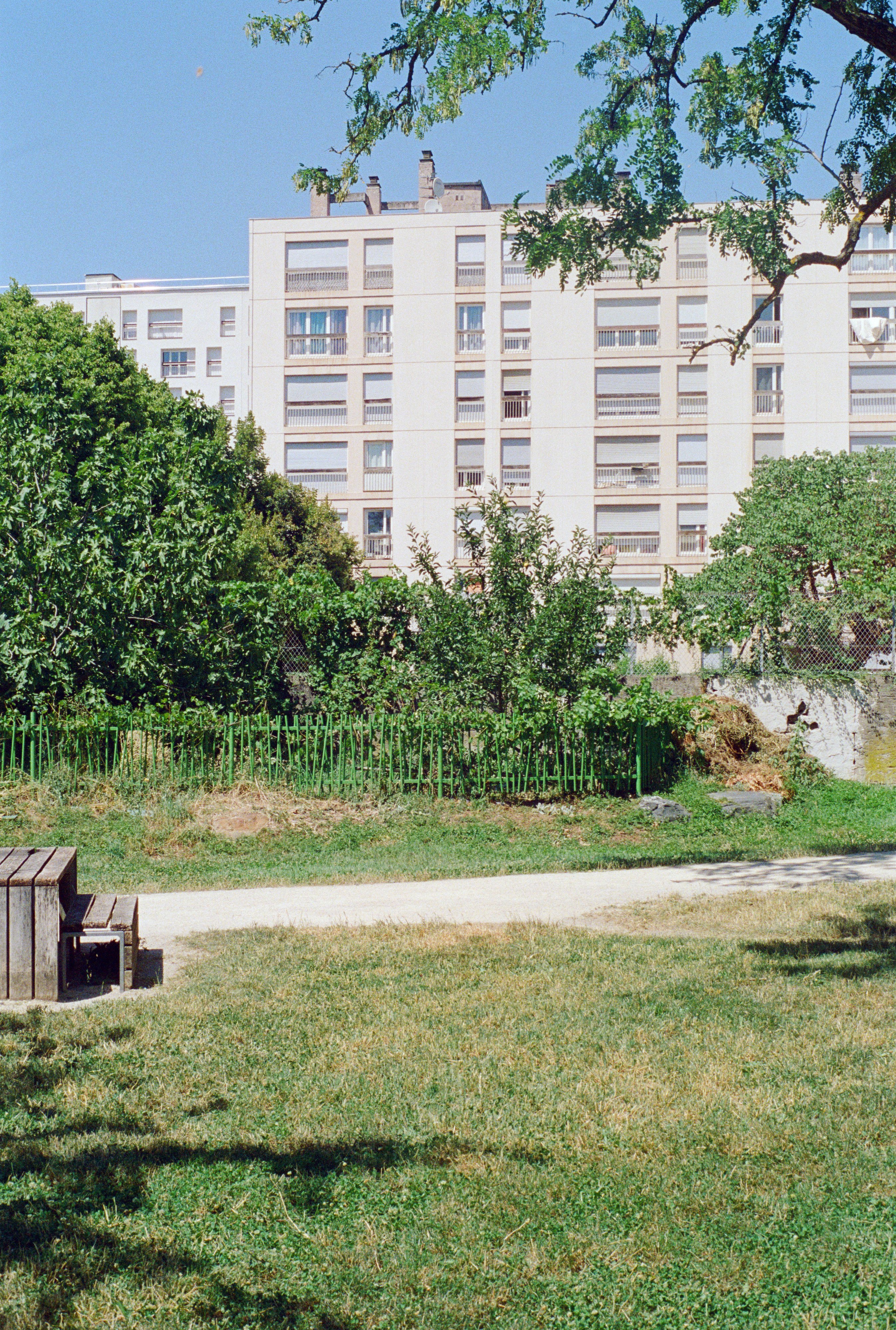
Point de vue is a documentation workshop run in Îles de Mars in the summer of 2026 by APASE and mOst, with the young people of Îles de Mars and Olympiades. Its principle fits in one sentence: the neighborhood is not described from the outside, it photographs itself, captions itself and asks itself questions. The bend at the entrance to the neighborhood, the tower people call “the TV,” 2 rue Stendhal, the mosque, brothers, cousins, a ball, the sports court: each photo was chosen, titled and captioned by the person who took it.
The young people also wrote a text together to present their neighborhood: “We're determined to get through every door, and we'd like people not to get in the way of our will to make it.” Then they went and sat down in front of their elders, camera in hand: Aziz, fifty years here; Abdelkrim and Amir; Akbel and Aïda, who keep the Casa des Îles going; Monsieur Meghraoui, who arrived in Le Pont-de-Claix in 1958. They are the ones asking the questions.
The title comes from here. For years, a fence and then a wall separated Îles de Mars from Olympiades; their text even begins with a slash, “Îles de Mars / Olympiades”. The wall is gone, and none of the generations they met misses it: “now we're one neighborhood, and that's good”. These images and voices open an audiovisual documentary project about the neighborhood.
atterrir
From the globe down to the street: an immersion in the neighborhood and the exhibition, with the banners on the fences, the posters in the entrance halls, the plexiglass panels at the entrance of the towers.
the interviews
three generations, one neighborhood
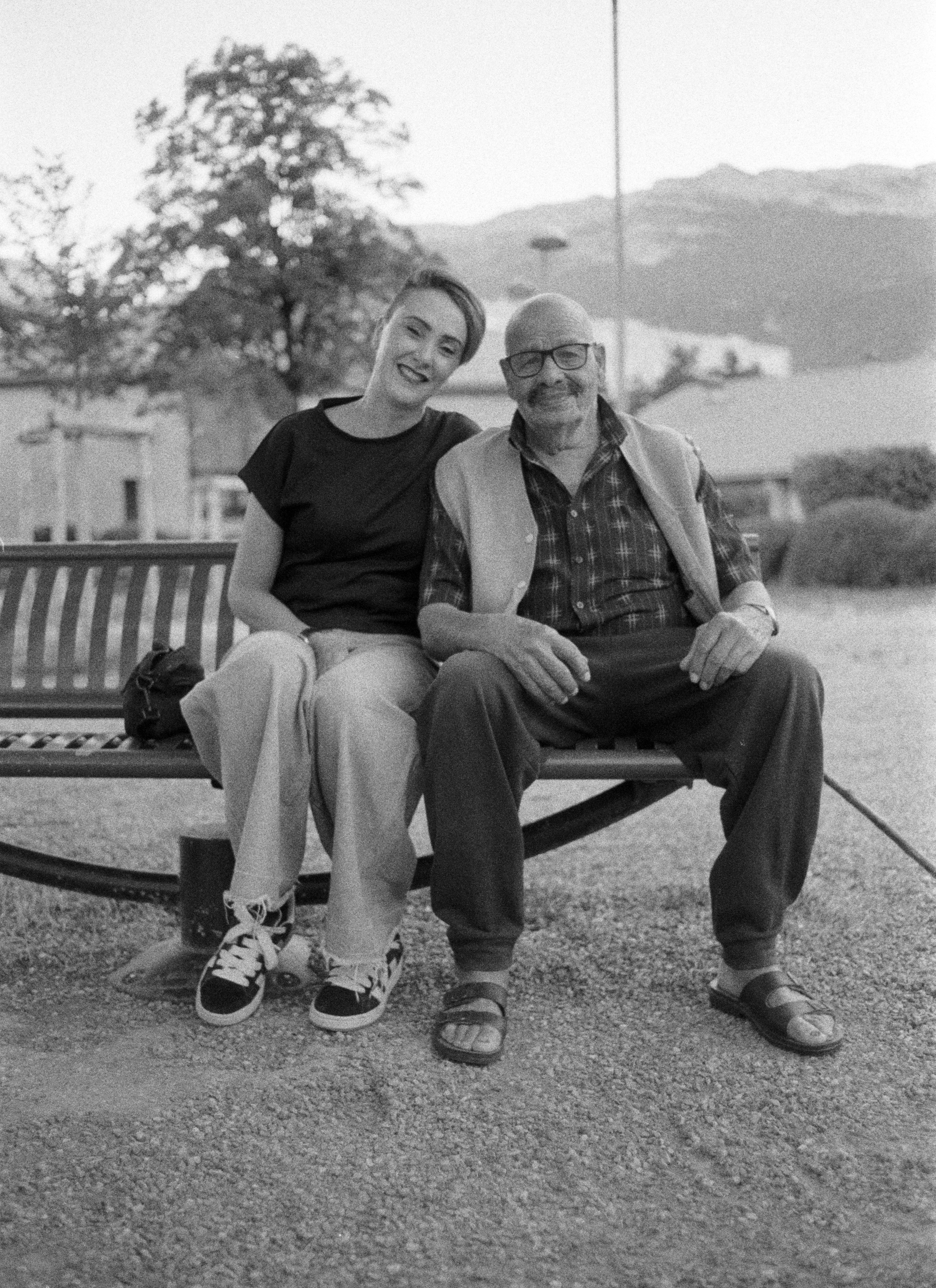
Camera in hand, the young people went to see their elders. Aziz remembers the doors that stayed open, the chestnuts in October and the open-air swimming pool; Monsieur Meghraoui, who arrived in 1958, can no longer find the old-timers he knew; Akbel and Aïda keep the Casa des Îles going, at the foot of the buildings. Where does the neighborhood's name come from? From marshes under the towers, says Aziz; from floods one March, says Abdelkrim. Nobody settles it.
“We felt like Tom Sawyer.”
“It was a turf war, completely ridiculous. Now we're one neighborhood.”
“There's no Chicago here.”
“It would be good if other generations took over.”
Aziz, Akbel, Monsieur Meghraoui and Aïda, in the interviews of summer 2026
photographs and captions: the young people of Îles de Mars and Olympiades, with APASE
the exhibition
sans mur, banner by banner
At the sports court, banners took the place of walls: on each one, the young people's photographs, their titles and captions, then portraits of the people they interviewed.
wall 01
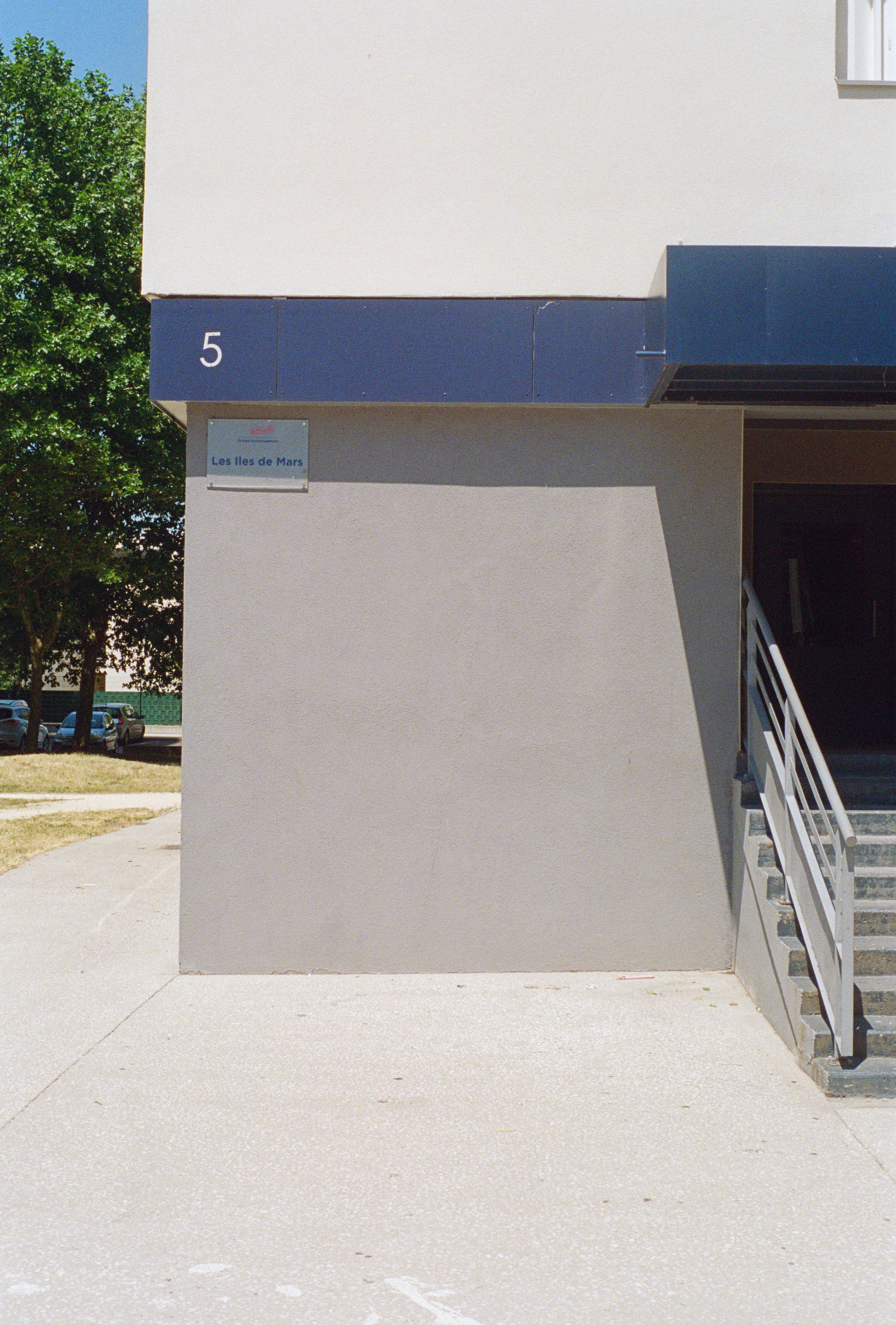
entrée du quartier
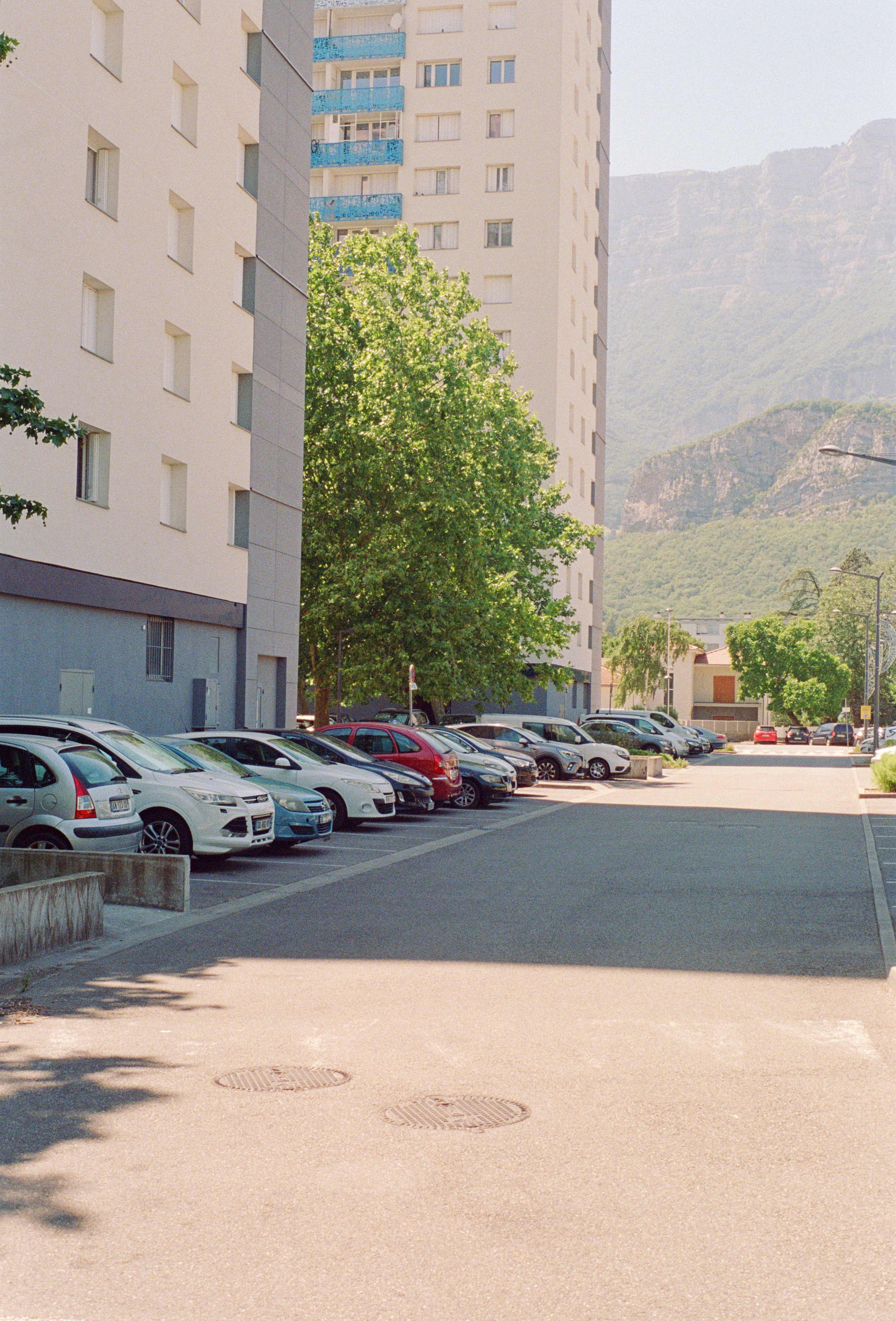
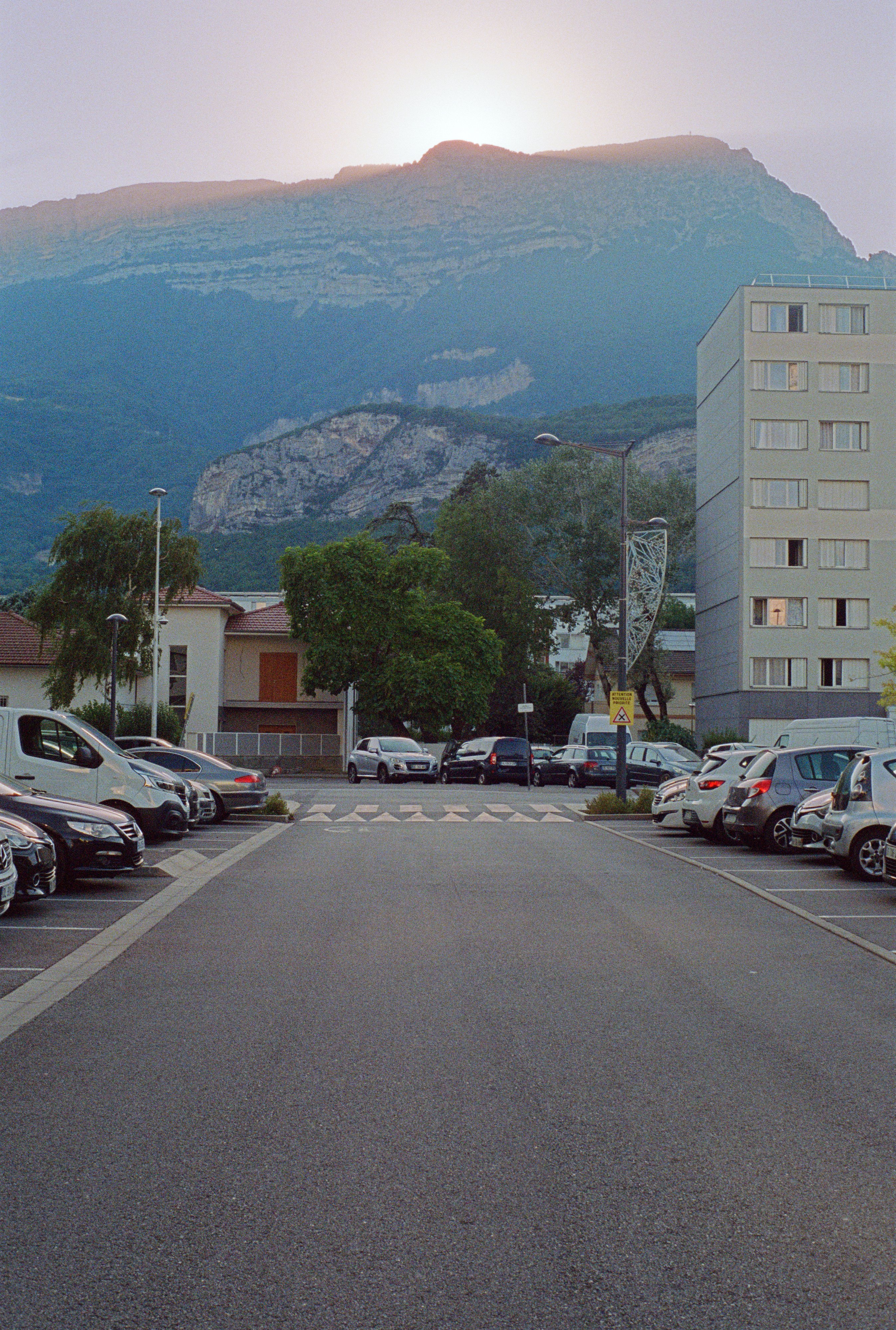
Here you reach the bend, the square, where my mate AD LaF's music video was shot: “Hannah Montana”. Neighbors, sorry about the noise, everything's under control.
wall 02
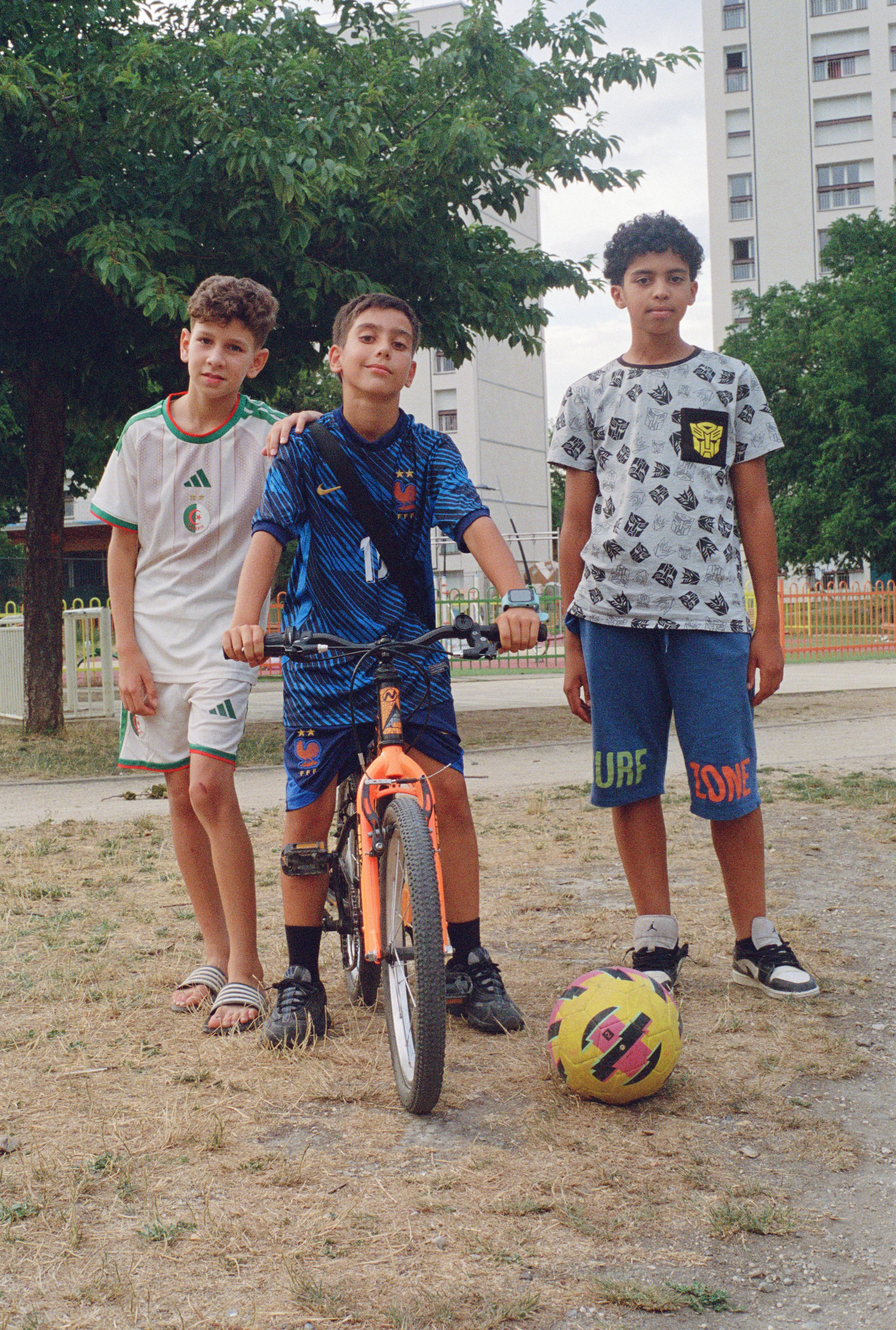
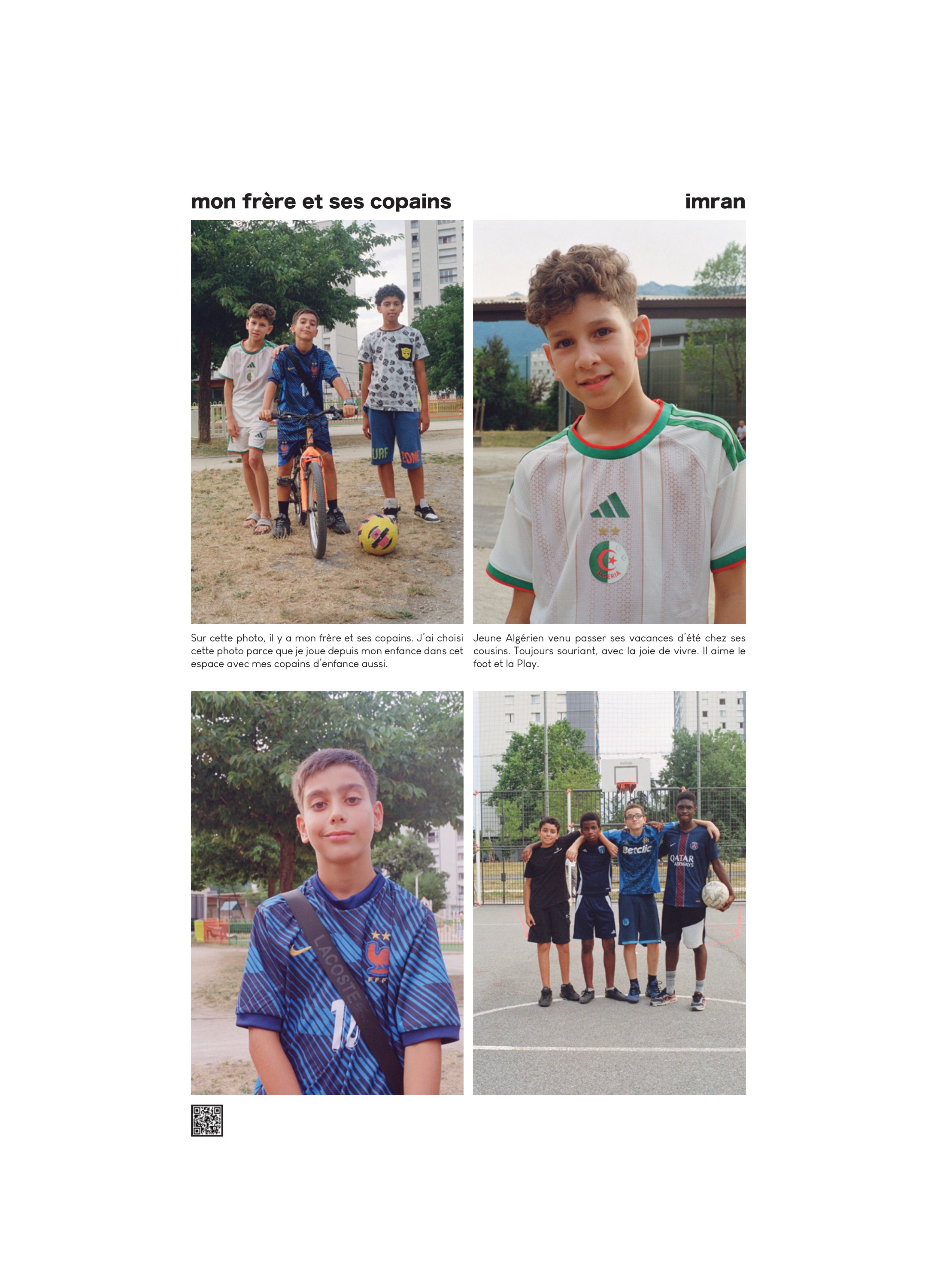
mon frère et ses copains
In this photo are my brother and his mates. I chose this photo because I've been playing in this space since I was a kid, with my childhood friends too.
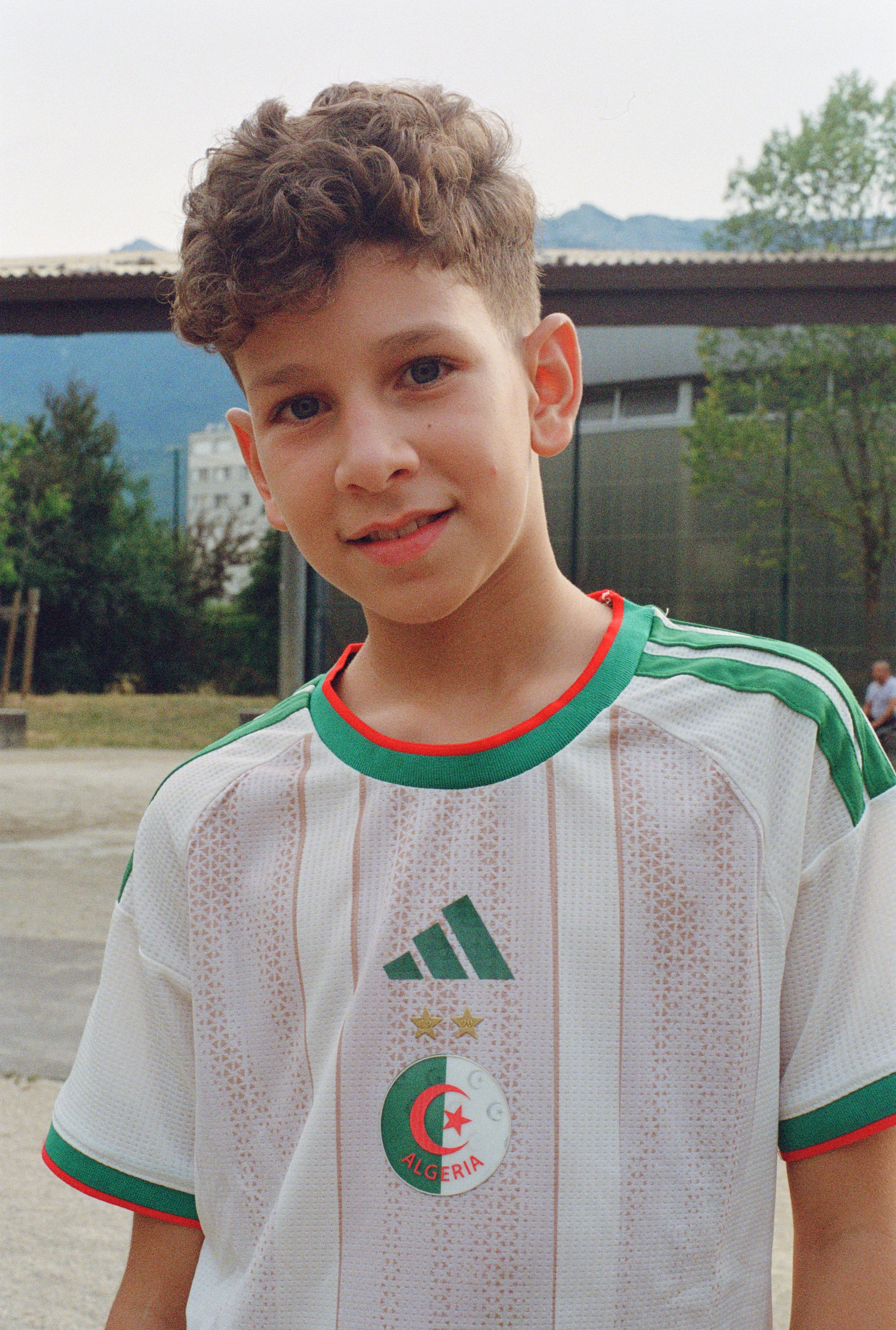
imran
Here to spend his summer holidays with his cousins. Always smiling, full of joie de vivre. He loves football and the PlayStation.
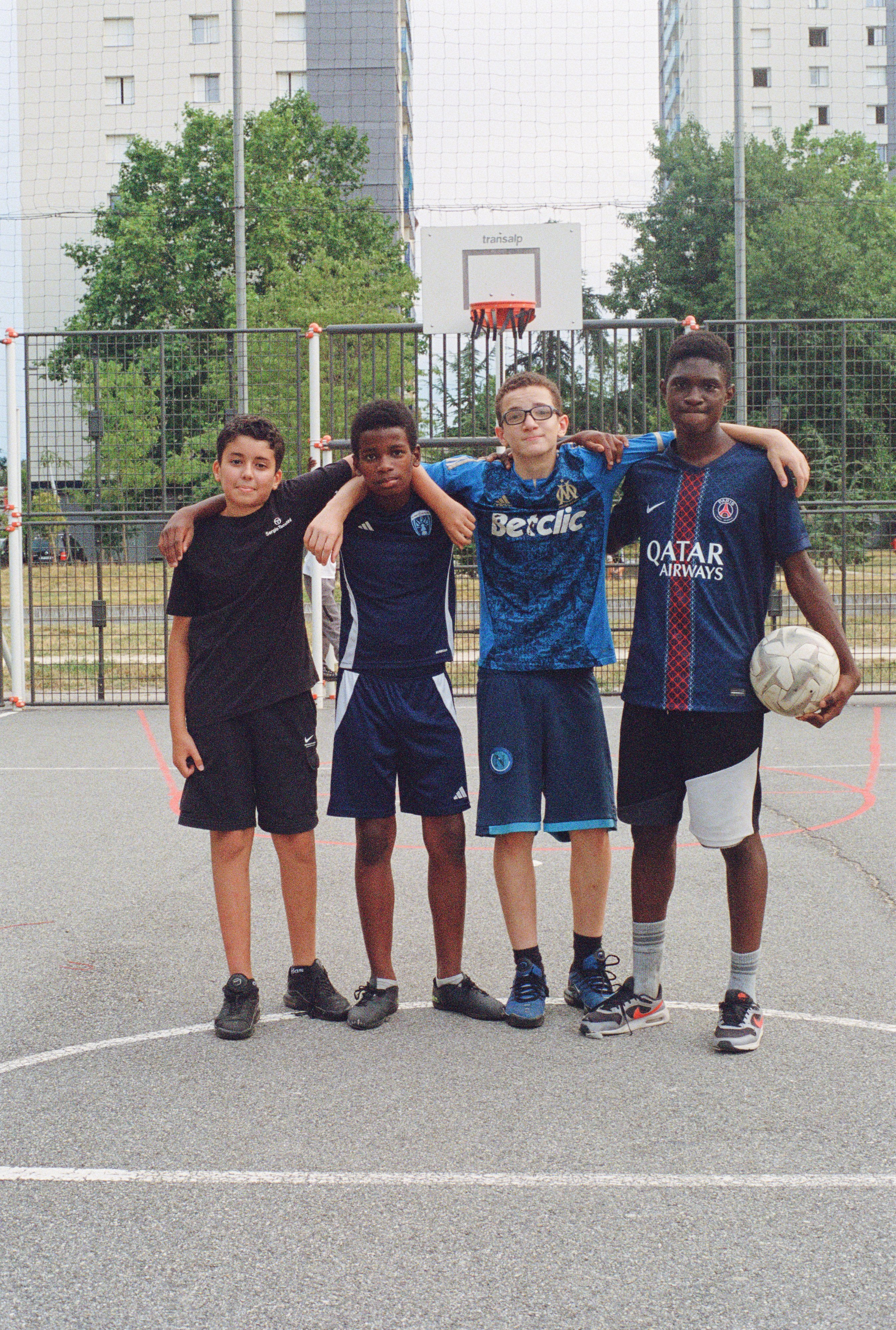
wall 03
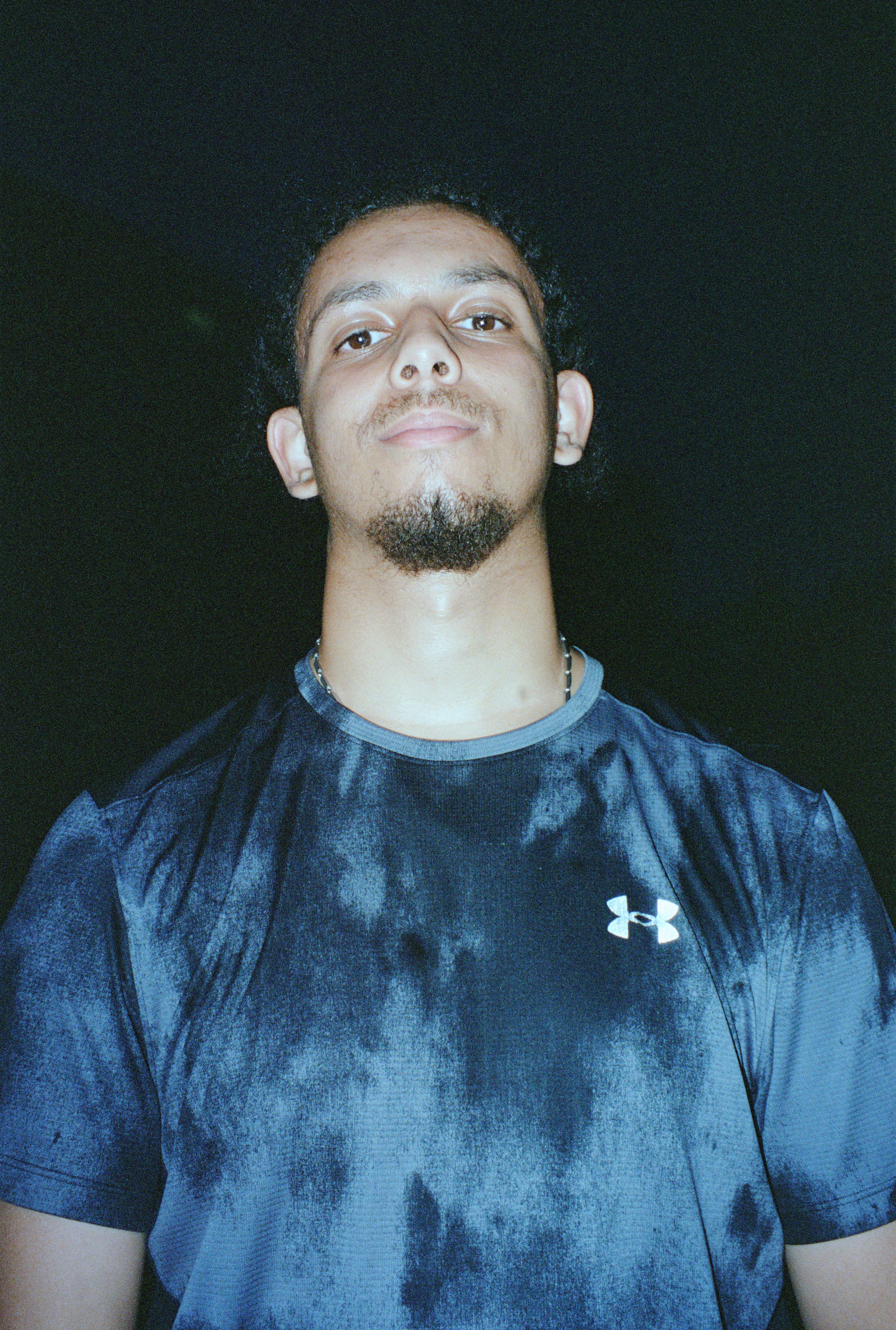
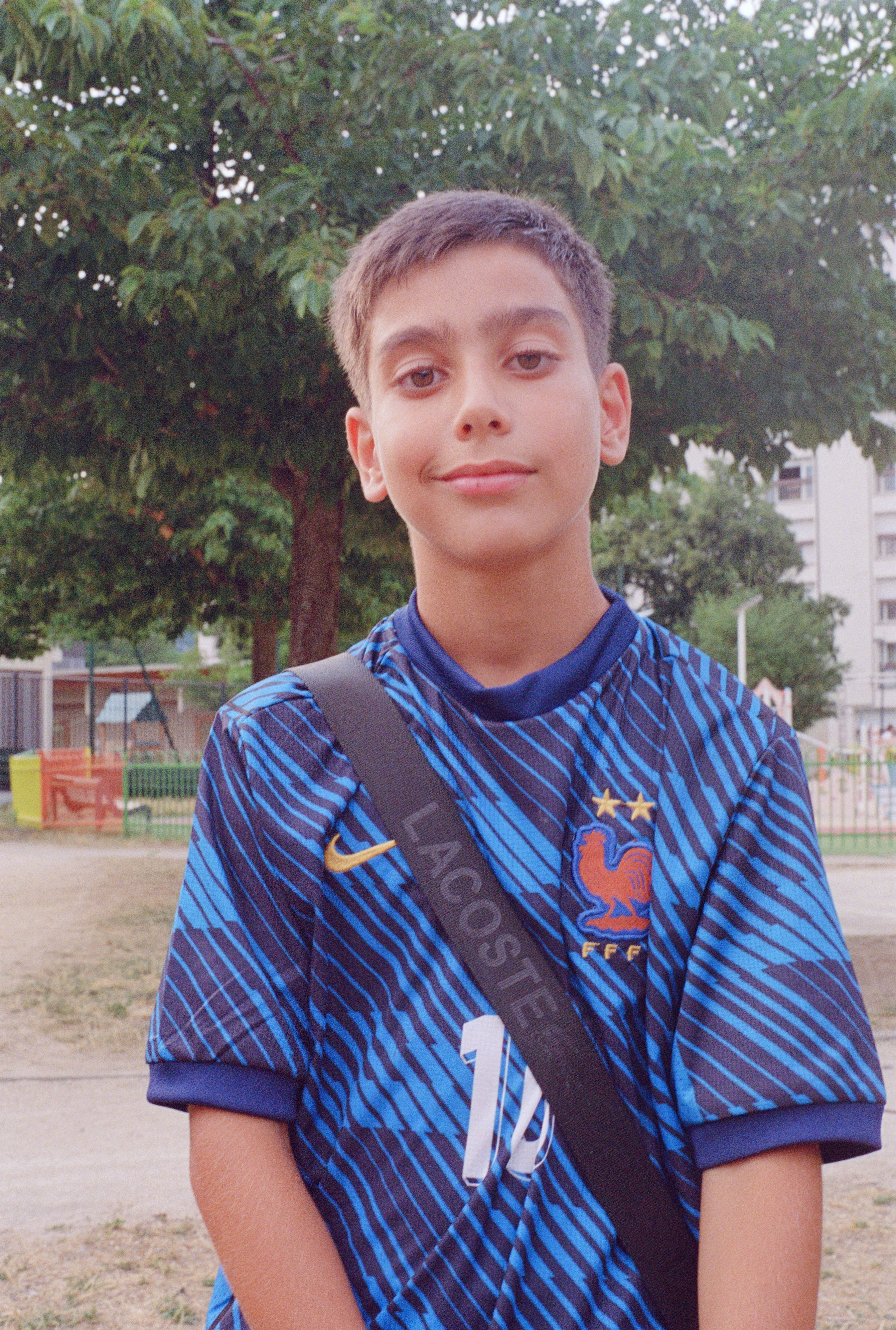
jafar
I've known him for 3 or 4 years, you could even say 5 or 6. Cheerful, funny, sociable and hard-working. He's a good friend.
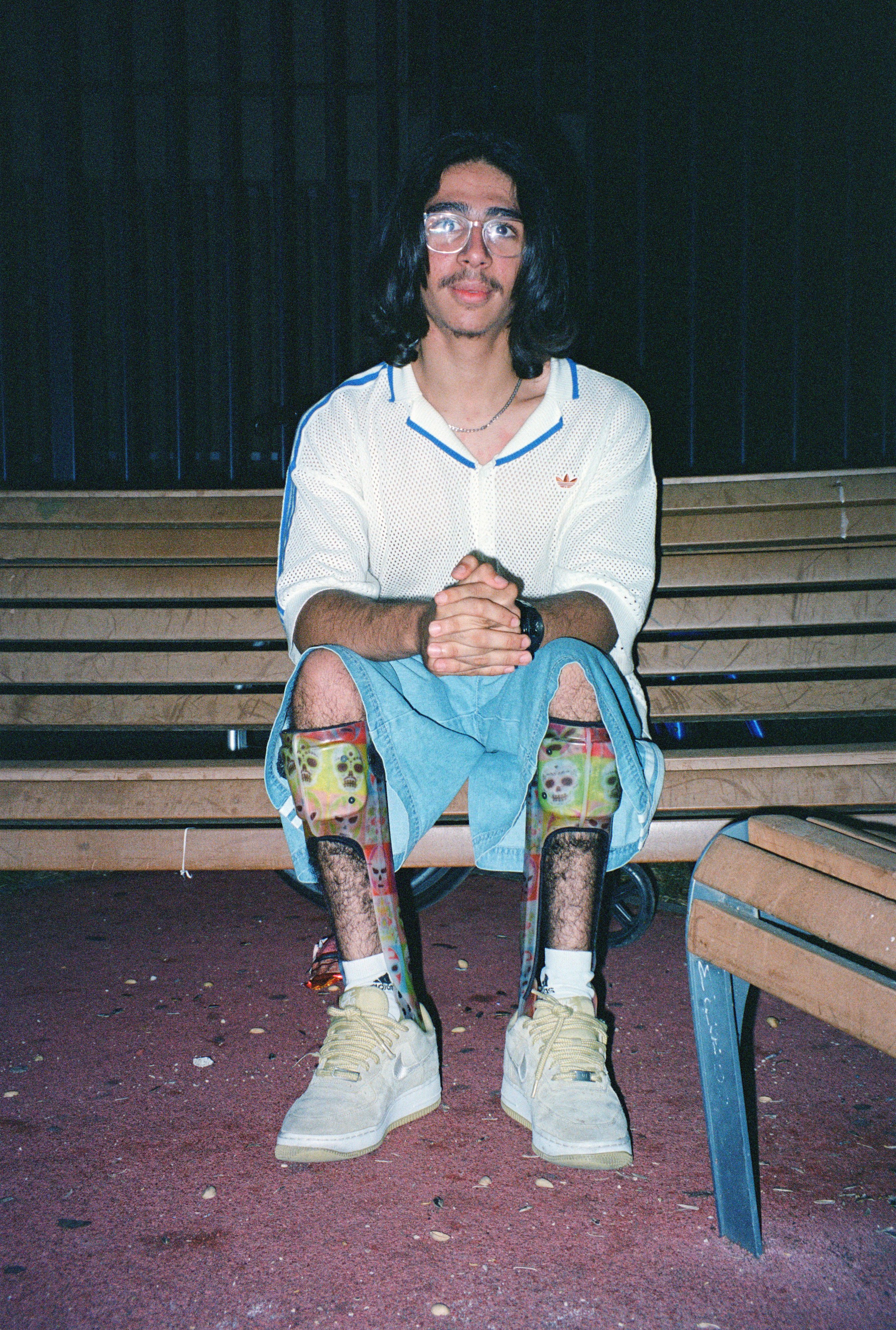
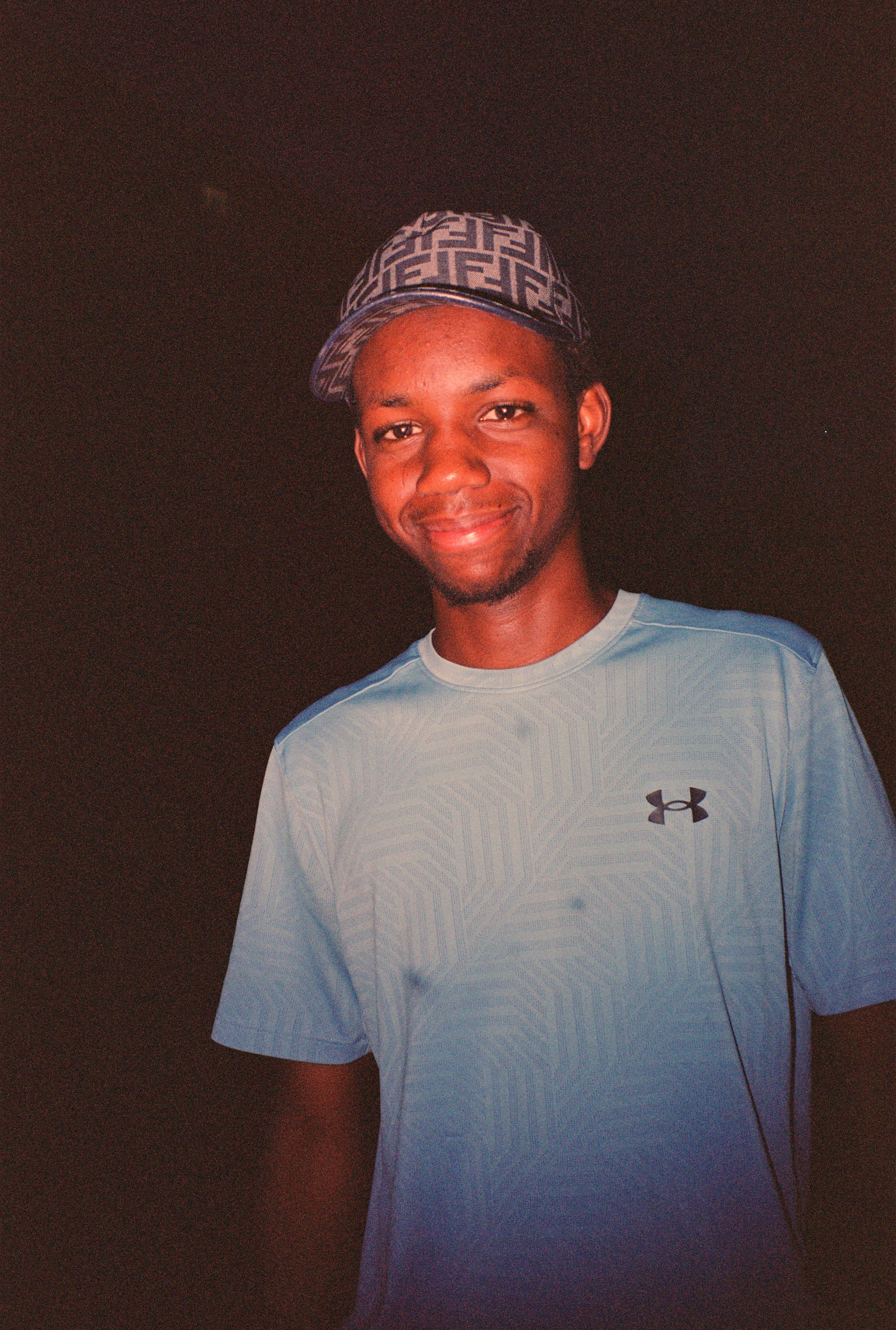
wall 04
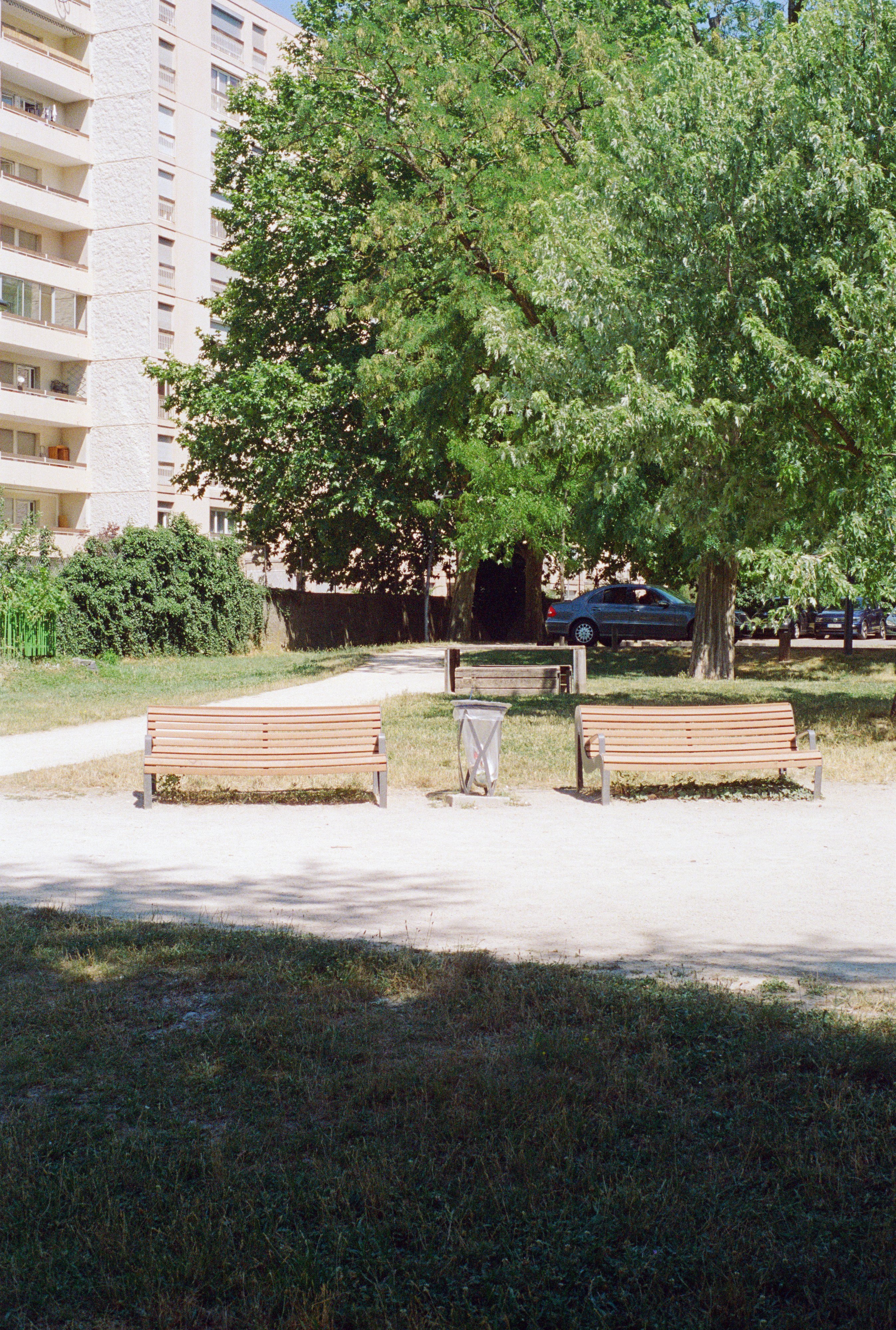
les 2 bancs
Our HQ, our biggest laughing fits, but often judged by the neighbors.
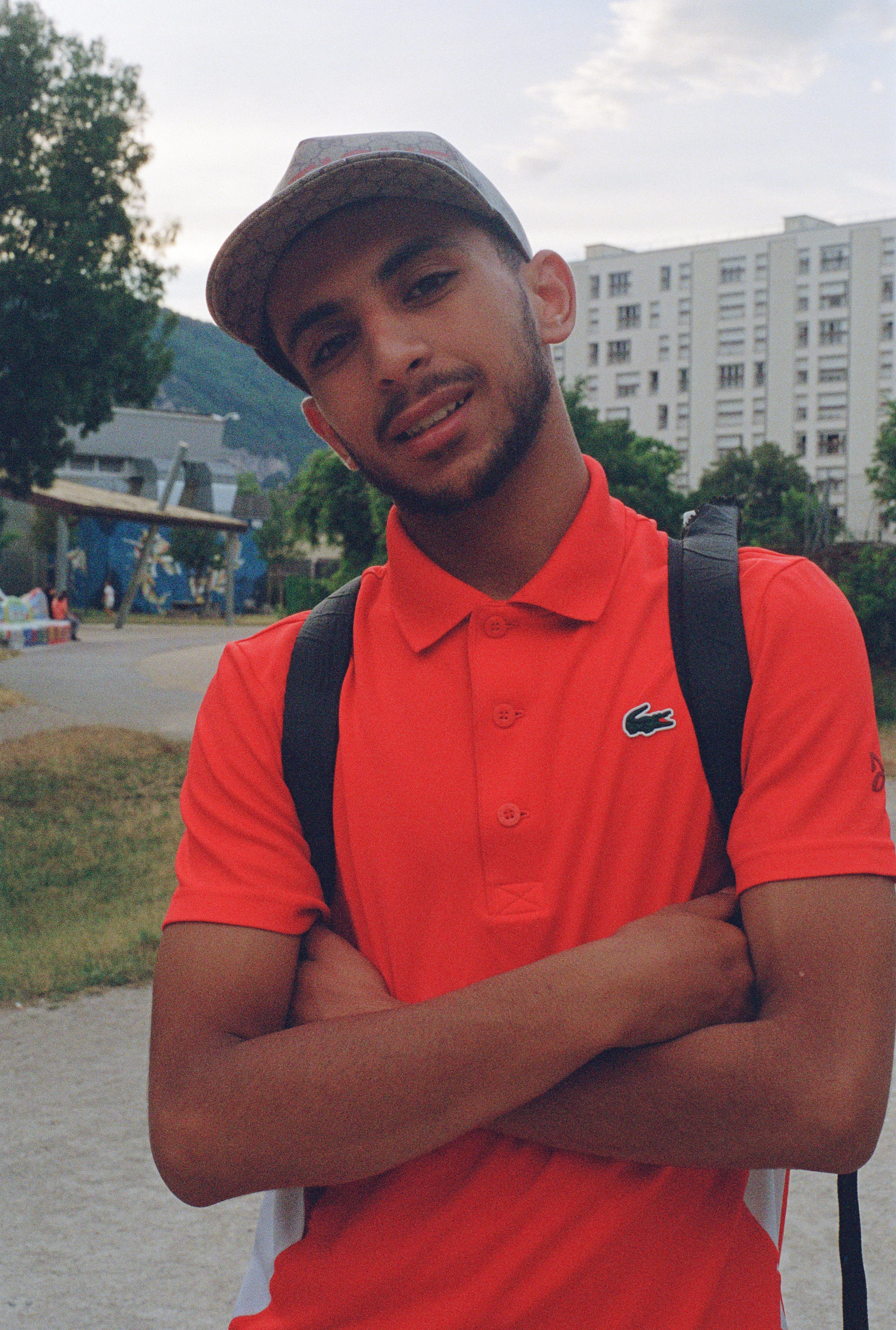
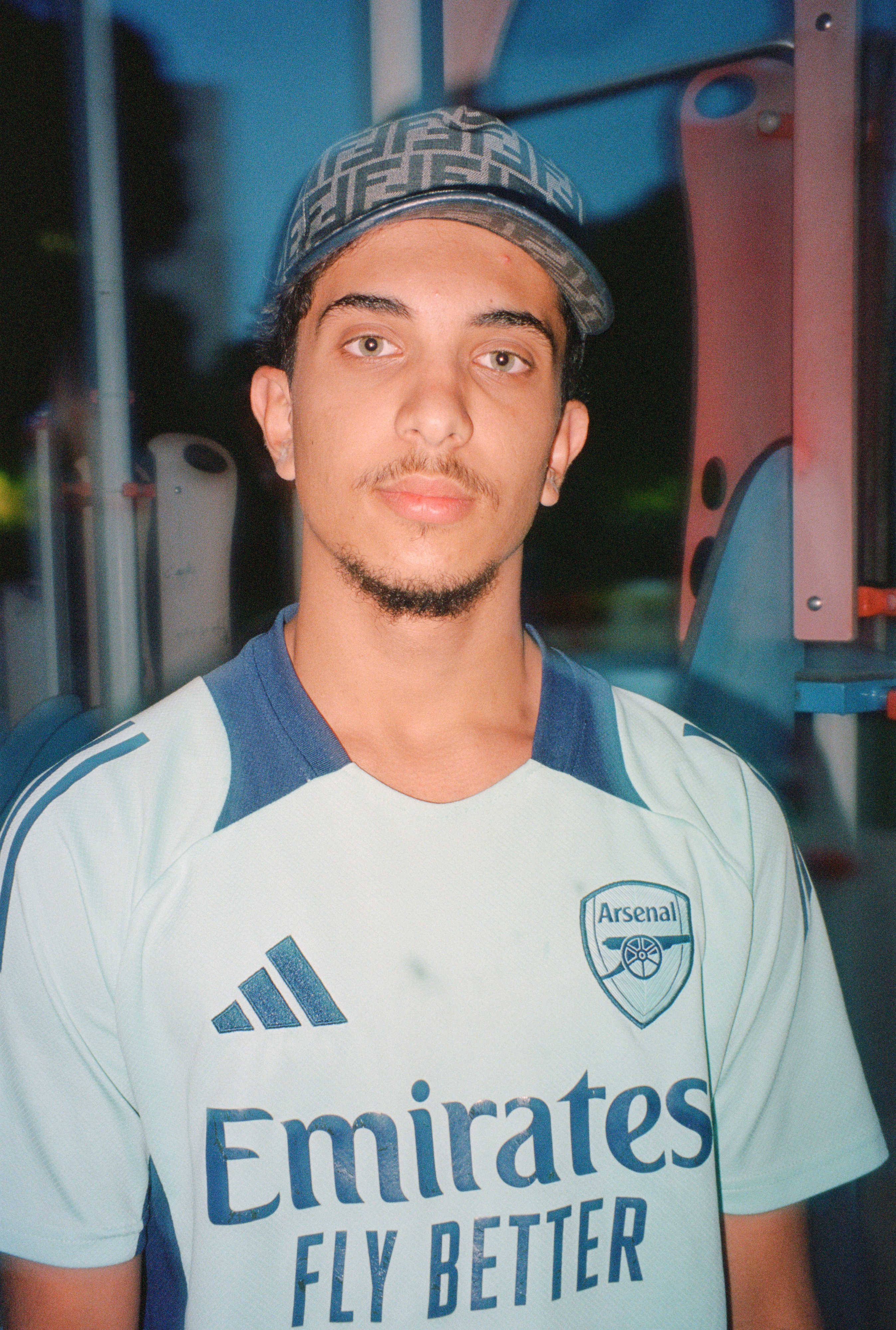
« abdel karim » de la boucherie bali
I've known him since I was a child, since I was a tiny baby. We went through childhood, youth, adolescence together, almost up to now. Ups and downs, but we never let each other go. He's like my brother. He sets an example by working hard. I hope he opens his bakery. He takes care of the family. He's a really good person.
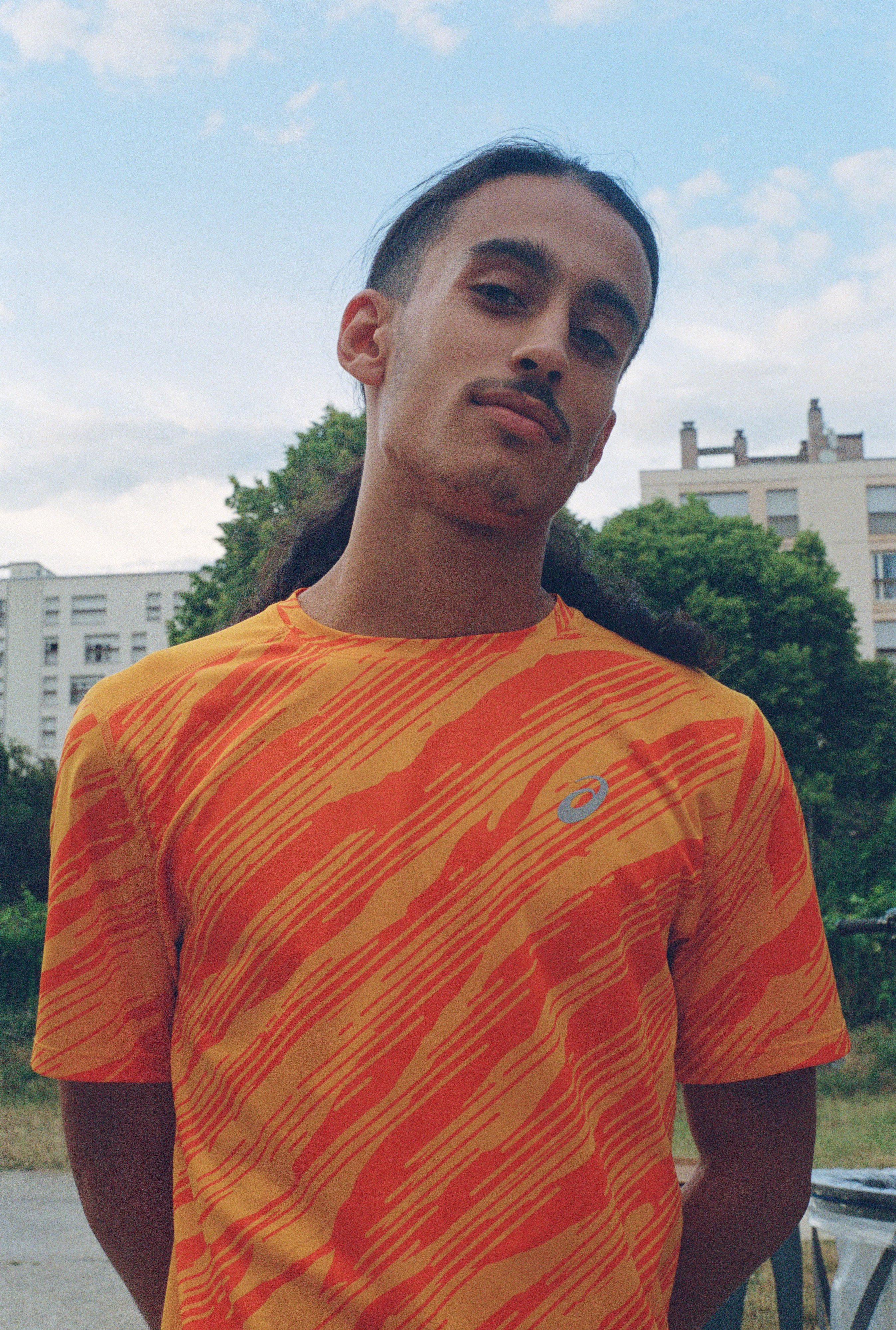
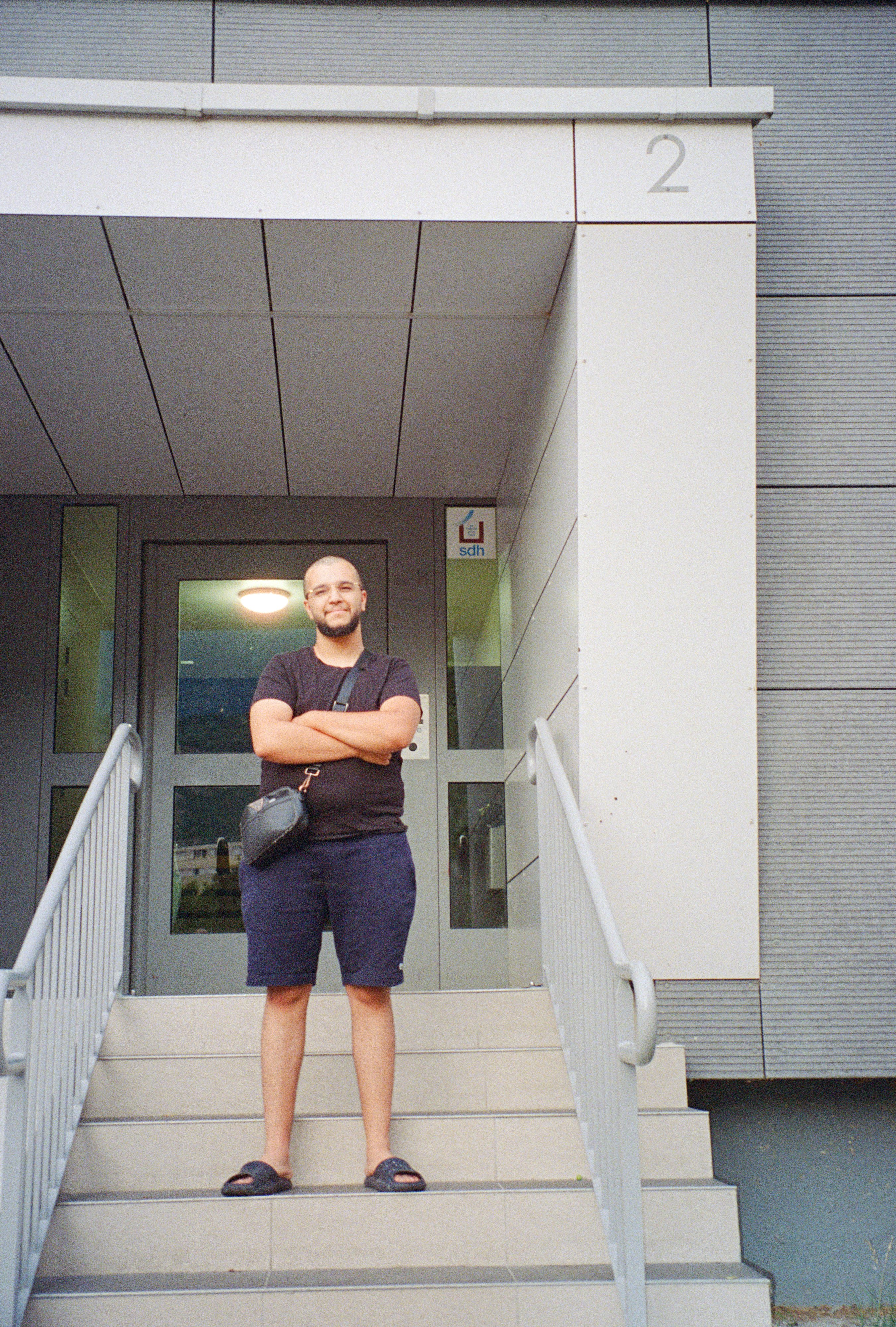
2 rue stendhal
Kader, a 22-year-old young man from the Îles de Mars neighborhood. Hard-working, entrepreneur, comedian… Either a millionaire or flat broke! Married and soon a millionaire. Tax exile back home coming soon. Bad luck at the lottery.
wall 05
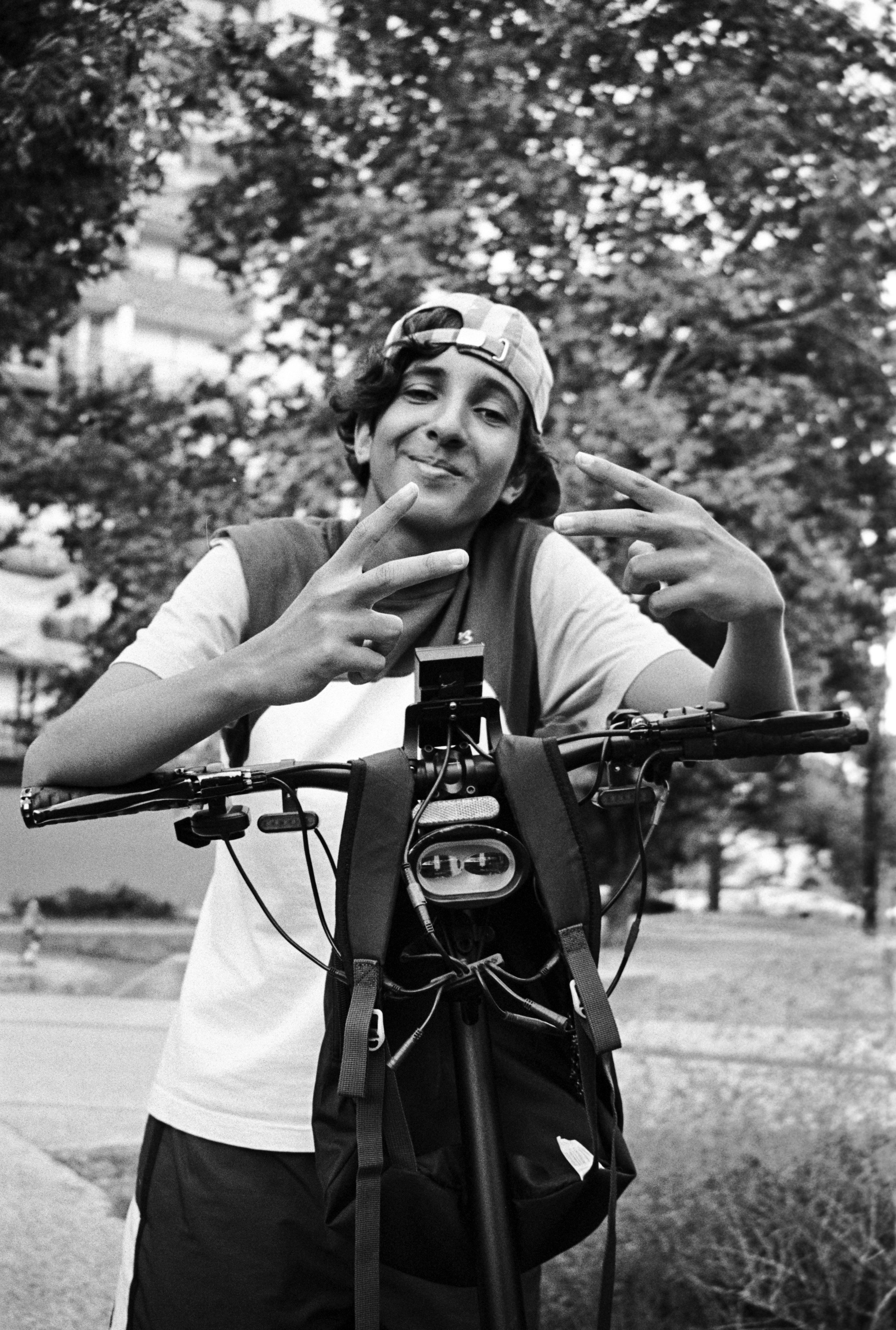
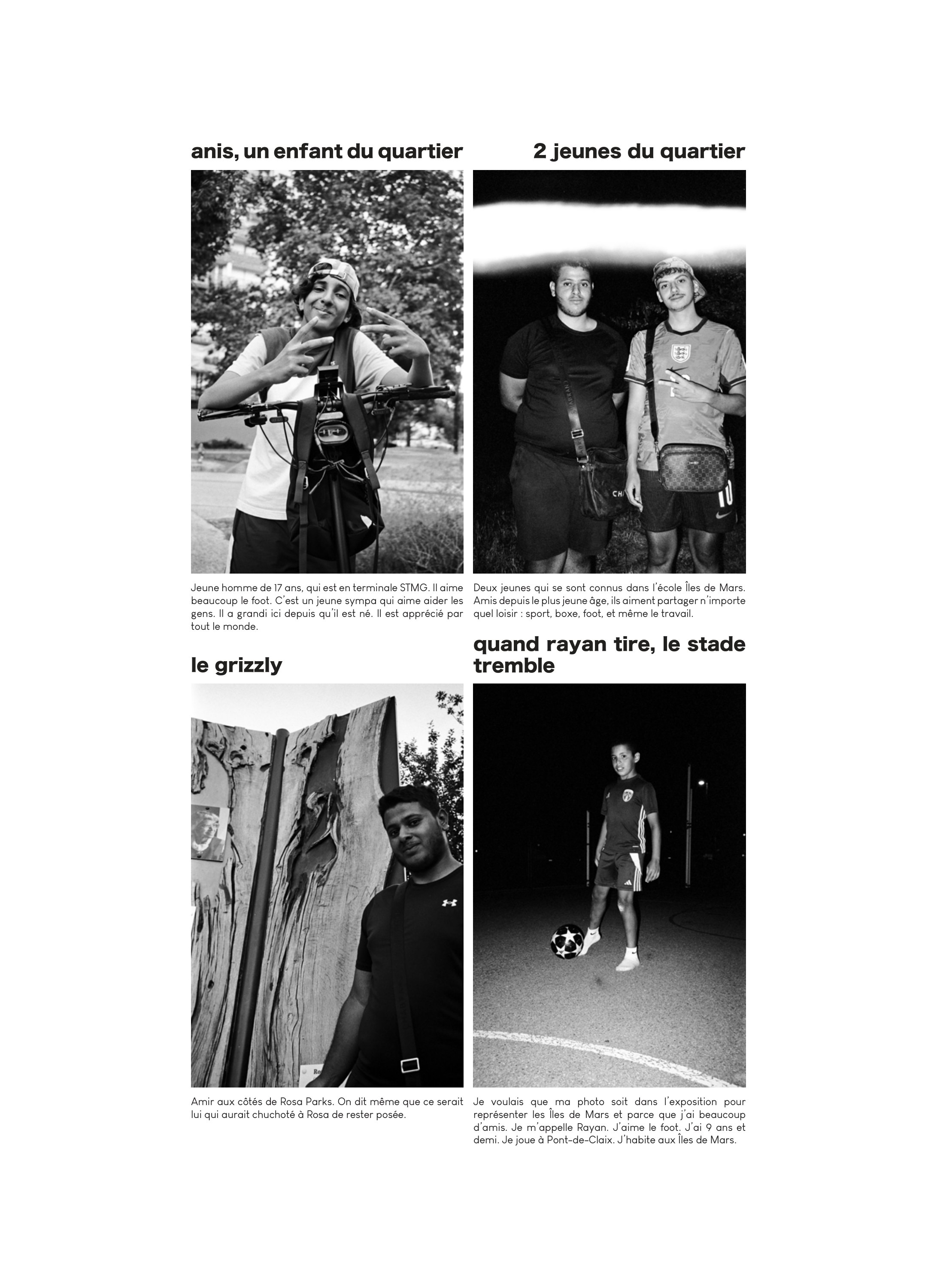
anis, un enfant du quartier
A young man in his final year of a business-studies high school course. He loves football. He's a nice guy who likes helping people. He's grown up here since he was born. Everyone likes him.
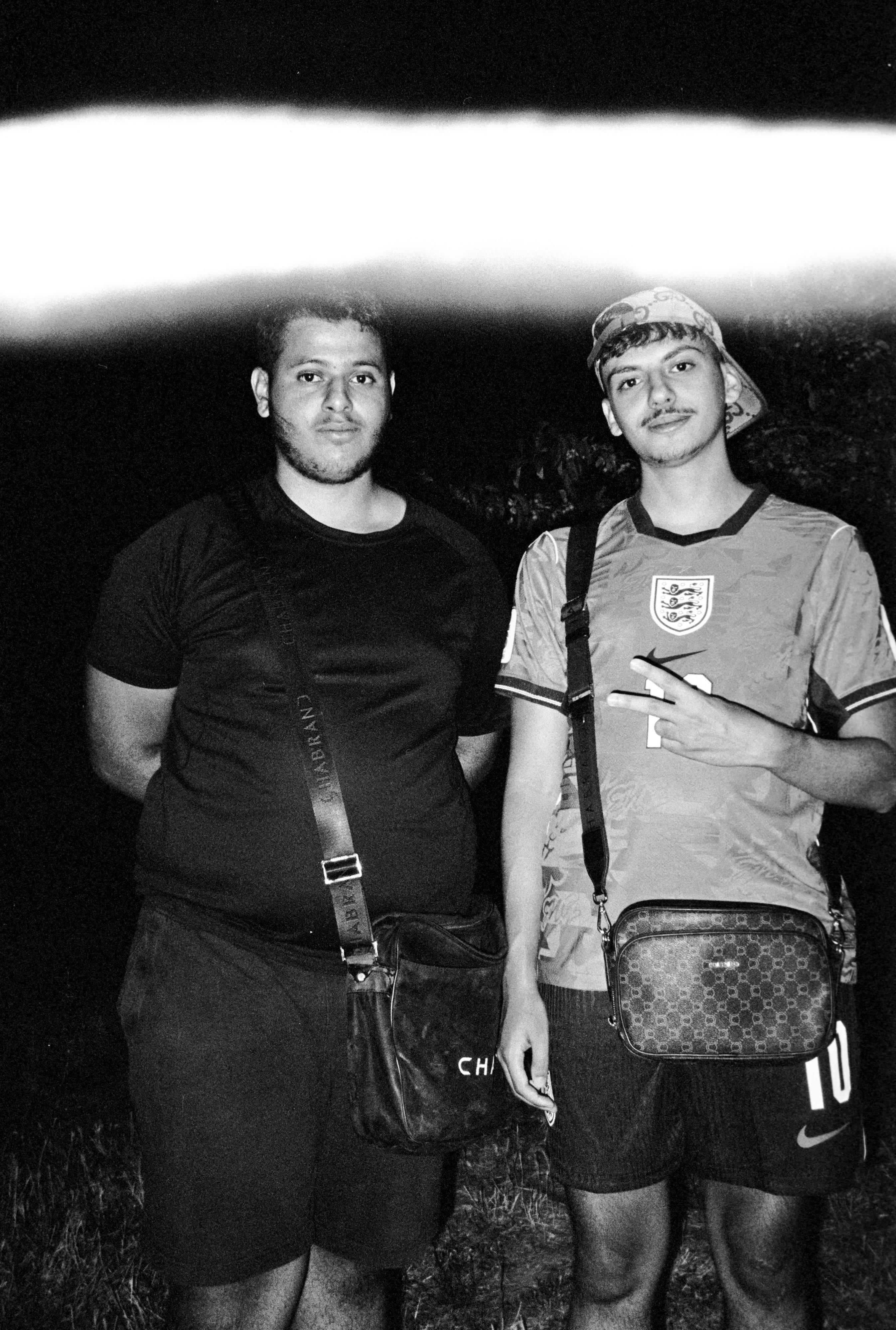
2 jeunes du quartier
Two young men who met at the Îles de Mars school. Friends since they were very young, they love sharing any pastime: sport, boxing, football, and even work.
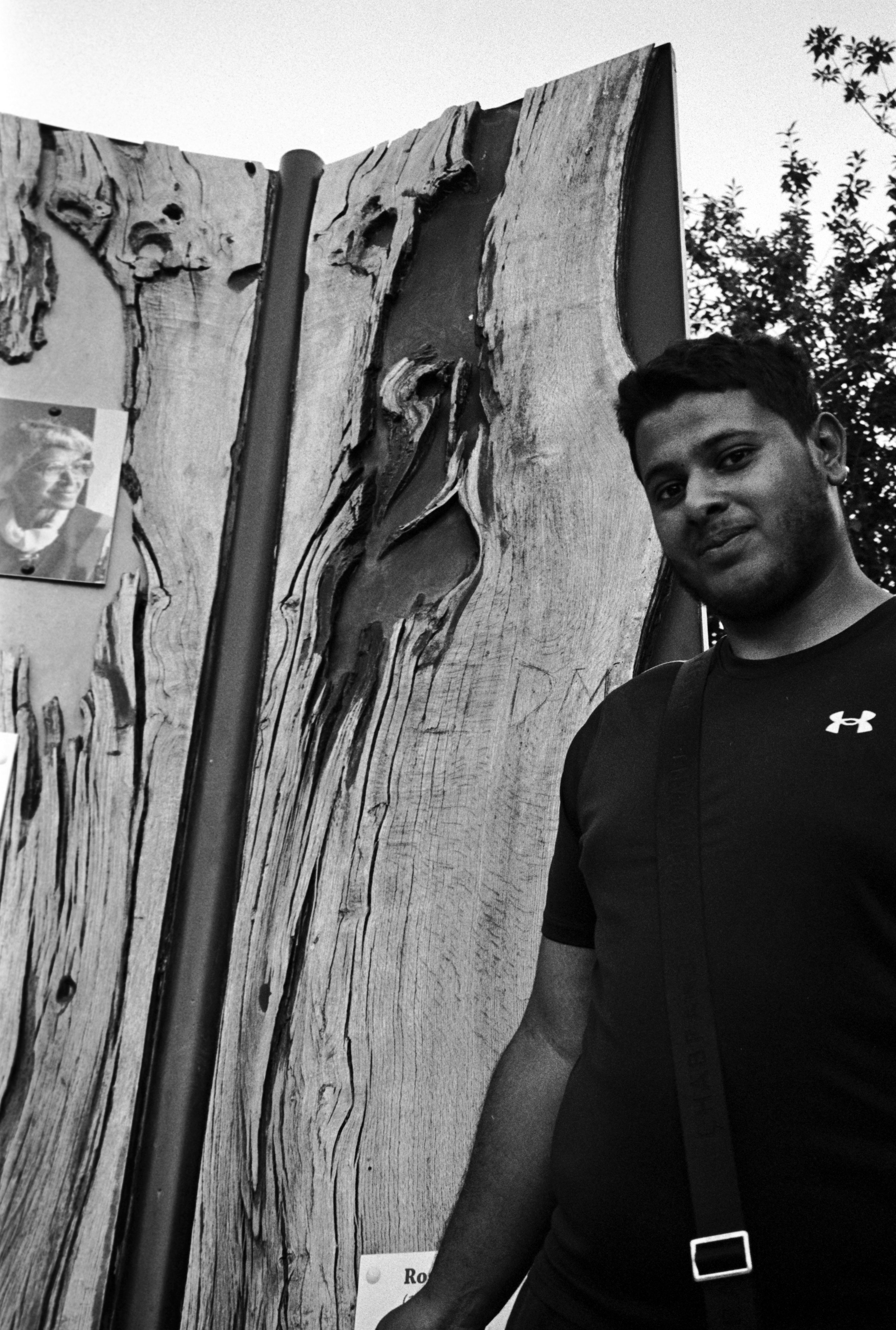
le grizzly
Amir next to Rosa Parks. People even say he's the one who whispered to Rosa to stay put.
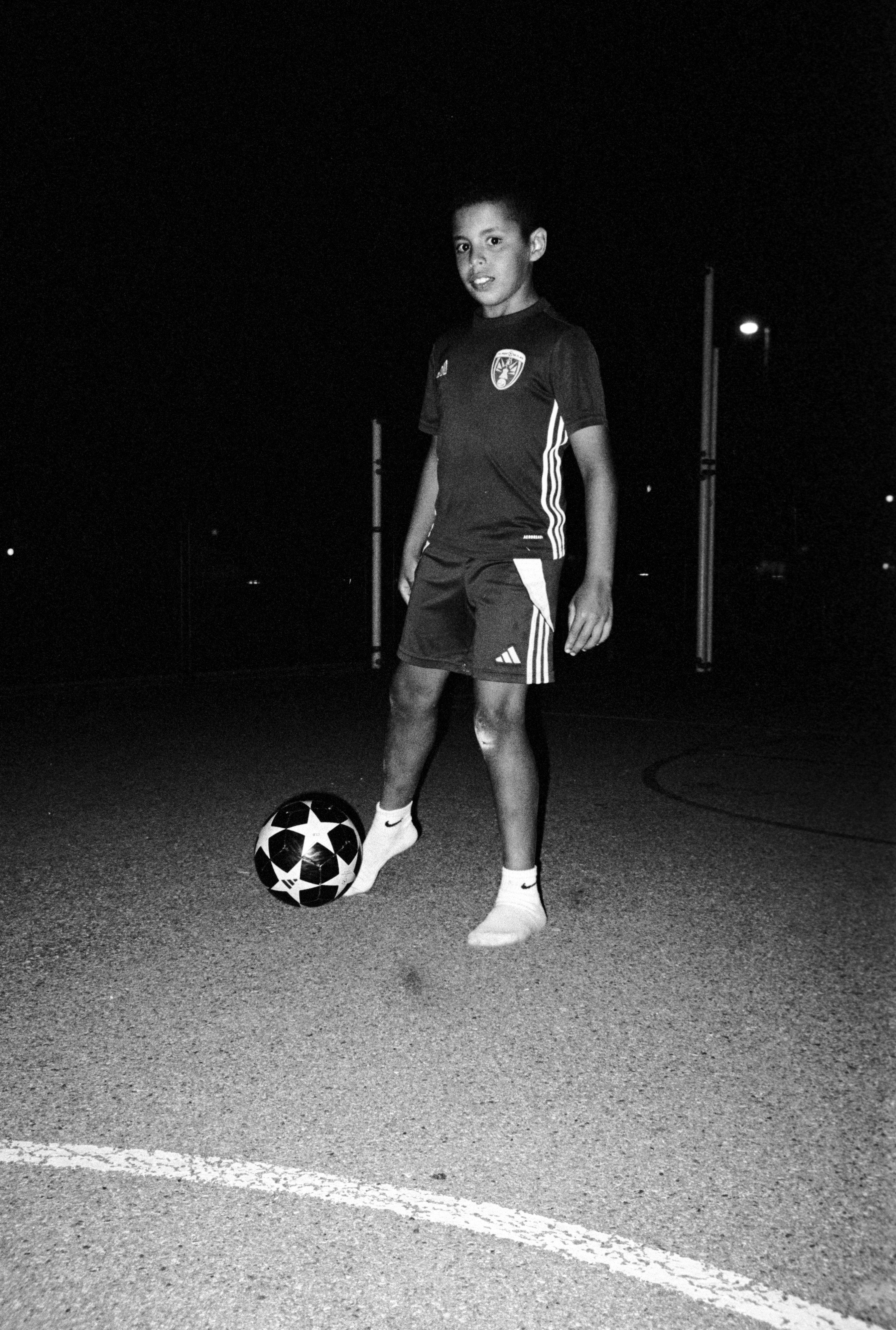
quand rayan tire, le stade tremble
I wanted my photo to be in the exhibition to represent Îles de Mars and because I have lots of friends. My name is Rayan. I love football. I play in Le Pont-de-Claix. I live in Îles de Mars.
wall 06
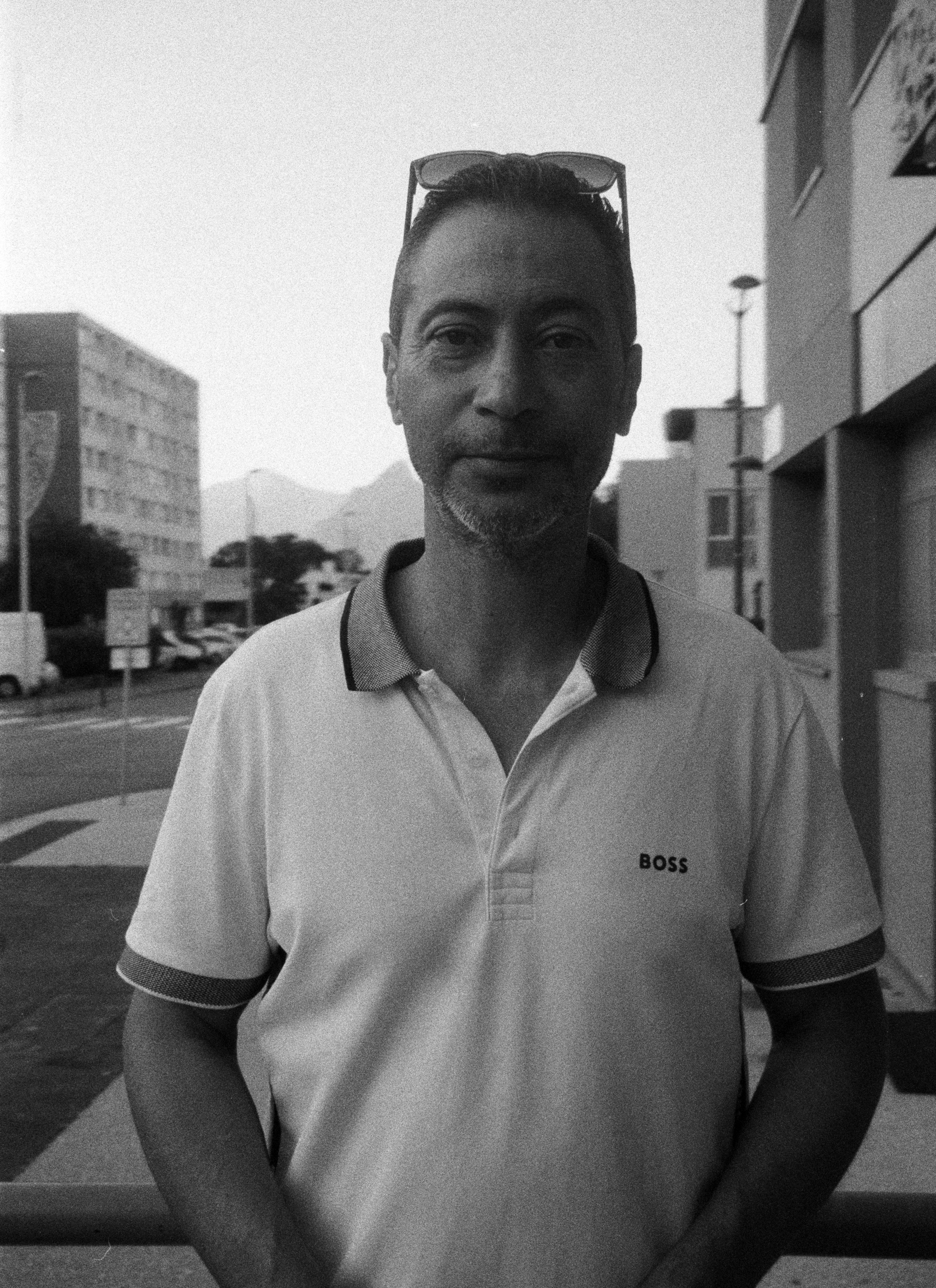
wall 07
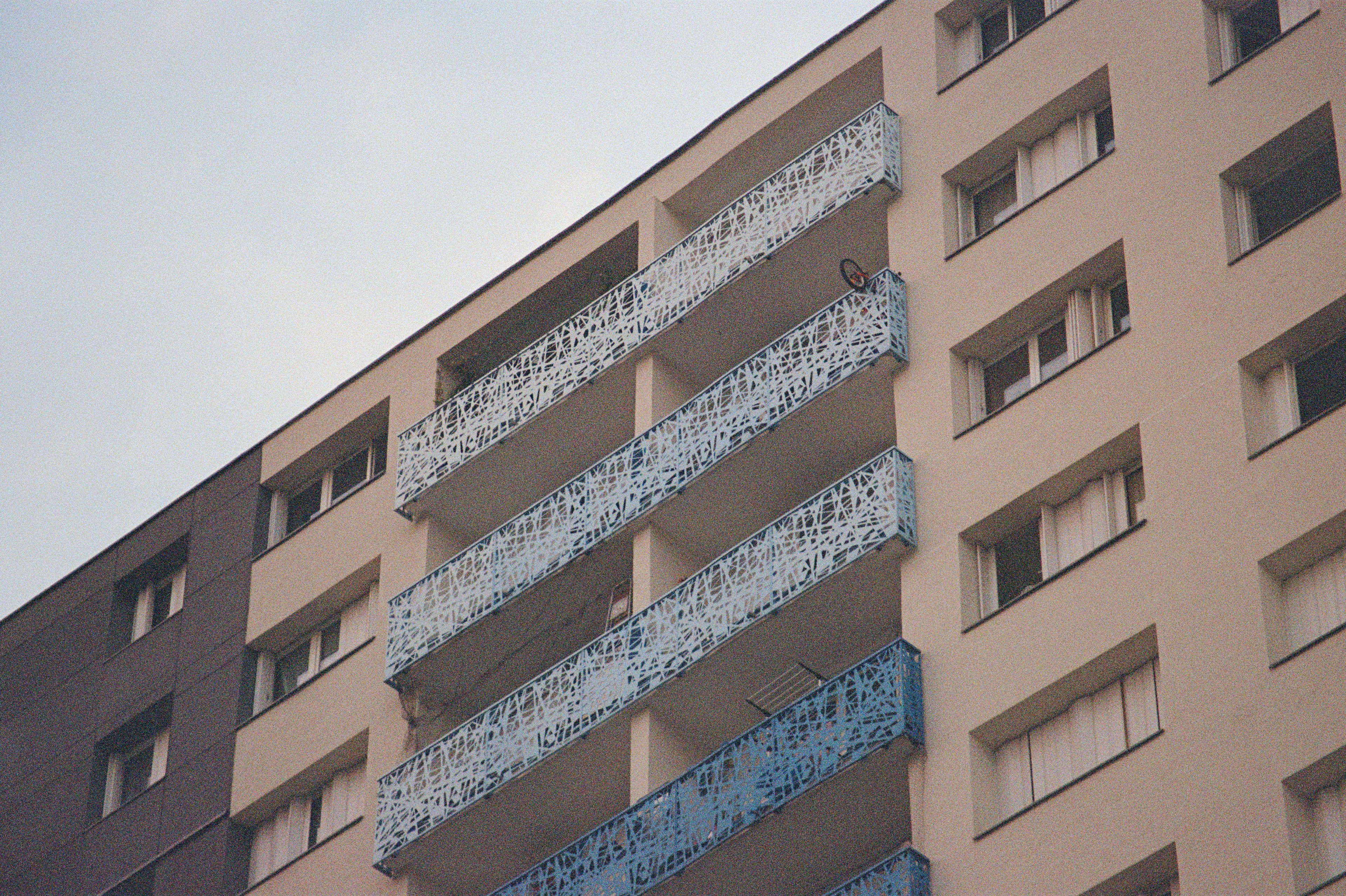
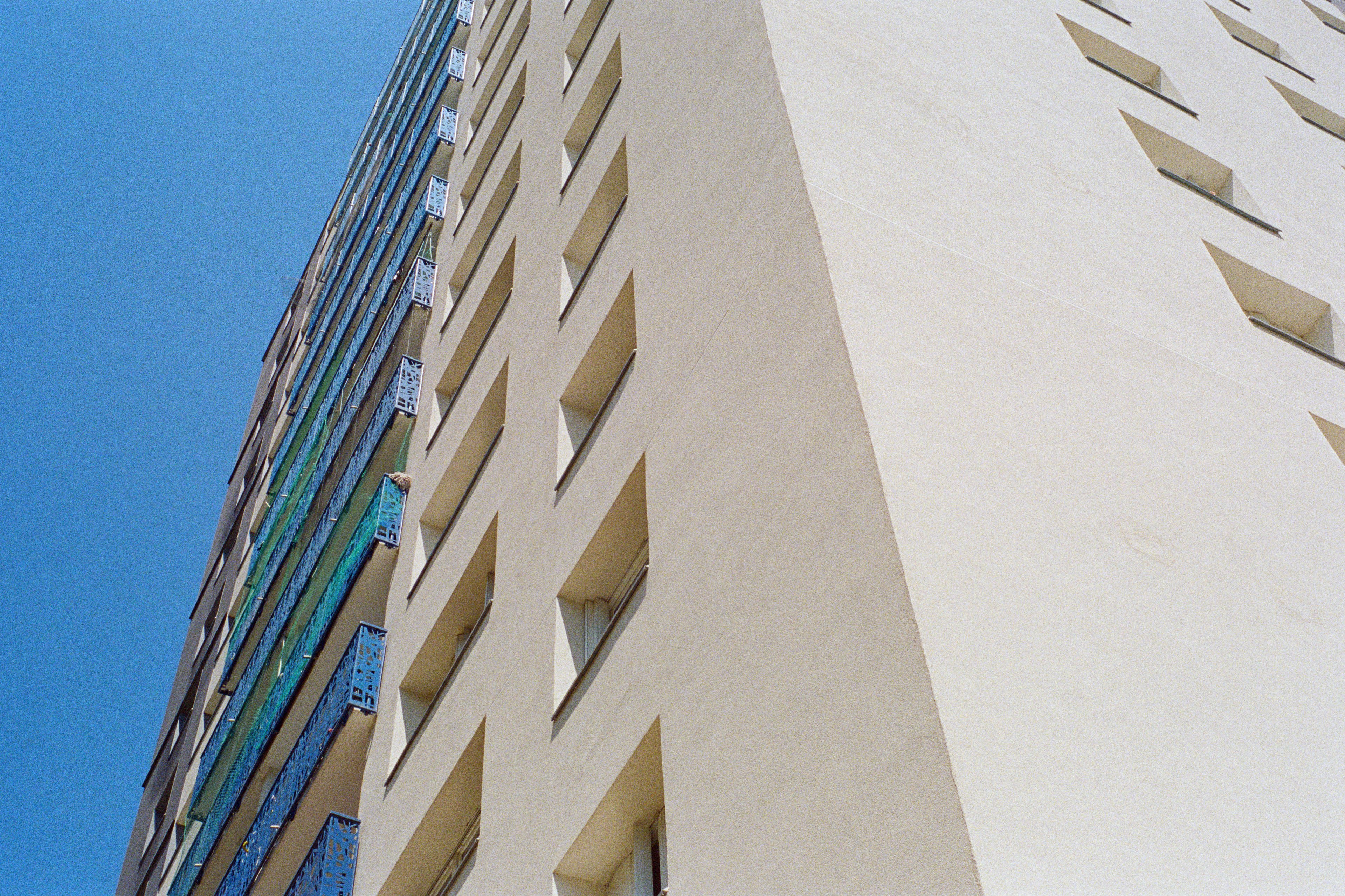
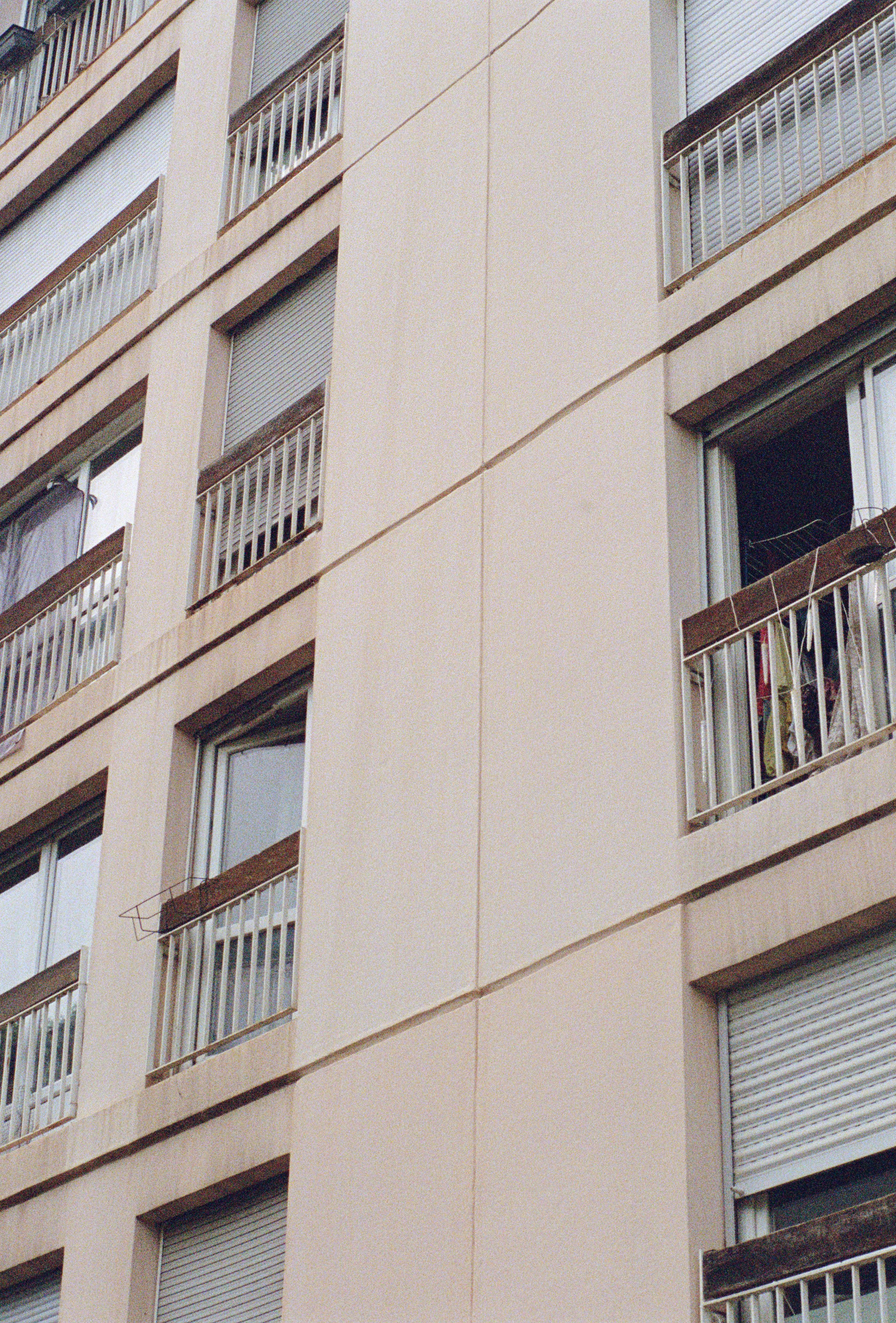
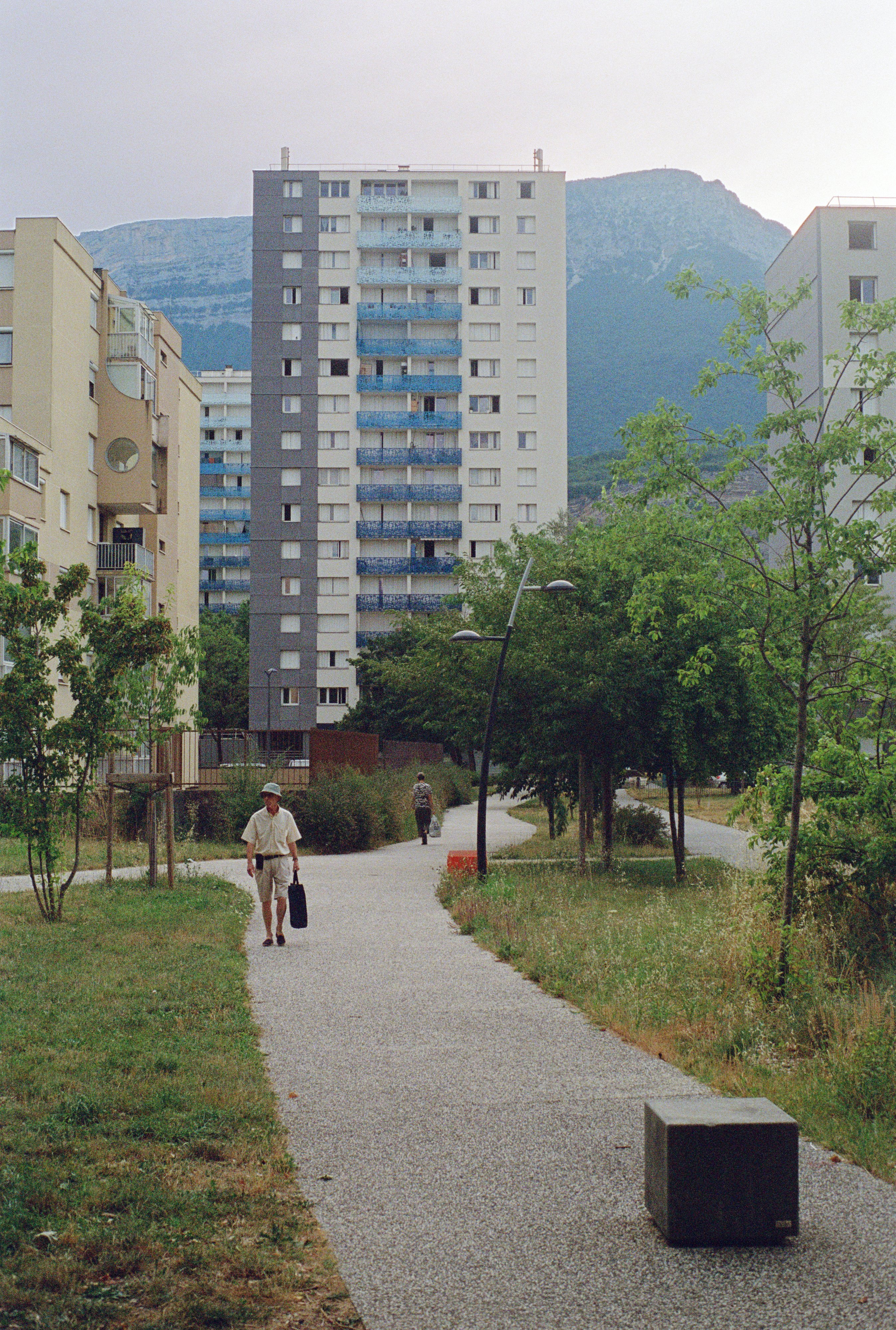
la télé
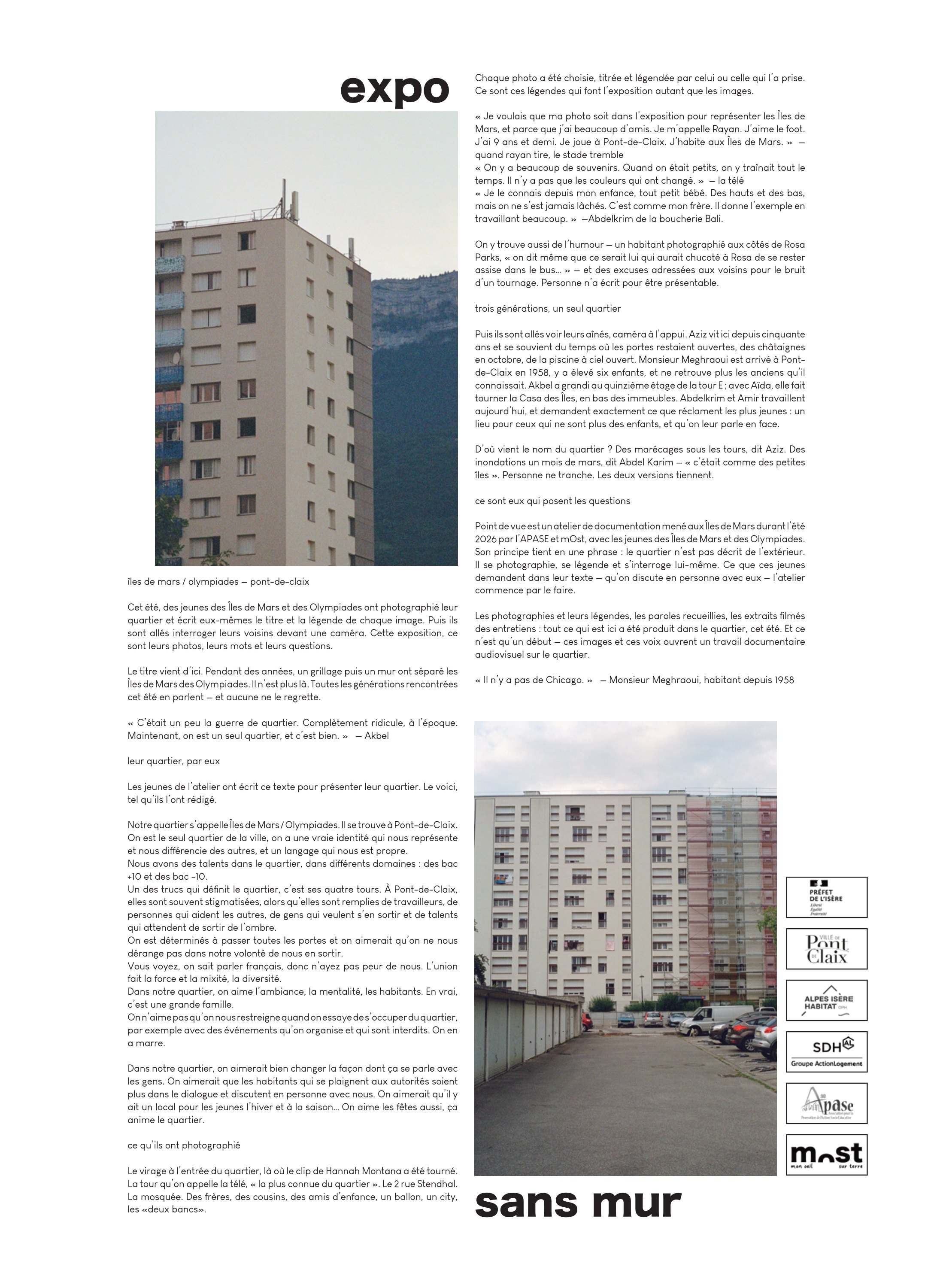
It's the best-known tower in the neighborhood… We have lots of memories there. When we were little, we hung around there all the time. It's not just the colors that have changed.
wall 08
wall 09
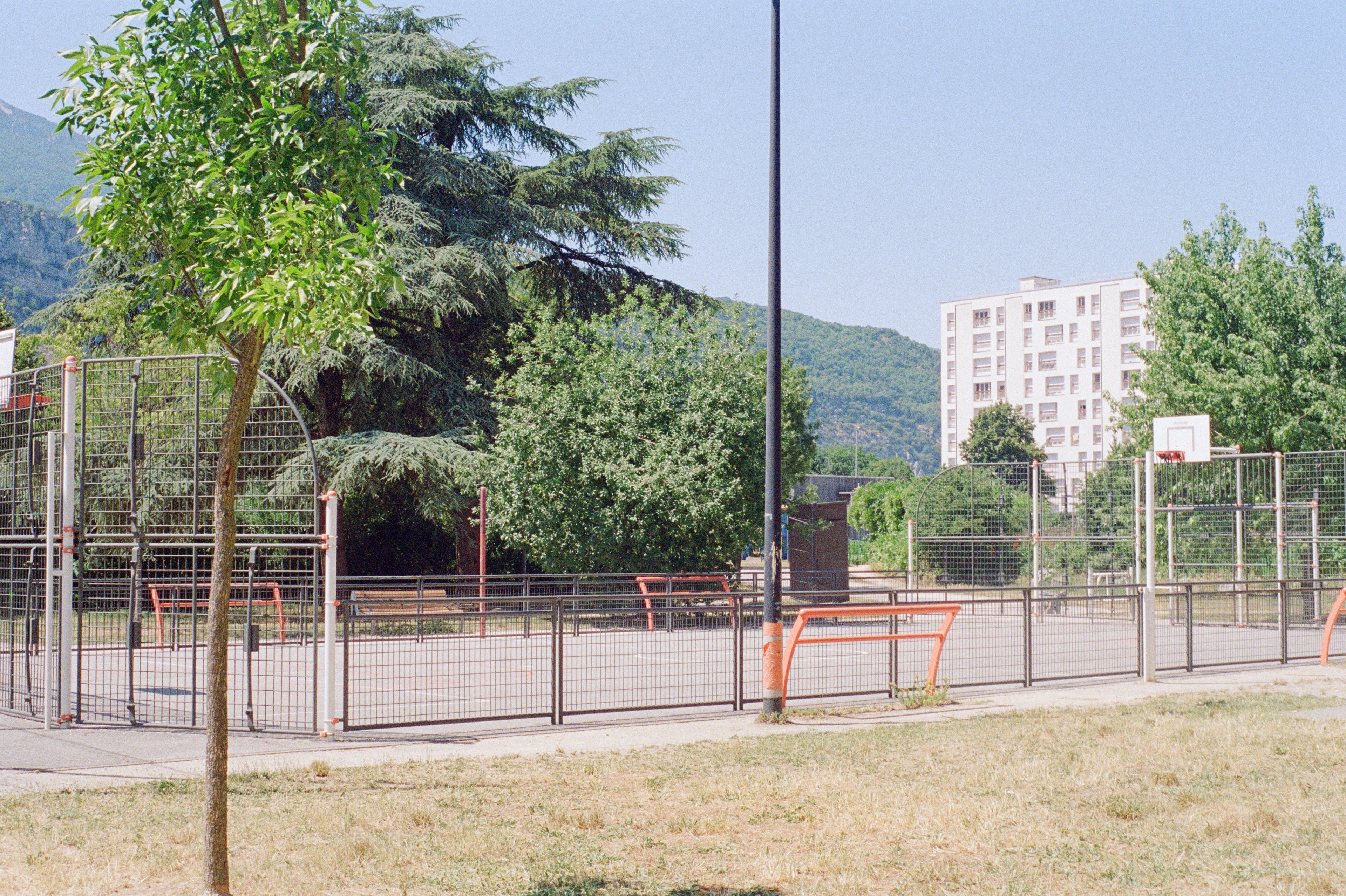
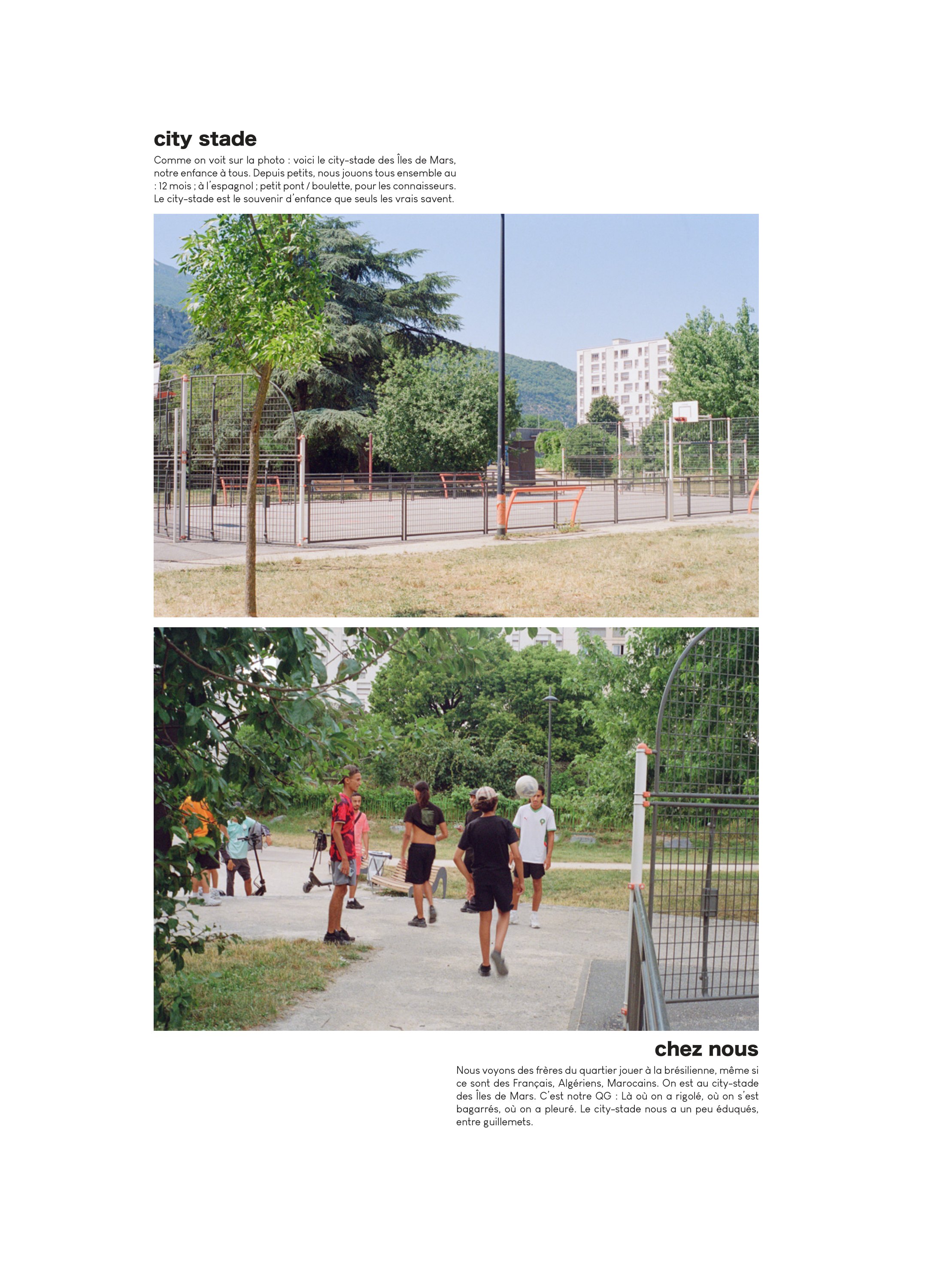
city stade
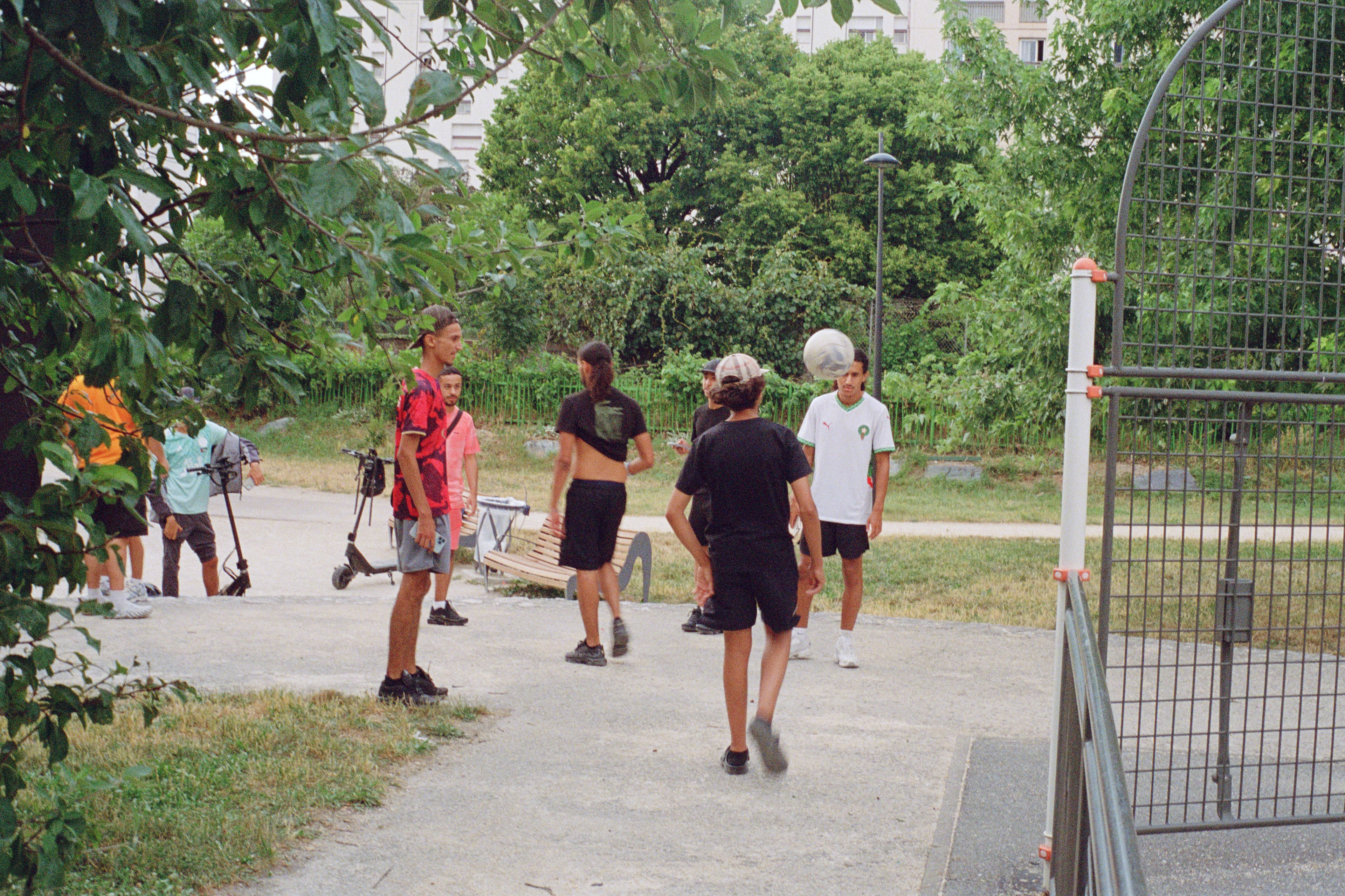
As you can see in the photo: this is the Îles de Mars sports court, where we all grew up. Since we were little, we've all played together at “12 months,” “Spanish,” “petit pont boulette,” for those in the know. The court is the childhood memory only the real ones know.
chez nous
We see brothers from the neighborhood playing Brazilian-style, even though they're French, Algerian, Moroccan. We're at the Îles de Mars sports court. It's our HQ: where we laughed, fought, cried. The court kind of raised us, so to speak.
wall 10
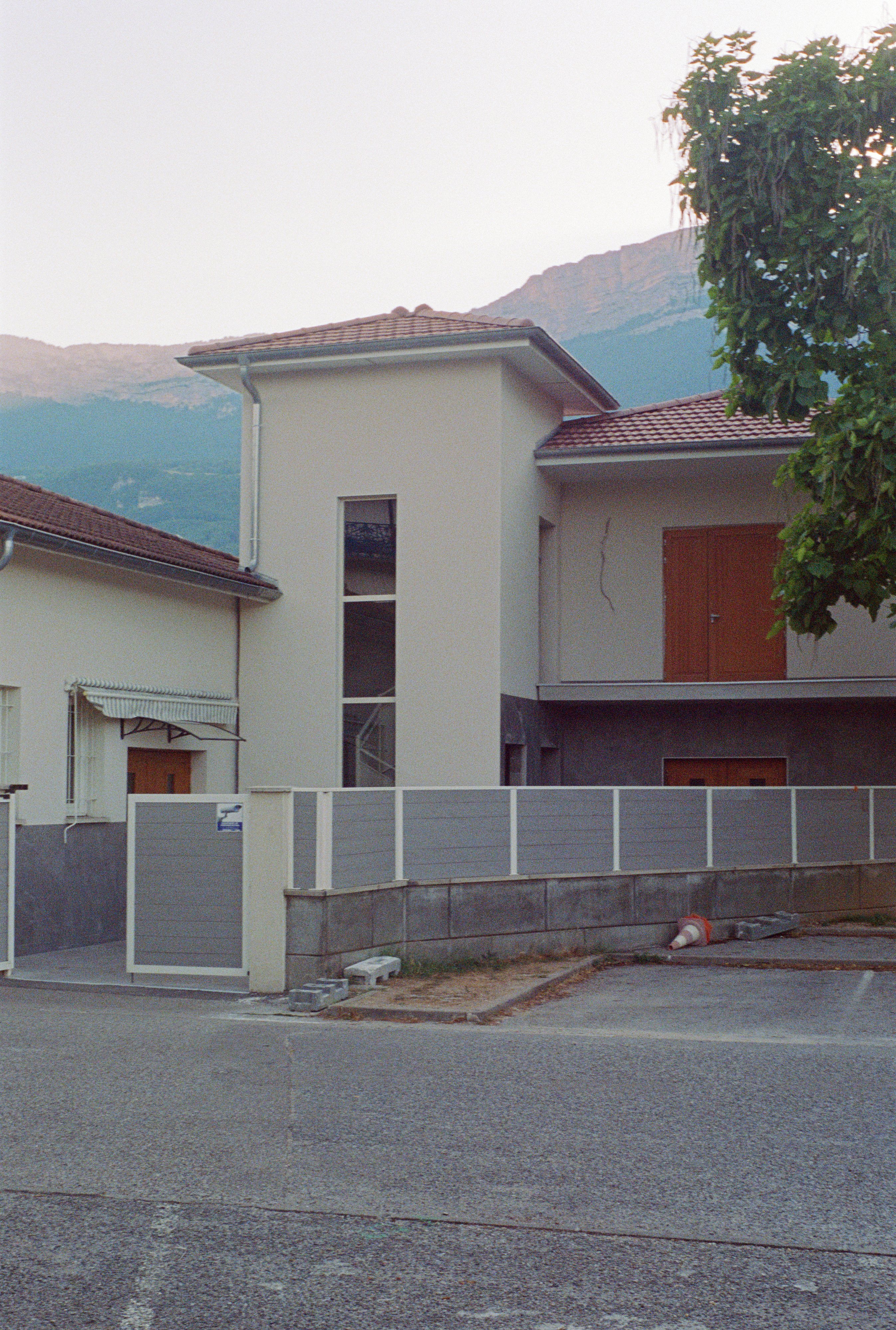
mosquée de paris
It's the neighborhood mosque, where everyone meets on Fridays for jumu'ah or during Ramadan. It's next to the church. Made for prayer, it's one of the only sacred places in Le Pont-de-Claix.
photographs and captions: the young people of Îles de Mars and Olympiades, with APASE
in pictures
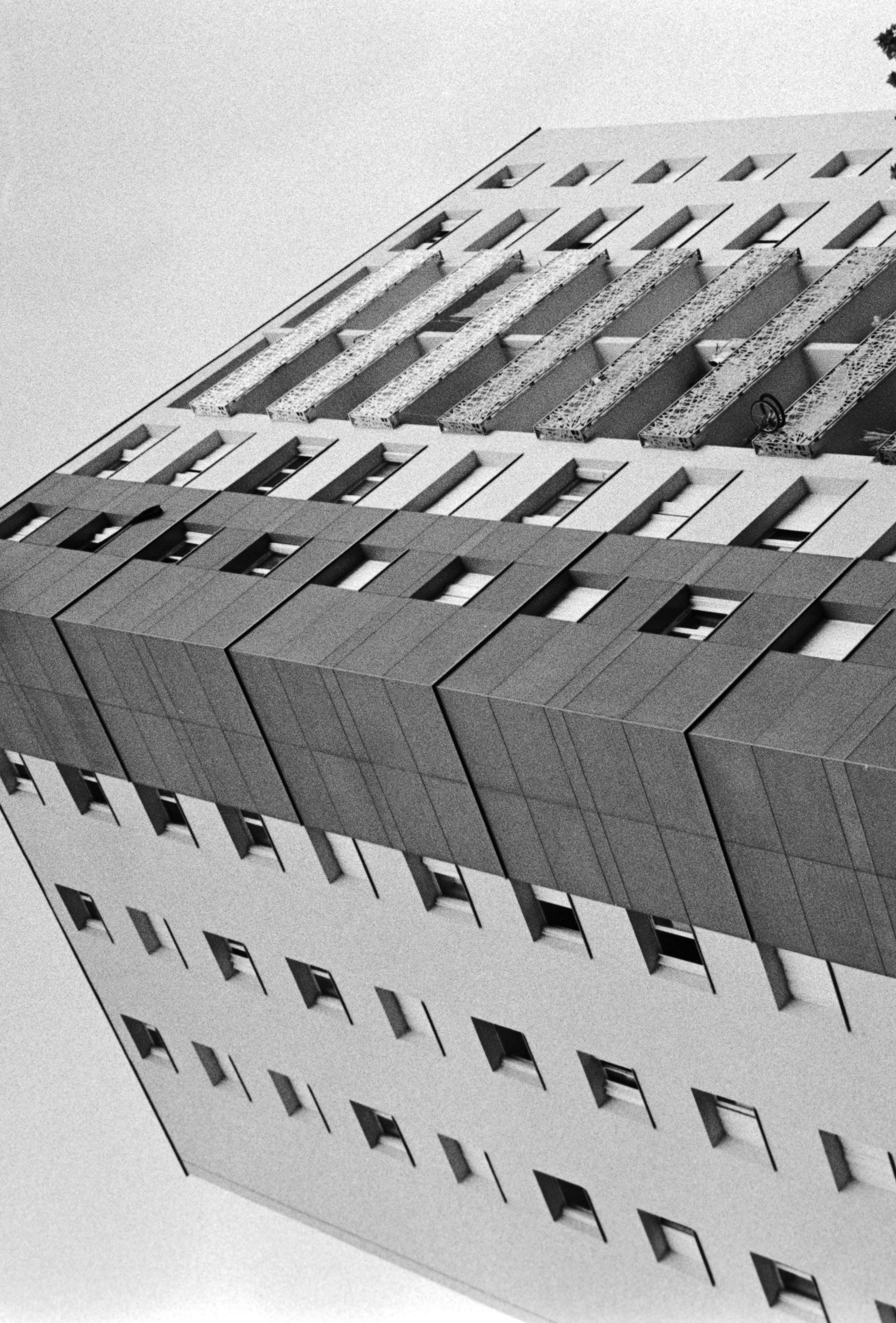
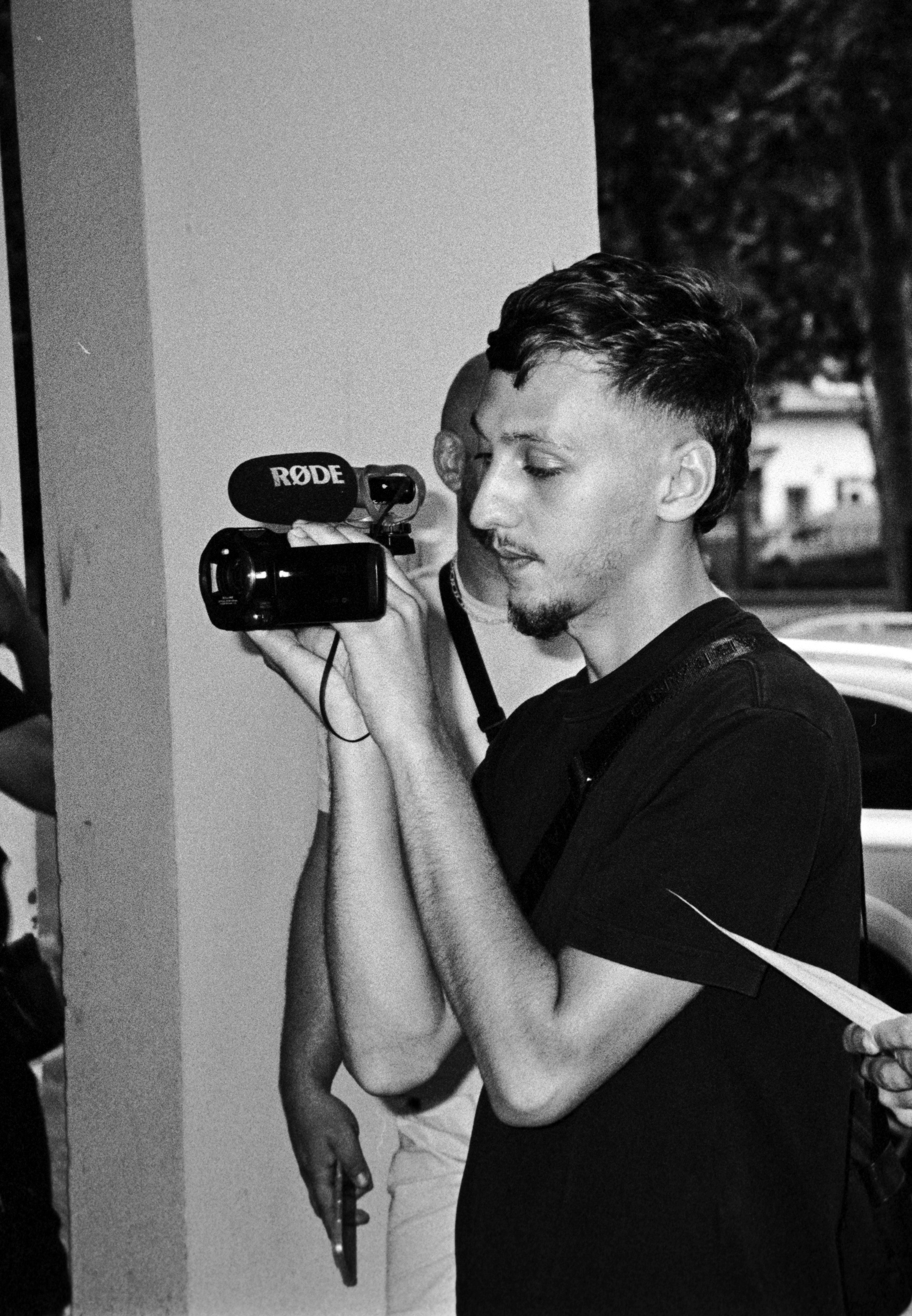
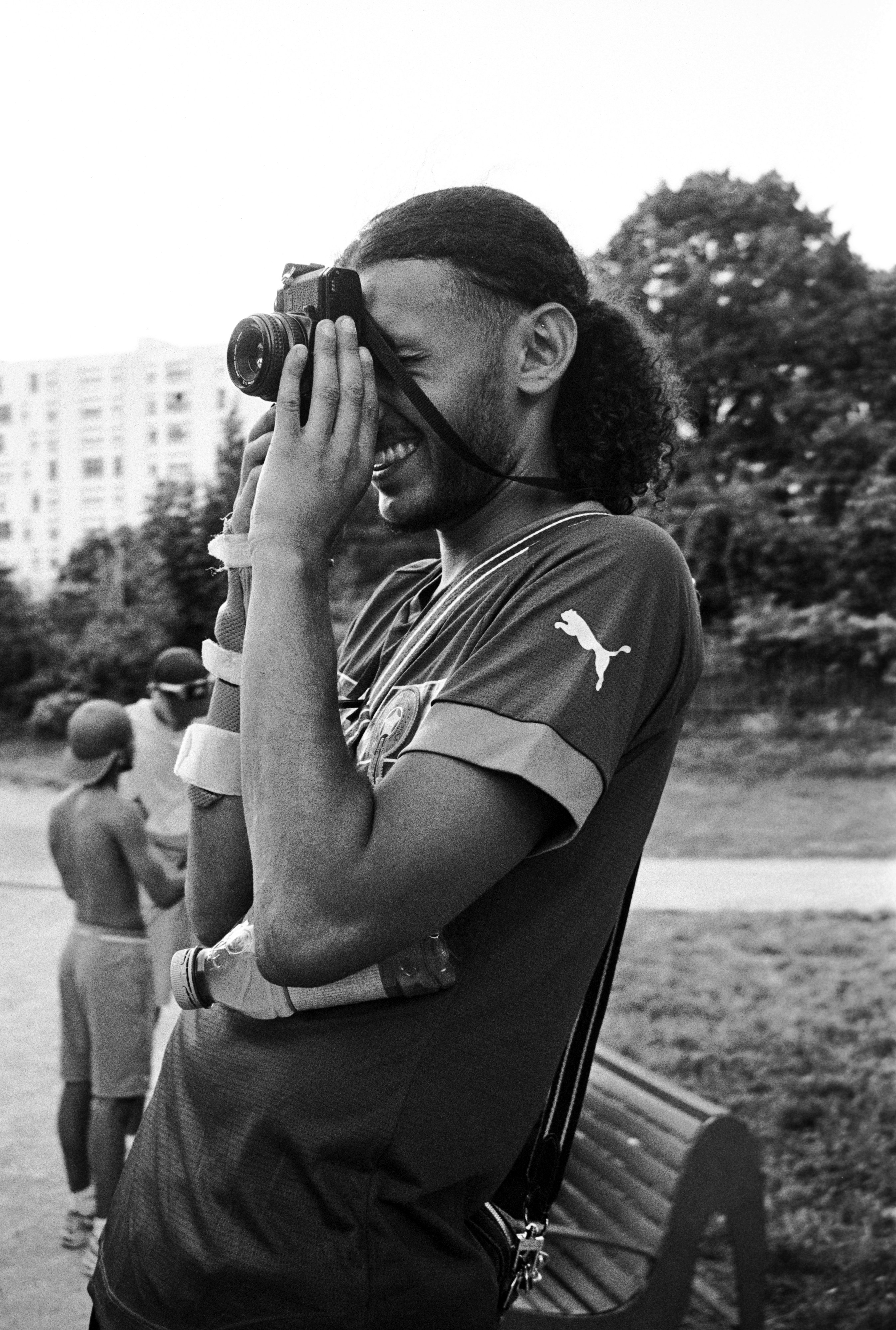
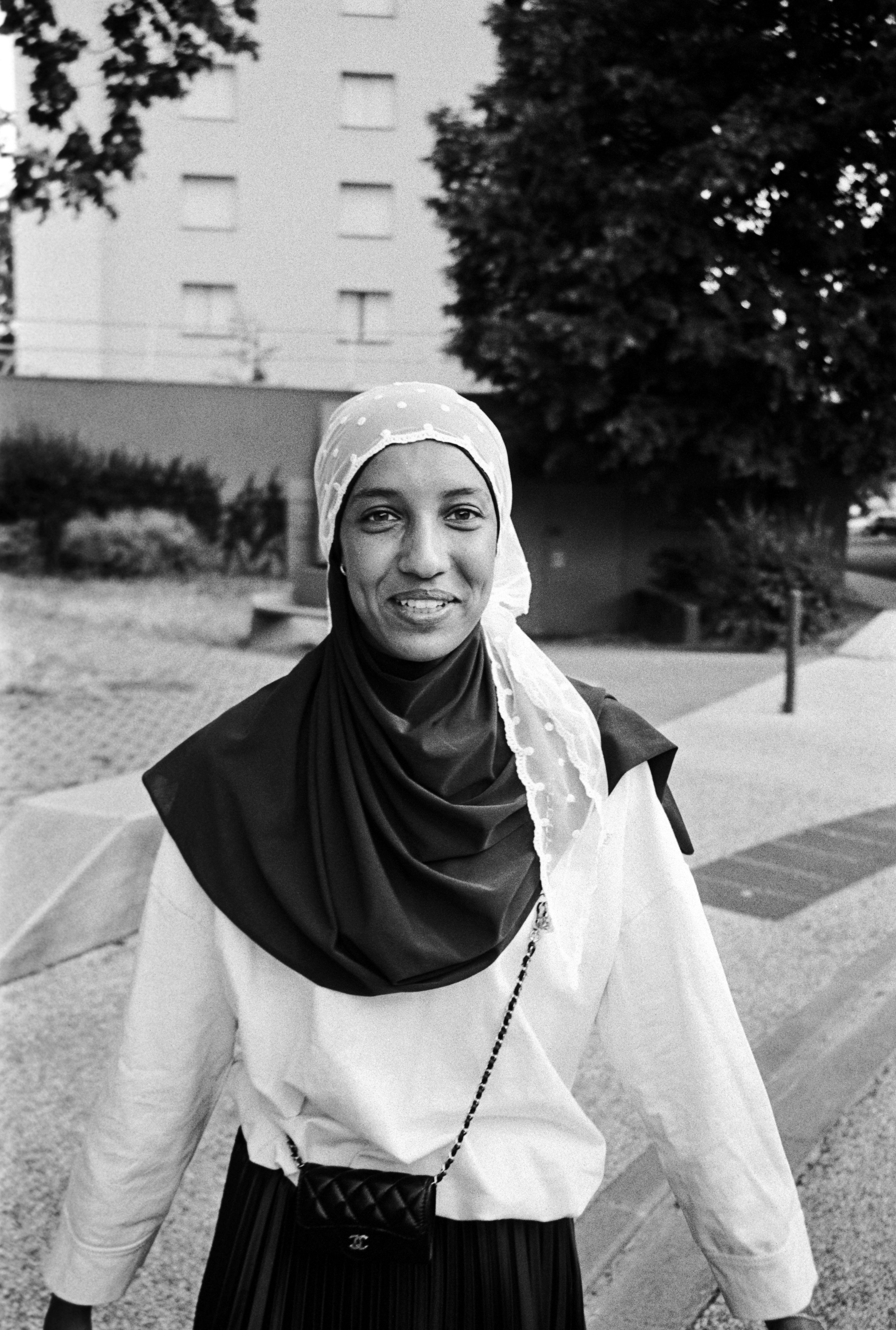
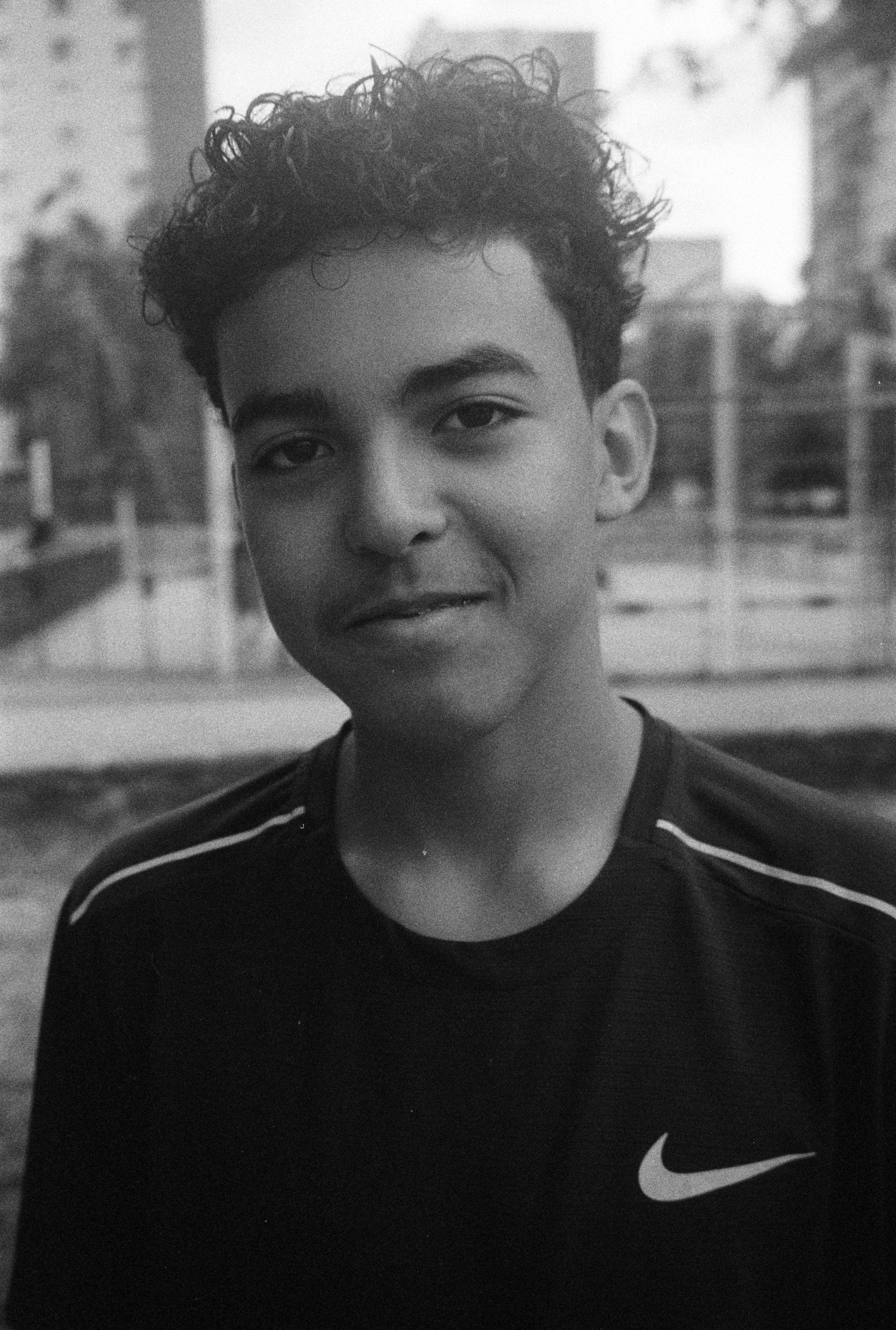
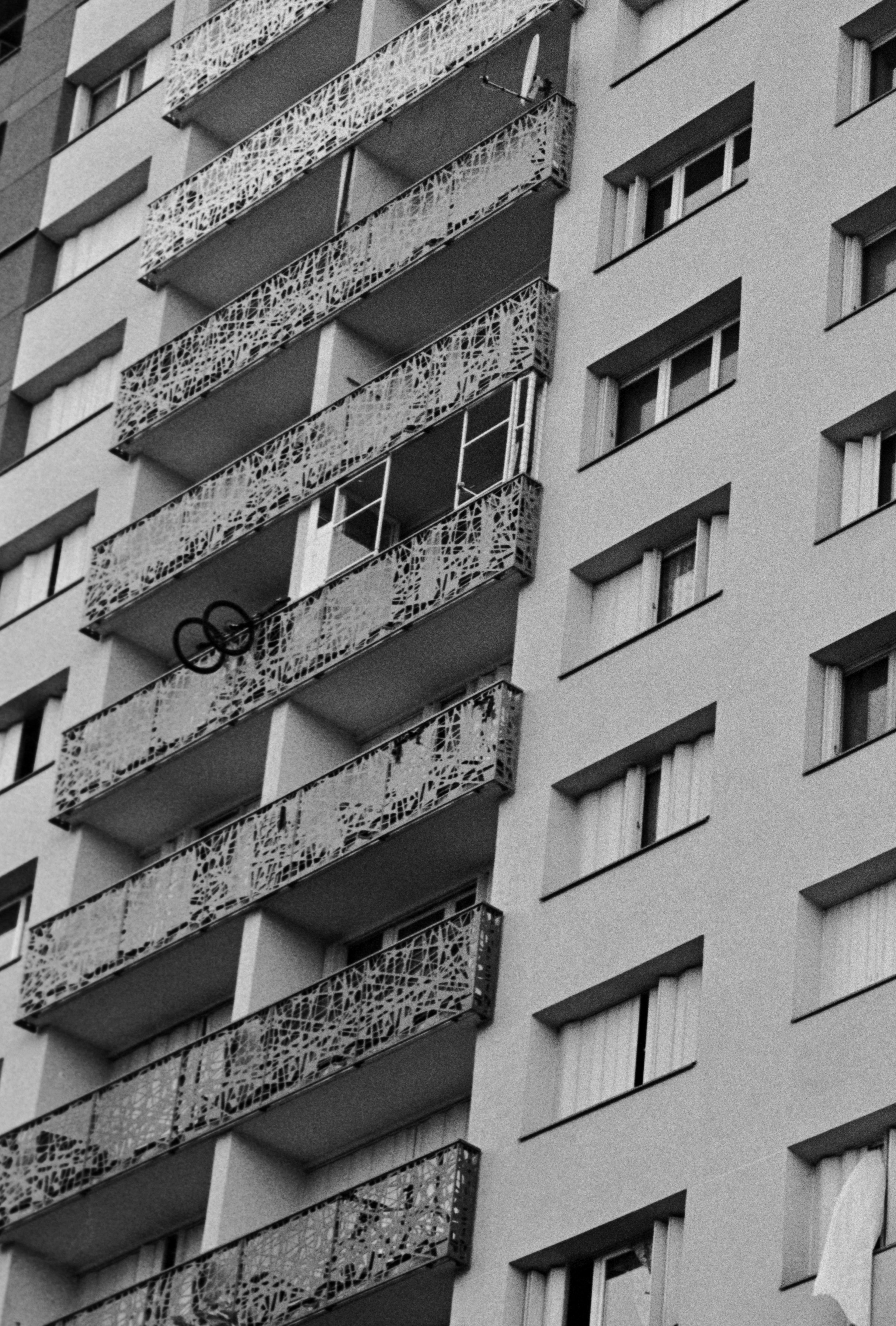
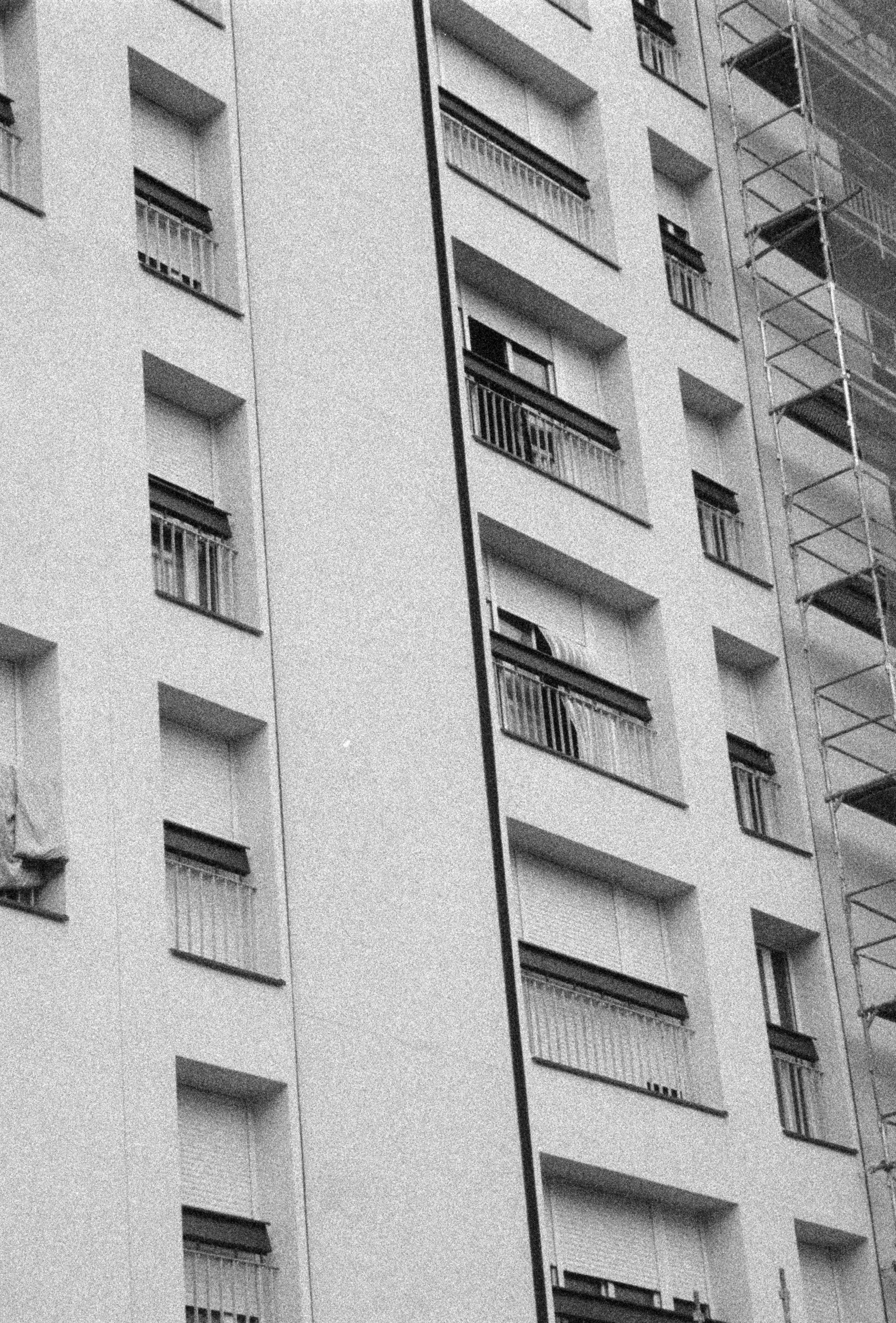
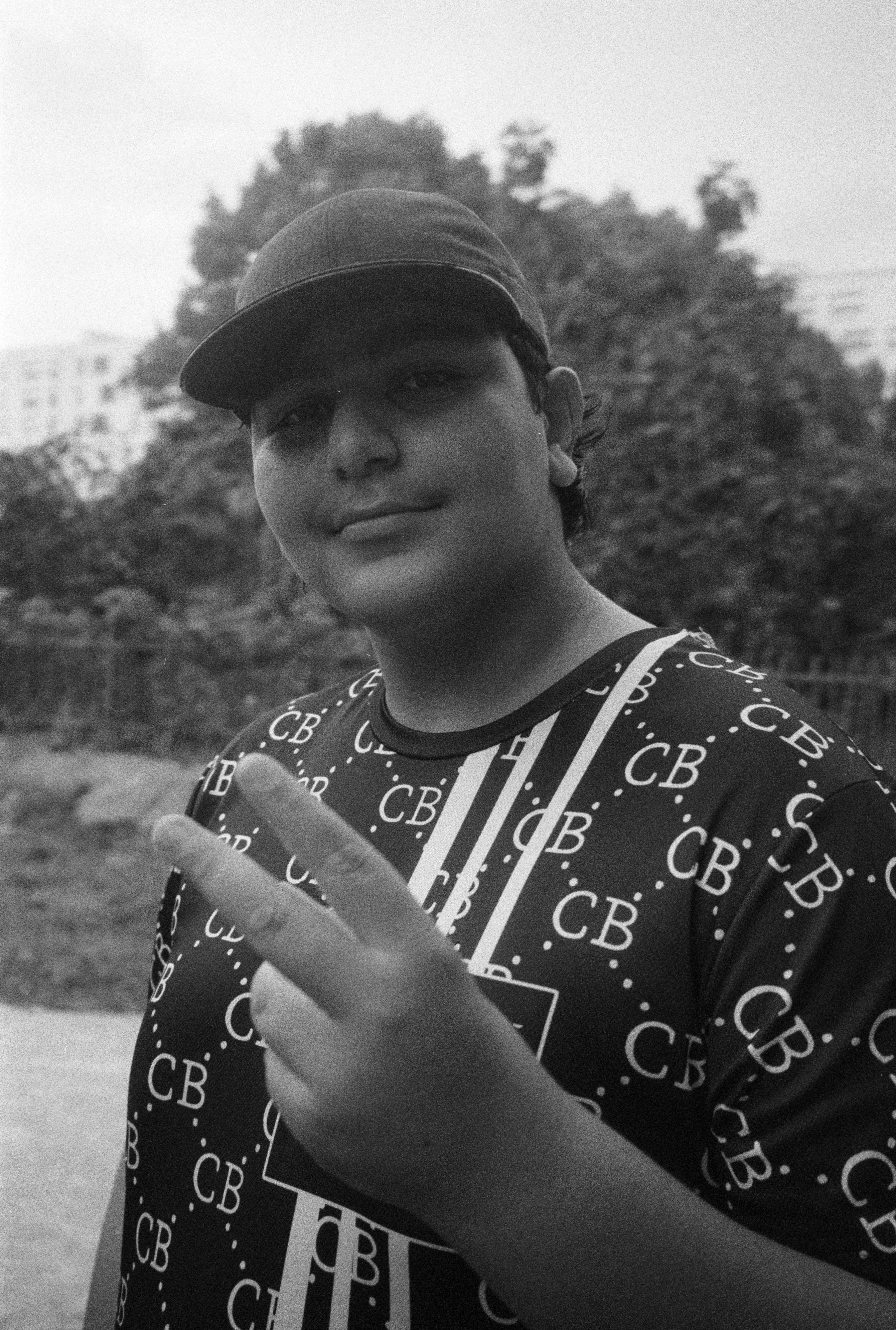
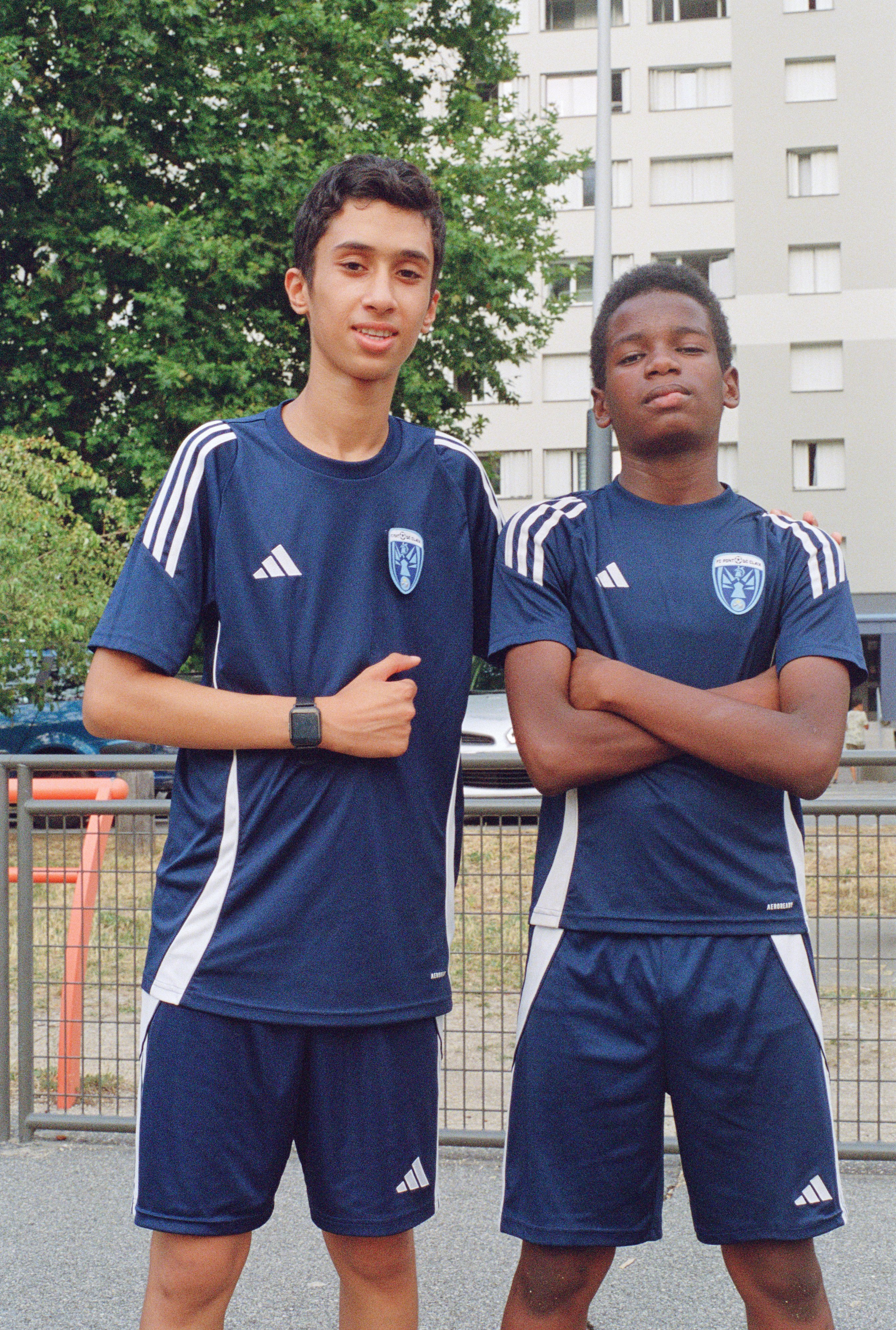
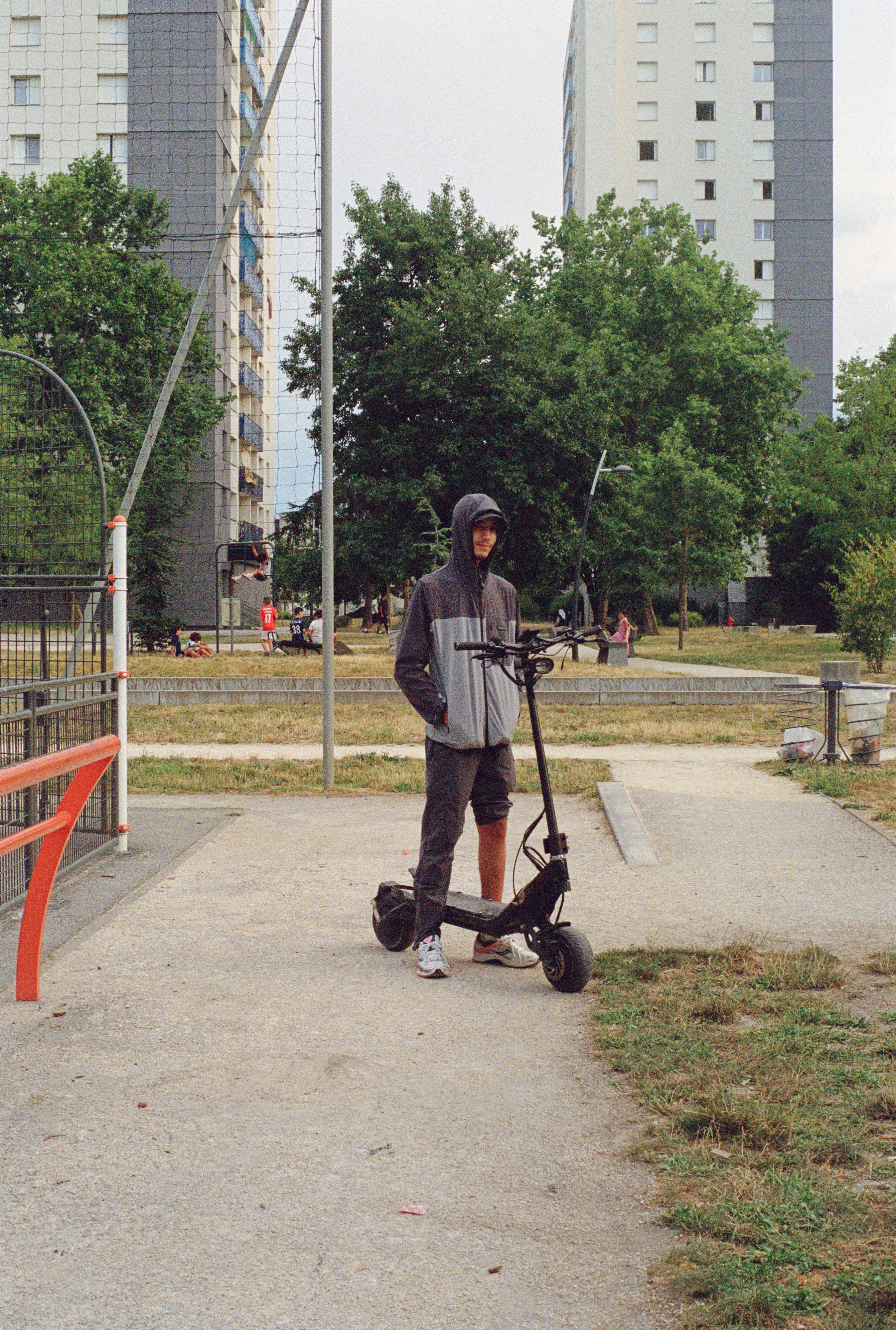
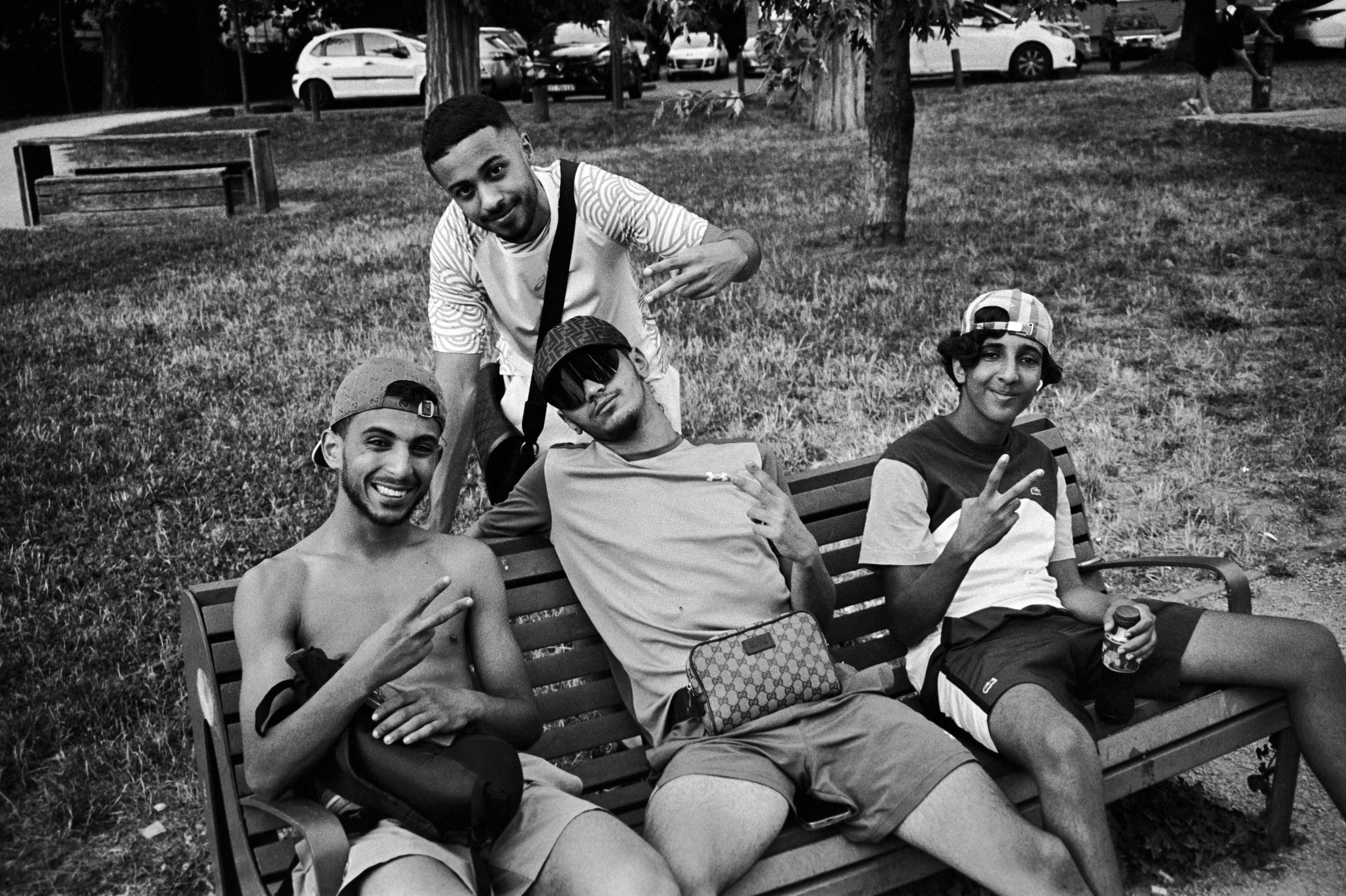
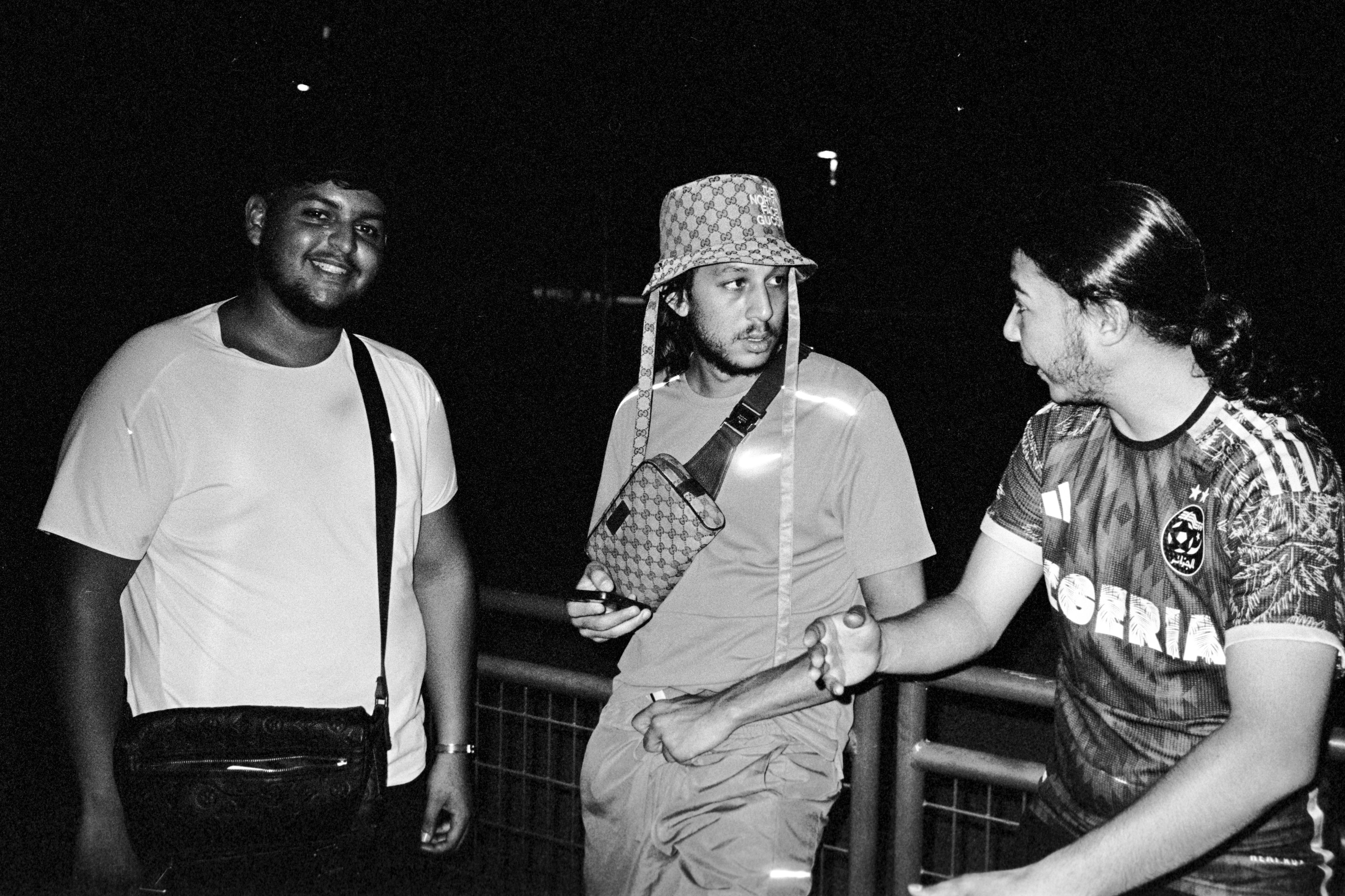
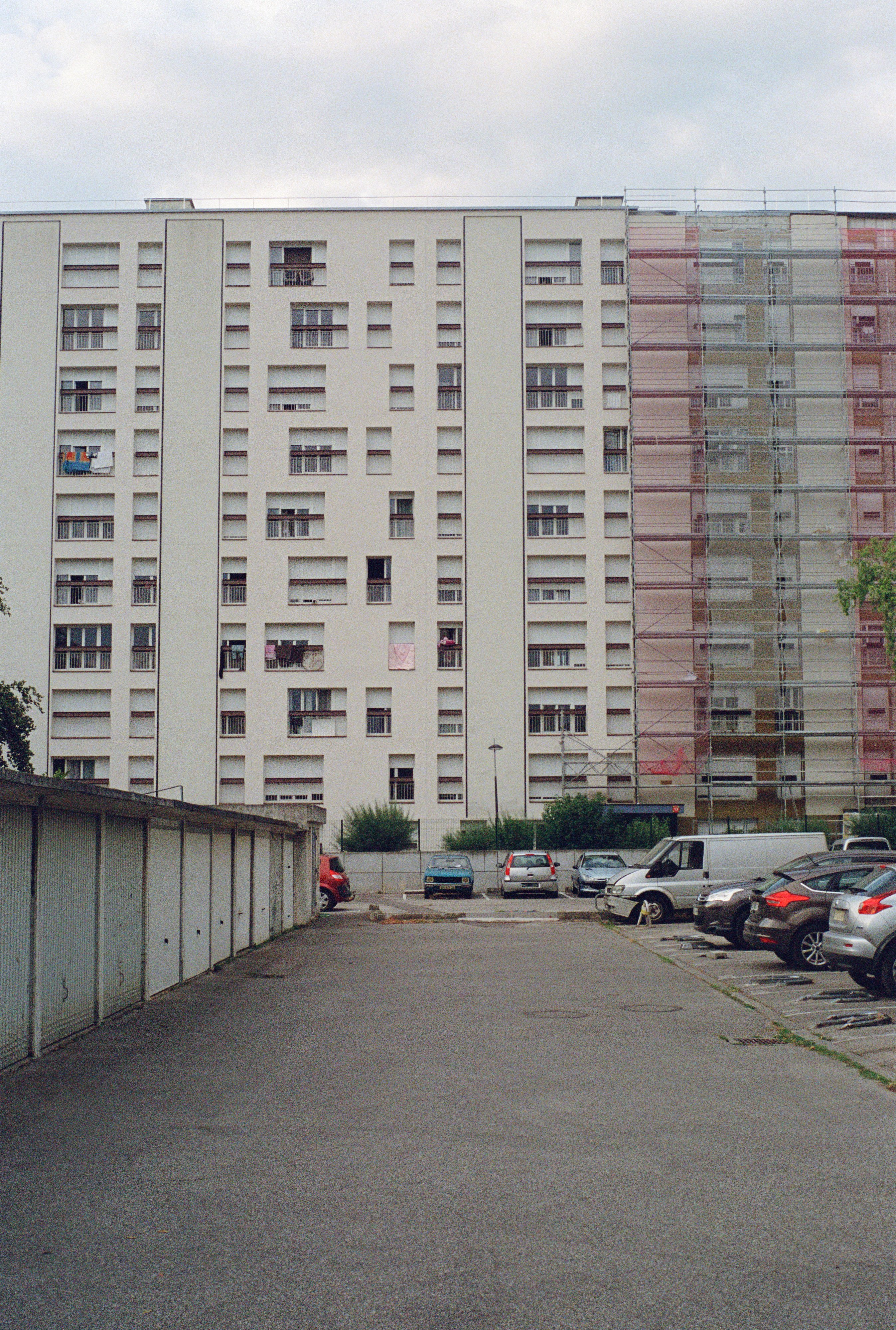
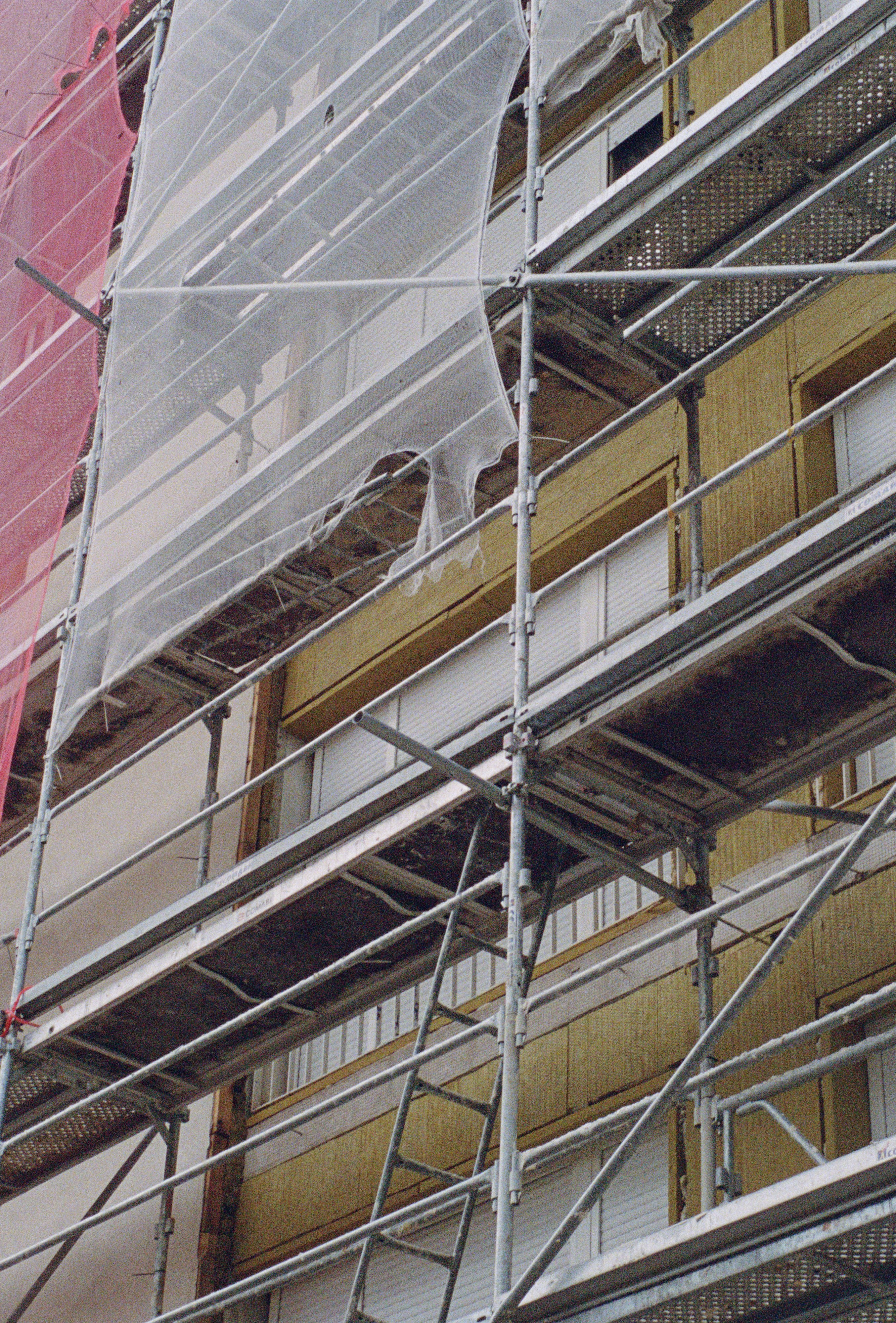
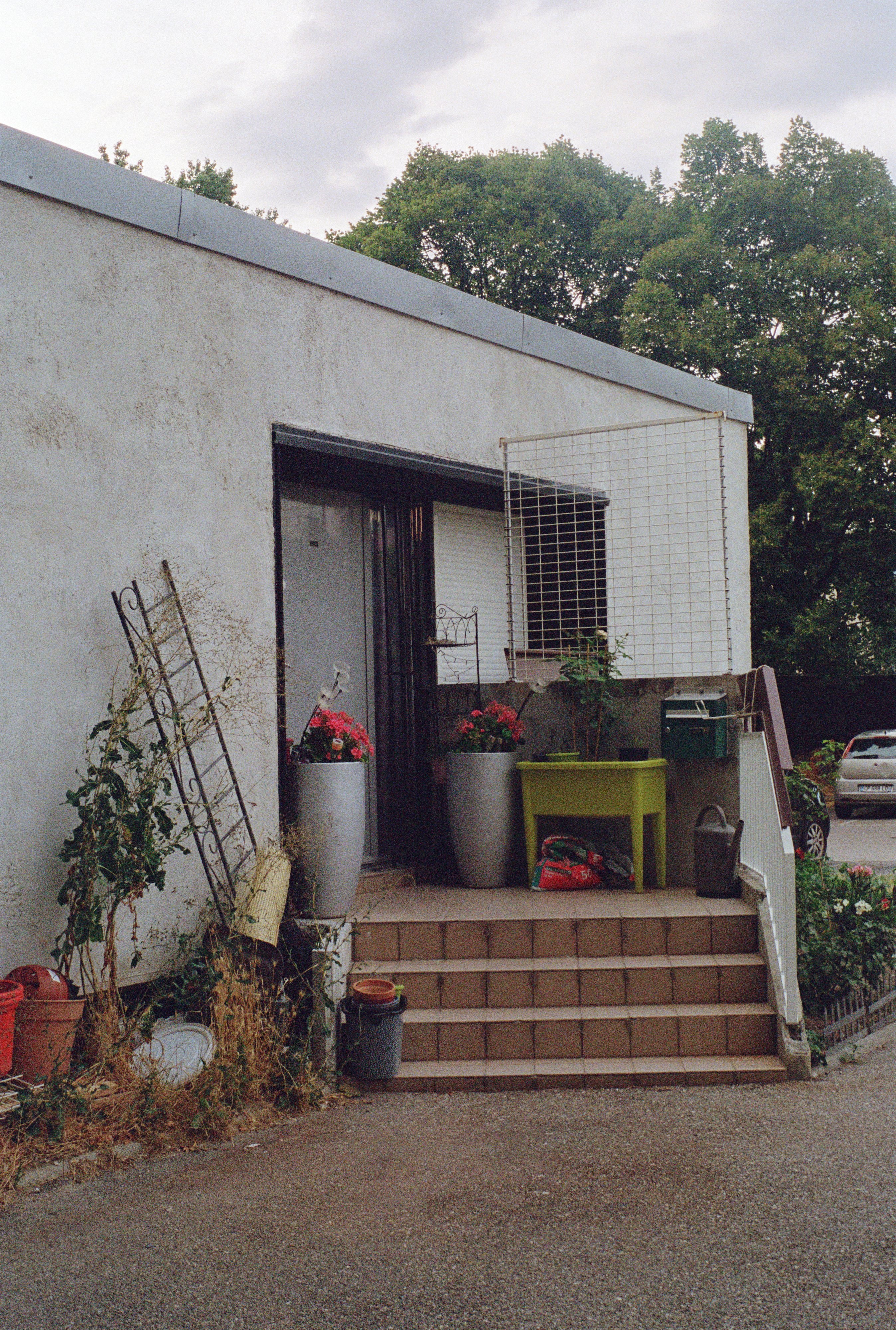
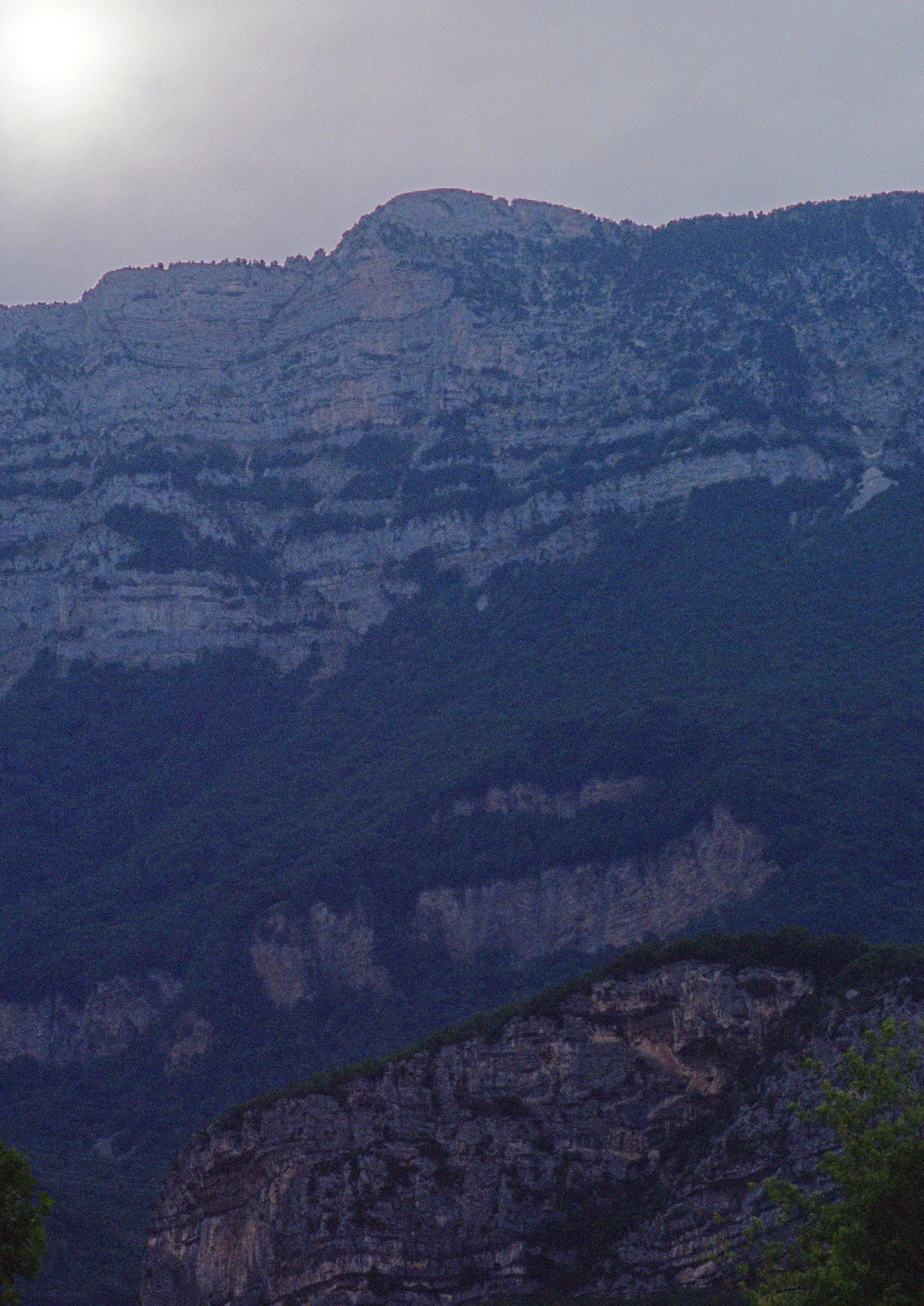
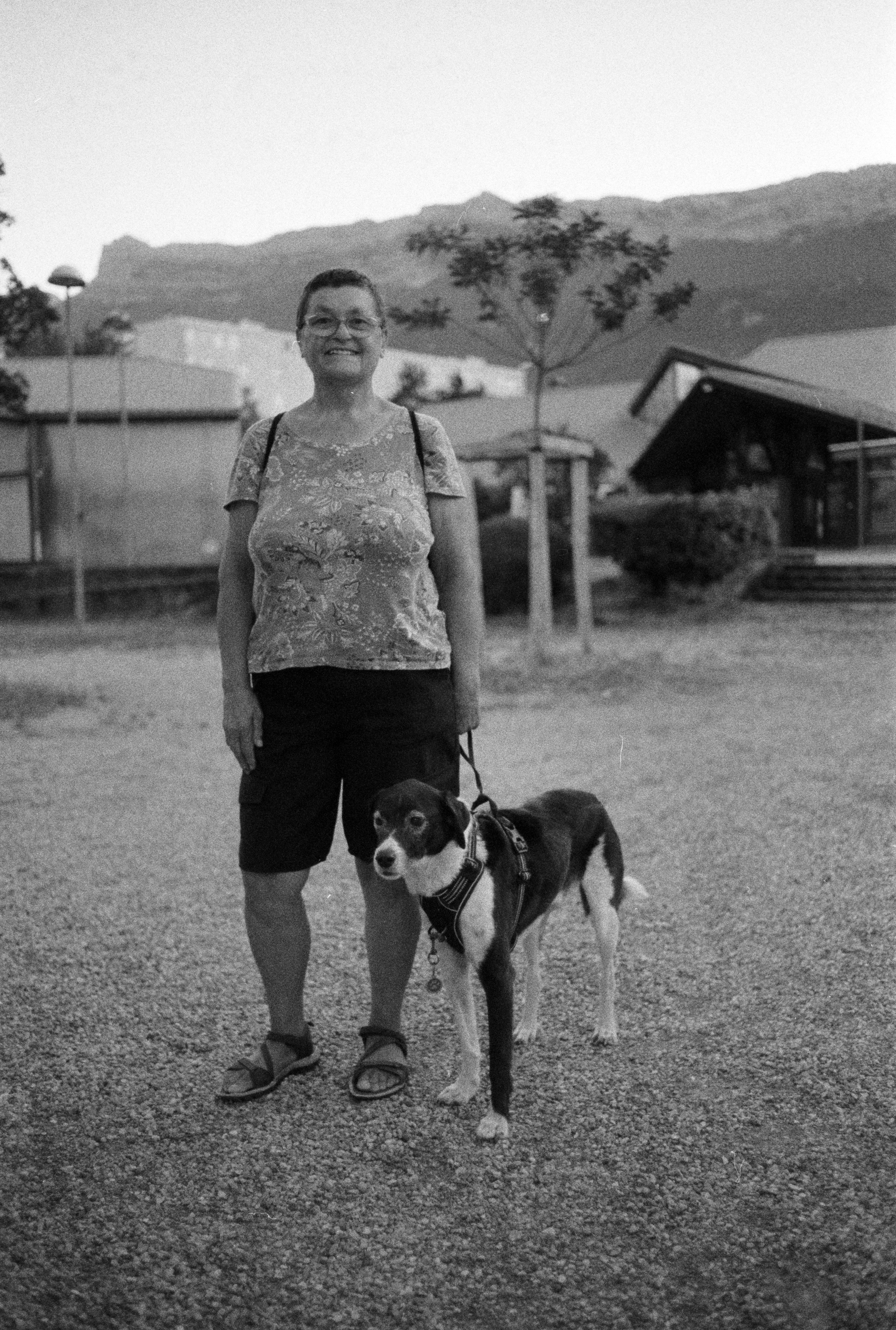
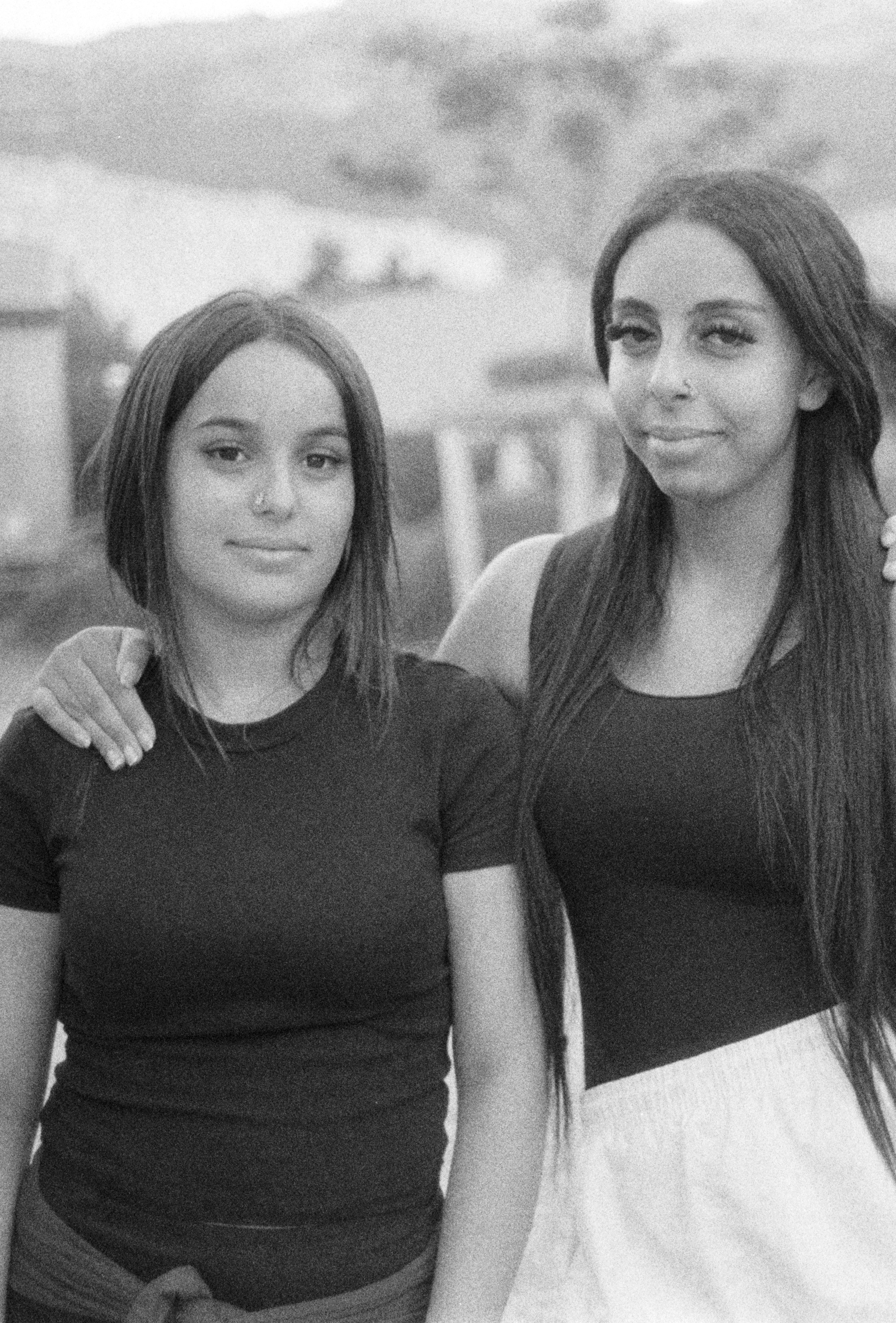
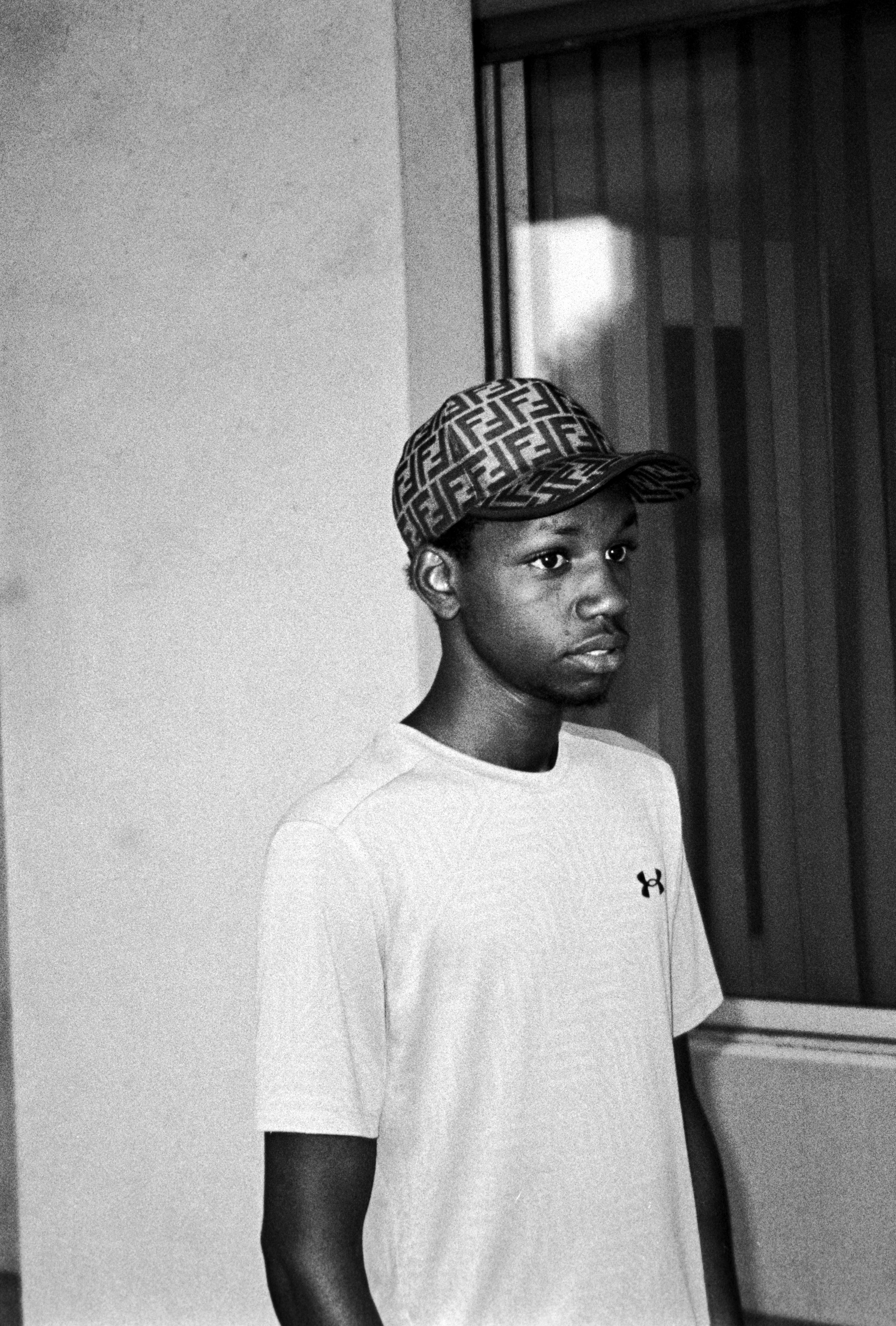
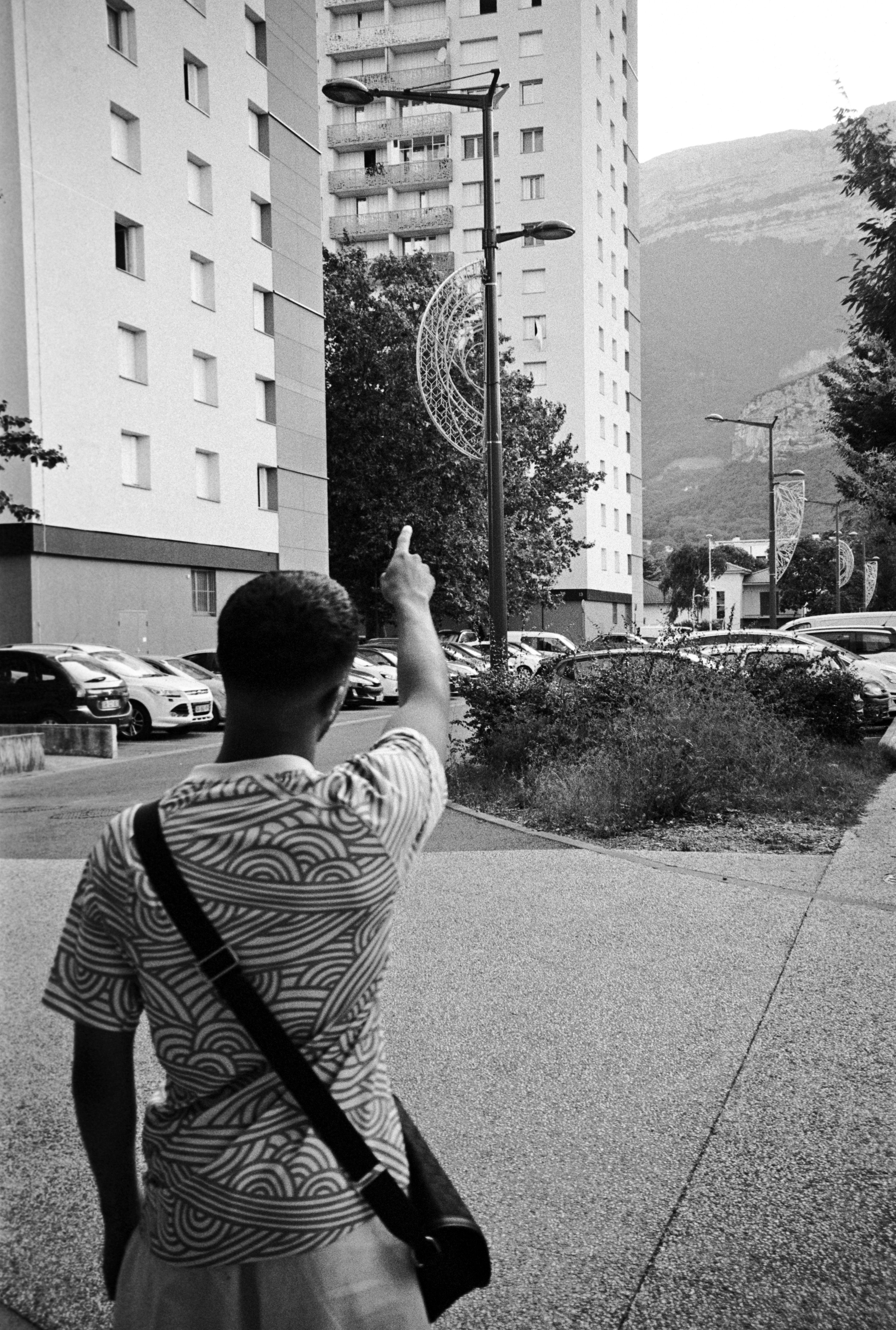
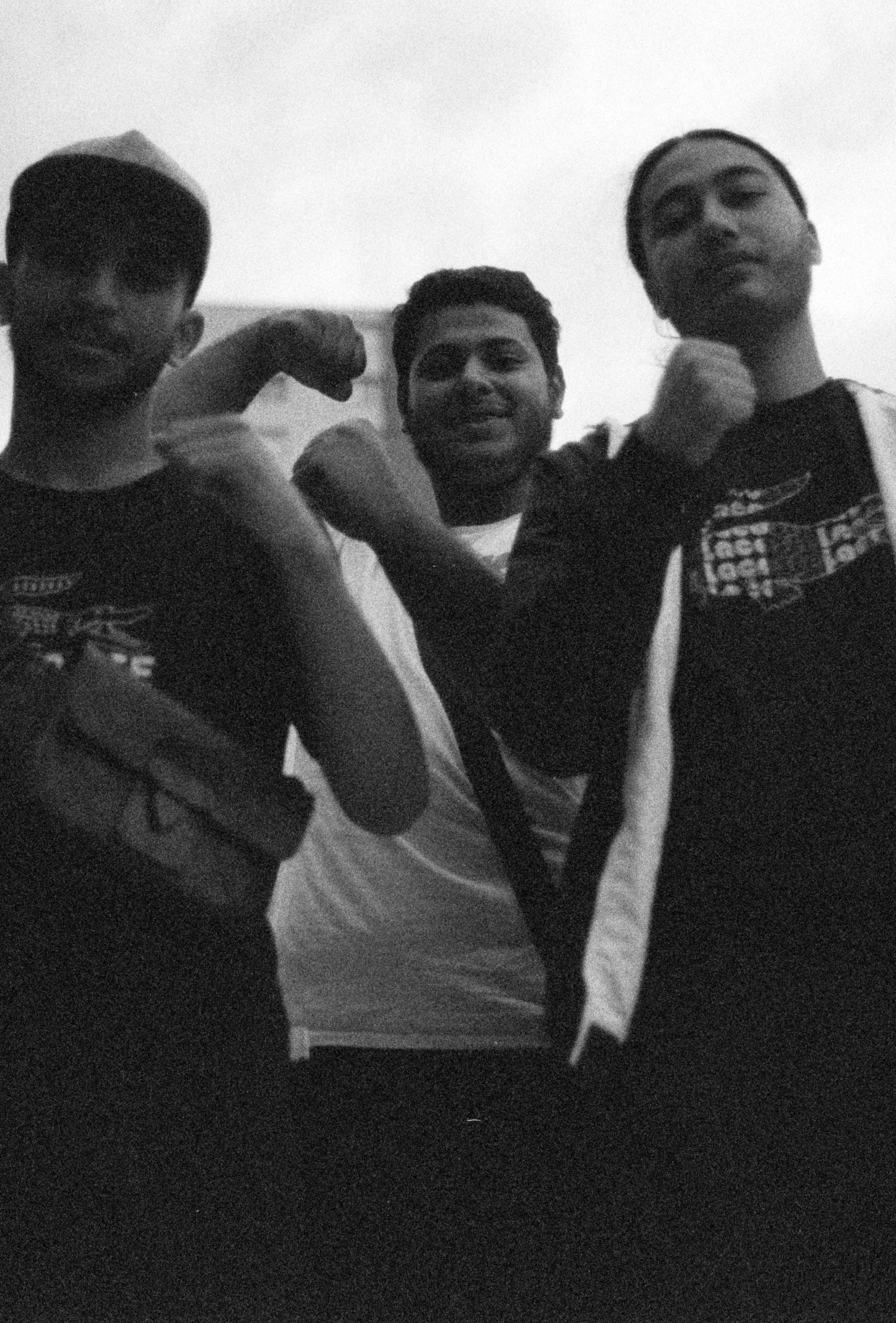
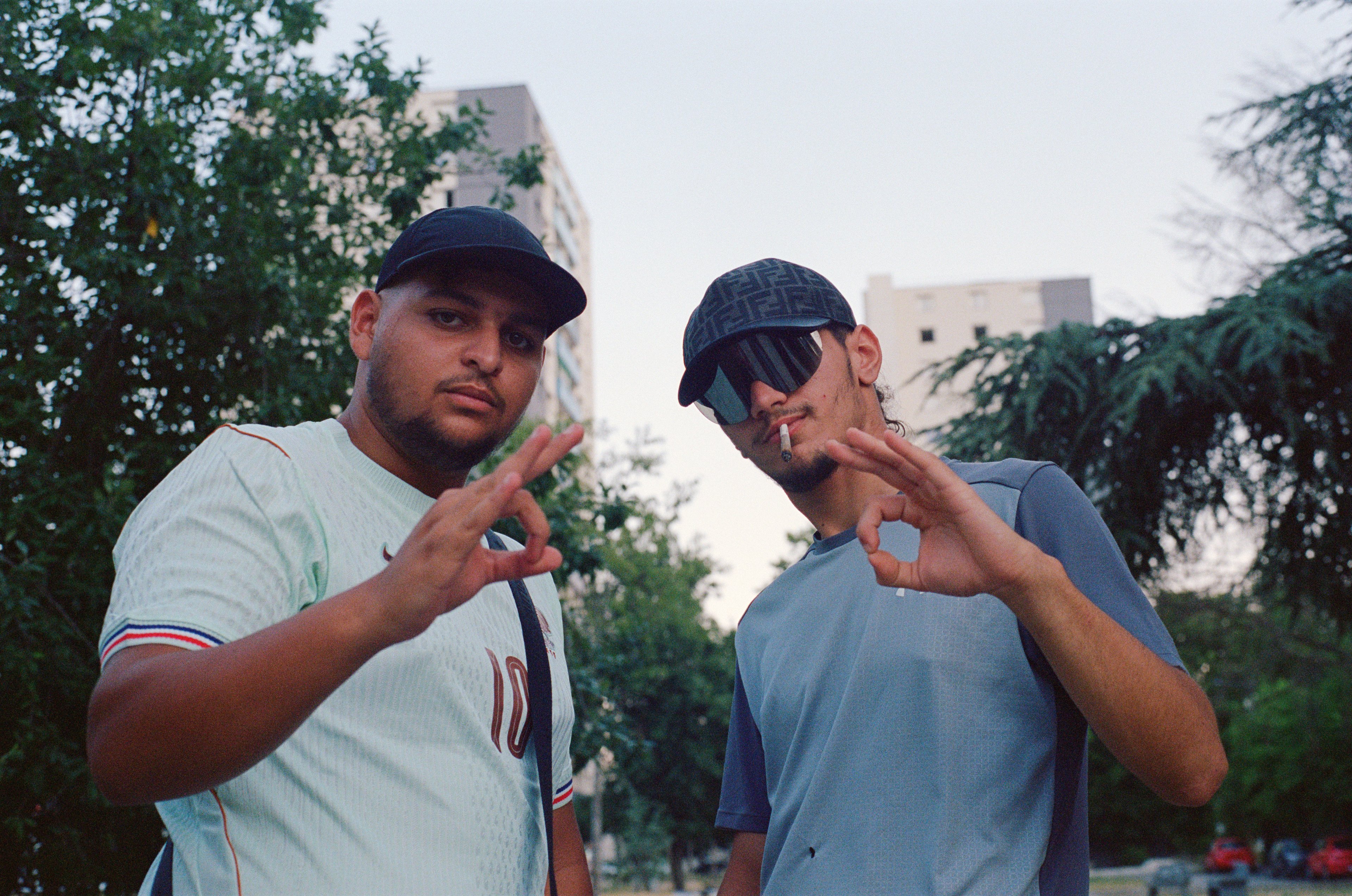
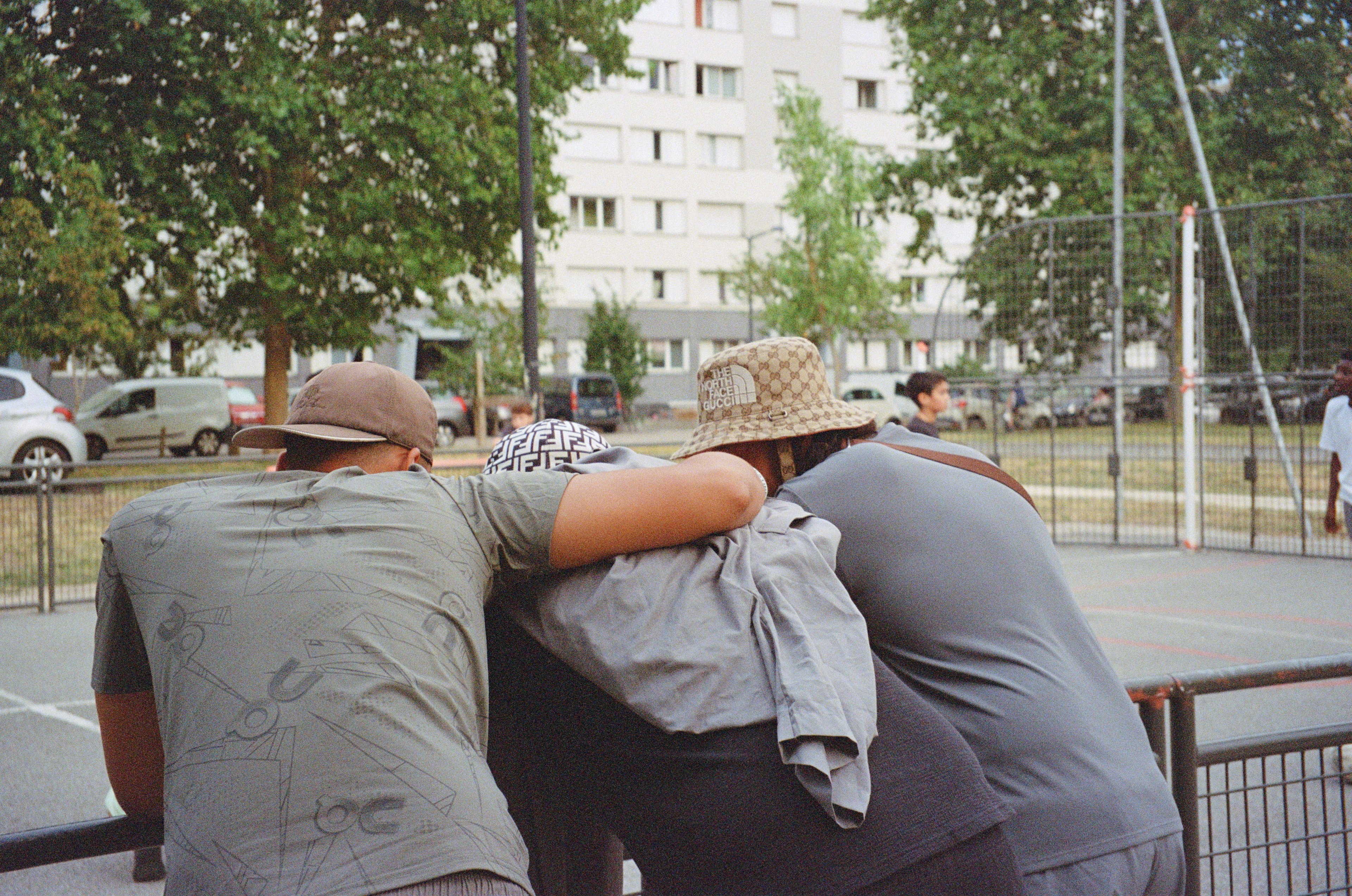
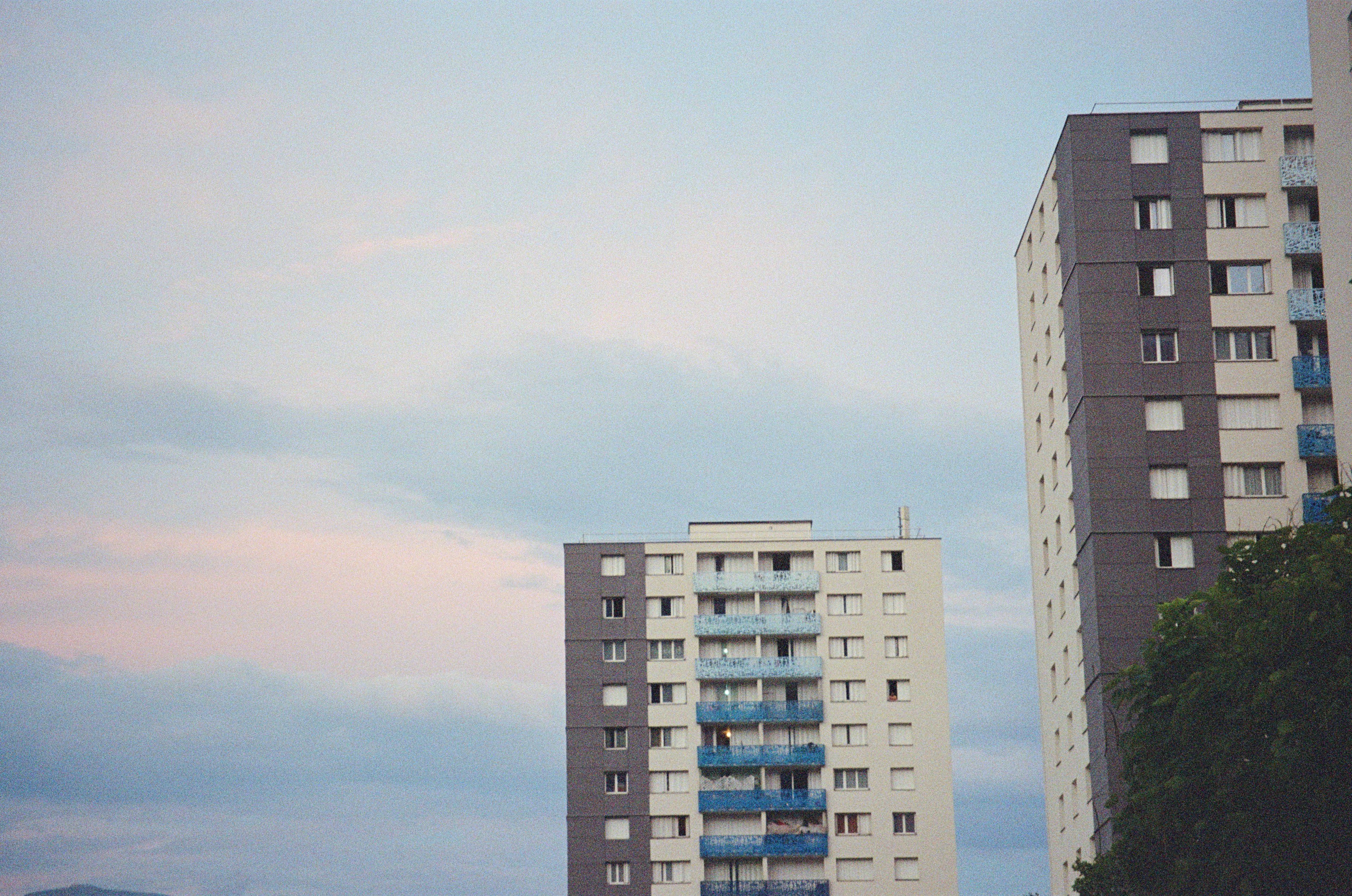
photos: the workshop participants and the mOst team
the exhibition
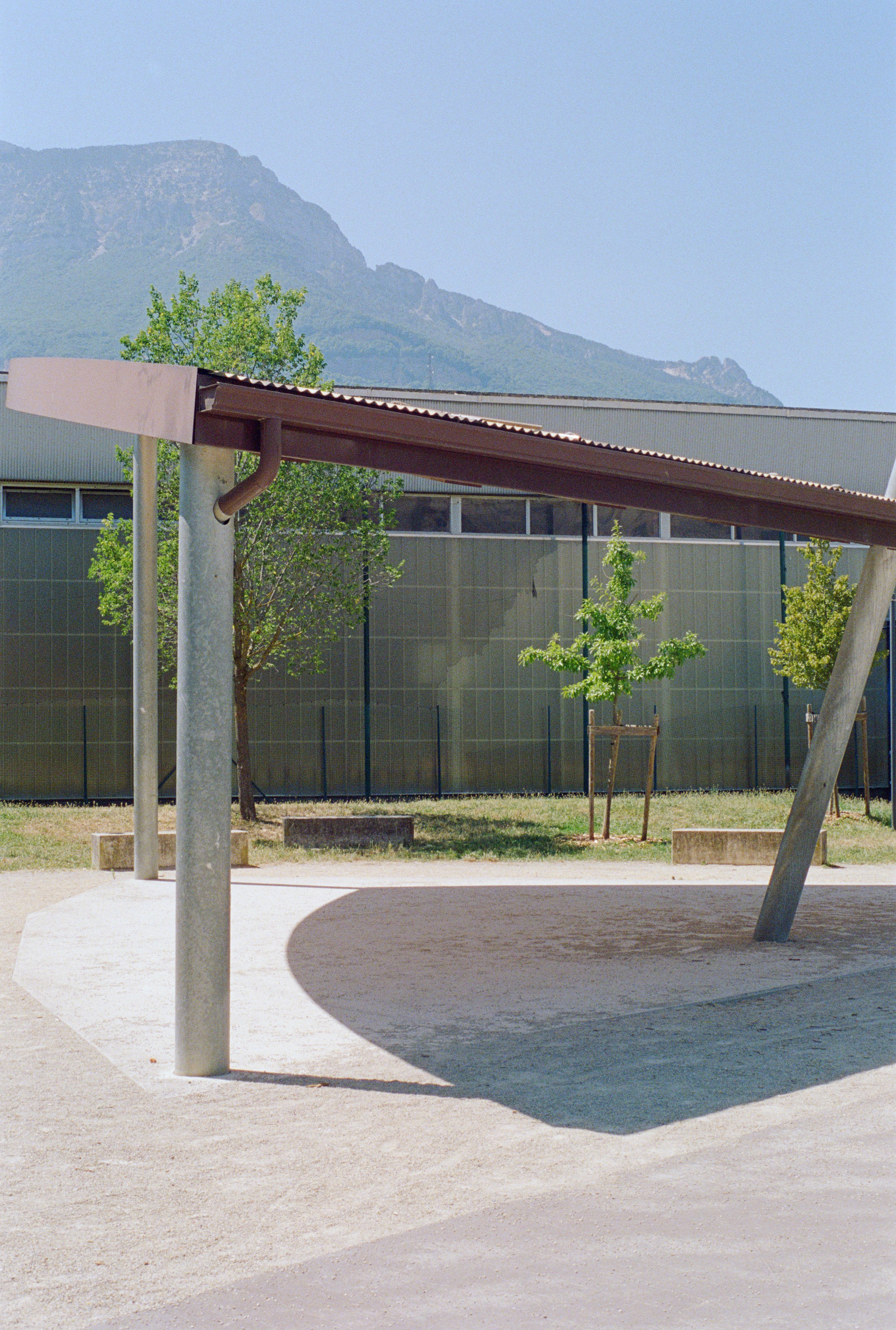
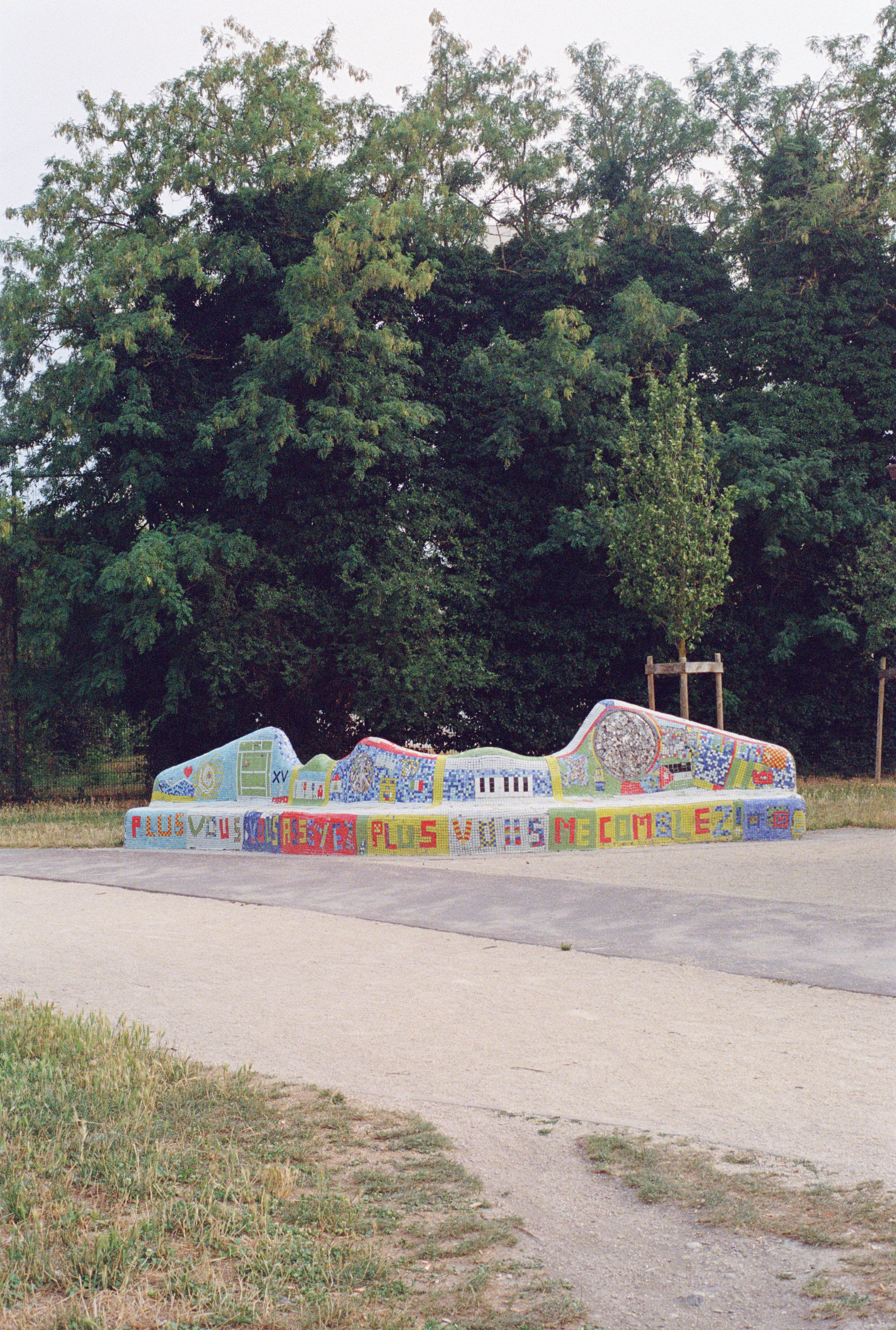
Fourteen banners: the young people's text, their titled and captioned photographs, “the TV,” the sports court, the mosque, and the interviews with their elders.