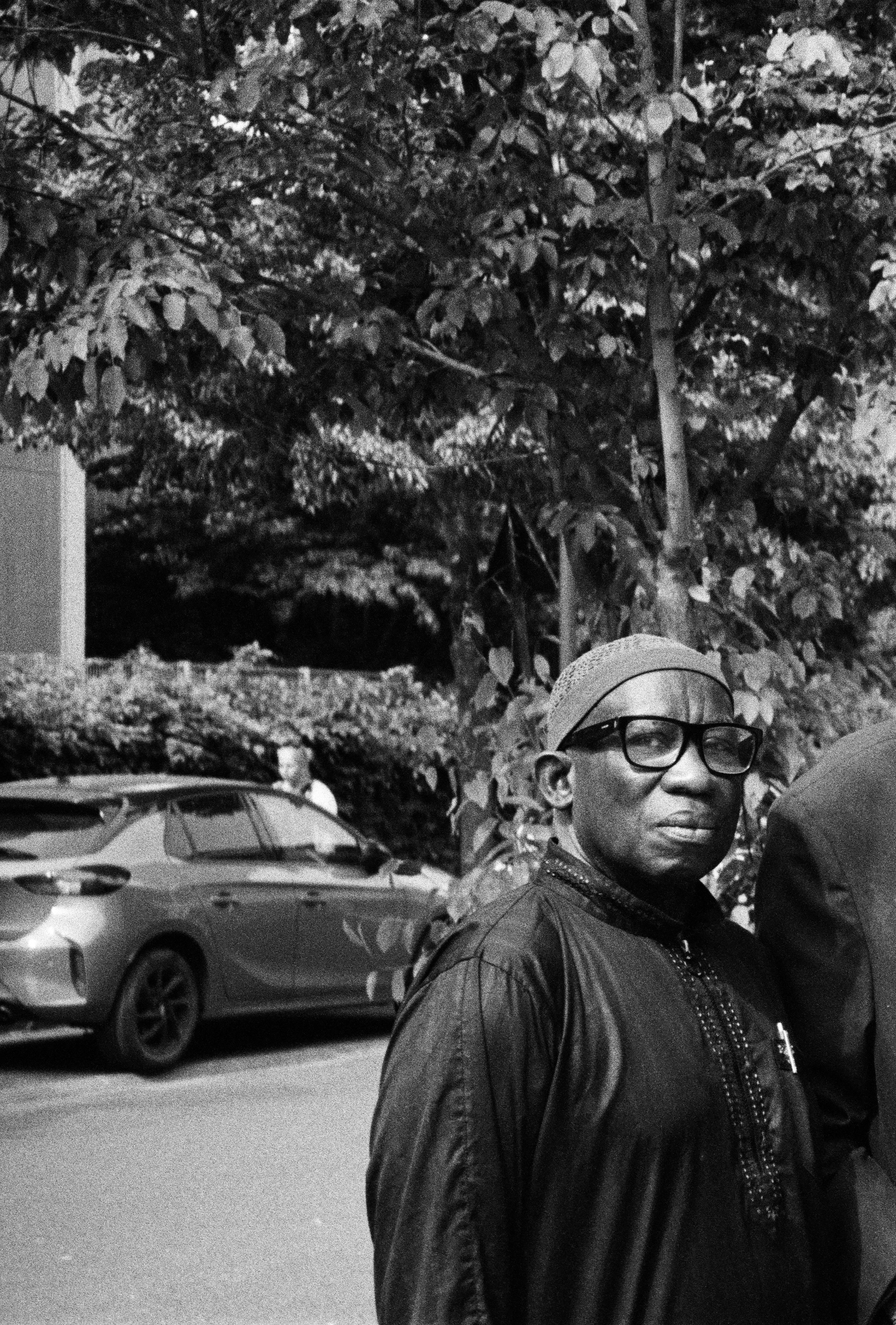
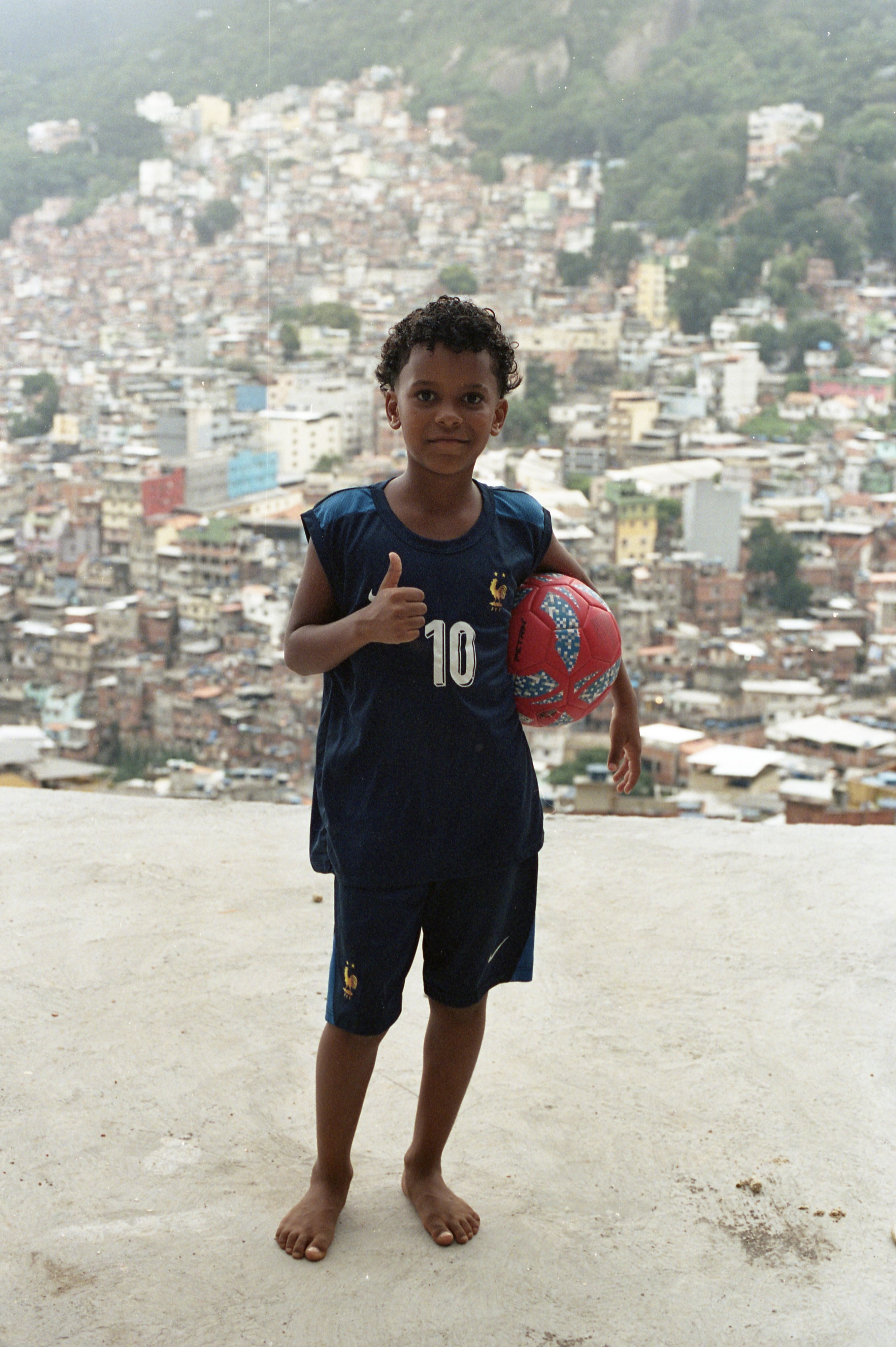
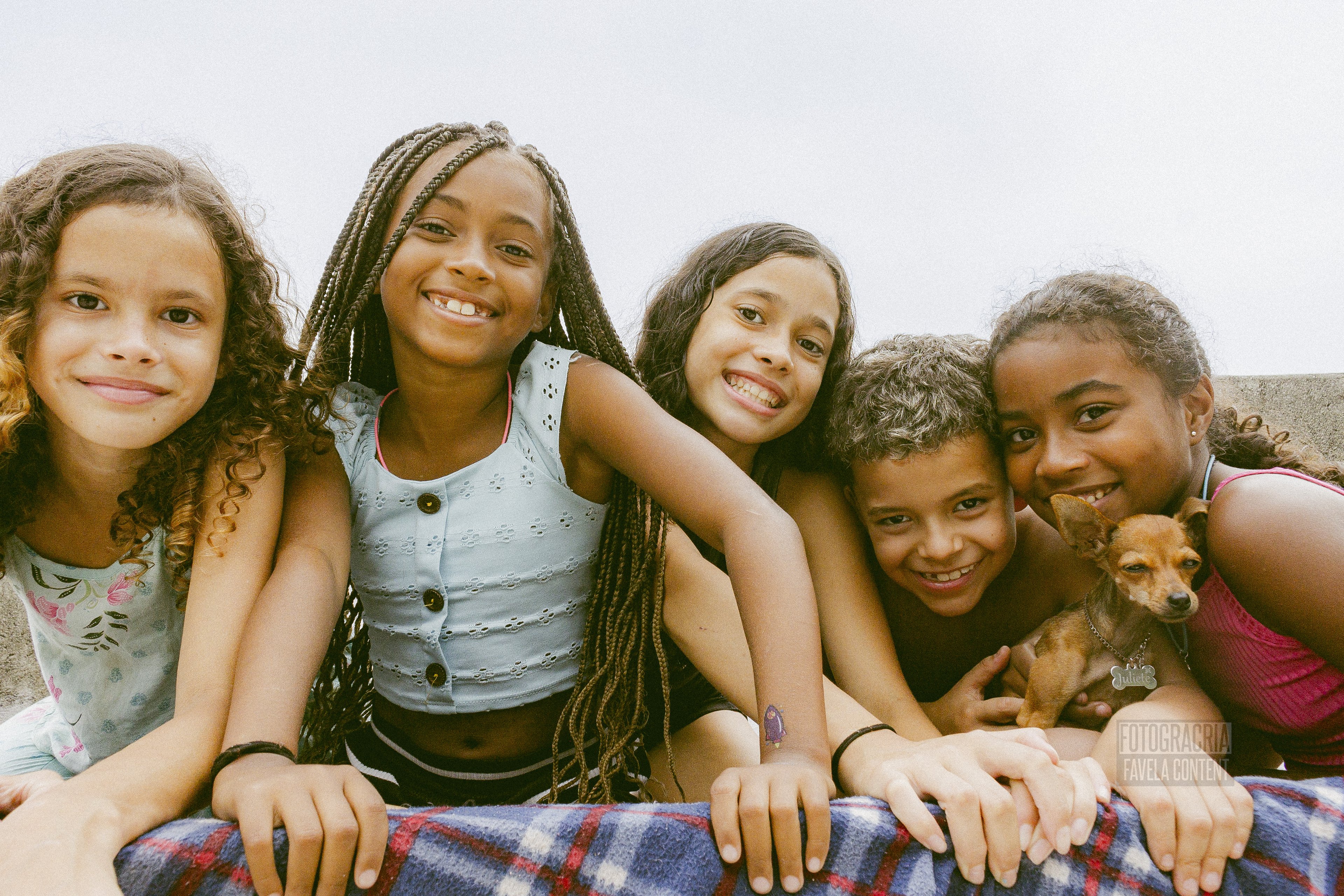
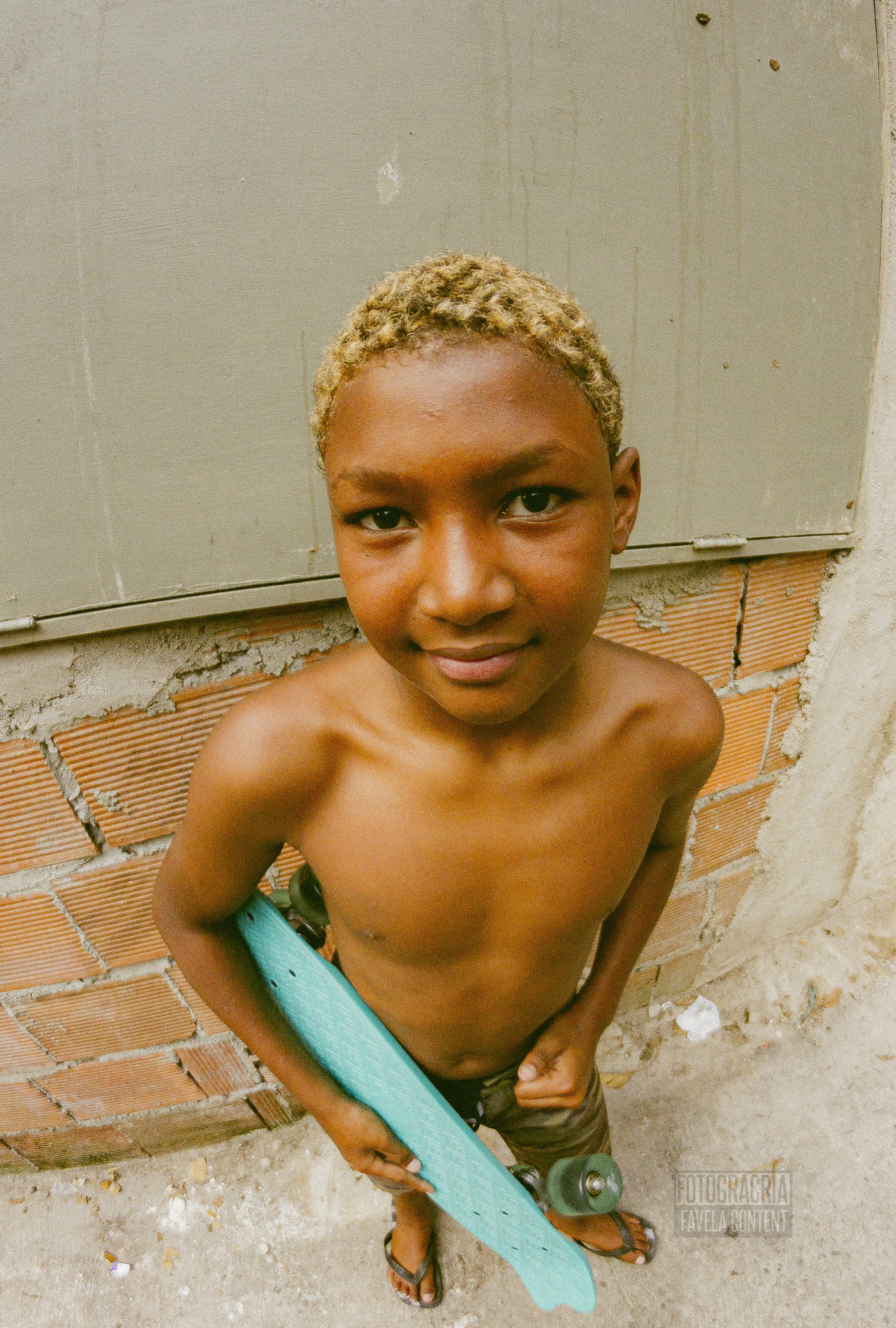
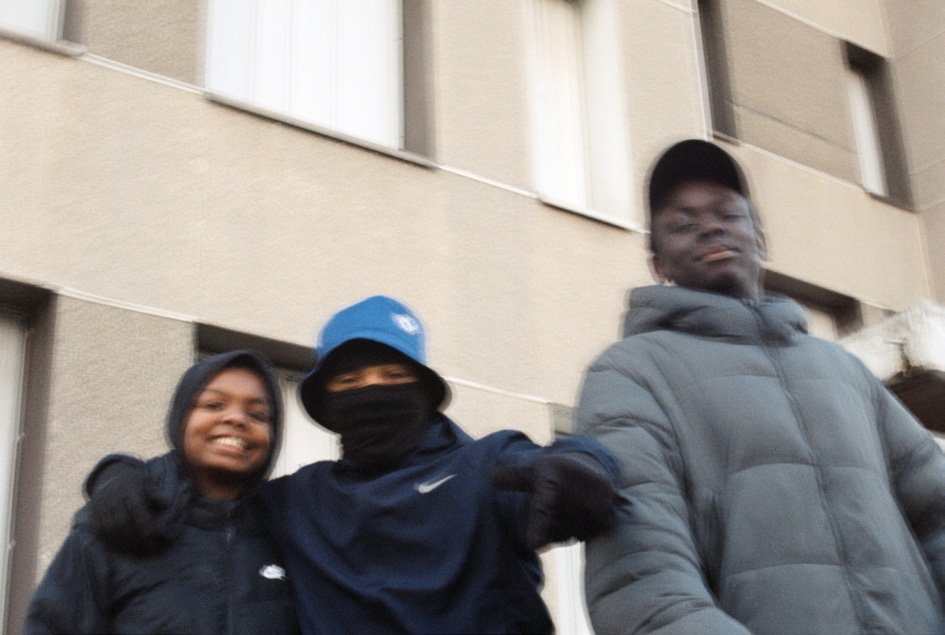
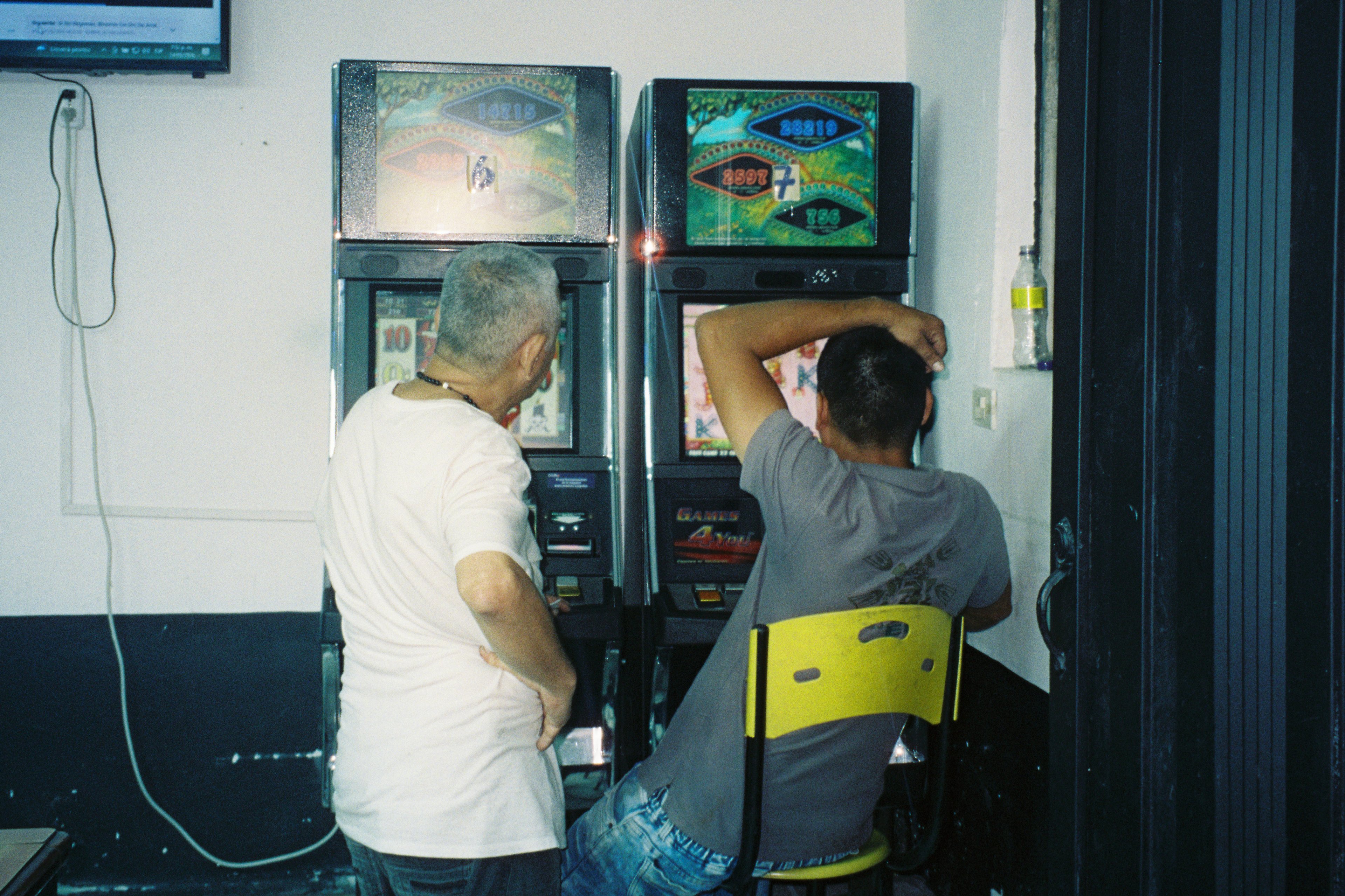
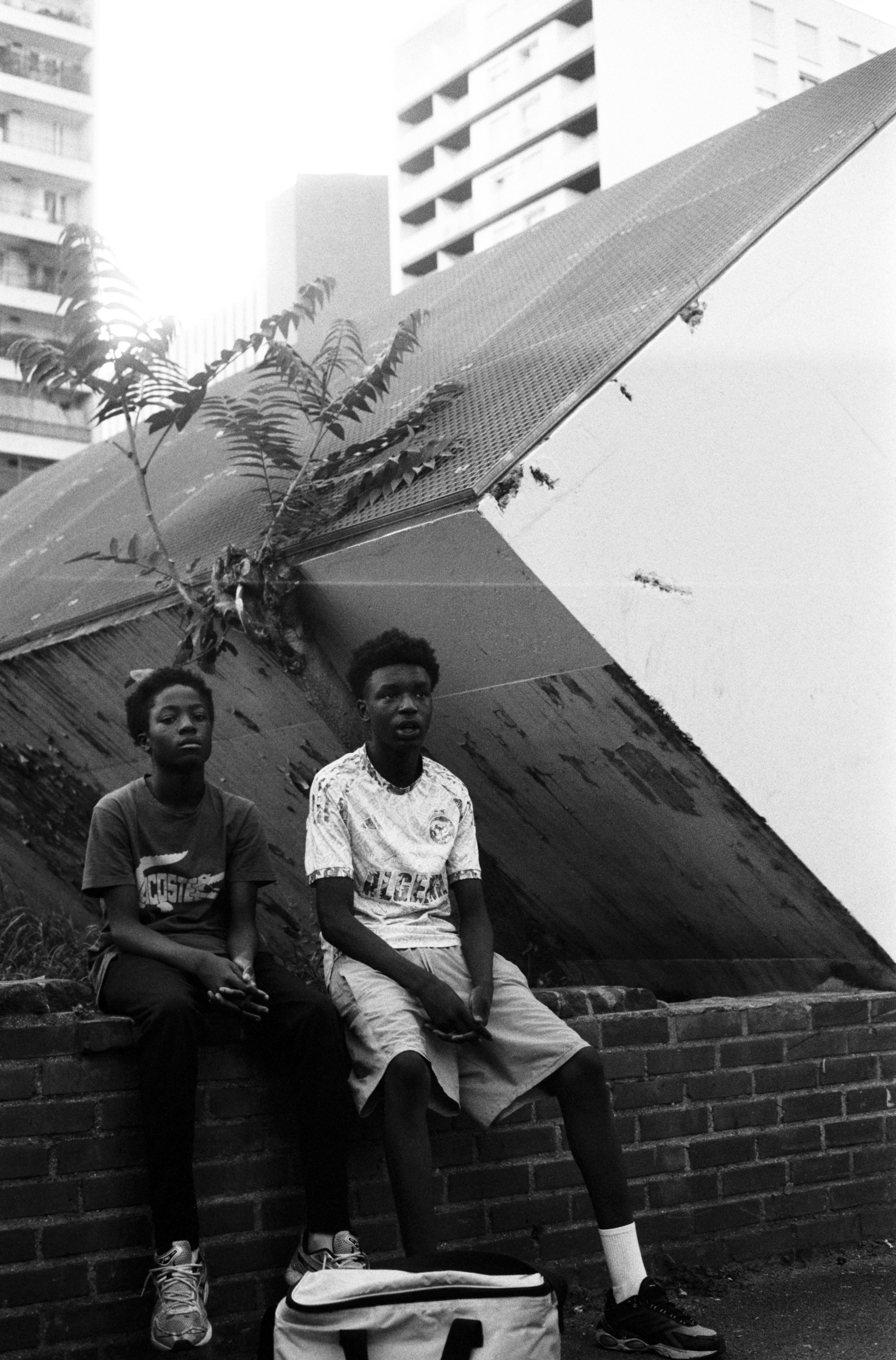
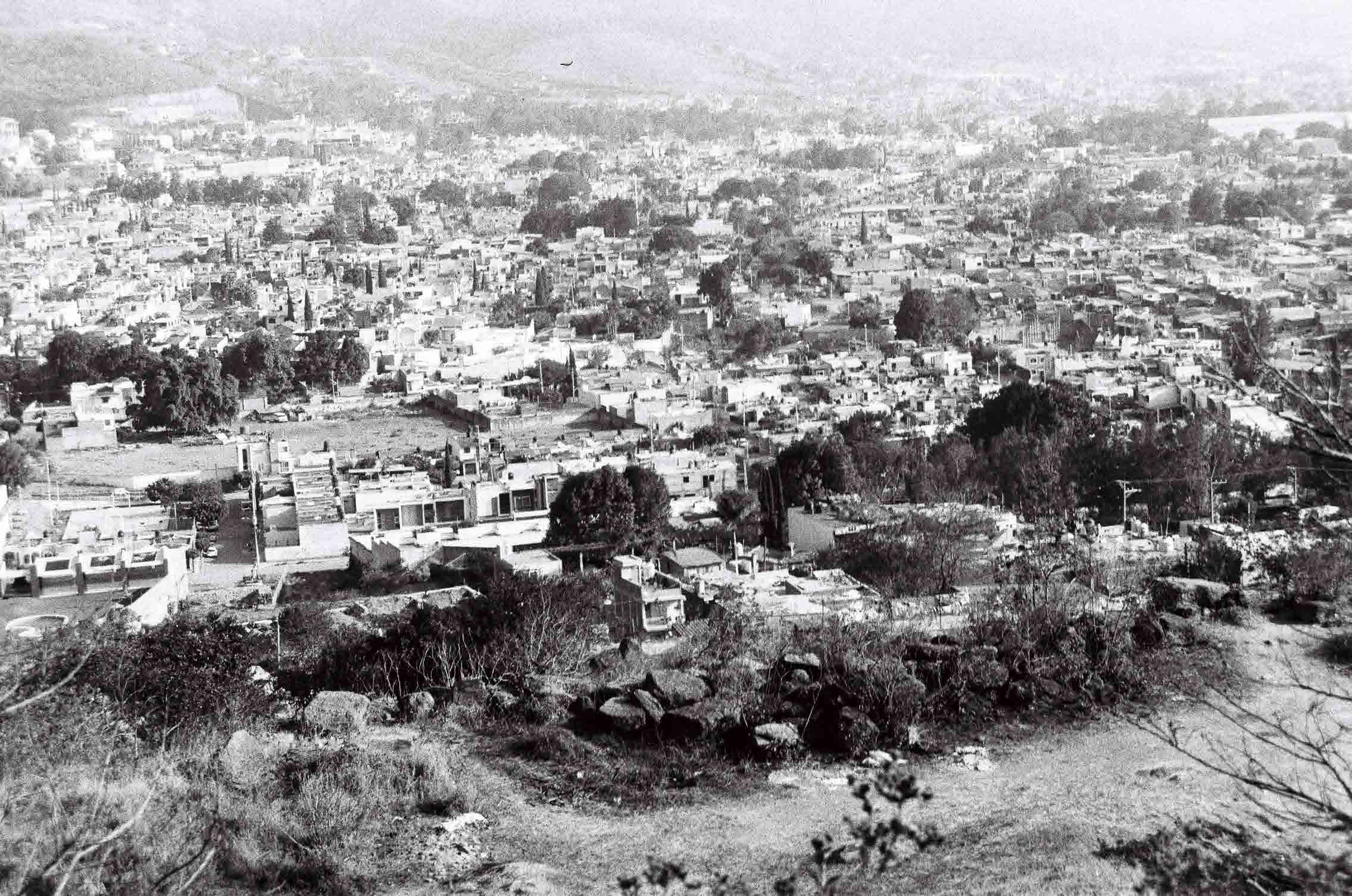
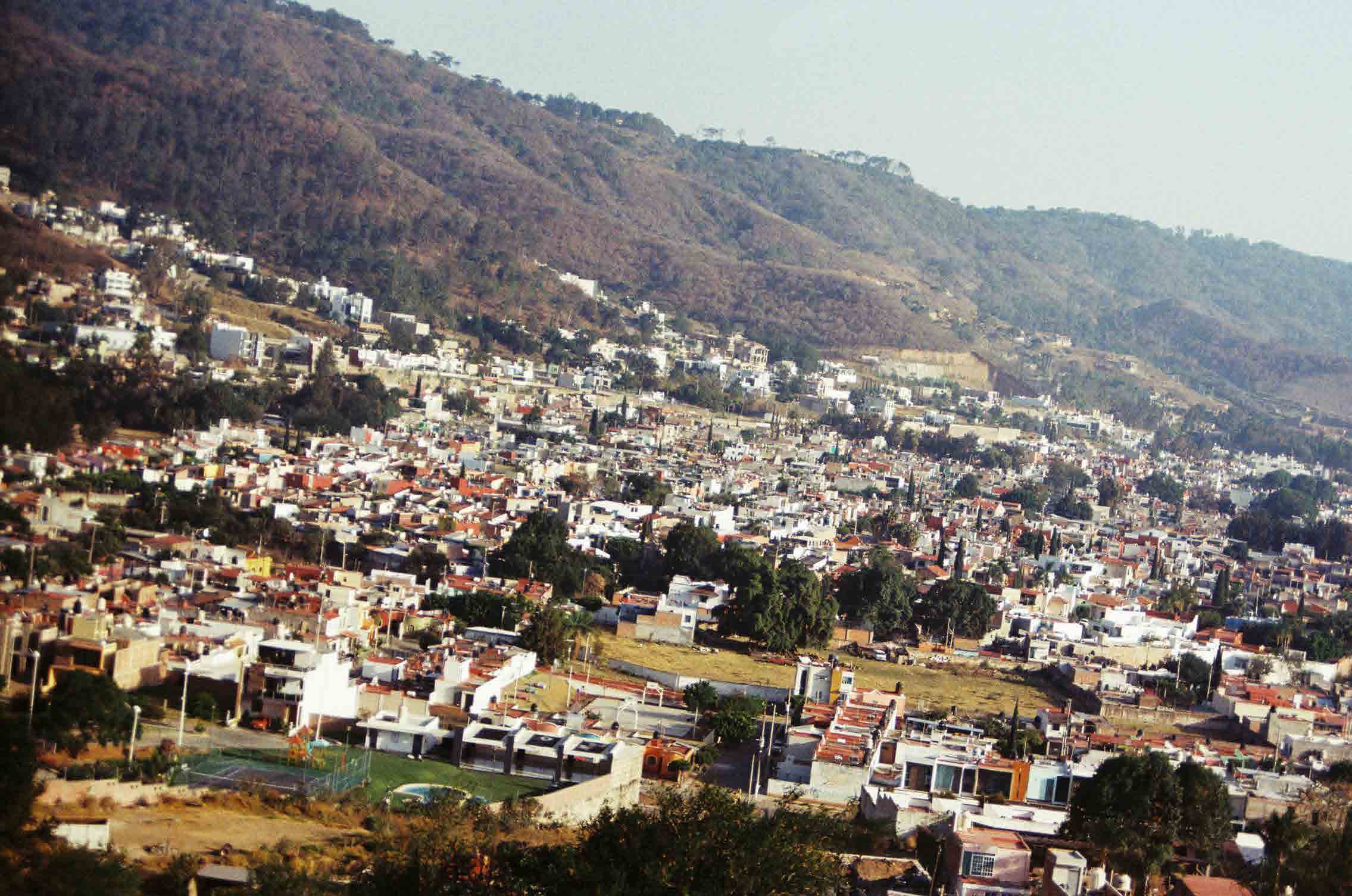
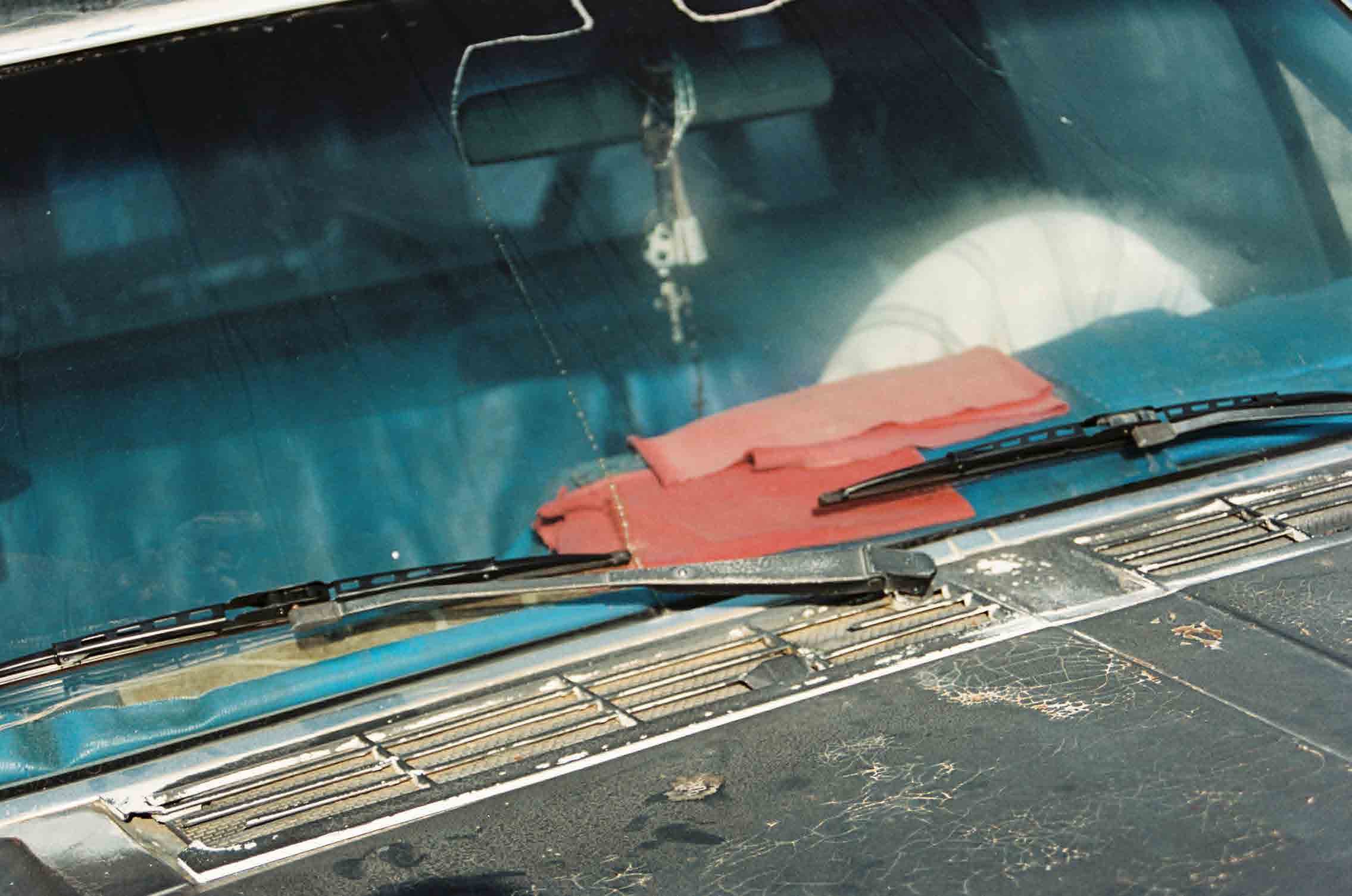
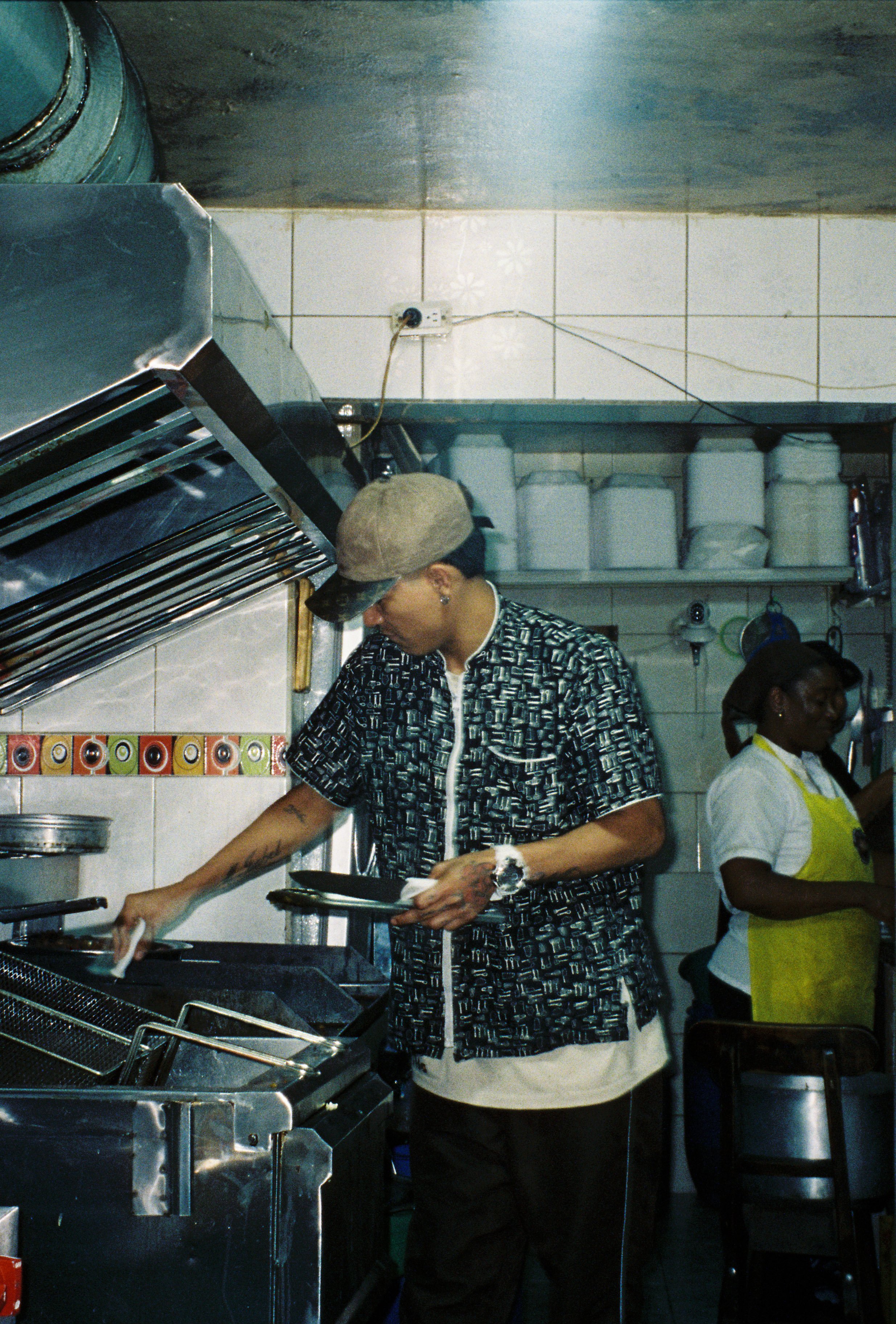
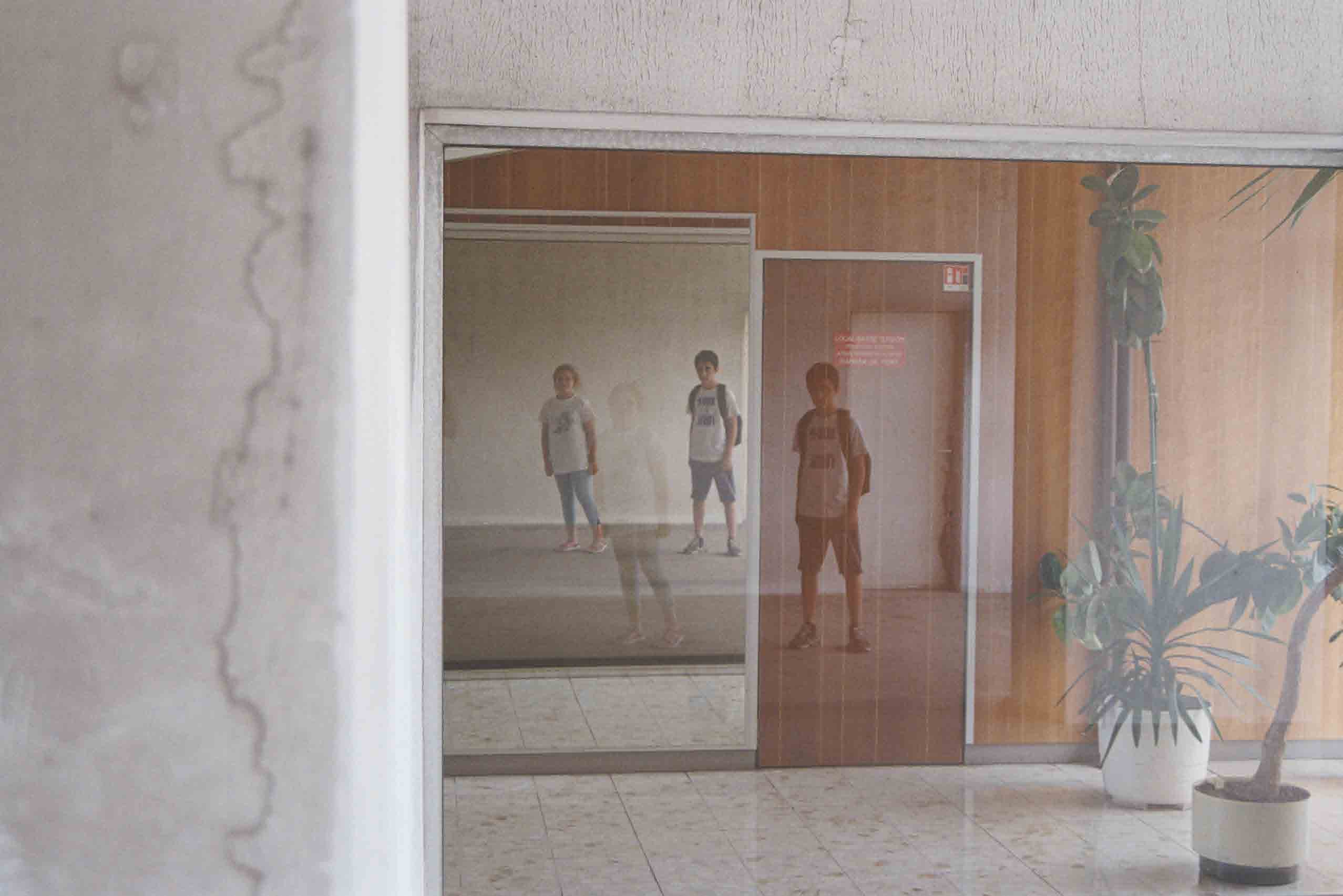
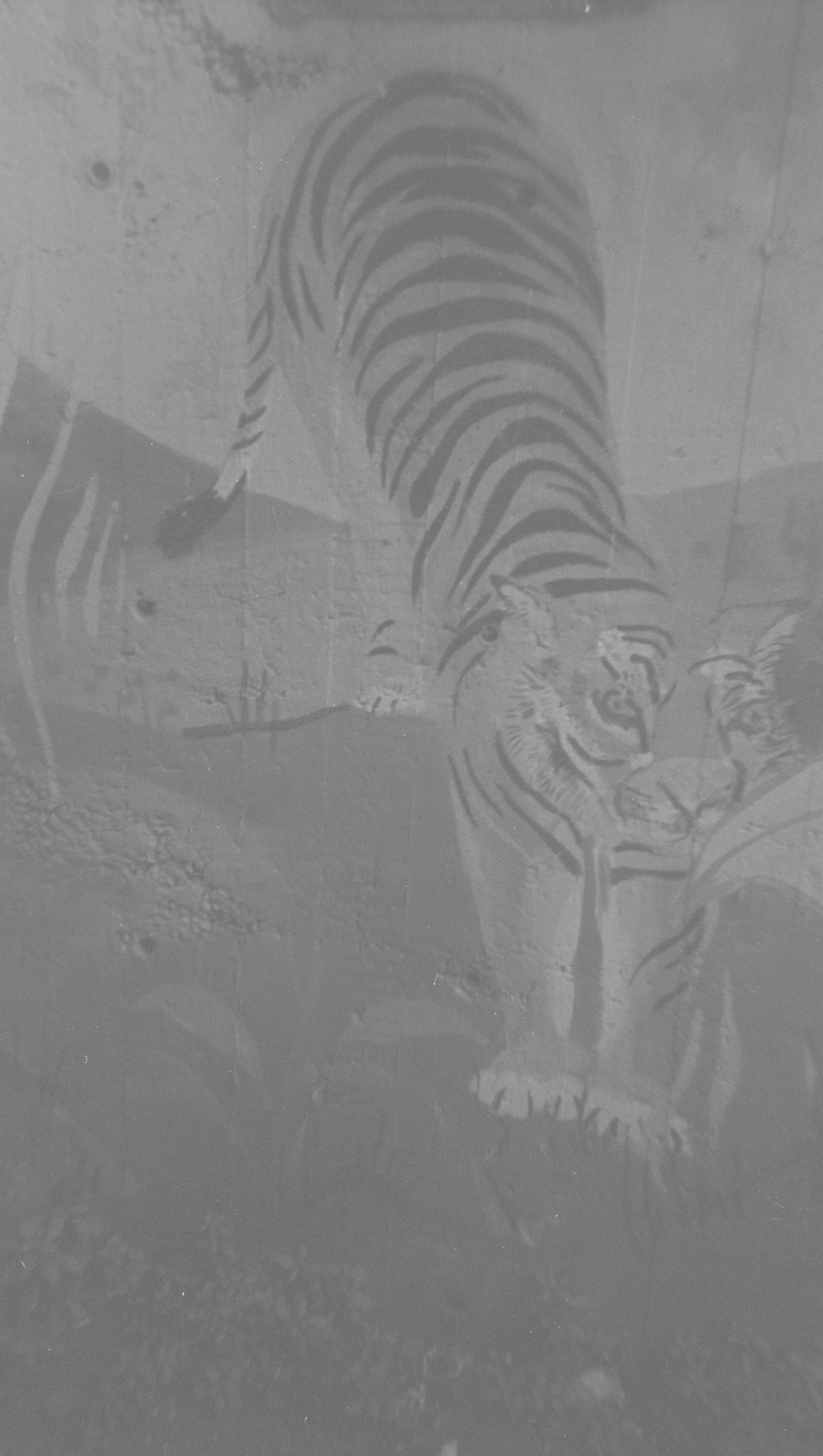
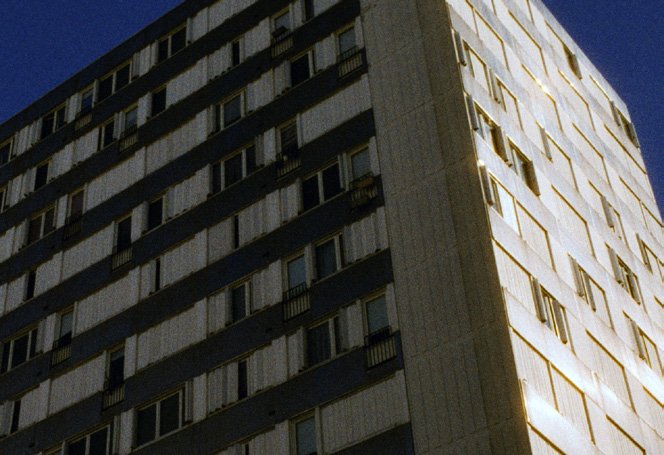
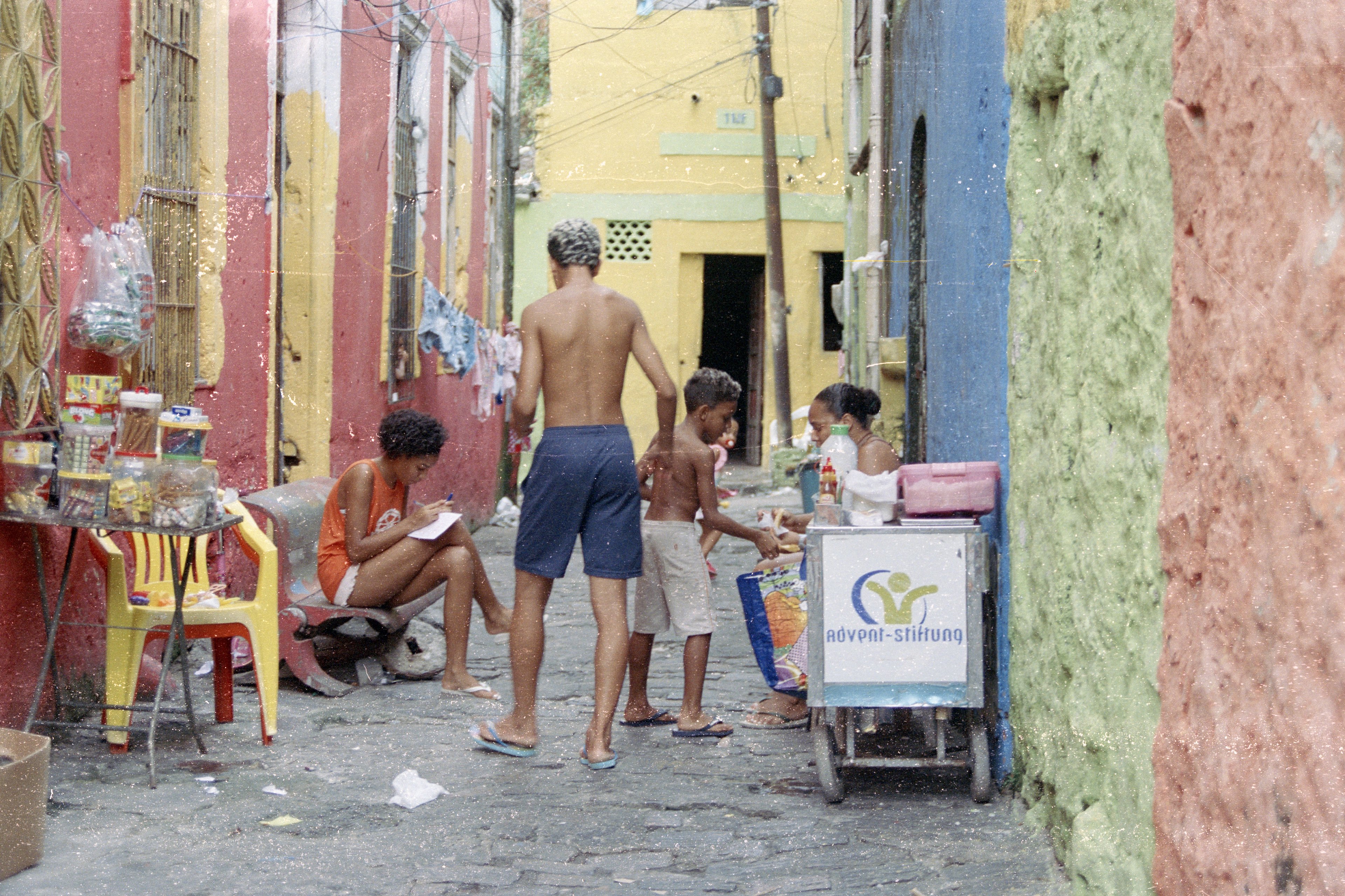
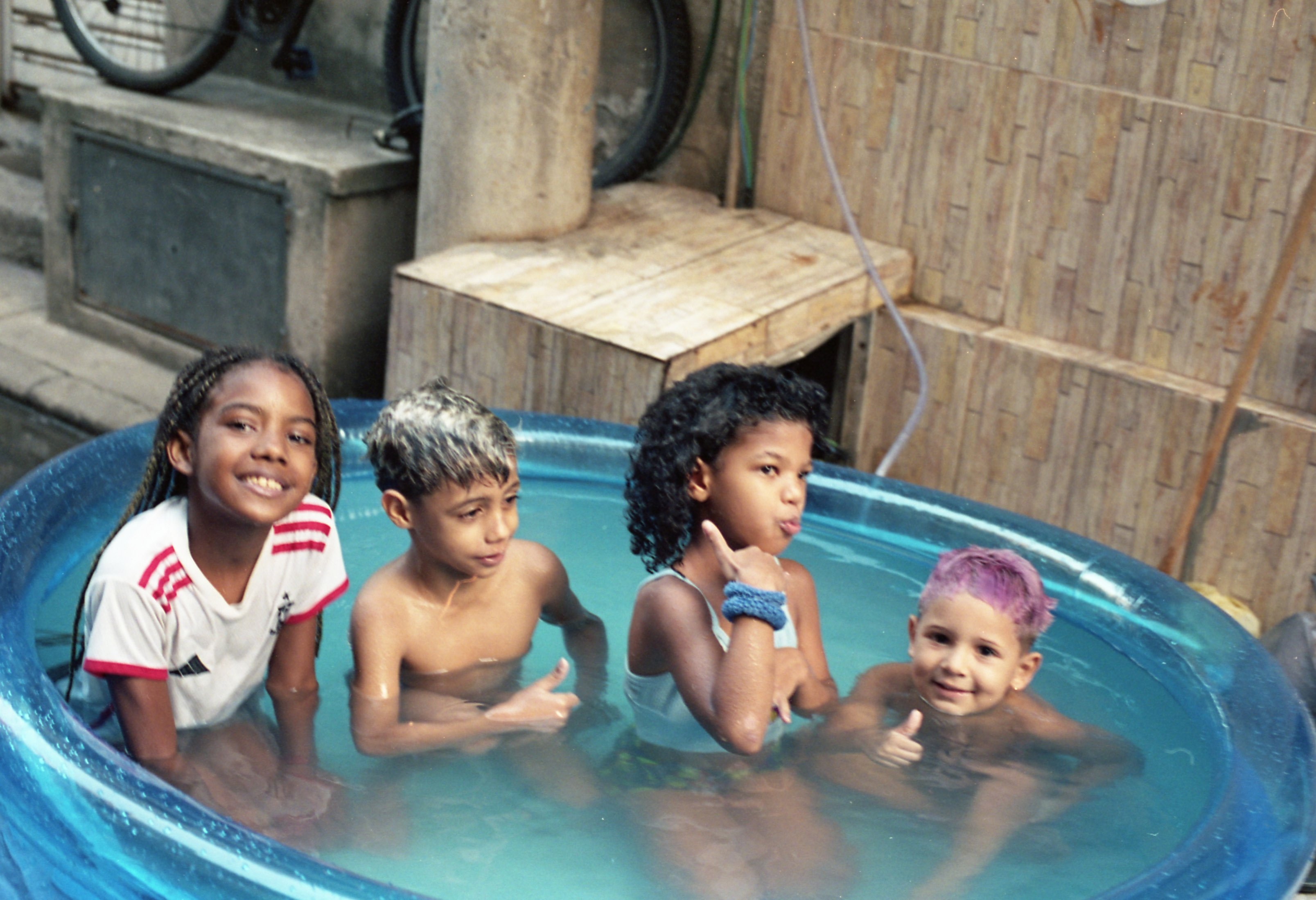
The words the participants wrote under their photos, in their own language and in the language of their neighborhood. Each word says where it comes from, who wrote it, and how the same thing is said elsewhere.
Every language has its word for the place where people live, and every word already carries a story.
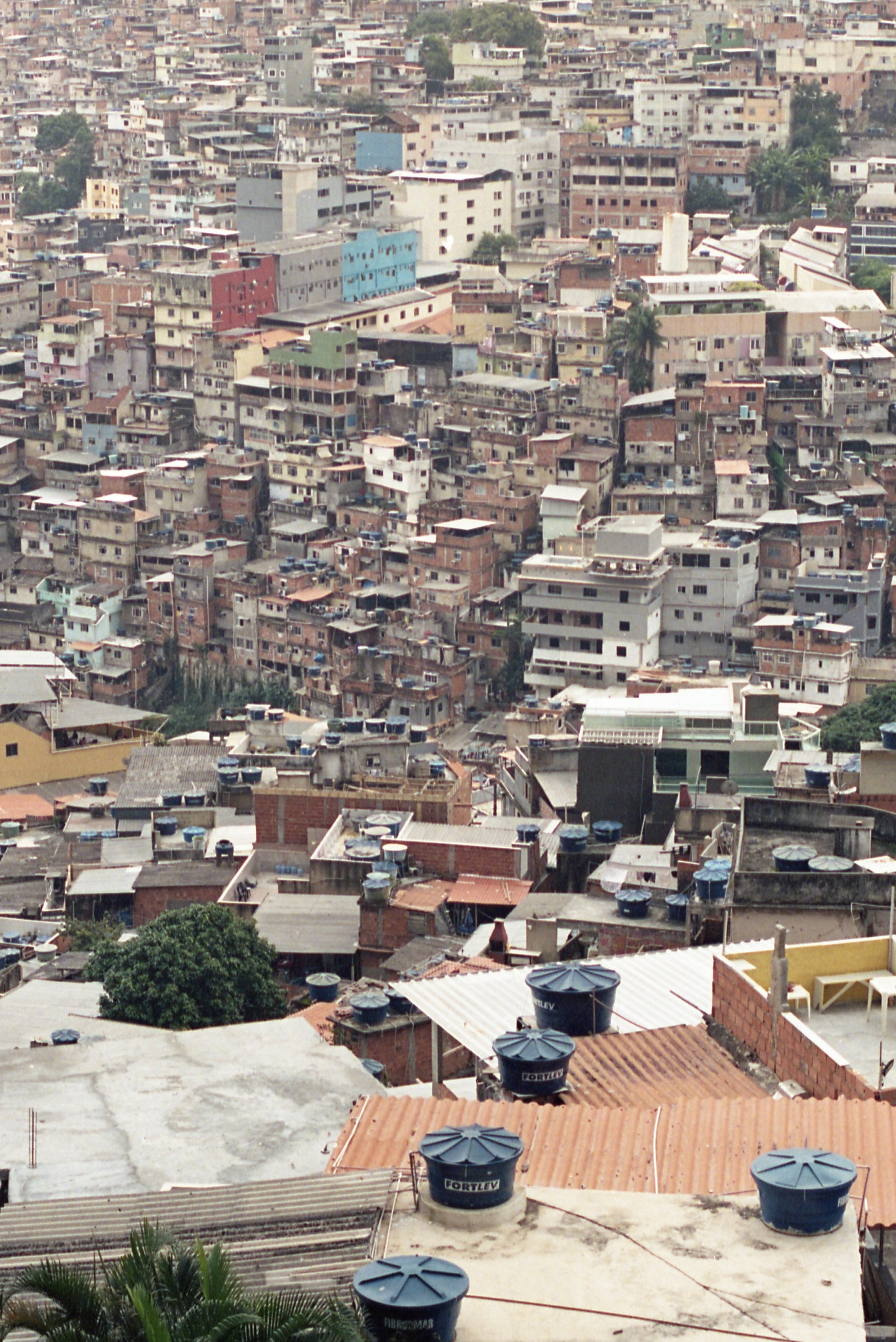
favela
Brazilian PortugueseRocinha, Rio de Janeiro
photographs: the children of Les Ruches and the T.L., Fotogracria and the mOst team
« a maior favela da america latina »
The name given in Rio to the neighborhoods built by the people who live there, on the hillsides and along the bay. Long weighed down by contempt, the word is now taken up with pride.
who says it
the children of the T.L. and Fotogracria, in Rocinha
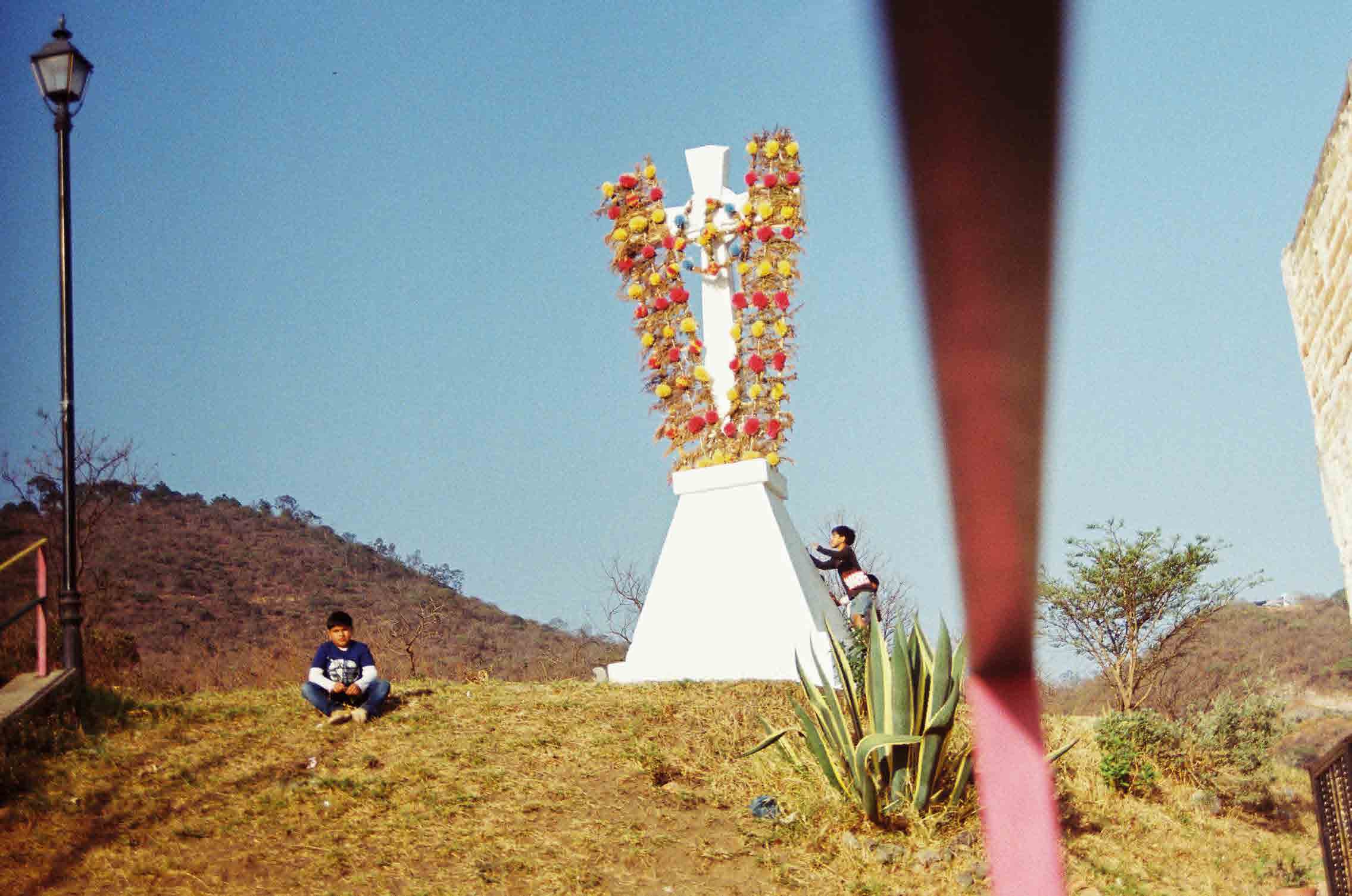
photographs and captions: the young people of Llanaditas with Movimiento Urbano, Fotogracria (Rocinha) and Arteviana (Maré)
« los habitantes de nuestra comuna »
« entre comunas »
Medellín is divided into sixteen comunas; Comuna 8, on the eastern slopes, is Llanaditas’s. People say “nuestra comuna” the way you would say “our neighborhood”.
The words for those who grew up here, and who are still growing up here.
cria
Brazilian PortugueseRocinha, Rio de Janeiro
photographs: the children of Les Ruches and the T.L., Fotogracria and the mOst team
« Nós é cria da Rocinha. »
« los crías se refrescan del calor de Río »
Someone born and raised in the favela: you are cria da Rocinha, cria da Maré. The word has traveled: in favela ocho, the Spanish captions write “los crías”.
who says it
the children of the T.L., in Rocinha; the captions of favela ocho
Doing nothing in particular, but together: everywhere, there is a word for that.
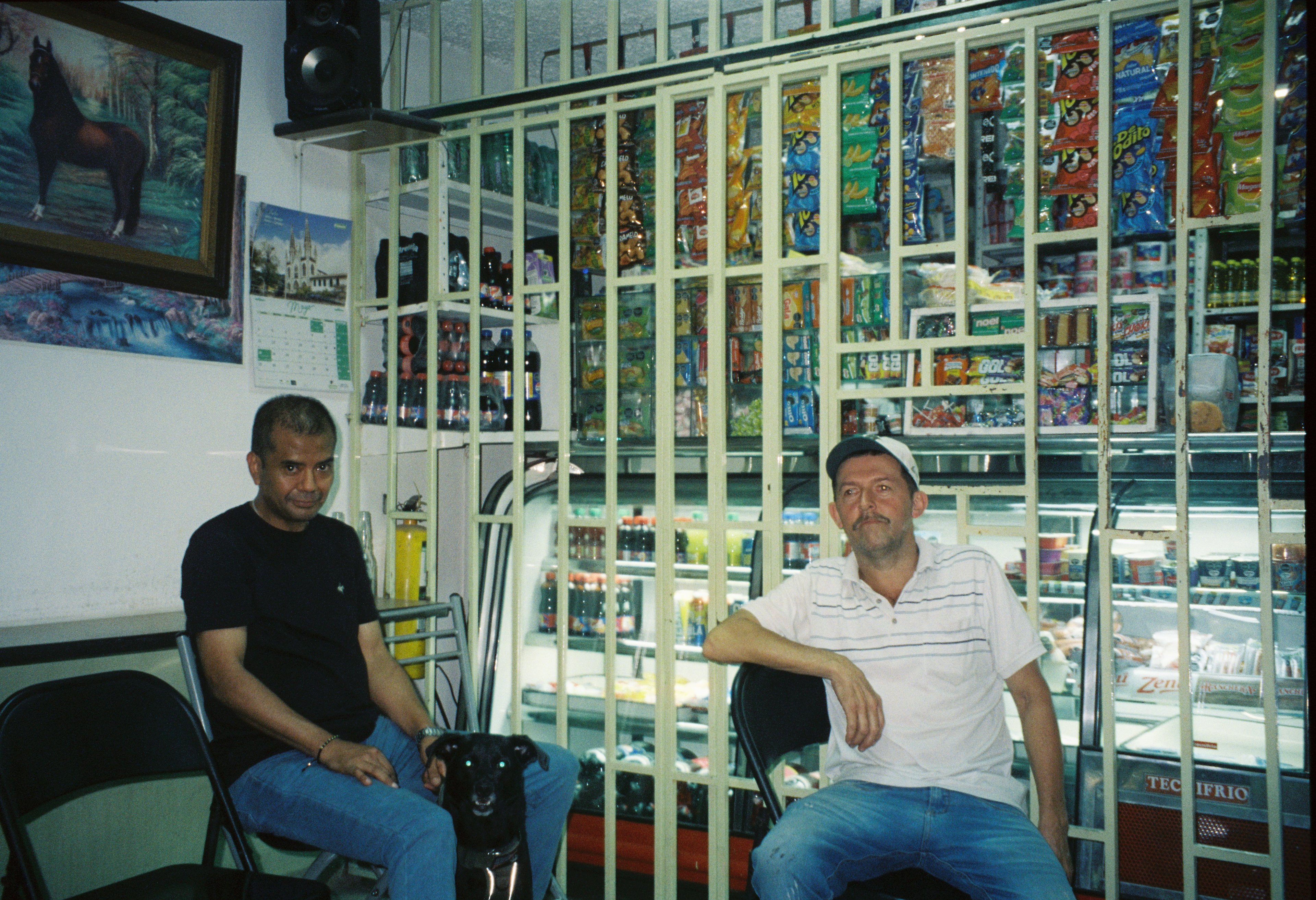
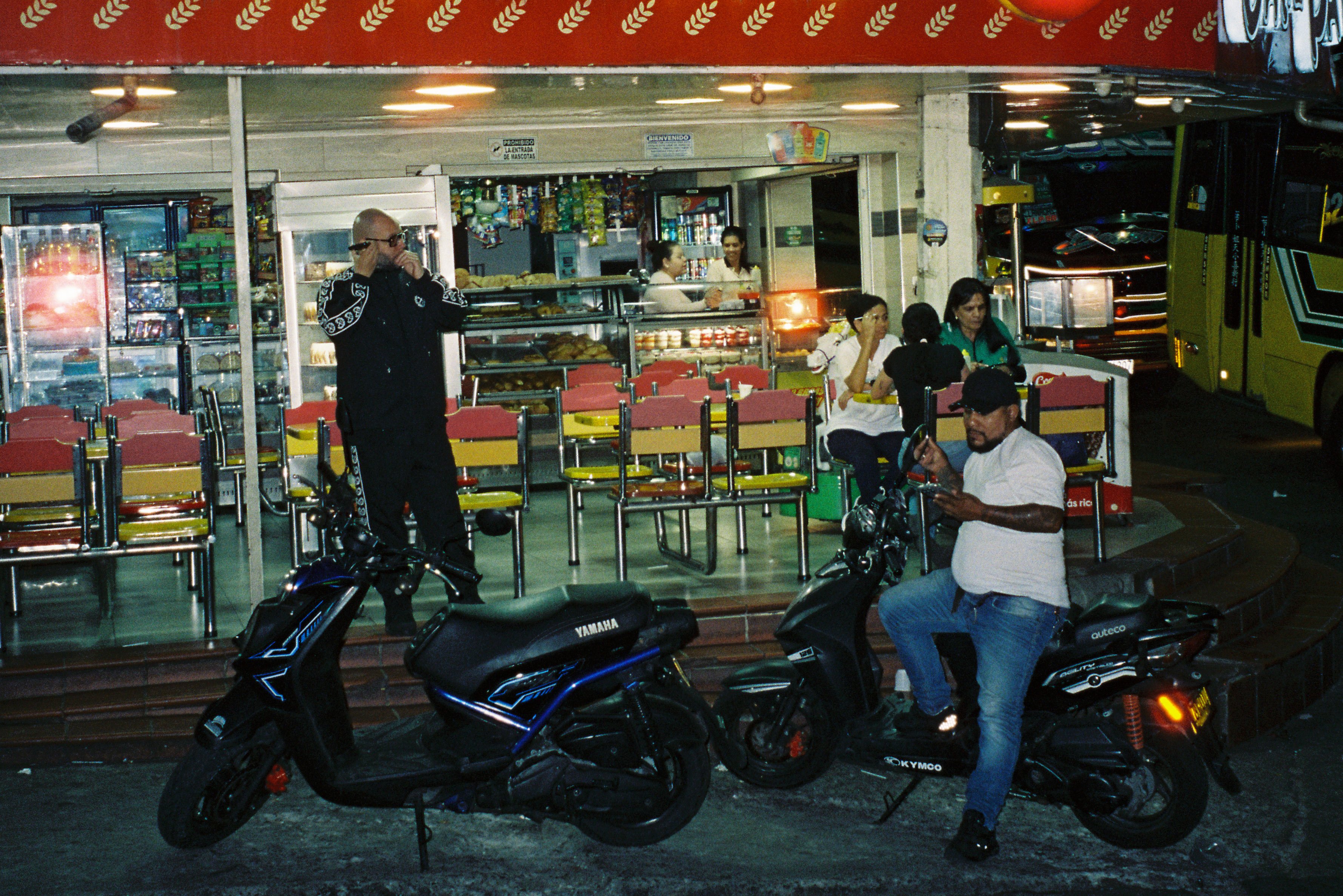
parche, parchar
Colombian SpanishLlanaditas, Medellín
photographs and captions: the young people of Llanaditas with Movimiento Urbano, Fotogracria (Rocinha) and Arteviana (Maré)
« tiempo de parche »
« unos hombres se encuentran para beber, comer y parchar »
The parche is the group of friends and the time spent together; parchar is hanging out, with no plan. El parchecito, the little parche, gave its name to two projects in Medellín.
The best, the strongest. A very informal word that the young people chose as the title of their film and exhibition: la calle más chingona, the coolest street.
Flat concrete above everyone’s heads: a roof in Rio, a square in France.
laje
Brazilian PortugueseRocinha, Rio de Janeiro
photographs: the children of Les Ruches and the T.L., Fotogracria and the mOst team
« Crianças brincando em uma laje na Dionéia »
The flat concrete roof of favela houses: kids play there, laundry dries there, kites fly from there, and that is where the next floor will be built. In the Spanish version of favela ocho, the laje becomes a “terraza”.
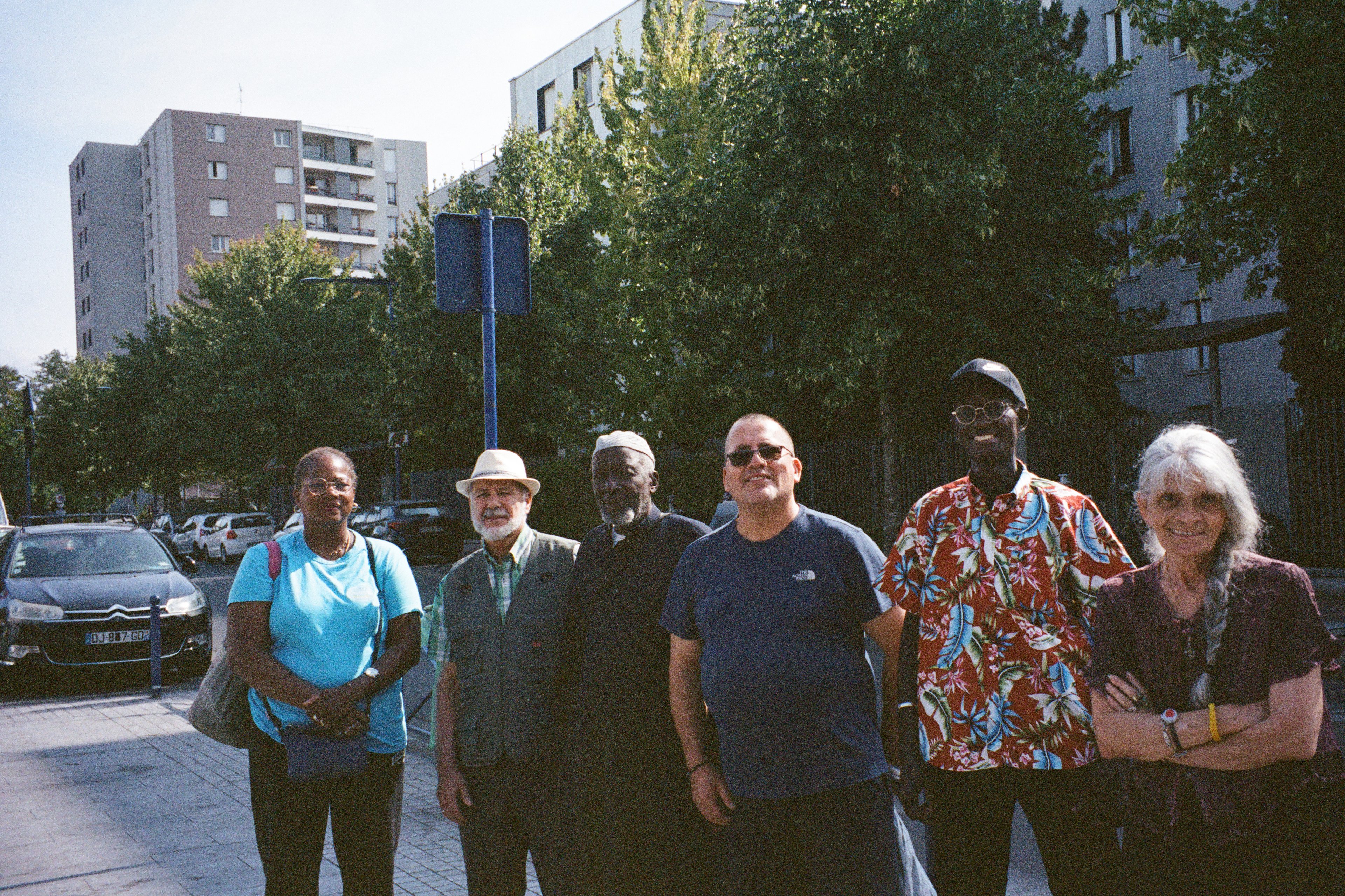
French, from the neighborhoodsLes Malassis, Bagnolet; l’Almont, Melun
photographs and captions: the older people of Bagnolia and the young people of Les Malassis
« 32 Pierre-et-Marie-Curie, situé sur la dalle. »
The large concrete platform of neighborhoods built in the 1960s and 1970s, above the parking lots and shops: the neighborhood square, raised up. In Melun, the young people made it a title: dalle, mon futur.
who says it
the residents of Les Malassis, in Bagnolet; the young people of l’Almont, in Melun
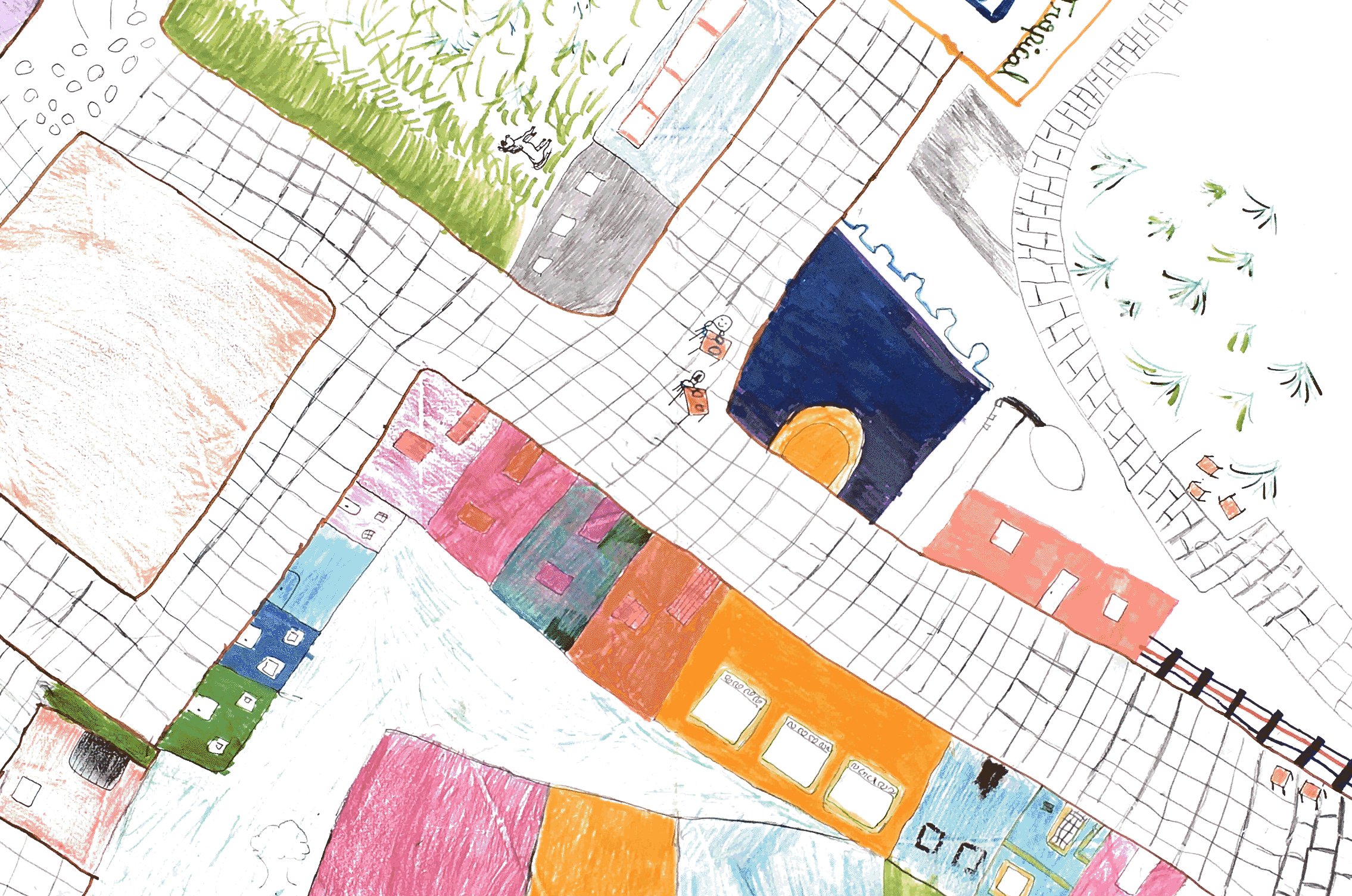
The future gets drawn, photographed, put in a title.
turfu
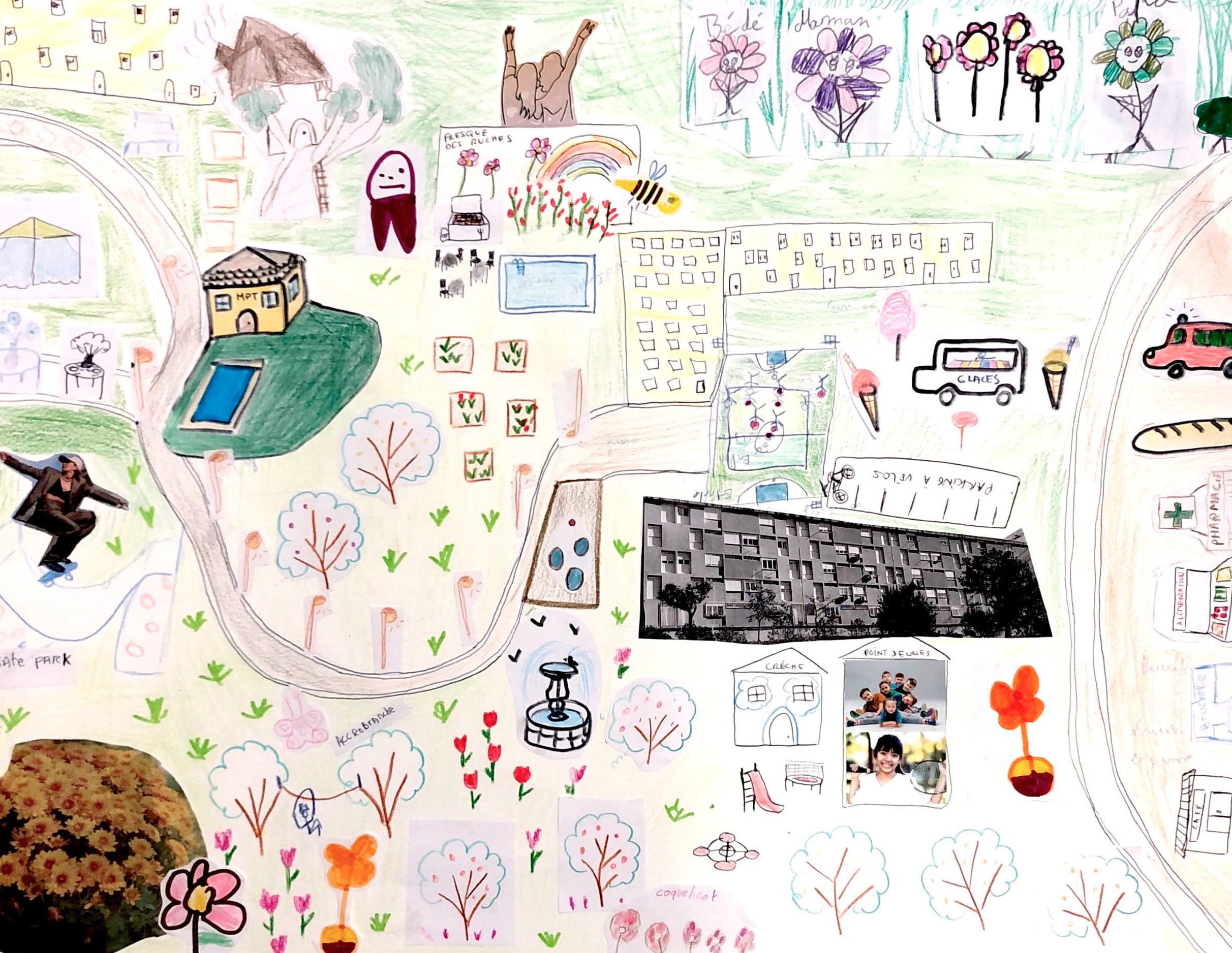
French, from the neighborhoodsLes Ruches et La Marie, Marseille
collective map: the children and teenagers of Les Ruches
« carte du turfu »
The future, in verlan, the French slang that flips syllables. The carte du turfu is the dream neighborhood, drawn by the children; mOst turned it into a format, the quartier du turfu.
who says it
the children of Les Ruches and La Marie, in Marseille
Every new workshop brings its own words. The lexicon grows project after project, with the participants: a word, the person who wrote it, the place where it is said.