
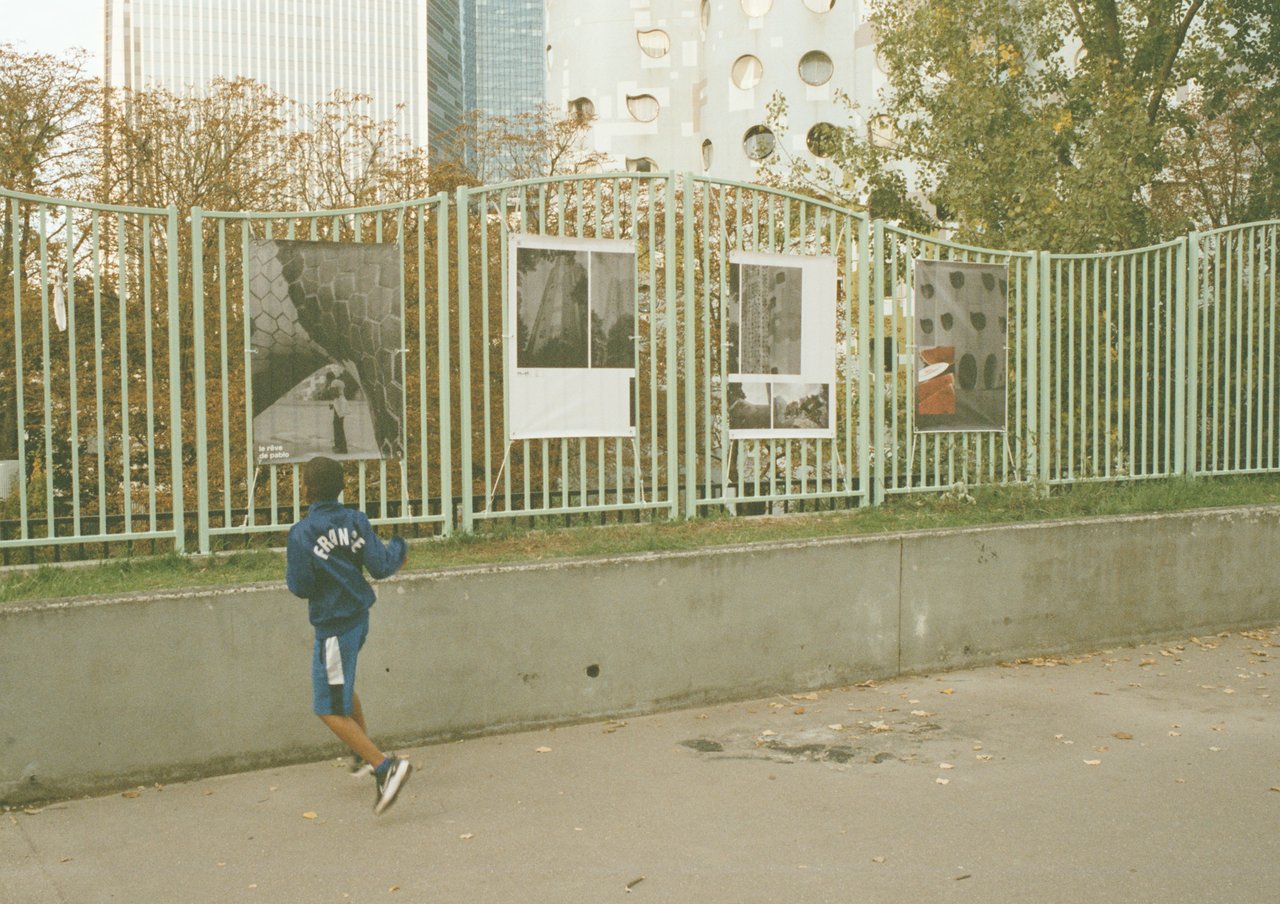
Neighborhood of the future (quartier du turfu in French, where “turfu” is “futur” in verlan, a slang that flips syllables) is our format devoted to residents’ visions of what lies ahead. It is especially suited to neighborhoods undergoing change, when redevelopment, renovations, demolitions, or new uses are on the table. Artistic creation then becomes a way to express what people want to preserve, transform, invent, or avoid.
The project rests on a conviction: residents are not only witnesses to the past or users of the present. They can be the authors of their neighborhood’s possible futures. Images, maps, sounds, and stories make tangible the needs and desires that often remain abstract in standard public consultation processes.
We always start by documenting the present. Before imagining tomorrow, the group observes how spaces are really used: through-routes, cool spots, meeting places, noisy areas, the ways people move around, what is missing, conflicts, attachments, invisible practices. Photographs, sensory maps, walks, and street interviews build a lived inventory that gives the imagining a concrete footing.
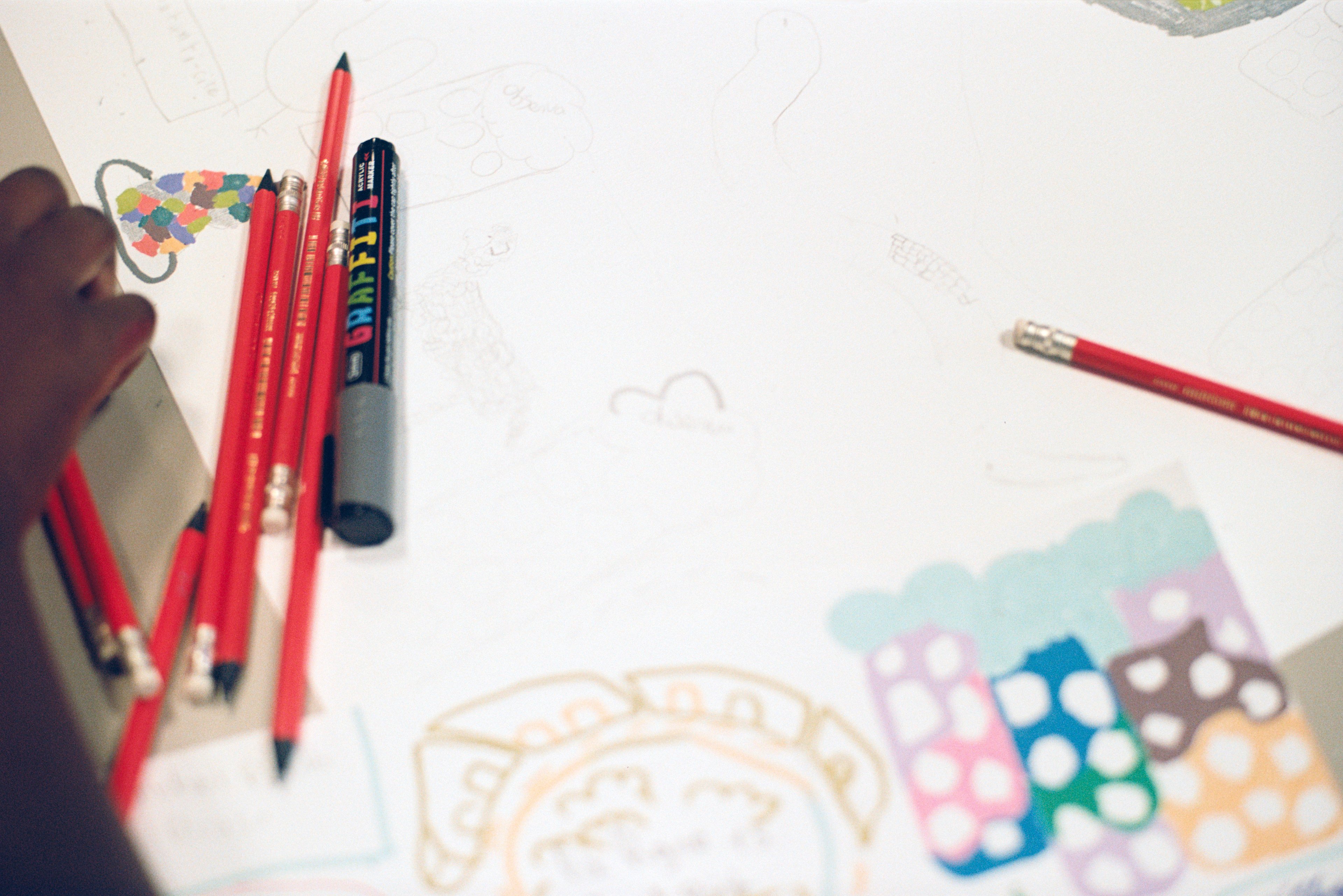
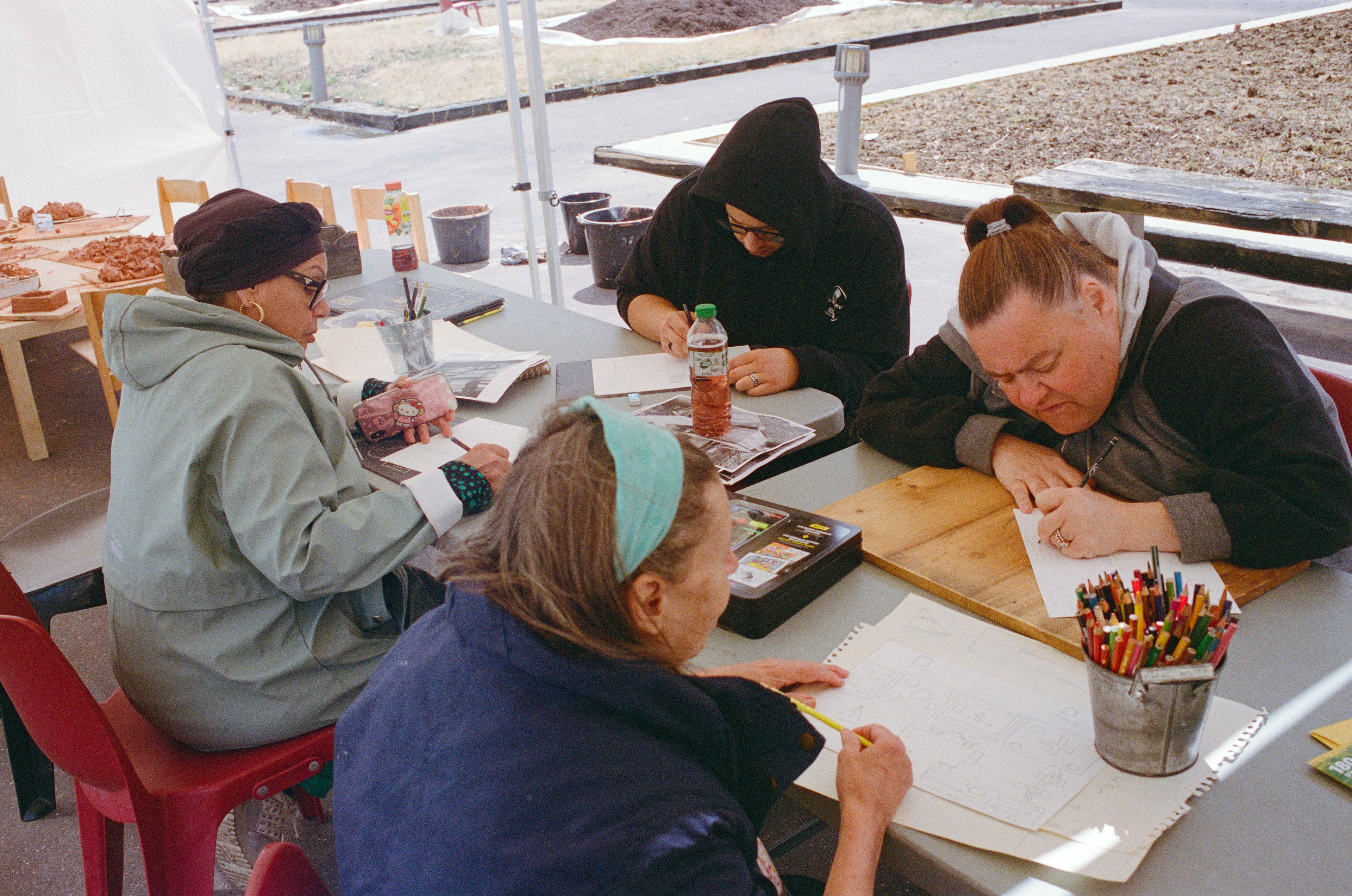
Next comes the forward-looking phase, which opens up several modes of expression. People can draw on photographs, redesign a square through collage, map the uses they would like to see, write about a day in the neighborhood of tomorrow, record messages to decision-makers, or build simple models. These tools let people take part without relying solely on writing skills or on the technical vocabulary of urban planning.
The group also learns to tell apart several registers: the dream, the need, the warning, the proposal, the principle worth defending, and the decision that lies with someone else. This distinction keeps the workshop from turning into an unrealistic promise. We don’t claim that every idea will be carried out; we commit to making the ideas legible, putting them in context, and making sure they reach the partners concerned.
Editing the material together builds a plural voice. Disagreements aren’t erased: the same space can be seen as a meeting place, a nuisance, or a place to protect, depending on who you ask and the time of day. The maps, texts, and installations show this complexity and give partners a richer picture than the search for a single opinion.
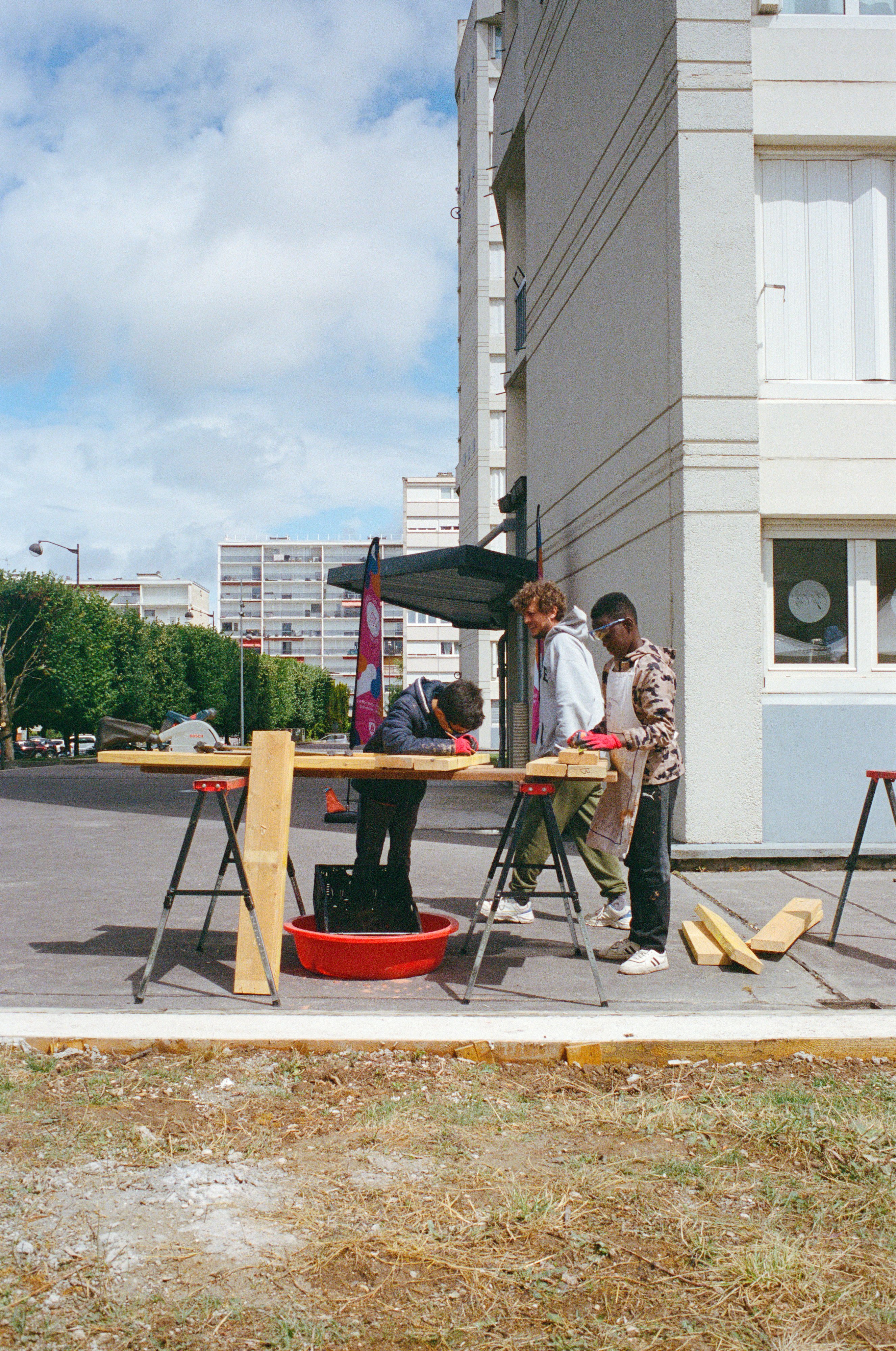
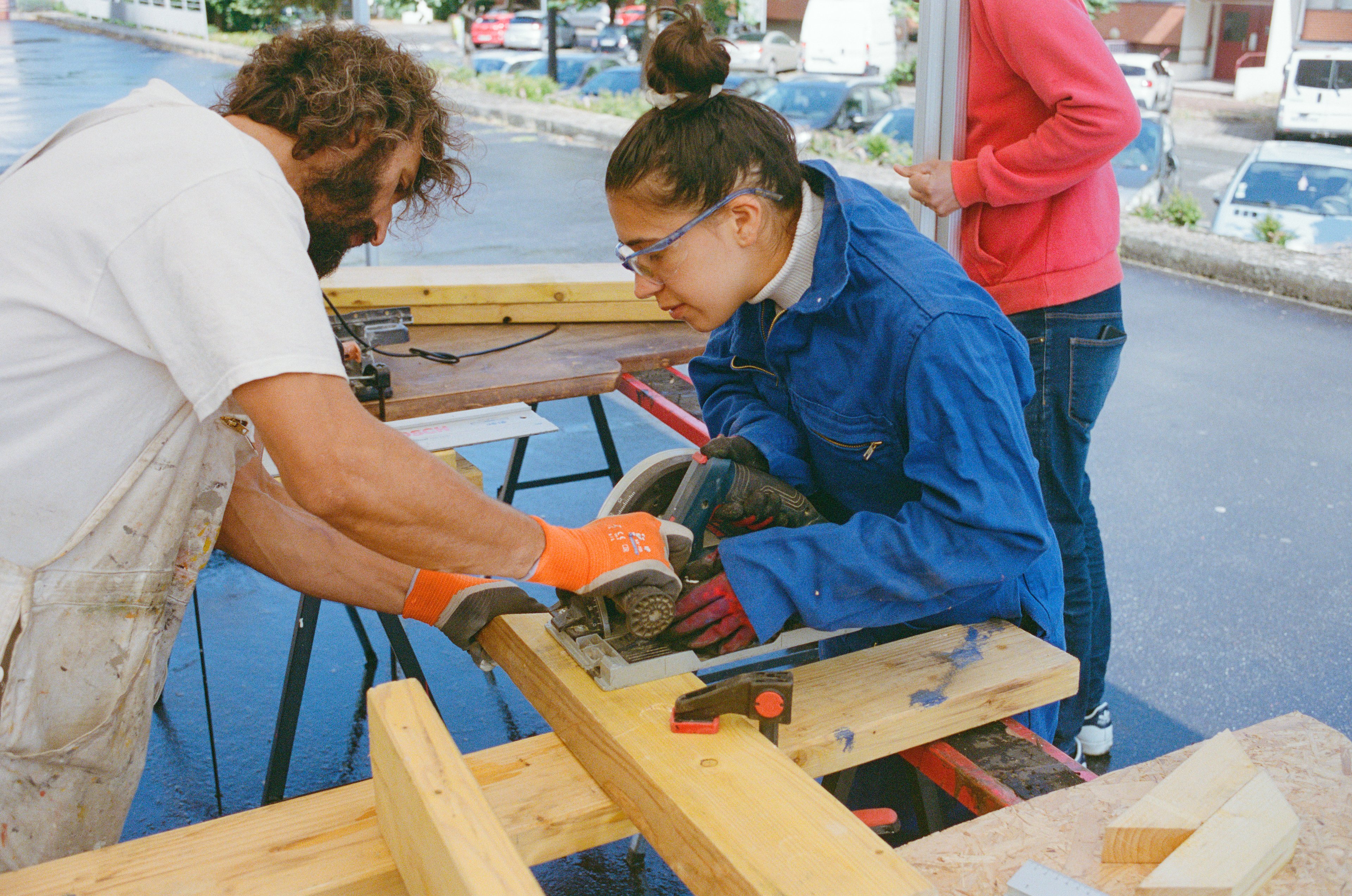
The public presentation gives these visions of the future a public form. An exhibition on the concrete deck, a trail, a large map, a film, a series of panels, or a booklet lets other residents respond and add to it. When the project is part of a community consultation, the work is also passed on to urban planning teams, local organizations, social housing providers, or local governments, with close attention to how it will actually be used.
Neighborhood of the Future can be a standalone project or a module within a Point of View project, a residency, or a living archive. It links memory and what is to come: understanding what has mattered, observing what exists, then putting into words what could come next. It leaves a record of residents’ aspirations at a specific moment in the neighborhood’s transformation.
in pictures
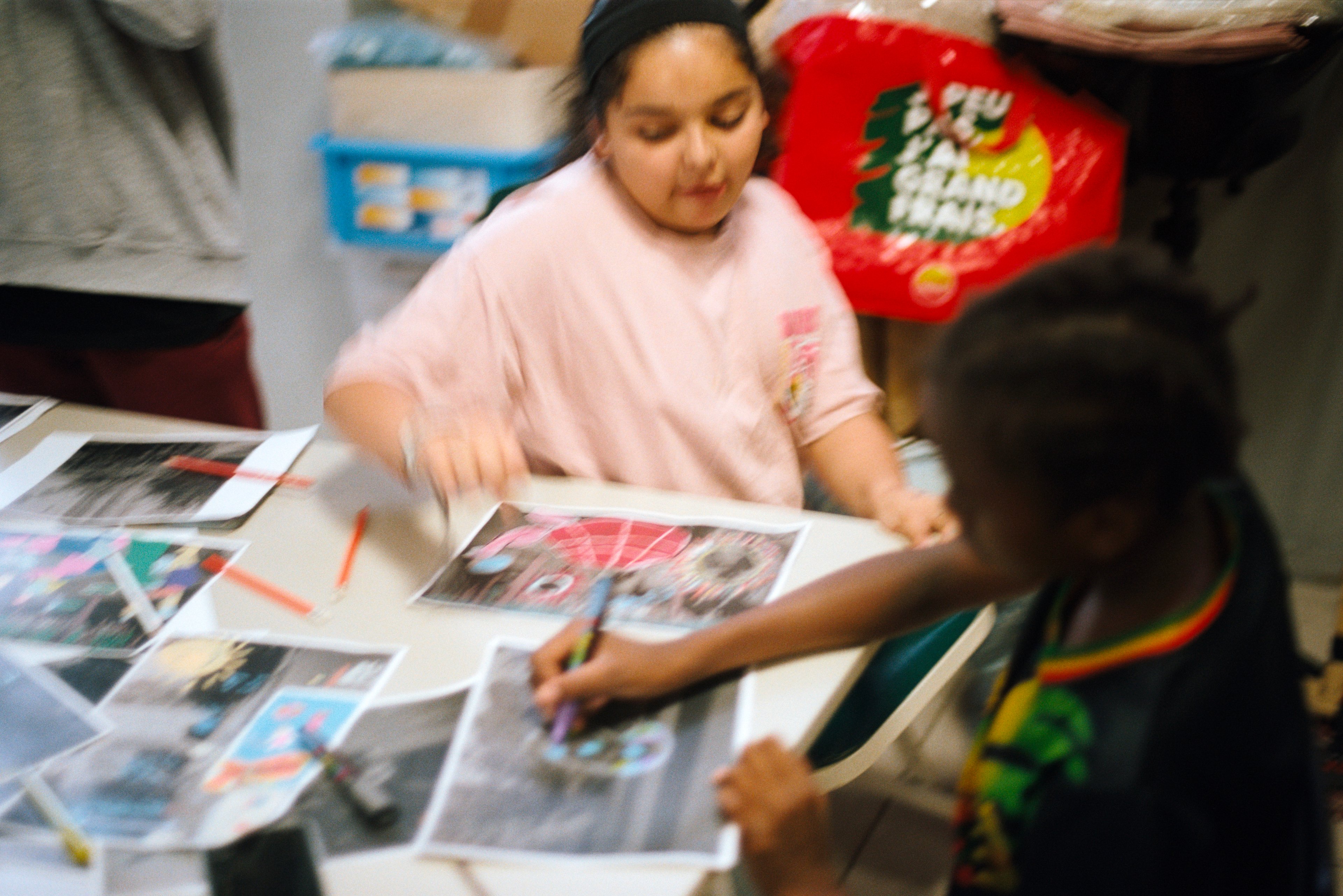
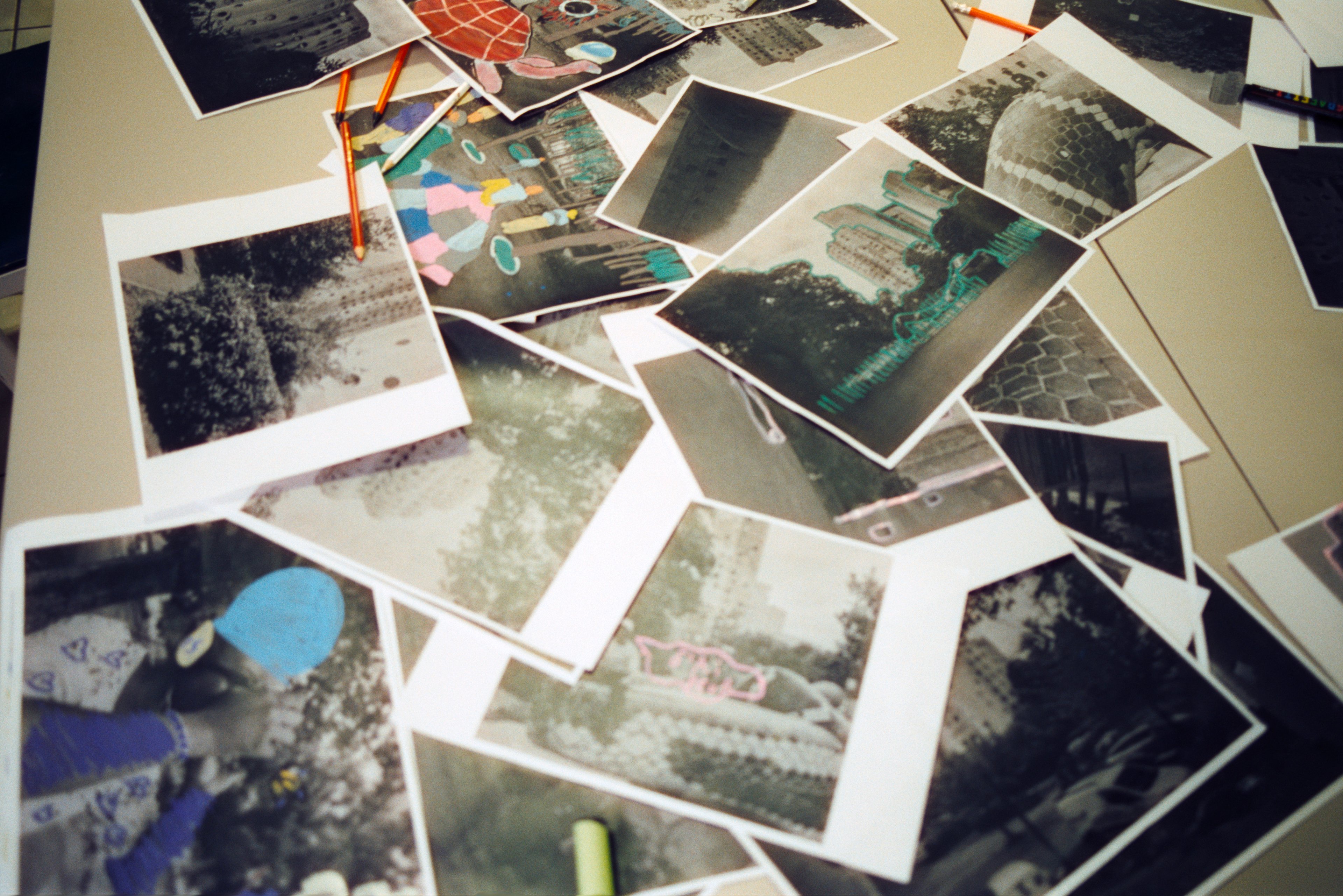
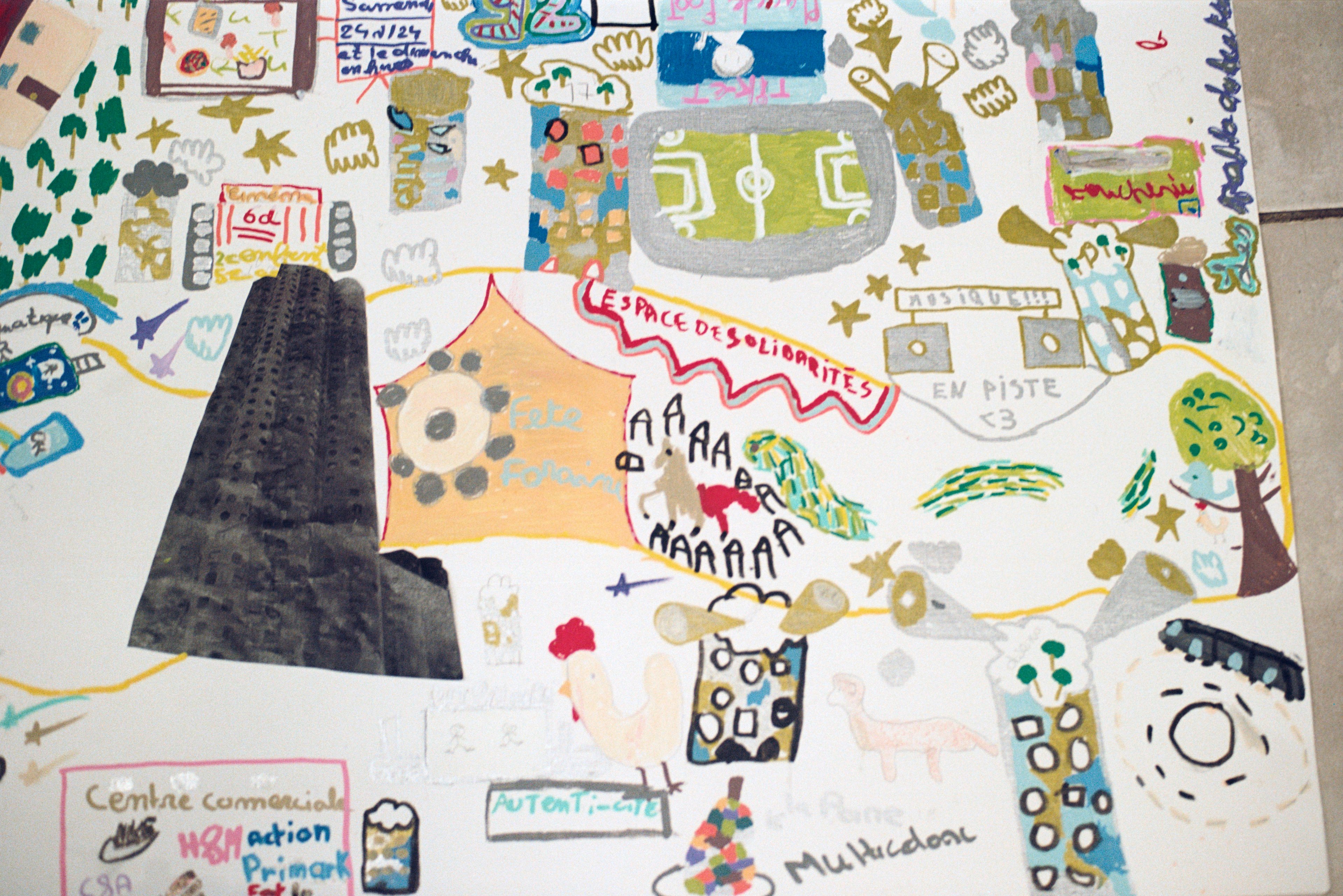
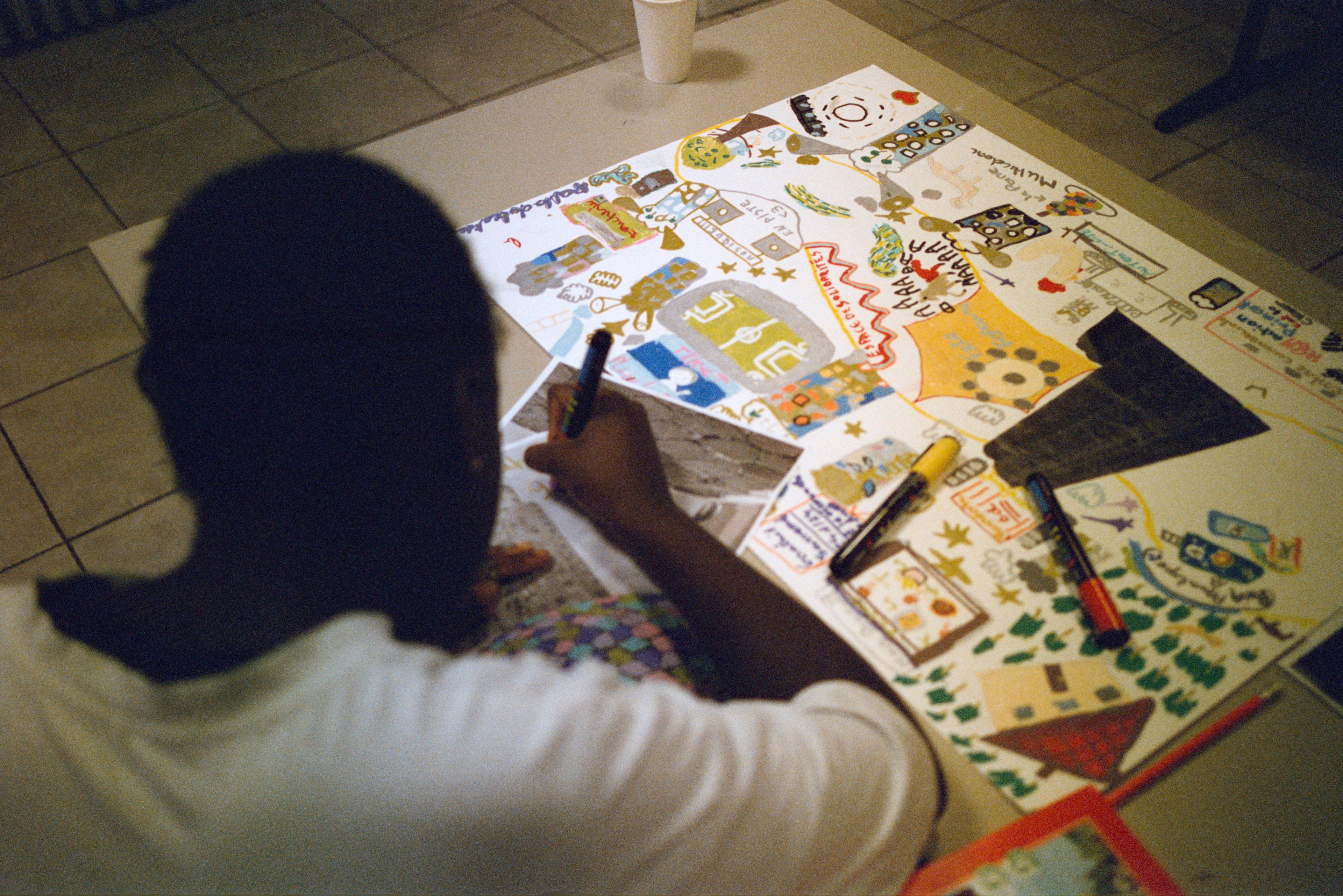
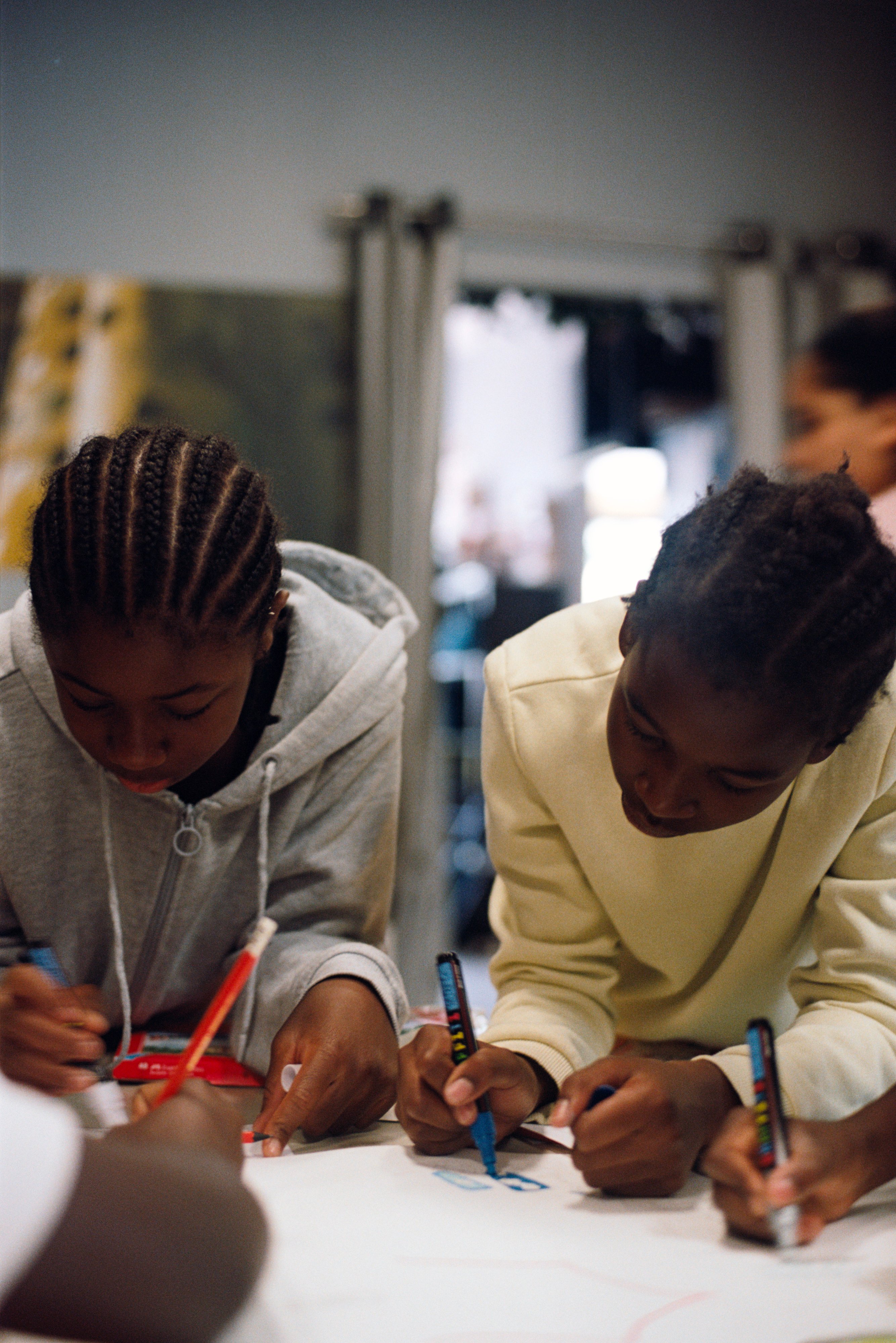
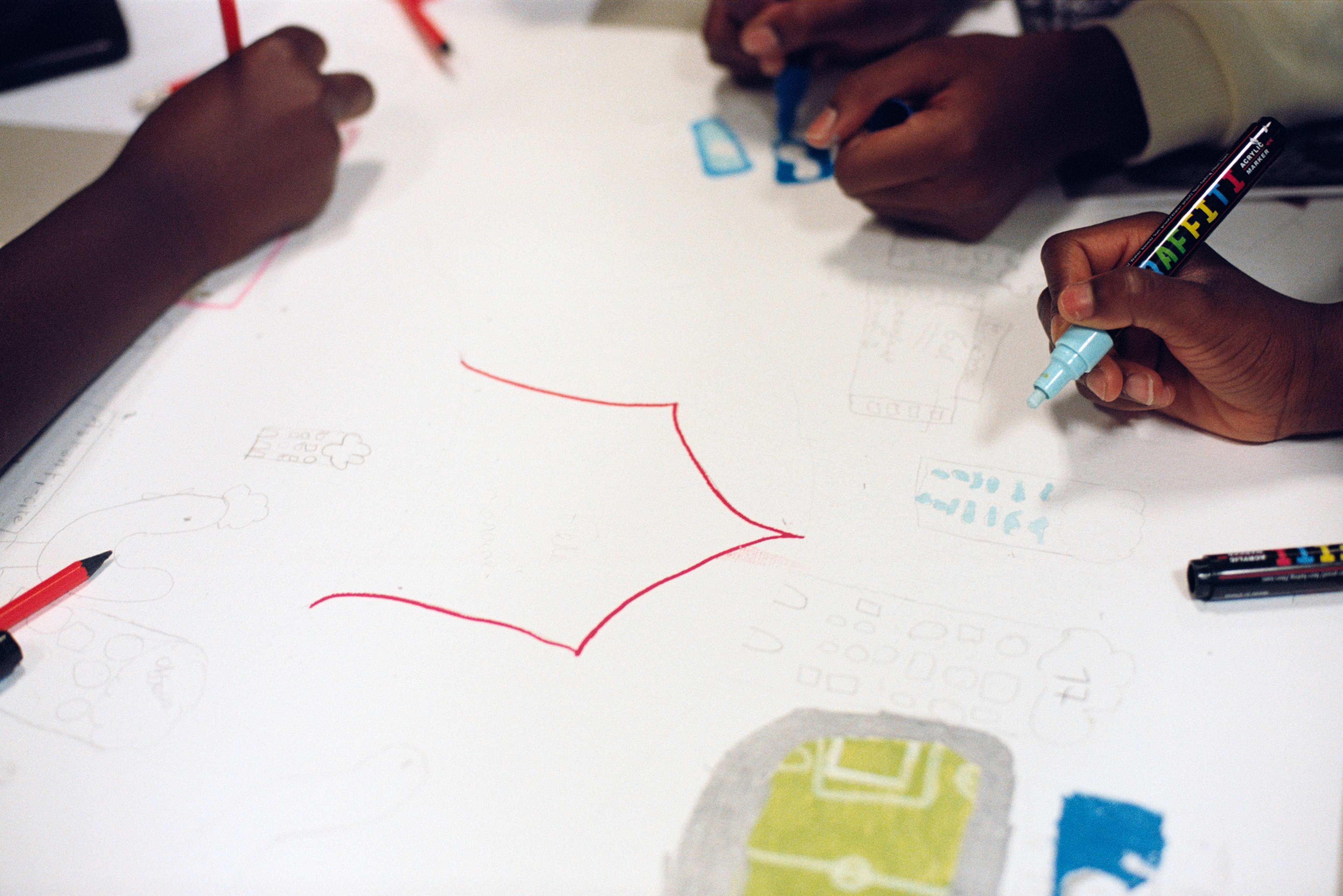
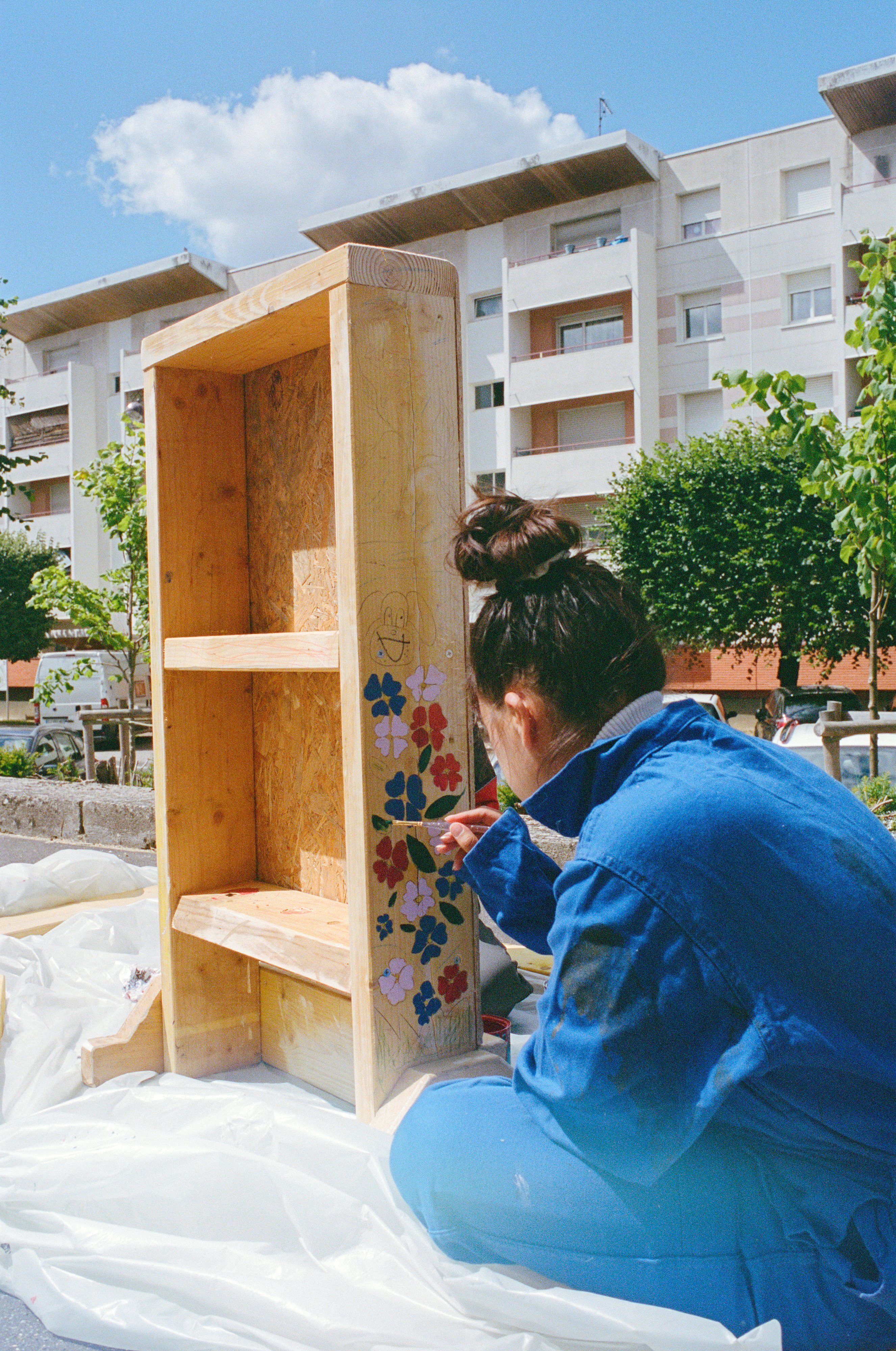
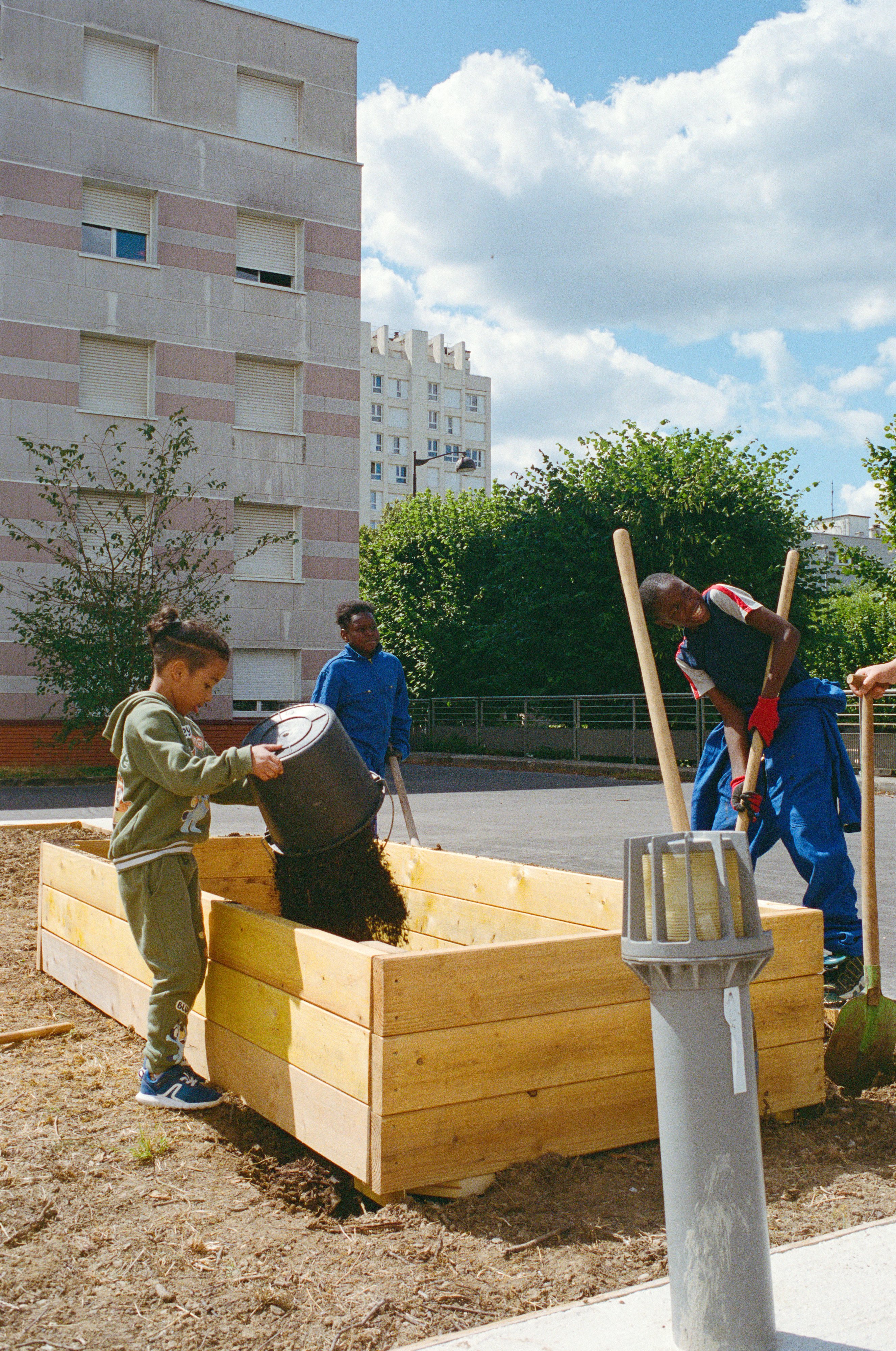
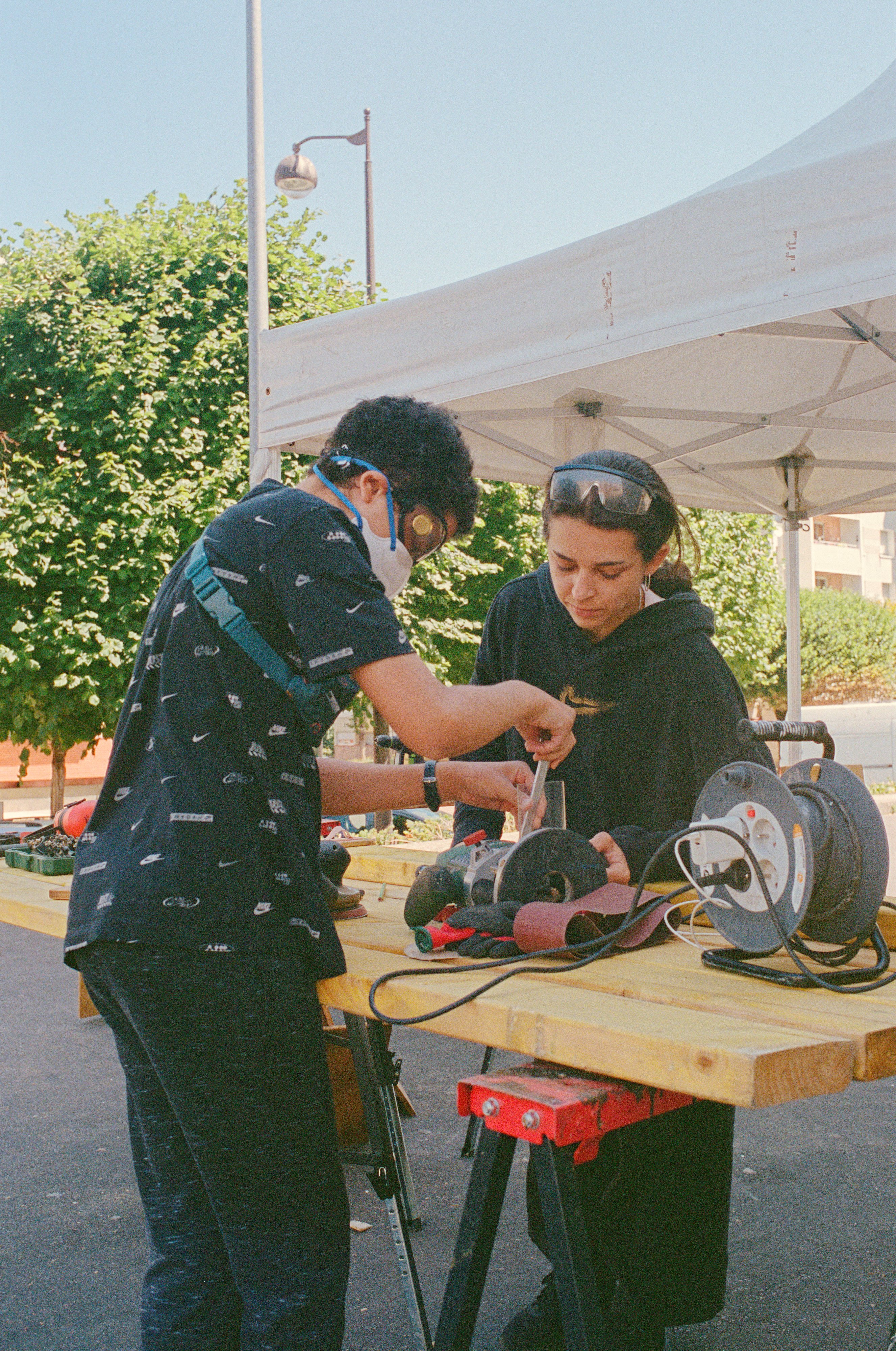
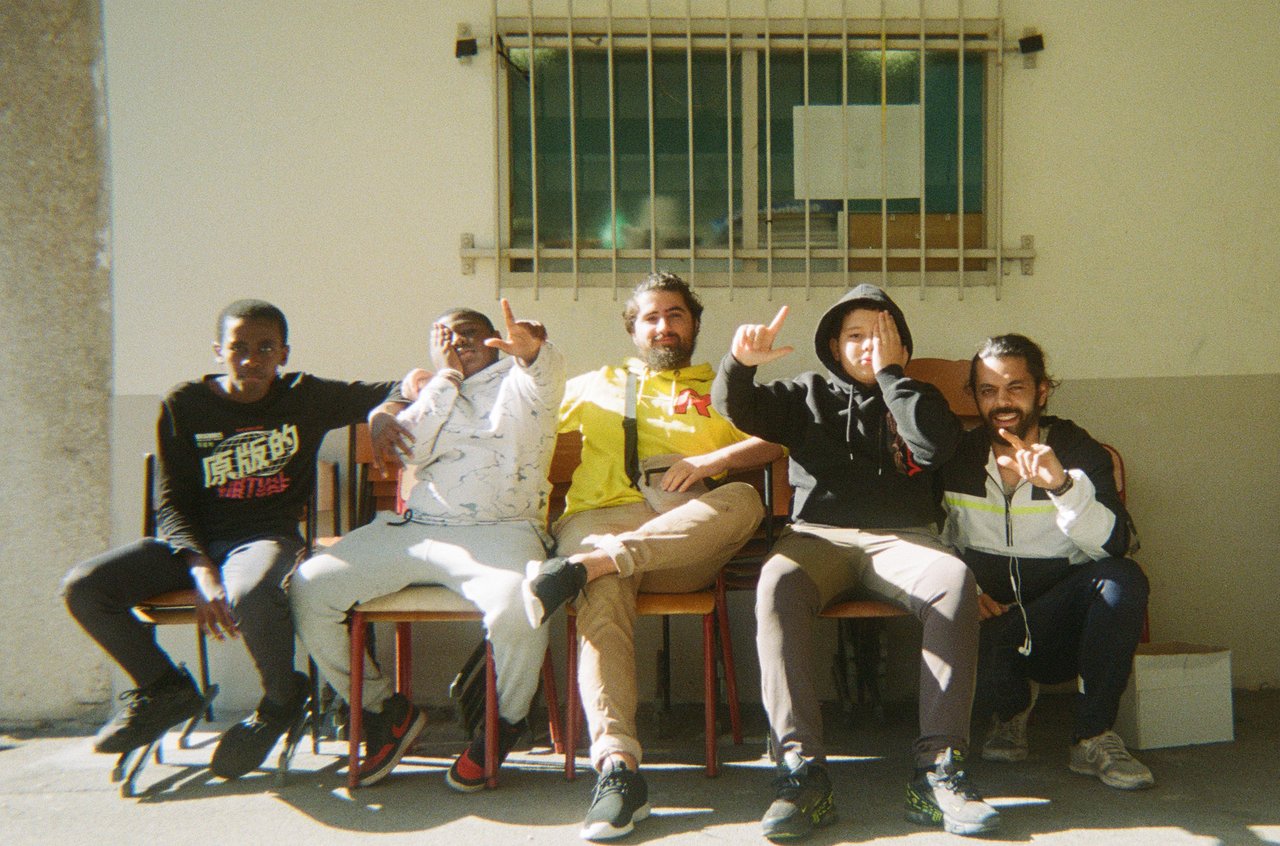
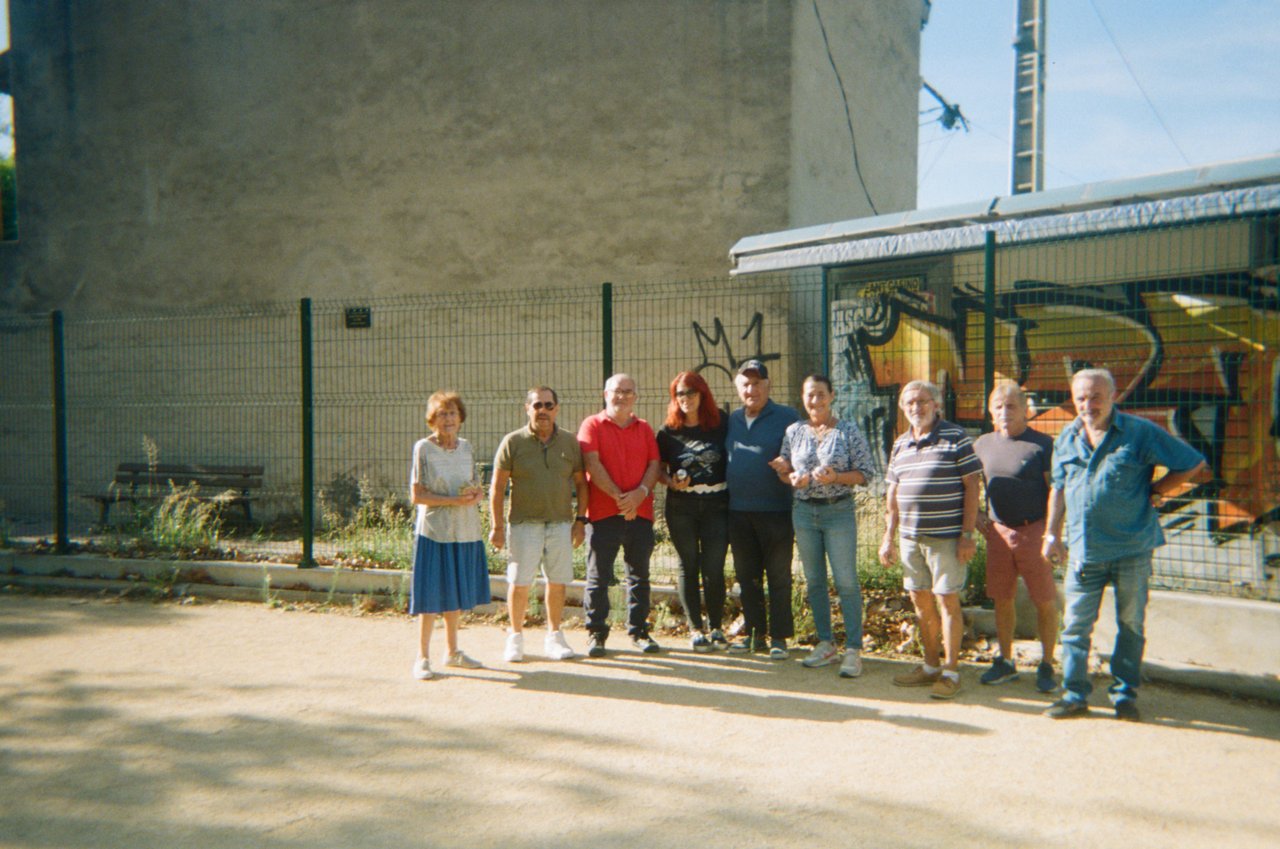
photos: the workshop participants and the mOst team
the albums
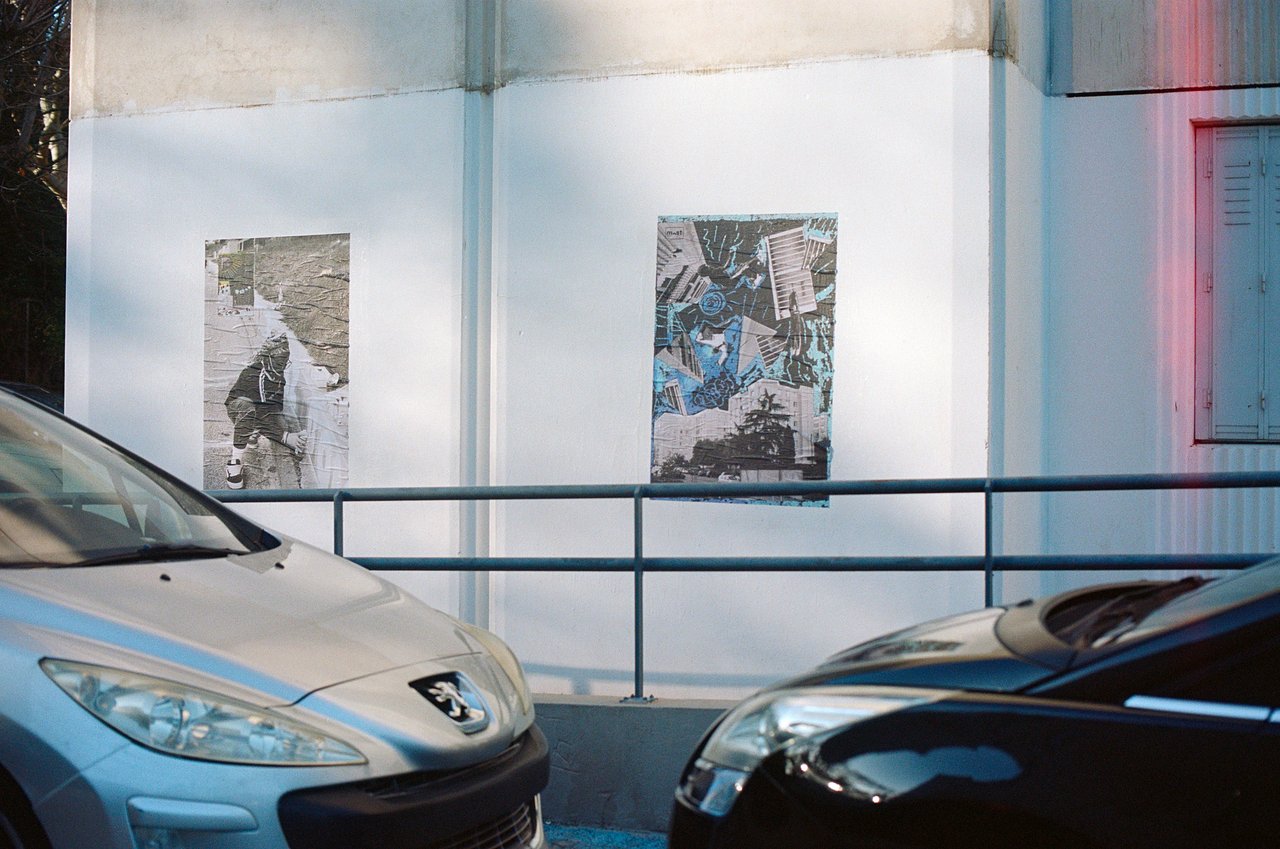
all neighborhood of the future projects
| year | project | place | formats |
|---|---|---|---|
| 2025 | le rêve de pablo | nanterre Cité Pablo Picasso | |
| 2024 | les fleurs des oliviers | marseille Les Olives, La Marie | |
| 2023 | la galerie des ruches | marseille Les Ruches | |
| 2023 | la cité aux fleurs | marseille La Marie |