
2023 → 2024pantinLavoisier, Gustave Courbet, Jacques Prévert and Théodore Monod secondary schoolsfrance
at school, against discrimination
In four secondary schools in Seine-Saint-Denis, students pick up the microphone and the camera to talk about discrimination and racism: what they live through, what they hear, what they would like to change.
- formats
- mediums
- place
- pantin · Collèges Lavoisier, Gustave Courbet, Jacques Prévert et Théodore Monod
- partners
- Lavoisier secondary school, Pantin
Gustave Courbet secondary school, Romainville
Jacques Prévert secondary school, Noisy-le-Grand
Théodore Monod secondary school, Gagny - public presentation
- Three panels per school, with the students' photographs and texts, and the vox pops to listen to.
During the 2023-2024 school year, mOst ran workshops with students from four middle schools in Seine-Saint-Denis: Lavoisier in Pantin, Gustave Courbet in Romainville, Jacques Prévert in Noisy-le-Grand and Théodore Monod in Gagny. The subject: discrimination and racism, starting from what the students live through, see and hear.
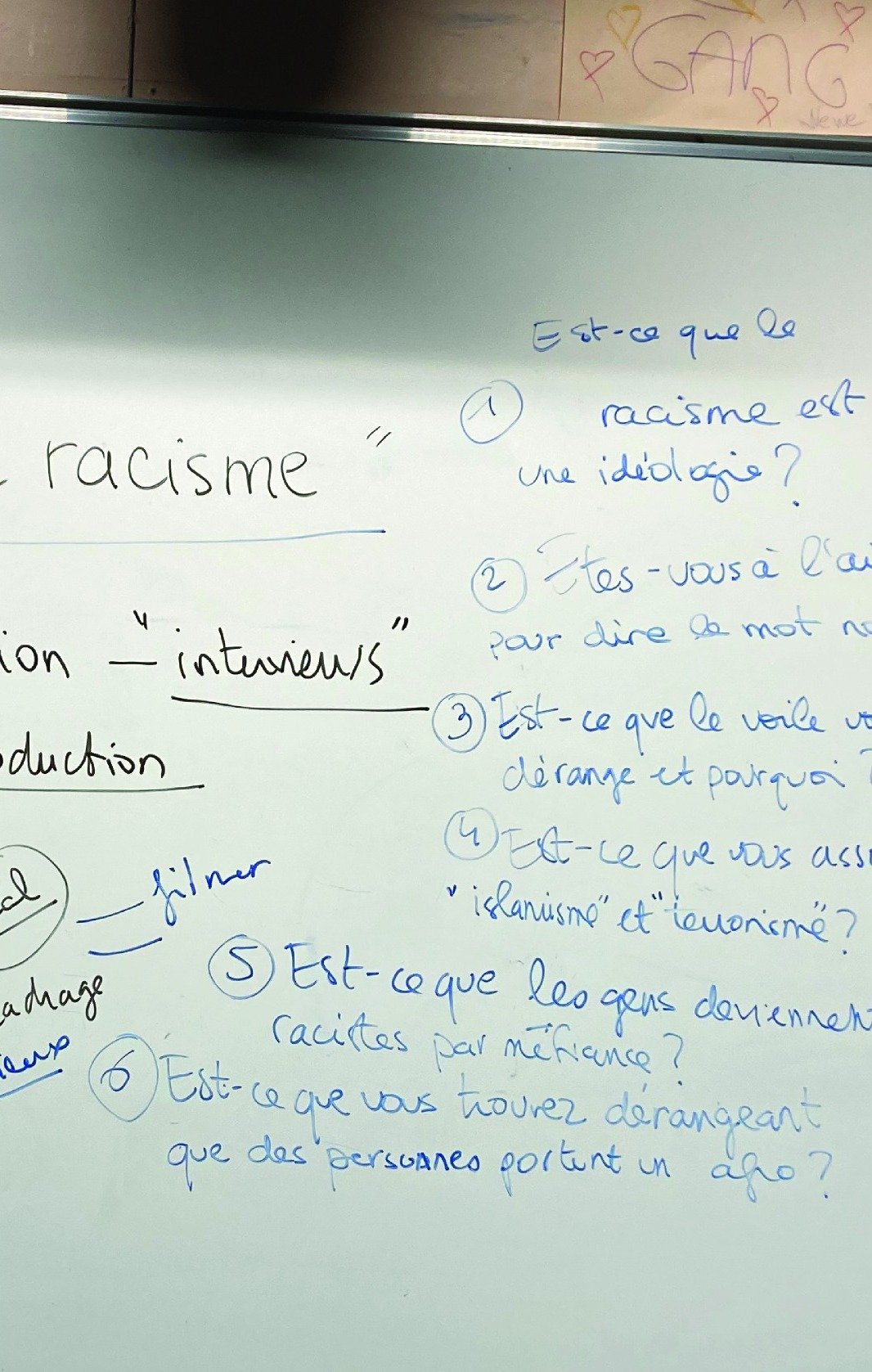
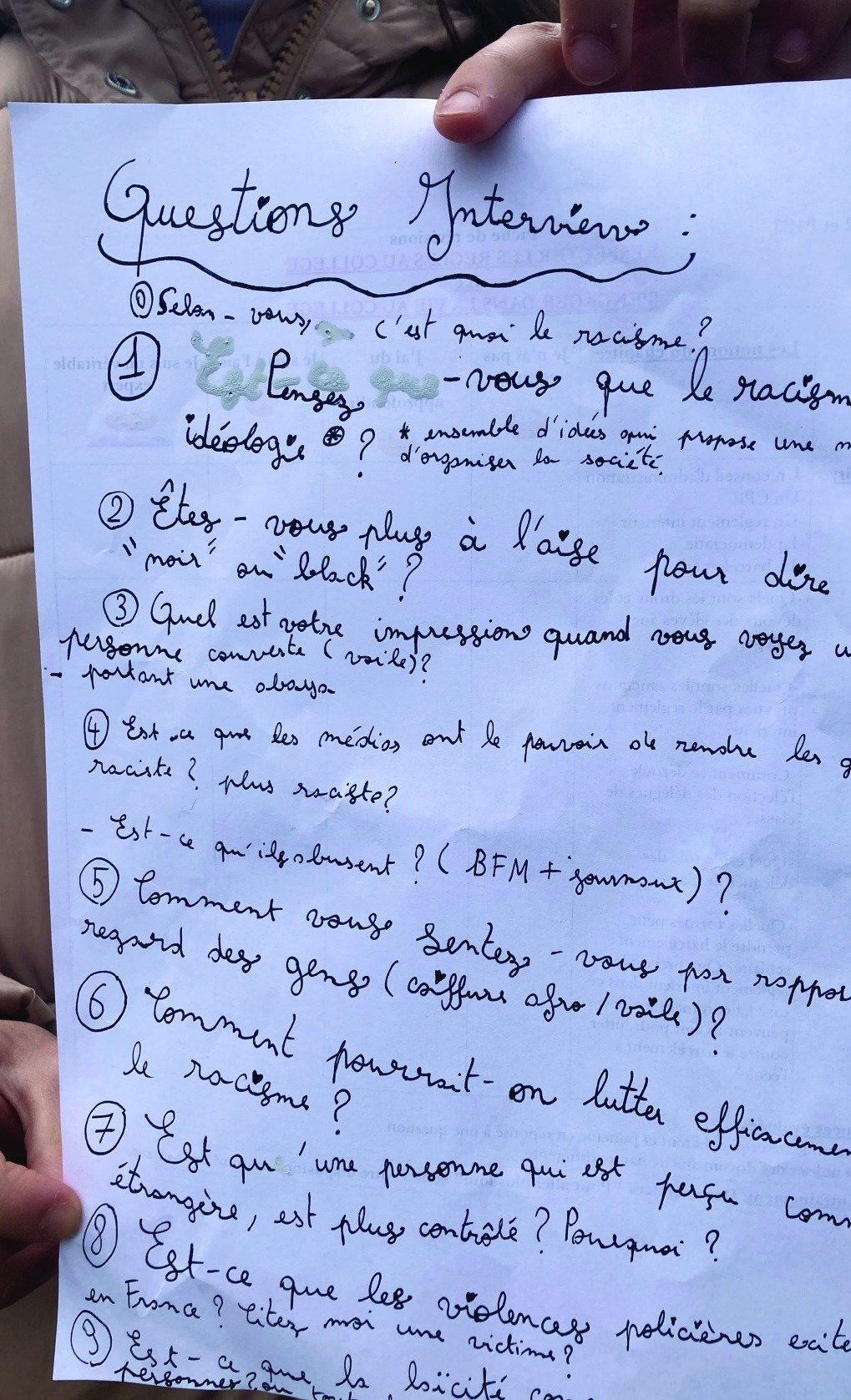
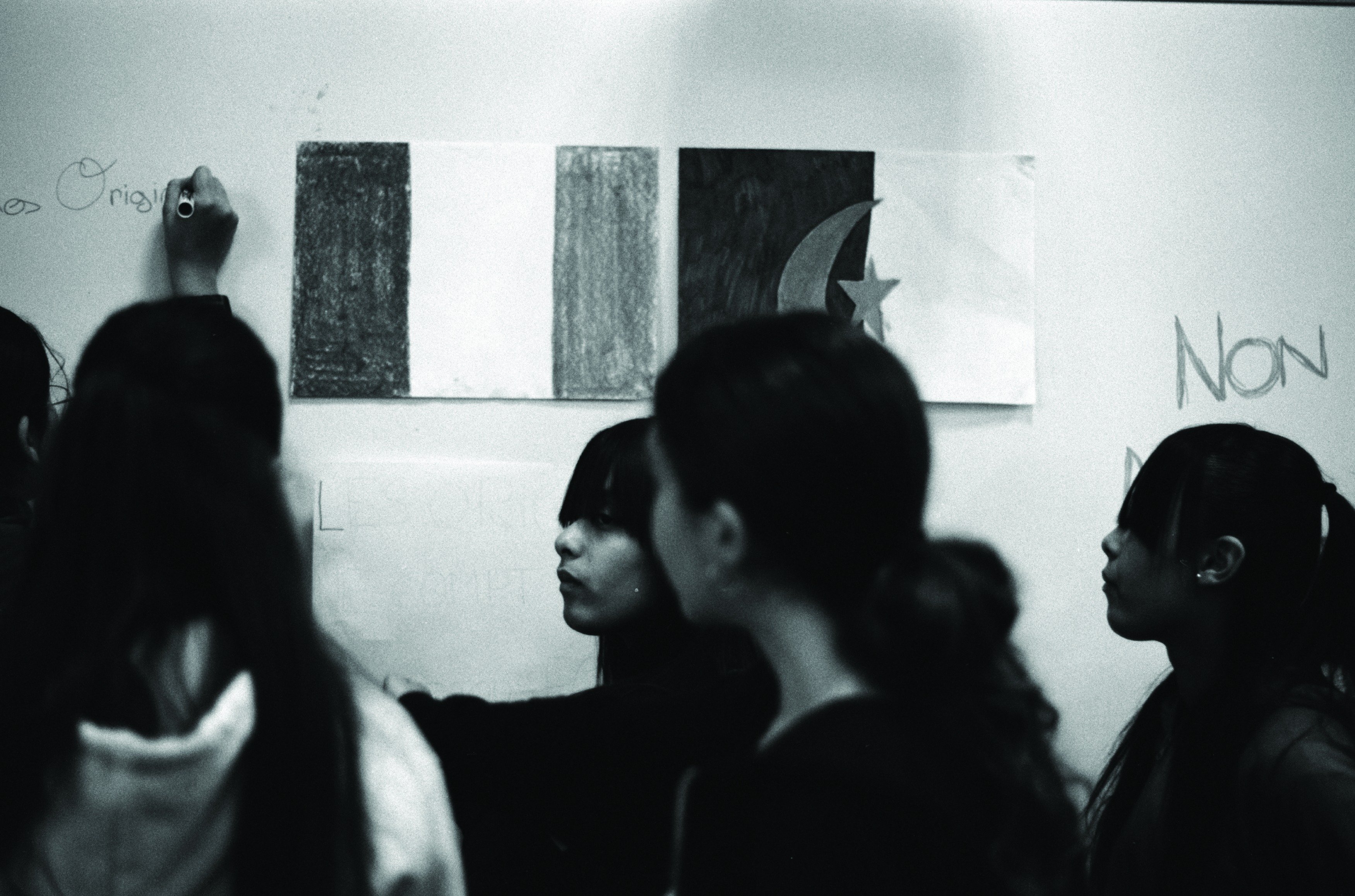
On the board, the classes first wrote down their questions: “Is racism an ideology?,” “Are you comfortable saying the word black?,” “How could we fight racism effectively?” With these questions, the students went out to interview the others in the schoolyard: vox pops, recorded as a group.
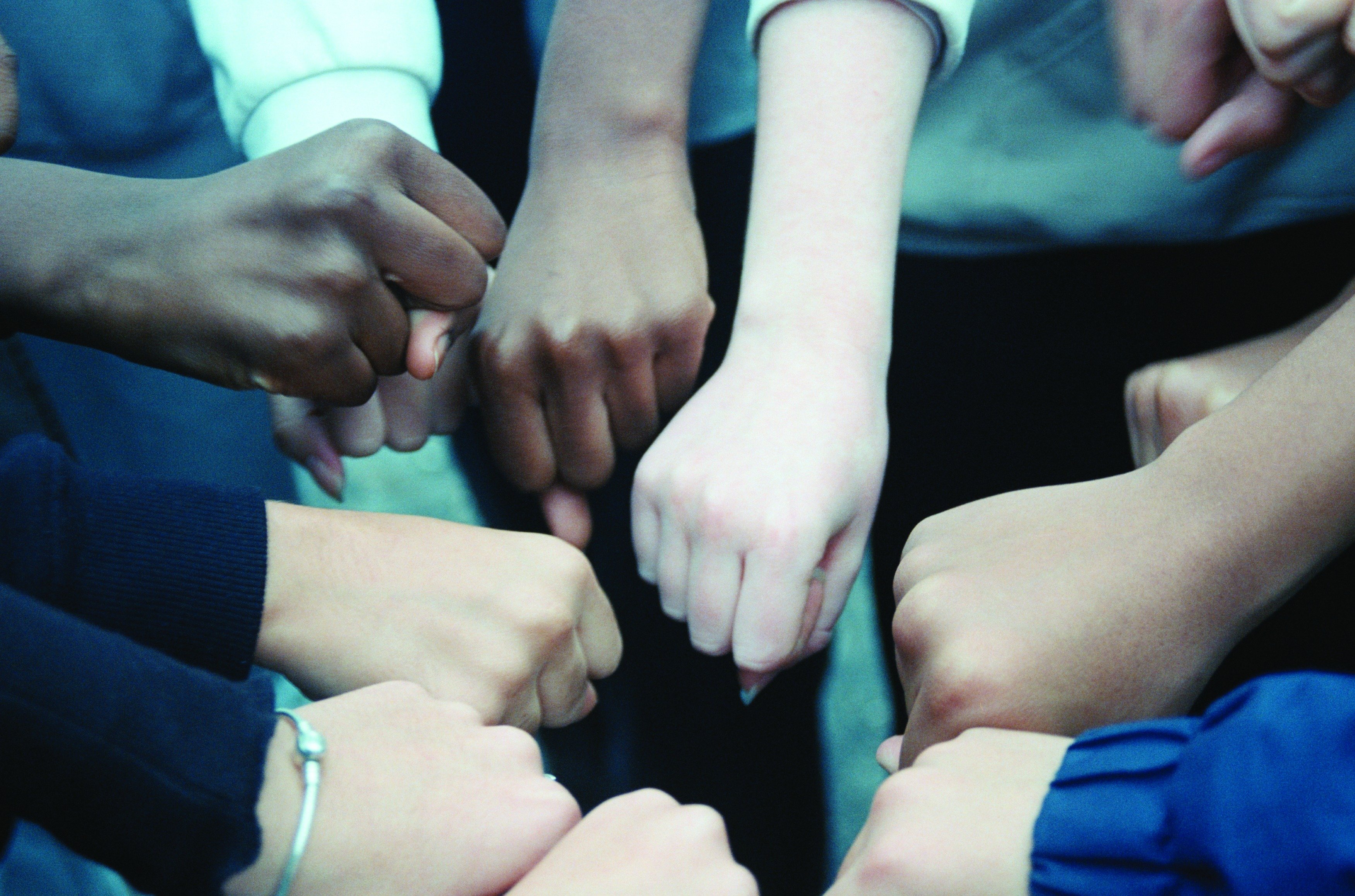
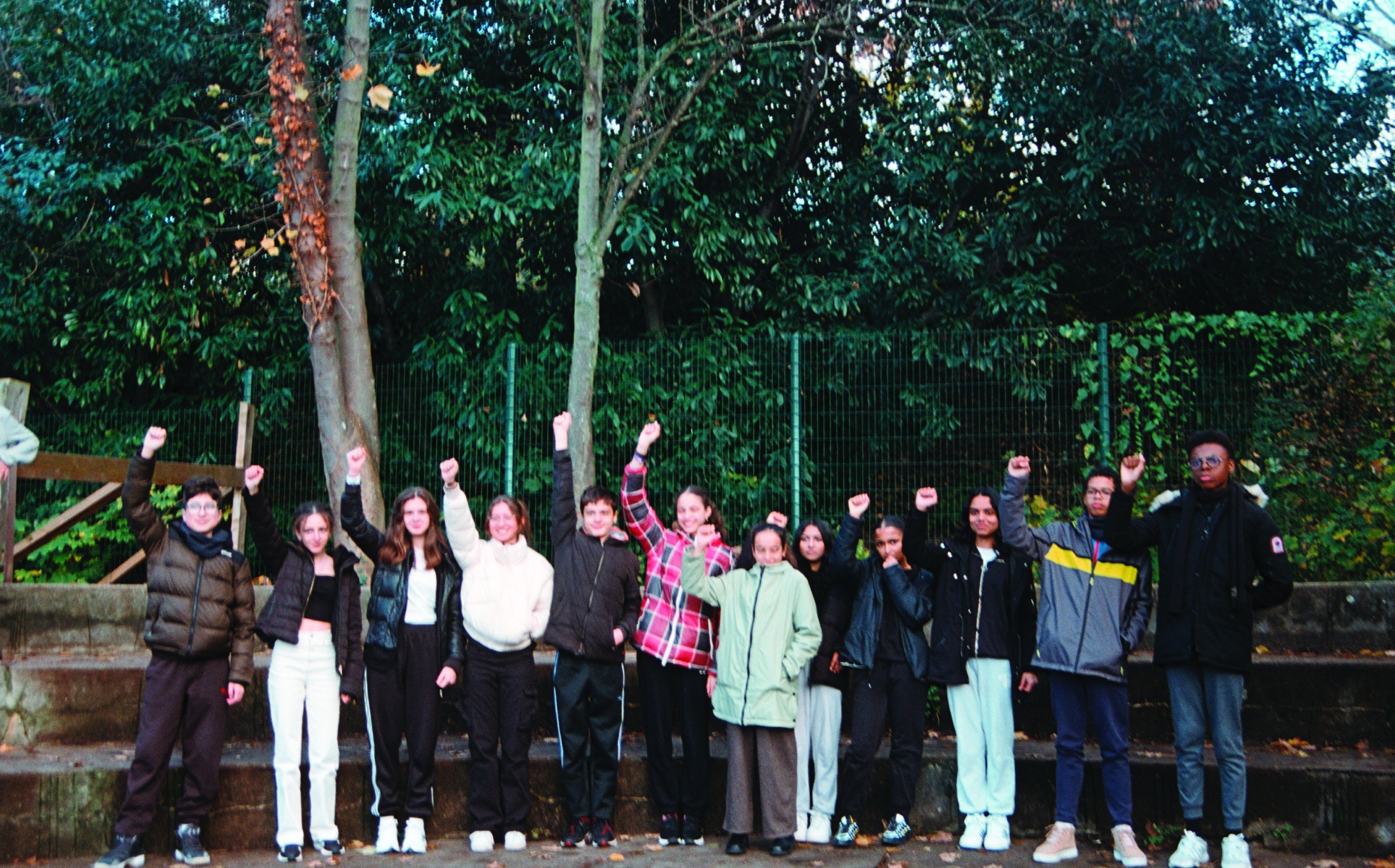
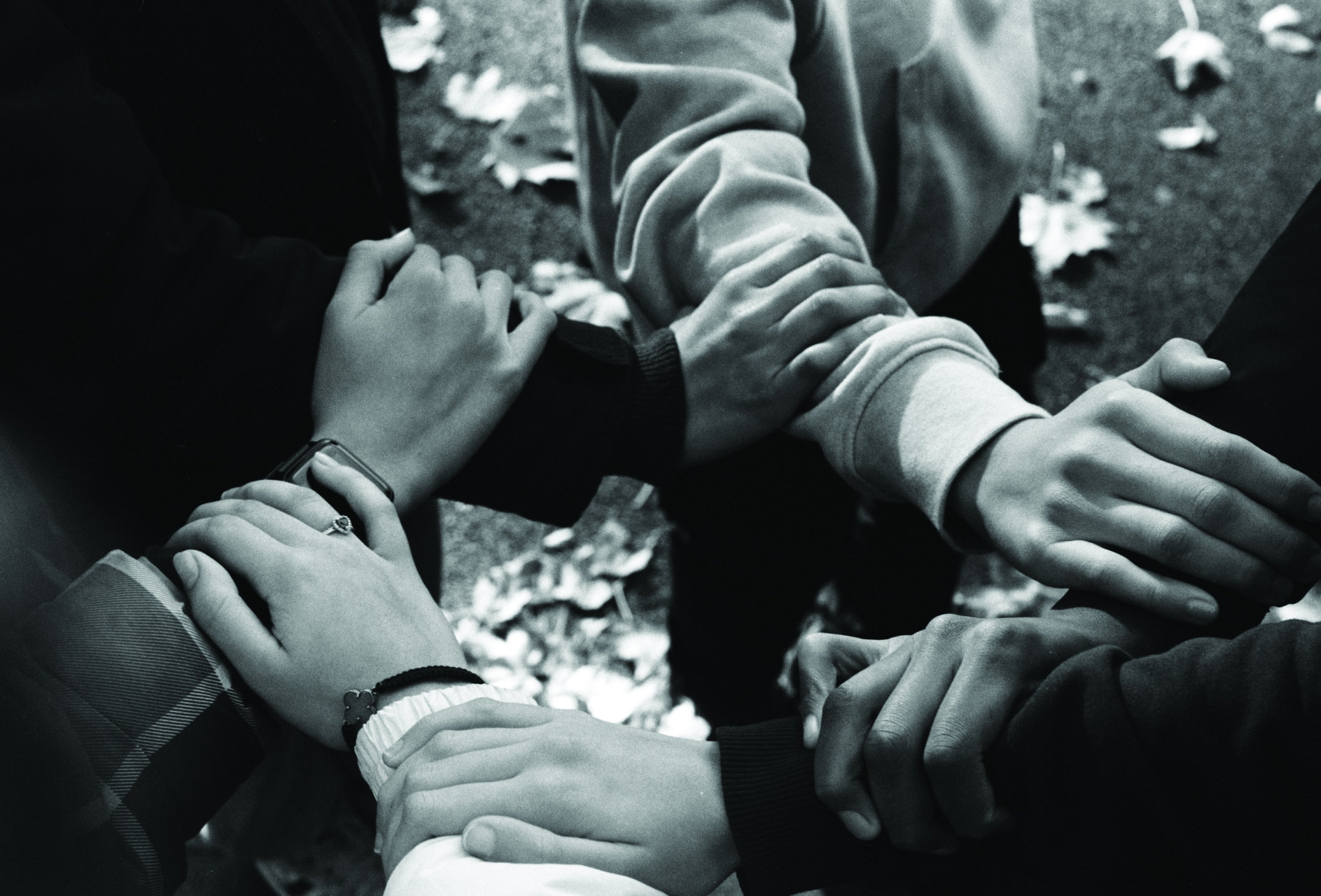
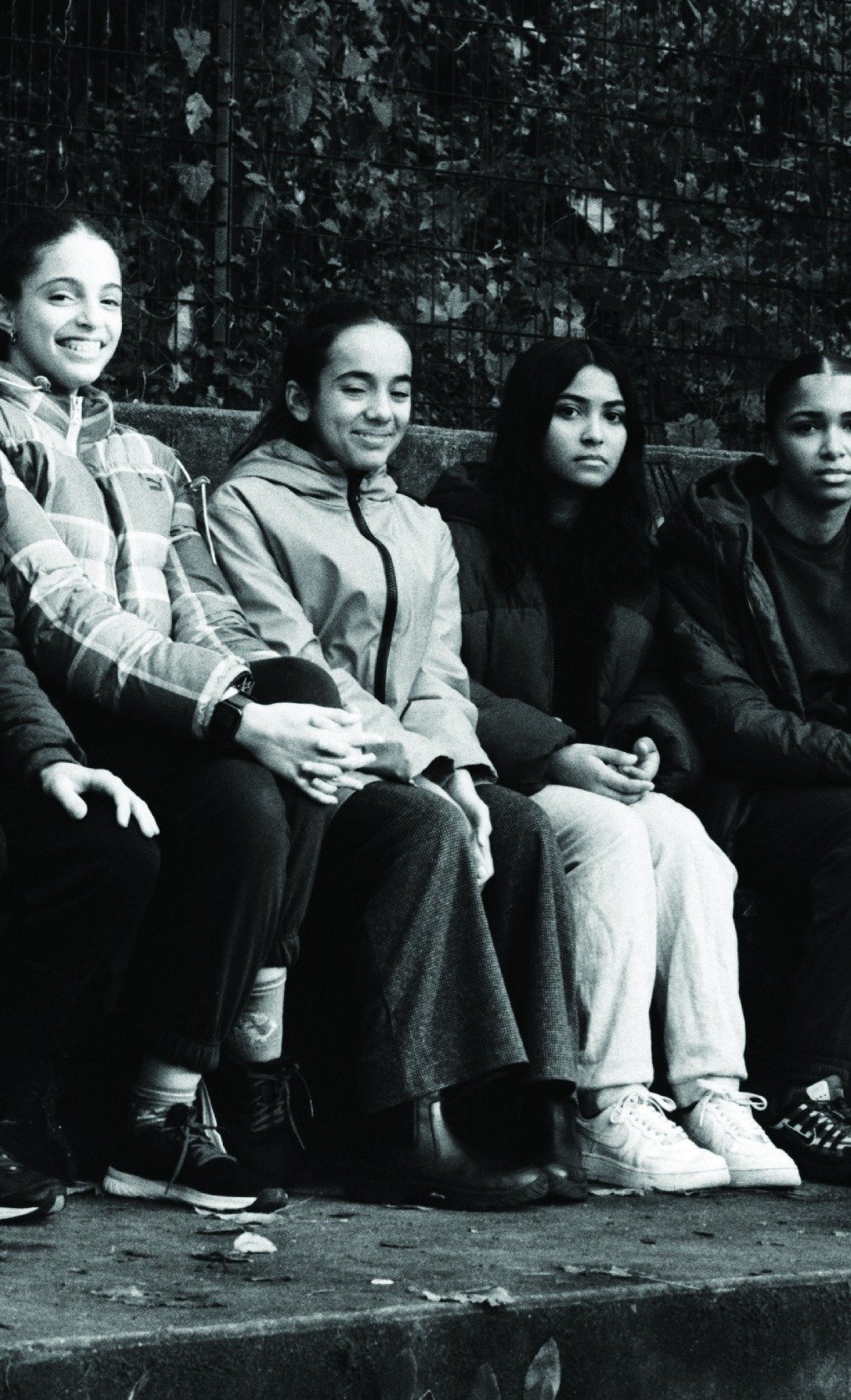
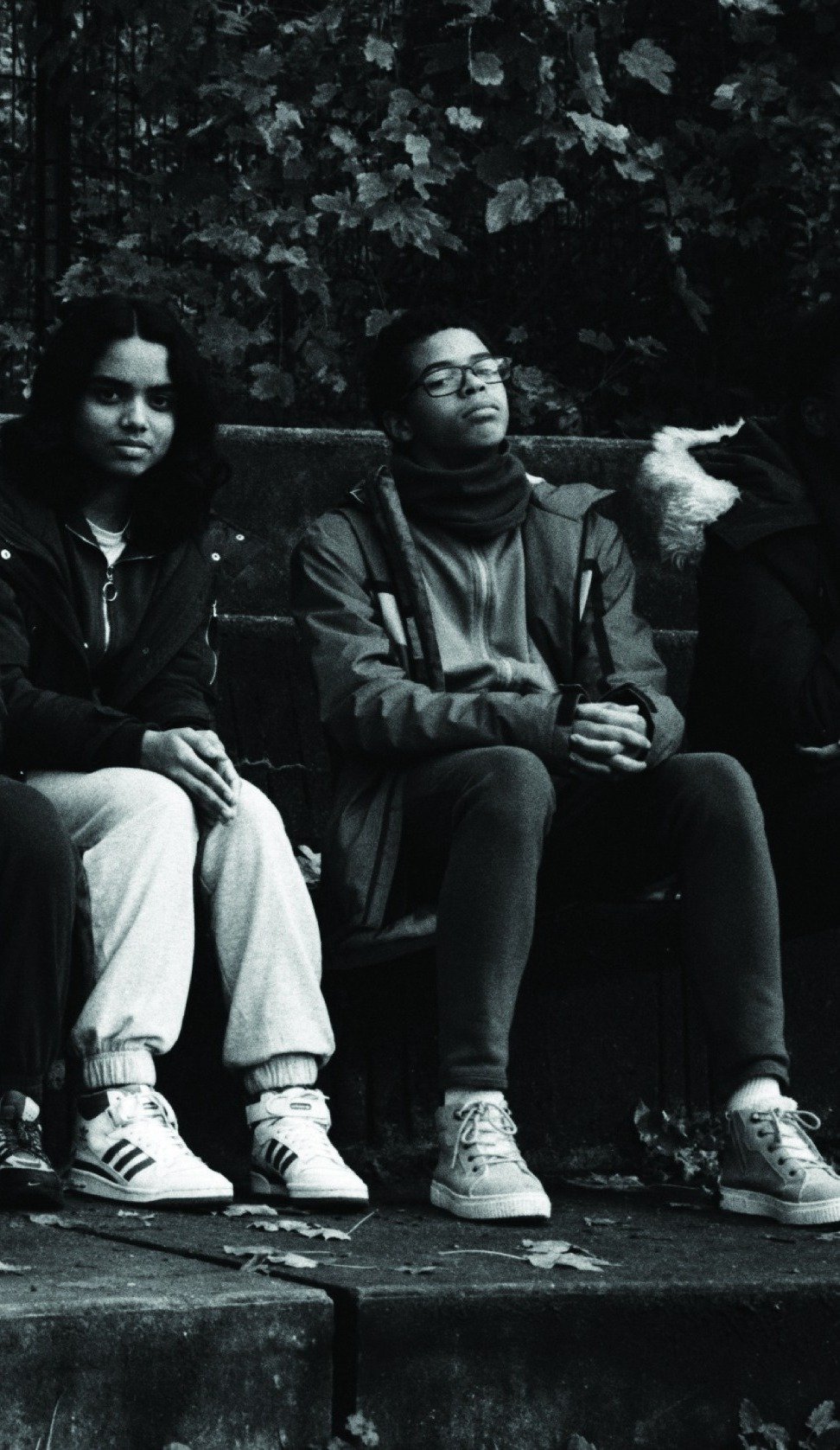
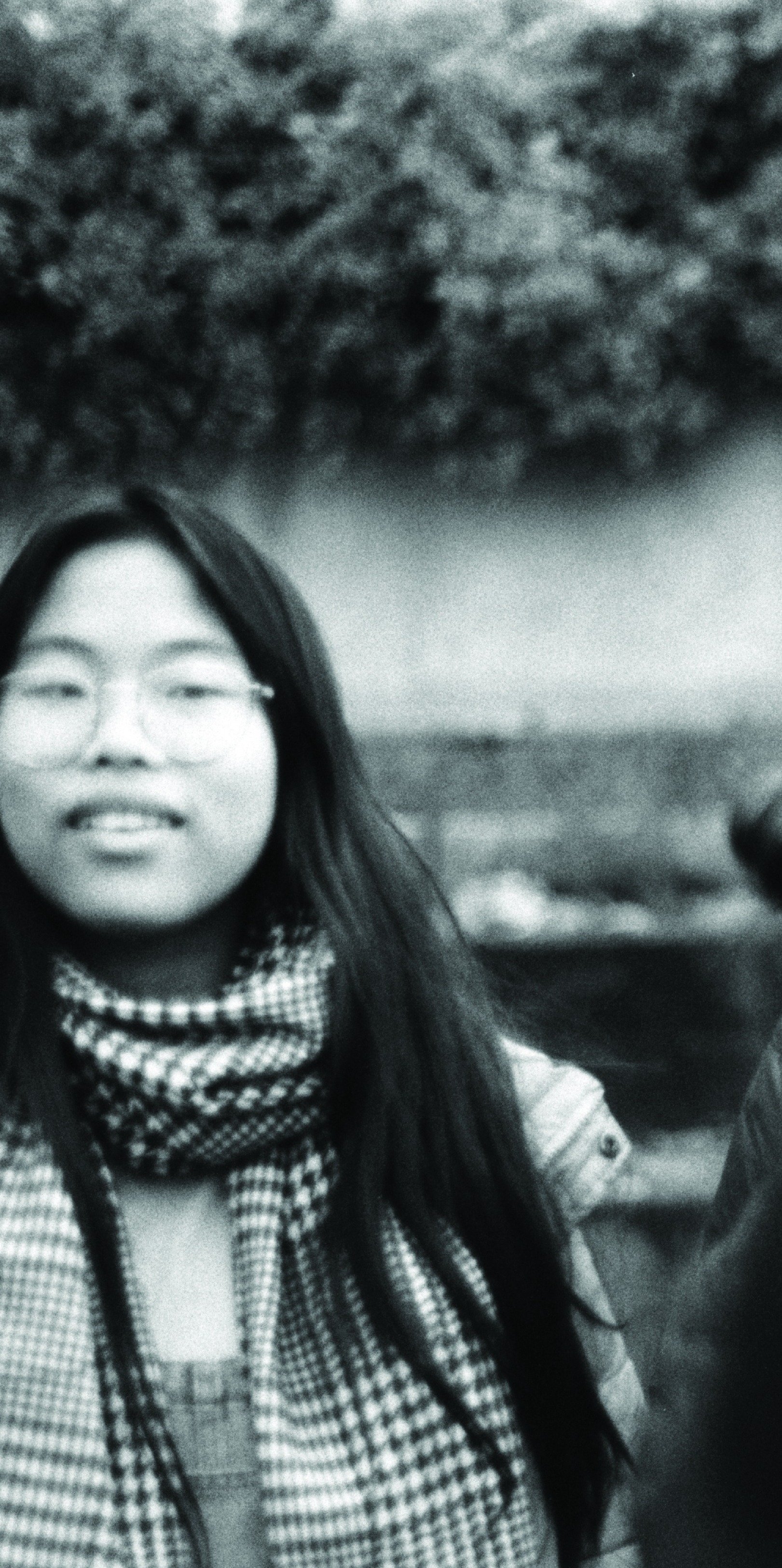
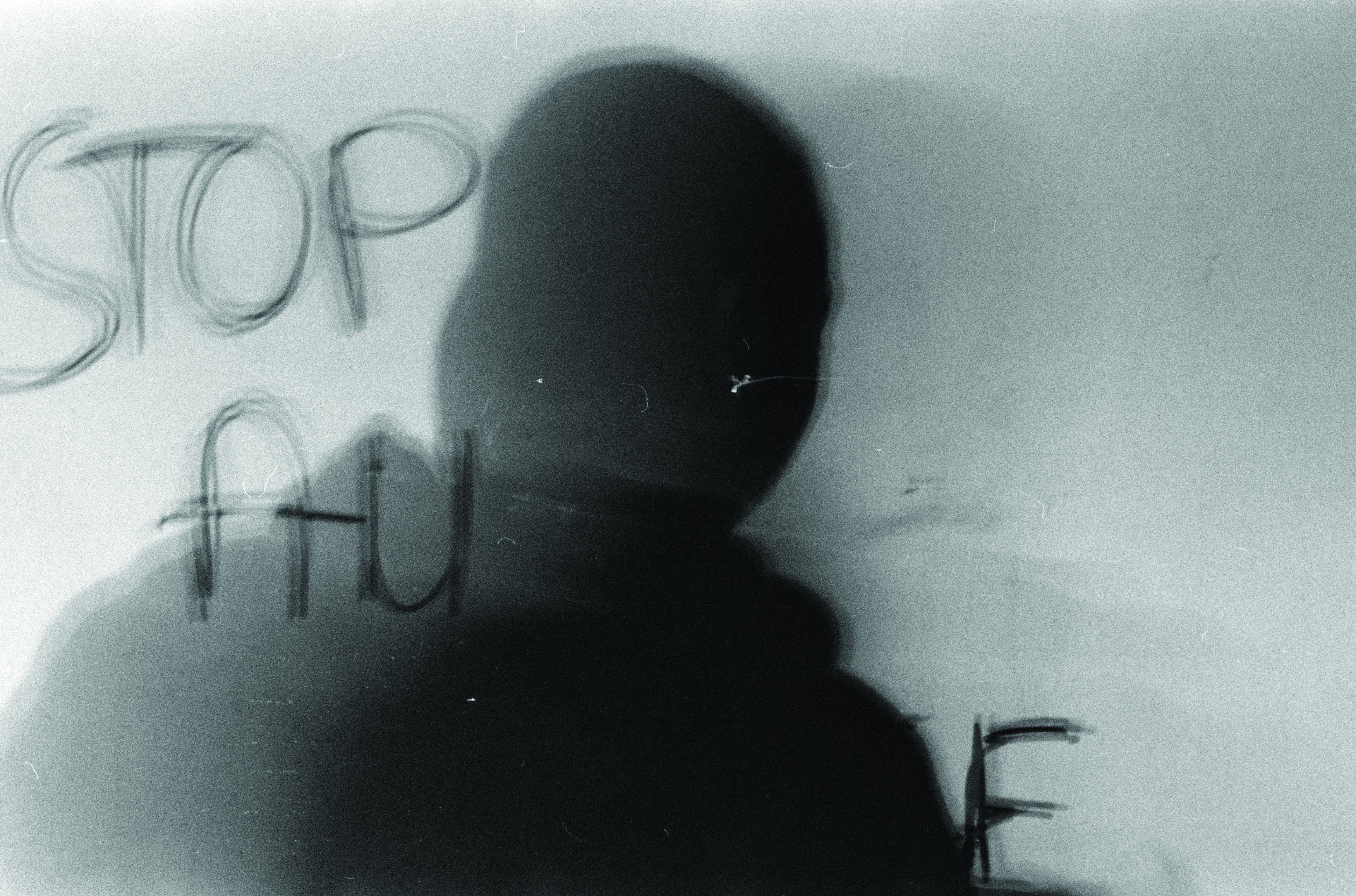
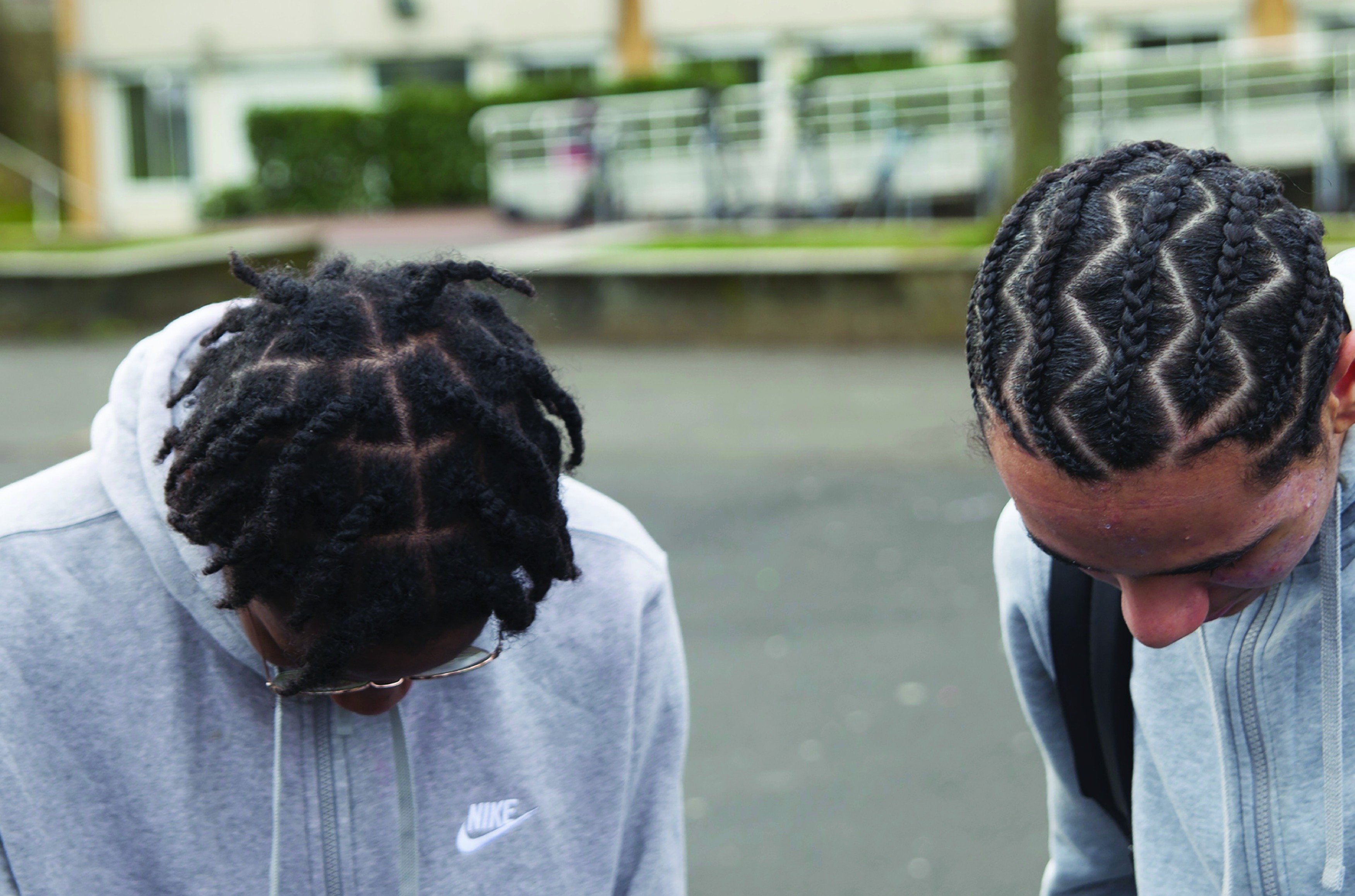
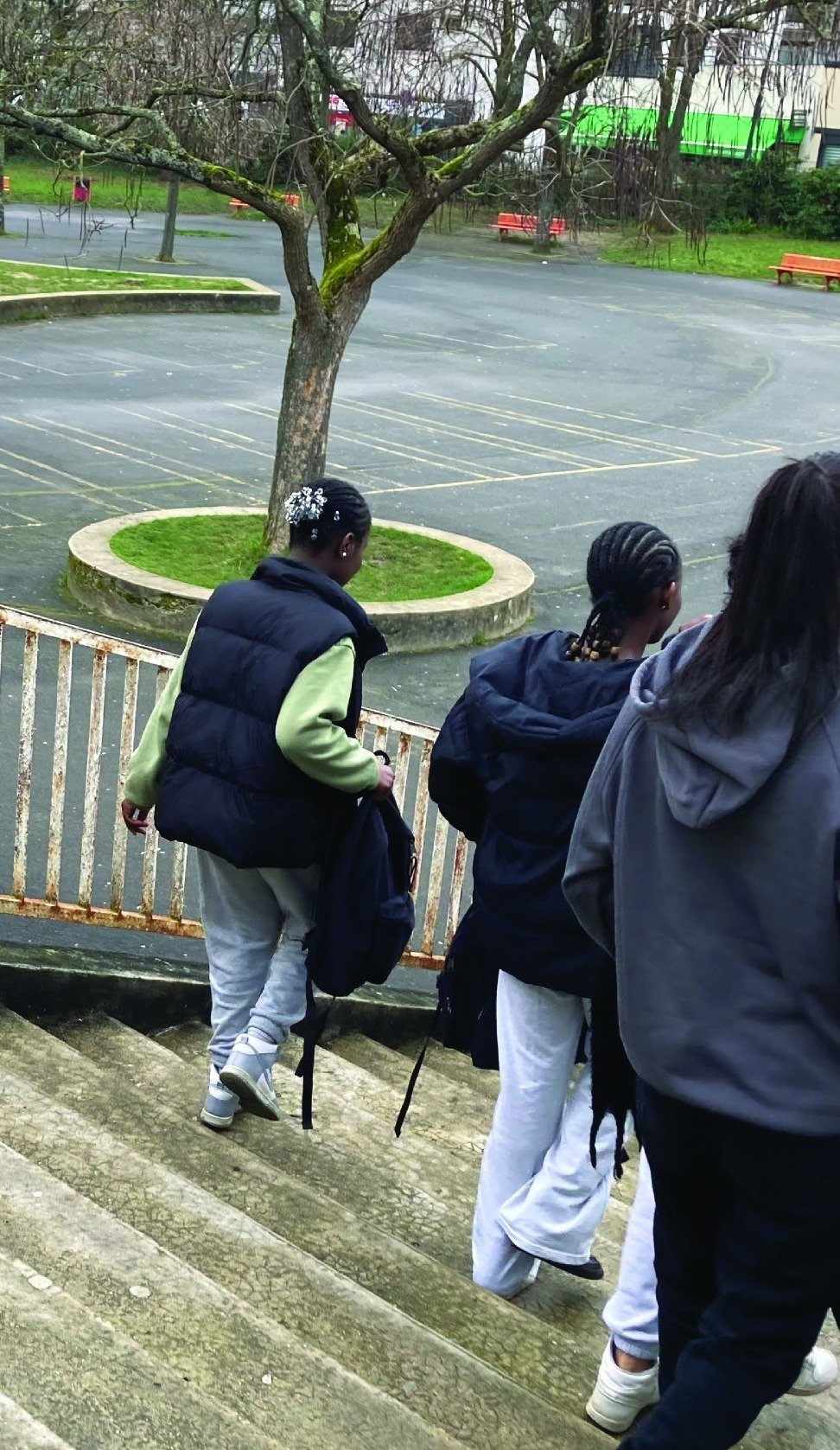
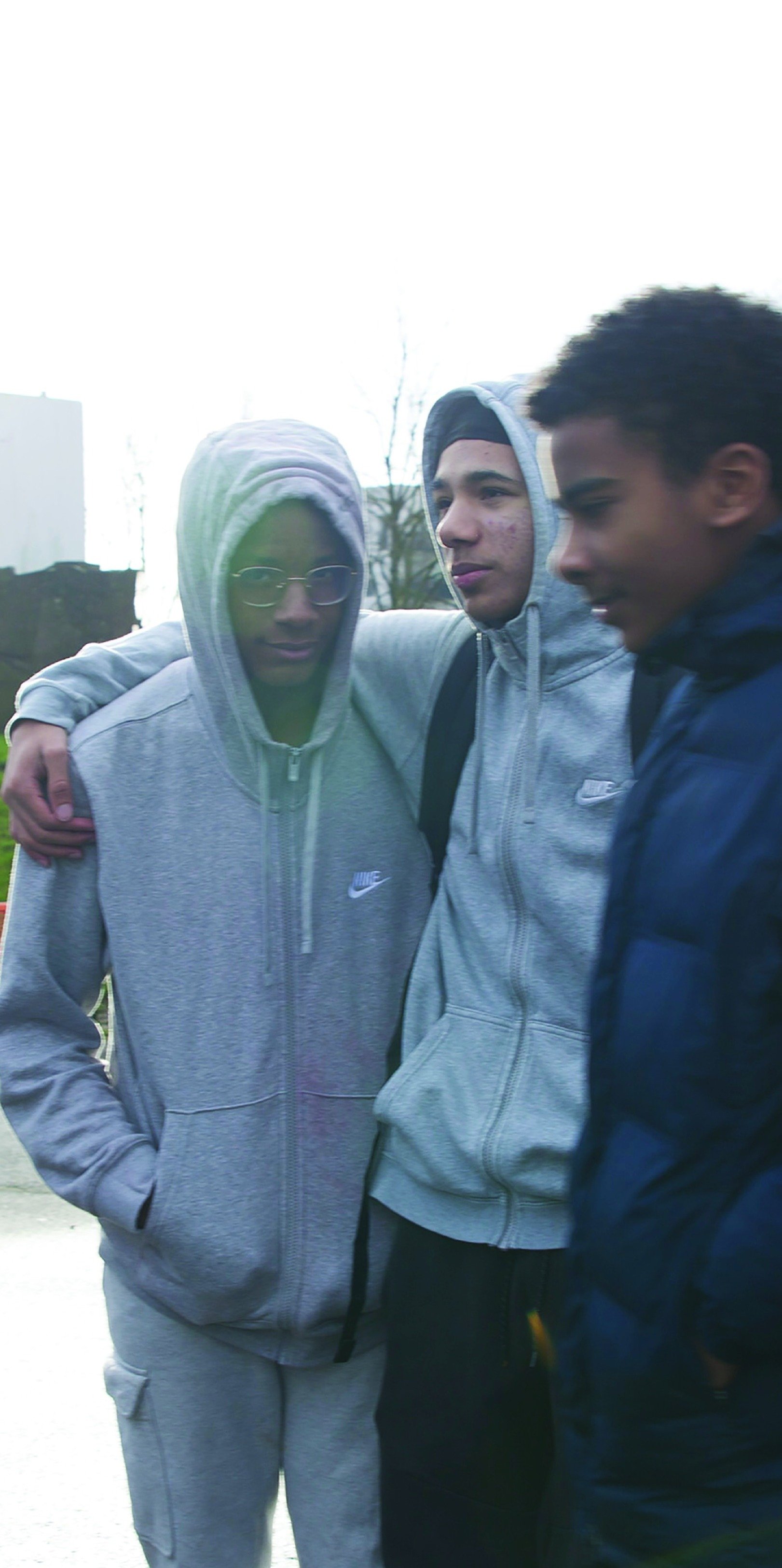
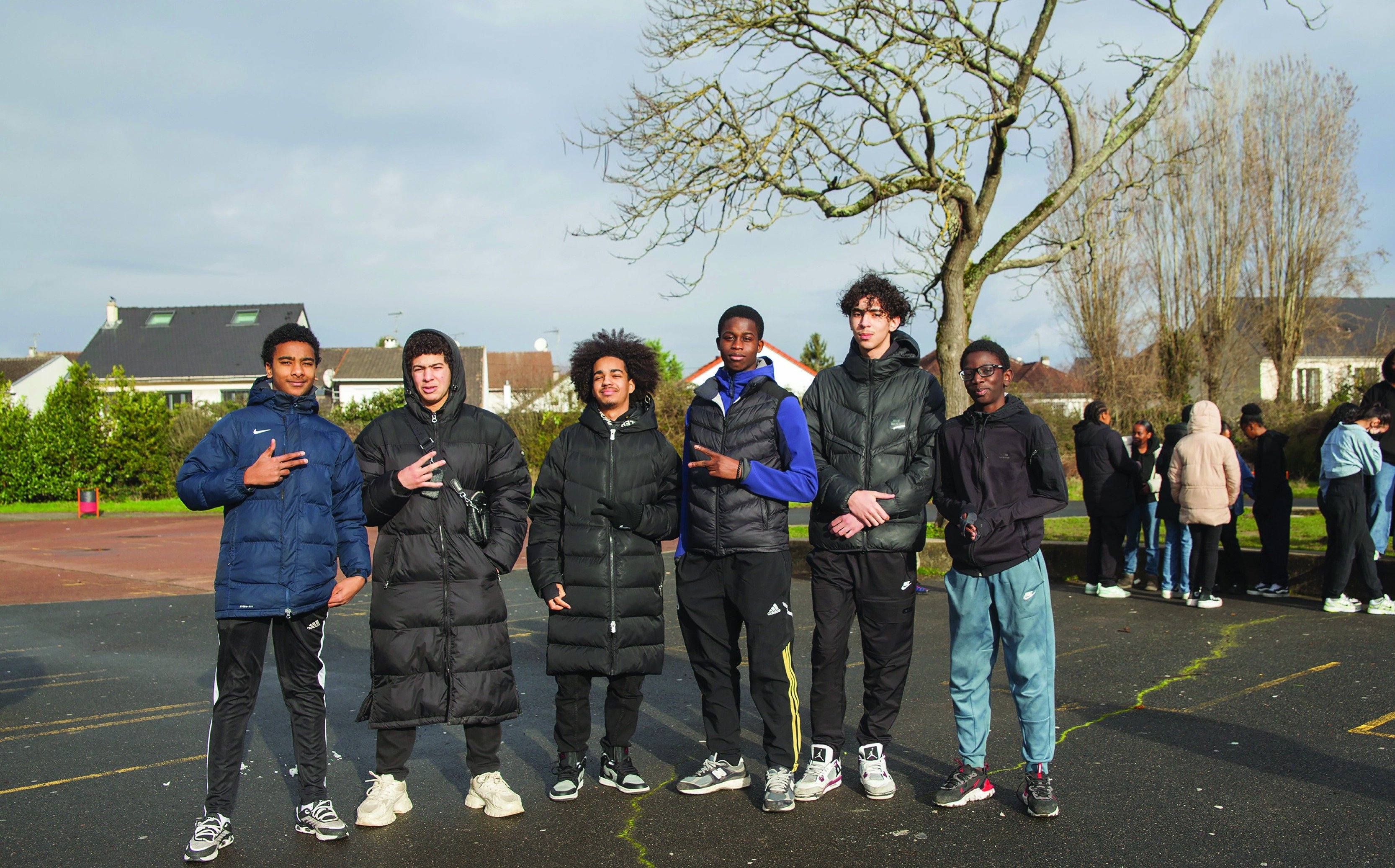
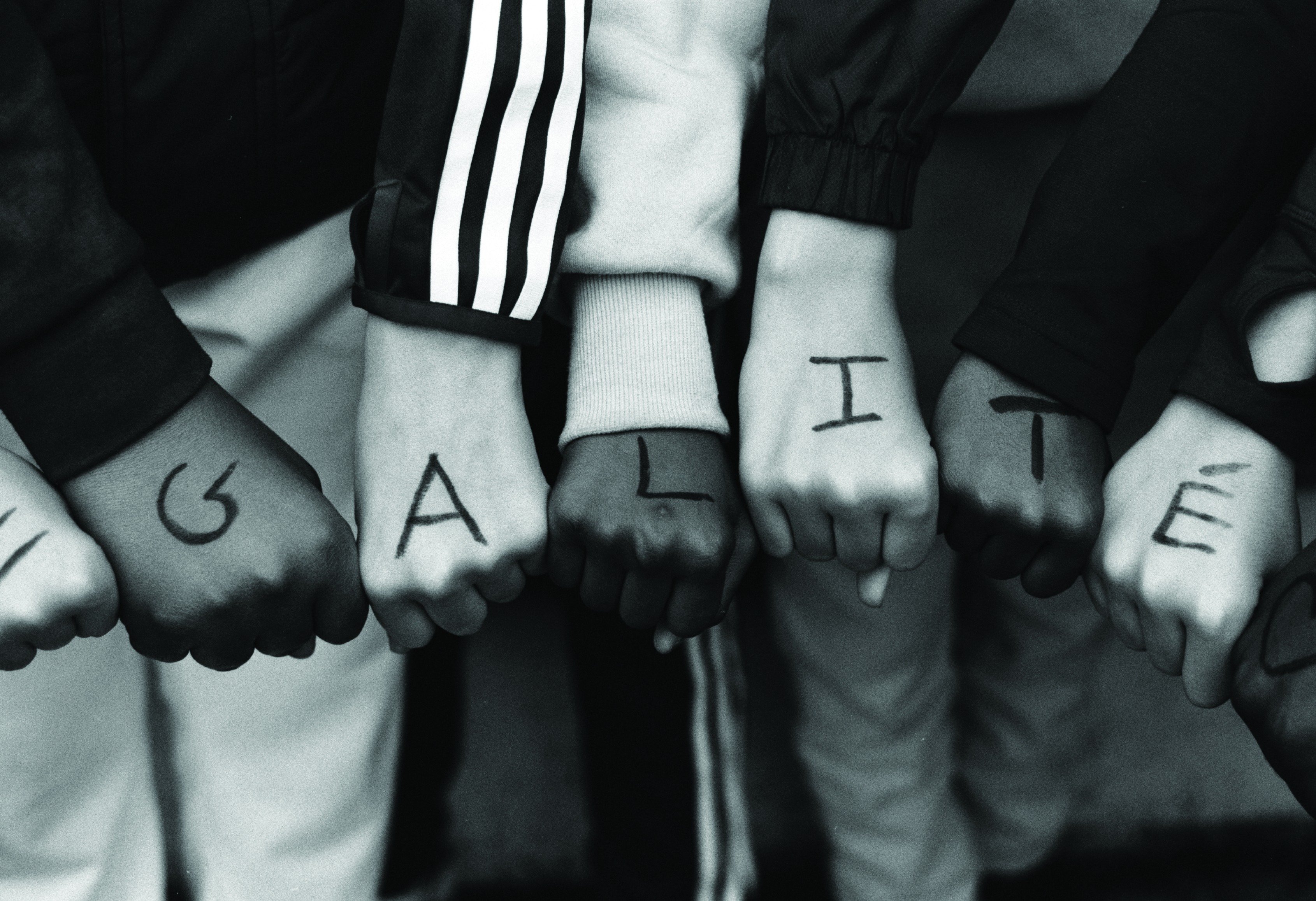
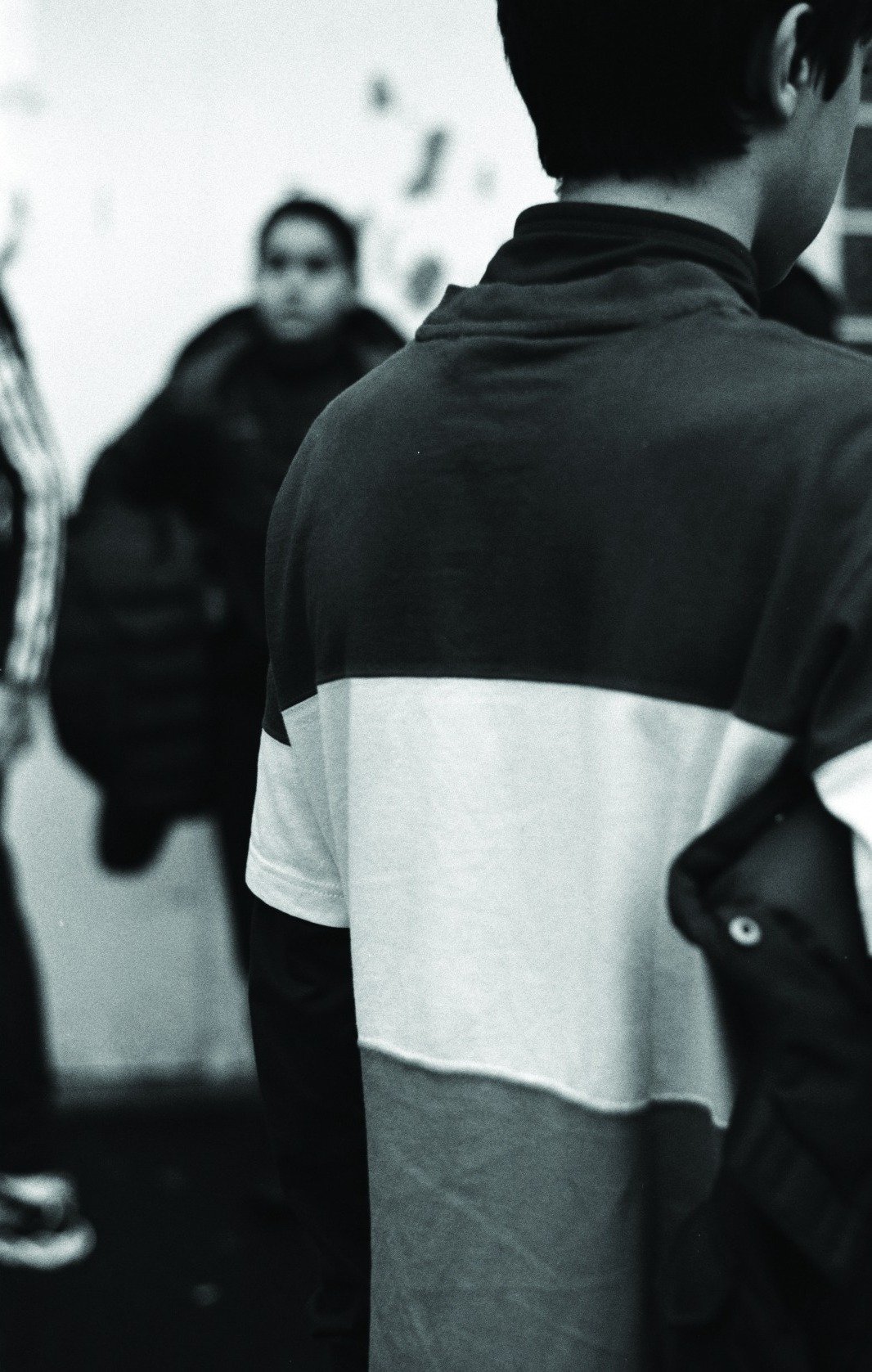
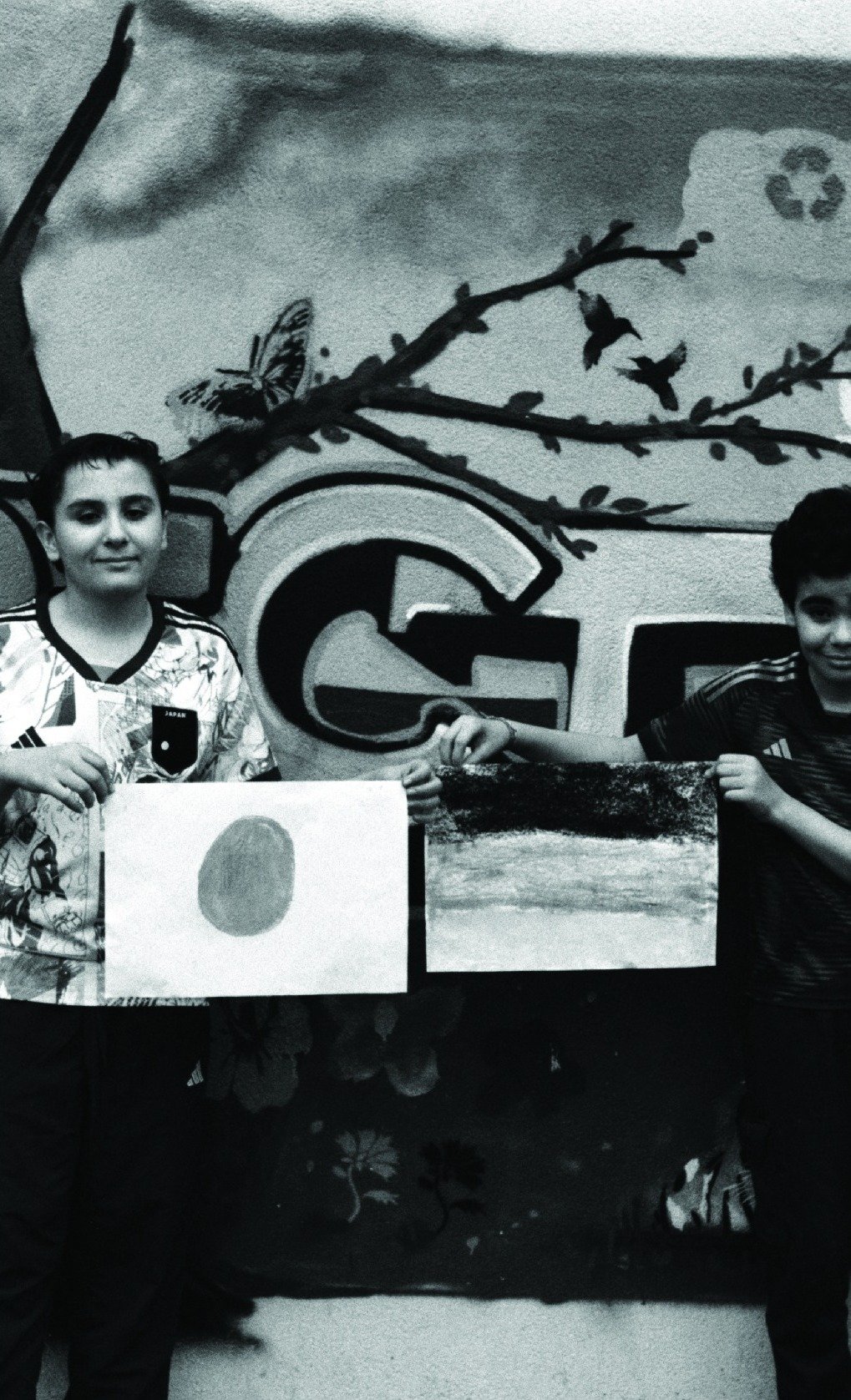
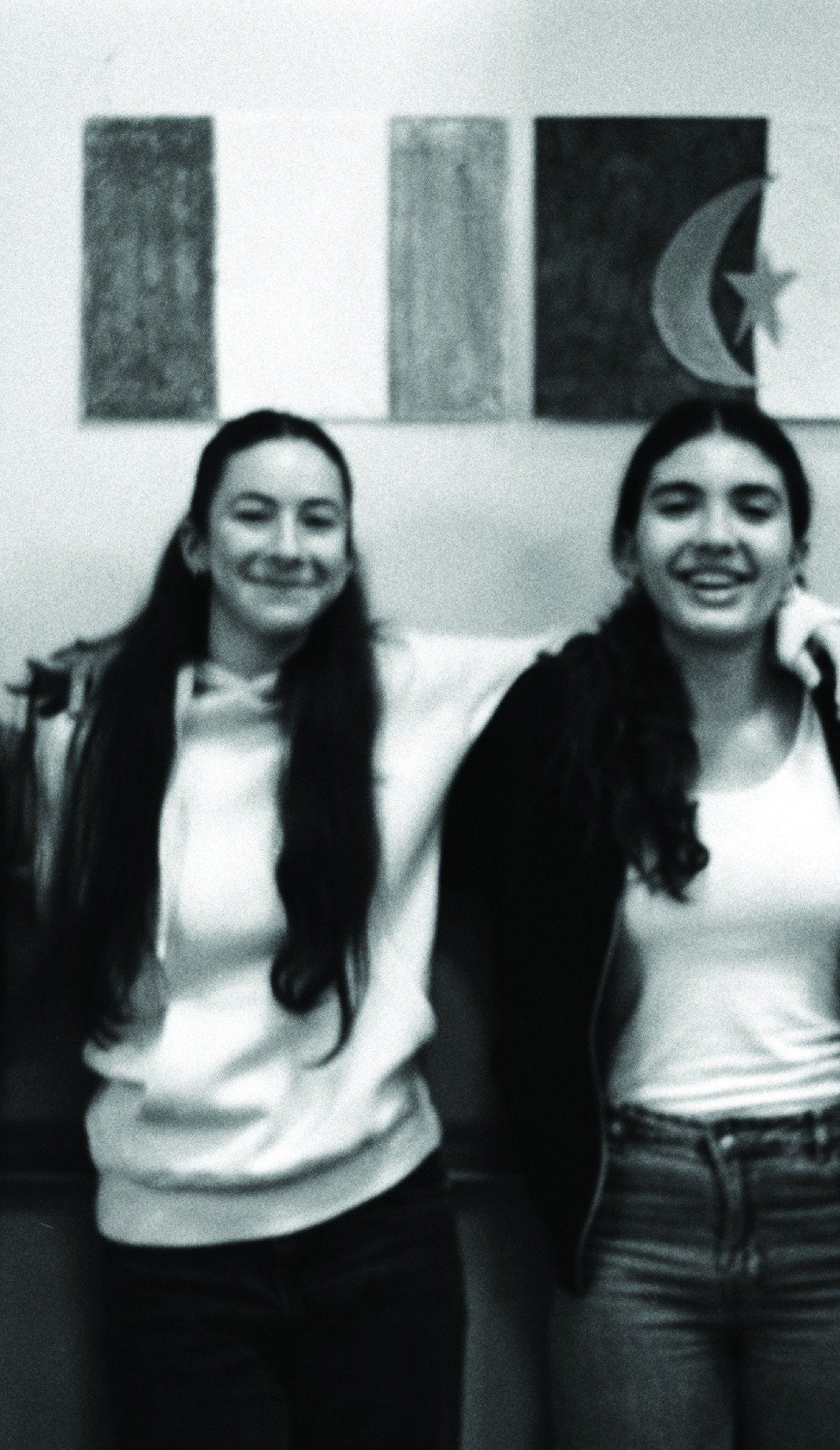
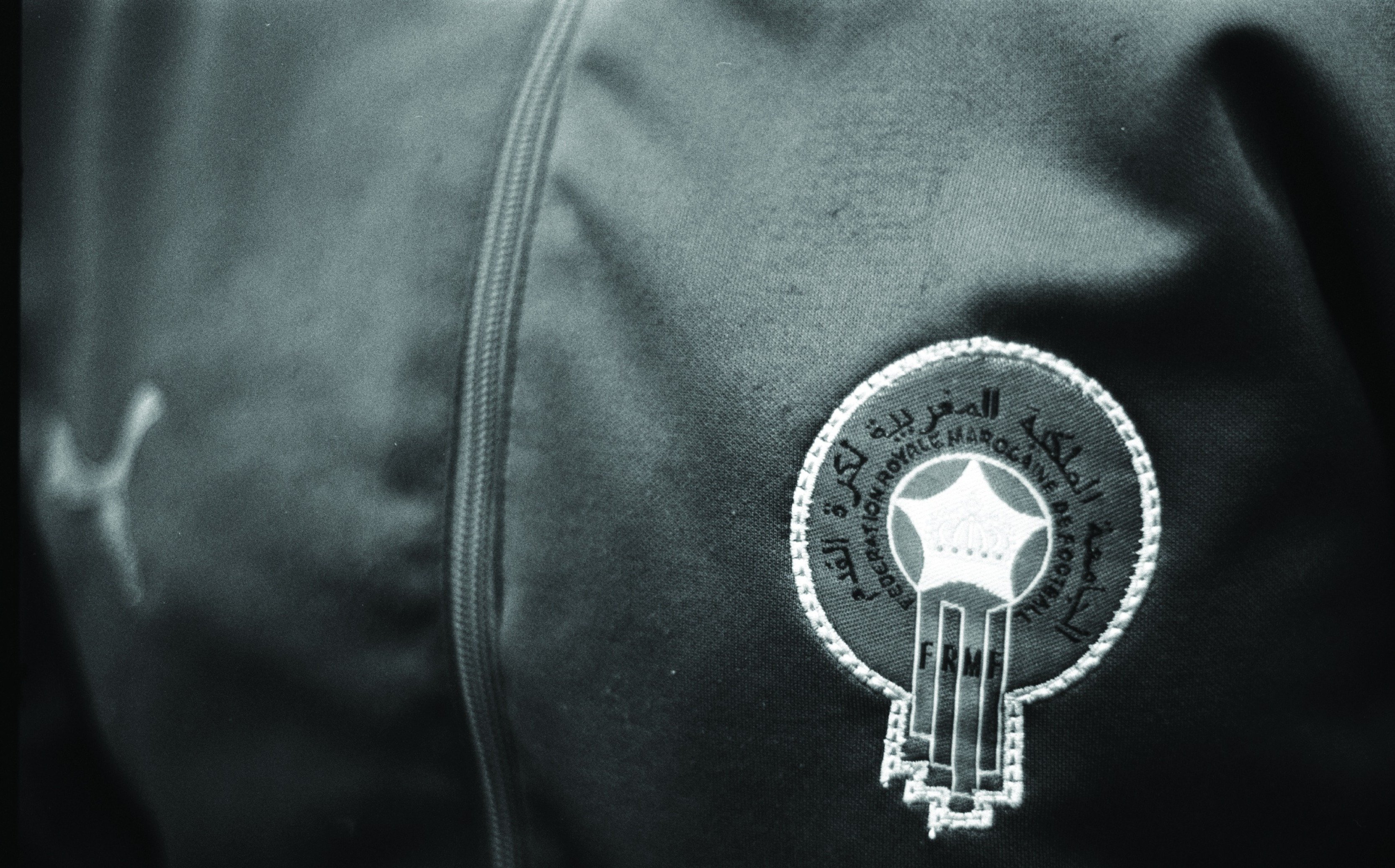
Then they took photographs, on film and digital: clasped hands, fists brought together, the word “égalité” (equality) written across their fingers, hand-drawn flags, portraits in pairs or in groups in the schoolyard. Each of them also wrote what racism means to them. Three panels per school bring these images and texts together.
the writing
what racism means
Before taking photographs, each student wrote their own definition of racism. The texts were placed on the panels, next to the images, just as they were written.
“It should be a source of pride that we don't all look alike.”
“Deep down, whether a lot or not, we all have a slightly racist streak and we have to work on it.”
“Racism is when someone gets criticised all the time for their skin colour, for where they come from, and it very quickly turns into harassment.”
excerpts from texts by students at the Gustave Courbet, Lavoisier and Jacques Prévert secondary schools
photographs: students at Lavoisier secondary school and the mOst team
the exhibition
four schools, wall by wall
For each school, three panels: the students' photographs and, on one of them, their texts.
wall 01Lavoisier secondary school, Pantin
“Racism is racial discrimination. It means putting one religion, one skin colour forward and putting others down, by forbidding them certain things, by mocking them, by belittling them. There are several kinds of racism, like the one against religions, as with Muslims, against skin colour, as with Black people, or against people's origins. We must not let racism slide. It has to be punished. If someone is a victim of racism, we must not ignore it but help. Racism can affect a lot of people. It can cause unease, sadness and many other things. Racism is not normal, nor usual, but it is often there. Deep down, whether a lot or not, we all have a slightly racist streak and we have to work on it.”
“Racism is a form of discrimination. You find it everywhere, in different ways (insults, beatings, police stops, being refused a job, a home, etc.). People who commit racist acts are breaking the law. The choice of punishment is subjective: sending them to prison or giving them a moral lesson on the spot. The two are different but both important. Explaining why racism is a bad thing is extremely important. But punishing these acts so that they are regretted also matters. Racism can lower self-esteem. You can become racist because of the people you spend time with, your friends and your family. So it is important to explain it to the youngest and to the oldest.”
“Racism is a form of discrimination punished by law and an ideology that considers one race inferior to another. It means rejecting someone because they don't have the same origins or the same skin colour. It can be any form of violence (racism is violence): verbal, psychological and physical. In my view, racism is a form of violence that can be very dangerous and can lead to inhuman and shocking things like slavery and genocide. Racism absolutely has to stop.”
wall 02Lavoisier secondary school, Pantin
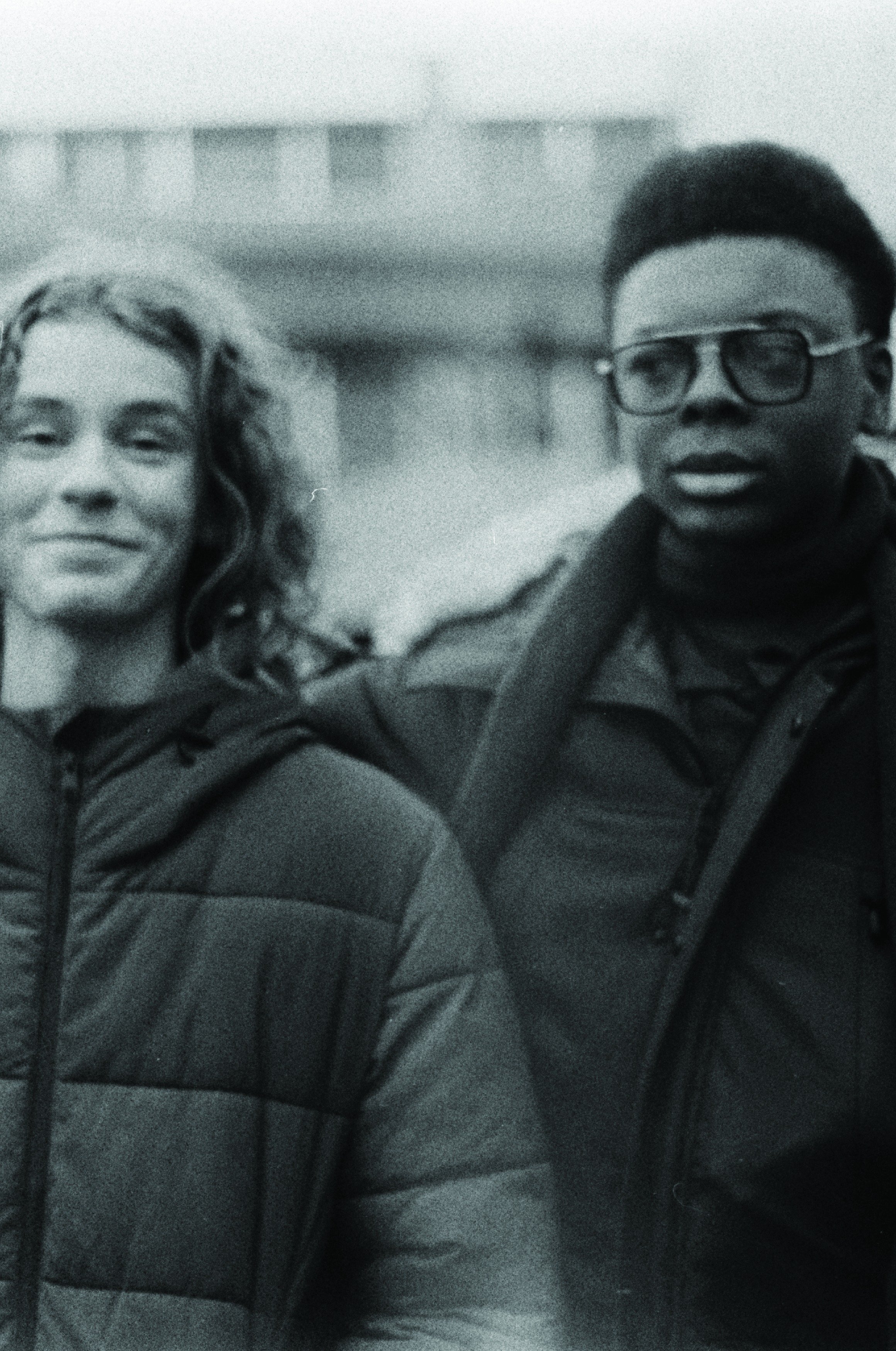
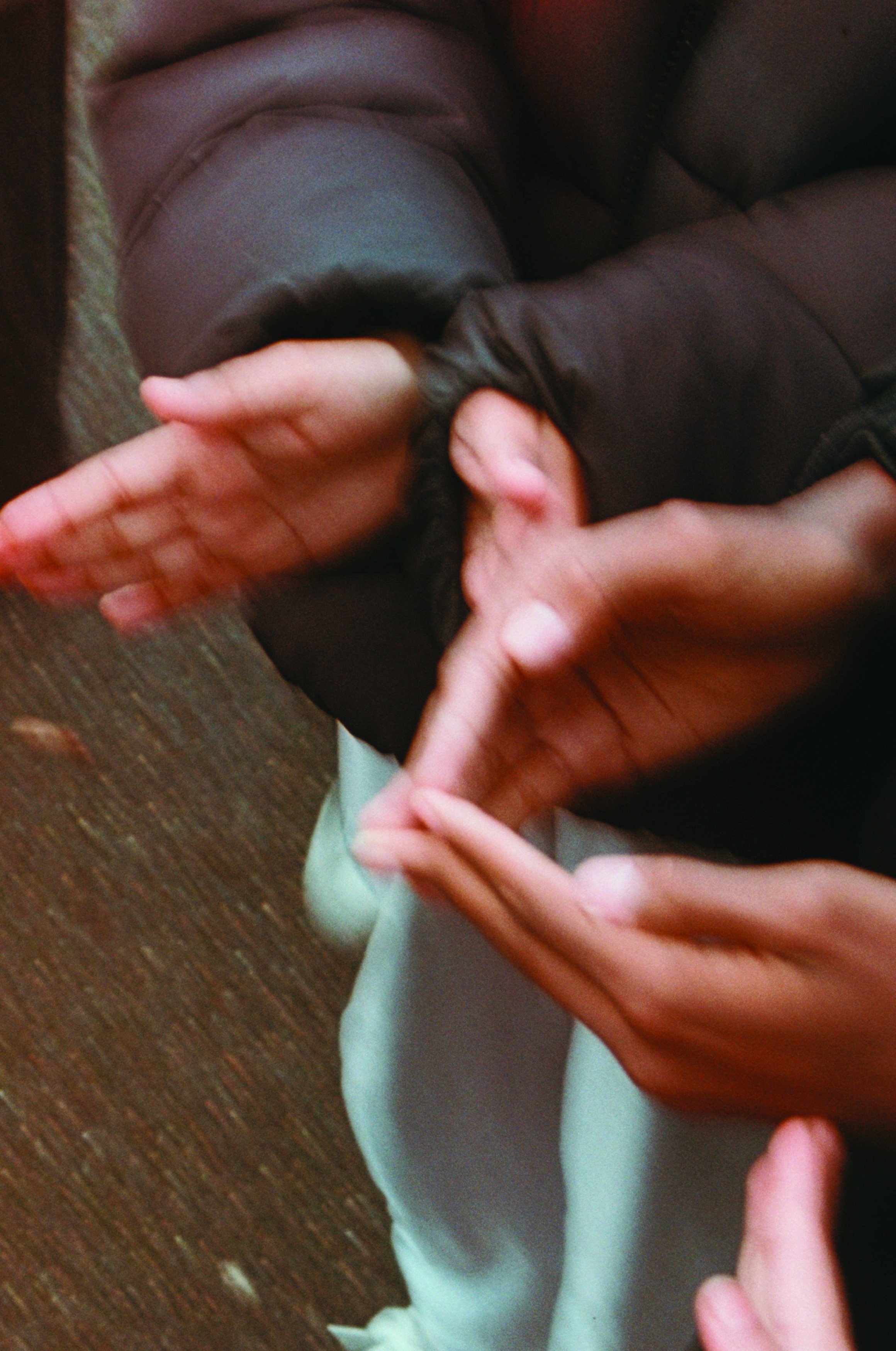
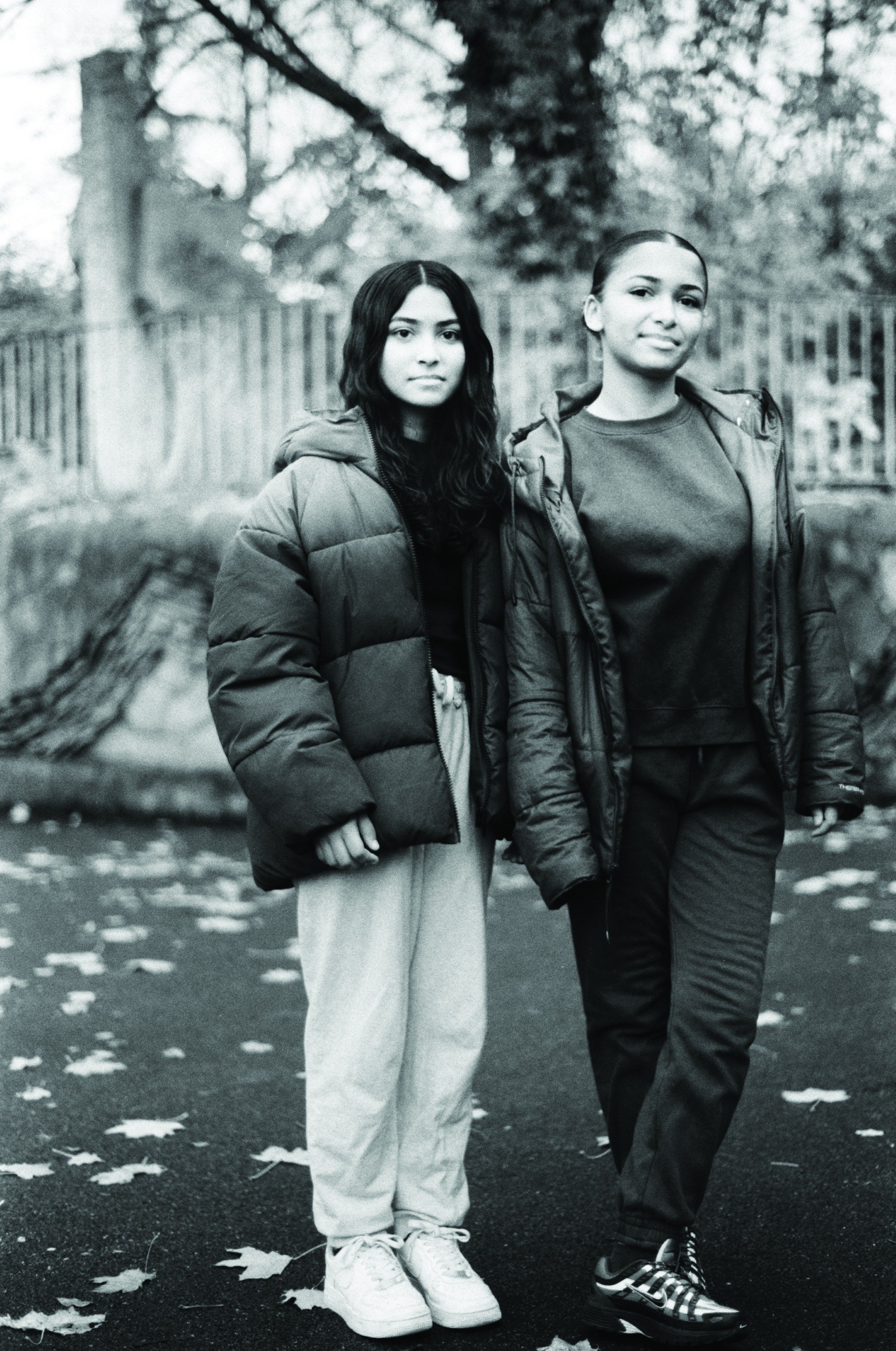
wall 03Lavoisier secondary school, Pantin
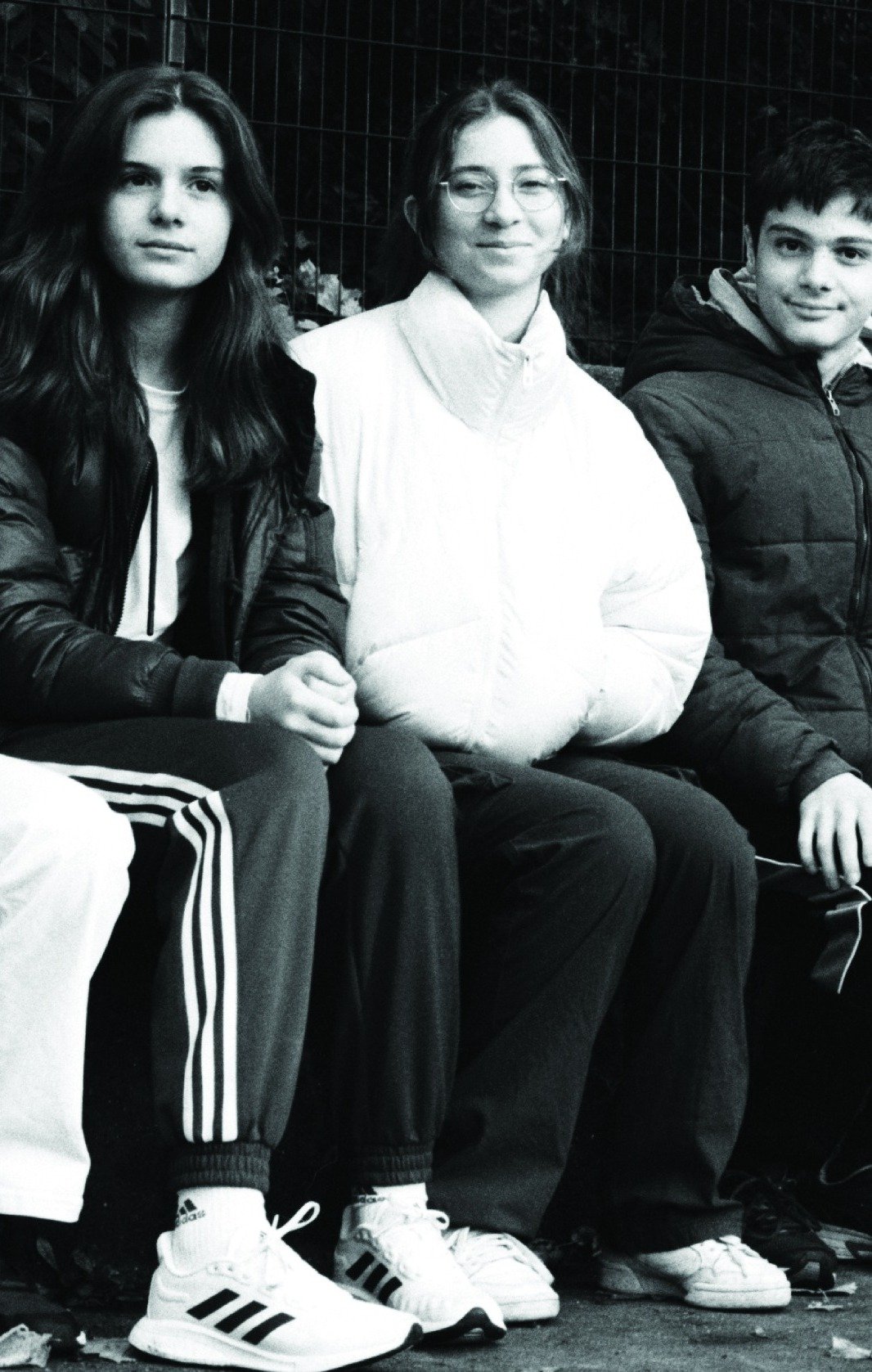
wall 04Gustave Courbet secondary school, Romainville
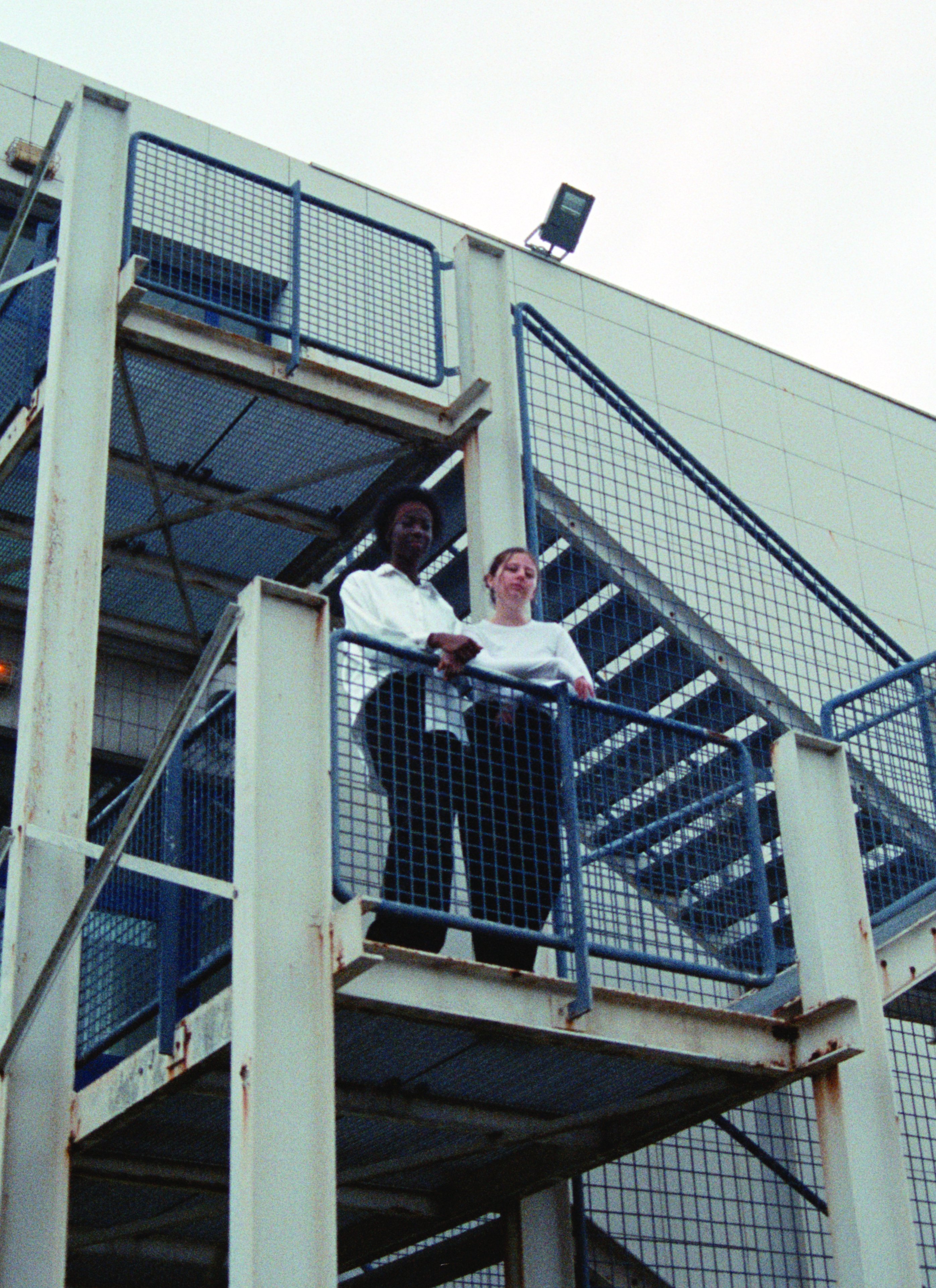
“Racism takes many forms, whether in a person's words, actions or thoughts. It can hurt someone, especially if they are criticised for their religion or their origins. It can mean excluding a person or a group of people from society. They can be pushed aside because of their skin colour, or even their opinions. Generally, in the countries concerned, the person doesn't have the same rights in society. In my view, racism shouldn't exist, because everyone is human and everyone has the right to their origins. We have the right to be different and to have the same rights as everyone else.”
“For me, racism is a form of violence. It's judging someone by their origins, their skin colour or their religion. Some people think that because there are differences, we shouldn't all have the same rights. From my point of view, you can't reject someone for that, when it should be a source of pride that we don't all look alike. Racism can really hurt someone and even make them lose confidence. We are all human and nobody deserves to be rejected for being different.”
“In my view, it's sad that racism is still around today. It shows how much people don't want to change their way of thinking. Racism is discriminating against someone for no reason at all, simply because they have a different culture or different origins.”
wall 05Gustave Courbet secondary school, Romainville
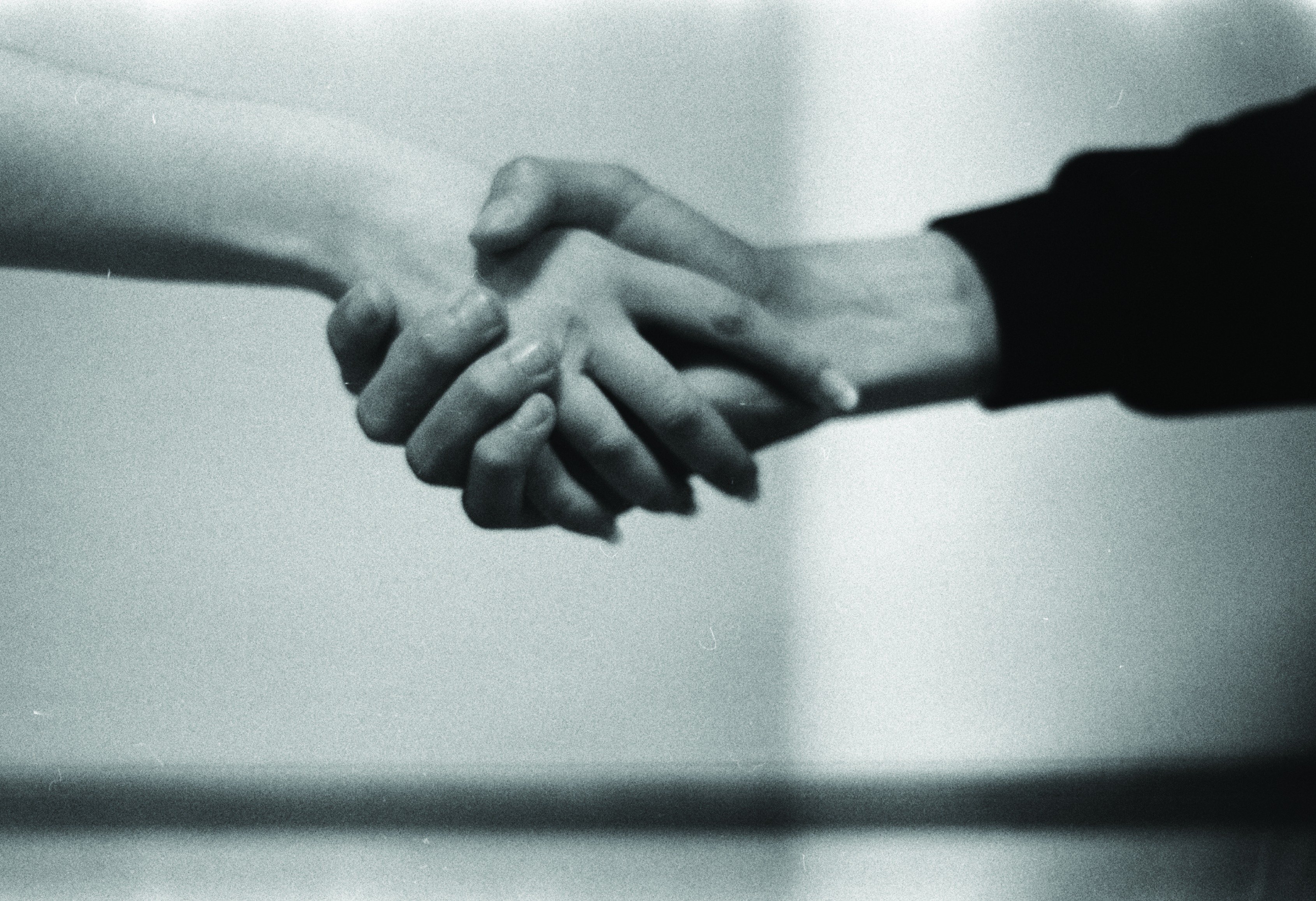
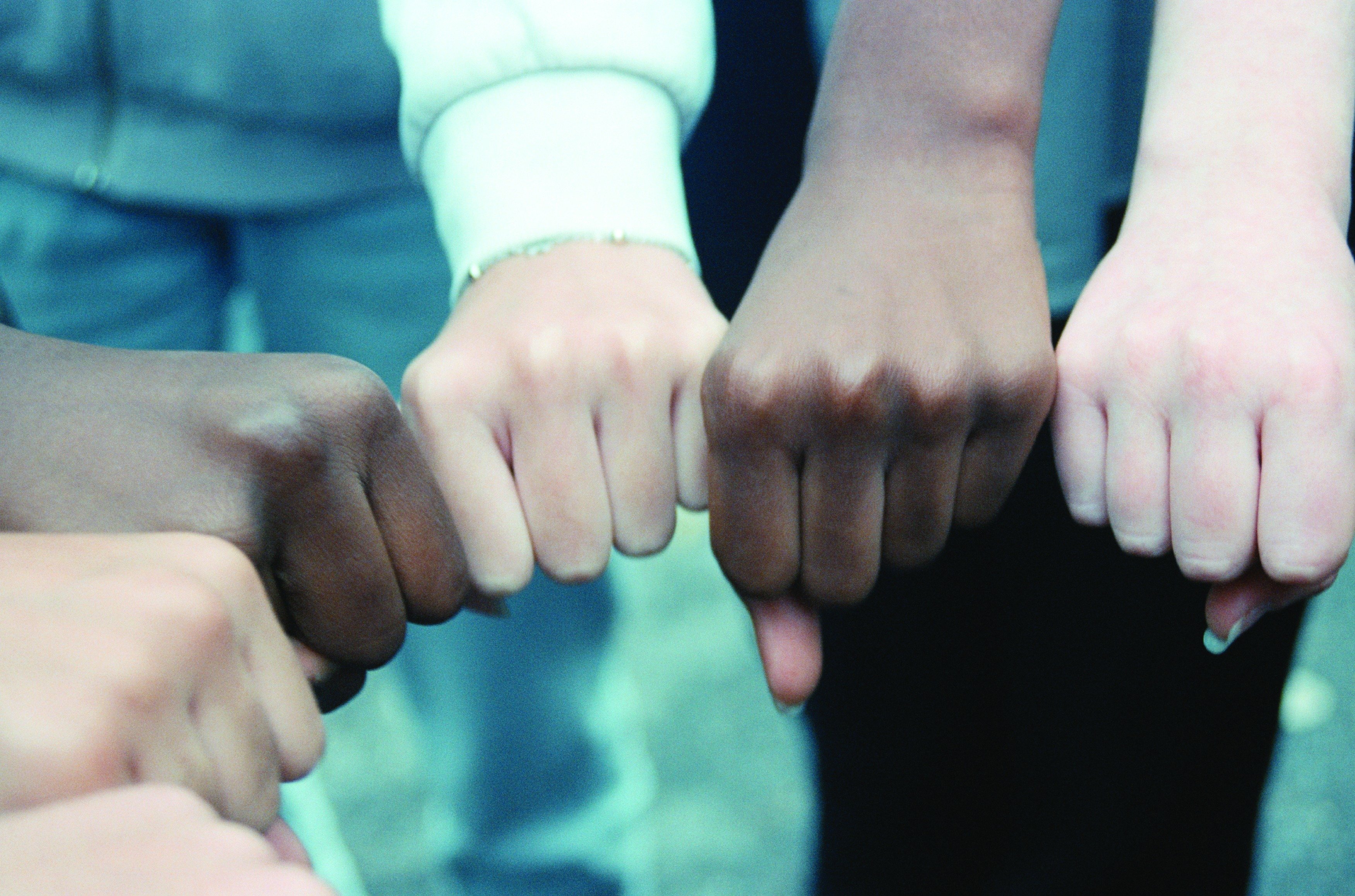
wall 06Gustave Courbet secondary school, Romainville
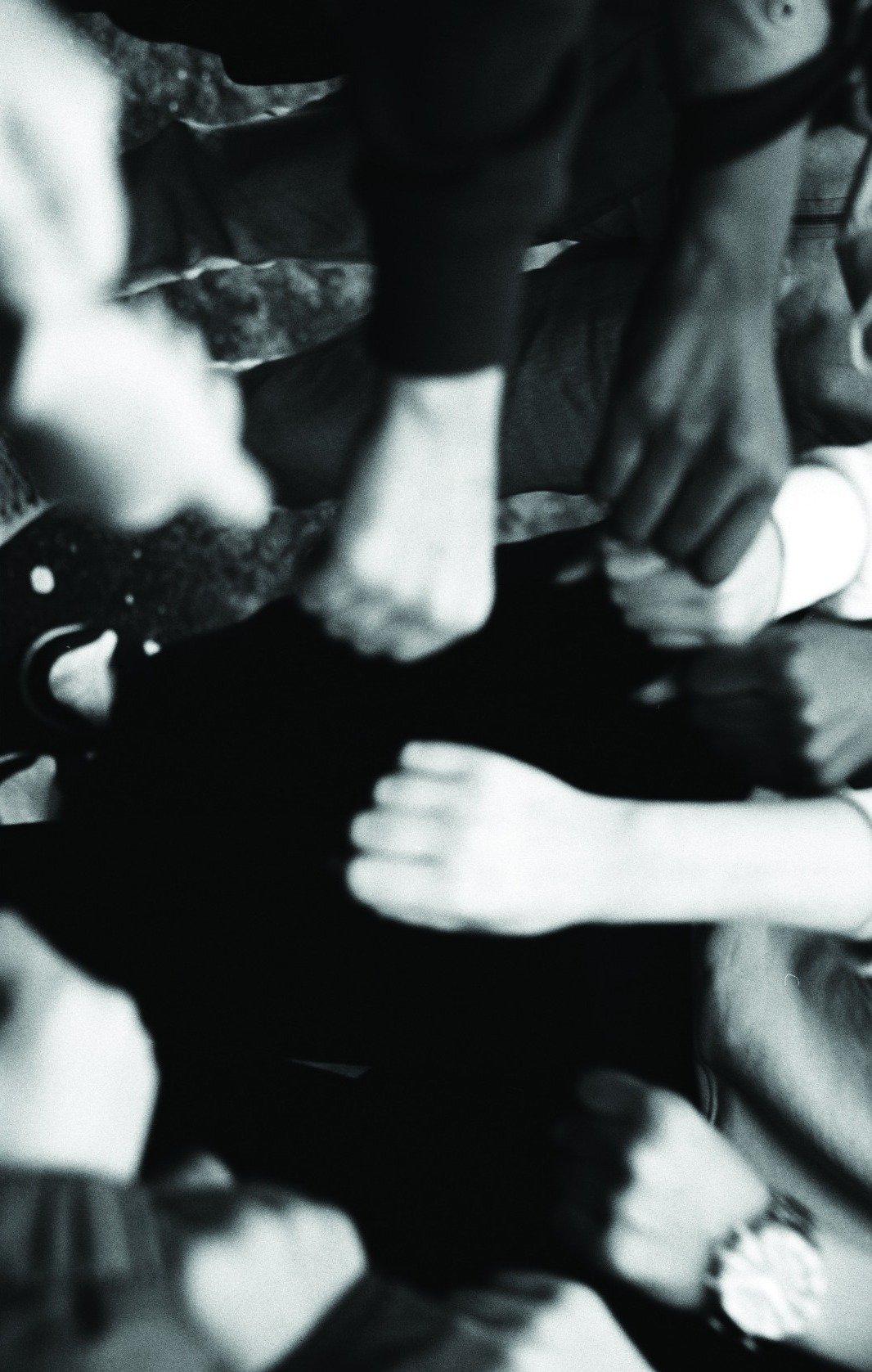
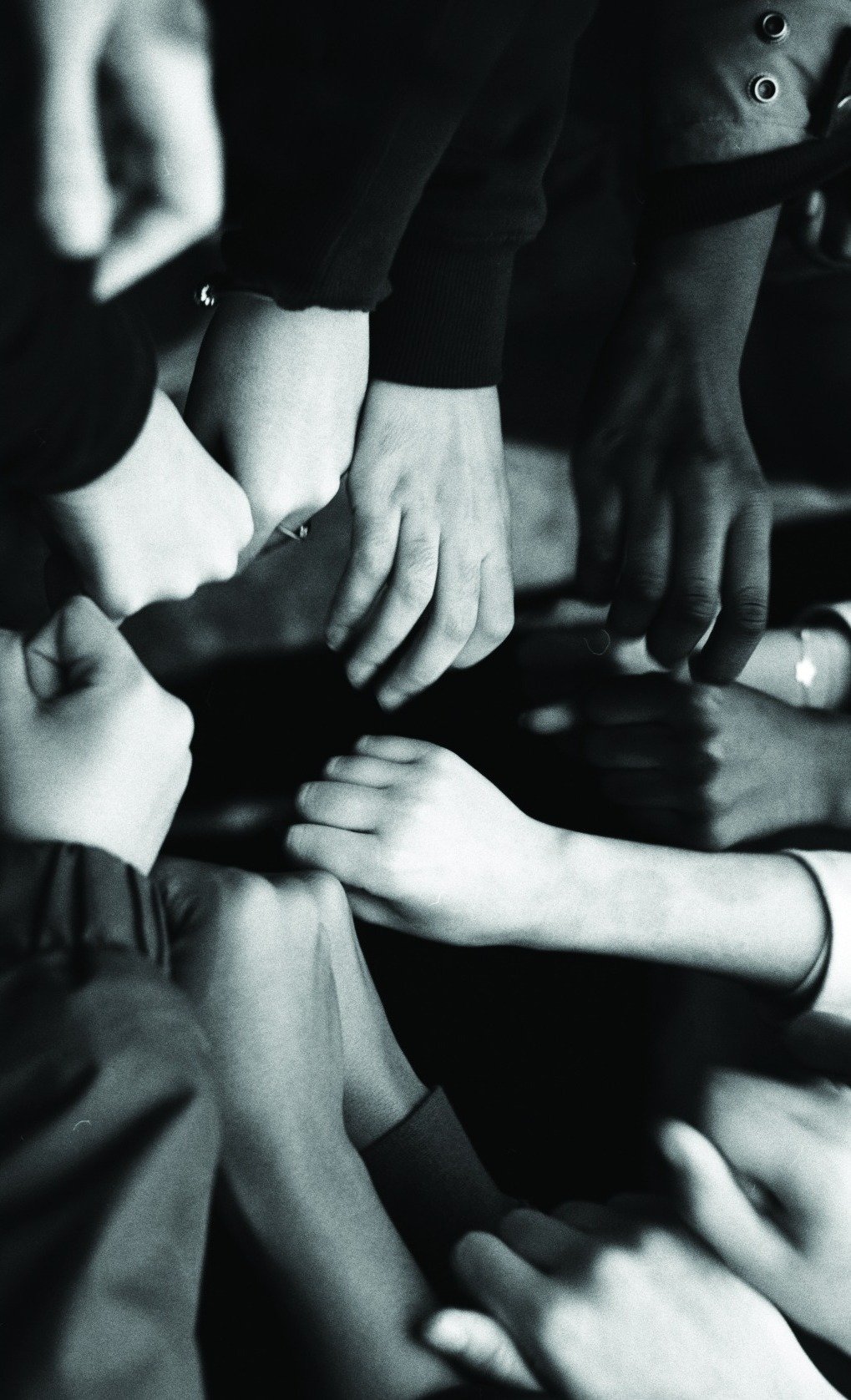
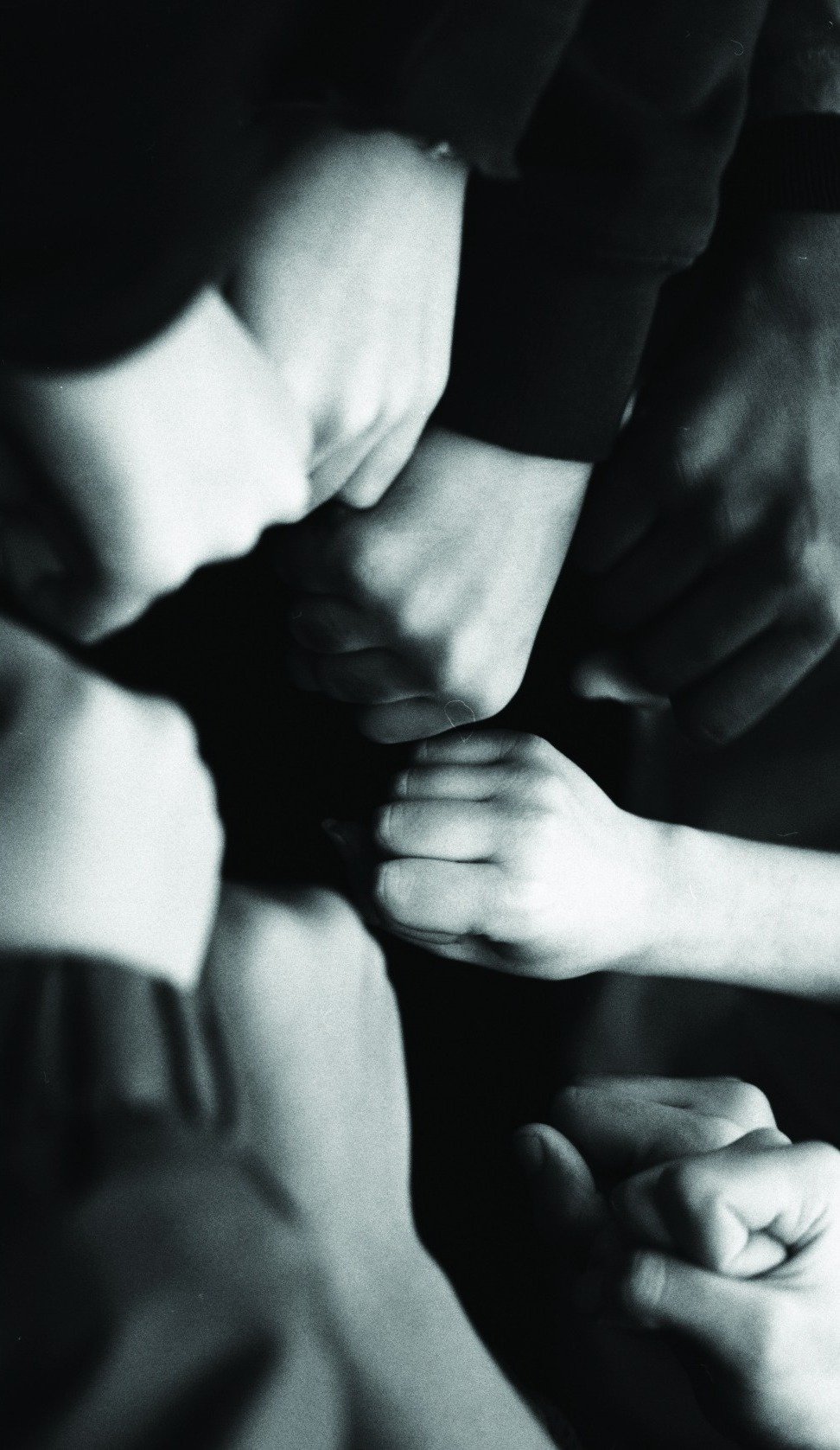
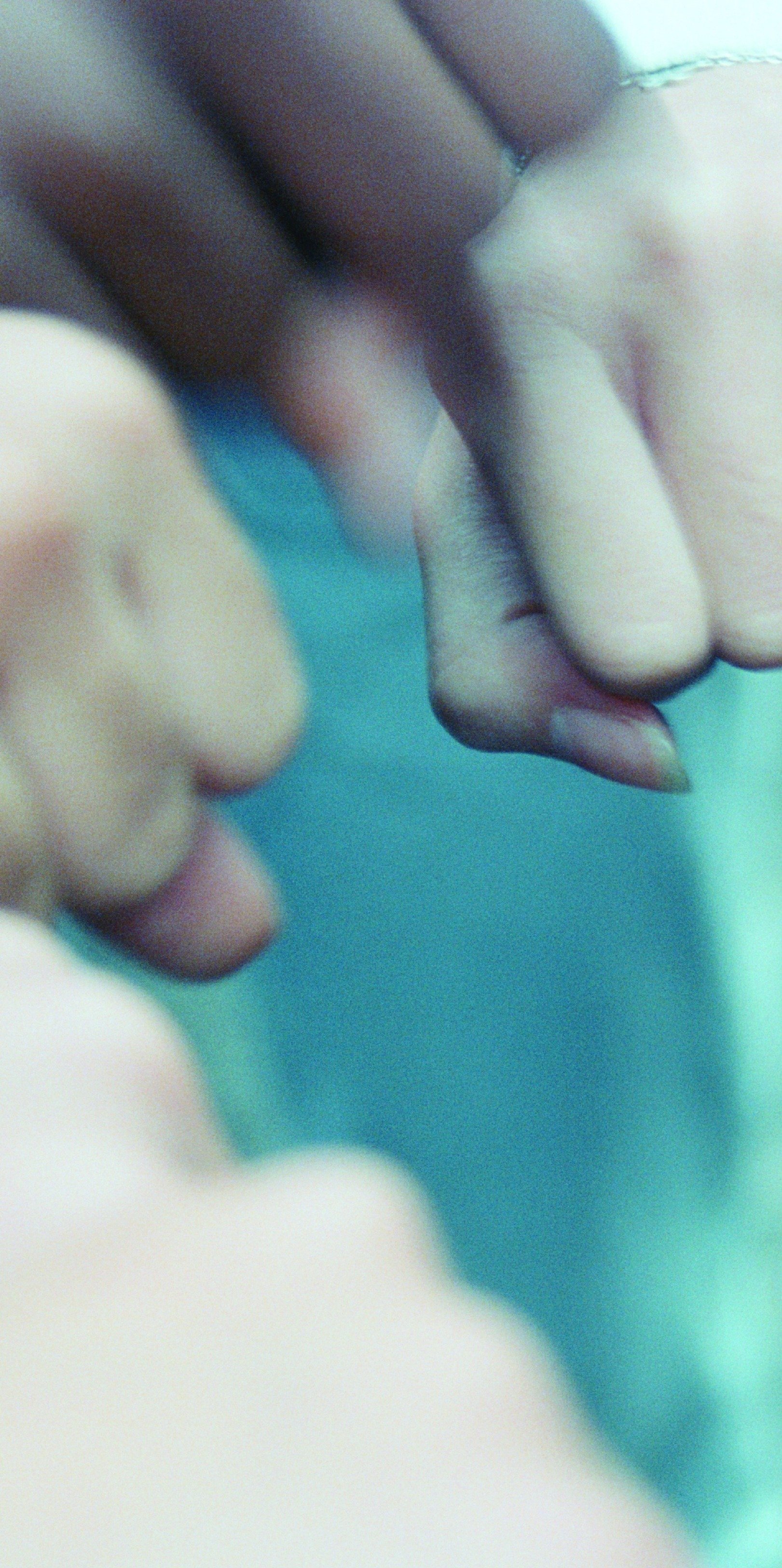

wall 07Jacques Prévert secondary school, Noisy-le-Grand
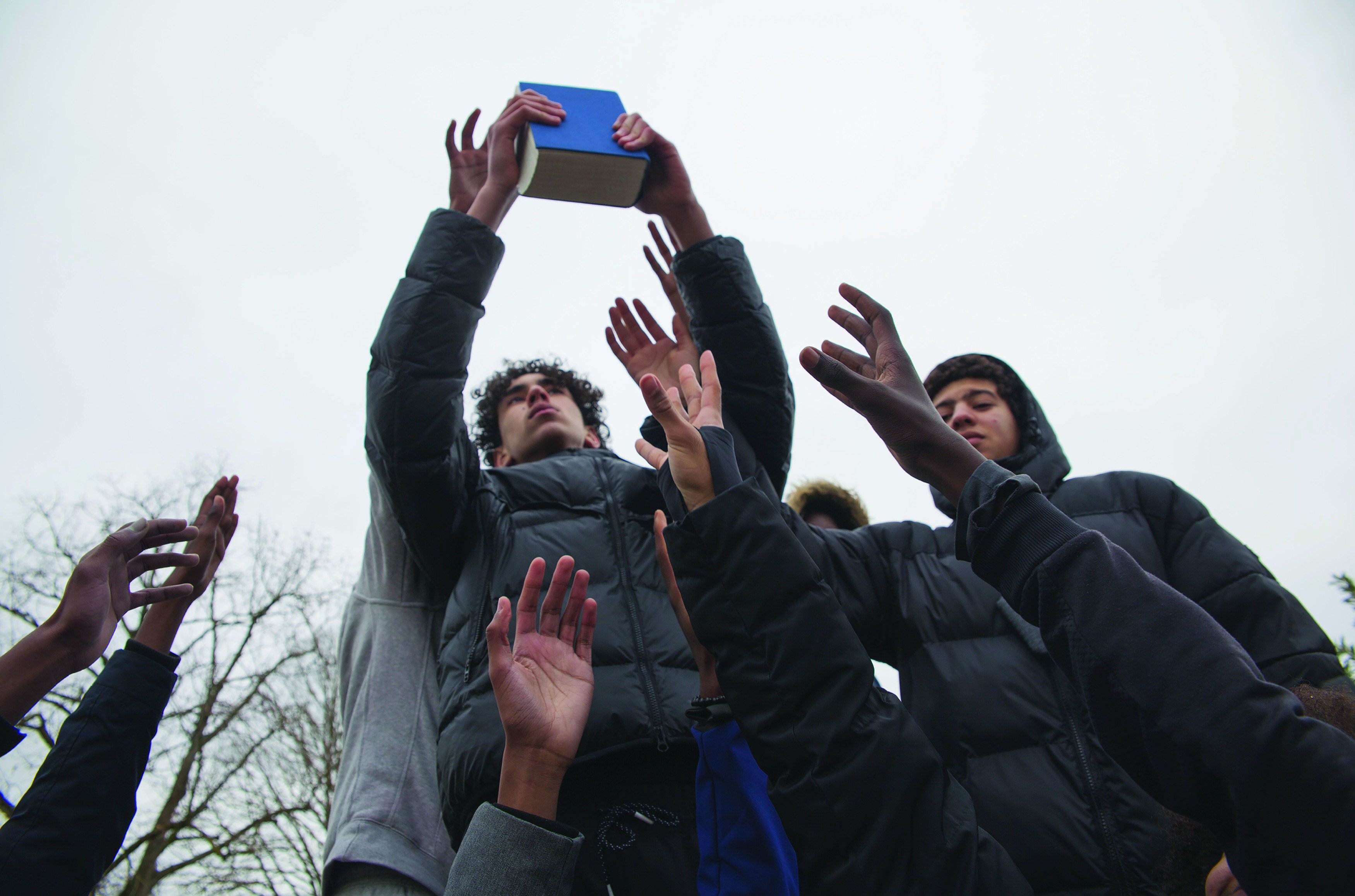
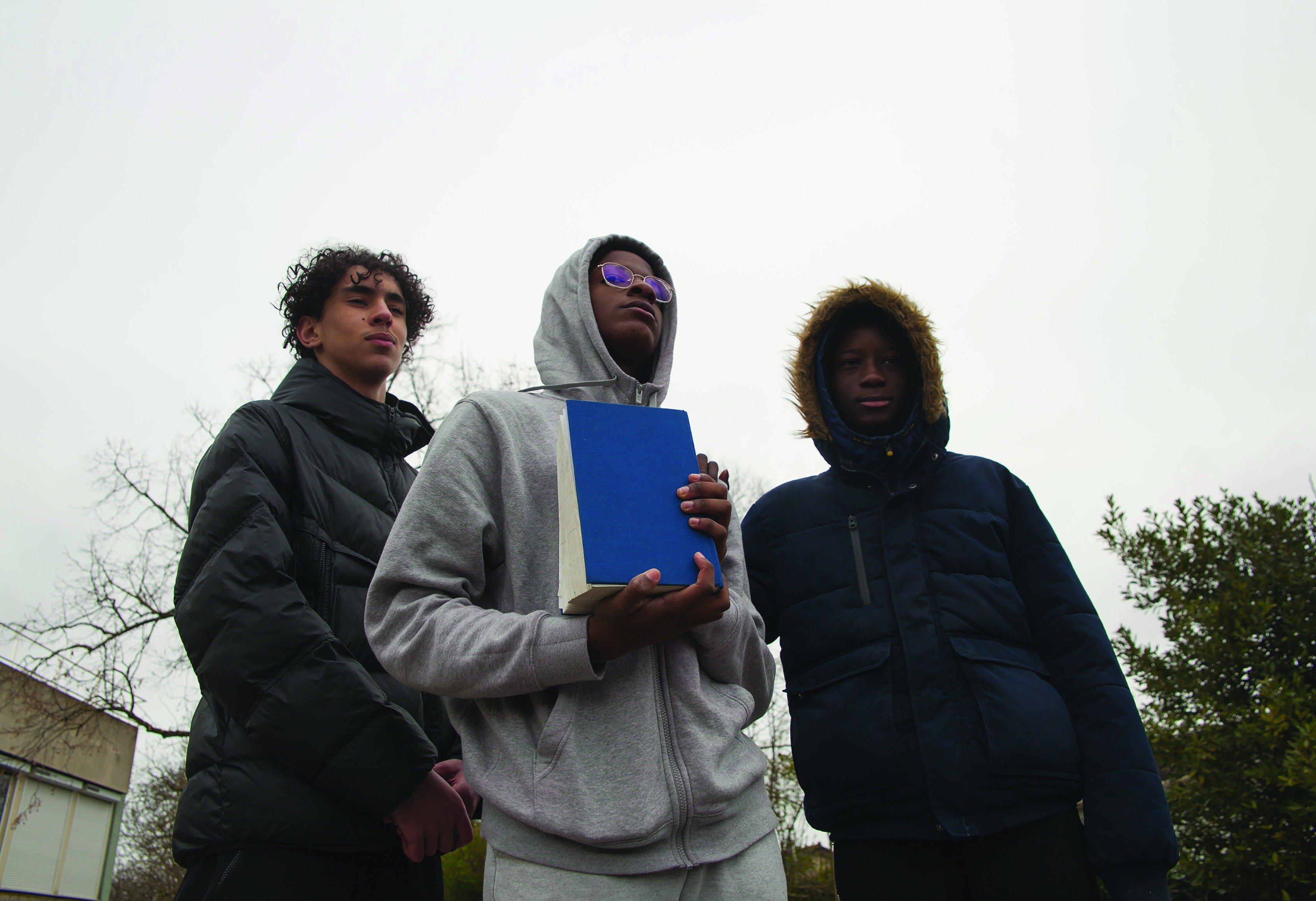
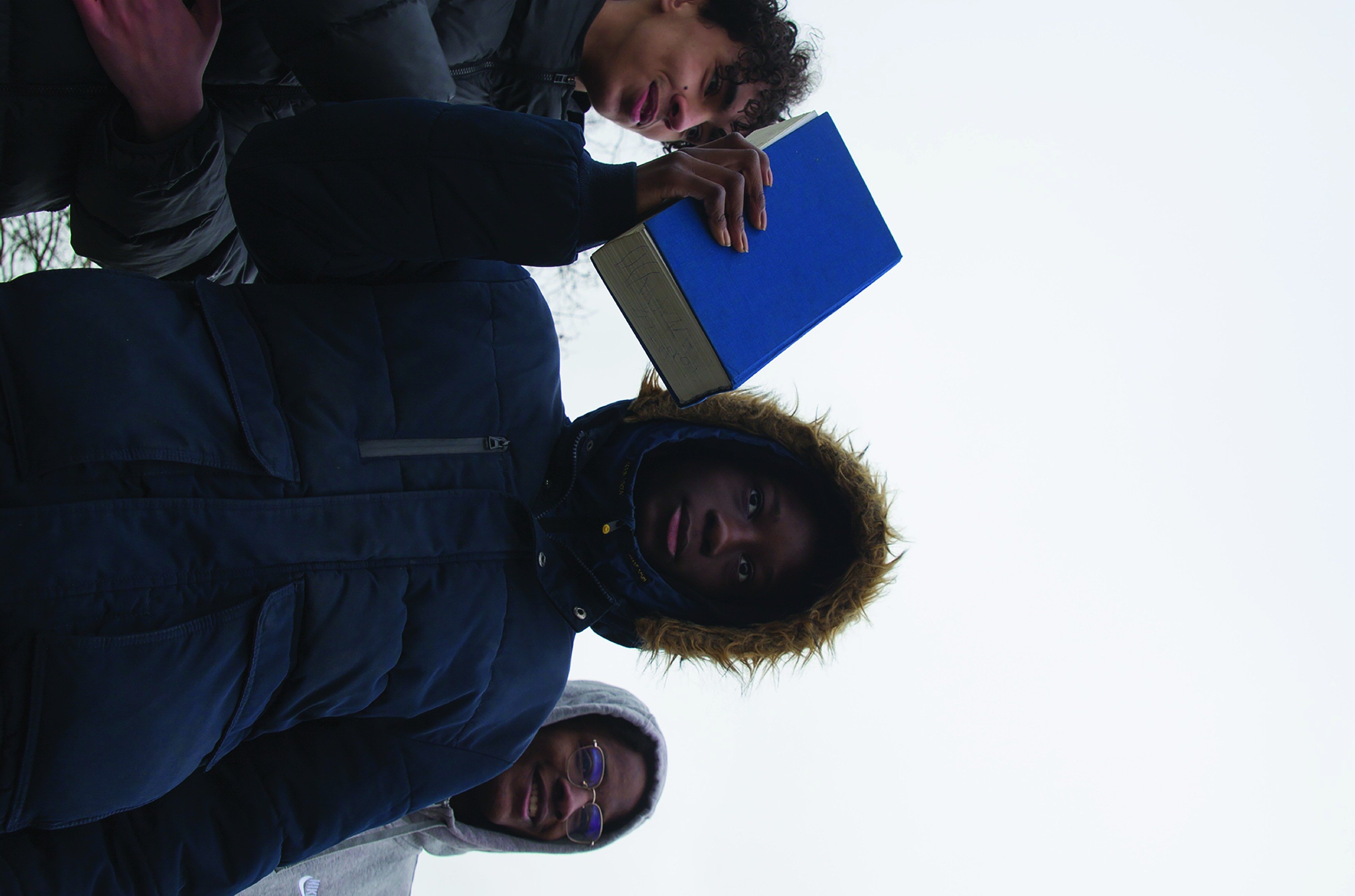
wall 08Jacques Prévert secondary school, Noisy-le-Grand
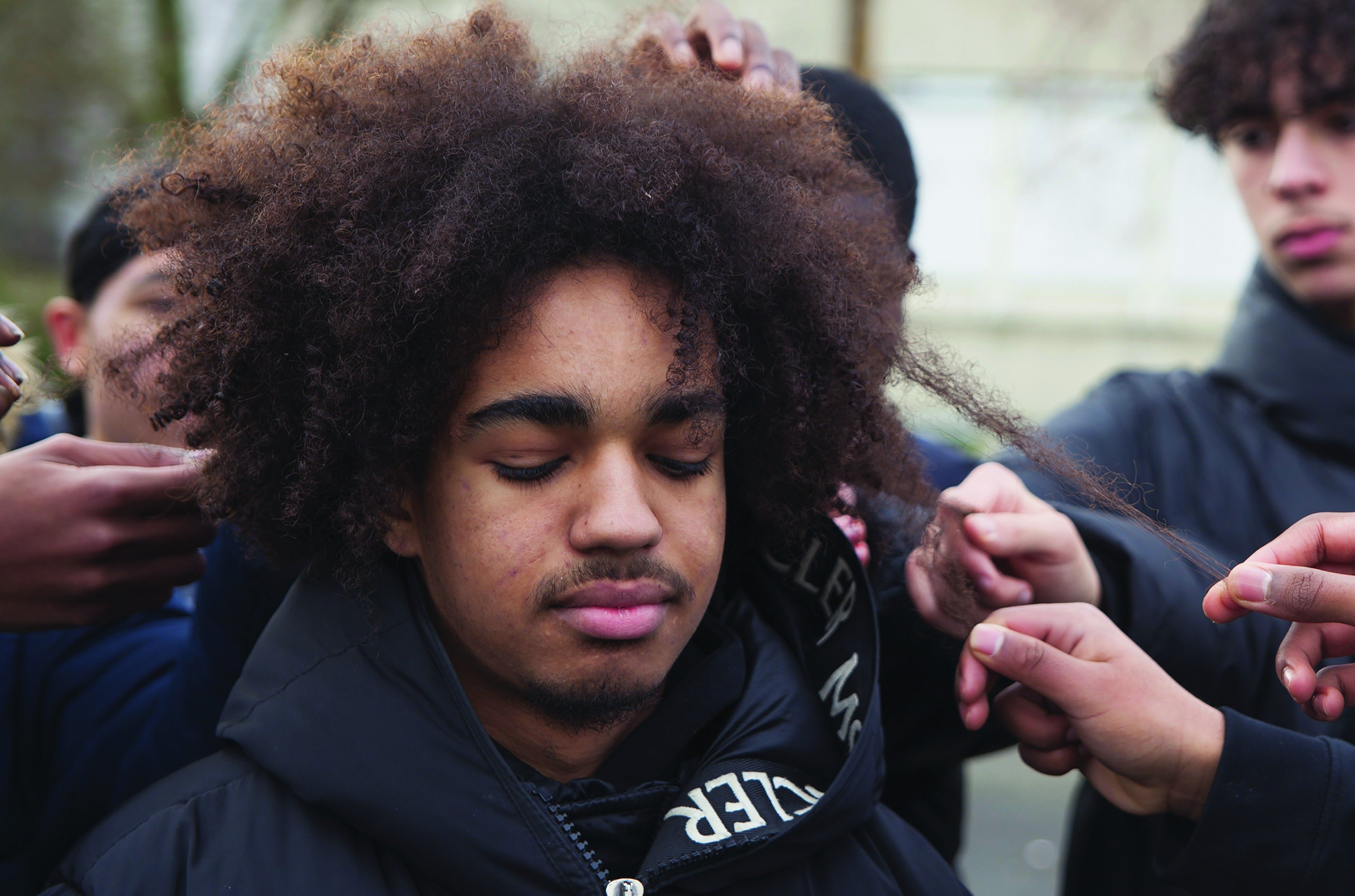
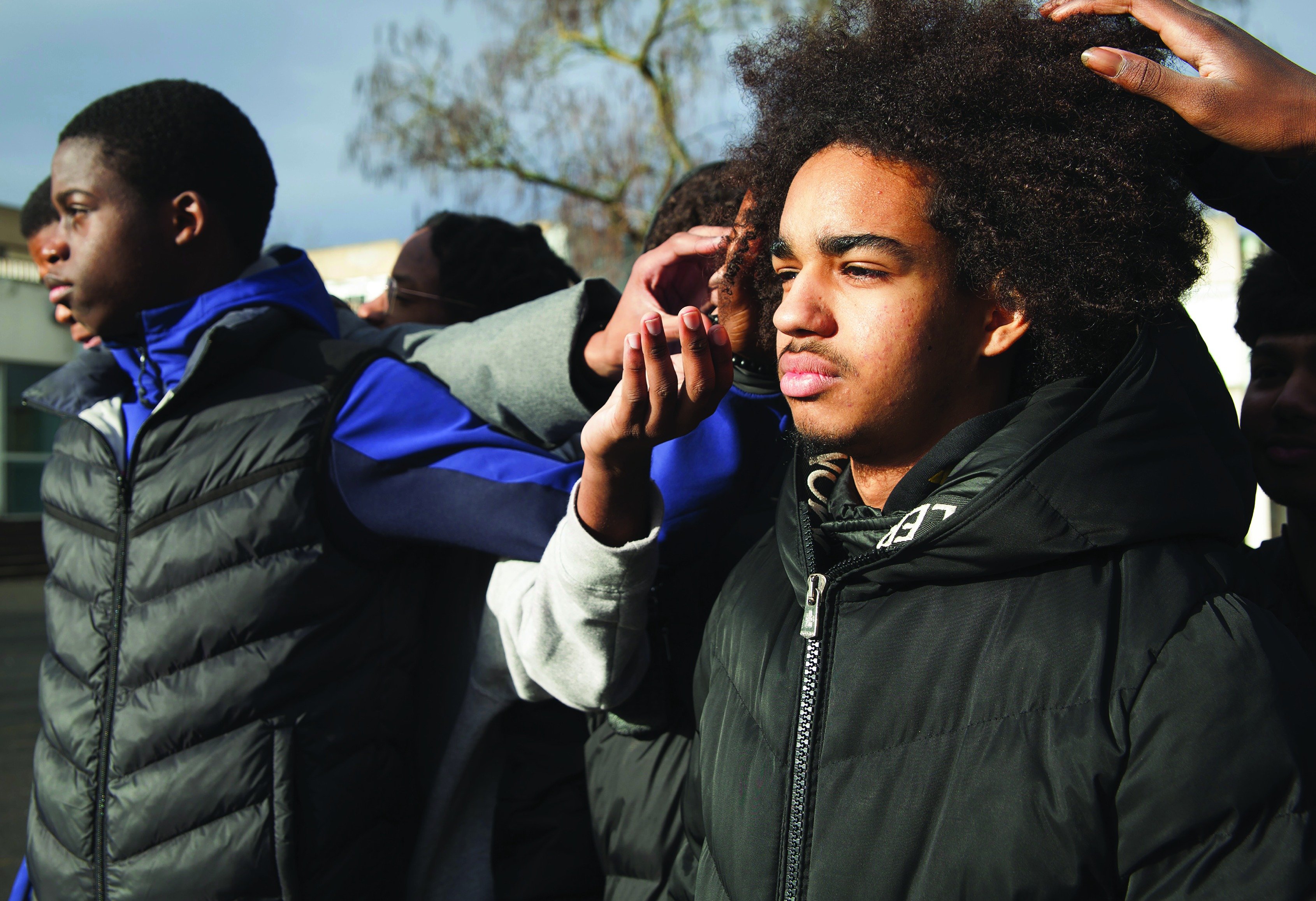
“Race-based racism, in some people, means judging certain ‘races’ as inferior to others. They define ‘races’ by colour or by origins. For example, the colonists thought they were superior to Black people and gave them names like ‘nègre’ or ‘bamboula’; they forced them to work for them, mistreating them and not even considering them human. Even after slavery was abolished, racism was still there with racial segregation, when Black people did not have the same rights.”
“Racism is when someone gets criticised all the time for their skin colour, for where they come from, and it very quickly turns into harassment. Racism is, for example, when someone is Black and gets criticised for it. Racism is also an attitude of discriminating against or treating a person or a group of people differently because of their race. It can include prejudice or unfair behaviour towards certain people.”
“What is racism? For me, racism is rejecting someone because of their colour, their religion or their origins. When someone says racism, I think of Black people, because they are a people who were enslaved and suffered a great deal. When someone says racism, I think of the police officers who keep on killing our brothers, our sisters, our friends. When someone says racism, I think of people who are underpaid for their work.”
wall 09Jacques Prévert secondary school, Noisy-le-Grand
wall 10Théodore Monod secondary school, Gagny

wall 11Théodore Monod secondary school, Gagny
photographs and texts: students at the Lavoisier, Gustave Courbet, Jacques Prévert and Théodore Monod secondary schools, with the mOst team