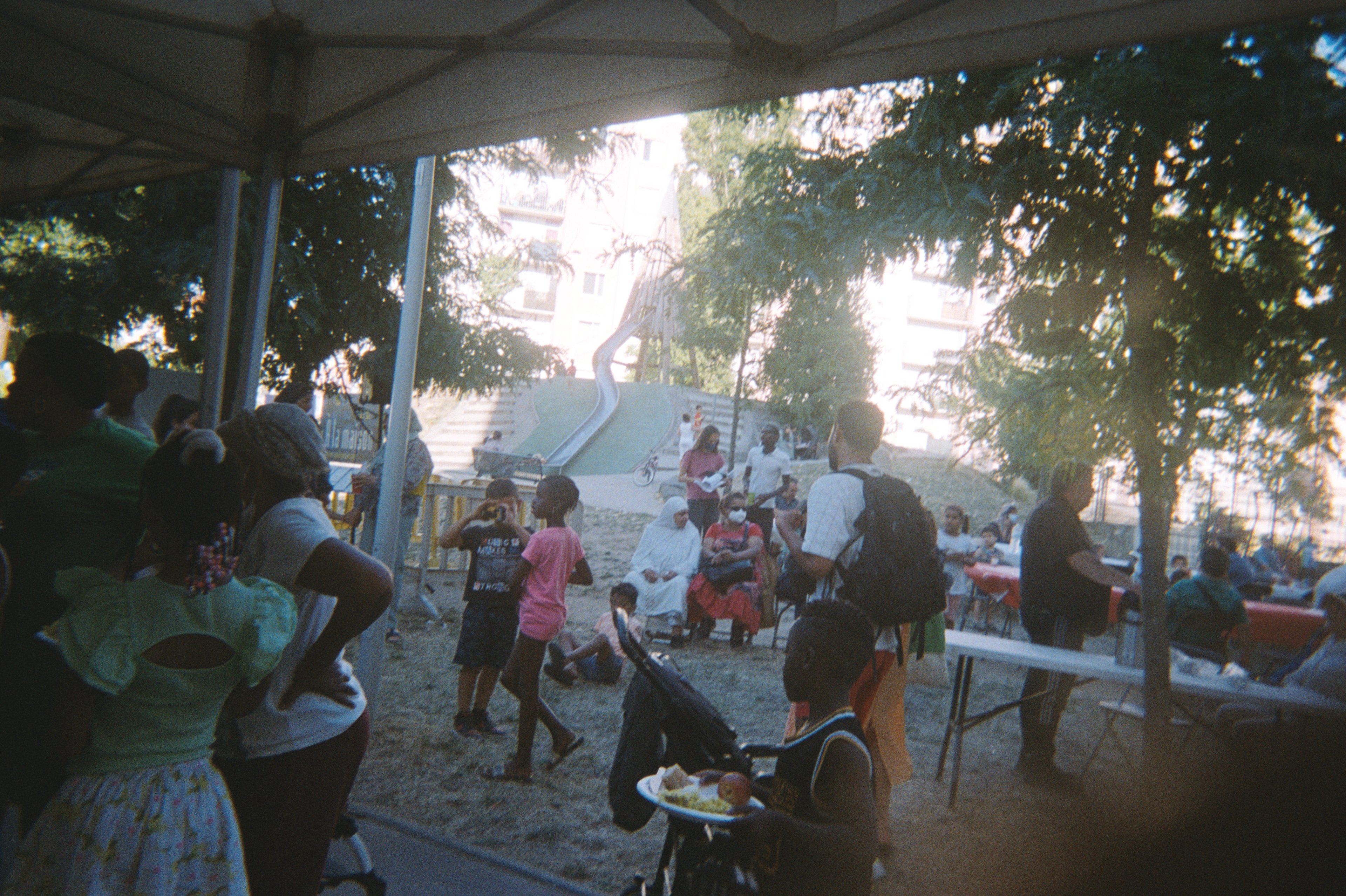
2022nanterrePetit Nanterrefrance
le petit nanterre avant/maintenant
The youngest photograph their neighborhood and caption it; longtime residents tell its story, from the 1960s to today, in fourteen accounts to listen to through QR codes.
- formats
- mediums
- place
- nanterre · Petit Nanterre
- partners
- Zy’Va
- public presentation
- Multimedia exhibition in public space, opening walk.
In 2022, with Zy’Va, the children of the Petit Nanterre went around their neighborhood camera in hand, from the Canibouts to the Pâquerettes: the places, the people who live there, their loved ones, and what each place means to them. A few grown-ups took photos too.
Opposite them, longtime residents told what the neighborhood was like decades ago, from the memory of the Potagers to that of the Marguerites: the shantytowns, the rag-and-bone grandfather, the ice cream sellers, the coal-fired bakery, the market, the parties. Fourteen accounts, which visitors listened to in the exhibition by scanning QR codes.
An exhibition where generations meet: here, several generations tell each other about the neighborhood as they see it, as they live it and as they lived it.
before/14 voices/21 minutes
the voices of petit nanterre
Fourteen memories told by longtime residents: the rag-and-bone grandfather, the shantytowns, the ice cream sellers, the coal-fired bakery, the market, the phone booths, the parties of the old days. In the exhibition, visitors listened to them by scanning the QR codes placed next to the children’s photos. Here, you can listen to them one after another, and read them.
my grandfather already lived in nanterre!
0:00 / 0:51“My grandfather was a biffin, a rag-and-bone man.”
If I came to Nanterre, it was to see my grandfather, my uncles and my aunts.
So you came before you lived here?
Yes, yes. I was born in the sixties.
My father lived in Nanterre, on rue des Acacias.
My father’s whole family… My grandfather was a biffin, a rag-and-bone man. He collected rags to feed his family. He lived in this area, and he worked here too.
the shantytowns and the algerian war
0:00 / 1:39“I want to earn my own money.”
There were no toilets, you had to go outside. No water to wash, no electricity. There was nothing.
The Algerian war… Those who were killed, thrown into the Seine. At the time, it traumatized my mother. It traumatized me.
My father worked at the Seine paper mill, where the mosque is now. He wasn’t allowed out, but he had to go to work, otherwise the boss would fire him.
There are good memories and bad ones. The good memory is that they all stuck together. Social workers came to help them, university students for those who wanted to learn French.
My mother wanted to learn. My father didn’t let her.
She told me: my daughter, back then, it was that housewife mentality. He would say: no, you don’t work, I give you money. And she: I want to earn my own money.
the little blue berets, nanterre hospital
0:00 / 1:45“We called them the little old men of Nanterre, the little blues.”
Me, I knew the little blues, the ones from the war. All in blue.
Did they tell you a bit about their war?
He had his comrades from the war. He had been through the war. Afterwards, he stayed here.
They were people who lived at the Nanterre hospital?
There are still cells from the Gestapo era. I worked there. It used to belong to the Paris préfecture.
All the homeless people were brought to the Nanterre hospital. You don’t see a homeless person on the Champs-Élysées: they were picked up with the bus and brought back here.
And for us, back then, it was the little blue berets, the ones who had fought in the war. They had their glass of wine, but they were respectful: they didn’t throw their bottles on the ground. They lived at the hospital, they were dressed in blue, they had a blue beret. We called them the little old men of Nanterre, the little blues.
They were dressed all in blue. It was nice. Me, I preferred the little old men.
the quatre chemins market
0:00 / 1:54“If you don’t haggle, you’ll never make it.”
It’s true there aren’t enough shops. Here, it was a big market, it went all the way to the edge. I remember going there with my mother: we left at 9 and came back two hours later.
We knew all the shopkeepers. I’d tell my mother: you know everyone! A bond had formed.
My mother used to tell me: if you don’t haggle, you’ll never make it. My stepfather haggled too. We were embarrassed.
Today, you take 50 euros and there’s nothing left. There, you bought fresh produce, it was organic. It was good.
We had seasonal fruit, seasonal vegetables.
Everyone knew everyone, the vendor too.
There was one who sold all the herbs, the mint, all the vegetables. There were the fishmongers, and then the olive seller: my husband bought from him.
the bakery, again!
0:00 / 1:27“He wrote down the name: come and pick them up at such and such a time.”
The bakery? Excellent, very, very good. When I arrived, my wife called it Cochona.
Why did she call it that?
Because it was in the family name, I think.
My wife would say: let’s go to Cochona’s. Me, I was new here, I’d say: but who’s that?
I don’t know his last name. It’s Éric.
And the bread, you said it was very good?
It was very good.
It was coal-fired. And the mothers, the cakes: we didn’t have ovens, so we had them baked at his place. My mother gave me the cakes, I took them over.
The mothers got together, made the cakes, and we took them over. He wrote down the name: come and pick them up at such and such a time. That was nice.
the bread from cochona’s and social media
0:00 / 0:44“We didn’t have cell phones, we talked to each other.”
The bread was coal-fired. When you saw the husband, you didn’t feel like eating the bread… but the bread was good! It was good. Bread like that, so good.
They never knew that. We were happy with that.
Social media, we didn’t have. We didn’t have cell phones, we talked to each other. Today, even the kids text me: what’s for dinner?
the chatterbox (the story of the butcher who talked too much)
0:00 / 1:10“You came for one thing, and you stayed three hours chatting.”
Even at the butcher’s: the Chatterbox, the butcher, he was great. We called him the Chatterbox because…
you came for one thing, and you stayed three hours chatting.
Hang on, I’ve got the meat… You come back three hours later!
It was like the bread: it was good. The saucissons, the merguez… Not like today’s sausages, wrapped in plastic.
It was so good! And now there’s nothing left: it’s plastic, you have to cut the thing in half.
And even the merguez, even the bread: they sold aniseed bread, it was good.
That’s why now, I don’t like it.
gilles and antonio, ice cream sellers
0:00 / 2:14“Me, I know the family.”
There were the ice cream sellers. Oh yes, oh yes! Gilles and Antonio.
One day, he told me: your boys got ice creams, and your nieces too. Why do you give them some? He answered: me, I know the family. OK, how much will that be?
It’s true, that doesn’t exist anymore. The ice cream man came to the estates.
I’d forgotten that, it’s coming back to me now. It was nice.
On Saturdays, on Sundays, he even came by on Mondays. In summer, he honked his horn.
It was friendly, so friendly. All the kids ran, even mine.
Antonio, yes, but Gilles was cooler. The kids, he knew the whole estate.
Oh yes, he knew mine too.
My brother says to me: that’s enough, your girls, my boys! He goes to Gilles: why do you give them credit? And Gilles: I know them, they’re family. We give kids credit.
Stories like that, they’re wonderful.
the funfair and the neighborhood party, then and now
0:00 / 2:11“The Nanterre party used to be here.”
When I was young, where the buildings are now, it was open ground. Where the parking lot is, it was a vacant lot.
We had bumper cars, things you had to catch. Singers came. The Valise RTL radio show came, with Foucault.
Every time, it was a party. And before, the neighborhood party was with the school.
The Nanterre party used to be here. And then they said: now the party has to be over there, in the park.
I told them: yes, but we need something in the neighborhood, we’d like to have something in our neighborhood. And that’s when the associations, Zy’Va, the community center, all of them, put on a party, like we used to.
Because not everyone can get all the way to the park. Getting there is badly organized. Before, it was here.
my brother’s wedding
0:00 / 0:54“We laughed, we helped each other. It was joyful, it was spontaneous.”
The last wedding was my brother’s. We asked the préfecture for permission, we asked the houses next door, because after all…
Everyone agreed. We had chairs… The Marguerites are next door, the Canibouts are next door.
On Sunday, you think: that’s it, the wedding is over. Well, no, we were still serving tea!
We laughed, we helped each other. It was joyful, it was spontaneous.
the phone booths and the fountains
0:00 / 1:42“There are good memories and bad ones. We’ll see in ten years.”
Then we had phone booths. Hello?
You had to dial, or press the buttons.
Then they brought in phone cards. But there’s one thing you don’t know: when you put the coins in, you gave it a knock, and all the coins came back out!
With one coin, you could talk for three hours.
There was a fountain over there, across from Aldi, where the physiotherapists are.
When you came back from school, there was the fountain. And when the water was cut off, we filled our bottles.
I remember the fountain. There were fountains everywhere.
There are good memories and bad ones. We’ll see in ten years.
“we used to have fun with nothing, and since then there’s the console and social media”
0:00 / 1:48“Back then, it was a real bond: we got together.”
Before, there was a little stadium, and the kids went sliding on car hoods.
Because, in fact, we were outside. We were outside a lot, and we got together. Whereas now, with phones, everyone’s at home. With social media, you’re at home, and you’re communicating.
Before, there was a real connection. Today, it’s a virtual connection. Back then, it was a real bond: we got together.
He comes home, puts his feet up on the table, and off he goes playing. His son is eight, eight years old after all, and you see, he doesn’t know how to play.
He plays, and he says to me: don’t you want to play? Once, I picked up the DS and played Mario.
We took them out, we went out with them.
Back then, when they went off to summer camp, we bought a phone card. Today, it’s different.
the way we used to be with each other
0:00 / 1:38“Me, I miss the old days.”
For me, what stood out back then was the friendliness, the kindness and the sharing. A lot of sharing, sharing above all.
There’s less communication. Social life was better before.
Why?
Because we all knew each other.
I watched all the kids of the Canibouts grow up, I saw every one of them grow up. It was more like family. We all knew each other.
Now, there’s none of that anymore, knowing people, knowing the neighbors. It doesn’t exist anymore.
Do you think there are fewer ties between people today?
Absolutely.
Those kids are married now, settled down. They were my daughter’s friends: they all went to the Fontaine school. My wife too, at the Fontaine: they came to Nanterre in 1962.
In your view, why are there fewer ties?
I don’t know, maybe it’s society that does that.
Me, I miss the old days. Even the places: when it’s small, people know each other; when it’s bigger, they don’t anymore.
the new housing
0:00 / 1:08“It’s like a Berlin Wall: everyone on their own side.”
The new housing didn’t bring that friendliness, what we had lived before. For me, it leads nowhere. I don’t like it.
At the front, it’s beauty, and behind, it’s a cover-up for the misery.
I said it, even to the mayor: at the front, it’s magnificent. But the funny thing is there’s not even any mix: they stay hidden inside, they don’t come out.
A lady who lives there came to sign up her daughter. We told her: you’re in your ivory tower, you go to work, you come home, and you never come to see the residents. It’s like a Berlin Wall: everyone on their own side.
Because that’s homeownership housing.
Words of Petit Nanterre residents, recorded in 2022 with Zy’Va for the exhibition.
now
the neighborhood, wall by wall
The photographs by the children of the Petit Nanterre, and by a few grown-ups, with the titles and words they wrote for the exhibition banners.
wall 01
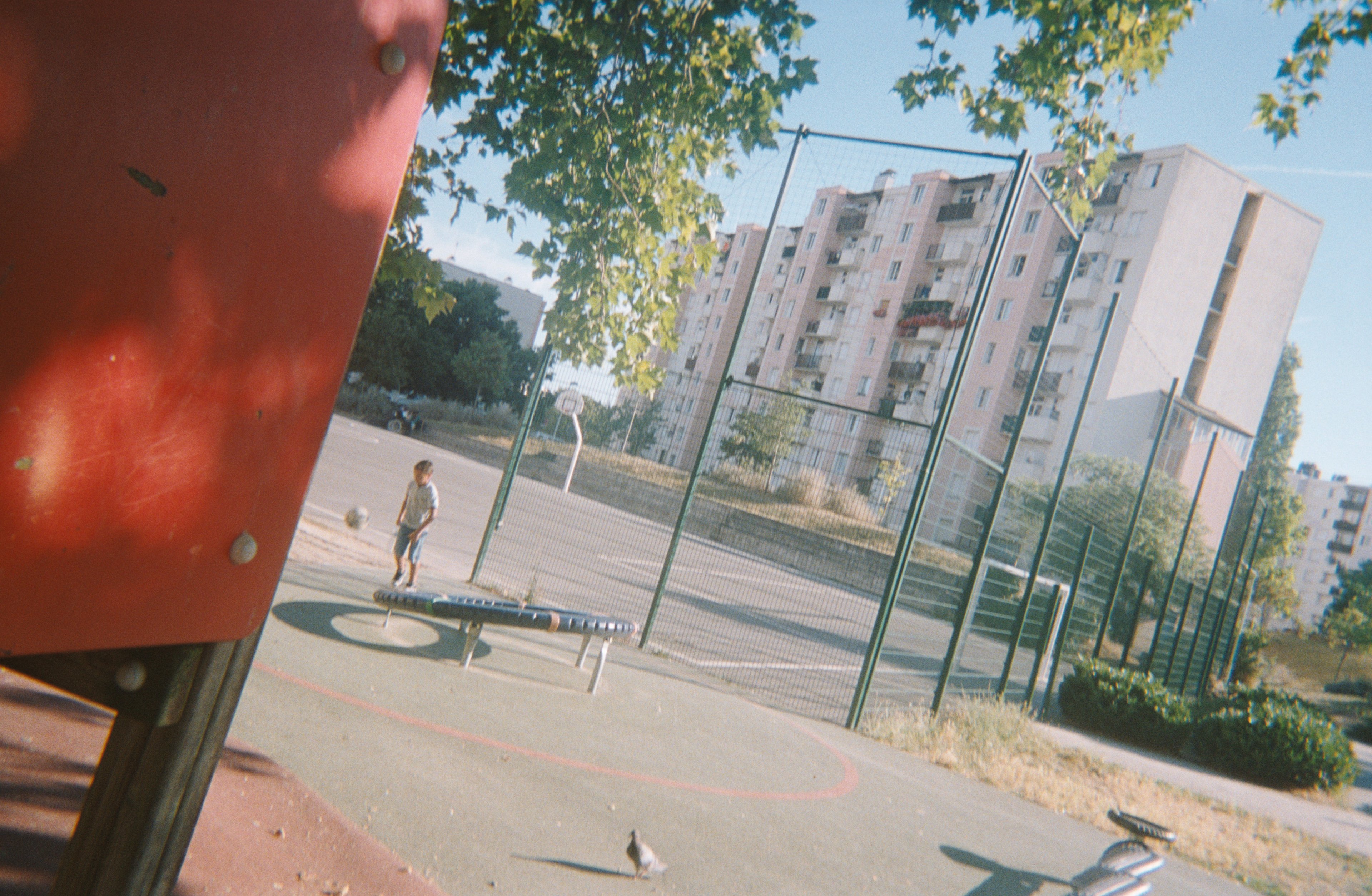
Mon quartier
In my neighborhood, there are houses, associations, buildings, shops and markets.
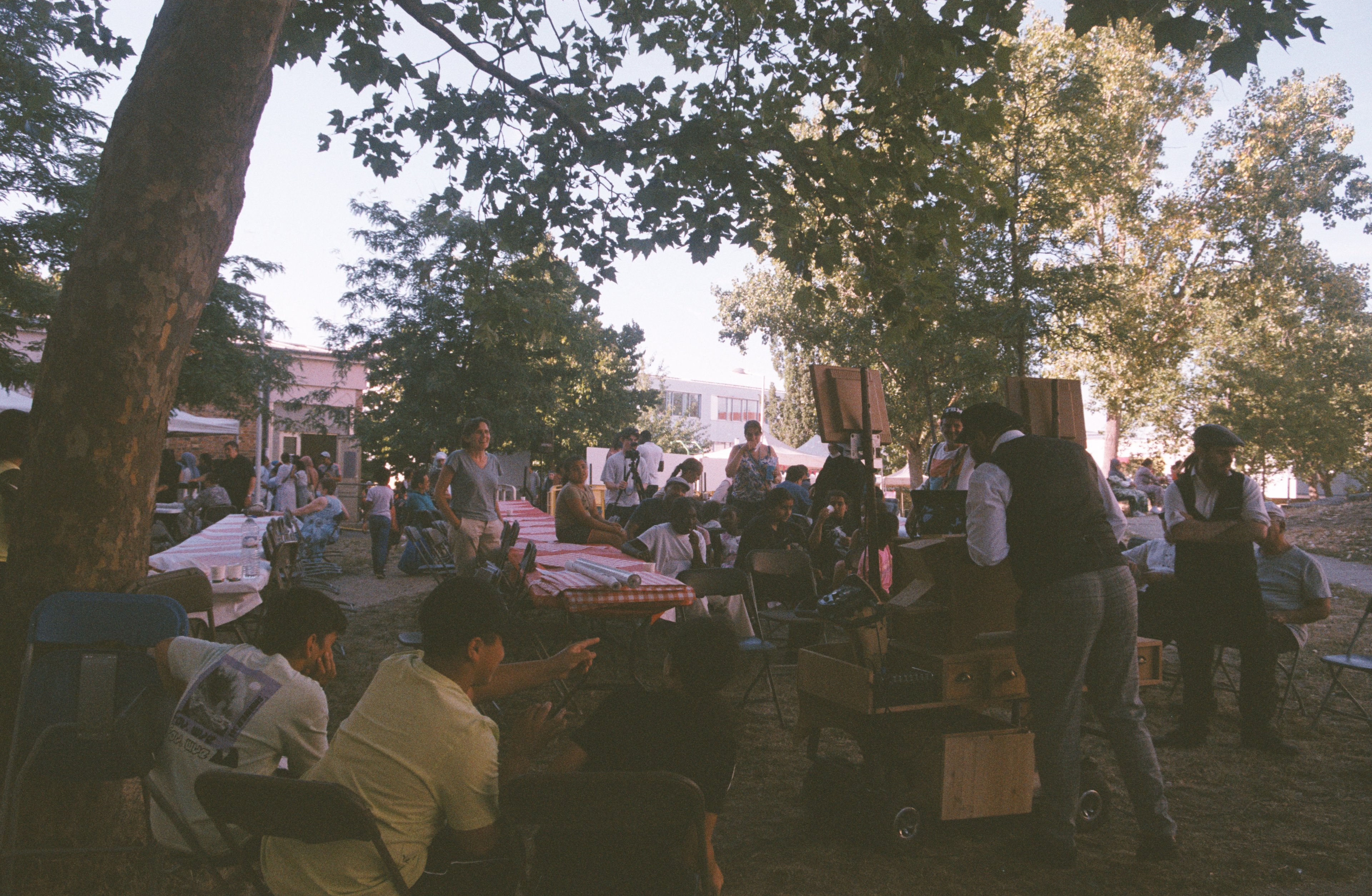
Barbecue party
This photo shows community life in Nanterre and at Zy’Va. Plus, it’s pretty!
wall 02
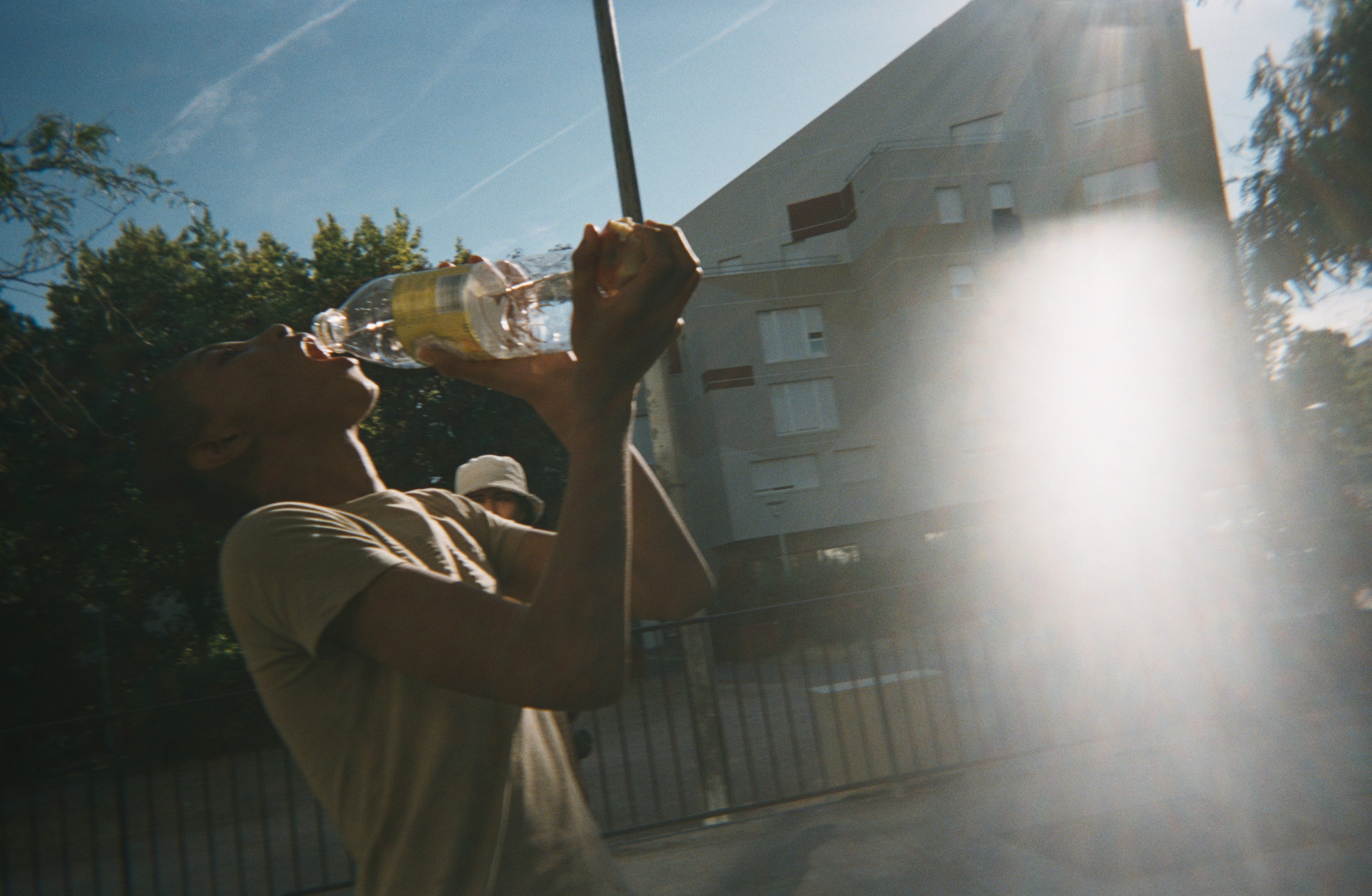
Réflexion solaire
You can see Marouane drinking. It’s as if he were under a spotlight. I like the slightly tilted, low-angle point of view.
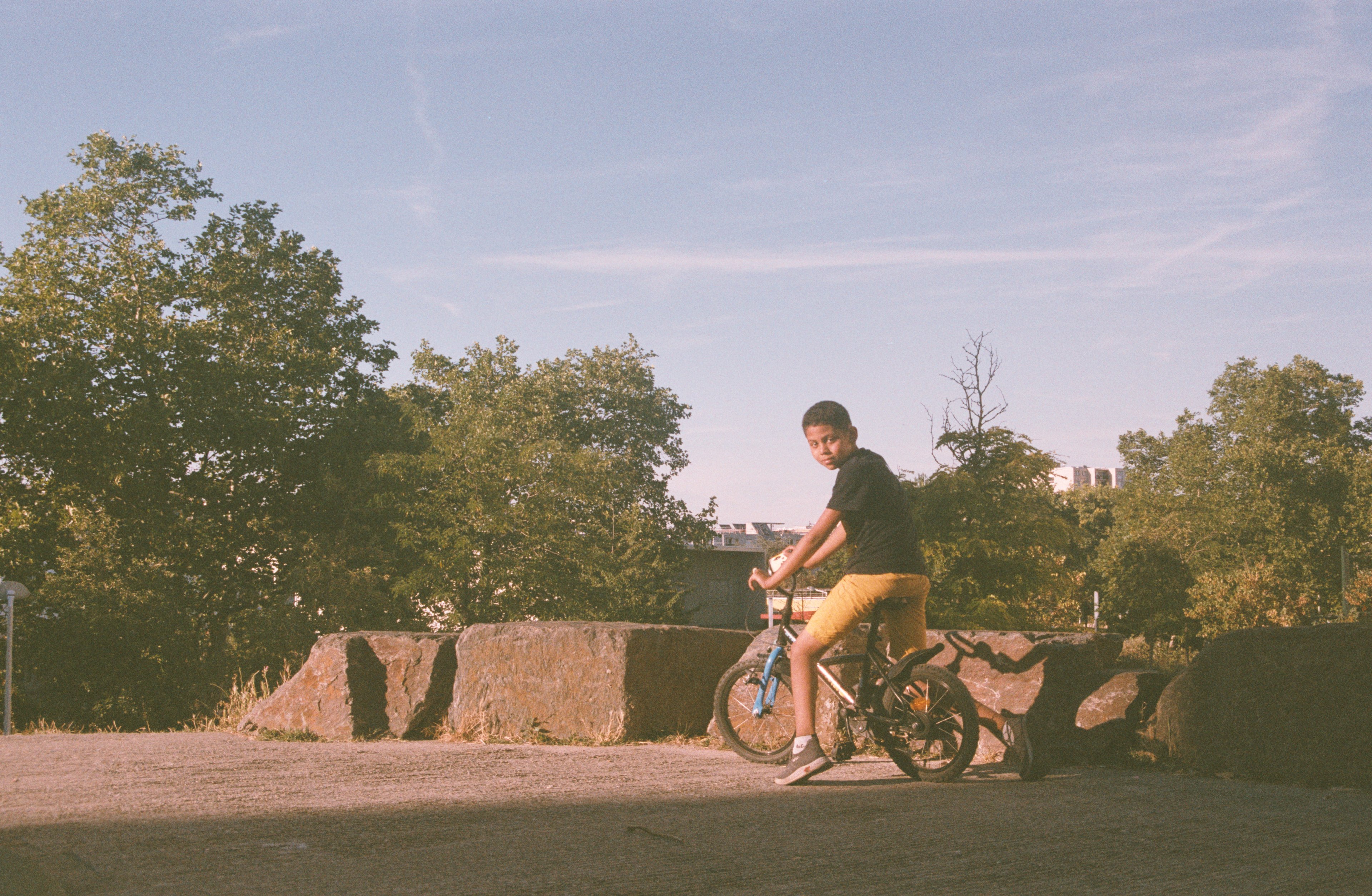
Moi, Zakaria
I live in the Petit Nanterre, next to the Canibouts. I like my neighborhood.
wall 03
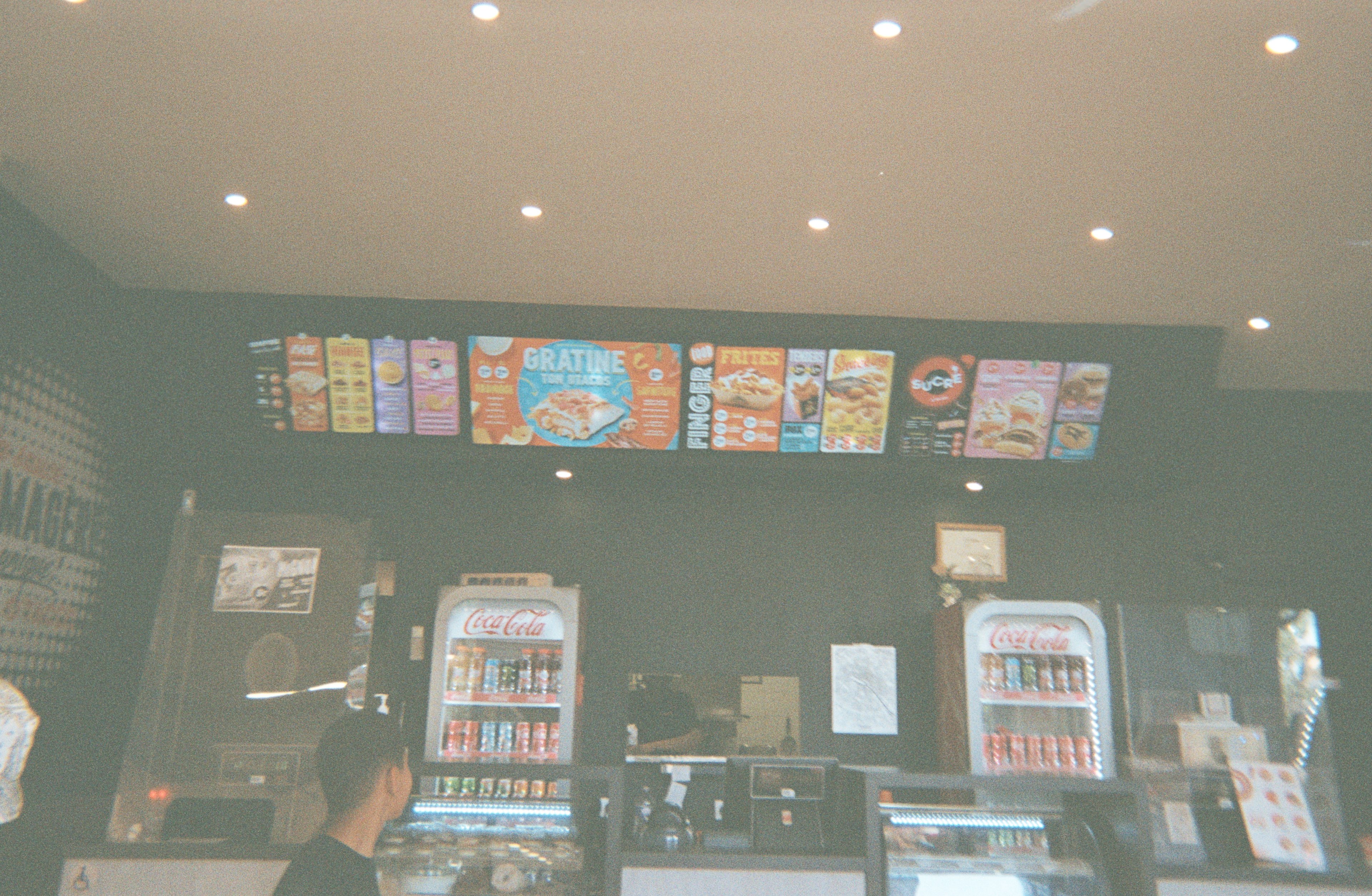
Tacos
O’Tacos, I’ve been there to eat loads of times :)
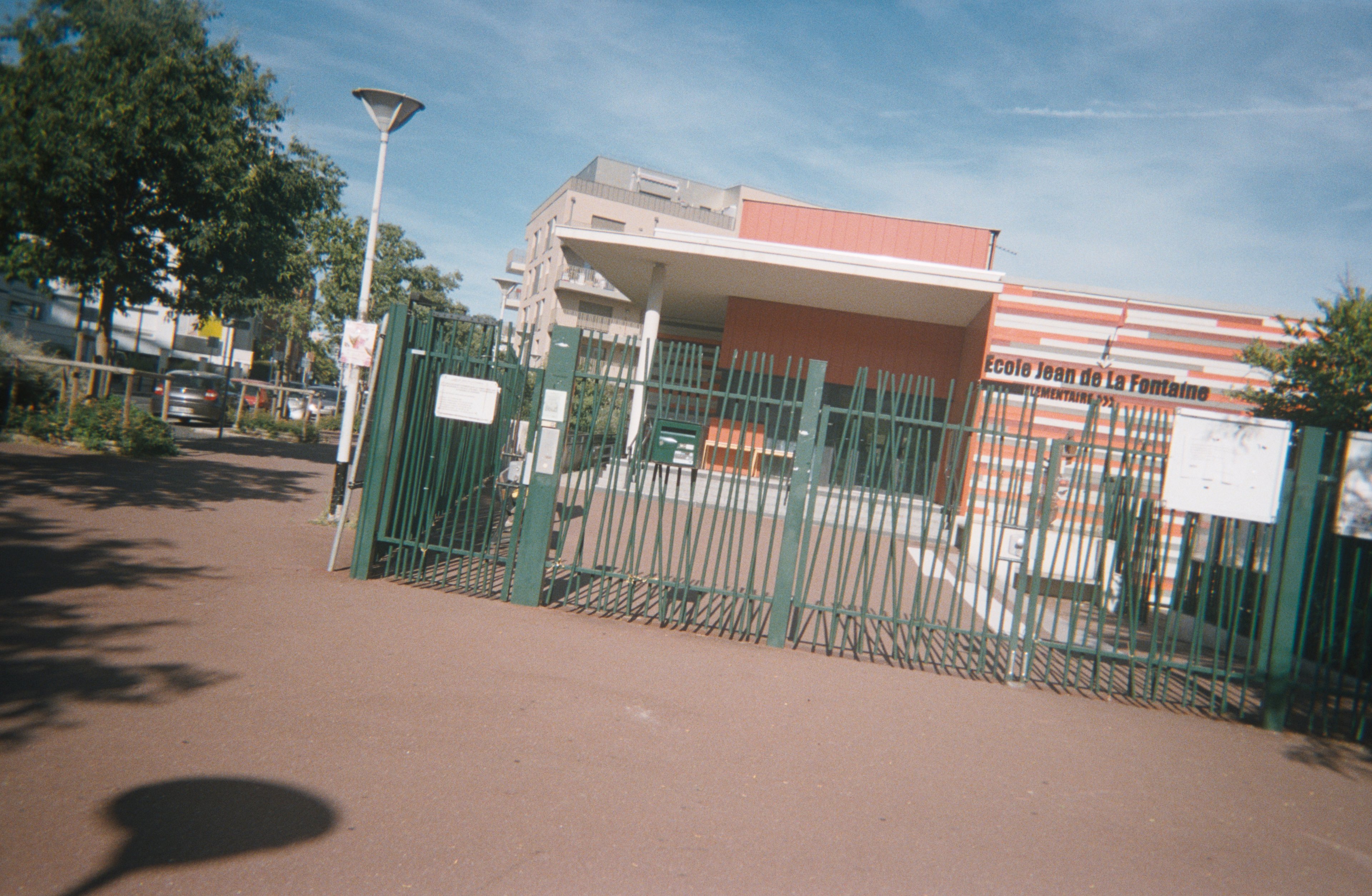
L’école de la Fontaine
Many generations have gone through it, where the memories, the joy and the soccer games happened in the playground. It is where the future generations of society are prepared.
wall 04
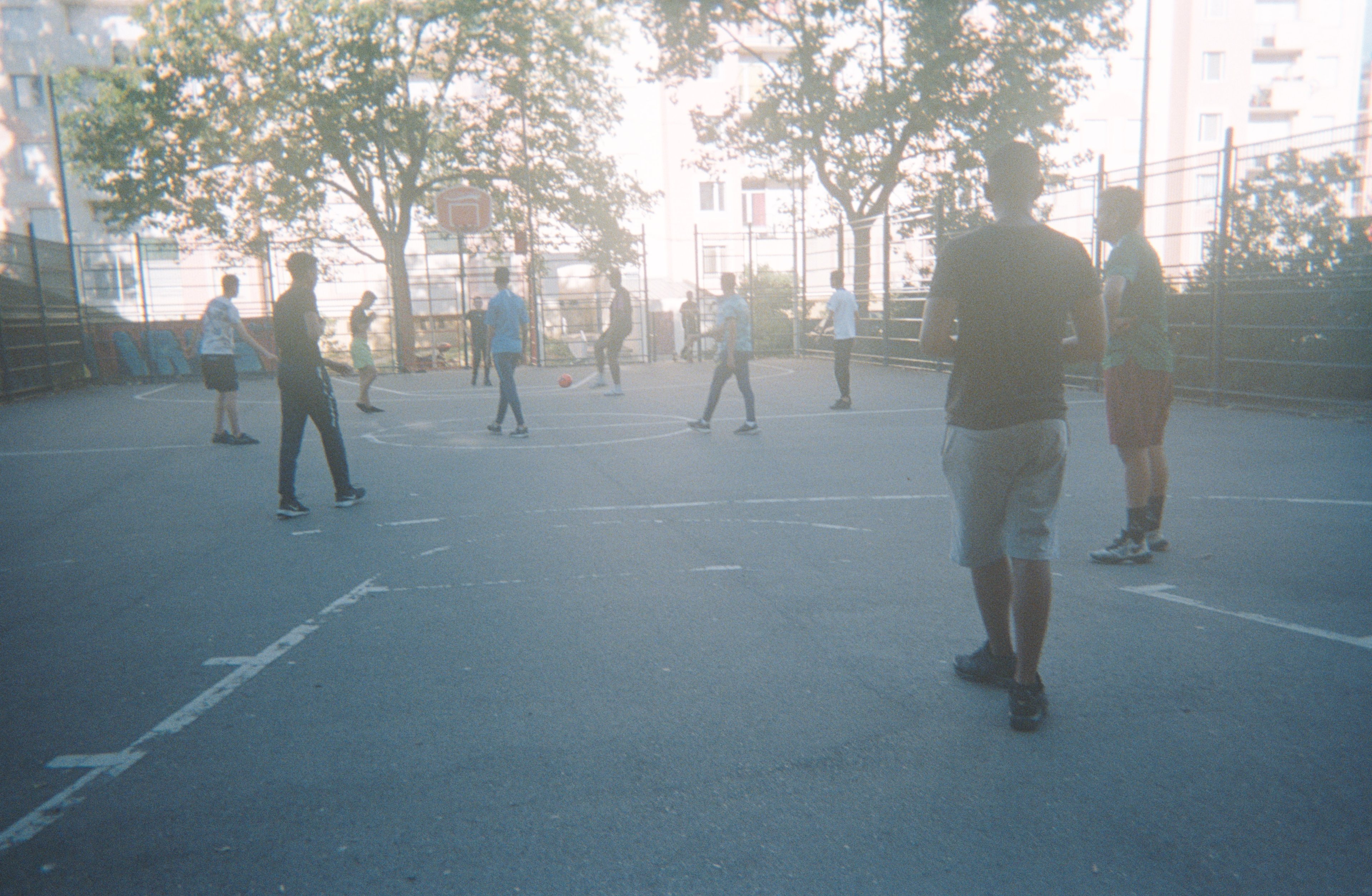
Stade
I play basketball and soccer here!
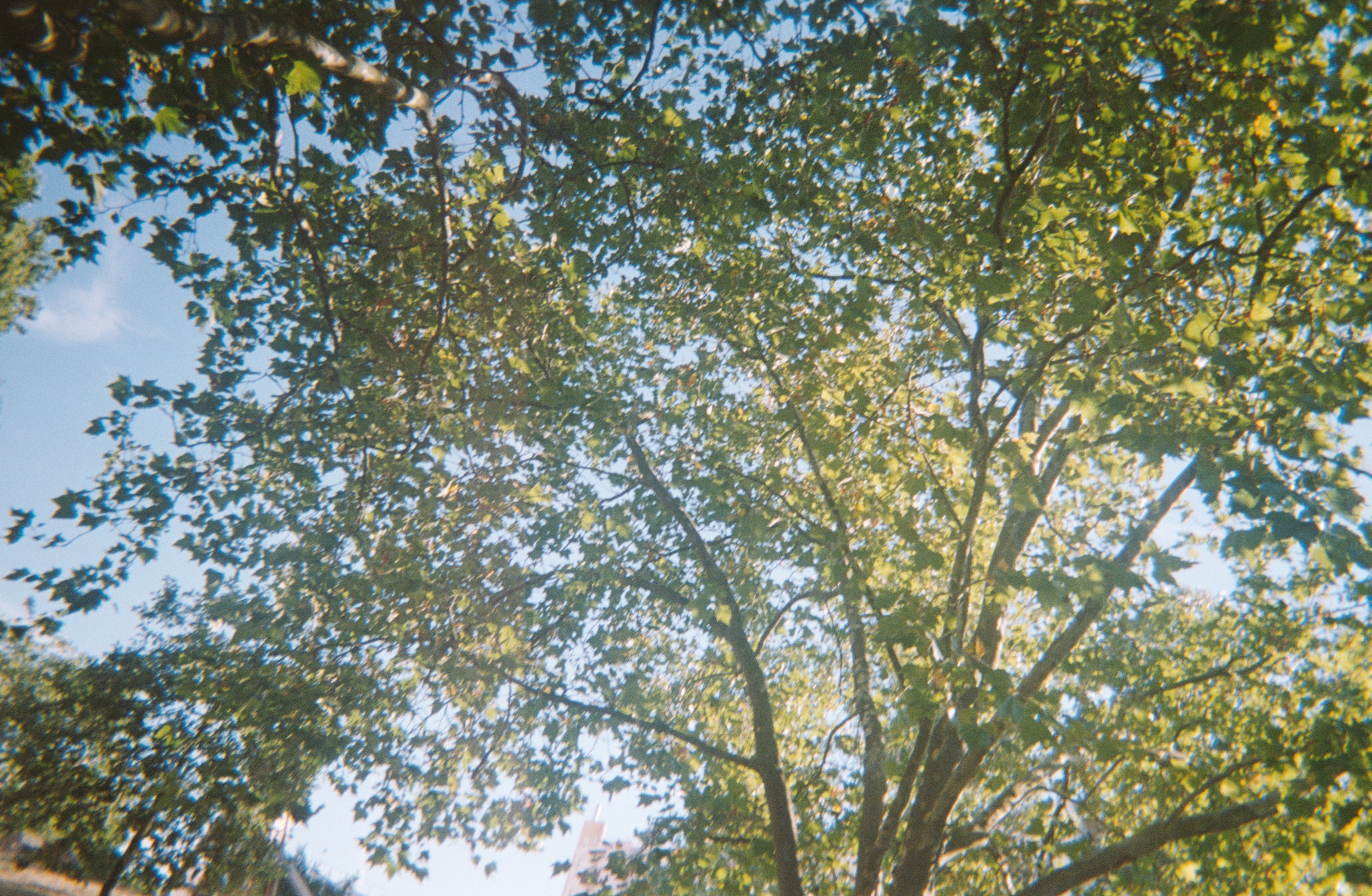
La nature
Forests and nature are under threat. I like the forest, because nature is beautiful.
wall 05
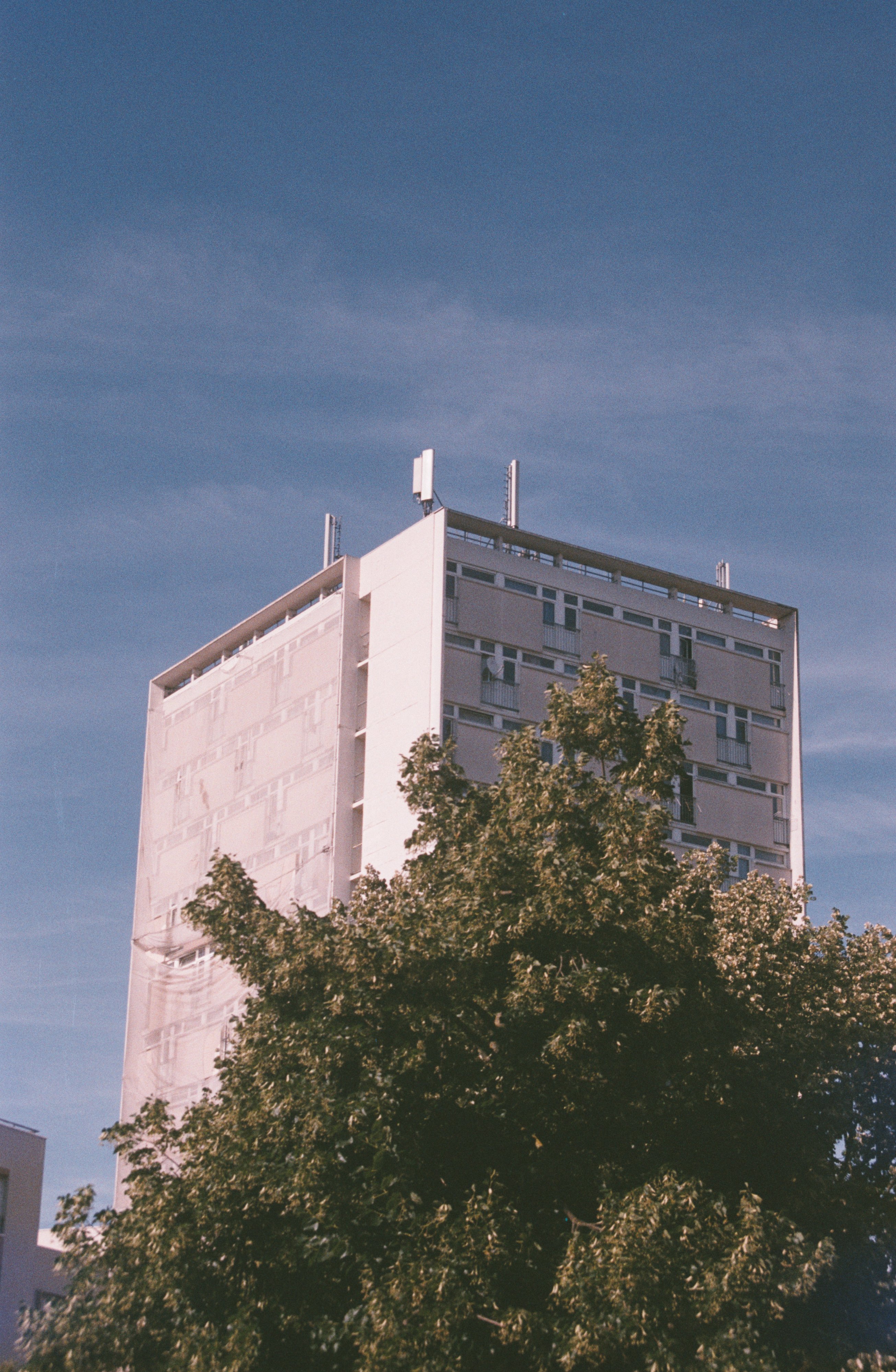
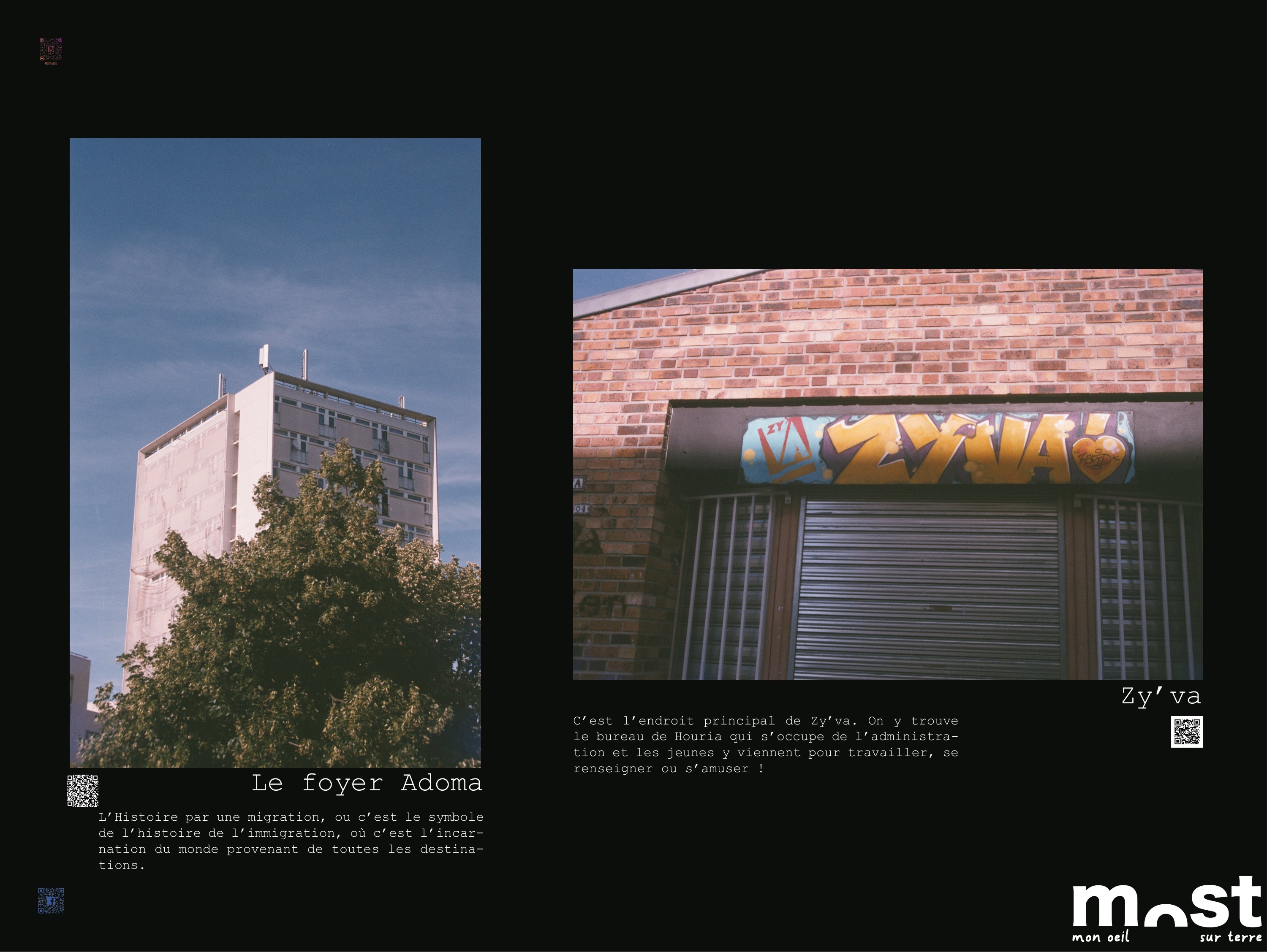
Le foyer Adoma
History through a migration: it’s the symbol of the history of immigration, it’s the embodiment of the world coming from every destination.
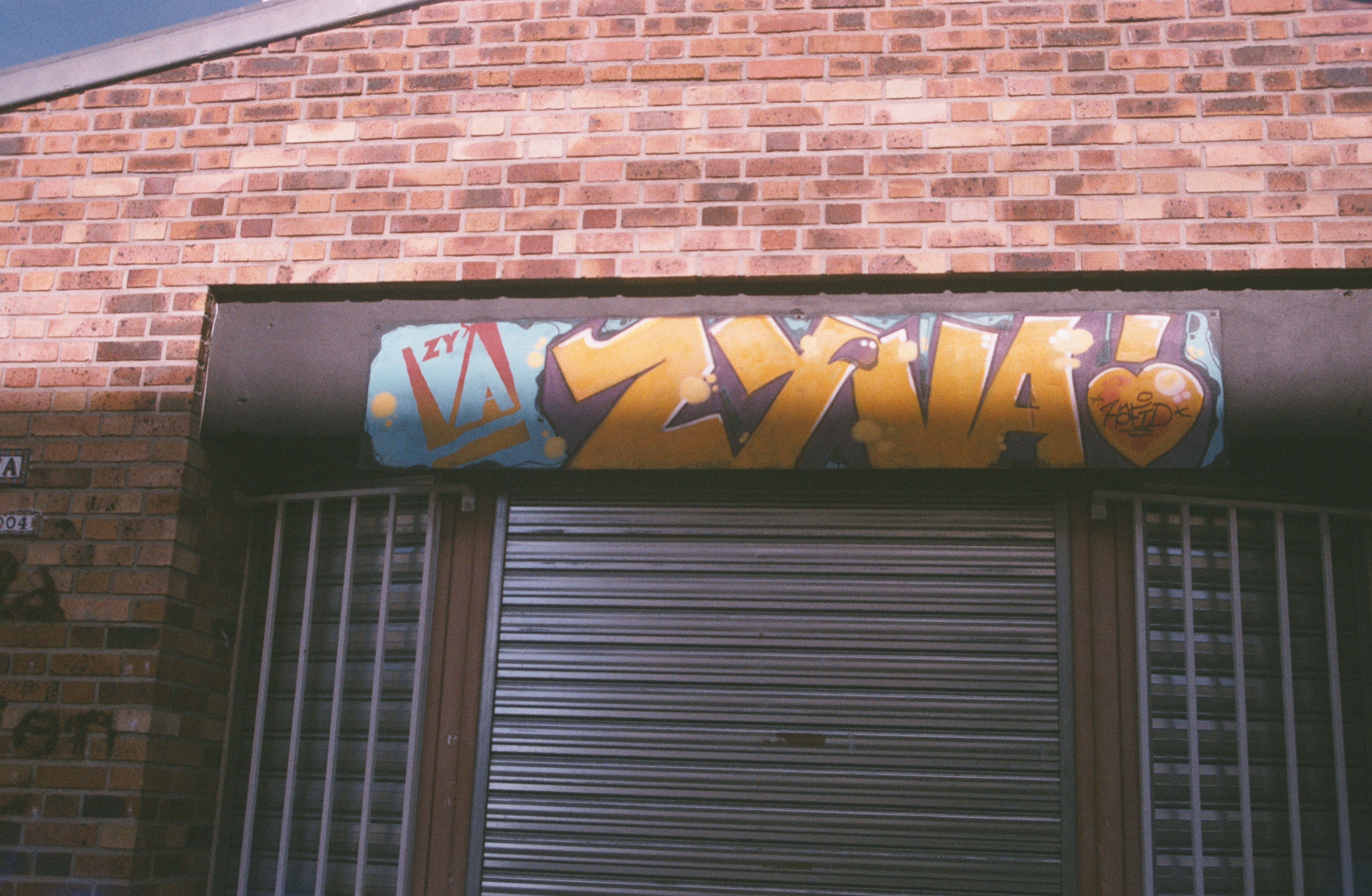
Zy’Va
It’s Zy’Va’s main place. You’ll find the office of Houria, who takes care of the administration, and young people come here to work, get information or have fun!
wall 06
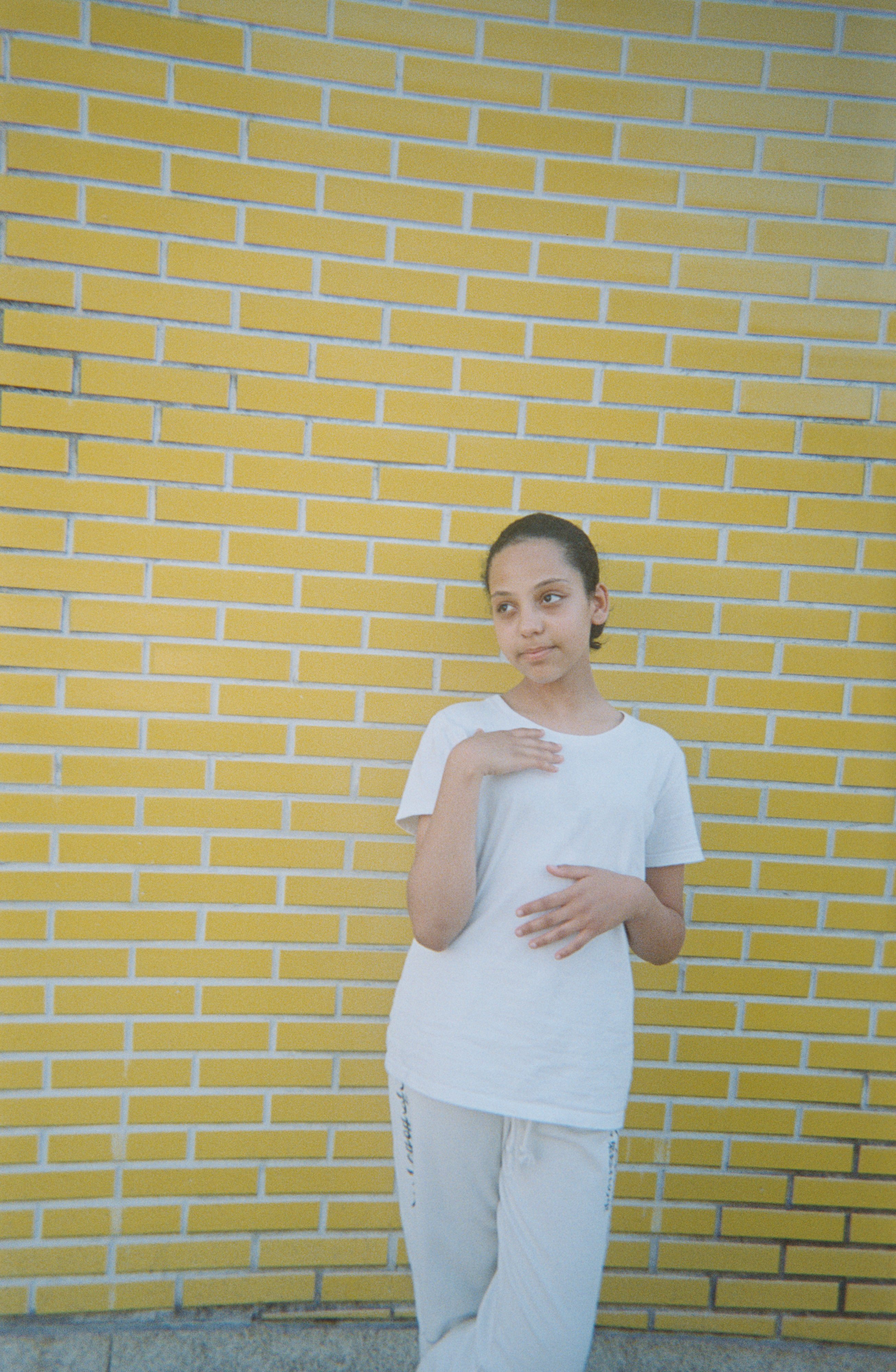
Neyssene
I chose this photo because I know the girl in it. I spent the school year with her: I helped her with homework and we did after-school activities. She is always cheerful and super creative. A great experience with the children of Zy’Va and with the staff.
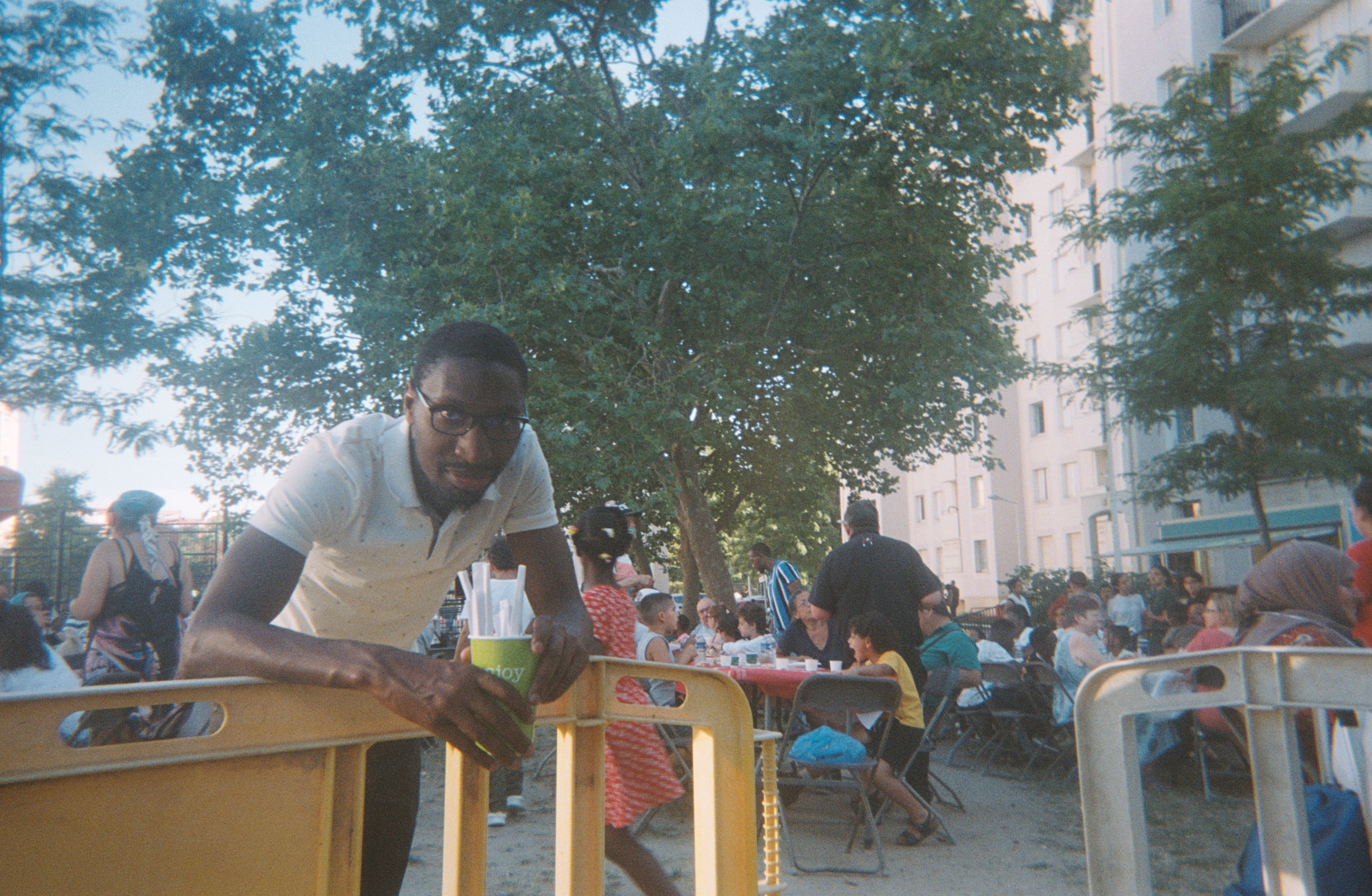
Mon cher collègue
I chose this picture because when I met this person, I felt safe and at ease. This person is fascinating, he is realistic, lifts people up and pushes them to move forward. He is smart, sharp and passionate about his work. It’s nice to spend time with him.
wall 07
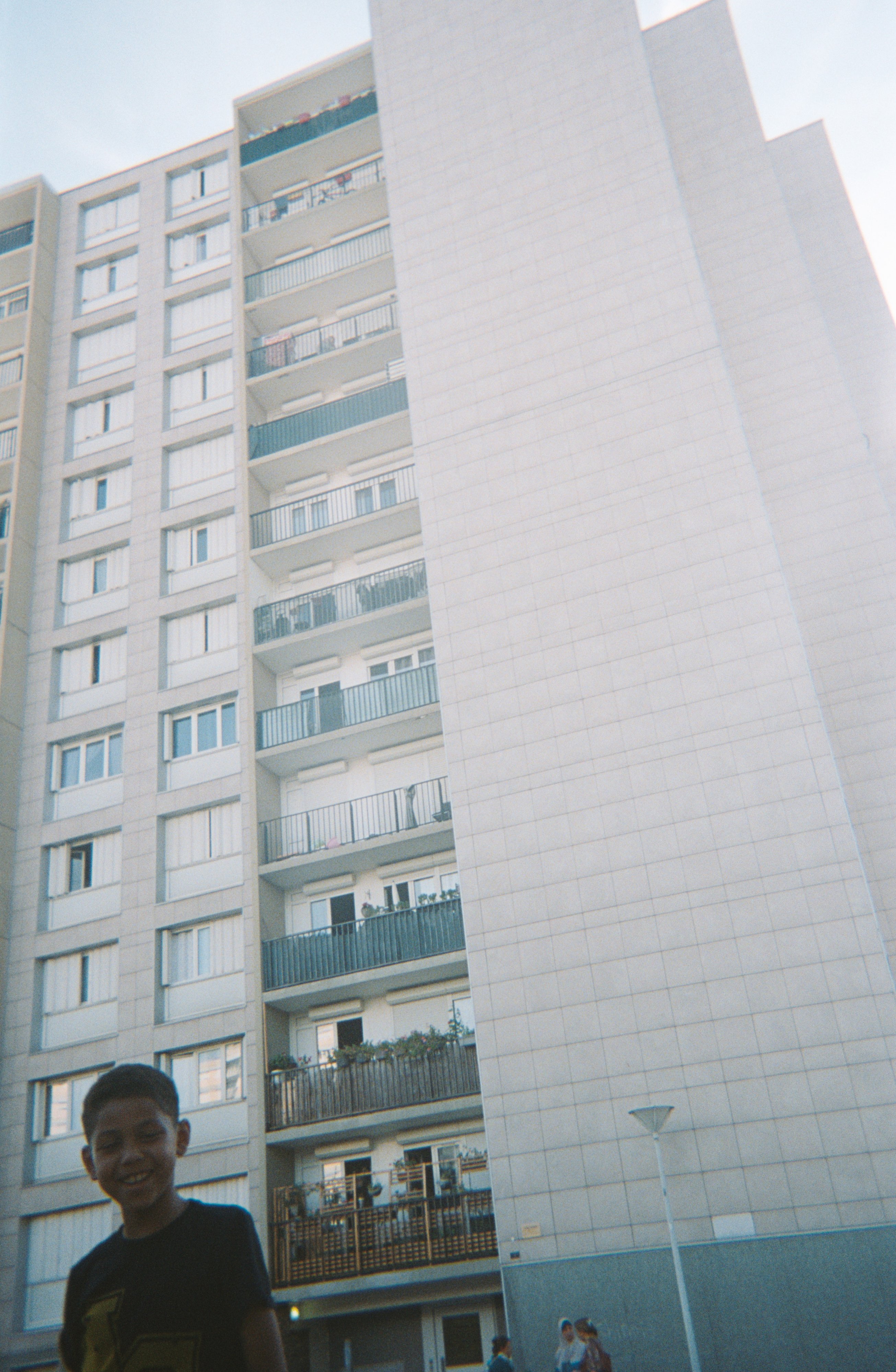
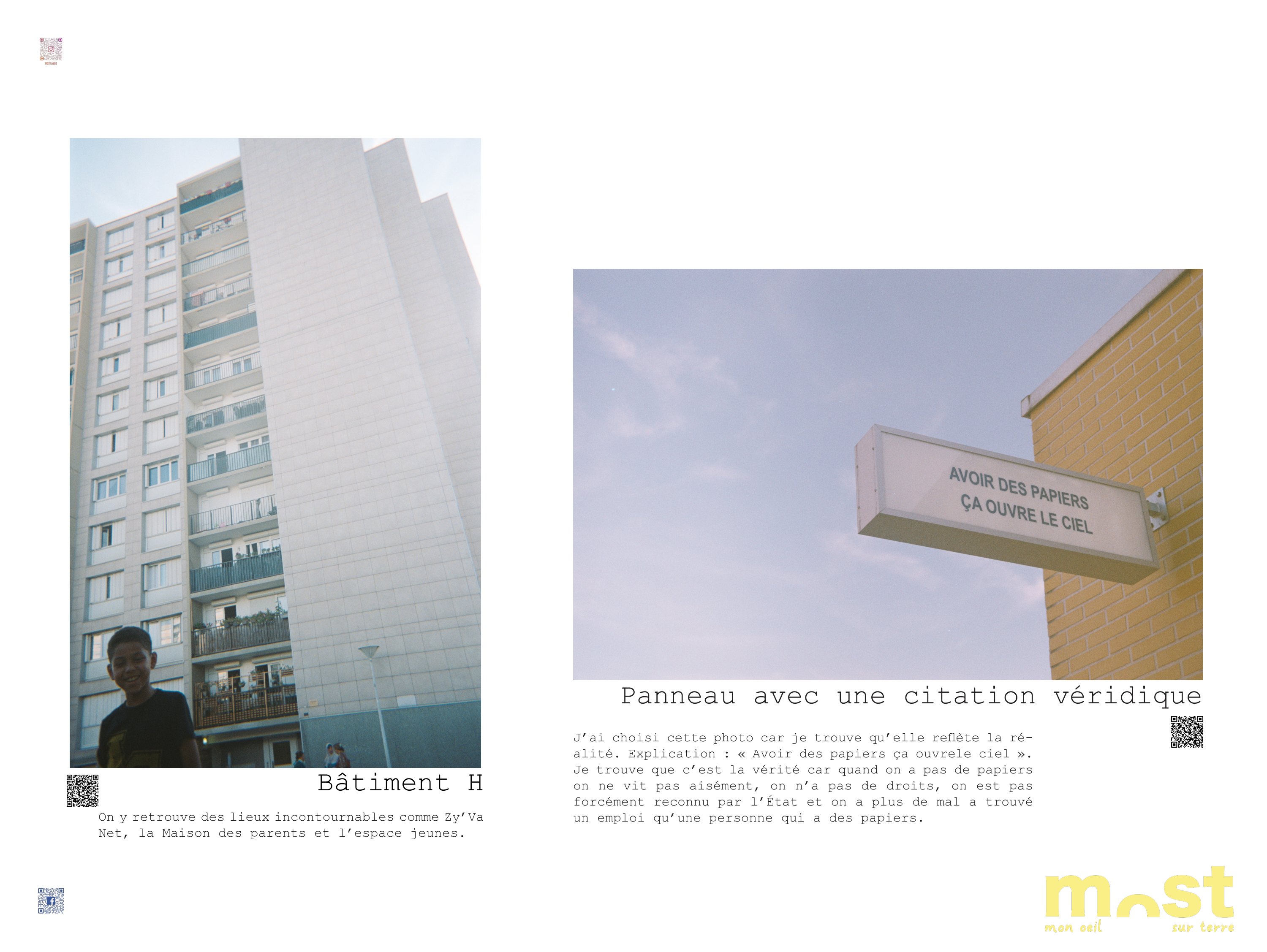
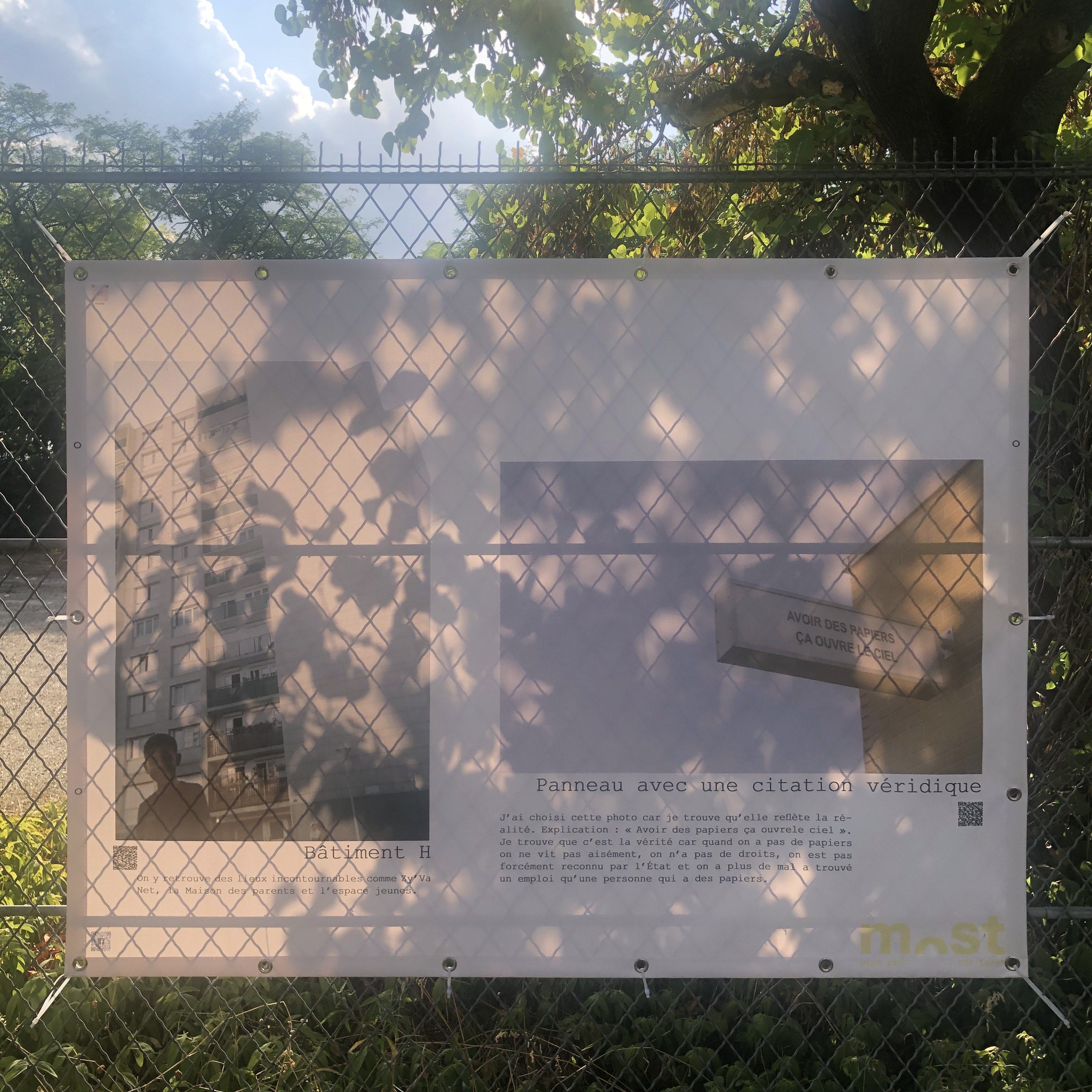
Bâtiment H
It is home to must-go places like Zy’Va Net, the Maison des parents and the youth space.
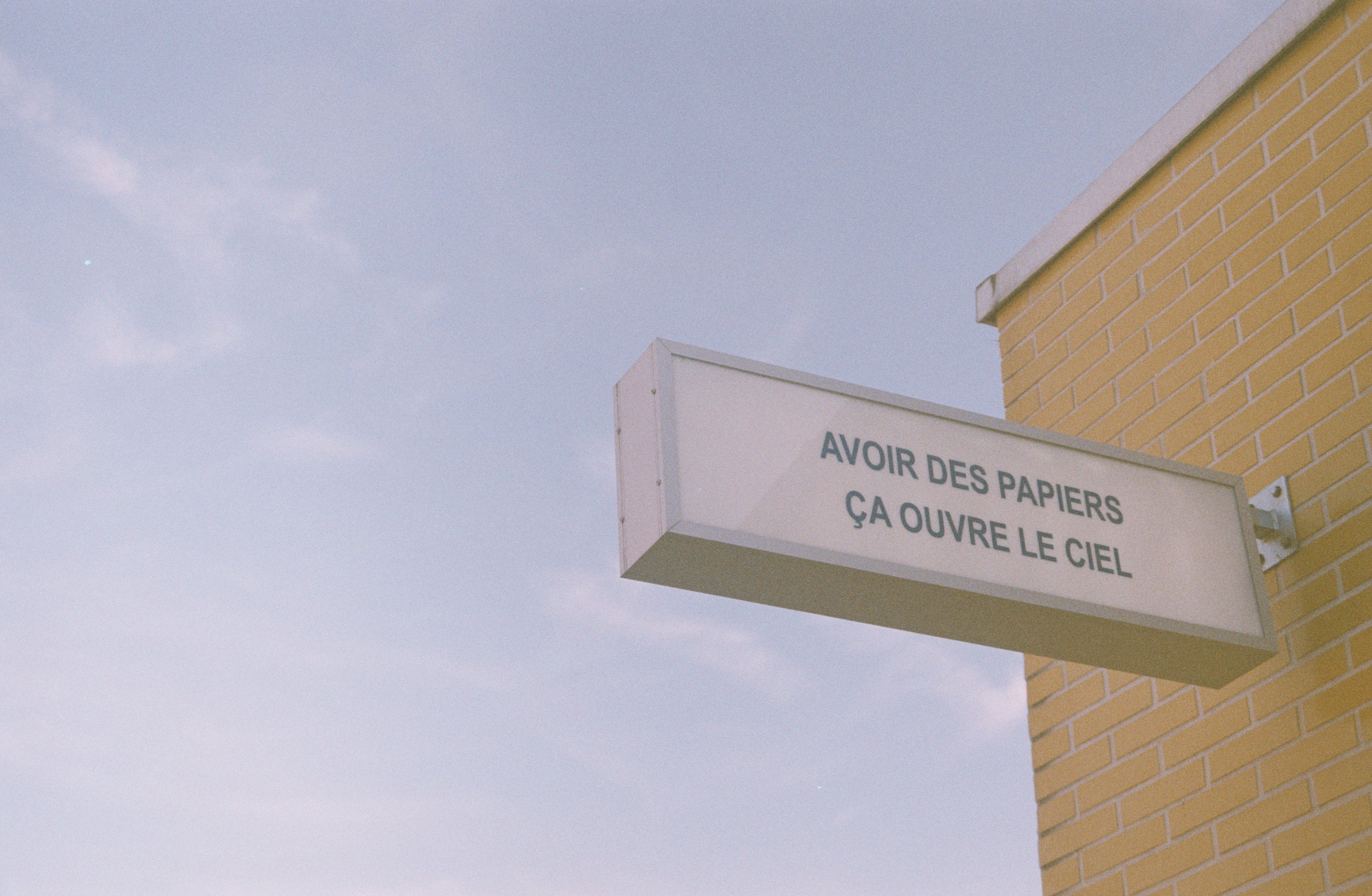
Panneau avec une citation véridique
I chose this photo because I think it reflects reality: “Having papers opens up the sky”. I think it’s true, because when you don’t have papers you don’t live easily, you have no rights, you are not necessarily recognized by the State, and it’s harder to find a job than for someone who has papers.
wall 08
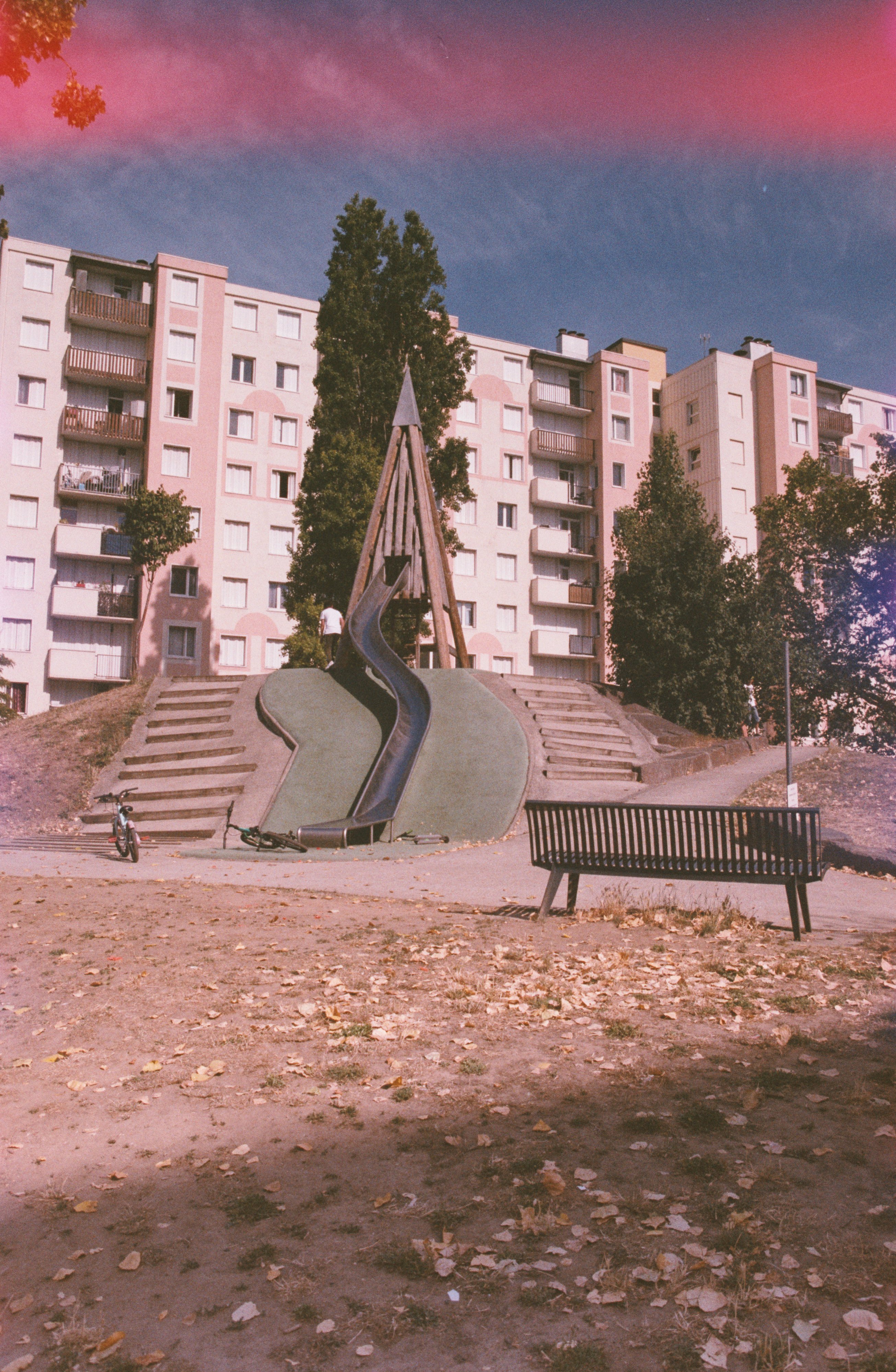
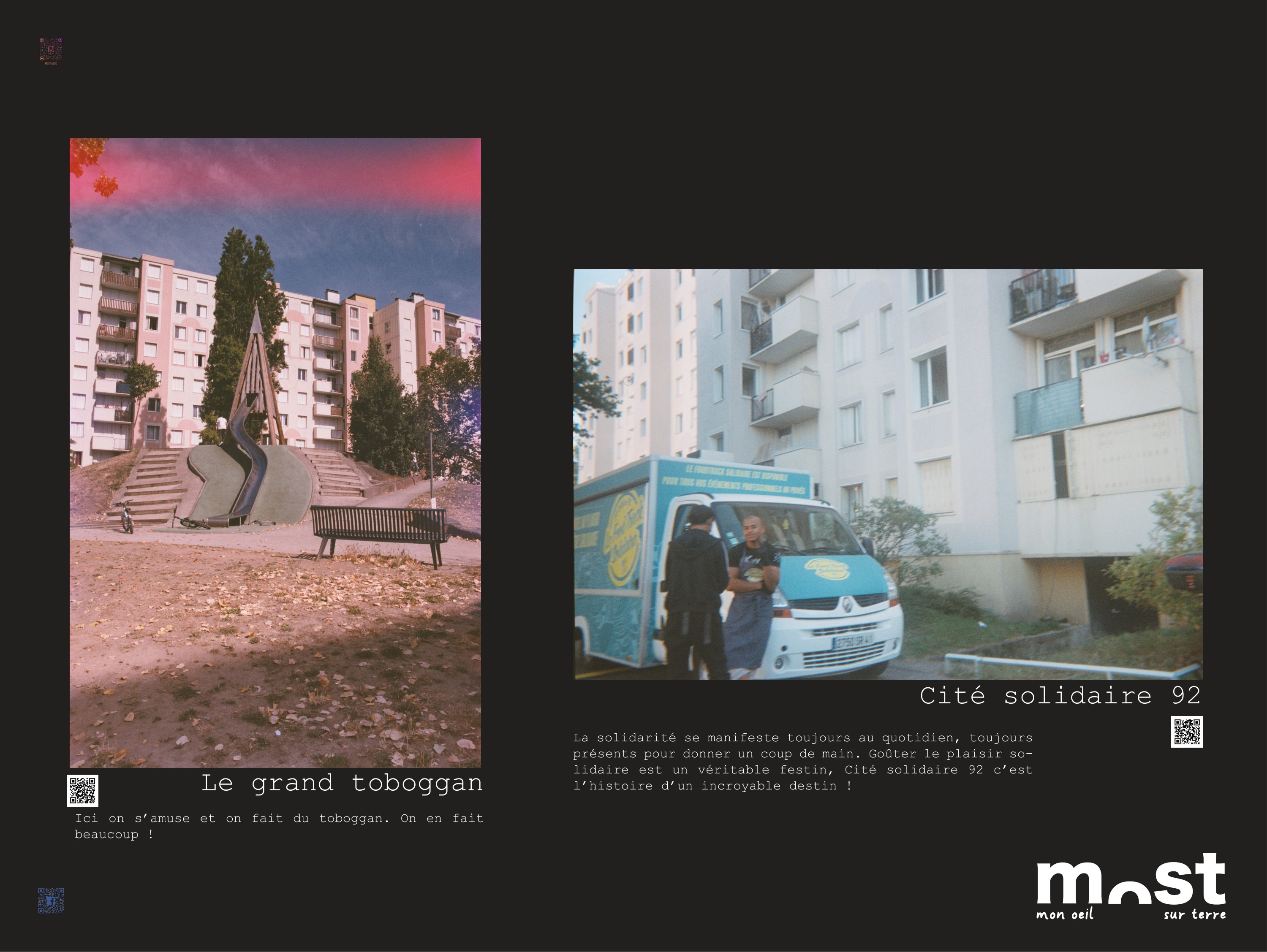
Le grand toboggan
Here we have fun and go down the slide. We do it a lot!
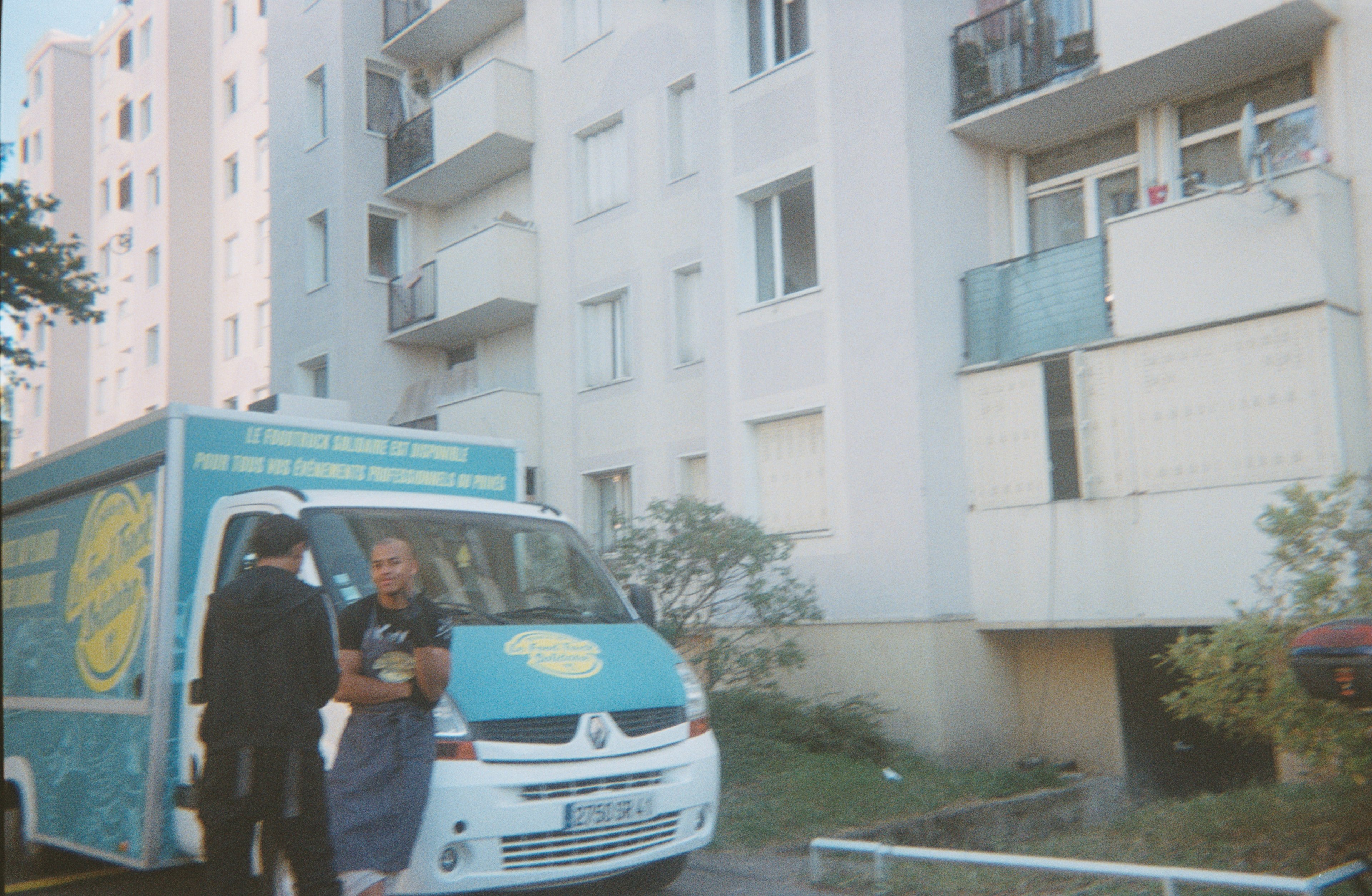
Cité solidaire 92
Solidarity shows up every day, always there to lend a hand. Tasting the pleasure of solidarity is a real feast: Cité solidaire 92 is the story of an incredible destiny!
wall 09
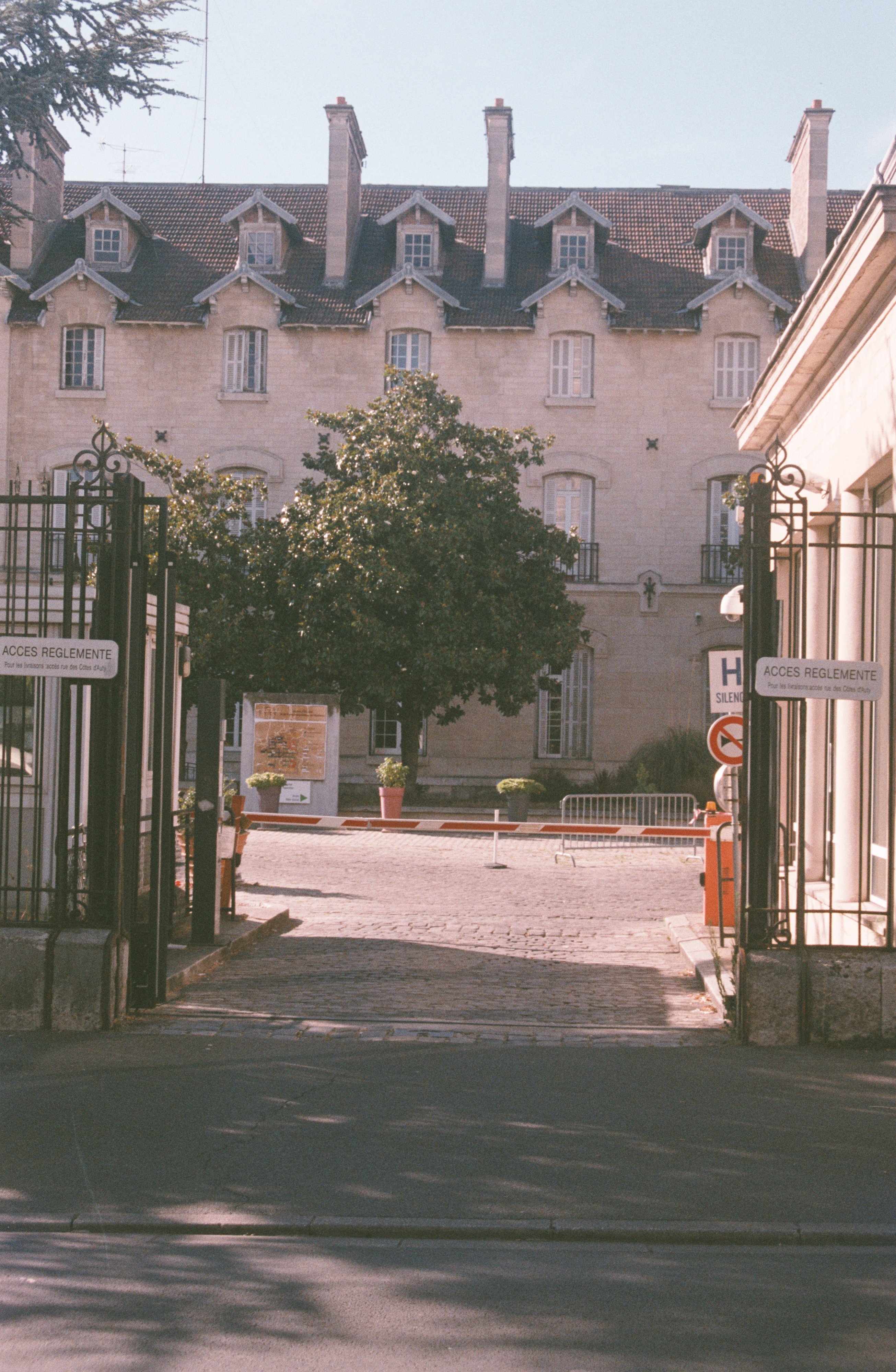
Hôpital de Nanterre
I chose this photo because I like the building, the front of the hospital, and it’s right next to the stop for the 378 and 304 buses.
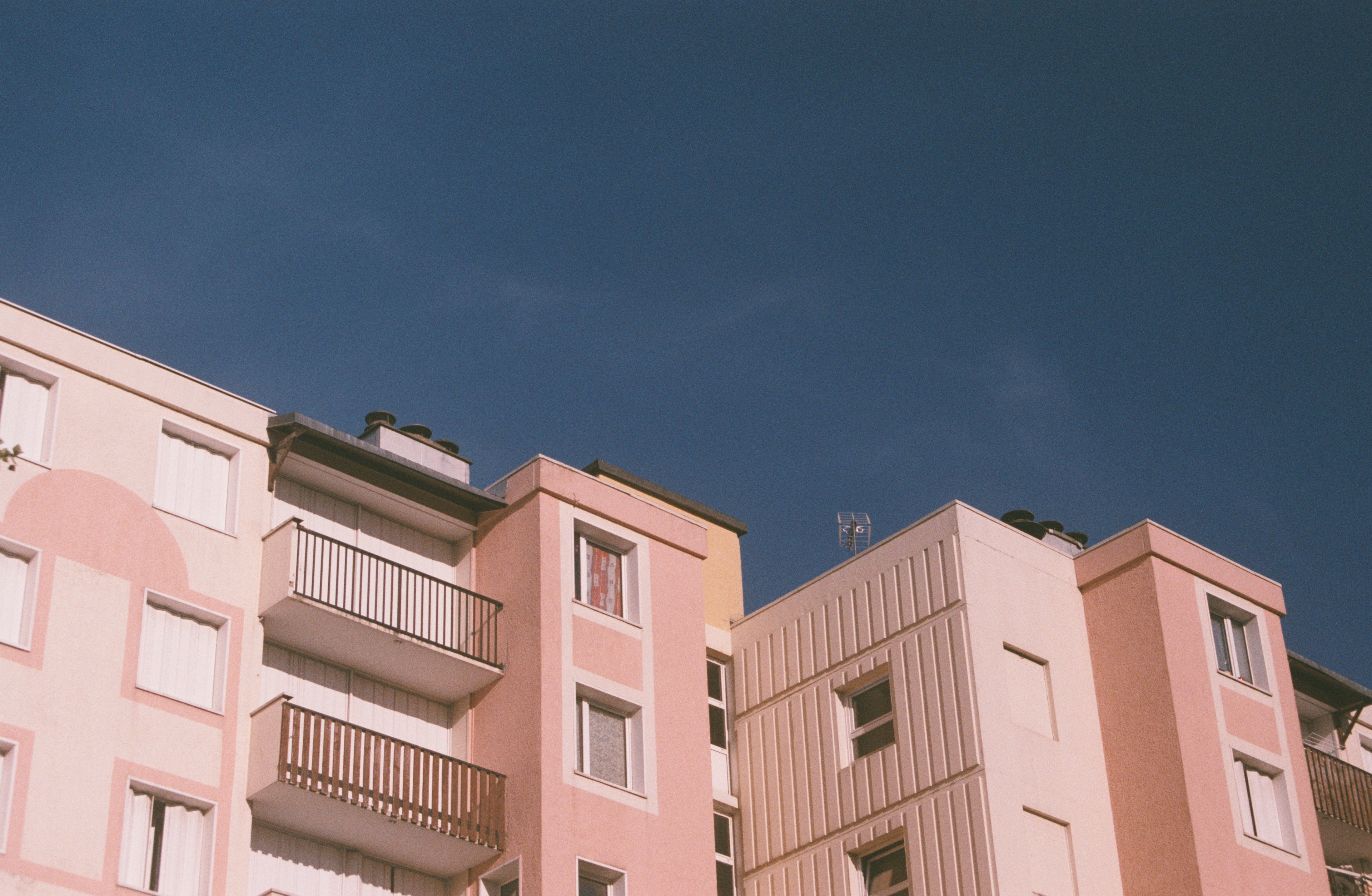
Les Pâquerettes sous le soleil
photographs and captions: the children and residents of the Petit Nanterre, with Zy’Va
public presentation · July 29, 2022
the opening walk
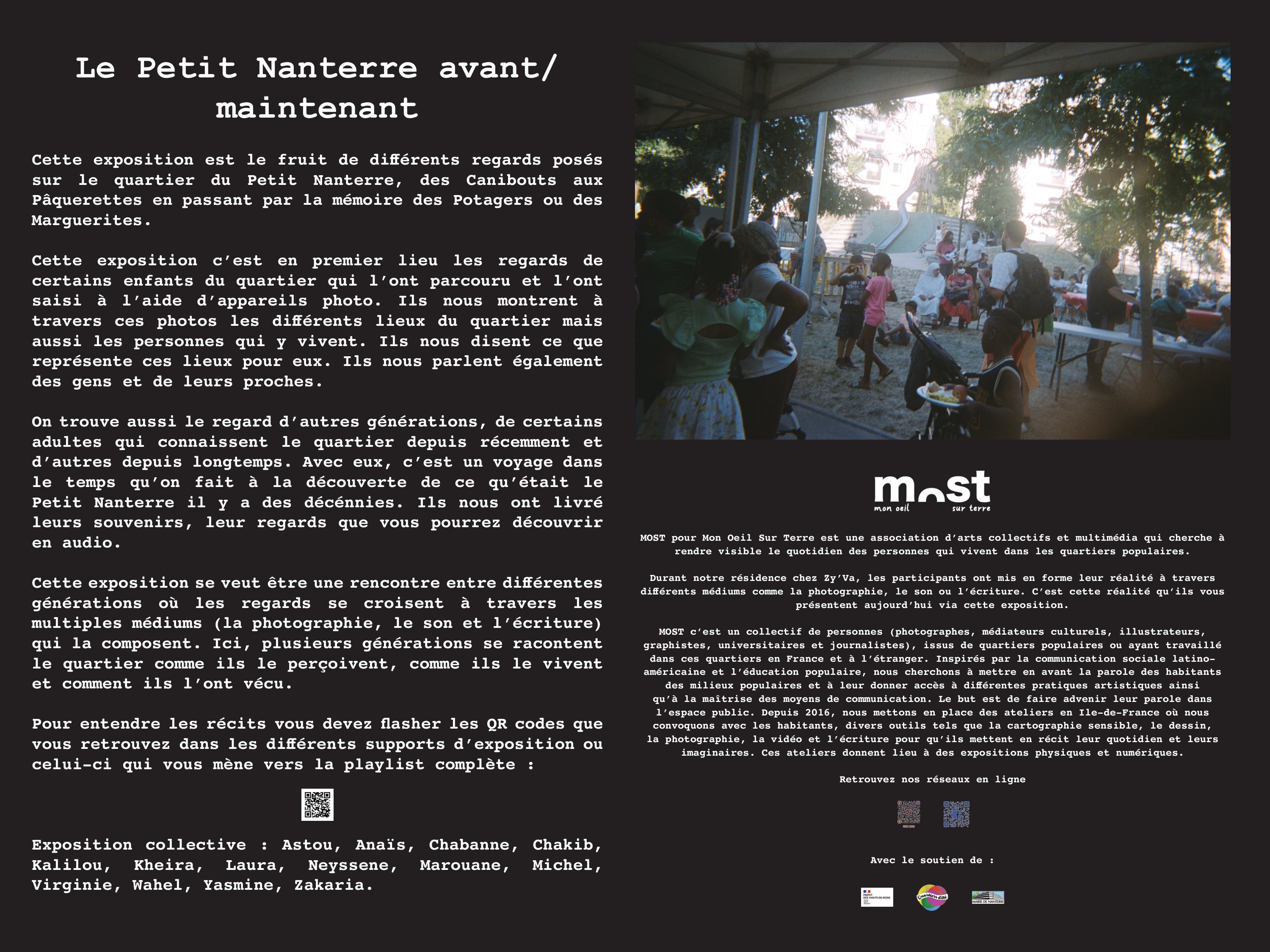
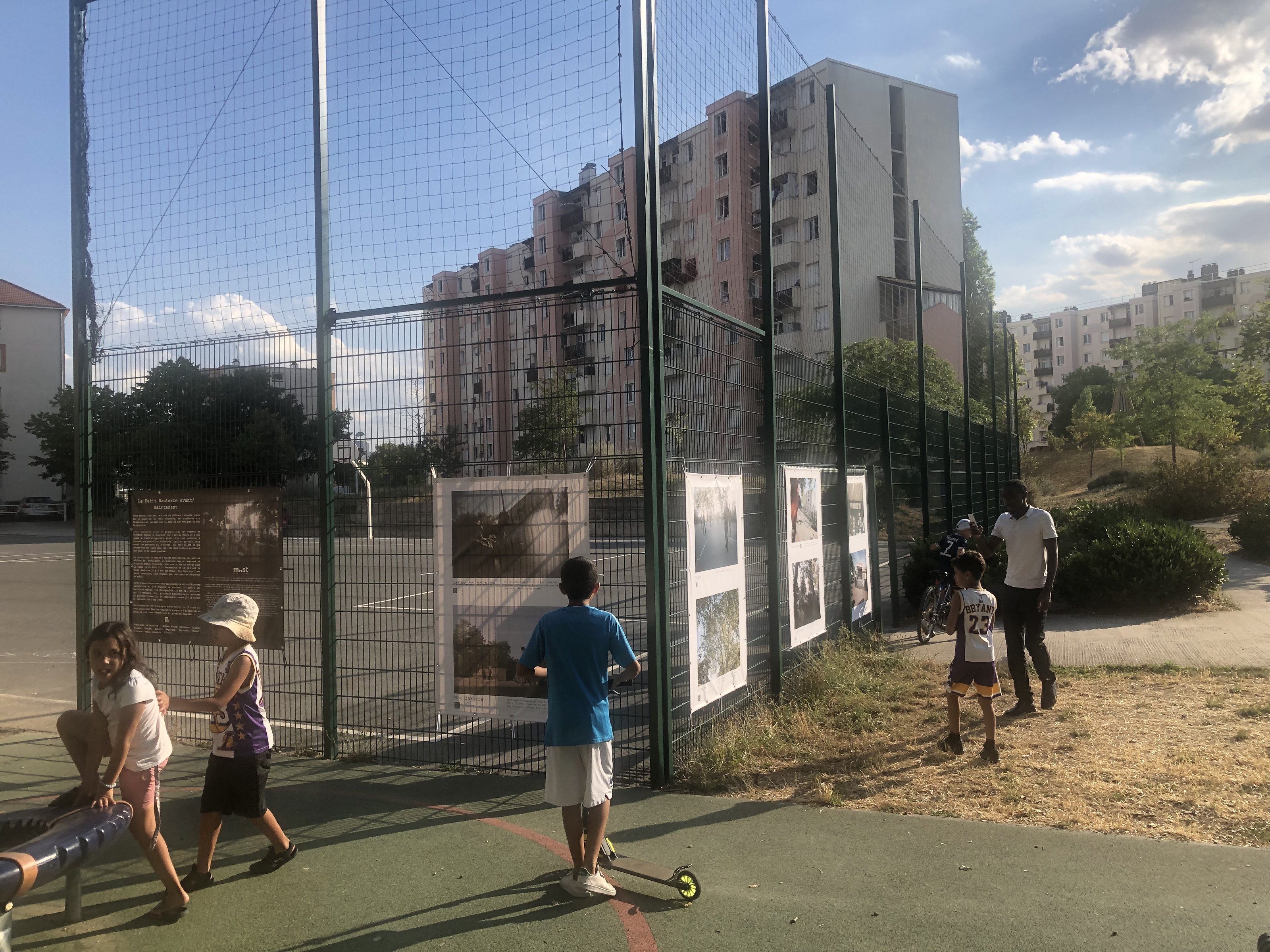
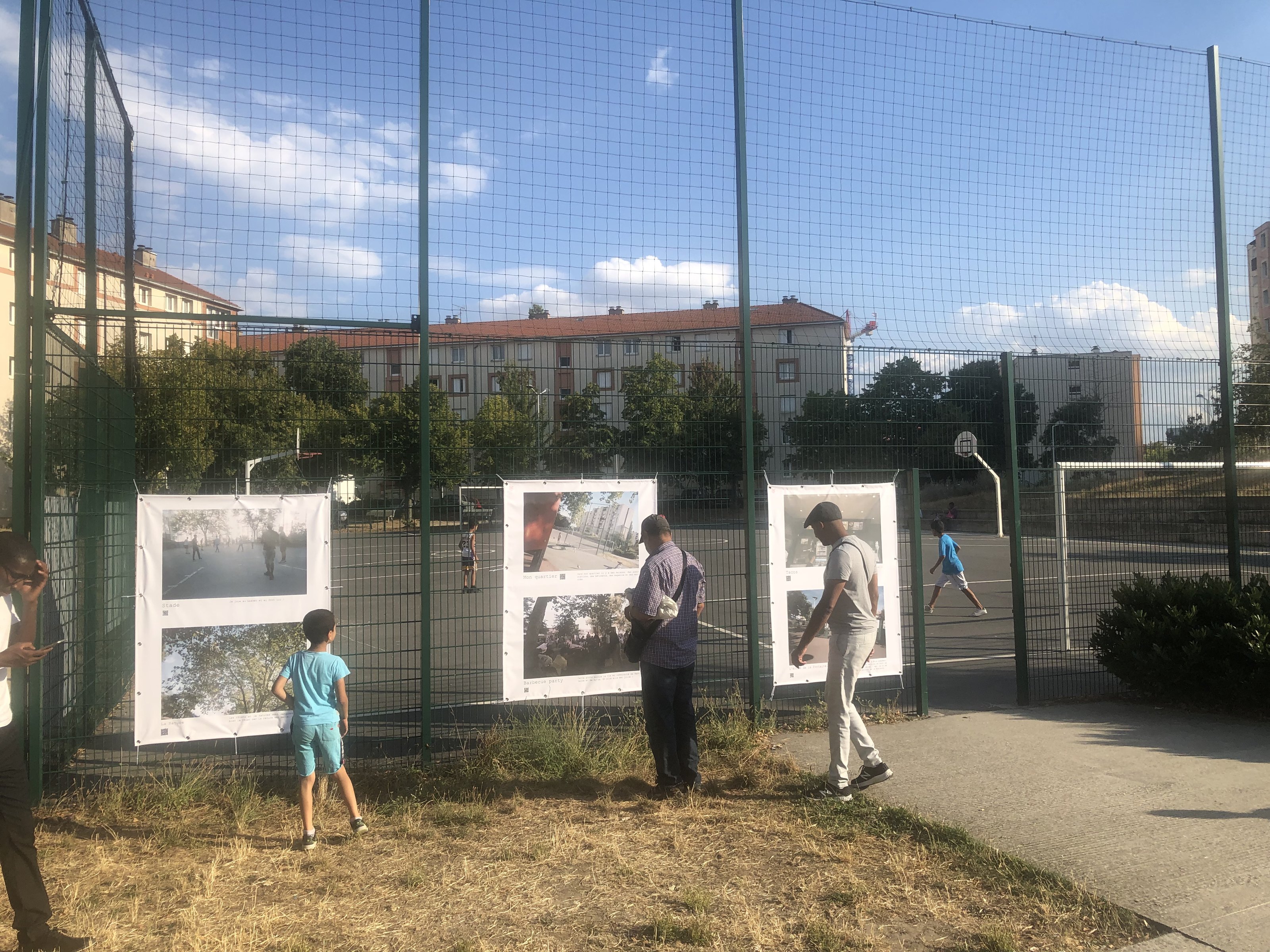
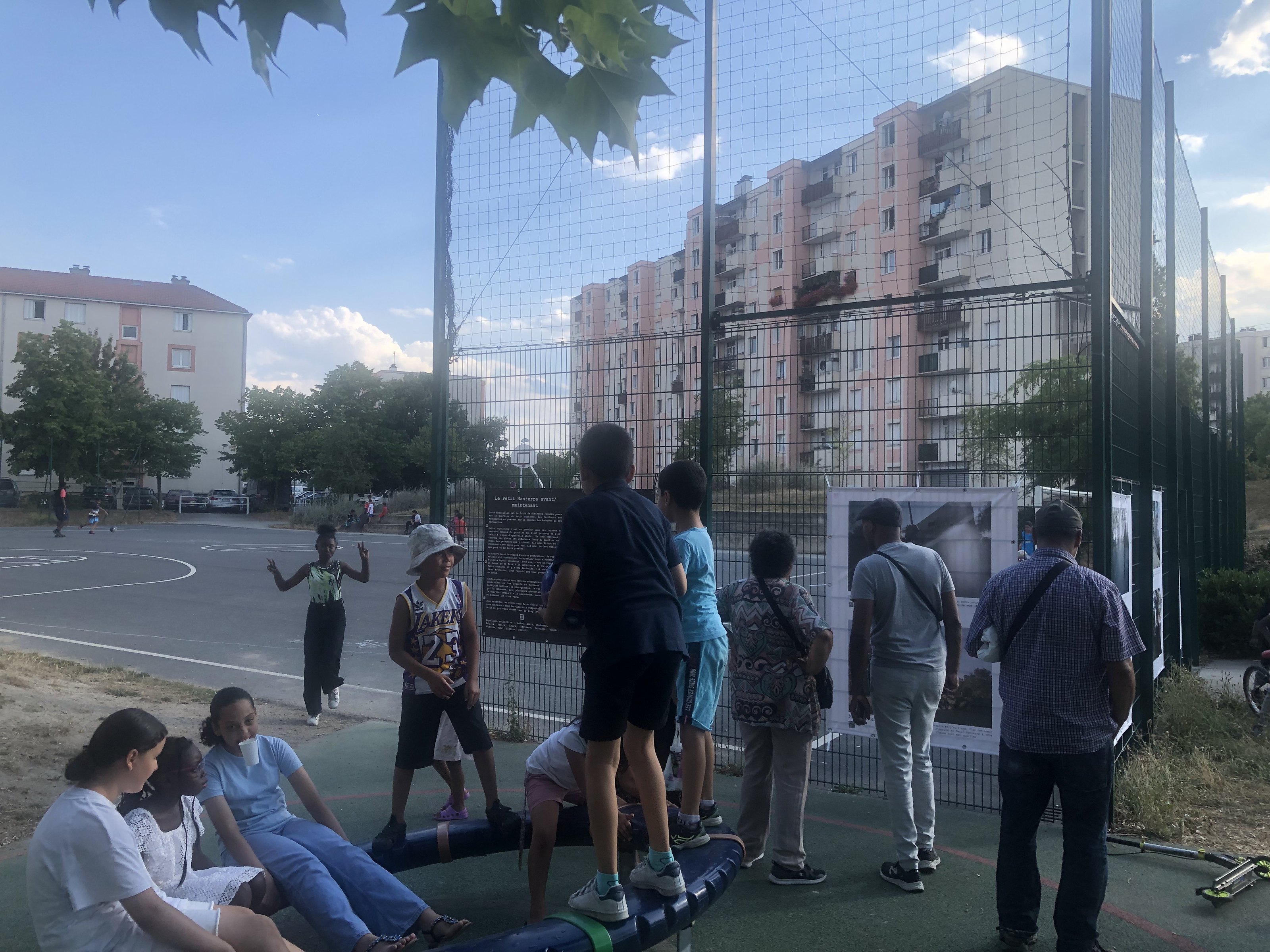
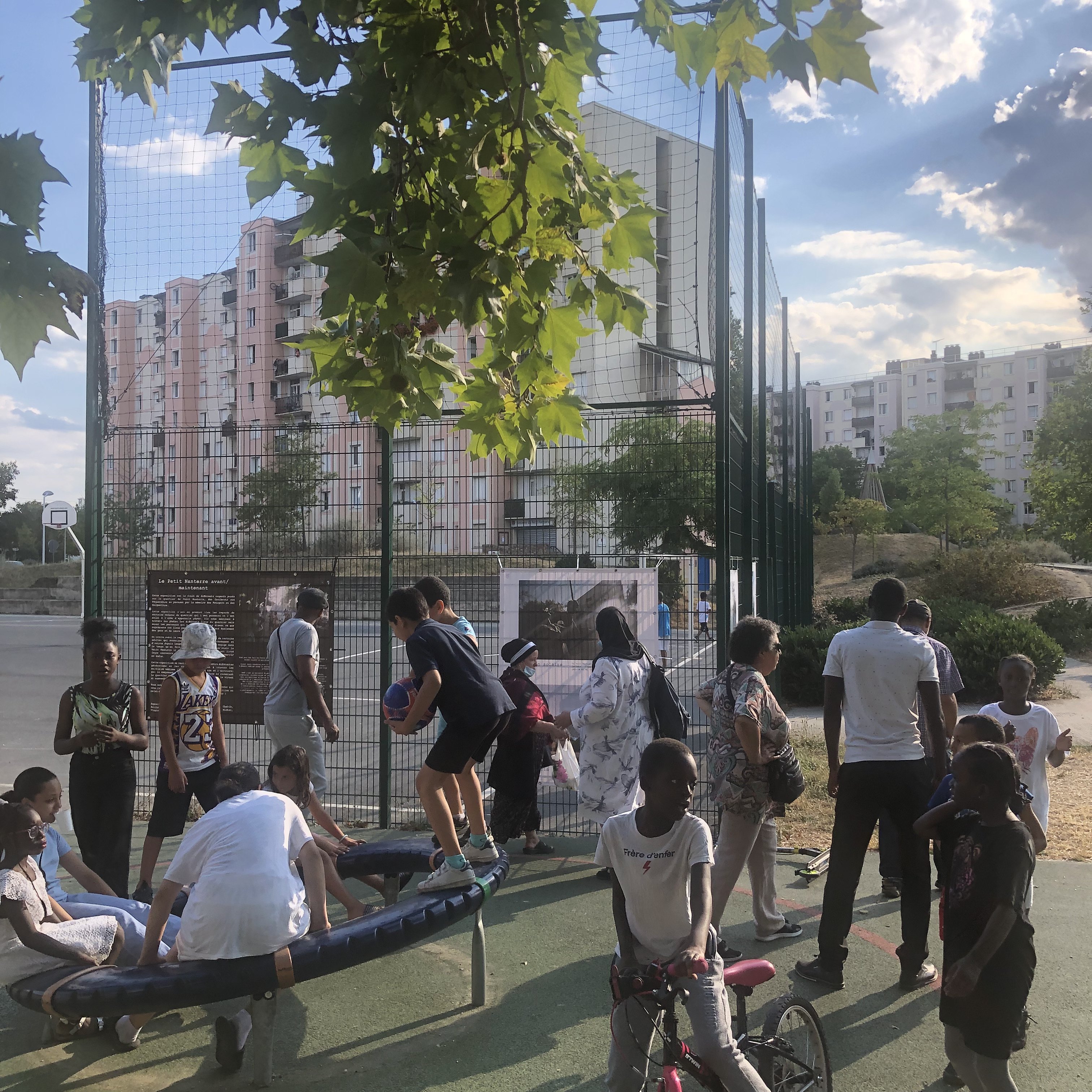
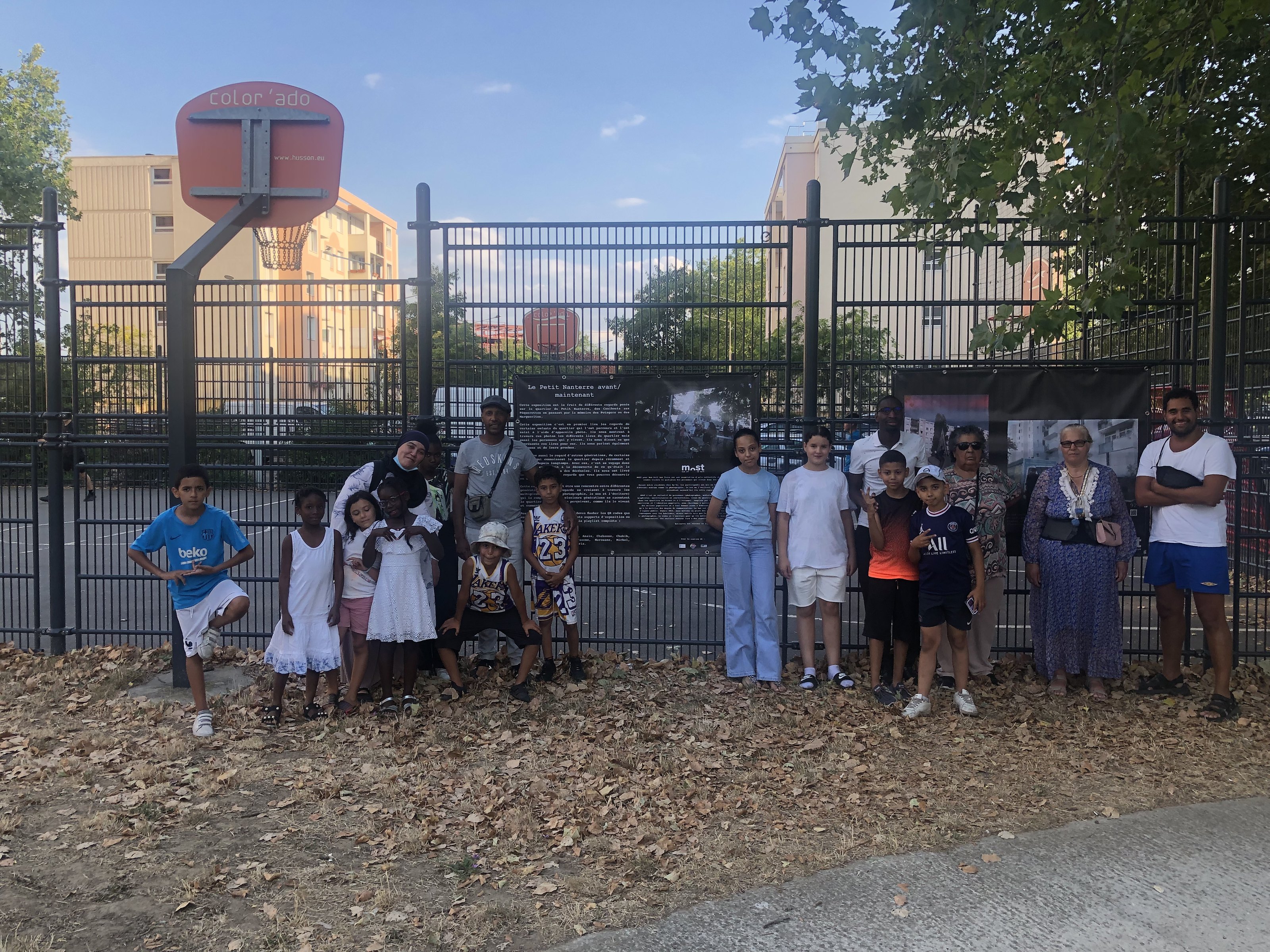
On July 29, 2022, late in the afternoon, the exhibition opened on the neighborhood fences: the children, their families and longtime residents gathered in front of the banners.
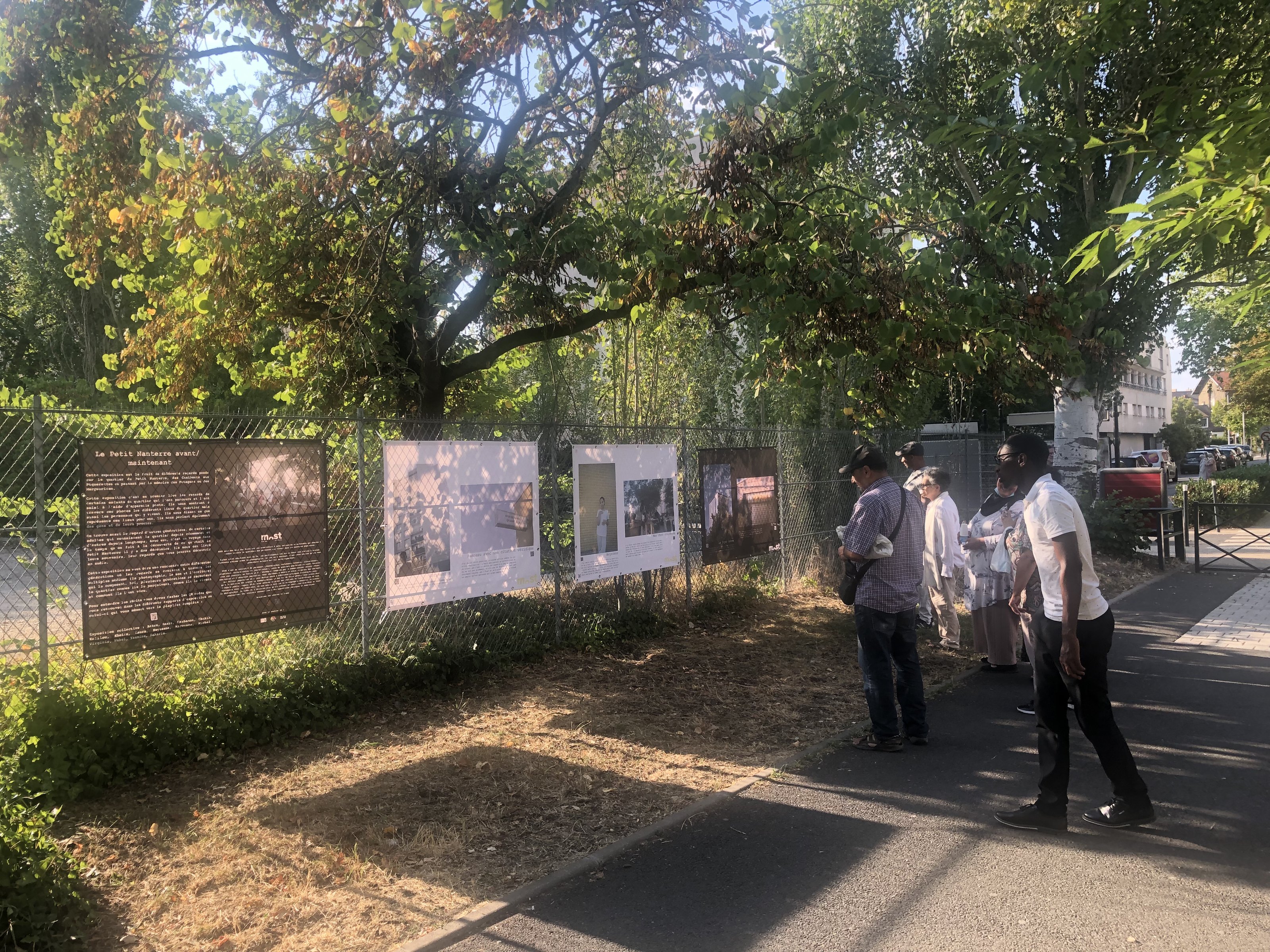
photographs: the mOst team
the exhibition
Ten banners: the introduction, the photographs by the children and the grown-ups, their titles, their words and the QR codes that led to the voices.